25 Vegetables to Grow in March (With Planting Details)
March is when the vegetable garden wakes up. The soil is still cool, and frost can return overnight. Yet many crops actually prefer these conditions. I find that early planting is one of the most rewarding habits a gardener can build.
The key is to choose wisely. Some vegetables grow best in cold soil. Others need to be started indoors and moved out later. This guide covers 25 vegetables to grow in March, with clear steps for each one.
What to Know Before You Plant in March
Your local climate matters more than the calendar. March in Florida feels like May in Minnesota. Start by checking your hardiness zone. The USDA’s 2023 Plant Hardiness Zone Map uses data from 13,412 weather stations, compared with 7,983 in 2012. Then find your average last spring frost date.
Soil temperature is the best planting signal. A cheap soil thermometer is worth owning. NDSU Extension advises planting lettuce and peas when the average soil temperature reaches 40°F or higher.
Frost tolerance falls into two groups. The University of Maryland says hardy vegetables tolerate hard frosts of about 25 to 28°F and go in six weeks before the last frost. Semi-hardy types tolerate light frost, and go in two to four weeks before it.
Cold soil also slows sprouting. University of Delaware data shows peas take over a month to germinate at 41°F, two weeks at 50°F, and about one week in the 70s. Patience pays off.
A quick note: this guide follows the Northern Hemisphere calendar. If you garden south of the equator, March is early autumn, so adjust the timing.
Quick Reference Table
| Group | Vegetables | Where to Start |
| Hardy, direct sow | Peas, spinach, lettuce, radishes, kale, arugula, fava beans, bok choy | Outdoors in cool soil |
| Cool-season roots and bulbs | Onions, leeks, potatoes, carrots, beets, Swiss chard, turnips | Outdoors, as soil allows |
| Brassicas | Broccoli, cabbage, cauliflower, kohlrabi, collards | Transplants or early seeds |
| Perennials | Asparagus, rhubarb | Crowns, planted early |
| Start indoors | Tomatoes, peppers, eggplant | Under lights, indoors |
25 Vegetables to Grow in March
1. Peas
Peas are the classic March crop. They love cool weather and sweeten in the cold. Fresh pods from the vine taste far better than anything from a shop.
Sow seeds directly, about an inch deep. Give them a trellis or netting from the start. University of California Extension notes that peas are frost hardy but will not tolerate frozen ground. Wait until the soil thaws.
Water evenly and pick often. Frequent harvesting keeps the vines producing. In warm areas, plant early, since heat ends the season quickly.
2. Spinach
Spinach is one of the toughest vegetables in the garden. It sprouts in very cold soil and shrugs off frost. It is also quick, often ready in about six weeks.
NDSU says spinach and lettuce can germinate with soil as cold as 32 to 35°F, although warmer soil is faster. Delaware data shows about 12 days at 50°F, versus 23 days at 41°F.
Young spinach plants withstand cold down to 15 to 20°F. Keep the soil moist and fertile. Sow every two weeks for a steady supply before summer heat triggers bolting.
ALSO READ: 30 Spinach Companion Plants (And Their Benefits)
3. Lettuce
Lettuce is perfect for beginners. It grows fast, takes little space and thrives in containers. Leaf types are easiest, since you can harvest outer leaves again and again.
Sow seeds shallowly. New Mexico State University advises planting small seeds like lettuce and carrots about a quarter inch deep. Press them into moist soil and keep it damp.
Lettuce sprouts in just a week at 50°F, according to Delaware data. It dislikes heat. Plant in March and early April, then switch to heat-tolerant varieties later.
4. Radishes
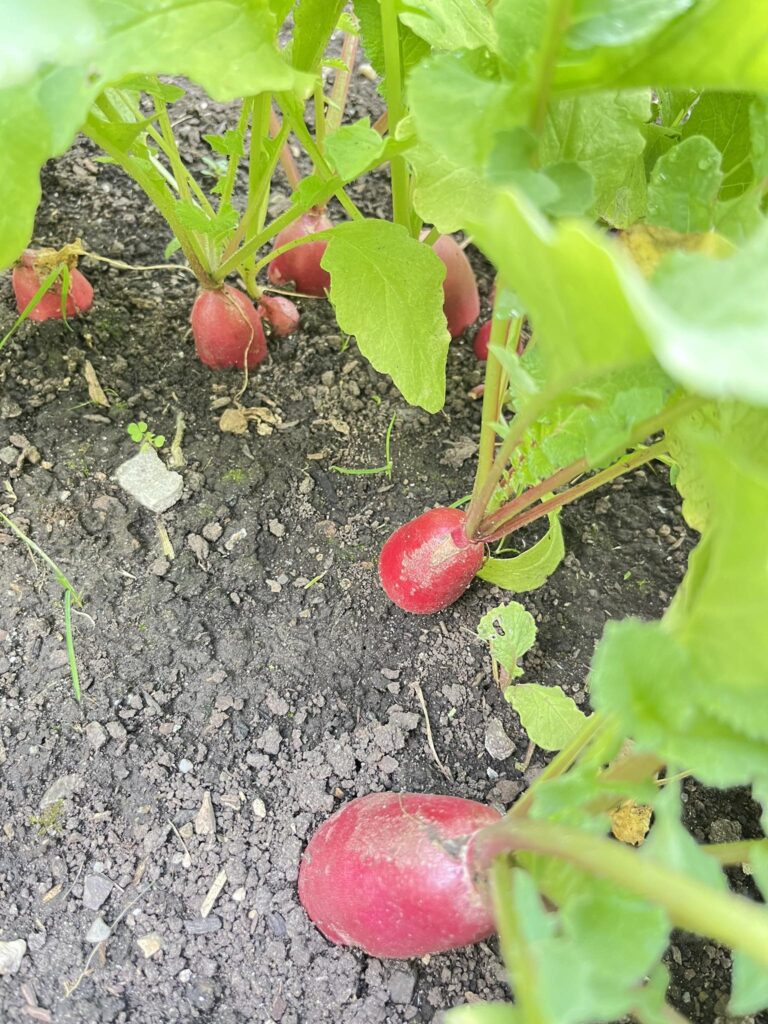
Radishes are the fastest vegetable I know. Many varieties are ready in three to four weeks. They are perfect for impatient gardeners and for kids.
New Mexico State University calls radishes one of the easiest crops for the early spring garden. Sow seeds half an inch deep, and thin seedlings to an inch or two apart.
Radishes turn woody and hot in warm weather. So sow small batches every week or two in March and April. Mix them with carrots to mark the rows.
5. Kale
Kale is a nutritious, tough leafy green. It handles frost very well, and cold even improves its flavor. A few plants can feed a family for months.
Start seeds in the garden about four to six weeks before your last frost. Or buy transplants for a faster start. Space plants a foot or so apart.
Harvest the outer leaves first. Leave the center growing. Delaware data shows kale germinates in about 15 days at 50°F. Keep an eye out for cabbage worms in spring.
ALSO READ: 30 Companion Plants for Kale (And the Science Behind Every Pairing)
6. Arugula
Arugula is a peppery salad green that grows fast. It can be picked within a month. It is also easy to grow in pots and window boxes.
Sprinkle seeds thinly in rows and cover lightly. Keep the soil moist. It prefers cool weather, so March is ideal.
Harvest young leaves for a mild flavor. Older leaves turn spicy and bitter. Sow every two weeks, and plant in partial shade as the weather warms.
7. Onions
Onions are a patient crop, but they reward you. March is a great time to set out onion sets or young transplants. They tolerate light frost well.
University of Idaho Extension suggests starting onions indoors under lights as early as February, then planting onion sets and plants in the garden in mid-April. In milder areas, you can go earlier.
Choose a sunny spot with loose, fertile soil. Plant them about an inch deep. Water regularly. Keep weeds down, since onions compete poorly.
8. Leeks
Leeks are mild, sweet cousins of the onion. They grow slowly, so a March start is wise. They stand through winter cold, too.
Start seeds indoors in late winter. Transplant the young plants when they are pencil-thick. Plant them deep in a trench, so more of the stem stays white.
Hill soil around the base as they grow. Water during dry spells. Harvest in fall or even through winter in mild climates.
9. Potatoes
Potatoes love cool soil. March is a standard planting month in many areas. They are also one of the most satisfying crops to dig up.
Maryland’s planting calendar lists March 20 to May 10 as the spring window for Irish potatoes. University of California guidance adds that potatoes can go in when the soil is 45 to 50°F.
Use certified seed potatoes, not supermarket ones. Cut large tubers so each piece has two eyes. Plant them 4 to 6 inches deep, and hill the soil as the plants grow.
10. Carrots
Carrots need loose soil. Stones and clumps cause forked, twisted roots. Work the bed deeply before sowing.
Seeds are slow. Delaware data shows carrots need about 51 days to sprout at 41°F, but only 17 days at 50°F. So do not rush them into cold ground. Aim for soil near 50°F or warmer.
Sow seeds a quarter inch deep. Keep the surface moist until they appear. Thin seedlings to two or three inches apart for fat, straight roots.
ALSO READ: 25 Best Companion Plants for Carrots (And Why They Actually Work)
11. Beets
Beets give you two crops in one. The roots are sweet and earthy. The leaves are tender and cook like spinach.
NDSU notes that beets, Swiss chard and onions prefer soil of about 50°F. Wait for that, since germination in colder soil is very slow.
Each beet seed is actually a cluster, so you must thin seedlings. Space them about three inches apart. Keep watering steady to prevent tough or cracked roots.
ASO READ: 25 Best Companion Plants for Beets (And Those to Avoid)
12. Swiss Chard
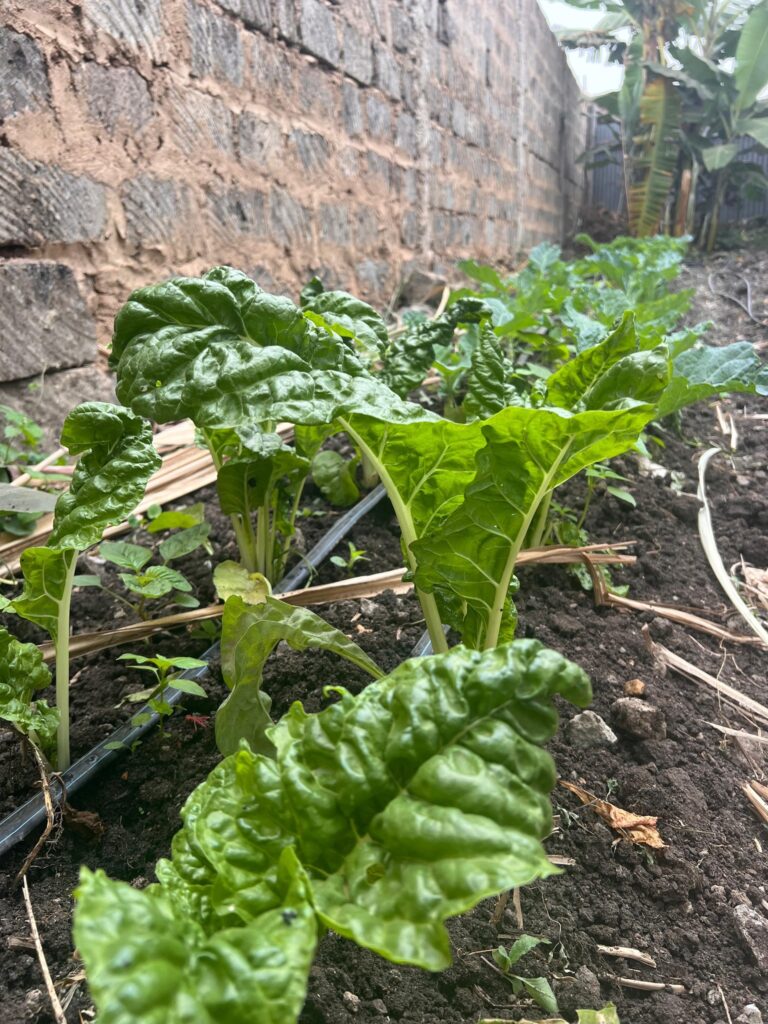
Swiss chard is colorful, productive and forgiving. Its stems come in red, yellow, pink and white. It looks beautiful in a flower bed, too.
Sow seeds half an inch deep once soil nears 50°F. Thin the plants to about six inches apart. It tolerates light frost and also handles summer heat better than spinach.
Cut outer leaves and let the center regrow. One planting can give you harvests for months. Chard also does well in large containers.
13. Turnips
Turnips are quick and easy. Both the roots and the greens are edible. Many varieties mature in about two months.
Sow seeds directly, about a quarter to half an inch deep. Thin the seedlings to a few inches apart. Cool weather gives sweeter, milder roots.
Harvest them while small, around two to three inches wide. Larger turnips turn woody. Pick the greens young for the best flavor.
14. Broccoli
Broccoli is a cool-season favorite. It forms heads best in mild weather. Heat makes it bolt into yellow flowers.
For March, transplants are usually best. Purdue Extension lists broccoli, cabbage, kale and spinach among cool-season crops to plant two to four weeks before the last spring frost.
Space plants about 18 inches apart. Give them rich soil and steady water. Harvest the main head, then leave the plant. Side shoots will keep coming.
ALSO READ: 30 Best Companion Plants for Broccoli (And 4 to Avoid)
15. Cabbage
Cabbage is dependable and cold hardy. It handles light frost and cool nights. Heads can be huge and heavy, so give them room.
Set transplants about 12 to 18 inches apart. University of California guidance says cabbage needs rich soil for fast growth, and mulch helps keep the soil cool.
Feed with compost or balanced fertilizer. Watch for cabbage worms and aphids. Use floating row covers to block pests, and harvest when heads feel firm.
16. Cauliflower
Cauliflower is a little fussier than broccoli. It dislikes stress. Sudden heat or cold can stop head formation.
Start with transplants for best results. Plant them in rich, well-drained soil in a sunny spot. Water evenly, and mulch to keep roots cool.
When the head is about the size of a tennis ball, tie the leaves over it. This is called blanching, and it keeps the head white. Harvest while tight and firm.
ALSO READ: Tips for Growing Romanesco Cauliflower in Pots
17. Kohlrabi
Kohlrabi looks like an alien, but it is delicious. The swollen stem tastes like a mild, sweet turnip. You can eat it raw or cooked.
It matures fast, in about 50 to 60 days. Sow seeds directly or set out small transplants. Space plants about four inches apart.
Harvest when the bulbs are the size of a tennis ball. Larger ones become woody. Cool weather gives the best texture.
18. Collard Greens
Collards are a staple in Southern cooking. They are hardy, productive and rich in vitamins. They also tolerate both cold and heat.
Plant seeds or transplants in March. Delaware data shows collards germinate in about 15 days at 50°F. Space plants 12 to 18 inches apart.
Pick the lower leaves as they grow. Leave the growing tip. Frost actually sweetens the leaves, so a cold snap is no problem.
19. Fava Beans
Fava beans, or broad beans, are among the hardiest beans. They grow in cool weather and fix nitrogen in the soil. That helps the next crop.
University of California Extension describes fava beans as very frost hardy, with a good germination range of 40 to 75°F. So they are ideal for March sowing.
Plant seeds about two inches deep. Support tall plants with stakes and string. Pinch the tips once pods set. This reduces aphids and helps pods fill.
ALSO READ: 40 Best Companion Plants for Beans (With Details)
20. Bok Choy
Bok choy is a quick, mild Asian green. It grows fast and tastes great in stir-fries. Small plants are tender and sweet.
Sow seeds a half inch deep, or use transplants. It prefers cool weather. Heat and long days cause bolting.
Keep the soil moist and fertile. Harvest in as little as 45 days. Cut the whole head at the base, or pick the outer leaves as needed.
21. Asparagus
Asparagus is a long-term investment. Plant crowns once, and enjoy spears for many years. It is one of the best perennial vegetables.
Plant dormant crowns in early spring, as soon as the soil is workable. Dig a trench about 6 to 8 inches deep. Set the crowns in and cover them lightly, adding soil as the shoots grow.
Be patient. Most gardeners wait about two to three years before a full harvest. Do not cut spears in the first year. This lets the roots build strength.
22. Rhubarb
Rhubarb is another tough perennial. The tart stalks make pies and jams. Once established, it comes back every spring with little help.
Plant crowns in early spring, in rich, well-drained soil. Space them about three feet apart. Give them full sun or light shade.
Skip the harvest in the first year. Pick lightly in the second. Never eat the leaves, since they contain harmful oxalic acid. Eat only the stalks.
23. Tomatoes (Start Indoors)
Tomatoes cannot go outside in March in most places. But March is the perfect time to start them indoors. A good head start gives stronger plants and earlier fruit.
University of Idaho Extension lists mid-March for starting eggplants, peppers and tomatoes indoors under lights. Plant seeds a quarter inch deep in seed-starting mix.
Keep them warm and bright. Use grow lights or a sunny window. Move seedlings outside only after the last frost, when nights stay above 50°F. Purdue says warm-season crops go out after the average last spring frost.
24. Peppers (Start Indoors)
Peppers are slow. They need warmth and a long season. That is why March indoor sowing is so important.
Sow seeds a quarter inch deep, and keep them warm. A heat mat helps a lot. Seeds can take one to two weeks to sprout. Be patient.
Give seedlings strong light. Transplant them outside only when nights are reliably warm. Harden them off for a week before planting out to avoid shock.
ALSO READ: 15 Weeds That Look Like Pepper Plants (Identify Them, With Pictures)
25. Eggplant (Start Indoors)
Eggplant loves heat even more than peppers. It needs warm soil and a long growing season. So March is the right time to sow indoors.
Start seeds in small pots, a quarter inch deep. Keep them at about 75 to 80°F for the best sprouting. Bright light keeps seedlings sturdy.
Purdue notes that summer crops need soil of at least 60°F for optimum germination and growth. So wait for warm weather before transplanting. Fertile soil and full sun give the best fruit.
Simple March Planting Tips
Prepare your beds early. Work in several inches of compost as soon as the soil is dry enough. Never dig wet soil, since it compacts and loses structure. NDSU also warns that working soggy ground can damage its structure.
Warm soil faster with black plastic or clear row covers. Cover young seedlings when frost is forecast. A simple sheet or cloche can save a crop overnight.
Mulch gently once plants are established. It holds moisture and blocks weeds. Keep mulch off the stems.
A few more habits help:
- Label every row.
- Plant small batches every two weeks.
- Water in the morning.
- Harden off all indoor seedlings.
Frequently Asked Questions
What vegetables can I plant outdoors in March?
Peas, spinach, lettuce, radishes, kale, onions, potatoes and fava beans are the safest choices. They tolerate cold soil and light frost.
Can I plant tomatoes in March?
Not outdoors in most climates. Start seeds indoors, and plant them out after your last frost.
How cold is too cold for vegetable seeds?
It depends on the crop. Spinach and lettuce can sprout near freezing. Warm-season crops need soil above 50°F, and many prefer 60°F or more.
Should I start vegetables indoors or outdoors?
Sow hardy crops outdoors. Start slow, heat-loving crops like peppers and eggplant indoors.
Final Thoughts
March gives gardeners a head start on the whole season. Sow the hardy crops early, start the tender ones indoors, and protect everything from sudden frost.
If I had to pick three to begin with, I would choose peas, spinach and radishes. They are quick, forgiving and delicious. Start small, watch your soil, and enjoy the first harvest of the year.
References
- North Dakota State University Extension. “Dakota Gardener: Sowing Vegetable Seeds During a Fickle Spring.” https://www.ag.ndsu.edu/news/columns/dakota-gardener/dakota-gardener-sowing-vegetable-seeds-during-a-fickle-spring
- Purdue University Extension. “Planting Vegetable Seeds or Transplants” (HO-186-W, Indiana Vegetable Planting Calendar). https://www.extension.purdue.edu/extmedia/HO/HO-186-W.pdf
- University of Delaware Cooperative Extension. Gordon Johnson, “Weekly Crop Update: Germination Temperatures.” https://sites.udel.edu/weeklycropupdate/?p=17705
- University of Maryland Extension. “Vegetables for Spring and Fall Planting.” https://extension.umd.edu/sites/extension.umd.edu/files/2022-04/2%20VEGETABLES%20FOR%20SPRING%20AND%20FALL%20PLANTING%20and%20Summer.pdf
- University of California Cooperative Extension, Nevada County Master Gardeners. “Spring & Fall Cool-Season Vegetables.” https://ucanr.edu/sites/default/files/2015-08/219478.pdf
- University of Idaho Extension, Kootenai County. “Vegetable and Seed Planting Timetable and Seed Starting Plan.” https://www.uidaho.edu/-/media/uidaho-responsive/files/extension/county/kootenai/gardening/vegetable-and-seed-planting-timetable-and-seed-starting-plan.pdf
- U.S. Department of Agriculture, Agricultural Research Service. “USDA Plant Hardiness Zone Map.” https://planthardiness.ars.usda.gov/

Tim M Dave is a gardening expert with a passion for houseplants, particularly cacti and succulents. With a degree in plant biology from the University of California, Berkeley, he has vast experience in gardening. Over the years, he has cultivated a vast collection of desert plants and learned a great deal about how to grow and care for these unique companions.