15 Weeds That Look Like Pepper Plants (Identify Them, With Pictures)
Pepper plants are a staple in home gardens everywhere. Their glossy leaves and compact, bushy growth make them easy to spot once they mature.
But young pepper seedlings are a different story. In their early stages, they resemble several common weeds closely enough to cause real confusion.
I have accidentally left a weed seedling growing next to my peppers for weeks, convinced it was just a slow-growing plant. By the time I noticed the difference, it had already gone to seed.
This guide covers 15 weeds that look like pepper plants, several of which belong to the same botanical family. Knowing the difference matters, since some of these weeds are toxic. Let’s get into it.
Weeds That Resemble Pepper Plants
Pepper plants belong to the Solanaceae family, commonly known as the nightshade family. This family includes over 2,700 species, ranging from tomatoes to tobacco to deadly toxic plants.
Many aggressive weeds share this same family lineage. That shared ancestry explains the similar leaf shape, growth habit, and even flower structure seen across so many species.
Beyond true nightshade relatives, a few unrelated broadleaf weeds also mimic pepper seedlings closely enough to trip up new gardeners. Both categories are covered in this list.
1. Black Nightshade (Solanum nigrum)
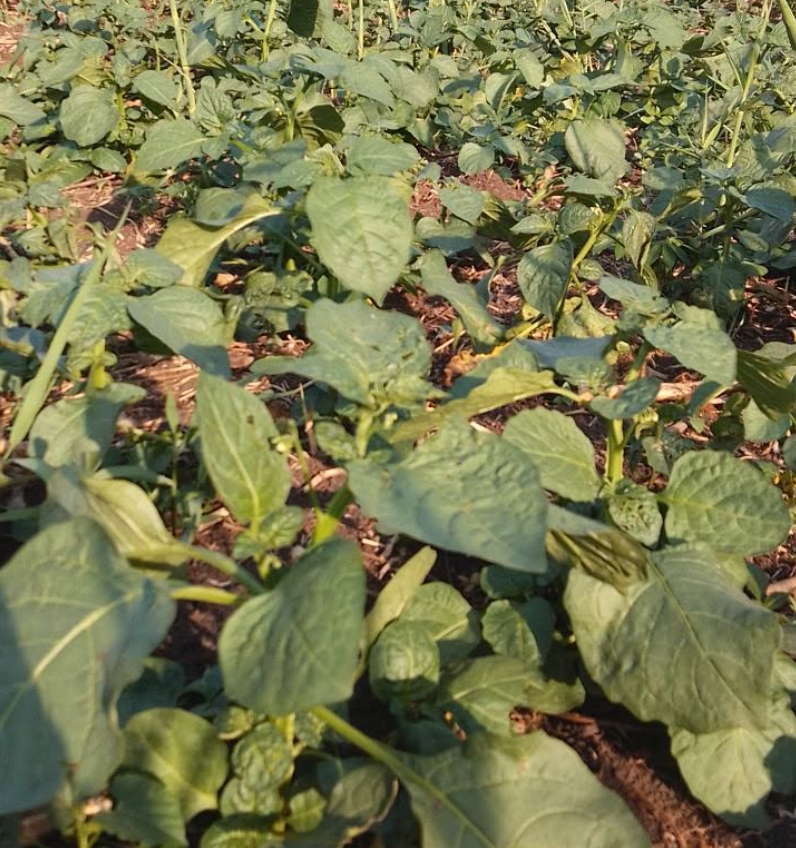
Black nightshade is arguably the most common pepper lookalike found in home gardens. It belongs to the same genus as peppers’ close relatives and shares a nearly identical leaf shape.
I have pulled dozens of these from vegetable beds over the years. The oval, slightly wavy-edged leaves are easy to mistake for young pepper foliage, especially before flowering begins.
The berries are small, round, and turn black when ripe. These berries are toxic if consumed in quantity, so identifying this weed early matters more than most others on this list.
2. Eastern Black Nightshade (Solanum ptycanthum)
Eastern black nightshade is a close cousin of common black nightshade, found widely across North American farmland. The two are often confused even by experienced growers.
This weed causes real problems in commercial agriculture. Research from Midwestern extension programs shows it can reduce soybean yields by up to 10 percent when left uncontrolled in dense infestations.
The leaves are ovate with pointed tips, closely resembling pepper foliage during the seedling stage. Small white flowers eventually give way to the same dark, toxic berries as its relative.
3. Horsenettle (Solanum carolinense)
Horsenettle is a spiny, upright weed that shares the same family as peppers but grows far more aggressively. Its leaves have deep, irregular lobes that can still resemble broader pepper varieties.
I remember getting pricked while weeding a garden bed, only to realize afterward that the plant’s spiny stems were the giveaway. True pepper plants never develop thorns of any kind.
The flowers are pale purple to white, star-shaped, and quite showy. Horsenettle spreads through an extensive underground root system, making it notoriously difficult to remove completely.
ALSO READ: 35 Weeds With White Flowers (Names, With Pictures)
4. Silverleaf Nightshade (Solanum elaeagnifolium)
Silverleaf nightshade gets its name from the silvery, fuzzy coating on its narrow leaves. This coating gives it a distinct grayish-green color that differs from a pepper plant’s glossier foliage.
This weed is considered a noxious weed in several U.S. states, largely due to its deep taproot and drought tolerance. It can survive conditions that would quickly kill a cultivated pepper plant.
The flowers are a striking violet-blue, followed by yellow, tomato-like berries. Despite the leaf color difference, young plants can still confuse gardeners scanning quickly through a seedling tray.
5. Buffalo Bur (Solanum rostratum)
Buffalo bur is easy to identify once it matures, thanks to its extremely spiny stems and seed pods. In the seedling stage, however, its deeply lobed leaves can resemble certain pepper cultivars.
I find this weed particularly unpleasant to handle. Every part of the mature plant, including the leaves and stems, is covered in sharp yellow spines that make hand-pulling painful.
The flowers are bright yellow, quite different from a pepper’s typical white or pale blooms. Buffalo bur is also a known host for Colorado potato beetles, adding another reason to remove it quickly.
6. Bittersweet Nightshade (Solanum dulcamara)
Bittersweet nightshade is a sprawling, vine-like weed that climbs through fences and nearby plants. Its purple, star-shaped flowers with bright yellow centers are fairly distinctive once blooming begins.
Before flowering, though, the leaves can pass for young pepper foliage, particularly on plants growing upright before they begin to sprawl outward and climb.
The berries ripen from green to bright red, closely resembling small cherry pepper varieties. This resemblance makes it especially risky, since the berries are toxic to humans and many pets.
7. Volunteer Tomato Seedlings
Volunteer tomatoes are not technically weeds, but they cause enormous confusion in pepper beds. Since both plants belong to the Solanaceae family, their seedlings look nearly identical early on.
I have mixed up tomato and pepper seedlings more than once while transplanting. The cotyledon leaves, the first tiny leaves to emerge, are almost indistinguishable between the two species.
The difference becomes clear once true leaves develop. Tomato leaves grow compound and serrated, while pepper leaves stay smooth-edged and simple, without the jagged tomato-like divisions.
8. Groundcherry (Physalis species)
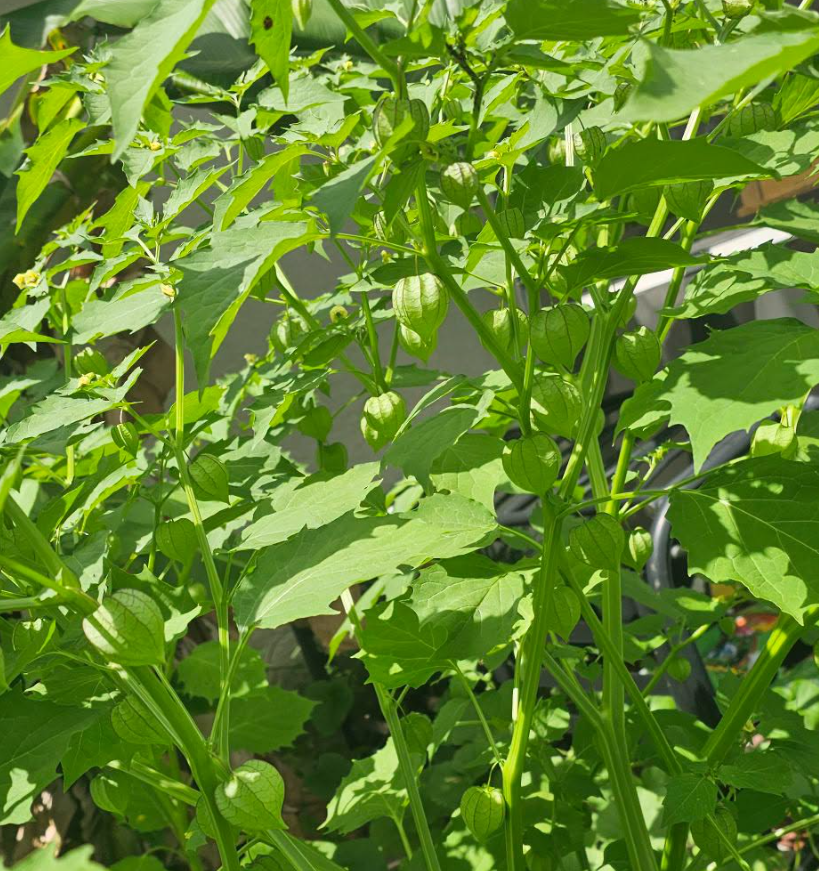
Groundcherry is another Solanaceae relative, producing small fruits wrapped in a papery husk. Its broad, slightly fuzzy leaves can resemble pepper foliage during early growth stages.
I actually grow groundcherries intentionally now, since the fruit is edible and quite tasty once ripe. But volunteer plants sprouting uninvited among peppers still catch me off guard some seasons.
The flowers are small, bell-shaped, and yellow with dark centers. Once the papery husk forms around the developing fruit, identification becomes far easier than during the seedling stage.
9. Chinese Lantern (Physalis alkekengi)
Chinese lantern is a close relative of groundcherry, grown ornamentally for its bright orange, papery seed pods. Before those lanterns form, the plant’s foliage closely mirrors young pepper leaves.
This plant spreads aggressively through underground rhizomes. In flower beds, it can quickly become invasive, and I have seen it choke out neighboring plants within just a couple of growing seasons.
The small white flowers are easy to miss, but the eventual bright orange husks make this weed unmistakable later in the season, even though the early foliage caused initial confusion.
ALSO READ: 15 Weeds That Look Like Hollyhocks (Spot The Difference)
10. Apple of Peru (Nicandra physalodes)
Apple of Peru is a tall, branching plant with large, irregularly toothed leaves. While bigger than typical pepper foliage, young seedlings can still cause momentary confusion in a crowded bed.
I have seen this plant reach 4 feet tall by midsummer, towering well above most pepper varieties. Its size becomes the clearest identifying factor as the season progresses.
The flowers are pale blue-violet and quite attractive, which is why some gardeners grow it ornamentally despite its weedy, self-seeding tendencies in unmanaged areas.
11. Jimsonweed (Datura stramonium)
Jimsonweed is one of the more dangerous plants on this list. It belongs to the nightshade family and produces large, irregularly lobed leaves with a distinct unpleasant odor when crushed.
I always warn new gardeners about this one specifically. Every part of jimsonweed is toxic, and accidental ingestion has caused serious poisoning cases across the United States for decades.
The flowers are large, white, and trumpet-shaped, quite different from pepper blooms. Seedling leaves, however, share a similar simple, oval shape that can confuse an inexperienced eye.
12. Wild Tobacco (Nicotiana species)
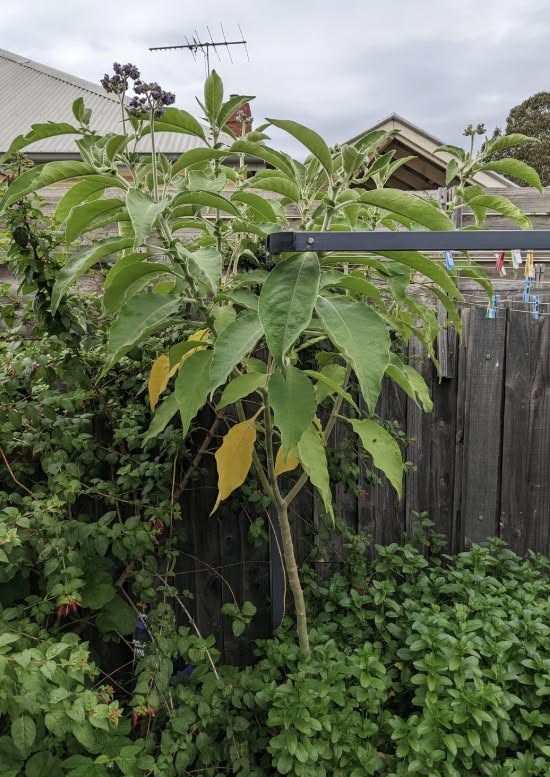
Wild tobacco plants share the same family as peppers and produce broad, slightly sticky leaves. Young plants, before their tall flowering stalks emerge, can resemble bushy pepper seedlings.
I have encountered wild tobacco growing along roadsides and disturbed soil areas. It thrives in poor conditions where cultivated peppers would likely struggle to establish themselves at all.
The tubular flowers range from white to pale green or pink, depending on the species. Nicotine content in the leaves makes this plant unsuitable for consumption in any form.
13. Deadly Nightshade / Belladonna (Atropa belladonna)
Deadly nightshade, or belladonna, is among the most toxic plants a gardener might encounter. Its broad, oval leaves bear a passing resemblance to pepper foliage, especially in shaded growing conditions.
This is genuinely one weed I take seriously every single time. Even small amounts of the berries can be fatal, and historical records document poisoning cases dating back centuries across Europe.
The bell-shaped flowers are dull purple to brown, followed by shiny black berries. Fortunately, belladonna is less common in North American gardens than in parts of Europe and Asia.
14. Henbane (Hyoscyamus niger)
Henbane is a coarse, hairy weed with deeply lobed, irregular leaves. While the texture differs noticeably from smooth pepper foliage, the overall leaf shape can still cause brief confusion in young plants.
I find this weed unpleasant even to look at, given its dull, sickly yellow flowers marked with purple veining. It has a distinctly unwelcoming appearance compared to a healthy pepper plant.
Like several others on this list, henbane is highly toxic. Historical accounts describe its use in medieval medicine and poison-making alike, long before its dangers were fully understood.
15. Common Lambsquarters (Chenopodium album)
Common lambsquarters is not related to peppers at all, but its young seedlings are frequently mistaken for pepper starts in crowded seed trays. Both have a similar upright, simple growth habit.
I have mixed up lambsquarters seedlings with peppers more than once during early spring planting. The mealy, grayish coating on young lambsquarters leaves is the easiest way to tell them apart.
This weed is actually edible and nutritious, often used as a spinach substitute. Still, in a pepper bed, it competes aggressively for nutrients and should be removed before it matures.
ALSO READ: 30 Types of Pepper Plants (With Growing Details)
How to Tell Pepper Plants and Lookalike Weeds Apart
The clearest identifier is leaf edge texture. True pepper leaves are smooth-edged and glossy, while most nightshade weed relatives have slightly rougher, sometimes hairy or toothed foliage.
Growth habit matters too. Peppers grow into compact, bushy plants with sturdy stems, while many lookalike weeds sprawl, climb, or shoot up tall and spindly within just a few weeks.
Finally, check for spines or unusual odors. Peppers never develop thorns, and their foliage carries a mild, unremarkable scent, unlike several toxic relatives on this list.
Managing Pepper Lookalike Weeds in Your Garden
If you suspect a weed has slipped into your pepper bed, isolate the plant first. Move it to a separate pot until true leaves develop enough to confirm its identity with confidence.
I recommend labeling pepper seed trays clearly from the very start. This simple habit alone prevents most mix-ups between volunteer tomatoes, weeds, and intentional pepper seedlings.
Regular weeding around the base of young pepper plants also helps. Removing suspicious seedlings early, before they establish deep roots, keeps your garden bed cleaner and easier to manage overall.
Final Thoughts
Pepper plants share more in common with certain weeds than most gardeners realize, especially during the vulnerable seedling stage. From toxic nightshades to harmless lambsquarters, these 15 lookalikes each carry distinct clues once you know what to check.
Paying attention to leaf texture, growth habit, and any unusual smells or spines can save you from an unwanted surprise later in the season. I hope this guide helps you garden with a bit more confidence.

Tim M Dave is a gardening expert with a passion for houseplants, particularly cacti and succulents. With a degree in plant biology from the University of California, Berkeley, he has vast experience in gardening. Over the years, he has cultivated a vast collection of desert plants and learned a great deal about how to grow and care for these unique companions.