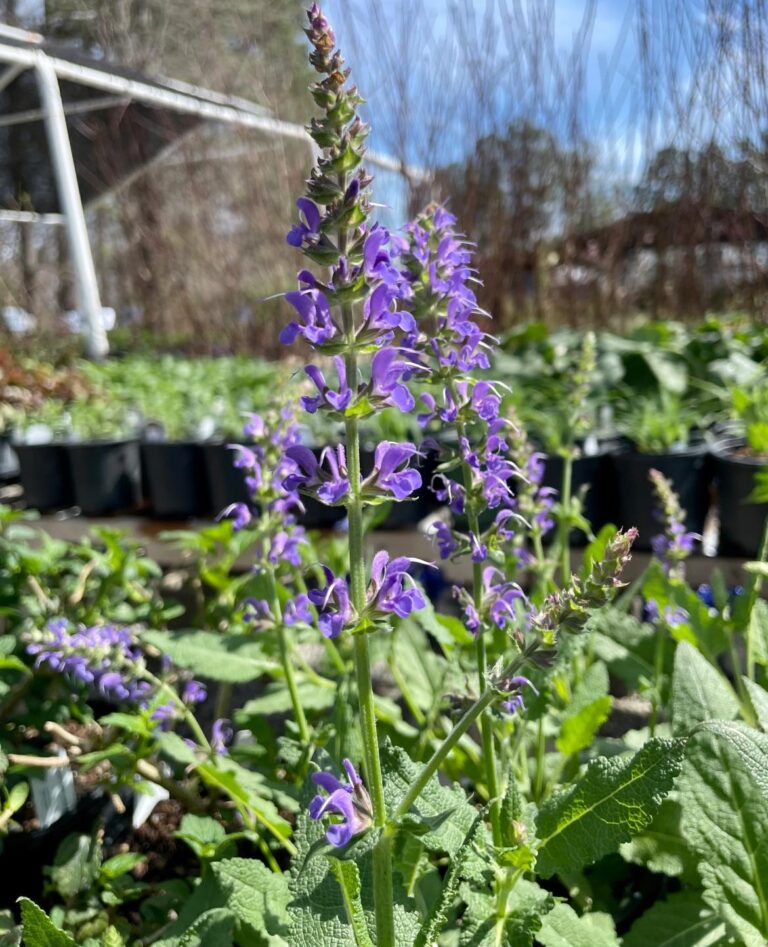
25 Deer Resistant Shade Bushes (Identification, With Pictures)
A shady yard is a gift. It is cool, quiet, and full of potential. But when deer find it, that peace can end overnight.
I have seen healthy shrubs stripped bare in a single winter week. It is frustrating, and it is expensive. That is why choosing the right plants from the start is so important.
The problem is bigger than most people think. White-tailed deer numbered only about 500,000 in the early 1900s. Today, researchers estimate 25 to 30 million across the United States. More deer means more pressure on home gardens.
The cost adds up too. Rutgers Cooperative Extension reports that studies estimate an average of $200 to $800 in landscape damage per single-family household.
The good news is simple. Many shade-loving shrubs have traits that deer dislike. These include strong scent, toxic leaves, stiff texture, or spiny edges.
In this guide, I share 25 deer resistant shade bushes that I trust, explaining their sizes, hardiness zones, and basic care tips.
What Does “Deer Resistant” Really Mean?
Let me be honest first. No plant is deer proof. A very hungry deer will eat almost anything.
Extension experts say the same. Rutgers rates plants from “rarely damaged” to “frequently severely damaged.” Plants in the first two groups are the best choice for deer-prone areas.
Deer choose food based on several factors. These include hunger, weather, and what else is available nearby. A shrub that deer ignore in summer may be eaten in late winter.
Young plants are also more at risk. Tender new growth tastes better than tough, mature leaves. So even resistant shrubs may need short-term protection in their first year.
Deer also tend to avoid plants with certain traits:
- Strong fragrance, such as spicebush and daphne
- Toxic or bitter foliage, such as mountain laurel and pieris
- Spiny or leathery leaves, such as hollies and mahonia
- Hairy or rough texture, such as some viburnums
Keep these traits in mind. They will help you judge new plants even if they are not on this list.
25 Deer Resistant Shade Bushes You Can Grow
1. Boxwood (Buxus species)
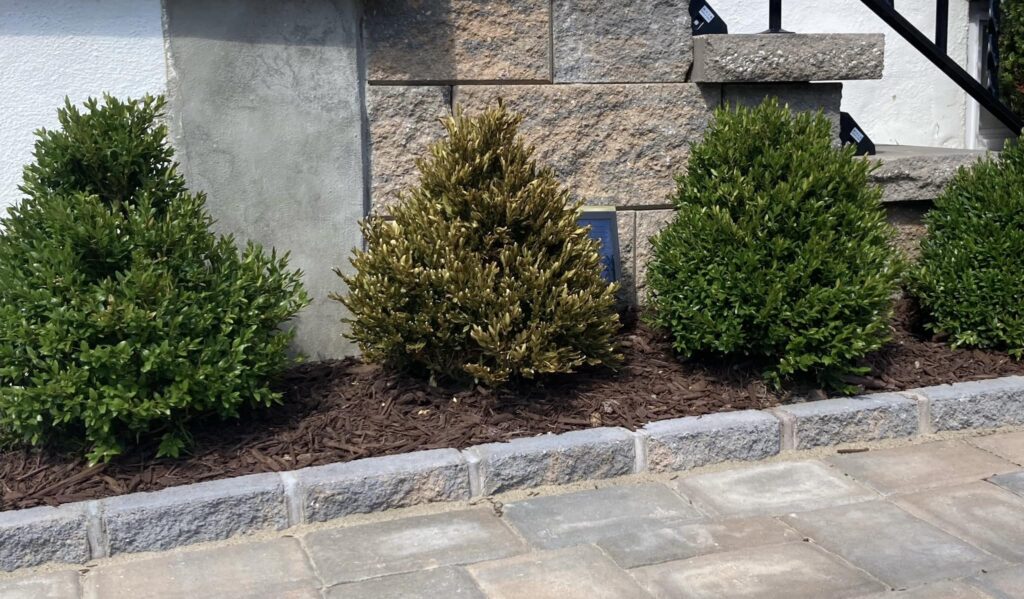
Boxwood is a classic for good reason. It is evergreen, tidy, and tolerant of part shade. Its leaves contain compounds that deer find bitter, so they usually walk past.
Most types grow 2 to 6 feet tall, depending on the variety. They suit zones 5 to 9. Use them for hedges, borders, or formal foundation planting.
One caution from me: boxwood blight is a serious disease in some regions. Buy plants from a reputable nursery and ask about blight-resistant varieties.
2. Inkberry Holly (Ilex glabra)
Inkberry is a native holly with glossy, dark green leaves. It looks much like boxwood but handles wet soil better. It grows well in part shade and even in fairly deep shade.
Expect a height of 4 to 8 feet in zones 5 to 9. Compact varieties such as ‘Shamrock’ stay smaller. Extension sources list inkberry among native shrubs deer tend to avoid.
It also feeds birds. Female plants produce small black berries in fall. Plant a male nearby if you want berries.
3. Japanese Holly (Ilex crenata)
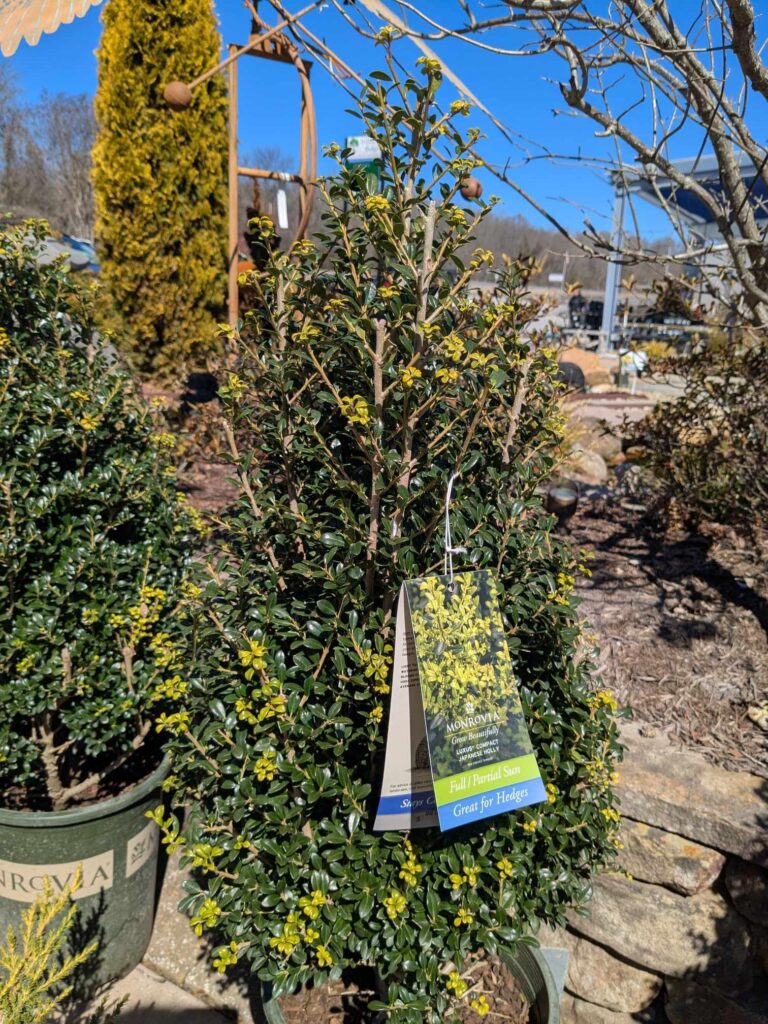
Japanese holly is often mistaken for boxwood. Its small, rounded leaves are smooth, but they are tough enough to discourage deer. It copes well with part shade.
This shrub grows 3 to 6 feet tall in roughly zones 5 to 8. It works well in foundation beds and low hedges. It responds nicely to light shearing.
Choose a hardy variety for cold areas. Protect it from harsh winter wind. A little mulch goes a long way.
4. Winterberry Holly (Ilex verticillata)
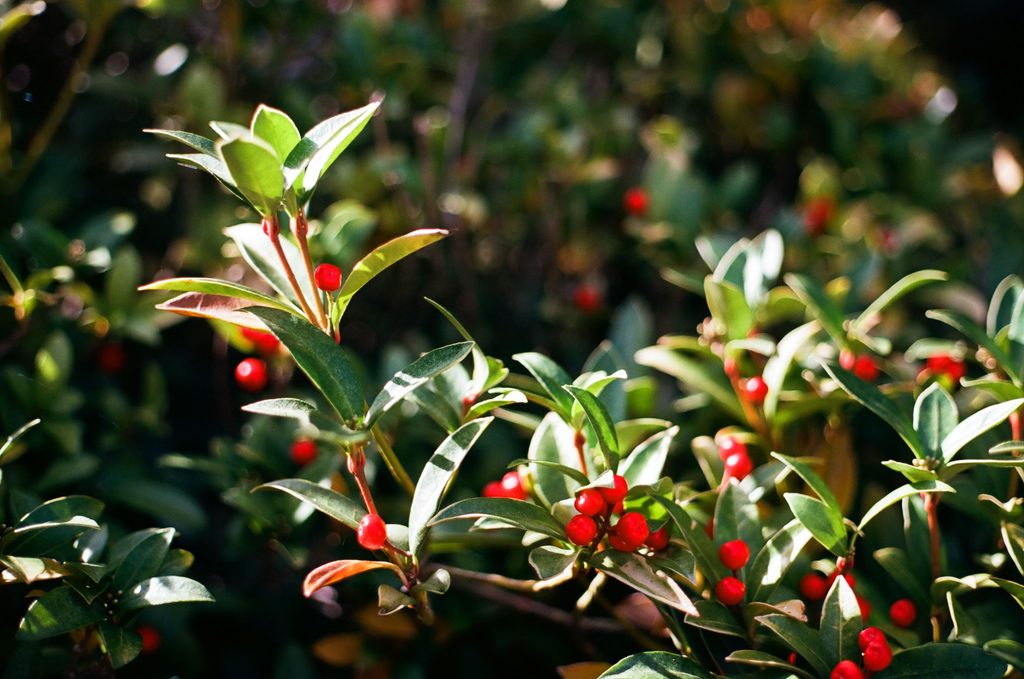
Winterberry is a deciduous holly that puts on a spectacular winter show. After the leaves drop, bright red berries remain on bare stems. Rutgers materials describe it as deer resistant.
It grows 6 to 10 feet tall in zones 3 to 9. It prefers full sun to part shade and moist, acidic soil. Light shade still gives good fruit.
Remember that you need both sexes. Plant one male for every few females. Birds will thank you.
5. Mountain Laurel (Kalmia latifolia)
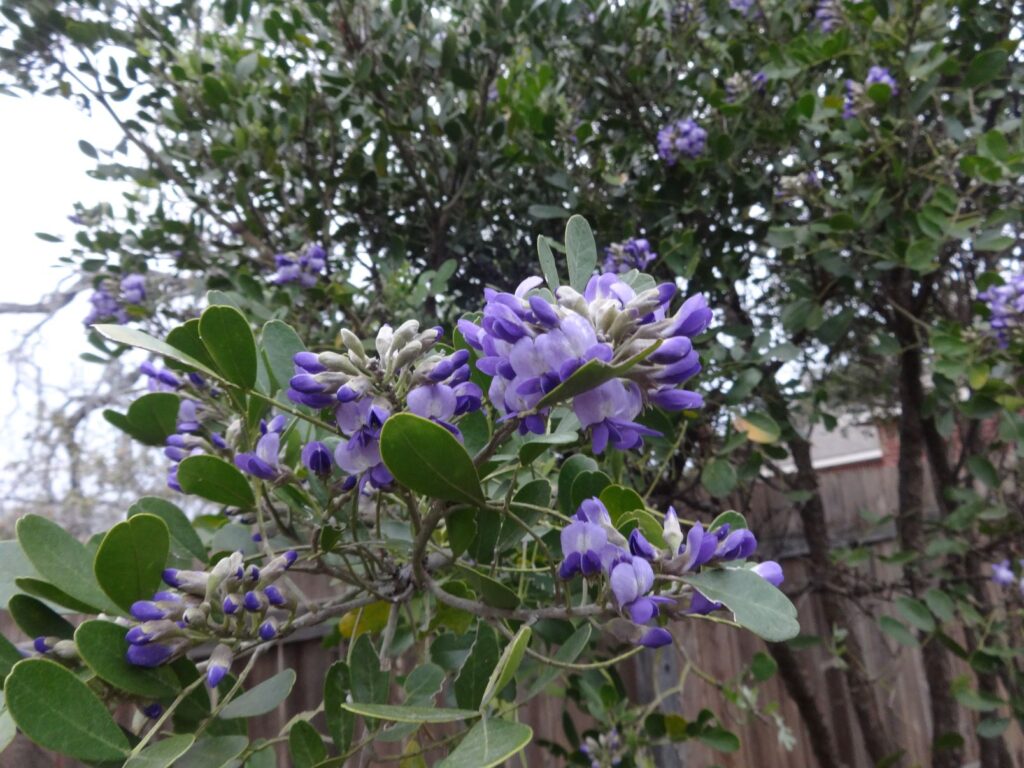
Mountain laurel is one of my favorite native shrubs. In late spring, it covers itself in pink and white clusters. The flowers look like tiny pleated cups.
All parts of the plant are toxic, which is why deer avoid it. It grows 5 to 10 feet tall in zones 4 to 9. It likes part shade and acidic, well-drained soil.
It is a slow grower, so be patient. The reward is a long-lived evergreen that needs almost no care once established.
ALSO READ: 40 Deer Resistant Perennial Flowers (Names, With Pictures)
6. Japanese Pieris (Pieris japonica)
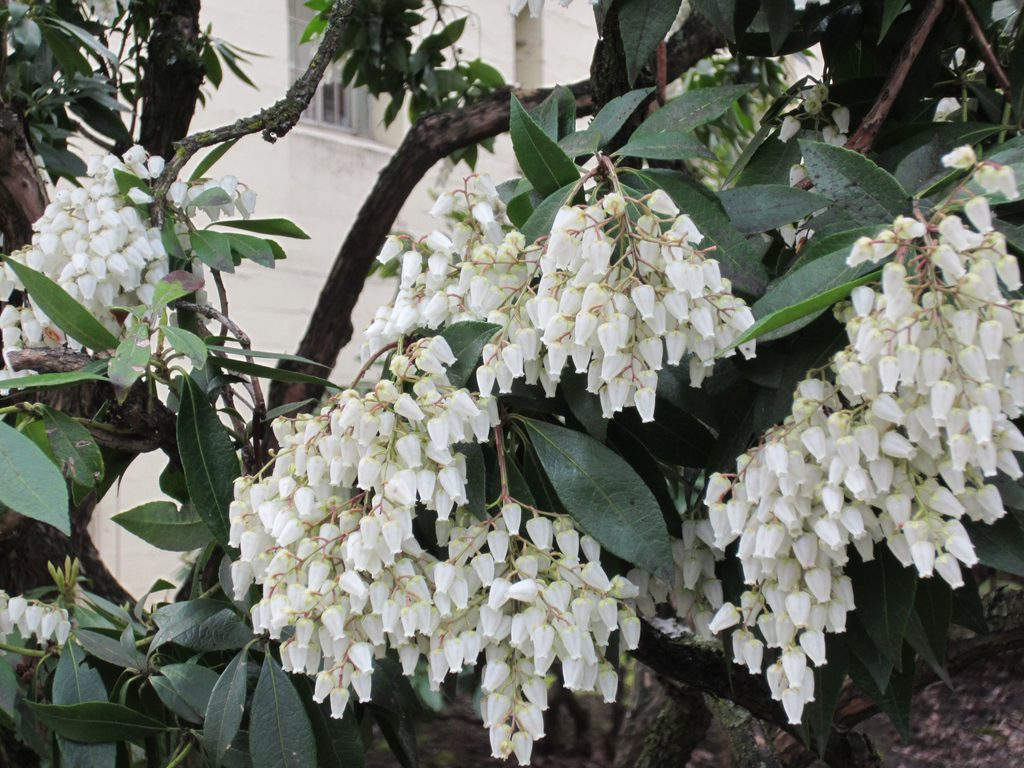
Pieris is a beautiful evergreen with dangling flower clusters in early spring. New leaves often emerge bronze or red. Deer generally leave it alone because the foliage is toxic.
It reaches 4 to 9 feet in zones 5 to 8. Give it part shade and acidic soil. Shelter from strong winter sun prevents leaf scorch.
It looks lovely beside rhododendrons. But note that deer often eat rhododendrons, so use pieris as the outer edge.
7. Leucothoe (Leucothoe fontanesiana)
Leucothoe, sometimes called fetterbush, has arching stems and glossy leaves. In winter, the foliage turns a rich burgundy. Small white bell flowers appear in spring.
It grows 3 to 6 feet tall in zones 5 to 8. It thrives in shade and moist, organic soil. It is a smart choice for woodland borders.
Deer usually avoid it. Water it during dry spells. Shade-grown plants dry out faster than people expect.
8. Oregon Grape Holly (Mahonia aquifolium)
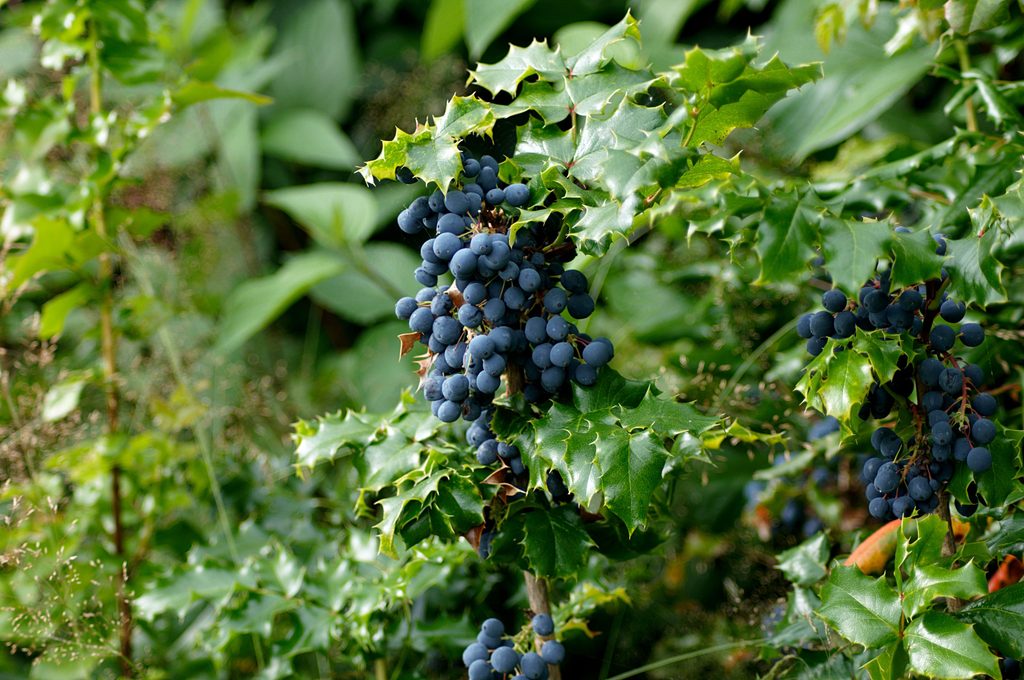
Oregon grape holly has spiny, holly-like leaves that deer rarely enjoy. Bright yellow flowers appear in spring. Blue-purple berries follow in summer.
It grows 3 to 6 feet tall in zones 5 to 9. It handles part to full shade. Many gardeners use it as a tough understory plant.
Its leaves often turn bronze or purple in cold weather. That seasonal change adds welcome color to a shady corner.
9. Leatherleaf Mahonia (Mahonia bealei)
Leatherleaf mahonia is a bolder cousin of Oregon grape. Its large, stiff leaves look almost sculptural. Deer find them sharp and unappealing.
It can reach 6 to 10 feet in zones 6 to 9. Fragrant yellow flowers open in late winter. That timing is a treat for early pollinators.
Check local guidance before planting. This species has become invasive in some southern areas. A well-chosen alternative may be safer in those regions.
ALSO READ: 25 Rabbit Resistant Flowers (Identification, With Pictures)
10. Summersweet (Clethra alnifolia)
Summersweet earns its name in midsummer. Spikes of white or pink flowers fill the air with a spicy-sweet scent. Bees and butterflies love it.
It grows 3 to 8 feet tall in zones 3 to 9. It handles part shade and even wet soil. Compact varieties such as ‘Hummingbird’ suit small gardens.
Garden references often list it among shrubs deer pass by. It also turns golden yellow in fall. That is a lot of value for one plant.
11. Virginia Sweetspire (Itea virginica)
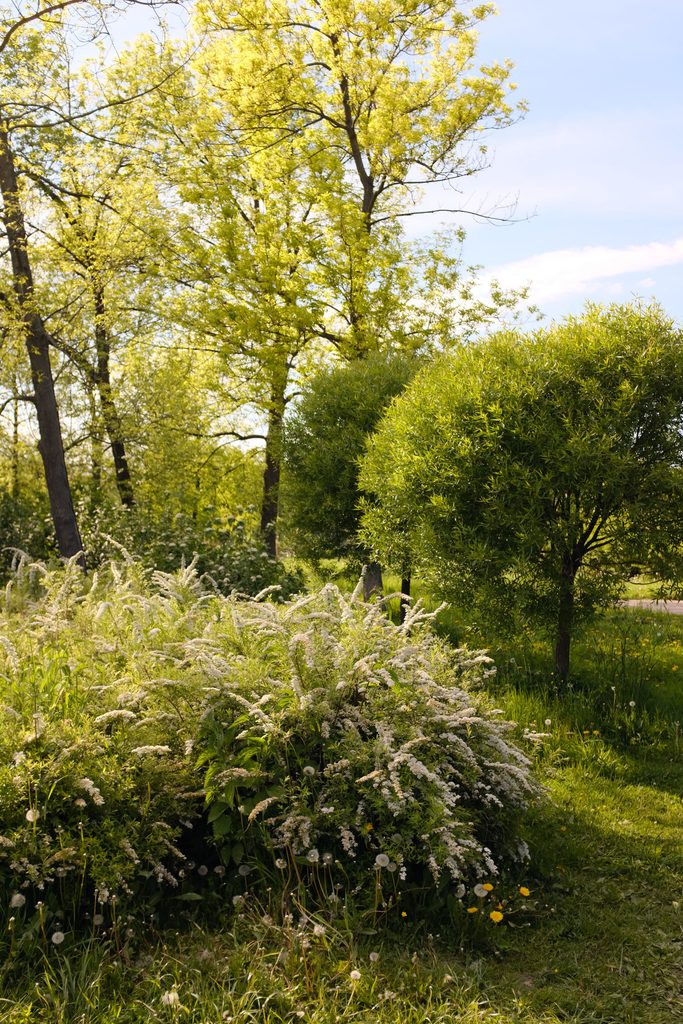
Sweetspire offers fragrant white flower plumes in early summer. In fall, the leaves turn brilliant red and orange. Few shade shrubs match that fall display.
It grows 3 to 5 feet tall in zones 5 to 9. It spreads gently by suckers. This makes it good for slopes and informal borders.
It tolerates wet soil and part shade well. Deer rarely bother it, which makes it a dependable choice.
12. Spicebush (Lindera benzoin)
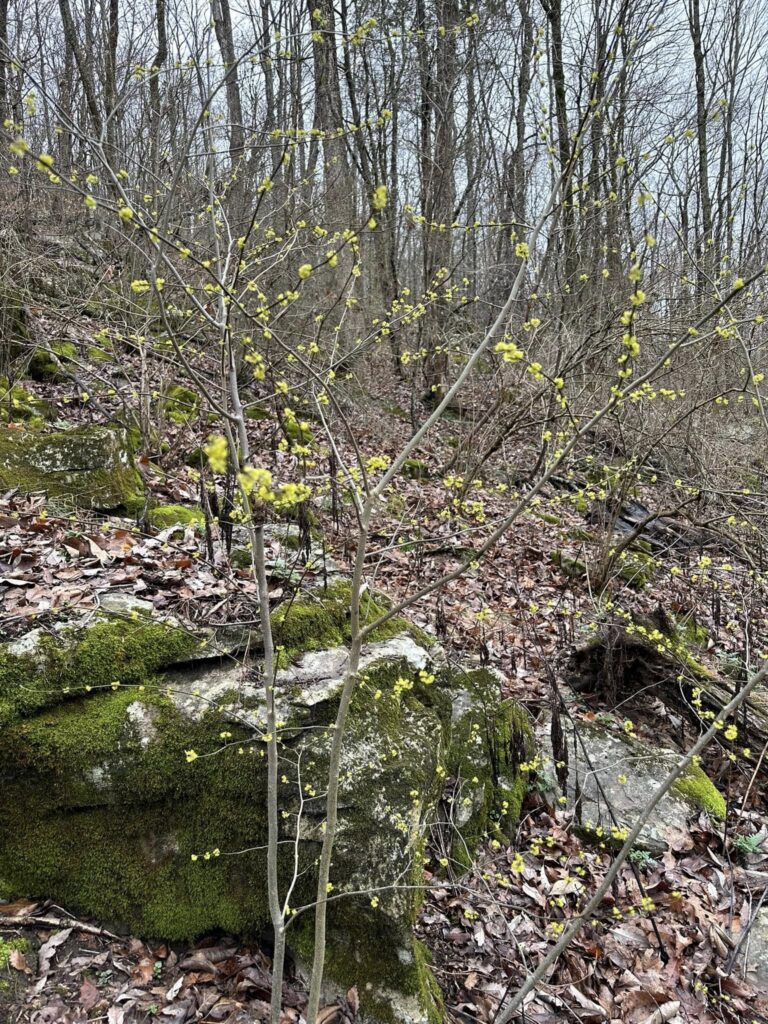
Spicebush is a native shrub with a spicy aroma when you crush its leaves. That scent keeps deer away. Tiny yellow flowers appear before the leaves in early spring.
It reaches 6 to 12 feet in zones 4 to 9. It prefers moist, shady spots. It does well along woodland edges and streams.
It is also a host plant for the spicebush swallowtail butterfly. If you care about wildlife, this is a wonderful pick.
13. Witch Hazel (Hamamelis virginiana)
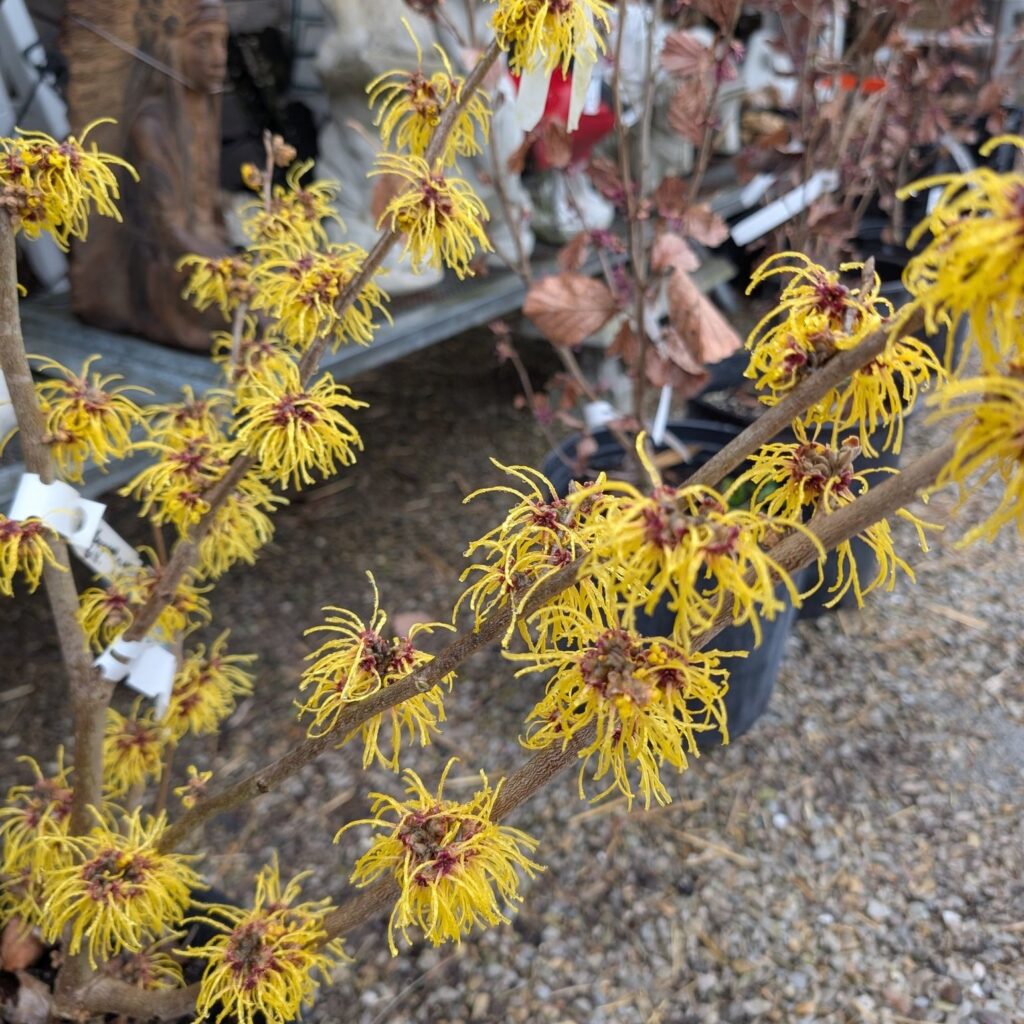
Witch hazel blooms when almost nothing else does. In late fall, its ribbon-like yellow flowers brighten the cold landscape. Penn State Extension notes it as a deer resistant native shrub.
It grows 10 to 15 feet tall in zones 3 to 8. It prefers part shade and moist soil. It works best as a large screen or corner plant.
Give it room to spread. In return, it will offer you late-season color and a graceful, open shape.
14. Fothergilla (Fothergilla gardenii)

Fothergilla is a smaller shrub with honey-scented, bottlebrush flowers in spring. Its fall color is outstanding, with shades of orange, red, and yellow often on the same plant.
It grows 2 to 5 feet tall in zones 4 to 8. It tolerates part shade, though flowering is better with some sun. Acidic, moist soil suits it best.
In my experience, deer rarely touch it. It is a lovely, low-maintenance choice for foundation beds.
15. Daphne (Daphne species)
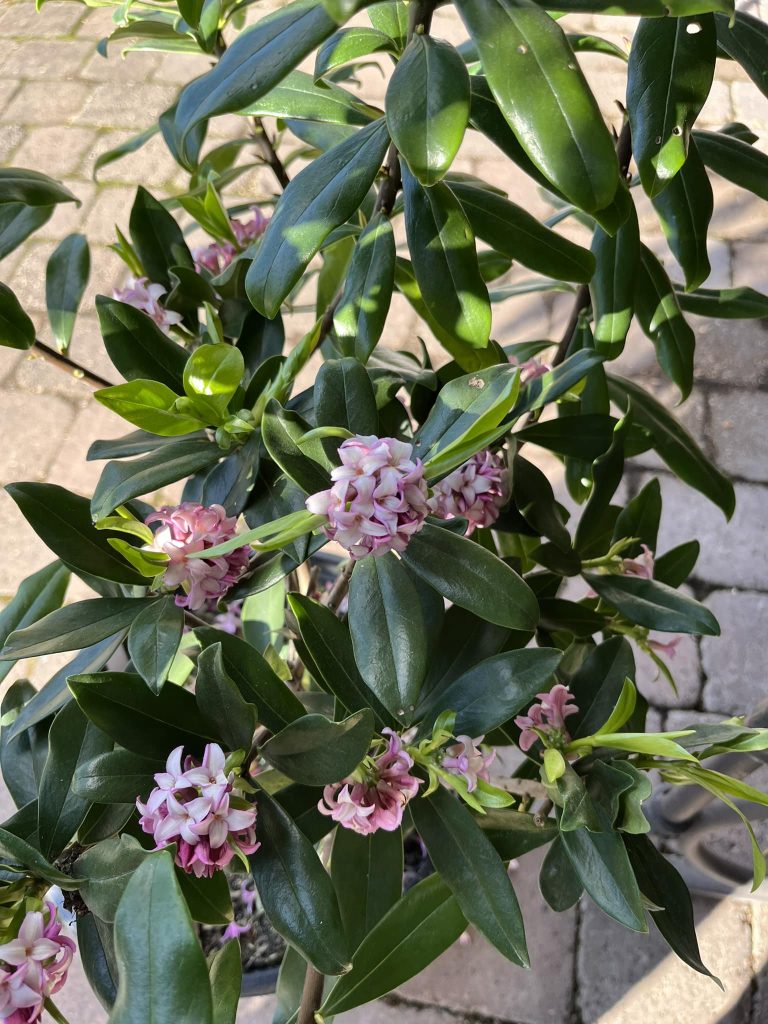
Daphne is famous for its powerful fragrance. Even a small plant can scent an entire entry path. All parts are poisonous, so deer stay away.
Size and hardiness vary by type. Many grow 2 to 4 feet tall, with zones running from about 4 to 9. Most prefer part shade and excellent drainage.
Daphne can be fussy. It dislikes wet feet and heavy transplanting. Plant it once, in the right spot, and leave it alone. Keep it away from curious pets and children.
16. Sweetbox (Sarcococca hookeriana)
Sweetbox is a quiet hero of the winter garden. Its tiny white flowers are almost hidden, yet their vanilla-like scent is remarkable. The glossy evergreen leaves look good all year.
It grows 2 to 5 feet tall in zones 6 to 9. It thrives in deep shade, where few shrubs flower at all. Moist, humus-rich soil keeps it happy.
Deer tend to ignore it. It also makes a neat, compact ground-level hedge beneath taller trees.
17. Japanese Aucuba (Aucuba japonica)
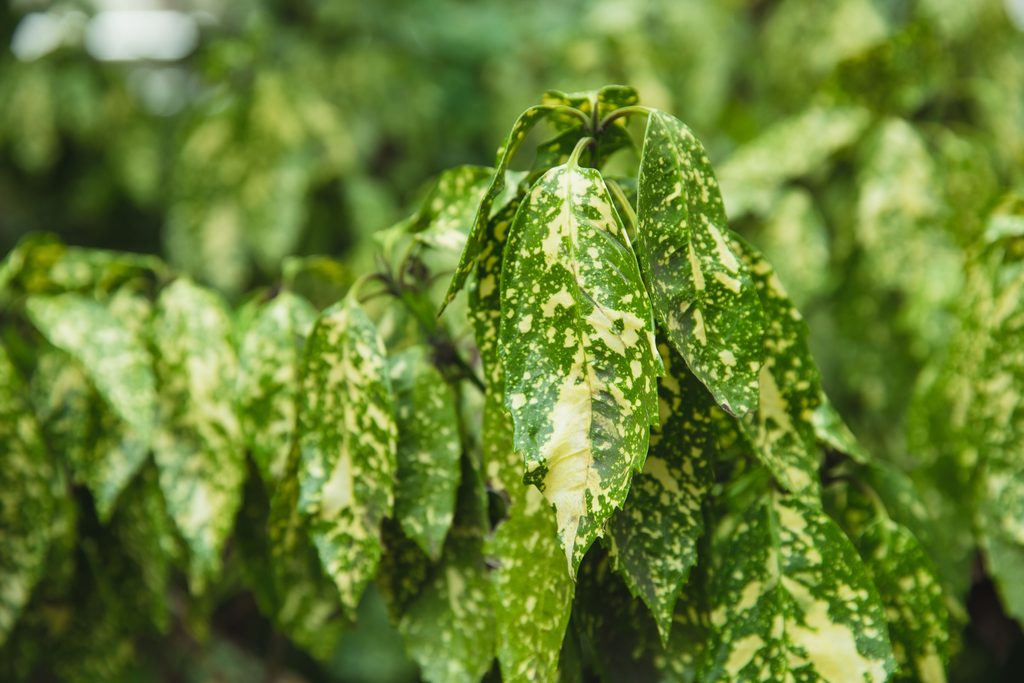
Aucuba brightens dark corners with large, shiny leaves. Many varieties have gold speckles that look like splashes of paint. It handles deep shade better than most evergreens.
It grows 4 to 8 feet tall in zones 7 to 10. It tolerates dry shade once established. This makes it useful under mature trees.
Deer usually avoid it. Protect it from freezing winds and hot afternoon sun. Both can burn the leaves.
18. Fatsia (Fatsia japonica)
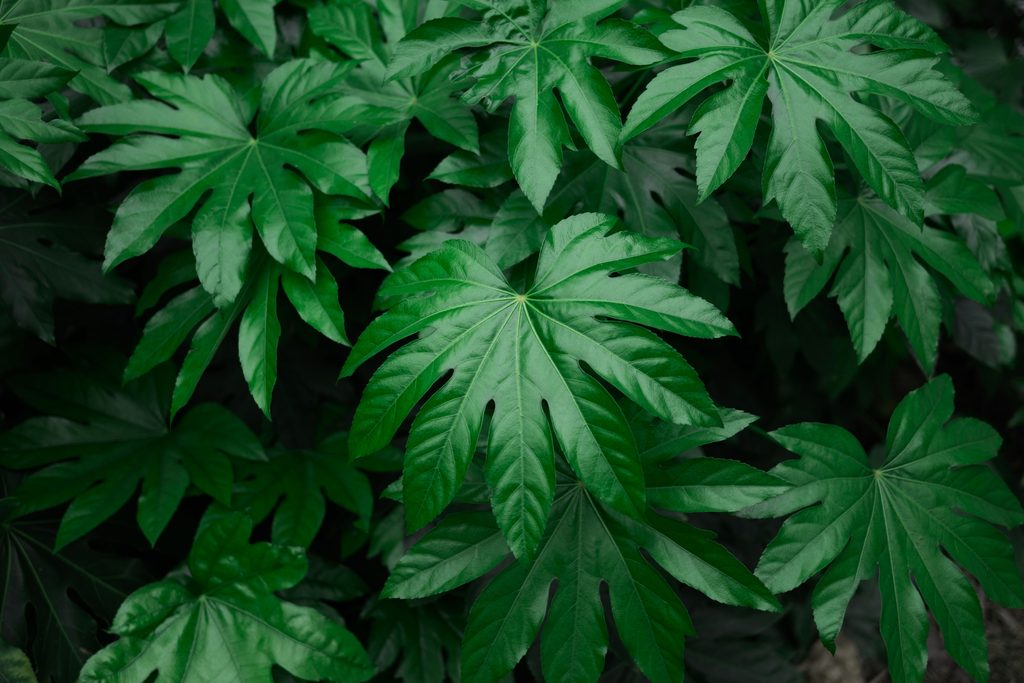
Fatsia brings a tropical look to a shaded garden. Its huge, hand-shaped leaves can measure a foot across. In fall, round white flower clusters appear.
It grows 5 to 10 feet tall in zones 8 to 10. It prefers part to full shade and sheltered spots. It is ideal for courtyards and patios.
Deer seldom eat it. In colder areas, grow it in a large pot and bring it indoors for winter.
19. Cherry Laurel (Prunus laurocerasus)
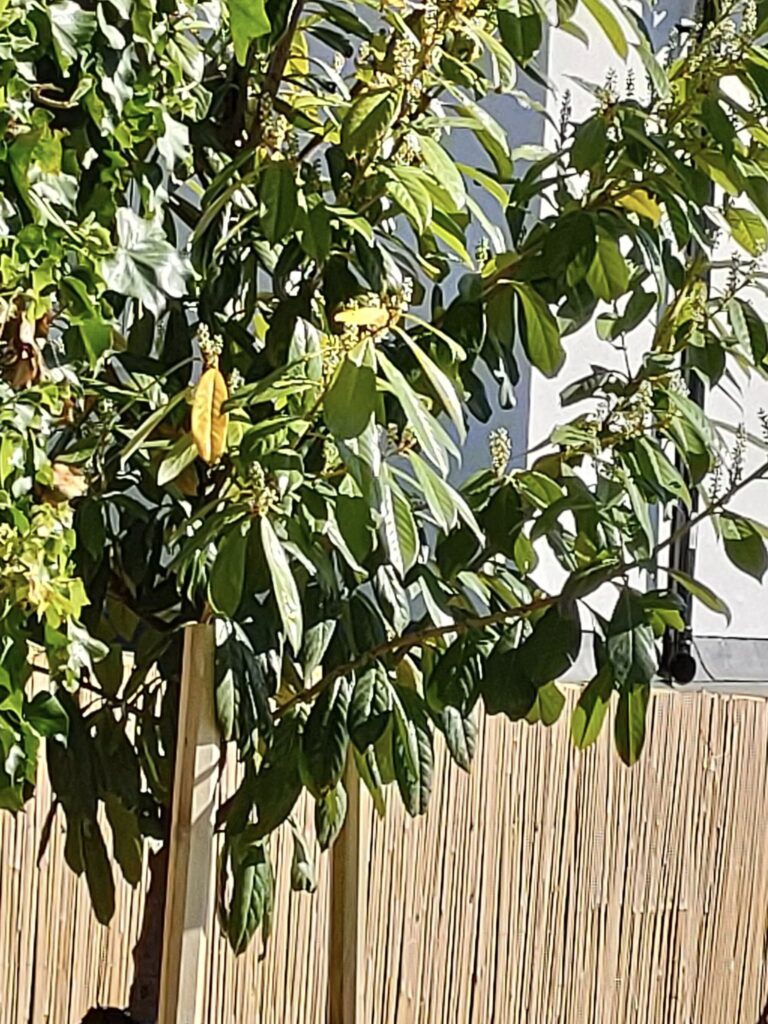
Cherry laurel is a fast-growing evergreen with large, glossy leaves. It makes a thick screen that blocks views and noise. The leaves contain compounds that deer generally dislike.
It grows 10 to 20 feet tall, though compact types stay smaller. It suits zones 6 to 9. It handles shade and clay soil with ease.
Prune it regularly to control size. Choose a dwarf variety such as ‘Otto Luyken’ for smaller spaces.
20. Camellia (Camellia japonica)
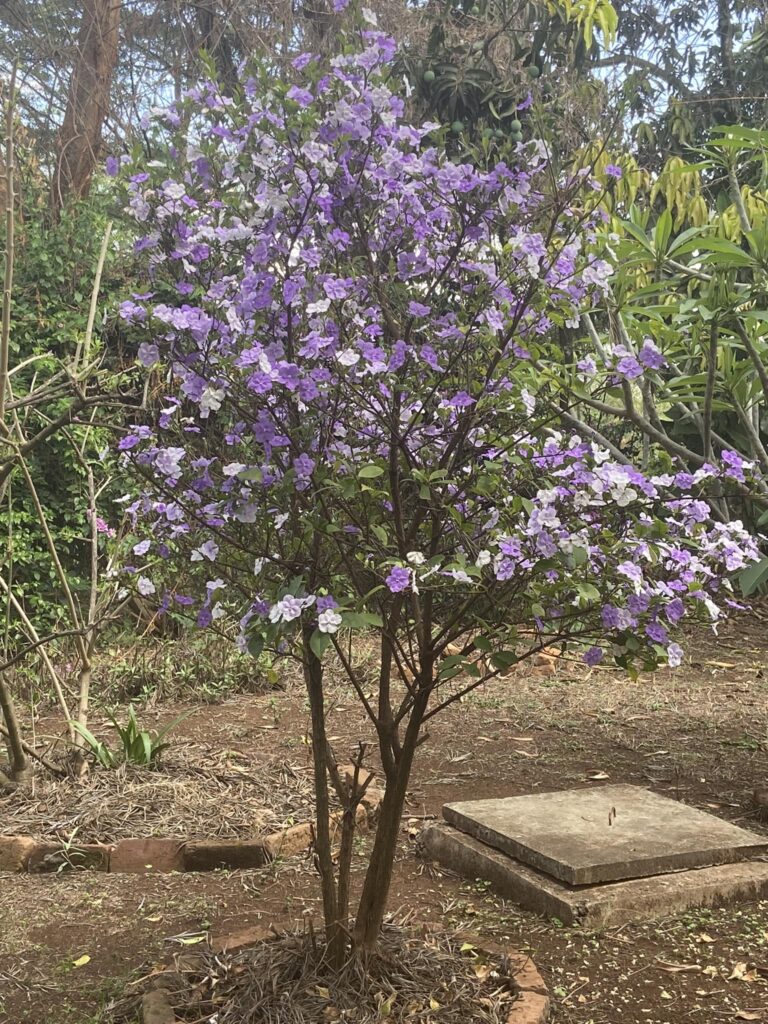
Camellia offers elegant blooms in fall, winter, or early spring. Few shrubs flower so generously in cool months. Its dark, leathery leaves are rarely eaten by deer.
It grows 6 to 12 feet tall in zones 7 to 9. It prefers part shade and acidic, well-drained soil. Afternoon shade protects the flowers.
Cold-hardy hybrids now extend its range. If you live north of zone 7, check for hardy varieties before buying.
21. Arrowwood Viburnum (Viburnum dentatum)
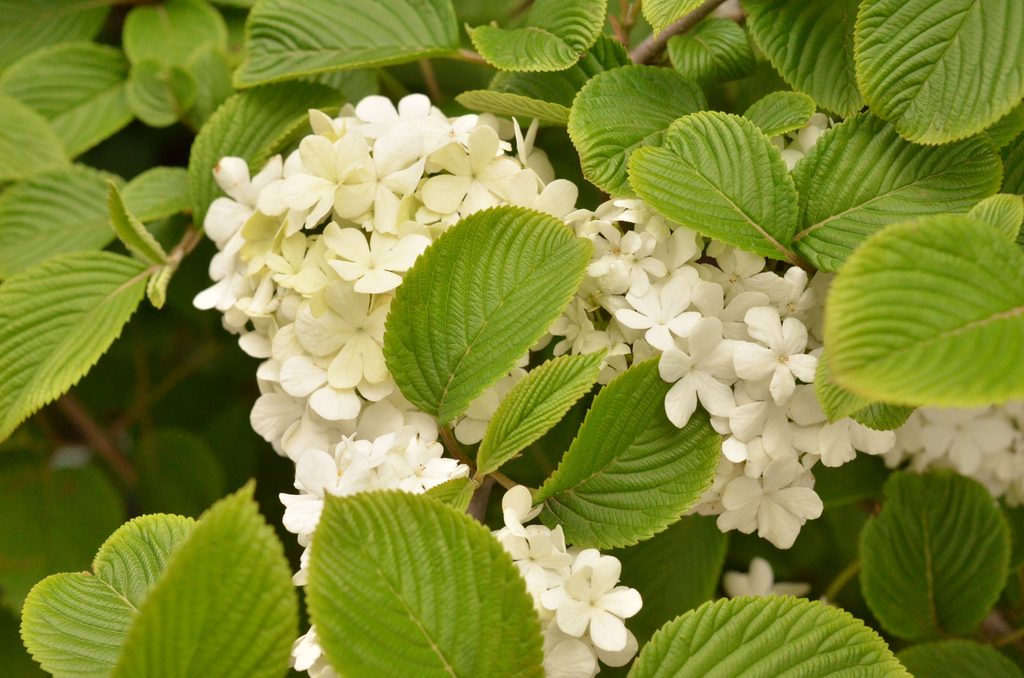
Viburnums are some of the most useful shrubs in the garden, and arrowwood is a standout. It has white spring flowers and blue-black berries. The fall foliage turns red and burgundy.
It grows 6 to 10 feet tall in zones 3 to 9. It tolerates part shade and a wide range of soils. Extension lists often rate viburnums as deer resistant.
Plant two or more for better fruiting. Birds will quickly find the berries.
ALSO READ: 20 Deer Resistant Trees (Identification, With Pictures)
22. Fragrant Sumac (Rhus aromatica)
Fragrant sumac is tough and adaptable. Crushed leaves release a strong scent that deer dislike. University of Connecticut guidance highlights the ‘Gro-Low’ variety for its fall color and hardiness.
It grows 2 to 6 feet tall in zones 3 to 9. It prefers sun but tolerates part shade. It is excellent for banks and difficult spots.
The low form spreads wide, so give it space. It controls erosion very well.
23. Northern Bayberry (Morella pensylvanica)
Northern bayberry has aromatic, semi-evergreen leaves and waxy gray berries. The scent is spicy and clean. University of Massachusetts lists bayberry among shrubs less favored by deer.
It grows 5 to 10 feet tall in zones 3 to 7. It handles sun to part shade. It also tolerates salt, sandy soil, and poor conditions.
Bayberry is a smart pick for coastal yards. It forms dense thickets that offer cover for birds.
24. St. John’s Wort (Hypericum species)
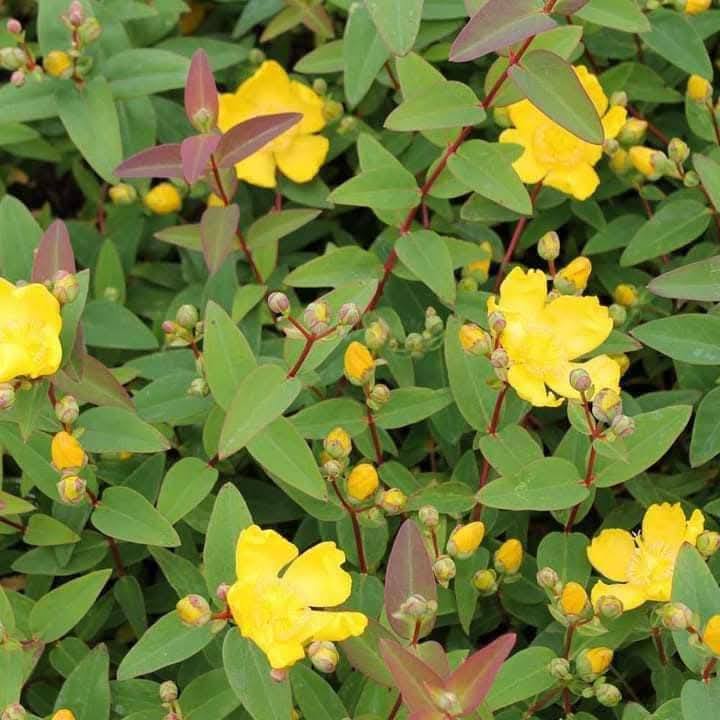
St. John’s wort is a cheerful shrub with bright yellow summer flowers. Its tidy, rounded form suits borders and mass planting. Deer generally pass it by.
Most garden types grow 2 to 4 feet tall. Zones range from about 5 to 9, depending on the variety. It handles part shade, though flowers are better with more light.
Prune it back in early spring. This keeps it compact and encourages more blooms.
25. Red Elderberry (Sambucus racemosa)
Red elderberry is a bold, fast-growing shrub with creamy spring flowers. Bright red berries follow in summer. Birds love them, but deer usually do not.
It grows 8 to 12 feet tall in roughly zones 3 to 7. It prefers part shade and moist, fertile soil. It suits wild or naturalized areas well.
Note that raw berries, leaves, and stems can be toxic to people. Enjoy it for wildlife and beauty, and avoid eating any part without expert guidance.
How to Choose the Best Shade Bush for Your Yard
Before you shop, take a few minutes to study your site. A little planning prevents many problems later.
Know your shade type. Light shade means about four hours of sun. Part shade gets two to four hours. Deep shade gets almost none. Many shrubs below tolerate all three, but some prefer a little sun.
Check your hardiness zone. The USDA zone tells you if a plant will survive your winter. I list the approximate zones for every shrub below.
Think about size. Plant for the mature size, not the pot size. Crowded shrubs struggle with disease and need constant pruning.
Consider your soil. Many shade bushes like rich, moist, well-drained soil. Add compost at planting time. It helps roots settle quickly.
Tips for Planting Deer Resistant Shade Bushes
Good plant choice is only half the job. How you plant matters just as much. These simple habits improve your results.
- Plant in groups. Mix resistant shrubs along the outer edge of your property. Place more tempting plants behind them. Deer often skip beds that look unappealing from the front.
- Protect young plants. Use wire cages or netting for the first season. Tender new growth is more attractive to deer than mature leaves.
- Avoid heavy fertilizing. Lush, nitrogen-rich growth is tastier to deer. Use compost and slow-release feed in small amounts.
- Water deeply. Shade shrubs still need regular moisture, especially in their first two years. Strong roots mean stronger plants.
- Mulch well. Apply two to three inches of mulch. Keep it away from the stems to prevent rot.
- Add repellents when needed. Scent or taste repellents can help during winter. Rotate products and reapply after rain.
Common Mistakes to Avoid
I see the same errors again and again. They are easy to fix.
- Trusting one list completely. Deer behavior differs by region. Ask your local extension office.
- Ignoring winter. Deer browse most when food is scarce. Late winter is the danger zone.
- Planting hydrangeas or yews and expecting safety. Extension experts note that hydrangeas are fairly palatable. Yews are also a favorite deer food.
- Forgetting about antler rubbing. In fall, bucks may rub young shrubs. Only physical protection prevents this damage.
Frequently Asked Questions
What is the most deer resistant shade shrub? Boxwood, mountain laurel, pieris, and daphne are among the most dependable. Their foliage is bitter, toxic, or strongly scented.
Do deer eat hydrangeas? Yes, often. Extension experts say hydrangeas are fairly palatable to deer and are not reliably resistant.
When do deer eat shrubs the most? Late winter and early spring are the hardest times. Natural food is limited, so deer browse more widely.
Can I use deer resistant shrubs without a fence? In many areas, yes. In places with heavy deer pressure, add temporary protection to young plants.
Final Thoughts
A shady garden does not have to be a deer buffet. With the right shrubs, it can be lush, fragrant, and full of color.
Start with a few reliable choices. Boxwood, inkberry, mountain laurel, and summersweet are excellent first steps. Add fragrant and toxic plants to build layers that deer avoid.
Remember, resistant is not the same as proof. Protect young plants, watch your local deer pressure, and adjust as you learn. Over time, your garden will become stronger and more beautiful.
I hope this list helps you plant with confidence. A calm, green shade garden is well within reach.
References
- Rutgers New Jersey Agricultural Experiment Station. Landscape Plants Rated by Deer Resistance. https://njaes.rutgers.edu/deer-resistant-plants/
- University of Massachusetts Amherst. Deer Resistant Plants. https://www.umass.edu/agriculture-food-environment/home-lawn-garden/fact-sheets/deer-resistant-plants
- University of Connecticut, Sustainable Turf and Landscape. Strategies to Minimize Deer Damage on School Grounds. https://ipm.cahnr.uconn.edu/?p=4103
- Oklahoma State University Extension. Ornamental and Garden Plants: Controlling Deer Damage. https://extension.okstate.edu/fact-sheets/ornamental-and-garden-plants-controlling-deer-damage
- Penn State Extension. Animal Control (Home Gardening). https://extension.psu.edu/trees-lawns-and-landscaping/home-gardening/animal-control
- Connecticut Department of Energy and Environmental Protection (.gov). White-tailed Deer Fact Sheet. https://portal.ct.gov/DEEP/Wildlife/Fact-Sheets/White-Tailed-Deer
- Connecticut Department of Energy and Environmental Protection (.gov). Conflicts with Deer. https://portal.ct.gov/DEEP/Wildlife/Nuisance-Wildlife/Problems-with-Deer

Tim M Dave is a gardening expert with a passion for houseplants, particularly cacti and succulents. With a degree in plant biology from the University of California, Berkeley, he has vast experience in gardening. Over the years, he has cultivated a vast collection of desert plants and learned a great deal about how to grow and care for these unique companions.