20 Deer Resistant Trees (Identification, With Pictures)
Few things hurt a gardener like walking out on a winter morning and finding a favorite young tree chewed to a stump. I have heard this story many times, and it never gets easier. The good news is that your choice of tree matters a great deal.
Quick answer: The best deer resistant trees include katsura, river birch, paper birch, American holly, Norway spruce, white spruce, Colorado blue spruce, and several pines. They are rarely or seldom damaged by deer.
Deer are not a small problem. Nationwide, deer numbers climbed from about 500,000 in the early 1900s to over 15 million by the early 2000s, and damage to city and suburban household landscapes passes $250 million a year. More deer means more pressure on your yard.
Now the honest part. No tree is completely deer proof. Hungry deer will eat almost anything in late winter. Still, the right species can cut your losses sharply, and this guide shows you which ones to choose.
What Makes a Tree Deer Resistant?
Deer are browsers, not grazers. They feed on more than 700 plant species, yet they clearly prefer some over others. Your goal is to plant what sits at the bottom of the menu.
Trees that deer avoid usually share a few traits. Strong scents, bitter or resinous foliage, tough or leathery leaves, thorns, and milky sap all discourage browsing. Many conifers fit this pattern well.
Context matters too. When natural food runs short, deer try plants they normally skip. The Rutgers list reminds us that success depends on local deer numbers and weather. A tree that works in one county may struggle in another.
Antler rubbing is a separate threat. In autumn, bucks scrape their antlers on young trunks, and even unappetizing species get hurt. Physical protection is the only reliable answer, which I cover near the end.
The 20 Best Deer Resistant Trees
1. Katsura Tree (Cercidiphyllum japonicum)
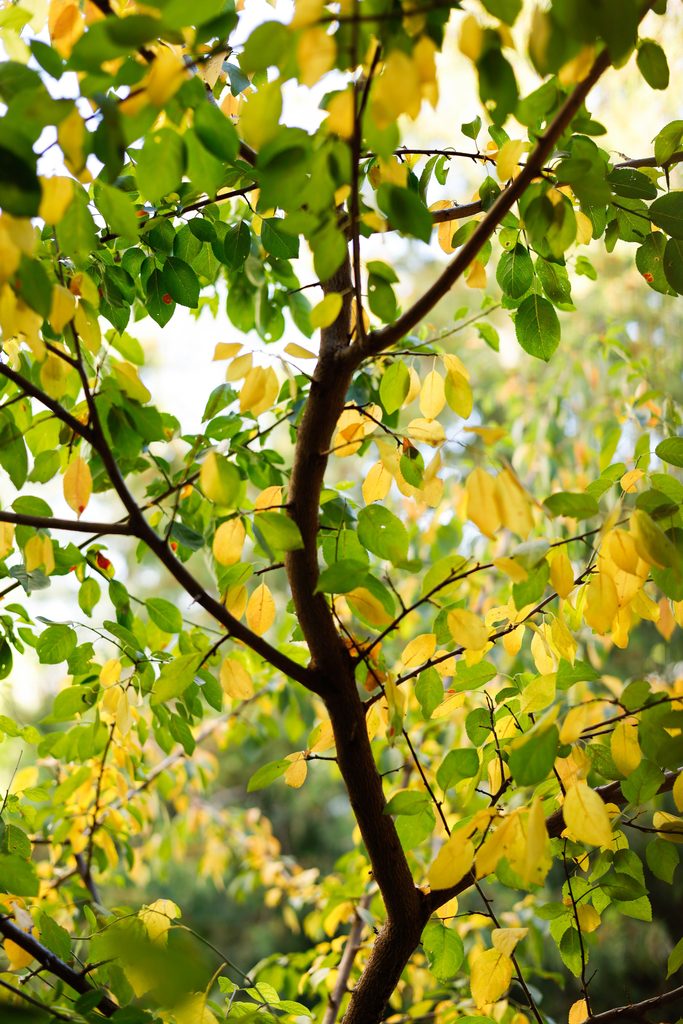
If I could plant only one tree on a deer-heavy property, it would be the katsura. Rutgers Cooperative Extension rates it in its top category, “Rarely Damaged.” That is a rare honor on a list of more than 500 plants.
The leaves are heart-shaped and soft blue-green in summer. In fall, they turn yellow to apricot. Fallen leaves give off a sweet scent, often compared to cotton candy or brown sugar.
Give it rich, evenly moist soil and some room to grow. Mature trees can pass 40 feet. Protect young stems from antler rubbing for the first few years.
2. River Birch (Betula nigra)
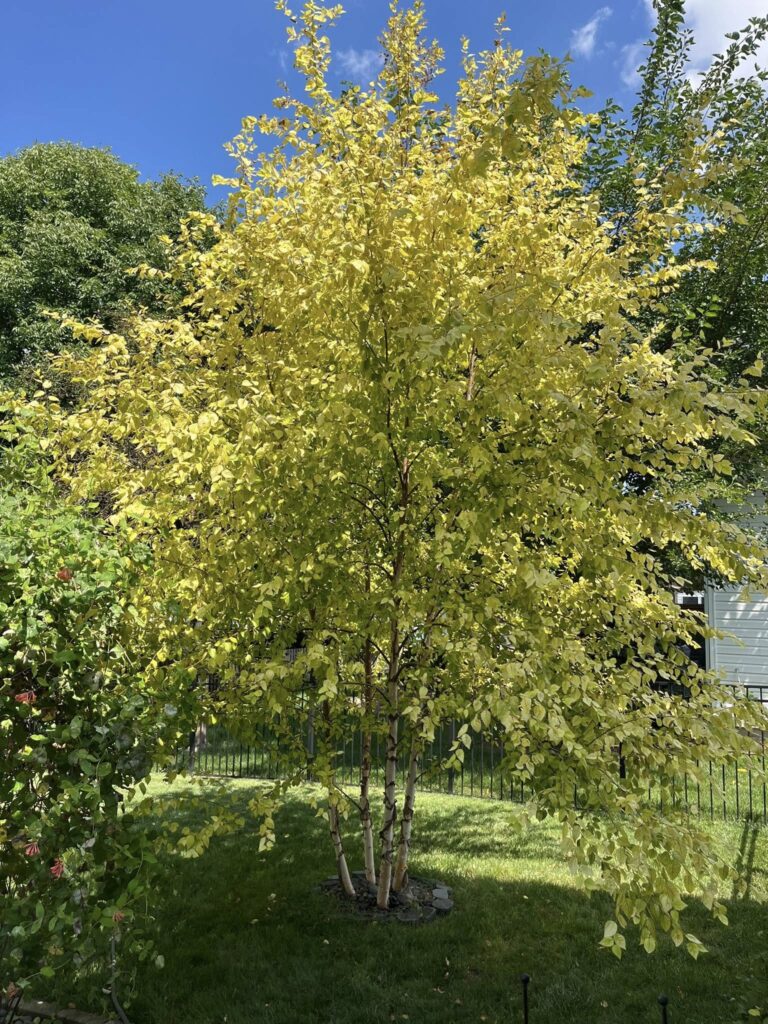
River birch is a tough, fast-growing tree with beautiful peeling bark. Rutgers lists it among the plants that deer rarely damage. It is a smart pick for homeowners who want character without the worry.
The bark peels in curls of cream, salmon, and brown. This gives the tree strong winter interest, when most yards look bare. Multi-stem forms look especially attractive near a patio or pond.
This tree loves wet soil, but it also handles average garden conditions. Plant it where it gets full sun. Choose disease-tolerant varieties if leaf spots are common in your area.
3. Paper Birch (Betula papyrifera)
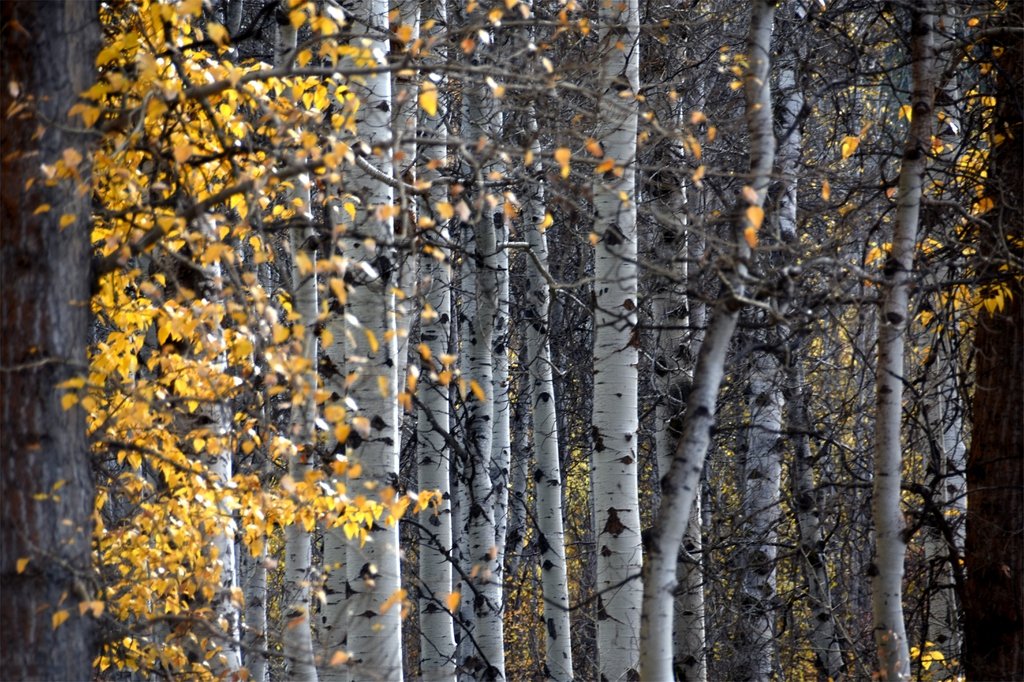
Paper birch brings bright white bark and a classic northern look. Rutgers places it in the “Rarely Damaged” group, and a Michigan State University Extension list also includes it among trees for deer country. Two universities agree, which gives me confidence.
The bark peels in thin papery sheets, and the leaves turn a clear yellow in autumn. A clump of three stems looks great against evergreens. It also brightens a dark winter yard.
Paper birch prefers cool roots and sunny crowns. Mulch well and water during dry spells. It struggles in hot, dry climates, so check your local conditions first.
4. American Holly (Ilex opaca)
American holly is a native evergreen with glossy, spiny leaves. Rutgers rates it “Rarely Damaged,” and North Carolina Cooperative Extension also names it among native plants deer tend to avoid. The sharp leaf edges clearly help.
Female trees carry bright red berries that feed birds all winter. Remember that you need a male tree nearby for the berries to form. One male can pollinate several females.
Growth is slow, but the reward is worth the wait. Holly makes an excellent screen or specimen tree. It handles part shade and moist, slightly acidic soil.
5. Norway Spruce (Picea abies)
Norway spruce is a classic windbreak tree. A Cornell Cooperative Extension list, shared by UMass Extension, places it in the “plants rarely damaged” group. Its dense needles taste bitter and resinous to deer.
The tree grows into a tall, graceful pyramid with drooping branchlets. Mature specimens bear long cones that add texture. I have always found it reliable on open, windy sites.
Give it plenty of space, because large trees can reach 60 feet or more. Plant in full sun with good drainage. Avoid planting it near buildings or power lines.
6. White Spruce (Picea glauca)
White spruce is another tough northern conifer. Rutgers rates it as seldom severely damaged, and Cornell’s list puts it in the rarely damaged group. That double support makes it a safe choice.
The needles have a bluish-green tint and a sharp scent when crushed. The form is neat and cone-shaped. It handles cold winters and wind better than many other evergreens.
It also tolerates a range of soils, including heavier clay. Dwarf forms such as the ‘Conica’ are popular for smaller yards. Water young trees during their first two summers.
7. Colorado Blue Spruce (Picea pungens)
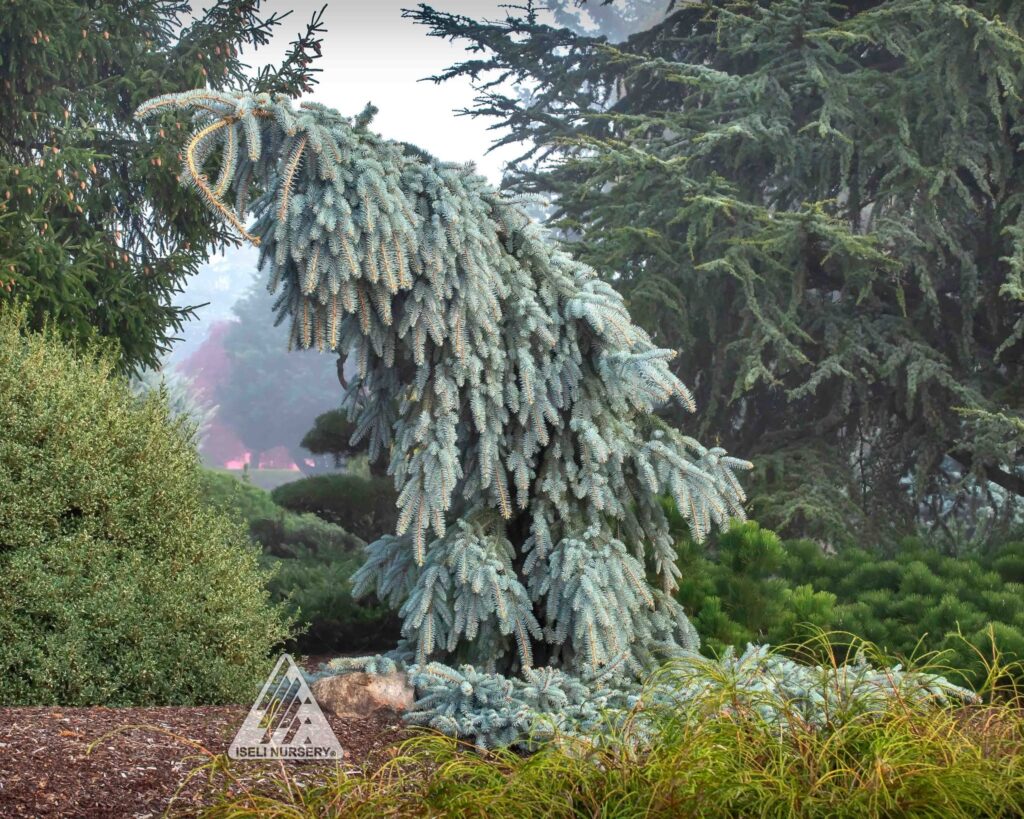
The silvery-blue needles of this spruce stand out in any landscape. Michigan State University Extension lists it as a deer-resistant tree. The stiff, prickly needles make it unpleasant to eat.
It forms a strong, symmetrical pyramid that suits a front-yard focal point. Many gardeners use it as a year-round accent, especially against snow. Several cultivars offer even brighter blue color.
Plant it in full sun with airflow around the branches. Poor air circulation can invite needle diseases. Do not crowd it among other trees.
8. Austrian Pine (Pinus nigra)
Austrian pine is a sturdy, dark-needled tree for difficult sites. Rutgers rates it as seldom severely damaged by deer. It copes well with poor soil, wind, and city conditions.
The needles are long, stiff, and deep green. The crown becomes broad and rounded with age. As a windbreak or privacy screen, it does a solid job.
One caution is worth noting. In some regions, tip blight diseases can affect this pine. Ask your local extension office whether it suits your area before you buy.
9. Japanese Black Pine (Pinus thunbergii)
Japanese black pine has a sculptural, almost artistic shape. Rutgers lists it in the “Rarely Damaged” category. Gardeners often use it as a bold accent tree.
The branches twist and layer into an irregular crown. The needles are long and dark, and the bark becomes rough and furrowed. It is also known for tolerating salt spray, so it suits coastal gardens.
Plant it in full sun and well-drained soil. Prune lightly if you want a more open, Asian-garden look. Watch for local pest issues in your region.
10. Red Pine (Pinus resinosa)
Red pine is a native tree with a clean, upright shape. The Cornell list shared by UMass Extension counts it among plants that deer rarely damage. It is a good option for larger rural properties.
The trunk is straight, and the bark is reddish-brown and flaky. Needles grow in bundles of two and are long and slender. It makes an impressive tall specimen or woodland planting.
It grows best in sandy, well-drained soil with full sun. Heavy, wet clay is not a good match. Give it plenty of room, because it grows tall.
11. Scots Pine (Pinus sylvestris)
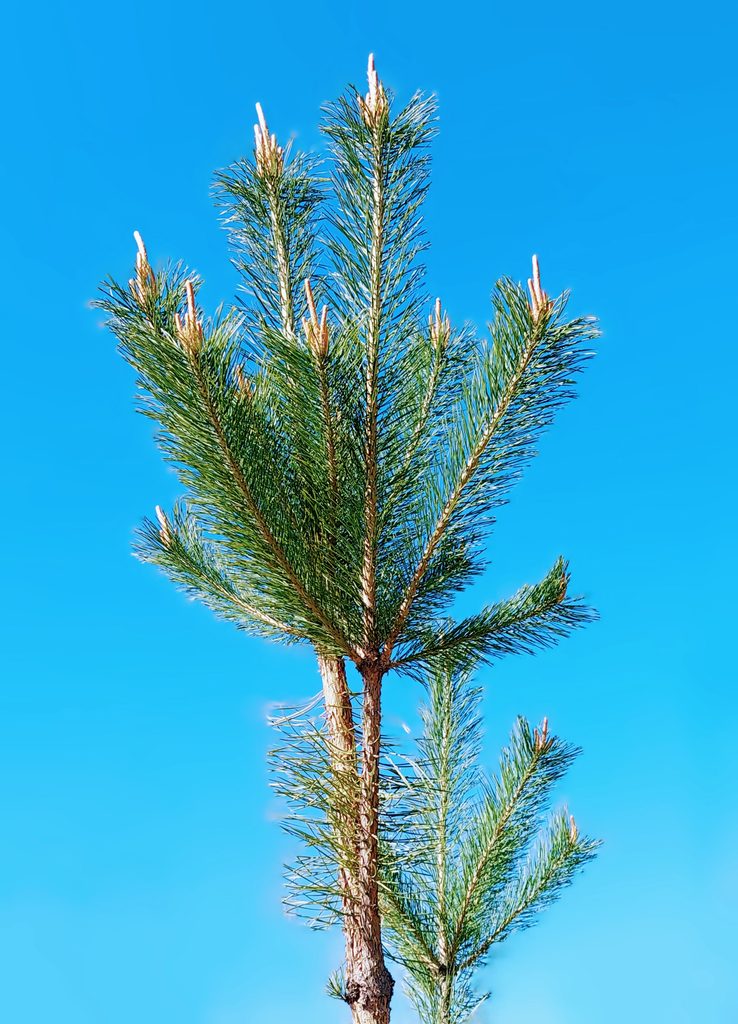
Scots pine is easy to recognize by its orange-tinted upper bark. Cornell’s ratings place it in the rarely damaged group as well. It is a hardy, adaptable choice.
Young trees grow in a pyramid, but older ones spread into a flat-topped, picturesque form. Needles are short, twisted, and bluish-green. In winter, the bark color adds a warm glow.
It tolerates poor, dry soils and cold climates. Full sun is essential. Check with your local forestry office, since some regions report pest and disease problems.
12. Eastern White Pine (Pinus strobus)
Eastern white pine is a graceful native with soft, flexible needles. Rutgers rates it as seldom severely damaged. It grows faster than most pines, which helps if you want quick privacy.
The needles are long, bluish-green, and gentle to the touch. The branches spread in neat layers. Mature trees become towering landmarks, so plan for size before planting.
Choose a spot with full sun and well-drained soil. Avoid road-salt zones and polluted areas. Dwarf varieties are available for small gardens.
13. Douglas Fir (Pseudotsuga menziesii)
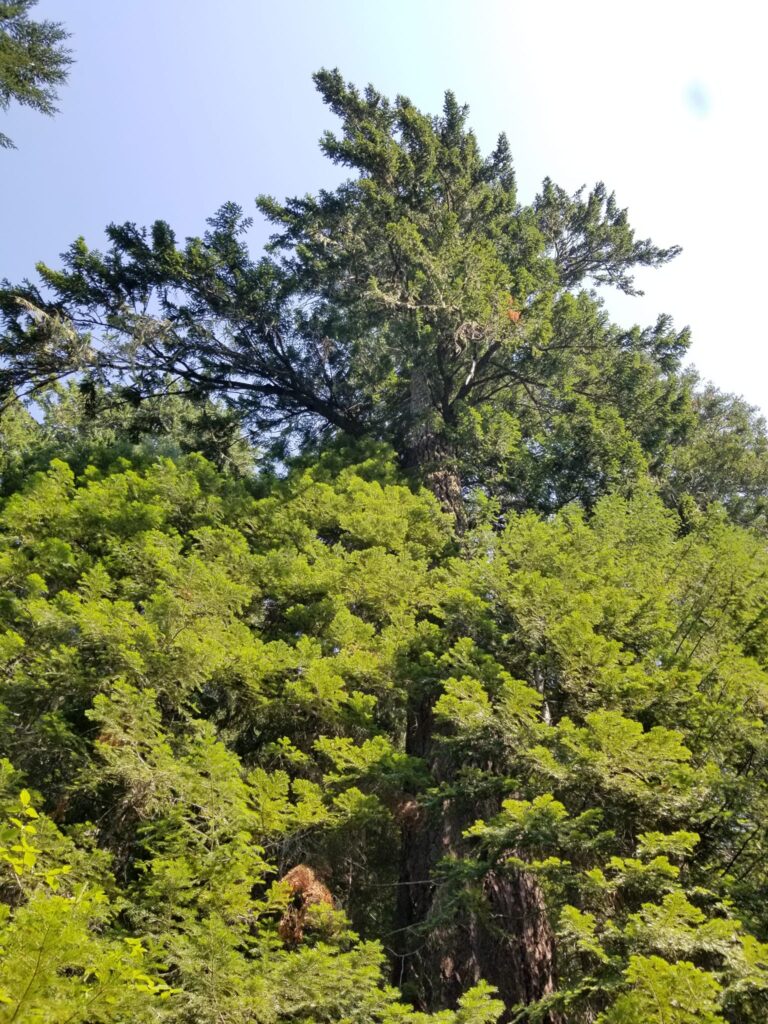
Douglas fir is a noble evergreen from western North America. Rutgers lists it in the seldom severely damaged group. It adds a rich, classic forest feel to larger landscapes.
The needles are soft and fragrant, with a sweet citrus scent when crushed. Cones have distinctive three-pointed bracts that peek out between scales. The form is a tall, narrow cone.
It prefers moist, well-drained soil and cooler climates. Hot, dry sites cause stress. Give it space, because it can grow very large over many decades.
14. Dragon Lady Holly (Ilex × aquipernyi)
Dragon Lady holly is a hybrid that stays narrow and upright. Rutgers lists it as seldom severely damaged. That makes it a handy pick for tight spaces.
The leaves are dark green, glossy, and spiny. Female plants produce red berries in fall and winter. The narrow, pyramidal shape works well as a living screen or a tall accent.
It grows in sun or part shade. Like other hollies, it prefers slightly acidic, well-drained soil. Pair it with a compatible male for the best berry display.
15. Dawn Redwood (Metasequoia glyptostroboides)
Dawn redwood is a living fossil and a true conversation starter. Rutgers rates it as seldom severely damaged. Few trees combine drama and deer tolerance so well.
Unlike most conifers, it is deciduous. The soft, feathery needles turn rusty orange in fall and then drop. The trunk flares into a fluted base with reddish, shredding bark.
It grows quickly in moist soil with full sun. Plan for a very large tree, since it can soar past 70 feet. It suits parks, big lawns, and wet corners.
16. Sassafras (Sassafras albidum)
Sassafras is a native tree with unusual mitten-shaped leaves. Rutgers rates it as seldom severely damaged. I like it for natural, wildlife-friendly plantings.
The leaves come in three shapes on the same tree: oval, mitten-like, and three-lobed. They are spicy-scented when crushed. In autumn, the foliage shifts to brilliant orange, red, and yellow.
Sassafras spreads by suckers, so give it room to colonize. It prefers sandy, well-drained soil. Transplant young trees only, because mature ones resent being moved.
17. Red Maple (Acer rubrum)
Red maple is one of the most widely planted native shade trees. Rutgers rates it as seldom severely damaged. That is useful news, since many maples attract heavy browsing.
It offers year-round color. Red flowers appear in early spring, and fall leaves flame crimson. Cultivars like ‘October Glory’ and ‘Red Sunset’ deliver especially bright displays.
Red maple adapts to wet or average soils. Choose a named cultivar from a trusted nursery for better form. Protect young saplings, because twigs are tender and tasty when food runs short.
18. English Hawthorn (Crataegus laevigata)
English hawthorn is a small, thorny tree with delicate spring flowers. Rutgers lists it as seldom severely damaged. The sharp thorns give deer a good reason to stay away.
In late spring, clusters of white, pink, or red blooms cover the branches. Small red berries follow and feed birds in fall. It stays compact, usually under 25 feet.
It grows well in full sun and tolerates many soils. Choose thornless or disease-resistant cultivars if children use the yard. Watch for leaf spots and rust in humid areas.
19. Southern Wax Myrtle (Morella cerifera)
Wax myrtle is a fragrant evergreen small tree or large shrub. North Carolina Cooperative Extension names it among native plants deer are not attracted to. It is a smart choice for southern and coastal gardens.
The narrow leaves release a spicy, bayberry-like scent when crushed. Waxy gray berries appear on female plants and feed birds in winter. It makes a fast, informal privacy hedge.
It handles sun or part shade, wet or dry soil, and salt spray. Prune it into a tidy tree form or let it grow naturally. Cold winters can damage it in northern areas.
20. European Beech (Fagus sylvatica)
European beech is a majestic specimen tree with smooth, elephant-gray bark. Rutgers rates it as seldom severely damaged. It closes our list with real elegance.
Leaves are glossy green, or deep purple in varieties like the copper beech. They turn golden-bronze in fall and often cling through winter. The wide crown casts deep, cool shade.
This is a tree for large properties and patient gardeners. It grows slowly and does not like compacted or wet soil. Mark its drip line, and keep foot traffic off its shallow roots.
How to Protect Young Trees (Even Resistant Ones)
Resistance lowers the risk. It does not remove it. Newly planted trees are small, tender, and easy targets, so a few simple steps make a big difference.
Use physical barriers first. A true deer fence needs to be an electric fence or a solid fence about eight feet tall, since deer can jump many decorative fences. For single trees, a wire cage or plastic tree guard works well and costs far less.
Protect trunks in autumn. Peak rut falls in November, and bucks rub bark off thin saplings. Cornell’s fact sheet notes that deer breeding peaks in November, so install guards before then.
Add repellents as a second layer. Cornell advises applying them at the first sign of damage, since sprays work best with other methods. Reapply after heavy rain. No repellent is perfect when deer are very hungry.
Mix your plantings. A varied landscape lowers browsing pressure. Use resistant trees at the outer edge of your property. Keep favorite, tasty plants close to the house or inside fenced areas.
Common Mistakes to Avoid
The biggest mistake I see is trusting a list too much. Lists are helpful, but they are not guarantees. Local deer numbers and weather can change the results.
Another error is skipping protection in the first two years. Even a rarely damaged species is vulnerable as a seedling. A cheap guard can save a tree that costs real money.
Finally, avoid feeding deer to “keep them busy.” Oklahoma State University Extension warns that supplemental feed does not draw deer away from your landscape plants; they will feed on both. Feeding simply raises deer numbers on your property.
Frequently Asked Questions
What is the most deer resistant tree?
No tree is fully deer proof, but katsura, river birch, paper birch, and American holly all earn top ratings in university lists. Spruces and pines also perform well. Your local extension office can confirm the best match for your region.
Do deer eat evergreen trees?
Yes, they sometimes do, especially in late winter when food is scarce. Spruces and most pines are usually safe choices, but arborvitae and yews are often heavily browsed. Choose species rated “rarely” or “seldom” damaged.
When do deer cause the most damage to trees?
Damage often peaks in late winter and early spring, when natural food runs low. Antler rubbing happens in autumn. Plan protection for both seasons.
Can I make my existing trees deer resistant?
You cannot change a tree’s taste, but you can protect it. Use cages, tree wraps, fencing, and repellents. Remove fallen fruit and avoid fertilizing heavily, since lush growth attracts more deer.
Final Thoughts
Choosing the right tree is the first and cheapest defense against deer. From the elegant katsura to the tough Austrian pine, these 20 species give you real options. Pick two or three that suit your climate and space.
Remember the bigger picture. Resistant species plus simple protection gives you the best odds of success. Start with small steps this season, and your yard will reward you for years.
References
- Rutgers Cooperative Extension. Landscape Plants Rated by Deer Resistance (Bulletin E271). https://extension.rutgers.edu/deer-resistant-plants
- Cornell Cooperative Extension (hosted by the Maine Department of Agriculture, Conservation and Forestry). White-Tailed Deer, Wildlife Damage Management Fact Sheet Series. https://www.maine.gov/dacf/php/gotpests/othercritters/factsheets/deer2-cornell.pdf
- Oklahoma State University Extension. Ornamental and Garden Plants: Controlling Deer Damage. https://extension.okstate.edu/fact-sheets/ornamental-and-garden-plants-controlling-deer-damage.html
- UMass Extension. White-Tailed Deer and the Landscape. https://www.umass.edu/agriculture-food-environment/landscape/fact-sheets/white-tailed-deer-landscape
- UConn Extension. Deer Management and Strategies to Minimize Deer Damage. https://ipm.cahnr.uconn.edu/deer_management/
- North Carolina State Extension, Lee County. Reducing Deer Damage in the Landscape. https://lee.ces.ncsu.edu/2022/03/reducing-deer-damage-in-the-landscape
- Oregon State University Extension Service. Deer-Resistant Plants for Central Oregon (EM 9661). https://extension.oregonstate.edu/catalog/em-9661-deer-resistant-plants-central-oregon

Tim M Dave is a gardening expert with a passion for houseplants, particularly cacti and succulents. With a degree in plant biology from the University of California, Berkeley, he has vast experience in gardening. Over the years, he has cultivated a vast collection of desert plants and learned a great deal about how to grow and care for these unique companions.