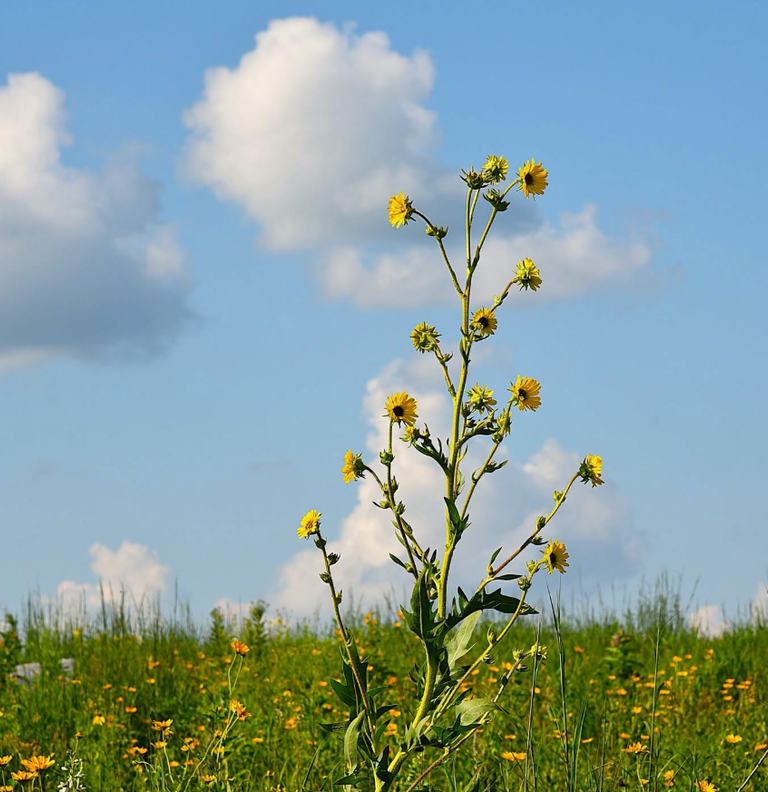
35 Stunning Flowers That Bloom in Summer (From June to September)
Summer is the season when a garden should shine. Long days, warm soil and busy pollinators all work in your favor. Yet many gardens look tired by July.
The problem is rarely effort. Usually, it is plant choice. Some flowers fade in heat, while others only start to perform when the weather turns hot.
This guide lists 35 flowers that bloom in summer, explaining color, size, sun needs and care tips for each plant.
A few rules apply to almost every plant below. Give most of them six or more hours of sun. Water deeply, not often. Remove faded flowers to encourage more blooms.
University extension services agree that mixing plant types gives the best result. Perennials return each year, while annuals fill gaps with nonstop color. Together, they keep the garden full.
Summer-Blooming Perennials
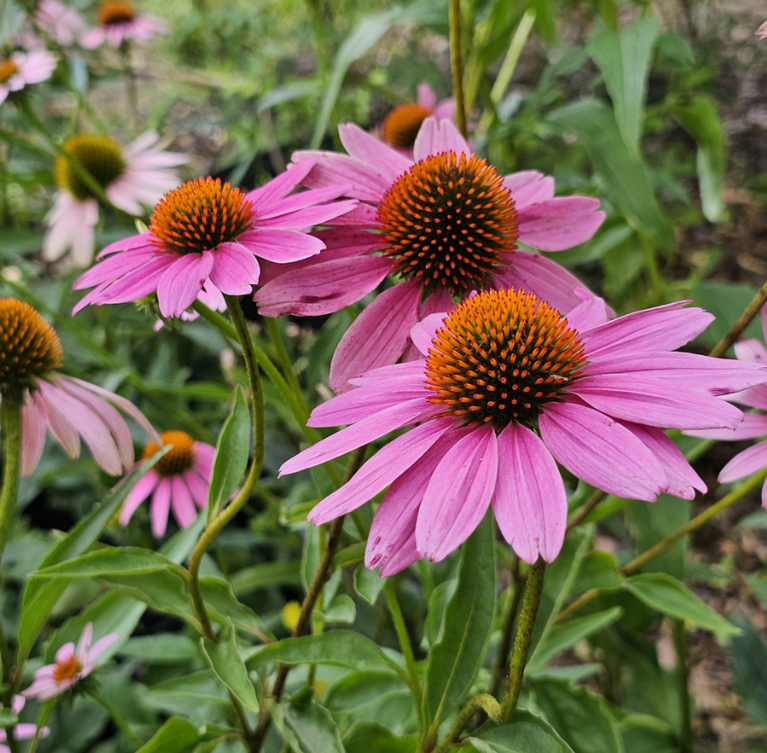
1. Purple Coneflower (Echinacea purpurea)
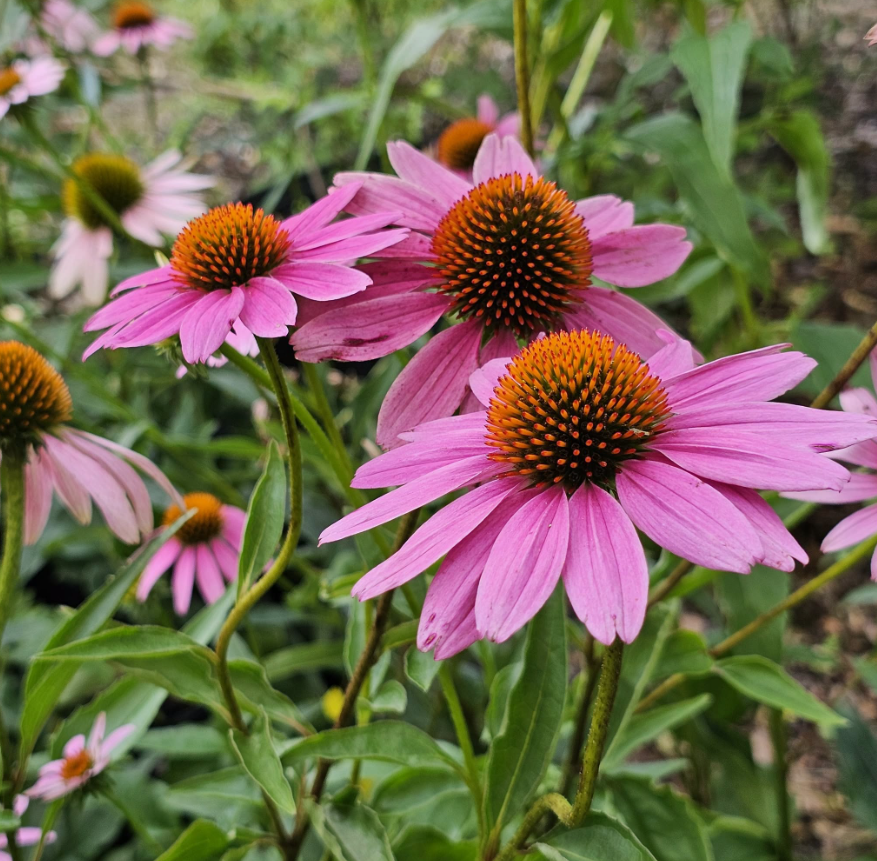
Purple coneflower is the star of the summer border. University of Illinois Extension lists a bloom season from June through August. Plants reach 2 to 4 feet tall and grow in USDA zones 3 to 8.
The flowers are daisy-like, with a raised orange-brown cone. Modern varieties come in pink, white, yellow and orange. Bees and butterflies love them. Goldfinches feed on the seed heads in autumn.
Plant coneflowers in full sun and well-drained soil. They tolerate dry spells once established. Leave some seed heads standing, since birds will thank you.
2. Daylily (Hemerocallis)
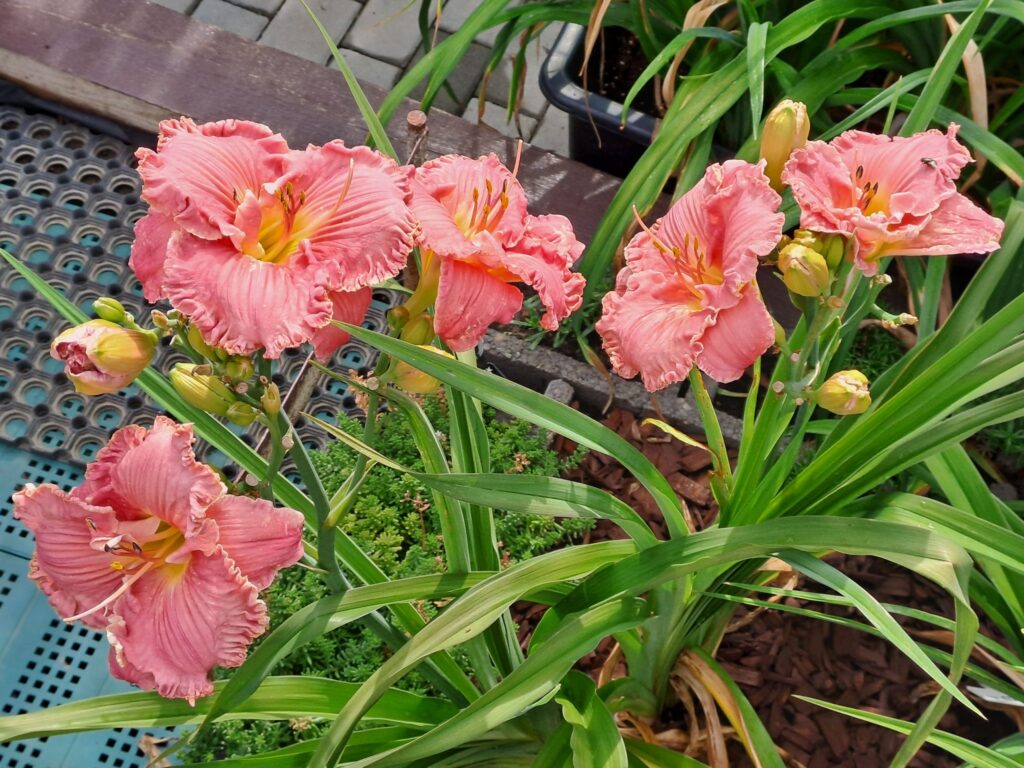
Daylilies are among the toughest summer flowers. University of Missouri Extension lists a bloom period of June to September. They adapt to many soil types and need little care.
Each bloom lasts only one day, but each plant produces many buds. So the show continues for weeks. Colors range from yellow and orange to red, pink and near-purple. The popular ‘Stella de Oro’ blooms from late spring into fall, according to Utah State University Extension.
Plant them in full sun to light shade. Divide clumps every three to five years to keep them blooming well. Remove spent stems for a tidier look.
3. Black-Eyed Susan (Rudbeckia)

Black-eyed Susan brings sunny gold to the garden. The flowers are golden-yellow with dark brown centers. They bloom from midsummer into early fall.
This plant is a native wildflower in much of North America. It handles heat, clay soil and moderate drought. Pollinators visit it constantly, so it suits wildlife gardens.
Give it full sun. Cut stems back after the first flush if you want a tidier plant. Leave a few seed heads in autumn, so goldfinches can feed.
4. Shasta Daisy (Leucanthemum)
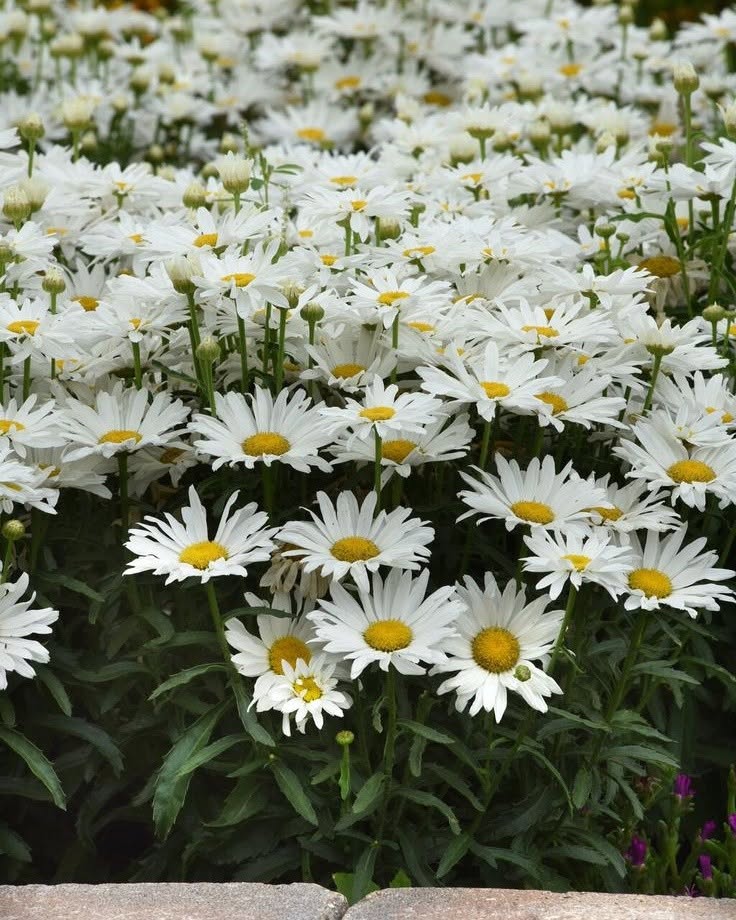
Shasta daisies look fresh and clean. White petals surround a bright yellow center. Iowa State University Extension notes that Shasta daisy starts blooming in June and often continues into summer.
Cornell Cooperative Extension praises the variety ‘Becky’ as long-blooming and durable. Plants form neat clumps, about 2 to 3 feet tall. They make excellent cut flowers.
Plant in full sun and well-drained soil. Deadhead regularly to extend bloom. Divide every few years so the center does not die out.
5. Yarrow (Achillea)
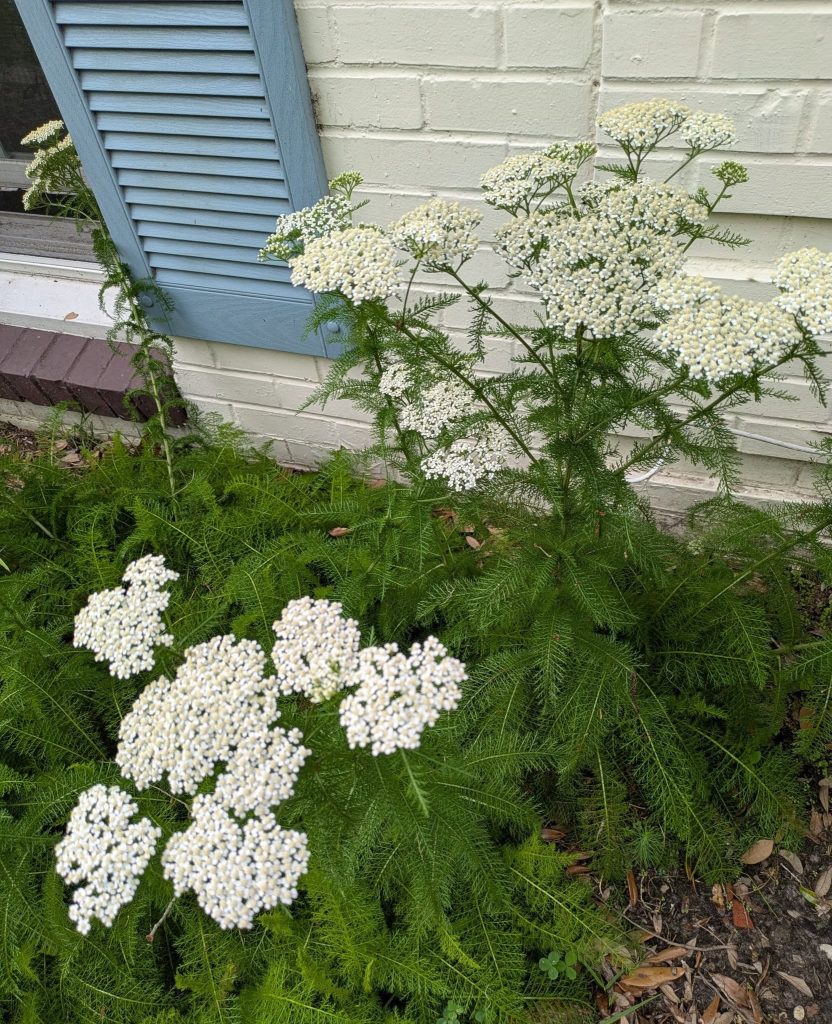
Yarrow forms flat, lacy flower heads above ferny leaves. Colors include yellow, white, pink and red. Iowa State University lists yarrow among the perennials that start in June and keep going.
It is one of the easiest, toughest flowers you can grow. It tolerates heat, poor soil and drought. Butterflies and hoverflies visit often.
Plant in full sun and avoid rich, wet soil. Overfed plants flop. Cut the stems back after the first bloom, and a second flush may follow.
6. Coreopsis (Coreopsis)
Coreopsis, also called tickseed, gives bright, cheerful blooms. Iowa State University describes thread-leaf coreopsis as starting early in summer and often continuing into late summer. The flowers are yellow or bicolor.
It is compact, easy and long-blooming. Pink and red varieties exist too. Bees visit it in large numbers.
Grow coreopsis in full sun and average, well-drained soil. It prefers lean soil. Shear plants lightly after the first big flush to encourage a second wave.
7. Blazing Star (Liatris)
Blazing star sends up tall purple spikes. Unlike most flowers, it opens from the top of the spike downward. The effect is striking in a mid-summer border.
Iowa State University lists Liatris among the prairie natives that perform in July and August. It grows from corms and returns each year. Monarch butterflies and bees visit it eagerly.
Plant in full sun with good drainage. Wet winter soil can rot the corms. Staking is rarely needed for shorter varieties.
8. Bee Balm (Monarda)
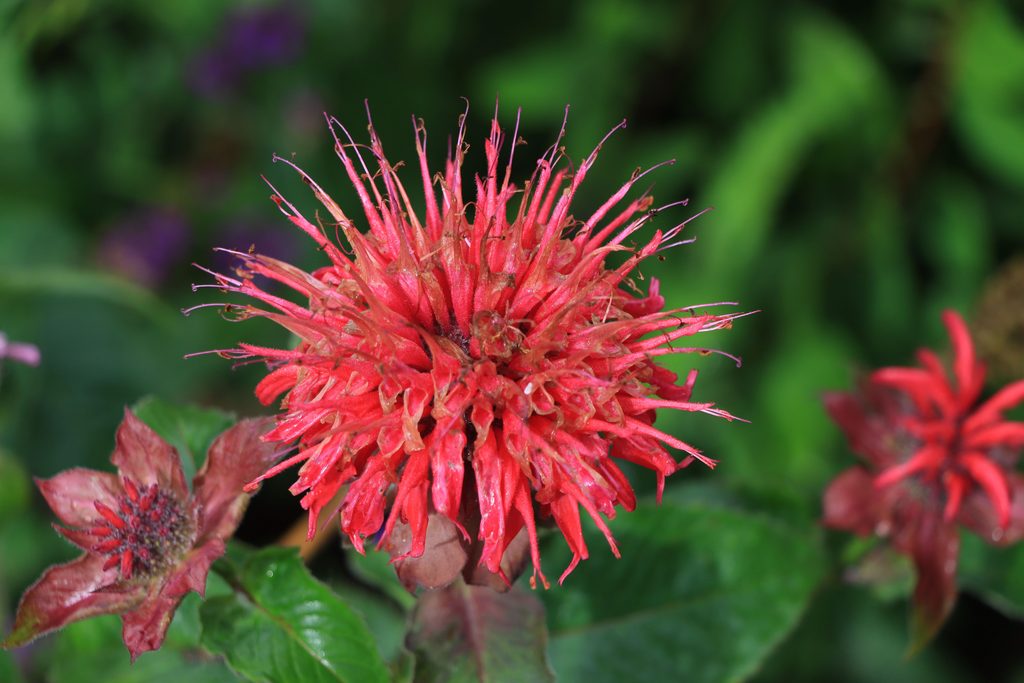
Bee balm has shaggy, spiky flowers in red, pink, purple or white. The leaves smell minty. As the name suggests, bees love it.
Hummingbirds also love bee balm. The Maryland Department of Agriculture lists bee balm among red, trumpet-shaped flowers that attract hummingbirds, along with cardinal flower and red columbine. That makes it a top choice for a pollinator garden.
Give it sun and moist soil. Powdery mildew can affect it in humid areas, so choose mildew-resistant varieties and space plants for airflow.
9. Garden Phlox (Phlox paniculata)
Garden phlox gives large, fragrant flower clusters in pink, white, red and lavender. It blooms from mid to late summer. The scent drifts across the garden on warm evenings.
Iowa State University lists phlox among summer-blooming natives and perennials. Butterflies and hummingbird moths visit the flowers. Plants reach 2 to 4 feet.
Choose mildew-resistant varieties, and give plants good airflow. Water at the base, not on leaves. Moist, rich soil in sun or light shade suits them best.
10. Delphinium (Delphinium)
Delphinium brings tall spikes of blue, purple, white or pink. It is a classic cottage garden flower. It blooms in early to midsummer in cool climates.
It struggles in hot, humid regions. In such places, treat it as a short-lived plant or choose heat-tolerant types. Rich soil and steady moisture help it thrive.
Stake tall spikes before they flop in wind. Cut spent stems down to the base. A second smaller bloom may appear in late summer.
Summer Shrubs and Border Plants
11. Hydrangea (Hydrangea)

Hydrangeas give huge flower heads from early to late summer. Bigleaf types change color with soil. Acidic soil gives blue flowers, while alkaline soil gives pink.
Panicle hydrangeas bloom on new wood and handle sun well. Their white blooms often age to pink. Smooth hydrangeas such as ‘Annabelle’ are reliable and cold hardy.
Most hydrangeas prefer morning sun and afternoon shade. Water well in heat. Check the type before you prune, since some bloom on old wood.
12. Hibiscus, or Rose Mallow (Hibiscus moscheutos)
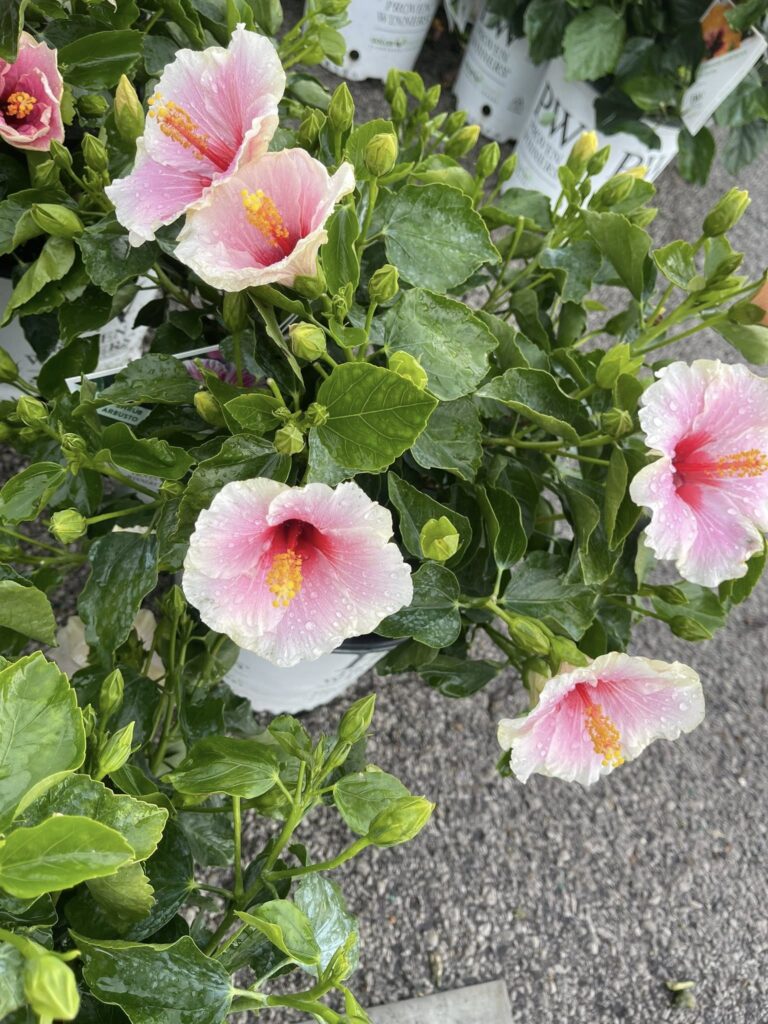
Hardy hibiscus produces dinner-plate-sized flowers in red, pink and white. A 2022 Kansas State University plant list shows rose mallow blooming mid to late summer, at 3 to 8 feet tall.
It is a dramatic perennial for large gardens. It loves heat and moist soil. Cornell Cooperative Extension also suggests the variety ‘Sweet Caroline’, while noting it is slow to emerge in spring.
So be patient in spring. New shoots appear late. Do not assume the plant has died. Plant it in full sun with plenty of water.
13. Lavender (Lavandula)
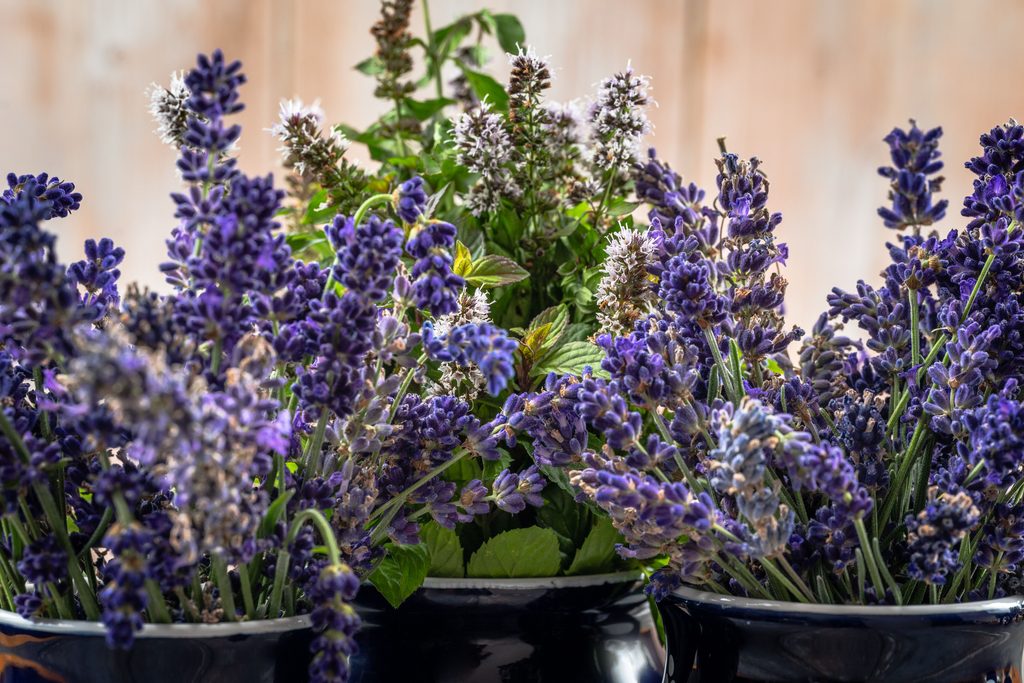
Lavender gives silvery foliage and fragrant purple spikes. It blooms in early to midsummer, depending on variety. The scent attracts bees and calms people.
It needs excellent drainage and full sun. Wet feet kill it faster than cold. In humid climates, plant it on a slope or raised bed. Good airflow matters too.
Prune lightly after blooming. Do not cut into old, woody stems. Harvest the stems for sachets, just as flowers open.
14. Russian Sage (Perovskia atriplicifolia)
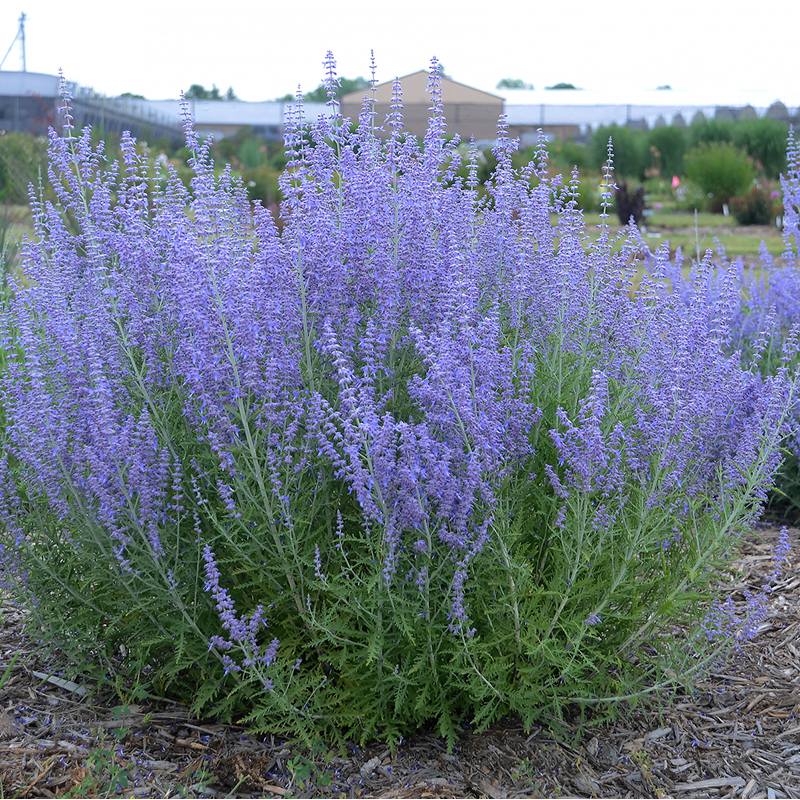
Russian sage forms airy clouds of lavender-blue flowers. It blooms from midsummer into fall. The gray-green leaves smell like sage when brushed.
It thrives in heat and drought. Poor, dry soil suits it. Rich, wet soil makes it floppy. Bees visit it in large numbers.
Plant it in full sun. Cut stems back hard in early spring. Combine it with coneflowers and ornamental grasses for a classic, low-care planting.
15. Salvia (Salvia)
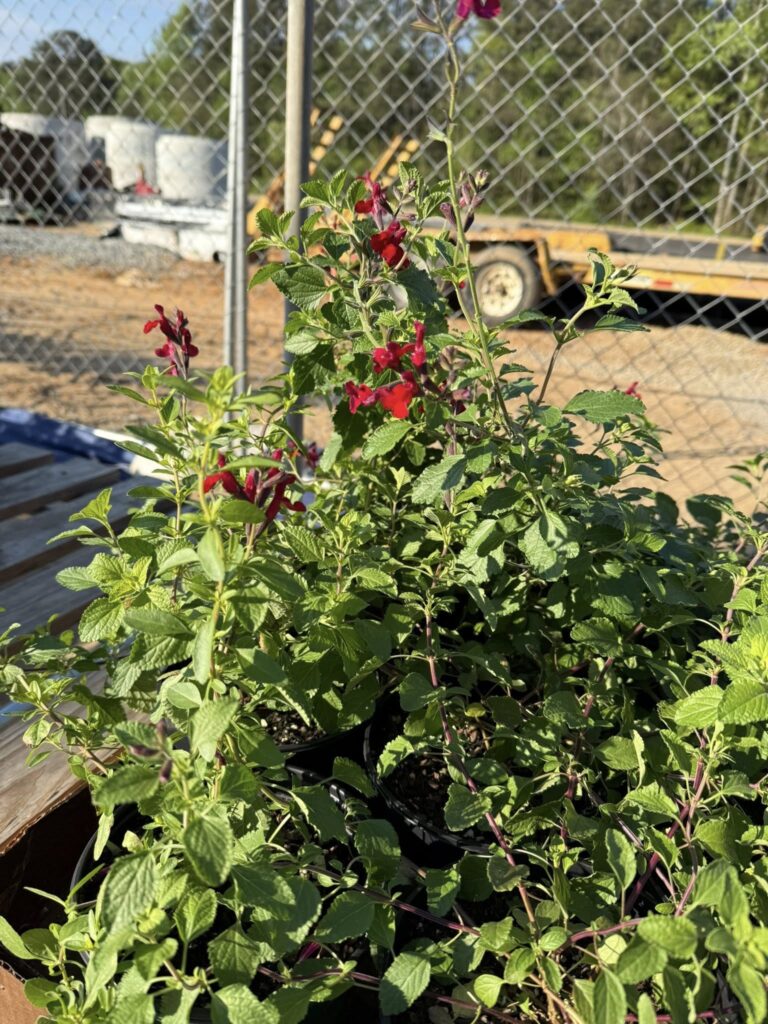
Perennial salvias send up spikes of purple, blue, pink or red flowers. Varieties such as ‘May Night’ bloom in early summer. Cutting them back often brings a second flush.
Iowa State University lists salvia among easy-to-grow perennials. Hummingbirds and bees love them. Deer usually leave them alone, thanks to the strong scent.
Plant in full sun and well-drained soil. Shear faded spikes down to the foliage. Annual salvias, such as red scarlet sage, are also heat tolerant.
16. Catmint (Nepeta)
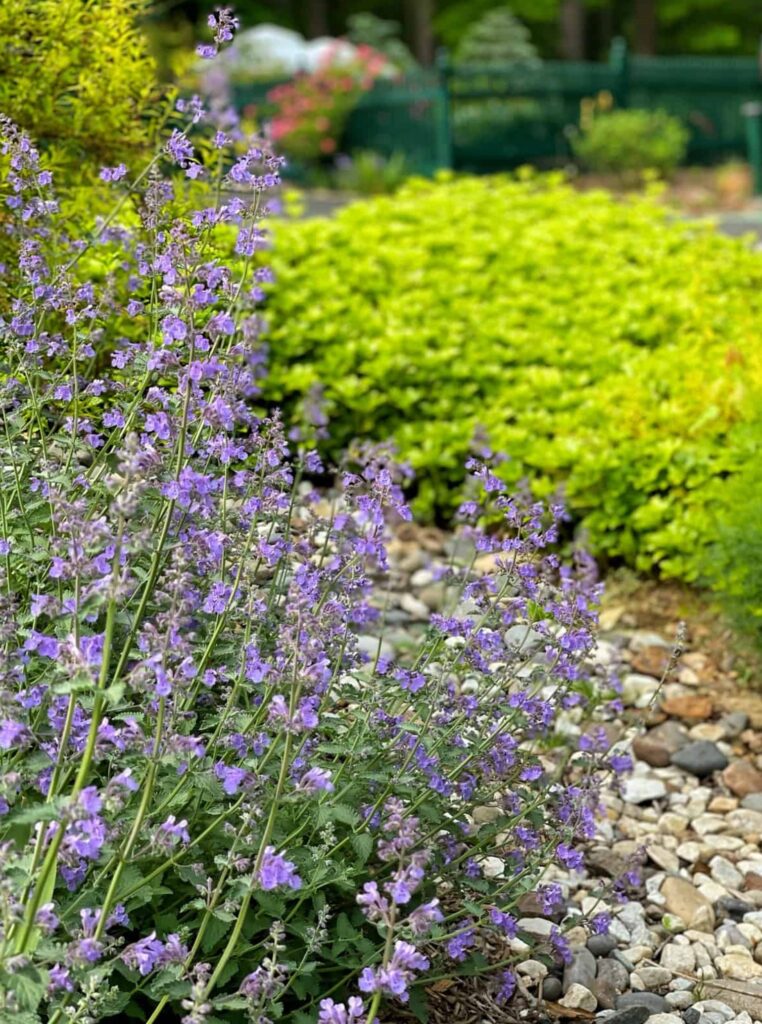
Catmint produces clouds of blue-violet flowers over gray-green leaves. It starts in late spring and keeps going through summer, especially if sheared. It is far more graceful than it sounds.
Bees swarm over the flowers. Some cats enjoy the scent, too. Rabbits and deer generally avoid it. It grows well in sun and poor soil.
Cut the plant back by half after the first flush. New growth and blooms will follow. It works well along paths and borders.
Summer Bulbs and Tubers
17. Lily (Lilium)
Lilies bring elegance and fragrance. Asiatic lilies bloom in early summer, while Oriental lilies follow in midsummer to late summer. By choosing both, you can enjoy lilies for weeks.
They grow from bulbs and prefer full sun with cool roots. Plant bulbs in well-drained soil. Be careful if you have cats. True lilies are highly toxic to cats, so keep them away from your pets.
Remove spent flowers but leave the stems until they yellow. This feeds the bulb for next year. Mulch to keep the roots cool.
18. Gladiolus (Gladiolus)
Gladiolus sends up tall spikes of ruffled flowers. They suit cutting gardens and add vertical drama. Colors cover nearly the entire rainbow.
They grow from corms planted in spring. Plant a new batch every two weeks until early summer. This staggers blooming and gives you flowers for longer.
Choose a sunny spot. Stake tall plants in windy areas. In cold regions, lift corms after the first frost and store them indoors.
19. Dahlia (Dahlia)
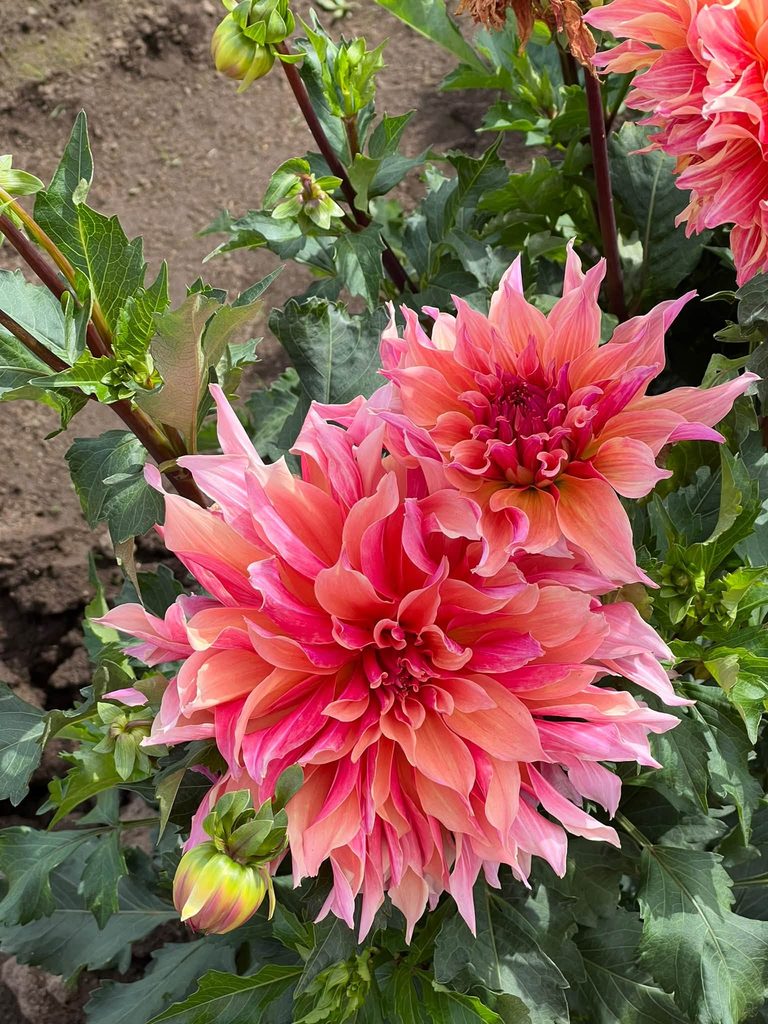
Dahlias give almost unlimited variety. Flowers range from tiny pompons to dinner-plate giants. They bloom from midsummer until frost.
They grow from tubers and love full sun. Pinch young plants to create bushier growth. Stake tall varieties early, before they flop.
Dahlias are not hardy in cold winters. Dig up tubers after frost and store them in a cool, dry place. The more you cut the flowers, the more they bloom.
20. Canna (Canna)
Canna gives tropical flair. Large paddle-shaped leaves carry bright flowers in red, orange, yellow or pink. They grow 3 to 6 feet tall or more.
University of Missouri Extension lists canna among heat-tolerant plants. It thrives in humid summers and wet soil. Hummingbirds love the blooms.
Plant rhizomes after frost danger has passed. Give them full sun and rich soil. In cold climates, lift and store the rhizomes for winter.
21. Agapanthus (Agapanthus)

Agapanthus, or African lily, forms ball-shaped clusters of blue or white flowers on tall stems. It blooms in midsummer. The look is bold and graceful.
It prefers mild regions, usually zones 8 to 10. In colder areas, grow it in pots and bring it inside for winter. Container growing suits it well, since it likes crowded roots.
Give it full sun and regular water in summer. Feed lightly. Divide only when the pot is packed, since too much disturbance reduces blooms.
Summer Annuals
22. Zinnia (Zinnia elegans)
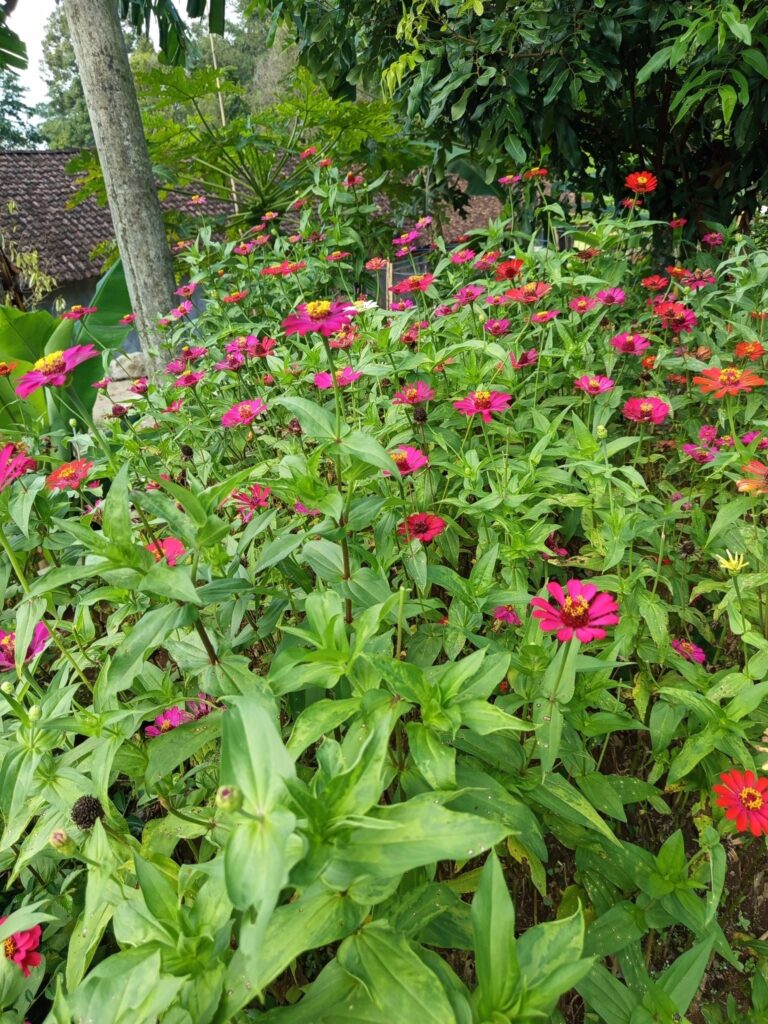
Zinnias are the champions of summer color. University of Missouri Extension notes that zinnias provide a succession of flowers in any sunny spot with good drainage. They come in nearly every color except true blue.
They love heat and are drought tolerant once established. Butterflies adore them. Cut flowers last a week in a vase.
Sow seed directly after frost. Missouri Extension lists zinnia among tender annuals that should not be planted until the frost danger has passed. Space plants for airflow to avoid mildew.
23. Marigold (Tagetes)
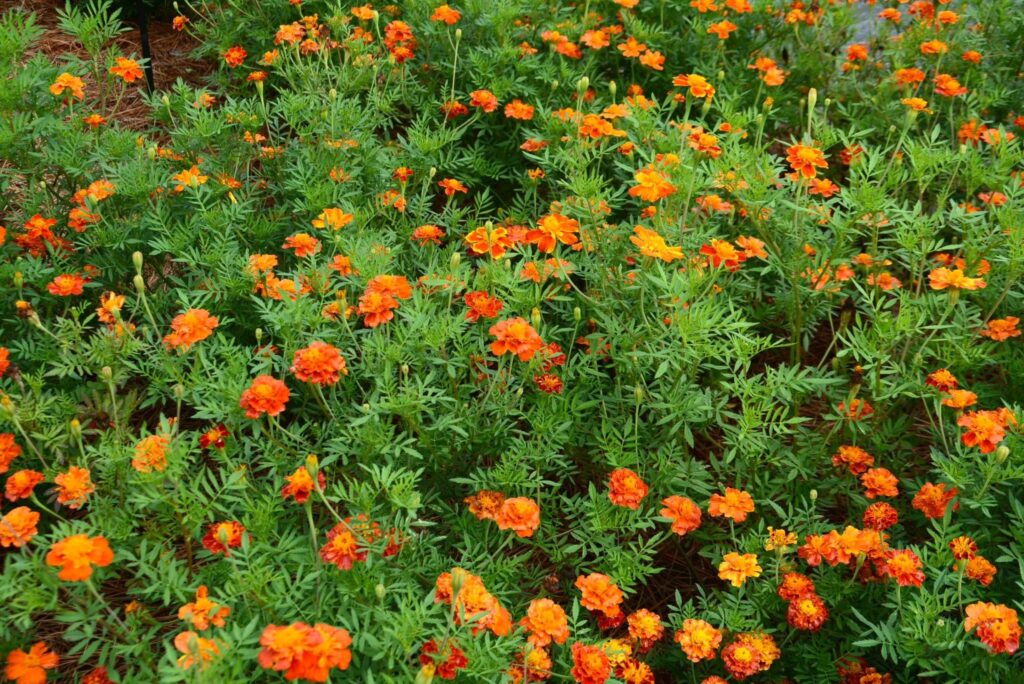
Marigolds are cheerful, tough and easy. Flowers appear in yellow, orange, red and mahogany. They bloom from early summer until frost.
University of Missouri Extension lists marigold among both heat-tolerant and drought-tolerant annuals. They are also a great companion plant in vegetable gardens, and many gardeners grow them beside tomatoes.
Plant them in full sun after frost. Remove old flowers to keep blooms coming. Avoid overwatering, since too much moisture can cause rot.
24. Petunia (Petunia)
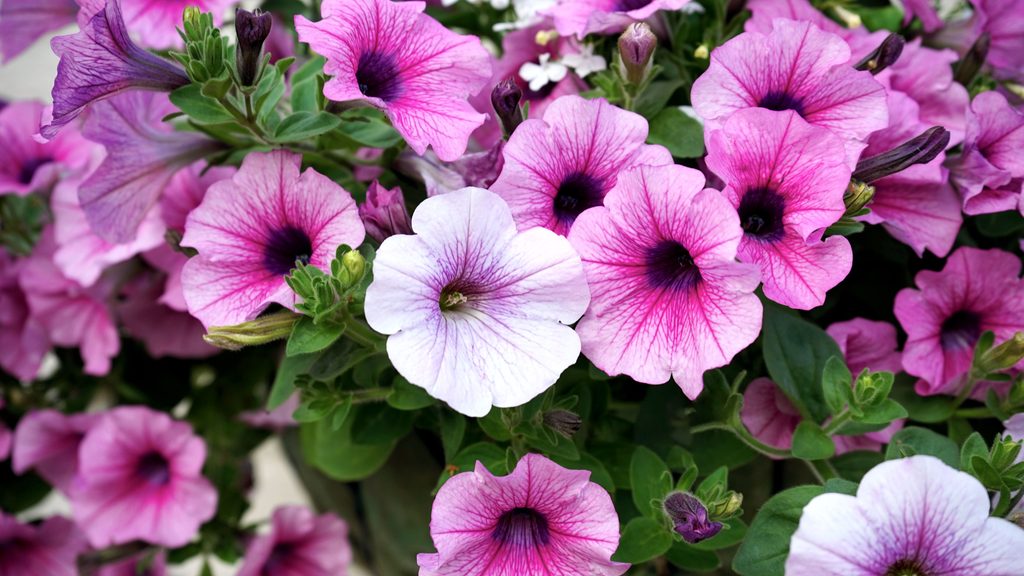
Petunias fill beds, baskets and pots with color. Missouri Extension describes petunia as a half-hardy annual that has been developed through plant improvement to be fairly tolerant of hot weather.
Trailing and ‘spreading’ types cover large areas quickly. Colors include purple, pink, red, white, yellow and striped. Many are lightly fragrant in the evening.
Give them full sun and regular feeding. Trim leggy plants halfway in midsummer. New growth and blooms will follow within a couple of weeks.
25. Cosmos (Cosmos bipinnatus)
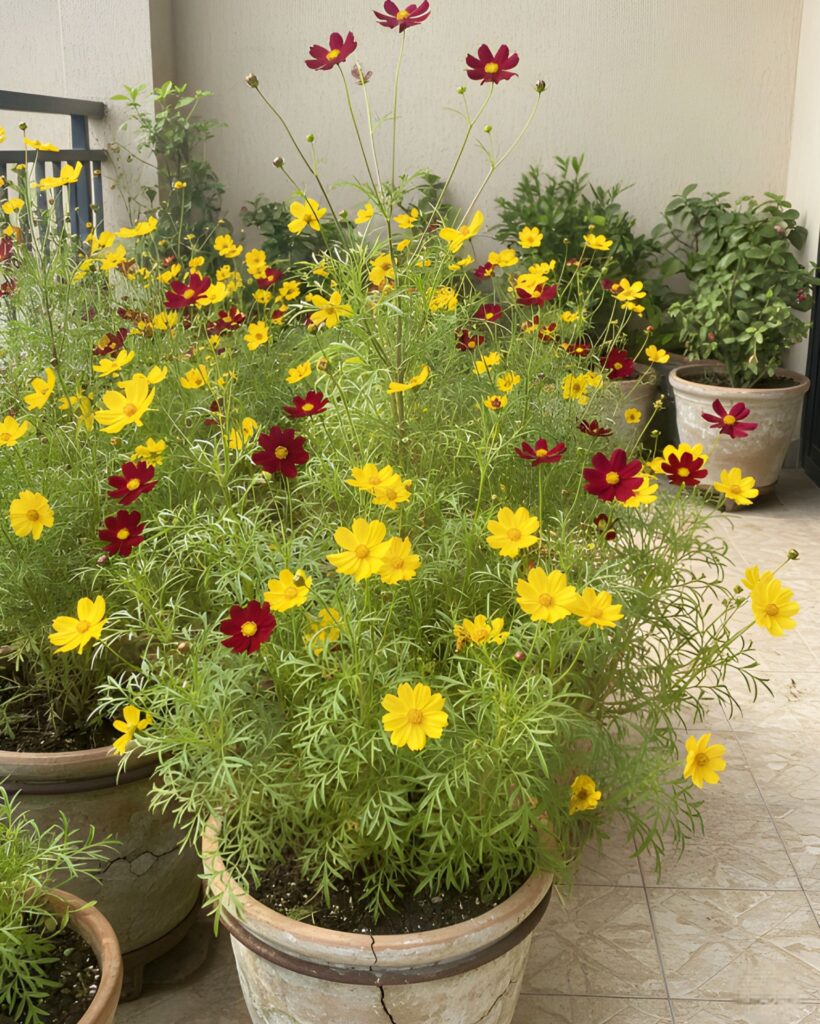
Cosmos has delicate, airy flowers on feathery foliage. Colors include pink, white, magenta and orange. The plants sway in a breeze and look wonderfully natural.
They grow easily from seed and bloom from midsummer to frost. Poor soil is fine. Too much fertilizer gives leaves, not flowers. Bees and butterflies visit often.
Sow seeds directly after the last frost. Pinch young plants for bushier growth. Deadhead often, or let some seeds drop for next year’s plants.
26. Sunflower (Helianthus annuus)
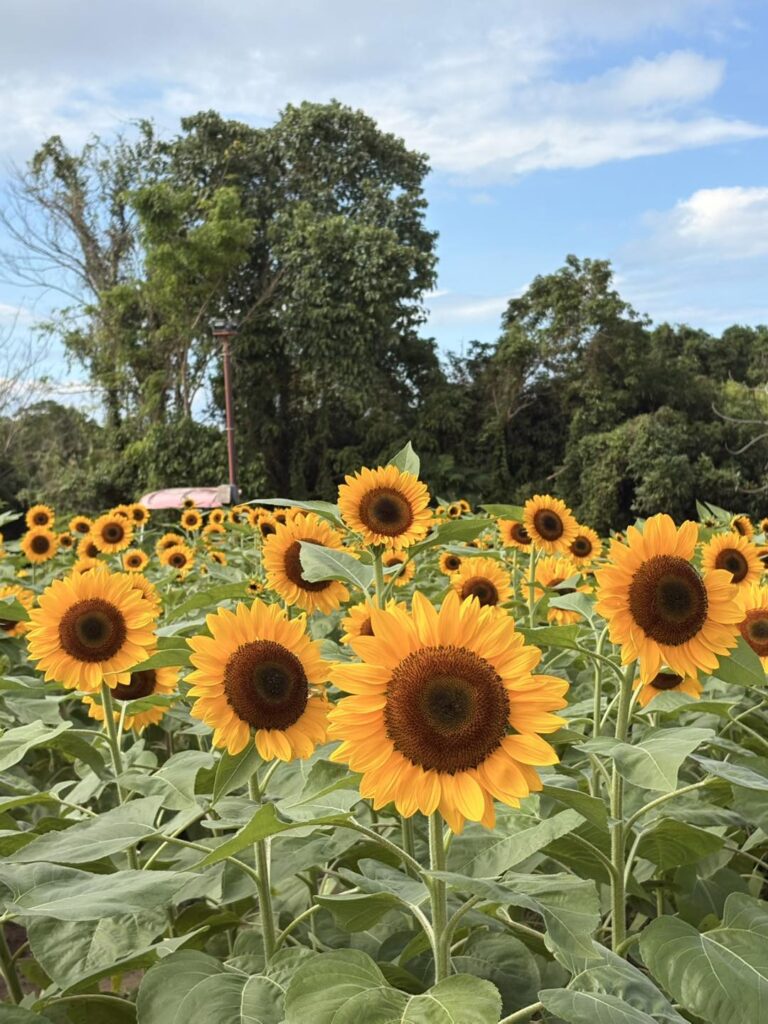
Sunflowers are the emblem of summer. Heights range from dwarf 2-foot types to giants over 10 feet. Flowers come in yellow, orange, red and bronze.
University of Missouri Extension lists sunflower among heat-tolerant annuals. Birds love the seeds, and bees love the pollen. Children love watching them grow, too.
Plant seeds in full sun after frost. Water deeply in dry spells. Stake very tall varieties, especially in windy areas.
27. Lantana (Lantana camara)
Lantana forms clusters of small flowers that change color as they age. A single cluster may show yellow, orange and pink together. Butterflies flock to it.
Missouri Extension lists lantana among heat-tolerant annuals and hanging basket plants. It thrives in hot, dry spots. It is perennial in warm regions.
Plant in full sun. Water young plants regularly, then back off. Note that the berries are toxic if eaten. In warm climates, check local advice, since lantana can spread aggressively.
28. Verbena (Verbena)
Verbena produces clusters of small flowers in purple, pink, red and white. It blooms from late spring until frost. Trailing types spill over walls and containers.
It loves heat and sun. Butterflies are attracted to it, and hummingbird moths visit at dusk. Tall types, such as Verbena bonariensis, add airy height.
Plant in well-drained soil. Avoid overwatering. Trim lightly in midsummer to keep plants fresh. Mildew can appear in humid spots, so allow space for air.
29. Geranium (Pelargonium)
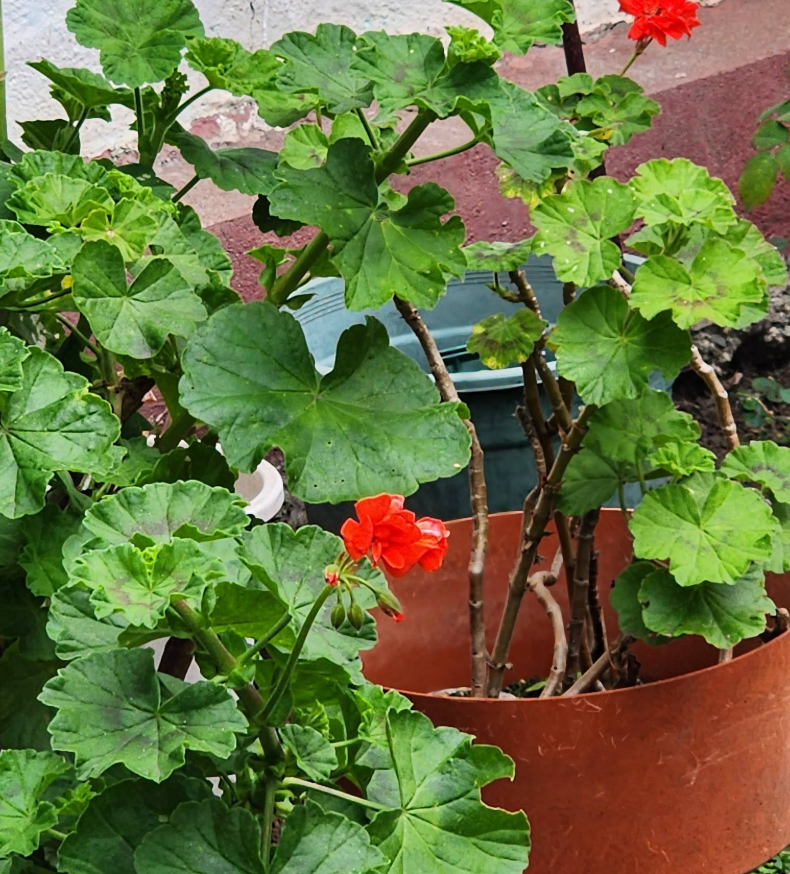
Geraniums give bold, round flower heads in red, pink, white and salmon. They are staples for pots and window boxes. University of Missouri Extension lists them among good hanging basket plants.
They prefer full sun, though a little afternoon shade helps in extreme heat. Water when the top inch of soil is dry. Overwatering causes problems.
Pinch off faded flower heads. Feed every few weeks. Bring plants indoors before frost if you want to keep them over winter.
30. Vinca, or Madagascar Periwinkle (Catharanthus roseus)
Vinca loves heat. It has glossy leaves and flat pink, white or red flowers. It blooms nonstop in hot weather, when many other plants struggle.
University of Missouri Extension lists vinca among tender annuals that should not be planted until the soil warms. It is a fine choice for hot, sunny beds.
Avoid wet, heavy soil, since it can cause fungal disease. Water at the base. Plants need little care once established.
31. Portulaca, or Moss Rose (Portulaca grandiflora)
Portulaca has succulent leaves and bright, silky flowers in neon shades. Flowers open in sun and often close in the evening or on cloudy days.
University of Missouri Extension lists rose moss as both heat tolerant and drought tolerant. It is perfect for hot, dry spots where nothing else will grow.
Plant in full sun and sandy, well-drained soil. Do not overwater. It makes a lovely edging or container plant, and it often reseeds itself.
32. Celosia (Celosia)
Celosia has feathery plumes or crested, brain-like flower heads in red, orange, yellow and pink. They look striking and unusual. Some gardeners find them odd, yet I find them fascinating.
University of Missouri Extension lists plume celosia as heat tolerant and drought tolerant. The flowers last long, both on the plant and in vases. They dry beautifully for arrangements.
Plant in full sun after the frost danger has passed. Avoid overwatering. Feed lightly, since too much fertilizer reduces flowers.
33. Spider Flower (Cleome)
Cleome grows tall, with spidery flowers in pink, white and purple. The long stamens give it a whimsical look. It makes a great back-of-border plant.
It thrives in heat and tolerates dry spells. Hummingbirds and butterflies visit often. It self-sows freely, so you may see it return each year.
Plants can have small thorns, so wear gloves when handling. Give them full sun. Thin seedlings to allow space for airflow.
Summer Vines and Climbing Flowers
34. Clematis (Clematis)

Clematis gives showy, star-shaped flowers on climbing vines. Large-flowered hybrids bloom in early to midsummer. Some types bloom again later in the season.
The old rule is: “head in the sun, feet in the shade.” The vine wants sun on its leaves and cool roots. Mulch or low plants around the base help.
Give it a trellis or fence to climb. Prune according to type, since pruning rules differ between groups. Check the plant tag when you buy it.
35. Rose (Rosa)
No summer list is complete without roses. Many bloom in flushes from early summer to fall. Shrub roses and landscape roses are far easier than older hybrid teas.
Choose disease-resistant varieties for less spraying. Full sun and good air movement reduce disease. Water at the base, early in the day.
Deadhead regularly to encourage new blooms. Feed in spring and early summer. A layer of mulch keeps roots cool and saves water.
Tips for a Garden That Blooms All Summer
A few simple habits keep color going for months.
- Layer bloom times. Mix early, mid and late summer flowers so something is always open.
- Water smartly. Deep, infrequent watering builds strong roots.
- Mulch. A 2-inch layer saves water and keeps roots cool.
- Deadhead. Removing faded flowers pushes many plants to bloom again.
- Plant for pollinators. The USDA Forest Service advises using a wide variety of plants that bloom from early spring into late fall, and it notes that bees are the most effective pollinators.
- Avoid heavily doubled flowers. The Forest Service warns that some modern doubled blooms have lost their pollen, nectar and fragrance through breeding.
Final Thoughts
Summer gardens do not need to be complicated. The 35 flowers above cover almost every situation, from dry, sunny slopes to humid, shady corners. Pick a handful and plant them in groups for the best effect.
If you are a beginner, start with coneflower, daylily, zinnia and marigold. They are tough, forgiving and generous. You will see results quickly, and that early success builds confidence.
Whatever you choose, match plants to your sun, soil and climate. Check your hardiness zone before you buy. And take a moment each evening to enjoy the garden. That is what summer flowers are really for.
References
- University of Missouri Extension. Flowering Annuals: Characteristics and Culture (G6629): https://extension.missouri.edu/publications/g6629
- University of Missouri Extension. Flowering Perennials: Characteristics and Culture (G6650): https://extension.missouri.edu/media/wysiwyg/Extensiondata/Pub/pdf/agguides/hort/g06650.pdf
- Iowa State University Extension and Outreach. Summer Blooming Perennials: https://yardandgarden.extension.iastate.edu/how-to/summer-blooming-perennials
- NC State Extension. Echinacea purpurea, North Carolina Extension Gardener Plant Toolbox: https://plants.ces.ncsu.edu/plants/all/echinacea-purpurea/
- University of Illinois Extension. Purple Coneflower: https://extension.illinois.edu/flowers/purple-coneflower
- USDA Forest Service. Attracting Pollinators to Your Garden Using Native Plants (Eastern United States): https://fs.usda.gov/wildflowers/pollinators/documents/AttractingPollinatorsEasternUS_V1.pdf
- USDA Natural Resources Conservation Service. Plant Guide: Eastern Purple Coneflower: https://plants.sc.egov.usda.gov/DocumentLibrary/plantguide/pdf/cs_ecpu.pdf

Tim M Dave is a gardening expert with a passion for houseplants, particularly cacti and succulents. With a degree in plant biology from the University of California, Berkeley, he has vast experience in gardening. Over the years, he has cultivated a vast collection of desert plants and learned a great deal about how to grow and care for these unique companions.