35 Types of Lavender Plants (Different Varieties Explained, With Pictures)
The first time I rubbed a lavender stem between my fingers, I honestly didn’t expect the smell to stay on my hand for hours. That little moment is what got me hooked on this plant, and it turns out there is a lot more to lavender than the purple rows you see in postcards from Provence.
Lavender is not one plant. It is a whole genus with 39 recognized species, according to peer-reviewed botanical research. Add in named cultivars, and the number balloons to roughly 400 varieties grown around the world.
If you only know lavender as “that purple herb,” this guide will change that. I am walking you through 35 types of lavender, covering the main species, the hybrids, and the specific cultivars gardeners actually plant.
Why Lavender Has So Many Types
Lavender belongs to the mint family, Lamiaceae. That family connection explains the square stems and the strong essential oils that give lavender its scent.
Most garden lavenders trace back to a handful of parent species. Breeders then cross and select from these species to create cultivars suited for cold climates, hot climates, oil production, or simply prettier flowers.
Two species dominate the commercial world: Lavandula angustifolia and Lavandula x intermedia. Together they account for the vast majority of lavender fields grown for oil, sachets, and dried bundles.
I will start with the species groups, since understanding these makes every individual cultivar much easier to place.
The Core Lavender Species (Types 1–9)
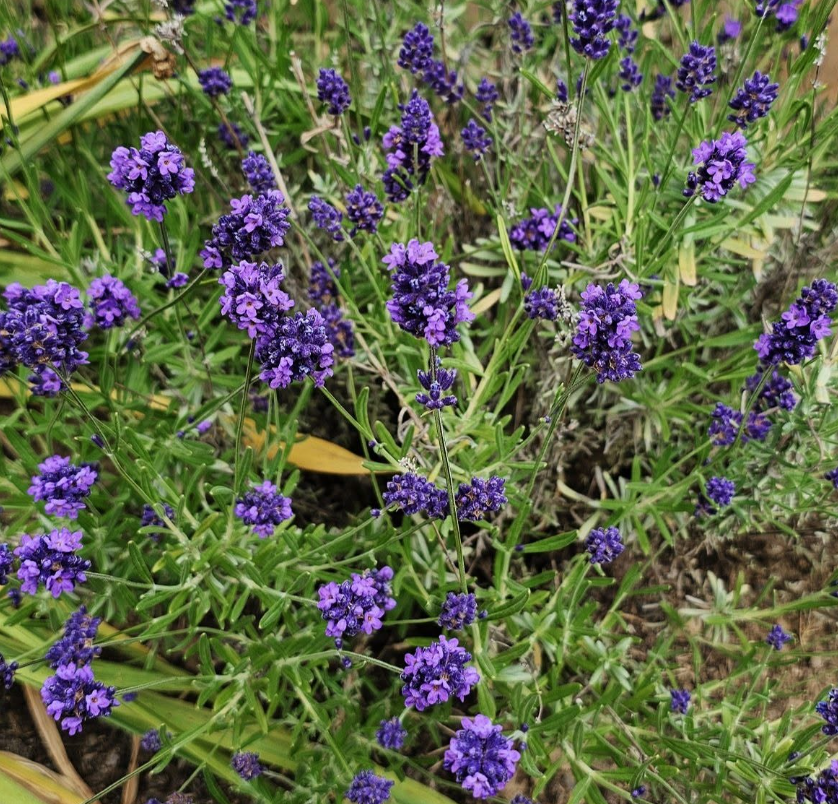
1. English Lavender (Lavandula angustifolia)
This is the lavender most people picture first. It is often called “true lavender” because it produces the sweetest, least camphoraceous scent of the bunch.
University of Florida IFAS Extension notes that English lavender typically grows 1 to 3 feet tall and thrives in USDA hardiness zones 5B through 8. It tolerates real winter cold better than almost any other type.
The flowers are purple in the wild form, though pink, blue, and white variants exist. This species is also the safest choice for culinary use.
2. Lavandin (Lavandula x intermedia)
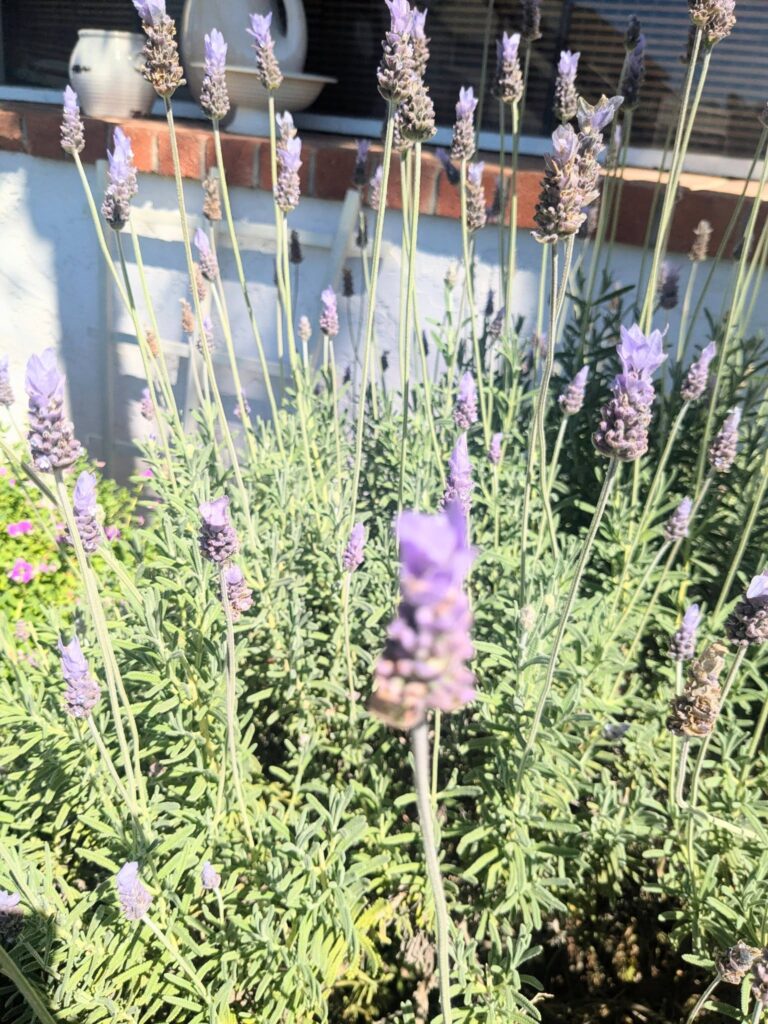
Lavandin is a sterile hybrid between English lavender and spike lavender. Because it cannot set viable seed, every plant must be propagated from cuttings.
This hybrid vigor pays off. Lavandin plants grow larger, produce far more essential oil per acre, and tolerate a wider range of climates than either parent species alone.
Commercial growers favor lavandin heavily. Its oil carries a stronger camphor note, which makes it better suited for soaps and cleaning products than for cooking.
3. Spanish Lavender (Lavandula stoechas)
Spanish lavender is instantly recognizable by its “rabbit ear” bracts, the showy purple petals that rise above the flower head like tiny wings. It looks nothing like English lavender at first glance.
It thrives in hot, dry climates, generally zones 8 and 9, and can tolerate more humidity than English types. Gardening research notes it can bloom almost year-round in ideal conditions.
One important note: Spanish lavender is not recommended for culinary use. Treat it strictly as an ornamental garden plant.
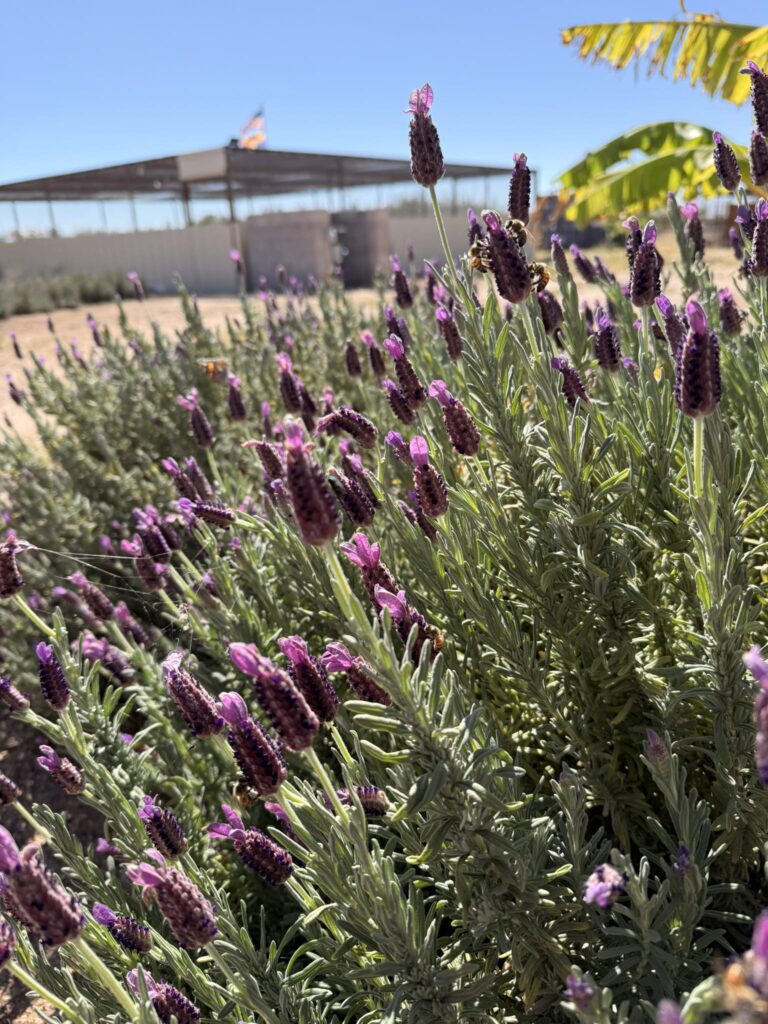
4. French or Fringed Lavender (Lavandula dentata)
Named for its toothed, fringed leaf edges, this species has a softer, more serrated look than the smooth-leafed English type. The foliage alone makes it easy to identify.
French lavender flowers nearly year-round in mild, frost-free climates. It struggles badly in cold winters, so gardeners in colder zones usually grow it as a container plant they bring indoors.
5. Portuguese or Spike Lavender (Lavandula latifolia)
Spike lavender brings a strong camphor scent to the table, quite different from the sweeter English varieties. It is one of the two parent species behind lavandin hybrids.
This species handles heat exceptionally well. It is often chosen in regions where summers run long and dry, since it shrugs off conditions that would stress English lavender.
6. Woolly Lavender (Lavandula lanata)
Woolly lavender gets its name from the thick, silvery, felted foliage covering its leaves and stems. It looks almost frosted, even in full summer heat.
This species is less common in home gardens but valued by collectors for its unusual texture. It pairs beautifully with silver-foliage companion plants in a dry garden bed.
7. Canary Island Lavender (Lavandula canariensis)
As the name suggests, this species is native to the Canary Islands. It has fern-like, deeply cut foliage that sets it apart visually from every other lavender on this list.
It is tender and cannot handle frost, so it is mostly grown as a container specimen or in frost-free coastal climates.
8. Fernleaf or Egyptian Lavender (Lavandula multifida)
This species produces finely divided, almost lacy leaves and blooms in a slightly different shade of blue-violet. It flowers prolifically over a long season.
Fernleaf lavender is often grown as an annual outside its native warm range, prized for its unusual foliage texture in mixed containers.
9. Green Lavender (Lavandula viridis)
Green lavender is a genuine oddity in the family. Instead of purple, its bracts and flowers appear in pale yellow-green tones, giving it a subtle, unusual look in the garden.
It shares the pineapple-topped bract shape common to Spanish lavender relatives but stands out through color alone.
ALSO READ: 25 Reblooming Perennial Flowers (Varieties Identification, With Pictures)
Popular English Lavender Cultivars (Types 10–22)
English lavender cultivars dominate home gardens because of their hardiness and sweet fragrance. Here are the varieties you are most likely to find at a nursery.
10. ‘Hidcote’
‘Hidcote’ is arguably the most famous lavender cultivar in the world. It produces deep purple-blue flowers on compact, tidy plants that rarely need staking.
Gardeners in colder regions lean on this cultivar heavily because it shrugs off winter better than most.
11. ‘Munstead’
‘Munstead’ is the plant most gardeners think of right after ‘Hidcote,’ and the two are often compared side by side. It was named for Munstead Wood, the famous garden created by British designer Gertrude Jekyll.
This cultivar tends to bloom slightly earlier than ‘Hidcote,’ often by a week or two, which lets you stagger color if you plant both. The flowers lean toward a softer, paler lavender-blue rather than ‘Hidcote’s’ deep violet.
Growth habit is a touch looser and more open, reaching roughly 18 to 24 inches tall and wide. I find it handles hot summer stretches a little better than ‘Hidcote,’ which makes it a smart pick for gardeners in warmer parts of zone 8 or 9.
Like its famous sibling, ‘Munstead’ is fully hardy down to USDA zone 5 and works well for informal hedging, edging, or a classic cottage garden look.
12. ‘Melissa’
‘Melissa’ stands out with soft pink flowers, a genuine rarity in a genus dominated by purple and blue tones. The color leans warm rather than cool, closer to a dusty rose than a true pastel.
Despite the unusual bloom color, this cultivar keeps the classic English lavender scent, sweet and low in camphor. That makes it just as suitable for sachets and baking as any purple-flowered type.
Plants typically stay compact, similar in size to ‘Munstead,’ and perform well as a border edge. I like pairing ‘Melissa’ next to a deep purple cultivar like ‘Hidcote’ just to let that pink really pop.
13. ‘Royal Velvet’
This cultivar produces long flower spikes in rich, saturated purple, noticeably deeper and more uniform in tone than many older English cultivars. The color holds up remarkably well after drying.
That color retention is exactly why growers who dry lavender bundles for craft and floral sales lean on ‘Royal Velvet’ so heavily. Faded, washed-out purple ruins a dried bouquet, and this cultivar avoids that problem.
Stems tend to grow long and straight, which also makes harvesting easier and gives a tidier finished bundle than shorter, curved-stem cultivars.
14. ‘Buena Vista’
‘Buena Vista’ is known for reblooming, giving gardeners a second flush of flowers later in the season rather than the single early summer show typical of most English lavenders.
This trait matters more than it sounds. A lavender bed that blooms once in June and then sits green for the rest of summer looks far less impressive than one that flowers again in late August.
To encourage that second flush, deadhead spent flower stems promptly after the first bloom fades. Skipping that step often means the plant skips its rebloom entirely.
15. ‘Martha Roderick’
This is a compact, dwarf cultivar, often staying under a foot tall, which makes it one of the smallest named English lavenders you can buy. Size is really its defining trait.
That small footprint works well in raised beds, rock gardens, or tight urban yards where a full-sized ‘Grosso’ or ‘Provence’ would simply overwhelm the space.
Despite the miniature size, the fragrance holds true to type, sweet and clean rather than diluted or weak. It is proof that compact does not have to mean less aromatic.
16. ‘Irene Doyle’
‘Irene Doyle’ is another repeat-blooming cultivar, and honestly one of the more generous rebloomers in the English lavender group. Some growers report three separate flushes in a single season under good conditions.
The flower spikes sit on slightly taller stems than compact types like ‘Hidcote,’ giving it a looser, more relaxed silhouette in the border.
Because it keeps producing color from early summer through fall, this cultivar is a strong pick if you only have room for one lavender plant and want the longest possible bloom season from it.
17. ‘Blue Cushion’
True to its name, ‘Blue Cushion’ forms a low, mounded cushion shape rather than the more upright habit typical of ‘Hidcote’ or ‘Munstead.’ The overall silhouette looks almost like a tidy green pillow dotted with flowers.
Flower color leans toward a rich blue-purple, slightly cooler in tone than the violet shades common in other English cultivars.
This dense, rounded growth habit makes it especially useful for edging pathways or filling the front row of a perennial border, where a taller, leggier lavender would look out of place.
18. ‘Jean Davis’
‘Jean Davis’ offers pale pink blooms, among the softest and most muted of any pink-flowered lavender cultivar. Some gardeners describe the color as closer to blush than true pink.
The plant itself stays on the shorter side, which pairs nicely with its delicate flower color. Nothing about this cultivar shouts for attention, and that restraint is part of its appeal.
Planted next to deep purple cultivars like ‘Hidcote’ or ‘Backhouse Purple,’ ‘Jean Davis’ creates a gentle, layered color contrast rather than a jarring one.
19. ‘Folgate’
‘Folgate’ is an early-flowering English cultivar, often opening its first blooms before most other angustifolia types have even set buds. That head start extends the overall lavender season in a mixed planting.
The fragrance is notably strong and sweet, which is exactly why this cultivar has a long history in small-scale essential oil production in cooler parts of Britain.
Growth habit stays compact and tidy, similar in scale to ‘Munstead,’ making it a practical choice for formal edging as well as oil harvest.
20. ‘Twickel Purple’
This cultivar produces broad, full flower heads in a rich violet-purple shade, noticeably fuller and bushier looking than the tight spikes on ‘Hidcote.’
It also tends to grow a bit larger overall, both taller and wider, which makes it a good filler plant in a mixed perennial border rather than a strict edging plant.
The wide flower heads make ‘Twickel Purple’ especially attractive to bees and other pollinators, so it earns a spot in most pollinator-focused garden designs.
21. ‘Rosea’
‘Rosea’ is one of the classic pink-flowered English lavenders and has been in cultivation far longer than newer pink cultivars like ‘Melissa.’ It carries a slightly warmer, more lilac-pink tone.
Growers value it partly for history and partly for reliability. It has been tested across many seasons and climates, and it consistently performs as advertised.
I think of ‘Rosea’ as the dependable, old-fashioned choice for gardeners who want pink lavender without gambling on a newer, less-proven cultivar.
22. ‘Backhouse Purple’
An older heirloom cultivar, ‘Backhouse Purple’ remains popular for its classic deep purple color, close to what most people picture when they hear the word “lavender” at all.
Because it has been grown for decades, nurseries and seed catalogs treat it as a dependable baseline cultivar, the one other purple varieties are often compared against.
Its garden performance is straightforward rather than flashy. It does not rebloom aggressively like ‘Buena Vista’ or come in an unusual color like ‘Melissa,’ but it rarely disappoints either.
ALSO READ: 25 Stunning Bushes That Attract Butterflies (With Pictures, and Care Tips)
Popular Lavandin Cultivars (Types 23–30)
Lavandin cultivars are the workhorses of commercial lavender fields. They grow bigger, bloom later, and produce noticeably more oil per plant than English types.
23. ‘Grosso’
‘Grosso’ is the single most widely planted lavandin in the world, and its origin story is genuinely interesting. A French grower named Pierre Grosso found unusually vigorous plants in a deserted field in Provence back in 1972.
He took cuttings, and within a few years, the majority of lavandin fields in the region had switched over to this single selection. That is exactly the kind of grower-to-grower spread that built modern Provence tourism around purple lavender fields.
Plants typically reach 24 to 36 inches tall, producing long, thick flower spikes in medium violet-blue from early to mid summer. It carries a bold, slightly camphorous scent, nothing like the sweet subtlety of English lavender.
Because it yields far more essential oil per plant than pure Lavandula angustifolia, ‘Grosso’ remains the backbone of commercial French lavender oil production to this day.
24. ‘Provence’
‘Provence’ is prized for its long, straight stems, often reaching 24 to 36 inches, which makes it a favorite for dried bundles, wands, and other craft use where uniform stem length matters.
Flower color runs paler than ‘Grosso,’ a soft lavender-blue rather than deep violet, giving arrangements a more delicate, romantic look rather than a bold, saturated one.
The fragrance is also noticeably sweeter and less camphor-heavy than ‘Grosso,’ which is part of why it remains popular in both commercial fields and ornamental home gardens across Europe and North America.
25. ‘Seal’
‘Seal’ is an older lavandin cultivar, predating some of the more recent introductions, and it earned its reputation through sheer vigorous growth rather than any single standout trait.
Plants adapt well across a range of soil types, which is part of why breeders later used ‘Seal’ as a parent in developing newer hybrid groups, including the Riverina lavenders discussed later in this list.
It is not the flashiest lavandin on the market, but its genetic contribution to later breeding programs has been significant, even if the name itself is less familiar to home gardeners than ‘Grosso.’
26. ‘Dutch’
‘Dutch’ lavandin produces broad, silvery foliage, giving the plant a distinctly frosted look even before the flower spikes appear each summer.
It grows into one of the larger lavandin cultivars available to home gardeners, often rivaling or exceeding ‘Grosso’ in overall size once mature.
That large size makes ‘Dutch’ an excellent choice for a low hedge or a dramatic anchor plant at the back of a mixed perennial border, where a compact English cultivar would simply disappear.
27. ‘Super’
As the name implies, ‘Super’ is known for superior oil yield among lavandin cultivars, which is why commercial distillers favor it.
28. ‘Fred Boutin’
‘Fred Boutin’ is valued for its large, rounded silvery-gray foliage mounds, making it as much a foliage plant as a flowering one.
29. ‘White Spike’
‘White Spike’ is a rare white-flowering lavandin, offering a striking contrast when planted next to traditional purple varieties.
30. ‘Alba White Grosso’
This cultivar is a cross between lavandin and English lavender’s white form. It grows as large and bushy as ‘Grosso,’ reaching 2 to 3 feet tall, but with pure white blooms instead of purple.
Specialty and Hybrid Types (Types 31–35)
31. ‘Otto Quast’ (Spanish Lavender)
‘Otto Quast’ is one of the most popular Spanish lavender cultivars. It produces compact plants with vivid purple rabbit-ear bracts and blooms earlier than many Spanish types.
32. ‘Anouk’ (Spanish Lavender)
‘Anouk’ is a dwarf Spanish lavender cultivar, bred for container growing and small garden spaces while keeping the classic pineapple-shaped bloom.
33. Riverina Hybrids
Riverina lavenders are crosses between lavandin ‘Seal’ and English lavender. They bloom later in the season and produce oil with lower camphor content than standard lavandin.
34. ‘Sachet’ (Culinary English Lavender)
‘Sachet’ is bred specifically with culinary use in mind, offering a milder, sweeter flavor profile suited to baking and infused sugars.
35. ‘Lady’ (Seed-Grown English Lavender)
‘Lady’ is unusual because it can be reliably grown from seed rather than cuttings, and it still flowers in its first year. This makes it a favorite for gardeners who want fast results without waiting on rooted plants.
A Quick Word on Lavender’s Popularity in the U.S.
Lavender is native to the Mediterranean region, the Middle East, and India, but it has found real commercial traction in the United States. Growth in this sector is measurable, not just anecdotal.
Penn State Extension research points out that the 2019 USDA Census of Horticultural Specialties recorded 1,317 lavender operations in the U.S. That is 154 more operations than the previous census just five years earlier.
That kind of growth tells me lavender farming is no passing trend. Small farms, agritourism ventures, and value-added product makers are all leaning into this fragrant crop.
Now, let’s get into the types themselves, starting with the species that make up nearly every lavender you will ever encounter.
A Brief History of Lavender Cultivation
Lavender’s story stretches back thousands of years across the Mediterranean basin. Ancient civilizations valued it for bathing, since the Latin root lavare actually means “to wash.”
Romans reportedly used lavender to scent their bathwater and laundry, which is likely where the plant’s common name originated. That bathing connection has stuck with the plant for centuries.
By the Middle Ages, lavender had spread across Europe as a medicinal and household herb. Growers in England began breeding hardier strains suited to a cooler, wetter climate than the Mediterranean.
That English breeding work is exactly why Lavandula angustifolia carries the common name “English lavender” today, even though the species itself originated much farther south.
France later became the epicenter of commercial lavender production, particularly in the Provence region. Large-scale lavandin fields there still supply much of the world’s lavender essential oil.
How Lavender Is Used Today
Modern lavender use falls into a few broad categories, and knowing them helps explain why so many types exist. Different uses genuinely call for different chemical profiles.
Essential oil production relies heavily on lavandin cultivars like ‘Grosso,’ since they yield far more oil per acre than English lavender. The tradeoff is a stronger camphor note.
Culinary use demands the sweeter, gentler profile of English lavender cultivars. Baked goods, syrups, and infused sugars all call for varieties bred specifically for flavor, not just fragrance.
Ornamental landscaping often favors Spanish and French lavender in warm climates, since their showy bracts and long bloom seasons outperform English types where winters stay mild.
Craft and dried-flower use leans on lavandin again, thanks to its long, straight stems that hold their shape and color well after drying.
How to Choose the Right Type for Your Garden
Start with your climate. Cold winters call for English lavender or lavandin, since both tolerate freezing temperatures far better than Spanish or French types.
If you live somewhere hot and humid, Spanish lavender is often your best bet. It handles humidity that would rot English lavender roots within a season.
For culinary use, stick strictly to Lavandula angustifolia cultivars. Other species can carry a bitter, medicinal taste that ruins baked goods.
If your goal is dried bundles or craft use, lavandin cultivars like ‘Grosso’ or ‘Provence’ give you the longest, straightest stems.
Basic Care Tips That Apply Across Types
Nearly every lavender type shares the same core requirements, regardless of species or cultivar.
- Sunlight: Lavender needs 6 to 8 hours of direct sun daily. Anything less weakens the plant and reduces flowering.
- Soil: Well-drained, slightly alkaline soil is essential. University of Maryland Extension notes lavender grows best in rocky, dry, sunny places with abundant lime in the soil.
- Watering: Established lavender is drought tolerant. Overwatering, not underwatering, kills more lavender plants than anything else.
- Pruning: Colorado State University Extension research recommends pruning in early spring, once new growth appears at the base, rather than cutting back hard in fall.
- Spacing: Give plants 24 to 36 inches of space to allow good air circulation. Crowded plants are far more prone to fungal disease.
- Winter protection: In colder zones, mulch lightly around the crown, but never bury the woody base in wet mulch. Trapped moisture is often more damaging than cold air itself.
Common Mistakes That Kill Lavender
The single biggest mistake I see is planting lavender in rich, amended garden soil. Lavender actually performs better in lean, gritty soil than in fertile beds meant for vegetables.
The second mistake is cutting into old, leafless wood when pruning. Purdue Extension research warns that lavender rarely regrows from bare wood, so pruning should always leave some green growth intact.
The third mistake is overwatering during establishment or winter dormancy. Root rot, not frost, is usually the real killer.
Frequently Asked Questions
How many types of lavender exist in total? Botanists recognize 39 distinct species within the Lavandula genus. When you count named cultivars bred from these species, the total climbs to roughly 400 varieties worldwide.
Which lavender is best for cooking? Stick to English lavender (Lavandula angustifolia) cultivars such as ‘Sachet’ or ‘Munstead.’ Other species often carry too much camphor for a pleasant flavor.
Which lavender survives cold winters best? English lavender and lavandin hybrids are the most cold hardy, generally surviving in USDA zones 5 through 8 with light winter protection.
Can Spanish lavender survive a cold winter? Not reliably. Spanish lavender is suited to zones 8 and 9 and typically will not survive a hard freeze without significant protection.
Why did my lavender plant die after one winter? The most common causes are poor drainage, cutting into old woody stems during pruning, or planting a species unsuited to your hardiness zone. Root rot from soggy winter soil is the leading culprit.
Final Thoughts
Thirty-five types feels like a lot until you see the pattern behind it. A handful of species form the foundation, and breeders have spent decades refining cultivars from those species for color, size, and climate tolerance.
Next time you walk through a nursery, you will actually recognize what separates a ‘Hidcote’ from a ‘Grosso,’ or a Spanish lavender from an English one. That knowledge alone will save you from planting the wrong lavender in the wrong spot.
If you are just starting out, I would recommend ‘Hidcote’ or ‘Munstead.’ Both are forgiving, fragrant, and about as close to foolproof as lavender gets.
References
- Pennsylvania State University Extension, Agritourism Diversification: Lavender Production: https://extension.psu.edu/agritourism-diversification-lavender-production
- University of Maryland Extension, Lavender (Lavandula spp.): https://extension.umd.edu/resource/lavender
- University of Florida IFAS Extension, Lavandula angustifolia: Lavender, English Lavender (FPS-337): https://edis.ifas.ufl.edu/publication/FP337/pdf
- Purdue University Extension, Prune Lavender at the Right Time, Indiana Yard and Garden: https://www.purdue.edu/hla/sites/yardandgarden/prune-lavender-at-the-right-time/
- Colorado State University, Tips on Growing Lavender, SOURCE: https://source.colostate.edu/tips-on-growing-lavender/
- Oregon State University Extension Service, When Is the Best Time to Prune Lavender?: https://extension.oregonstate.edu/ask-extension/featured/when-best-time-prune-lavender
- United States Department of Agriculture, National Agricultural Statistics Service, 2019 Census of Horticultural Specialties Highlights: https://www.nass.usda.gov/Publications/Highlights/2020/census-horticulture.pdf

Tim M Dave is a gardening expert with a passion for houseplants, particularly cacti and succulents. With a degree in plant biology from the University of California, Berkeley, he has vast experience in gardening. Over the years, he has cultivated a vast collection of desert plants and learned a great deal about how to grow and care for these unique companions.