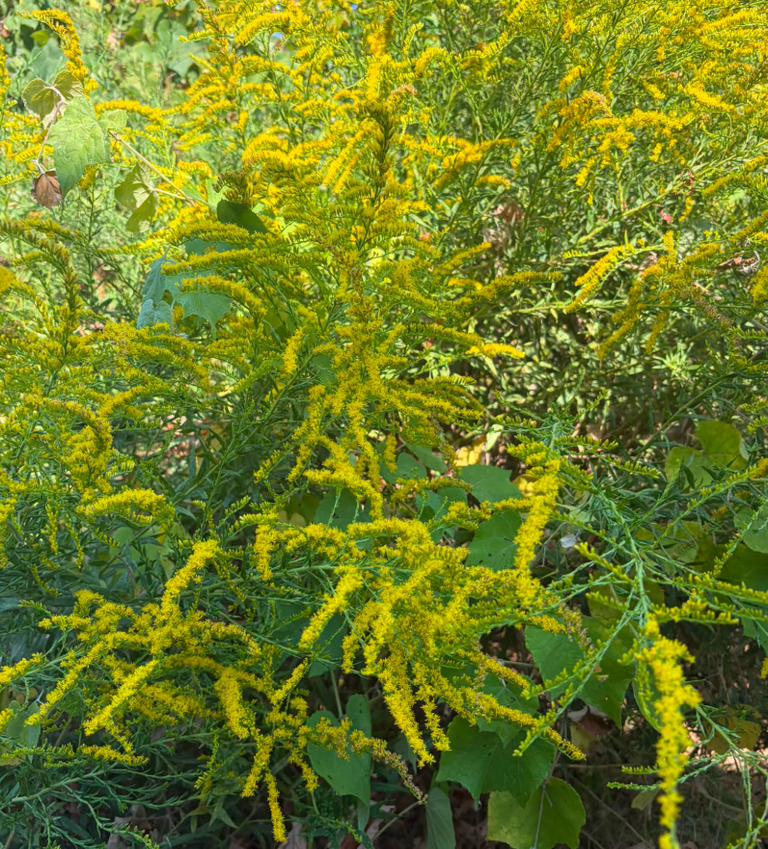
25 Types of Mums (Different Chrysanthemum Varieties, With Pictures)
Mums, short for chrysanthemums, are one of the most diverse flowers in cultivation. There are between 150 and 200 known chrysanthemum species, and thousands of cultivars bred from them, according to Clemson University’s horticulture research.
If you only know the round, bushy mum from the garden center, you are missing most of the story. This guide walks through 25 types of mums, covering the official classification system, the everyday garden types, and the specialty forms grown for shows and cut flowers.
By the end, you will know exactly what to look for, what will survive your winter, and what belongs in a vase instead of a flower bed.
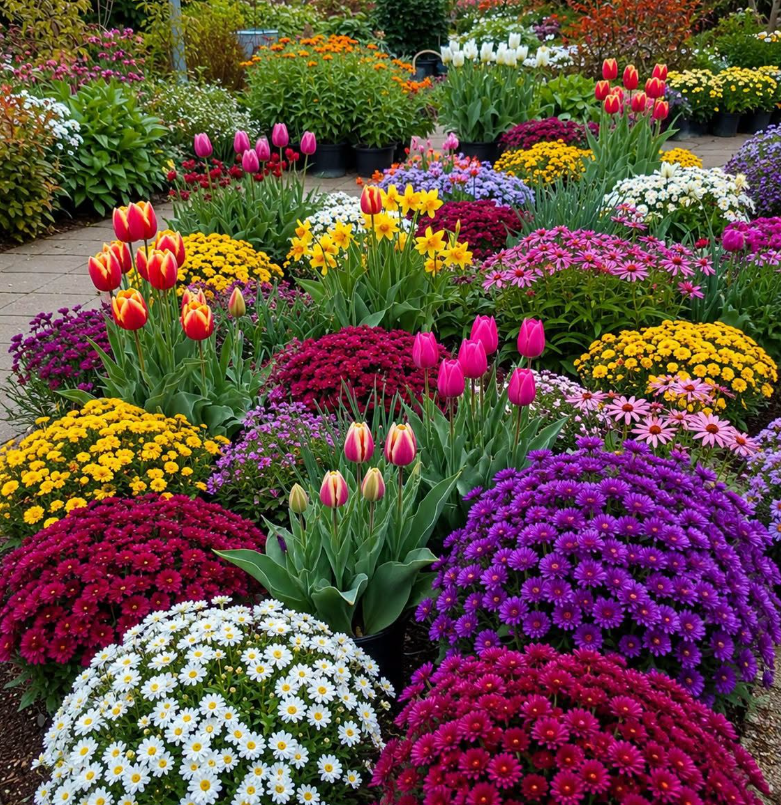
Why Mums Have So Many Types
Chrysanthemums belong to the daisy family, Asteraceae. Every “flower” you see is really a cluster of tiny individual flowers called florets.
Some florets are ray florets, the petal-like ones around the edge. Others are disk florets, the tight cluster in the center. How these two types combine, or don’t, is what creates all the different mum shapes.
The National Chrysanthemum Society (NCS) sorts every mum into 13 official bloom classes. This system exists so growers, judges, and gardeners can speak the same language about flower shape.
Beyond those 13 classes, the trade also groups mums by growth habit and use. That is where names like garden mums, florist mums, and spray mums come in.
I will cover both groups here, since most people searching for “types of mums” want the full picture, not just the technical classes.
ALSO READ: The Perfect Time to Buy Mums for Stunning Fall Color
Now, let’s get into the 25 types.
The 13 Official National Chrysanthemum Society Classes
These are the technical backbone of mum classification. Every bloom you will ever see fits into one of these categories, or is labeled unclassified.
1. Irregular Incurve
This is the giant of the chrysanthemum world. Petals loosely curve inward, forming a full, closed center.
The lower florets fall in an uneven, skirt-like pattern. Blooms can reach up to 10 inches across, and plants may grow to 4 feet tall, per gardening research from horticultural extension sources.
These need staking and disbudding to reach full size. They are the showpiece of any exhibition table.
2. Reflex
Reflex mums have petals that curve downward and overlap each other. The effect resembles layered bird feathers or an old-fashioned mophead.
Blooms measure around 4 to 6 inches across. Plants typically reach 3 to 4 feet tall and bloom in early fall.
Popular reflex cultivars include ‘King George’ and ‘Samson.’ I find these among the most photogenic mums in the entire lineup.
3. Regular Incurve
This class produces a true globe-shaped bloom, equal in width and depth. Florets curve smoothly inward to form a tight, round ball.
Regular incurves are often called football mums, and for good reason. The shape and size genuinely resemble a small ball.
They bloom in mid to late fall and usually need one stake per stem due to their weight.
4. Decorative
Decorative mums are the type most people actually own. They have double or semi-double flowers with a flattened, layered look.
Upper florets curl inward while lower petals reflex outward. This class is common in garden mums sold at nurseries every autumn.
Plants can grow over 18 inches tall and rarely need staking, which makes them beginner-friendly.
ALSO READ: How Long Do Mums Last? Tips for Keeping Chrysanthemums Vibrant in Your Home
5. Intermediate Incurve
Think of this as a hybrid between irregular incurve and regular incurve types. It is smaller than the irregular incurve class but larger than a simple globe.
Florets only partially curve inward, leaving a more open, relaxed appearance. It bridges the gap between showy and casual.
6. Pompon
Pompons are small, tightly packed, ball-shaped flowers. Plants generally stay under 18 inches tall.
No disbudding is required for pompons, unlike the giant exhibition classes. That makes them low-maintenance and ideal for borders.
They also hold up beautifully in mixed floral arrangements thanks to their compact, sturdy shape.
7. Single and Semi-Double
These look closest to the wild ancestor of the chrysanthemum. A visible yellow disk sits in the center, surrounded by one to five rows of flat ray petals.
They resemble daisies more than the fluffy mums most people picture. Research from Utah State University Extension notes that nearly all single mum varieties are winter hardy.
If you want a mum that reliably returns every year, this class is a strong starting point.
8. Anemone
Anemone mums look like singles but with a raised, cushion-like center in a contrasting or deeper shade. The outer ray florets stay flat.
The two-tone, layered effect gives these a slightly wild, natural charm. Most varieties in this class are also hardy.
9. Spoon
Spoon mums have tubular ray florets that widen at the tip, like a tiny spoon. From a distance they can look almost like a starburst.
The New York Botanical Garden notes cultivars such as ‘Redwing’ represent this class well. They are less common in stores but striking when found.
ALSO READ: The Big Question Answered: Do Mums Grow Back Every Year?
10. Quill
Quill mums feature long, straight, tubular petals that stay narrow their whole length. The look is spiky and architectural.
Few quill varieties are winter hardy, according to Utah State University’s extension guide, so treat most of these as seasonal or greenhouse plants.
11. Spider
Spider mums have long, tubular petals that curl or hook at the tips. The overall effect genuinely resembles spider legs radiating outward.
This is one of the primary exhibition classes, alongside irregular incurve, regular incurve, and brush and thistle types. Growers disbud heavily to produce one dramatic bloom per stem.
12. Brush and Thistle
Petals in this class are short, bristly, and point straight outward, resembling a brush or thistle head. It is one of the rarer and more unusual mum classes.
You will mostly find brush and thistle mums at specialty flower shows rather than garden centers.
13. Unclassified (Exotic)
This is the catch-all category for mums whose form does not fit neatly into the other 12 classes. Breeders often use this class name for experimental or highly unusual new cultivars.
If a mum looks genuinely bizarre and doesn’t match anything else on this list, it likely belongs here.
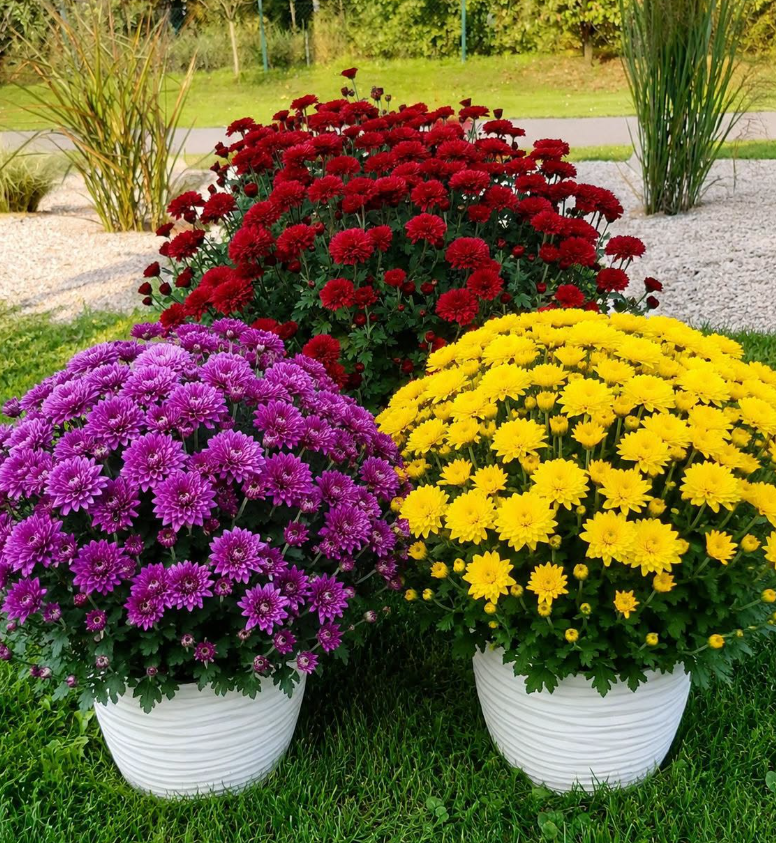
12 More Popular Mum Types Every Gardener Should Know
Beyond the official 13 bloom classes, the horticulture trade groups mums by growth habit, hardiness, and end use. These next 12 types are the names you will actually see on plant tags at stores.
14. Garden Hardy Mums
These are the Chrysanthemum x morifolium cultivars bred specifically for cold tolerance. They are meant to live in your landscape as perennials, not just decorate your porch for a season.
According to Clemson’s Home and Garden Information Center, hardy garden mums are commonly reliable through USDA Zones 5 to 9 with proper siting and winter mulch.
Look for a tag that specifically says “hardy garden mum” if you want it to return next year.
15. Football Mums
This trade name refers to large regular or irregular incurve blooms grown as a single flower per stem. Growers remove all side buds so the plant channels its energy into one giant bloom.
The result really does look like a colorful, fluffy football. These are staples of homecoming corsages in the American Midwest.
16. Cushion Mums
Cushion mums are bred for a low, mounded, rounded growth habit. Clemson’s Home and Garden Information Center lists these as one of the classic hardy mum groups sold across the Southeast.
They flower early in the season and stay compact without much pruning. This makes them a favorite for tidy front-yard borders.
17. Charm Mums
Charm mums are bred specifically for pot culture, producing hundreds of tiny single blooms across a rounded, symmetrical plant. North Carolina State University’s Extension Gardener Plant Toolbox places charm and cushion types in the same category, both bred for potted display.
A single charm mum plant can look like a solid dome of color. It is one of the most efficient mums for visual impact per square foot.
ALSO READ: Explained: Can Mums Grow in Shade?
18. Spray Mums
Spray types produce five to ten smaller blooms per stem instead of one large flower. This branching habit makes them the backbone of the commercial cut flower industry.
North Carolina State University Extension also confirms spray chrysanthemums are reliable perennial border plants, not just cut-flower crops.
Cultivars like ‘Chatsworth’ and ‘Pumpkin’ perform well both in vases and garden beds.
19. Standard or Disbud Mums
Standard mums are the opposite of spray types. Growers remove every side shoot so the plant’s full energy goes into one large bloom per stem.
This technique, called disbudding, is used across several NCS classes, including irregular incurve and spider mums. It takes patience but produces show-quality results.
20. Korean or Rubellum Mums
Korean mums, sometimes labeled Rubellum types, are hardy garden perennials well suited to mixed borders. Popular cultivars include ‘Mary Stoker,’ ‘Nell Gwynn,’ and ‘Perry’s Peach,’ according to North Carolina State University’s plant database.
These tend to have a looser, more natural look than tightly bred hybrid mums. I personally like them for cottage-style gardens where a bit of informality is welcome.
21. Belgian Mums
Belgian Mum is actually a trademarked cultivar group, not a botanical species. Clemson’s Home and Garden Information Center references varieties like ‘Conaco Orange’ Belgian Mum as a widely sold example.
They are known for dense, uniform mounds and vivid, saturated color, which is exactly why big-box retailers favor them for fall displays.
22. Button Mums
Button mums are miniature pompon-type flowers, often under an inch across. Despite their small size, a single plant can produce dozens of blooms.
They are frequently used in floral arranging because their tiny scale fills gaps between larger flowers without overwhelming a design.
23. Cascade Mums
Cascade mums are trained, rather than naturally shaped this way. Growers bend and tie the stems so blooms flow downward in a waterfall pattern.
The New York Botanical Garden features this style, known in Japan as Kiku Kengai, in seasonal chrysanthemum displays. It takes months of careful training to achieve.
24. Fuji or Ozukuri-Style Mums
This Japanese training style produces a single plant with hundreds of identical blooms arranged in a precise dome shape. It typically uses spider or quill-type flowers as the base.
Ozukuri displays are a highlight of Japanese chrysanthemum festivals, including the well-known Kiku Matsuri events held each November. Some displays feature more than 2,000 individual blossoms from a single root system.
25. Florist or Pot Mums
These are greenhouse-grown mums, often labeled Dendranthema or Chrysanthemum x morifolium, bred purely for short-term indoor display. Garden Design’s horticulture guide notes florist mums rarely survive outdoors long-term, unlike their hardy garden cousins.
If your mum came wrapped in foil from a supermarket, it almost certainly falls into this category. Enjoy the color, but don’t expect it back next spring.
A Quick Word on History and Scale
Chrysanthemums were first cultivated in China as far back as the 15th century BC, based on historical botanical records. That makes them one of the oldest cultivated flowers still popular today.
By 1630, growers had already recorded over 500 cultivars. Fast forward to modern times, and estimates put the global cultivar count above 20,000, with roughly 7,000 of those originating in China alone.
Japan adopted the chrysanthemum during the Nara and Heian periods, and it later became the flower of the Imperial Seal. The flower still carries strong cultural weight there today.
In the United States, garden mums remain a fall staple. Purdue University’s horticulture department notes chrysanthemums have been grown in America for well over a century, with continual breeding for hardiness and bloom form.
How to Tell Which Type You Actually Own
Here is a shortcut I use every fall. Check the plant tag first; words like “hardy,” “garden,” or a cultivar name in single quotes are good hardiness signs.
If there is no tag and it came from a grocery store, treat it as an annual. Foil-wrapped, no-name mums are almost always florist types bred for a few weeks of color, not survival.
If you bought it from a garden center in spring specifically labeled “garden mum,” plant it early. Early planting gives roots time to establish before the first hard freeze.
Basic Care Tips That Apply Across Types
Regardless of class, most mums share the same core needs. Getting these right matters more than knowing the exact bloom class.
Sunlight: Mums need at least six hours of direct sun daily to bloom well, per University of Missouri Extension research.
Soil: Well-drained, fertile, organic soil prevents root rot and supports strong bud formation.
Watering: Mums are shallow-rooted and dry out fast, especially in containers. Water deeply and consistently, particularly during bud set.
Pinching: Remove the top half to one inch of new growth every few weeks through early summer. This builds a fuller, bushier plant with more blooms.
Winter protection: After a hard frost, cut hardy types back and add 4 to 6 inches of mulch. This guards against frost heaving, which can literally push shallow roots out of the ground.
Light pollution warning: University of Illinois Extension research notes that nearby artificial lighting can disrupt day-length cues mums use to trigger flowering. Keep hardy mums away from porch lights and street lamps if you want reliable fall blooms.
Cut Flower Performance
If you buy mums for arrangements, spray and standard types dominate the commercial market. Cut chrysanthemums typically last 10 to 21 days in a vase with clean water and recut stems, making them one of the longest-lasting cut flowers available.
That is a genuinely impressive number compared to most cut flowers, which fade within a week. It is part of why mums remain a top seller for florists heading into autumn and funeral arrangements alike.
Final Thoughts
Twenty-five types sounds like a lot, but once you see the pattern, it clicks fast. Thirteen classes describe bloom shape. The rest describe how a plant is grown, trained, or sold.
Next time you walk past a fall display, you will actually know what you are looking at. That single football mum or spider bloom has a name, a history, and a specific care routine behind it.
I would encourage you to try at least one hardy variety this year instead of a florist pot mum. Watching it come back the following autumn is a small but genuine gardening reward.
Frequently Asked Questions
How many types of mums are there in total? There are 13 officially recognized bloom classes set by the National Chrysanthemum Society. Beyond that, growers recognize dozens of trade and growth-habit groupings, which is why this guide covers 25 distinct types gardeners actually encounter.
Which mum type comes back every year? Hardy garden mums, Korean or Rubellum types, and most single and semi-double varieties are the most reliable perennials. Florist or pot mums almost never survive outdoors past one season.
What is the difference between a garden mum and a florist mum? Garden mums are bred specifically for winter hardiness and outdoor planting. Florist mums are greenhouse-grown for short-term indoor display and are rarely built to survive frost.
Do mums need full sun? Yes. Nearly every mum type needs at least six hours of direct sunlight daily to set buds and bloom fully, based on university extension research cited above.
Why did my mum not come back this year? The most common reasons are planting too late in fall, insufficient winter mulch, poor drainage, or simply owning a non-hardy florist type to begin with. Spring planting greatly improves next-year survival odds.
References (Educational and Government Sources)
- Purdue University Cooperative Extension Service, Chrysanthemums (HO-77): https://www.extension.purdue.edu/extmedia/HO/HO-77.pdf
- University of Missouri Extension, Winter Care of Hardy Mums, Integrated Pest Management Program: https://ipm.missouri.edu/MEG/index.cfm?ID=766
- North Carolina State University Extension Gardener Plant Toolbox, Chrysanthemum (Chrysanthemum, Mum): https://plants.ces.ncsu.edu/plants/chrysanthemum/
- Utah State University Extension, Growing Chrysanthemums in the Home Garden: https://extension.usu.edu/yardandgarden/research/growing-chrysanthemums-in-the-home-garden
- Clemson University Cooperative Extension, Home & Garden Information Center, Chrysanthemums: How to Grow Garden Mums in South Carolina (HGIC 1161): https://hgic.clemson.edu/factsheet/chrysanthemums-how-to-grow-garden-mums-in-south-carolina/
- Clemson University Cooperative Extension, Home & Garden Information Center, Chrysanthemum Diseases and Insect Pests in South Carolina: https://hgic.clemson.edu/factsheet/chrysanthemum-diseases-insect-pests/
- North Carolina State University, Department of Horticultural Science Hort Scans Archive, Garden Mums by A.J. Pertuit Jr., Clemson University: https://hortscans.ces.ncsu.edu/uploads/g/a/garden_m_51dda5587ec26.pdf

Tim M Dave is a gardening expert with a passion for houseplants, particularly cacti and succulents. With a degree in plant biology from the University of California, Berkeley, he has vast experience in gardening. Over the years, he has cultivated a vast collection of desert plants and learned a great deal about how to grow and care for these unique companions.