25 Best Plants for a South-Facing Window (And How to Keep Them Thriving)
A south-facing window delivers the most intense and longest-lasting natural light of any exposure in the Northern Hemisphere. According to Oregon State University Extension, a window facing south receives the most intense sun of the day.
That intensity is a gift, but only if you match it with the right plants. This guide covers 25 plants that are built for bright, direct sunlight, along with care notes so you are not just picking pretty leaves but setting them up to actually survive.
Why South-Facing Light Is So Powerful
Light intensity is measured in foot-candles, and the difference between exposures is not small. Colorado State University Extension defines high light as 1,000 or more foot-candles, medium light as 500 to 1,000, and low light as anywhere from 50 to 500 foot-candles. A south-facing window regularly delivers that top tier.
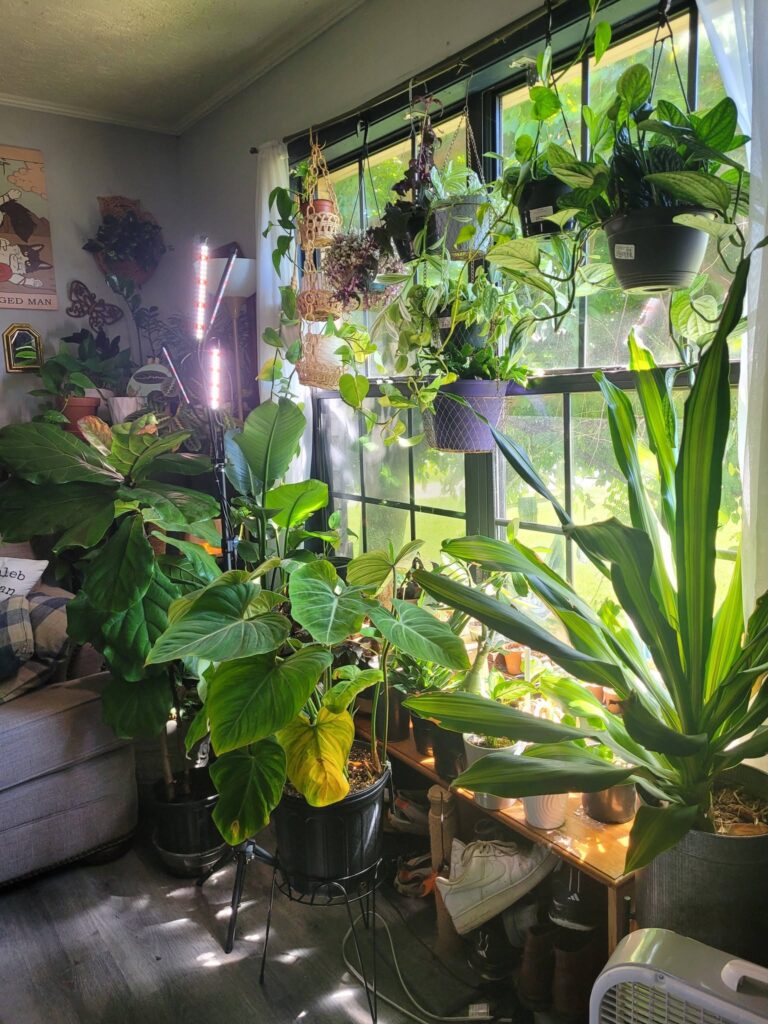
The New York Botanical Garden notes that south-facing windows provide direct sunlight within 2 to 3 feet of the glass, bright indirect light up to 5 feet away, and semi-shade as far as 8 feet back. So even one window gives you several distinct light zones to work with.
North Carolina State University Extension adds an important caution here. A south window with strong direct light can drop to a low-light zone if a plant sits just 8 feet back from the glass. Distance matters as much as direction.
One more detail I wish someone had told me sooner: dirty windows can block up to 50% of available light, according to the New York Botanical Garden. A quick wipe-down of the glass does more for your plants than a lot of fertilizer ever will.
How to Choose the Right Plants for This Exposure
Not every plant wants full, unfiltered sun. Cacti, succulents, and many flowering or fruiting species genuinely need it. Others will tolerate a south window only with some protection, like a sheer curtain a few feet back from the glass.
University of Minnesota Extension classifies high-light plants as needing more than 1,000 foot-candles, and specifically names south- and southwest-facing windows as the ideal spot for them. Keep that distinction in mind as you shop.
I always tell people: read the light label before you read the price tag. A gorgeous plant in the wrong window will decline slowly, and by the time you notice, the damage is often done.
With that groundwork laid, here are the 25 plants that make the most of a bright southern exposure.
25 Plants for a South-Facing Window
1. Snake Plant (Dracaena trifasciata)
The snake plant is nearly indestructible, and it happens to enjoy bright light just as much as low light. Missouri Botanical Garden notes this species, native to tropical western Africa, adapts to a wide range of conditions. Its stiff, upright leaves rarely burn even in strong sun.
I keep one in my brightest window purely because it asks for so little. Water it sparingly, since overwatering is the main way people accidentally kill this plant.
2. Jade Plant (Crassula ovata)
Jade plants are classic succulents that store water in thick, glossy leaves. They need several hours of direct sun daily to keep that compact, tree-like shape people love. Without enough light, jade plants stretch out and lose their charm.
A south window is close to ideal. Just rotate the pot occasionally so growth stays even on all sides.
3. Aloe Vera
Aloe is both a striking succulent and a genuinely useful plant to have around for minor burns. It thrives in bright, direct light and actually prefers to dry out completely between waterings.
NASA-affiliated research on interior plants and indoor air quality has tested aloe alongside other common houseplants, though later reviews caution that lab results do not always translate to typical rooms.
Even setting air-purifying claims aside, aloe is a reliable, low-maintenance choice for a sunny sill.
4. Ponytail Palm (Beaucarnea recurvata)
Despite the name, this is a succulent, not a true palm. Its bulbous base stores water, which means it forgives forgetful watering schedules far more than most houseplants.
Native to hot, dry regions of Mexico, the ponytail palm is naturally built for intense sun. A south window replicates its home climate almost perfectly.
5. Bird of Paradise (Strelitzia nicolai)
This tropical plant grows dramatic, banana-like leaves and can eventually produce striking flowers indoors, though that usually requires strong direct light to trigger blooming. It is one of the few houseplants that genuinely rewards a full-sun spot.
Give it space. This plant grows large, and a bright south window is often the only place in the house with enough light to support real flowering.
6. Croton (Codiaeum variegatum)
Crotons are grown for their bold, multicolored leaves rather than flowers. The more light they get, the more vivid the color patterns become, which makes a south window genuinely transformative for this plant.
They do like humidity, so a light misting or a pebble tray helps, especially if your bright window also runs warm.
7. Money Tree (Pachira aquatica)
Money trees do best with a mix of direct and filtered light, which makes a south window with a sheer curtain a smart setup. Too much unfiltered midday sun can occasionally scorch the leaves, so a little buffer helps.
I like this plant because its braided trunk gives a room instant personality without demanding constant attention.
8. Rat’s Tail Cactus (Disocactus flagelliformis)
This trailing cactus can genuinely handle a full day of sun and looks stunning in a hanging basket near a bright window. It may tolerate lower light, but it rarely flowers without strong sun exposure.
If you want blooms, do not compromise on light for this one. It is a full-sun plant through and through.
9. Powder Puff Cactus (Mammillaria species)
Small, round, and covered in soft-looking spines, this cactus rewards direct sun with a ring of pink, cream, or yellow funnel-shaped flowers. It is a favorite among collectors for good reason.
Warm, bright conditions mimic its native desert habitat, so a south window is close to non-negotiable if you want it to bloom reliably.
10. Golden Barrel Cactus (Echinocactus grusonii)
This is one of the most recognizable cacti, with its perfectly round shape and golden spines. It needs strong, direct light to maintain that compact growth habit rather than stretching toward a weaker light source.
Because it is slow-growing, it makes a low-fuss, long-term addition to a sunny windowsill.
11. Meyer Lemon (Citrus x meyeri)
Citrus plants are some of the most light-hungry houseplants you can grow. University of Minnesota Extension specifically notes that citrus plants require bright light in order to bloom and set fruit. Without that, you get leaves but no lemons.
A south window is often the minimum requirement for indoor citrus to fruit successfully. I have watched one struggle for a year in an east window before a move to full south light finally brought flowers.
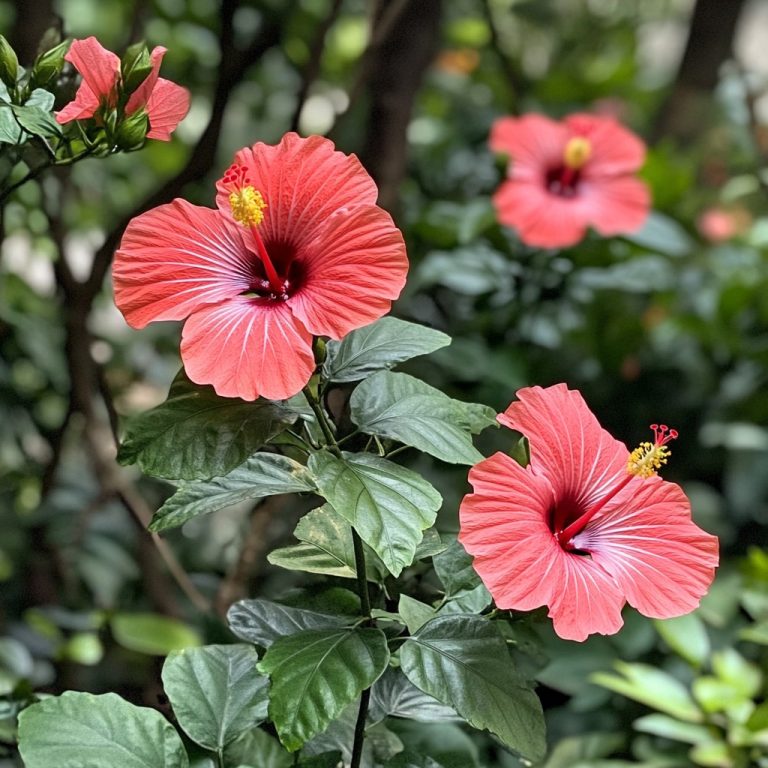
12. Hibiscus (Hibiscus rosa-sinensis)
Tropical hibiscus produces large, showy flowers, but only with plenty of direct sun. Indoors, that usually means a south-facing spot, ideally supplemented with time outdoors during warm months.
Feed it regularly during the growing season. Strong light without nutrients still limits flowering.
13. String of Pearls (Curio rowleyanus)
This trailing succulent, with its bead-like leaves, wants bright light to keep its pearls plump and closely spaced. In lower light, the strands become sparse and leggy.
It is a striking choice for a hanging planter positioned right in the strongest part of a south window.
14. Echeveria
Echeveria’s tidy rosette shape is entirely dependent on strong light. In dim conditions, the rosette stretches upward and loses its symmetry, a process growers call etiolation.
A south window is about as close as you can get to this succulent’s natural sun-drenched habitat without an outdoor garden.
15. Haworthia
Haworthia is more tolerant of some shade than most succulents, but it still colors up best and stays compact in bright light. A south window a foot or two back from the glass, rather than pressed right against it, often works well.
This is a good pick if you want a succulent that is slightly more forgiving of an imperfect spot.
16. Agave
Agave species are architectural, sculptural, and built for punishing sun. Indoors, they need the brightest spot available, and a south window is typically the only realistic option.
Keep in mind that agave can eventually grow quite large, so plan for size when choosing a variety for indoor use.
17. Kalanchoe
Kalanchoe produces clusters of small, vivid flowers and needs strong light to trigger and sustain blooming. It is also sensitive to day length, meaning consistent bright exposure through a south window supports more reliable flowering cycles.
Deadhead spent blooms to encourage the next round of flowers.
18. Desert Rose (Adenium obesum)
With its swollen trunk and tropical-looking flowers, desert rose looks exotic but is genuinely easy to grow if you give it full sun. It is native to arid regions of Africa and the Arabian Peninsula, so it has no interest in shade.
Let the soil dry out fully between waterings. This plant would rather be underwatered than left soggy in a bright, warm spot.
19. Yucca
Yucca’s stiff, sword-like leaves are built to handle intense, direct sun without scorching. It is one of the more architectural, low-maintenance options for a bright room.
Because it tolerates a wide temperature range, it also handles the summer heat that often builds up near unshaded south windows.
20. Bougainvillea
Grown indoors, bougainvillea needs about as much sun as you can give it to produce its signature papery, colorful bracts. Without strong light, the plant tends to stay green and skip flowering almost entirely.
It also benefits from being moved outdoors in summer if you have the option, then brought back to the sunniest window for winter.
21. Jasmine (Jasminum polyanthum)
Jasmine’s fragrant white flowers depend on generous light exposure, and a south window is typically necessary to get consistent blooms indoors. The fragrance alone makes the light requirement worth accommodating.
Give it something to climb. A small trellis near the window keeps the vining growth tidy and closer to the light source.
22. Geranium (Pelargonium)
Geraniums are dependable bloomers when given strong, direct sun, which makes a south window one of the few indoor spots where they will flower well through the colder months. Outdoors they are a garden staple; indoors, light is the limiting factor.
Pinch back leggy stems to keep the plant compact and encourage more blooms.
23. Lavender
Lavender is a Mediterranean herb used to intense, dry sun, and it struggles indoors in anything less than a very bright window. A south-facing spot with good airflow comes closest to replicating its natural growing conditions.
Avoid overwatering. Lavender’s biggest indoor killer is not lack of light but soggy roots.
24. Rosemary
Rosemary is another sun-loving Mediterranean herb, and indoors it needs as much direct light as you can offer, ideally supplemented with occasional time outside. A south kitchen window is a classic, practical spot for it.
Snip it regularly for cooking. Regular harvesting actually encourages bushier growth.
25. Basil
Basil is less drought-tolerant than the other herbs on this list, but it still wants strong, direct sun to develop full flavor and steady growth. A south-facing kitchen windowsill is one of the best indoor spots for a small basil pot.
Keep the soil consistently moist, unlike the desert-adapted plants above. Basil pairs high light with a much higher water need.
Common Mistakes to Avoid in a South-Facing Window
Placing shade-loving plants directly against the glass is one of the fastest ways to scorch leaves. Ferns, pothos, and peace lilies belong in gentler light, not a full-sun window.
Ignoring summer heat buildup is another frequent problem. New York Botanical Garden points out that a south-facing window can get too hot for plants in summer, and recommends a sheer curtain or some airflow to manage it.
Forgetting to rotate pots leads to lopsided growth, since plants naturally lean toward their strongest light source. A quarter turn every couple of weeks keeps growth even on all sides.
Underestimating water loss is easy to do in bright spots. High light speeds up soil drying, so succulents and cacti aside, most plants in a south window need more frequent checking than the same species would in a dimmer room.
Matching Distance to Light Intensity
Not every south-window plant needs to sit flush against the glass. As a rough guide based on extension research:
- 0 to 3 feet from the glass: full sun, best for cacti, succulents, citrus, and flowering sun-lovers.
- 3 to 5 feet back: bright indirect light, suitable for money tree, croton, or bird of paradise with a curtain buffer.
- 5 to 8 feet back: medium light, better suited to plants not on this list, such as ferns or philodendrons.
This layering means a single south window can realistically support several of the 25 plants above at once, each placed at the right distance.
ALSO READ: 25 Best Plants for an East-Facing Window (And Why They Thrive There)
Frequently Asked Questions
Can any plant survive in a south-facing window? No. Some plants, especially those adapted to forest floors, will scorch or dry out too quickly in unfiltered southern sun. Stick to sun-tolerant species like the ones on this list, or add a sheer curtain for the more sensitive ones.
Do south-facing windows work the same way in the Southern Hemisphere? Not quite. In the Southern Hemisphere, north-facing windows receive the strongest, most direct light, while south-facing windows behave more like north windows do in the Northern Hemisphere. Adjust your plant placement accordingly if you live below the equator.
How close should a plant sit to a south-facing window? Most full-sun plants do best within about 2 to 3 feet of the glass. Moving a plant back gradually reduces light intensity, so use distance as a simple dial rather than an all-or-nothing decision.
Is a south-facing window too hot for plants in summer? It can be. Heat and light intensity both peak in summer, so watch for wilting or crisp leaf edges. A sheer curtain, occasional airflow, or moving heat-sensitive plants back a foot or two usually solves the problem.
Do succulents and cacti need direct sun indoors? Yes, most do. Without several hours of strong, direct light, succulents stretch out and lose their compact shape, a process known as etiolation. A south window is typically the only indoor spot bright enough to prevent this.
Why is my plant leaning toward the window? This is a natural response called phototropism, where plants grow toward their strongest light source. Rotating the pot a quarter turn every couple of weeks keeps growth balanced on all sides.
Can flowering houseplants bloom without a south-facing window? Some can, but many popular flowering species, including hibiscus, jasmine, and bougainvillea, bloom far more reliably with the strong, direct light a south window provides. Weaker light often keeps these plants green but flowerless.
A Note on Seasonal Light Changes
Light intensity through a south-facing window is not constant across the year. Colorado State University Extension notes that high light intensity occurs within two feet of south-facing windows mainly from October through March, when the sun sits lower in the sky.
During spring and summer, the sun angle shifts higher, which can actually reduce direct light reaching deep into a south room at midday, even though overall daylight hours increase. This is why some growers notice their south-window plants behaving differently season to season.
Tracking these shifts helps explain unexpected changes in a plant’s growth or flowering, even when your care routine has not changed at all. A plant that thrived in winter sun may need a slight adjustment come summer, and the reverse is often true as well.
Building a South-Facing Window Garden That Lasts
Think of a south window less like a single spot and more like a small ecosystem with its own zones. The plants closest to the glass do the heavy lifting in terms of sun tolerance, while those set back a little further can be slightly more delicate.
Grouping plants by water needs also saves a lot of guesswork. Pairing desert natives like agave, yucca, and echeveria together, away from thirstier plants like basil or hibiscus, prevents accidental overwatering or underwatering across the group.
I have found that keeping a simple note of watering dates, even a sticky note on the windowsill, makes a bigger difference in a bright window than in any other part of the house. Fast-drying soil forgives far less than a shaded corner does.
Over time, a well-planned south-facing window stops feeling like a challenge and starts feeling like the most productive, most rewarding growing spot in the home.
Final Thoughts
A south-facing window is not a limitation to work around. It is an opportunity that most plant parents genuinely wish they had. Once I stopped fighting my strong light and started choosing plants that actually wanted it, my houseplants stopped looking stressed and started looking like the photos in gardening magazines.
Start with two or three plants from this list, pay attention to how they respond over the first month, and adjust distance from the glass as needed. Bright light rewards patience and observation far more than it punishes mistakes.
References
- Oregon State University Extension Service — Light exposure key for growing successful houseplants
- Colorado State University Extension / Denver Botanic Gardens — PlantTalk Colorado: Interior Plants and Light
- New York Botanical Garden — Houseplant Basics Research Guide
- North Carolina Cooperative Extension, Richmond County Center — Light Considerations for Indoor Plants
- University of Minnesota Extension — Lighting for Indoor Plants and Starting Seeds
- Missouri Botanical Garden — Plant Finder: Dracaena trifasciata (Snake Plant)
- NASA Technical Reports Server — Houseplants, Indoor Air Pollutants, and Allergic Reactions

Tim M Dave is a gardening expert with a passion for houseplants, particularly cacti and succulents. With a degree in plant biology from the University of California, Berkeley, he has vast experience in gardening. Over the years, he has cultivated a vast collection of desert plants and learned a great deal about how to grow and care for these unique companions.