20 Anthurium Plant Problems (And How to Fix Them)
My first anthurium sulked for months before I figured out what it actually wanted. Yellow leaves, no flowers, then a soggy, foul-smelling root system. It turns out almost every anthurium complaint traces back to just a few root causes.
Anthurium is the largest genus in the arum family, Araceae, containing more than 800 species native to tropical America, according to the University of Florida IFAS Extension. That tropical origin explains why so many problems boil down to water, light, and humidity.
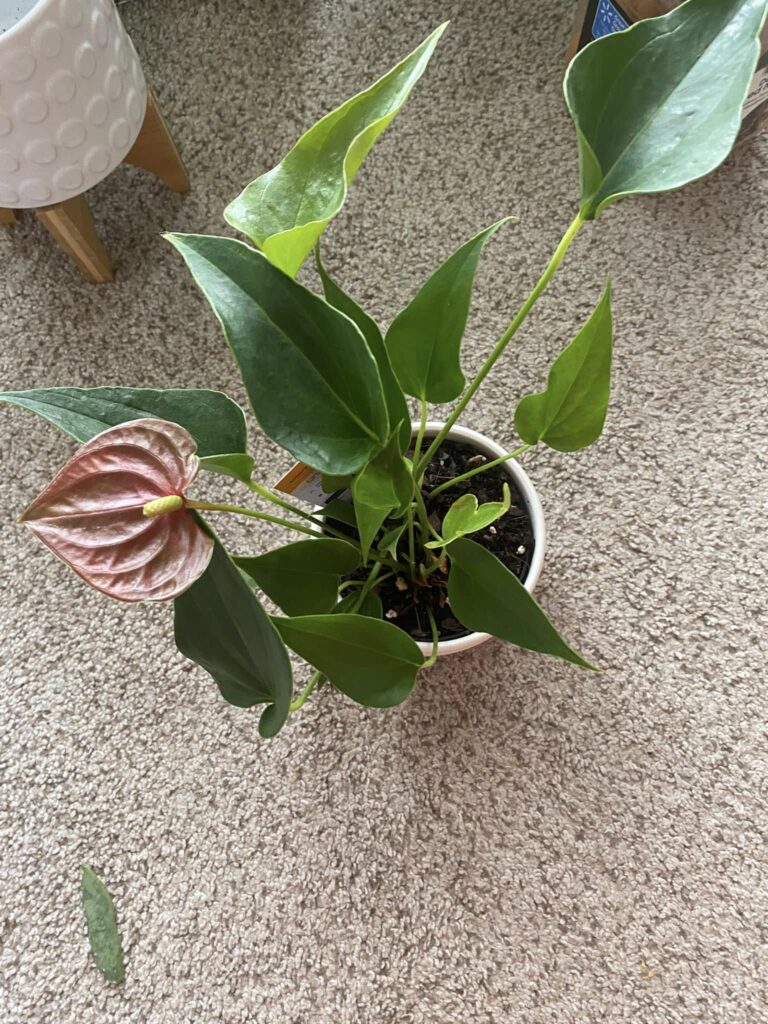
This guide walks through 20 real anthurium problems, from root rot to bacterial blight to stubborn pests.
Let’s dig in.
Why Anthuriums Struggle in the First Place
Before the list, it helps to understand the plant’s natural habits.
In the wild, many anthuriums grow as epiphytes, clinging to trees in humid, shaded forests. That means they dislike heavy, waterlogged soil and prefer bright, indirect light.
UF/IFAS research recommends light levels between 1,000 and 2,500 foot candles, roughly 80 to 90 percent shade, and temperatures between 70°F and 90°F for healthy growth. Anything far outside that range invites trouble.
Keep those two numbers in mind. Almost every problem below connects back to light, water, or temperature drifting outside this comfort zone.
Commercial growers deal with the exact same struggles at a larger scale. UF/IFAS researchers even note that Florida now leads the nation in flowering potted anthurium production, which is exactly why so much research exists on solving these problems well.
That research is good news for home growers too. Whatever your anthurium is dealing with, chances are a university plant pathologist has already documented the cause and the fix.
1. Yellowing Leaves from Overwatering
Yellow, chlorotic older leaves paired with mushy or damaged roots almost always point to excess water sitting around the roots.
UF/IFAS Extension lists this exact symptom combination as a classic sign of overwatering in Table 3 of its cultural guidelines for commercial anthurium production.
The fix is straightforward. Remove the yellow leaves, let the potting mix dry out between waterings, and switch to a well-aerated mix with proper drainage holes.
Also check that pots have working drainage holes, and empty any saucers after watering so roots never sit in standing water.
2. Root Rot from Phytophthora and Pythium
These two fungus-like organisms, called oomycetes, attack anthurium roots directly. Plants wilt even when soil is moist, which confuses a lot of first-time growers.
According to UF/IFAS plant pathology research, root sloughing is the main diagnostic clue, and severe cases develop black to brown leaf lesions as well.
Repot into a fresh, well-drained synthetic mix immediately. Discard severely infected plants, and always sterilize pots and tools between uses to stop the spread.
A mix built from bark, perlite, and peat helps prevent the waterlogged conditions these pathogens need in order to thrive.
3. Rhizoctonia Root Rot and Damping-Off
This fungal disease girdles young stems near the soil line, causing them to become water-soaked and unable to support the plant’s weight.
UF/IFAS describes this classic “damping-off” pattern, noting that the fungus survives for years in soil as small, seed-like structures called sclerotia.
Never reuse garden soil in potting mixes without sterilizing it first. Raised benches and clean, well-drained mixes go a long way toward preventing this disease.
Avoid crowding pots too closely together, since tight spacing traps humidity and helps the fungus spread from plant to plant.
4. Bacterial Blight (Xanthomonas)
This is widely considered the most serious anthurium disease worldwide. Watch for yellow, water-soaked lesions along leaf edges that turn into V-shaped dead patches.
UF/IFAS research explains that bacteria enter through natural leaf pores, especially at night when humid conditions create guttation droplets on leaf margins.
Keep foliage dry with drip irrigation instead of overhead watering. Sterilize cutting tools between plants, and discard infected specimens right away to protect the rest of your collection.
Be cautious with cuttings from unknown sources, since infected but symptomless plants can silently spread bacteria to otherwise healthy ones.
ALSO READ: 50 Types of Christmas Flowers and Plants: Identification With Pictures
5. Bacterial Wilt (Ralstonia)
Unlike blight, this disease causes wilting despite adequate soil moisture, along with yellowing leaves and brown, bronzed veins.
UF/IFAS notes that cutting into an infected stem often reveals a telltale brown, slimy bacterial ooze, confirming the diagnosis.
There is no cure once a plant is infected. Discard the plant and its soil, then sterilize every pot, tray, and tool that touched it before reusing them.
Because this pathogen survives in soil for years without a host, previously contaminated growing areas need thorough disinfection before replanting.
6. Black Nose Disease
This one mainly affects the flower, not the leaves. Small brown-to-black flecks appear on the spadix, the flower’s central spike, and spread rapidly.
UF/IFAS attributes this to the fungus Colletotrichum gloeosporioides, which specifically targets the anthurium’s floral spadix rather than its foliage.
Good sanitation and airflow reduce spread. Fungicides containing mancozeb are effective, though many growers prefer removing affected flowers by hand.
This disease rarely troubles home growers, since it mainly damages plants intended for commercial cut-flower or potted-flower sales.
7. Algal and Fungal Leaf Spots
Small, irregular spots on leaves are sometimes caused by parasitic algae rather than a true fungus, something many home growers never expect.
University of Hawaii CTAHR Extension publications describe algal leaf spot as a recognized disease affecting several tropical ornamentals, anthurium included.
Improving air circulation and avoiding wet foliage at night usually resolves the issue. Fungicides can help in persistent or severe outbreaks.
Removing fallen, infected leaves promptly also limits how much fungal or algal material lingers around the plant to reinfect new growth.
8. Brown, Crispy Leaf Tips from Overfertilization
Chlorotic lower leaves with brown, crispy tips signal too much fertilizer building up salts in the potting mix.
UF/IFAS guidelines recommend keeping indoor soluble salt readings between 0.8 and 1.2 dS/m, measured using the simple pour-through method.
Leach the soil thoroughly with plain water, check the roots for damage, and cut back your fertilizing schedule. Less is genuinely more here.
A controlled-release fertilizer applied sparingly is often safer for home growers than frequent liquid feeding, which is easy to overdo.
9. Sunburn and Bleached Leaf Patches
Broad, dry, tan blotches or bleached leaf centers with browning tips mean your anthurium is getting more direct sun than it can handle.
UF/IFAS research pins the safe upper limit at around 2,500 foot candles, beyond which sunburn and pale, washed-out leaf color both become common.
Move the plant to a spot with brighter, filtered light rather than direct sun, or add a sheer curtain to soften harsh afternoon rays.
East-facing windows typically offer the gentle morning light anthuriums prefer, without the harsh, direct afternoon sun that causes scorching.
10. Few or No Flowers
This complaint is incredibly common, and honestly, a little heartbreaking after waiting weeks for a bloom that never comes.
UF/IFAS identifies insufficient light as the primary cause of plants that produce plenty of leaves but few or no flowers.
Interestingly, UF/IFAS research found some cultivars flower continuously for over 1.5 years under just 100 foot candles indoors. If yours isn’t blooming, it likely needs more consistent brightness than that.
Pairing brighter light with a phosphorus-heavy fertilizer during active growth season can help encourage reluctant plants to finally bloom.
ALSO READ: 35 Different Types of Lilies (True and False Varieties, With Pictures)
11. Magnesium Deficiency
Look for yellowing between the veins on older leaves while the veins themselves stay green. This pattern is a textbook magnesium deficiency.
UF/IFAS classifies leaf magnesium levels below 0.3 percent as deficient, with healthy plants typically running between 0.3 and 1.0 percent.
A soil drench with magnesium sulfate, or Epsom salt, usually corrects this within a few weeks. Foliar sprays of magnesium nitrate work as well.
This deficiency often shows up after repeated leaching, or in older plants that haven’t been repotted or fed in a long while.
12. Manganese Deficiency
This deficiency shows up as uneven, irregular yellow spotting scattered across the leaf surface, rather than the smooth interveinal pattern seen with magnesium issues.
UF/IFAS lab standards consider leaf manganese under 40 parts per million to be low, with healthy readings falling between 40 and 500 ppm.
A manganese sulfate spray applied directly to the foliage typically clears up symptoms within a couple of growing cycles.
High soil pH can lock manganese away from plant roots, so testing pH alongside nutrient levels helps confirm the true cause.
13. Wilting Despite Moist Soil
If the potting mix feels wet but the plant still droops, the roots themselves are usually the actual problem, not a lack of water.
UF/IFAS ties this symptom to root damage from overwatering, since damaged roots can no longer absorb the moisture that’s actually available.
Inspect the roots for brown, mushy tissue. Trim away damaged sections, repot into fresh mix, and water less frequently going forward.
Try squeezing the stem gently near the soil line. A soft, mushy feel usually confirms rot rather than simple thirst.
14. Tip Burn from Underwatering
On the opposite end, tip burn combined with stunted, reduced growth points to a plant that simply isn’t getting enough water.
UF/IFAS specifically separates this from overwatering symptoms, since the underlying cause and the fix are essentially opposite.
Simply increase watering frequency, and check that your pot has adequate drainage so water reaches the roots evenly.
Anthuriums in small pots dry out faster than expected, so check moisture levels every few days during warm months.
15. Cold Damage and Chilling Injury
Anthuriums are true tropical plants, and they show it. Cold drafts cause visible or invisible damage along with delayed growth once temperatures rise again.
UF/IFAS recommends keeping air temperatures above 55°F at all times, with 70°F to 90°F being the ideal range for healthy growth.
Keep plants away from drafty windows, doors, and air conditioning vents, especially during winter months or cold snaps.
Symptoms sometimes take days to appear after a cold snap, which makes tracing the actual cause trickier for many growers.
16. Aphid Infestation
Aphids cluster on new growth and the undersides of leaves, causing curling, distorted growth as they feed on plant sap.
University of Hawaii CTAHR entomology research notes that aphids prefer feeding on leaf undersides, and that dry weather conditions favor rapid population growth.
Insecticidal soap sprays, applied thoroughly to leaf undersides, control most infestations within one to two weeks of consistent treatment.
Ladybugs and lacewings are natural predators, so avoid broad-spectrum insecticides if you want these helpful insects to stick around.
ALSO READ: 25 Best Plants for an East-Facing Window (And Why They Thrive There)
17. Mealybugs and Scale Insects
These pests appear as small, cottony white clusters or hard brown bumps along stems and leaf joints, often mistaken for a disease at first glance.
Both insects secrete sticky honeydew, which can lead to sooty mold growth on leaves if an infestation goes unchecked for too long.
Wipe visible pests off with a cotton swab dipped in rubbing alcohol, then follow up with horticultural oil to catch any hidden survivors.
Check leaf joints and the undersides of leaves carefully, since these pests hide in tight spots that are easy to miss.
18. Spider Mite Damage
Tiny yellow speckling on leaves, sometimes paired with fine webbing, is the calling card of spider mites, especially in dry indoor air.
These pests thrive in low humidity, which is exactly the condition most homes create during winter heating season.
Increase humidity around the plant and rinse foliage periodically. Persistent infestations respond well to insecticidal soap or neem oil.
A sheet of white paper held under the leaves helps confirm mites, since tapping the foliage knocks them loose to view.
19. Thrips and Virus Transmission
Thrips are tiny insects, but they carry a serious risk beyond their own feeding damage. Some species transmit Tomato Spotted Wilt Virus to anthurium.
University of Hawaii CTAHR plant disease records confirm this virus has been found in diseased anthurium plants, spread specifically by thrips feeding activity.
Yellow sticky traps help monitor thrips populations early. Removing and discarding infected plants quickly limits how far the virus can spread.
Since infected plants may show no symptoms for weeks, isolating new arrivals before introducing them to your collection reduces risk.
20. Burrowing Nematode Damage
Below the soil line, microscopic burrowing nematodes attack anthurium roots, causing weak growth that’s easy to misdiagnose as a nutrient problem.
University of Hawaii CTAHR pest management research lists Radopholus similis as a documented pest of commercial anthurium crops in Hawaii.
Starting with certified, disease-free tissue-cultured plants is the single best prevention step, since nematodes spread easily through contaminated soil and cuttings.
Symptoms often resemble a nutrient deficiency, so a soil test or professional diagnosis helps confirm nematodes before starting any treatment.
Quick Reference: Matching Symptoms to Causes
Since several problems share overlapping symptoms, here is a fast way to narrow things down:
- Yellow leaves + damaged roots: Overwatering (Problem 1) or root rot (Problem 2)
- Wilting despite wet soil: Root damage or bacterial wilt (Problems 5, 13)
- Brown leaf tips: Overfertilization or underwatering (Problems 8, 14)
- Few flowers, lots of leaves: Insufficient light (Problem 10)
- Sticky residue or webbing: Pest infestation (Problems 16 to 19)
A Simple Prevention Checklist
Most of these 20 problems are easier to prevent than to cure. A few consistent habits go a long way.
Water wisely. Let the top inch of soil dry before watering again, and always use pots with drainage holes.
Keep humidity moderate. Misting occasionally or using a pebble tray helps recreate the humid conditions anthuriums enjoy in the wild.
Inspect new plants closely. Check leaves, stems, and soil for pests or disease before introducing a new anthurium to your collection.
Sterilize your tools. A quick wipe with rubbing alcohol between plants stops bacteria and fungi from spreading between pots.
Feed lightly and consistently. A diluted, balanced fertilizer applied monthly beats an occasional heavy dose that risks salt buildup.
Following these five habits prevents the majority of problems on this list before they ever start.
Frequently Asked Questions About Anthurium Problems
Why are my anthurium leaves turning yellow? Yellowing usually comes from overwatering, though it can also signal magnesium deficiency or natural aging in older leaves. Check root health first, since that narrows the cause quickly.
How often should I water my anthurium? Let the top inch of soil dry out between waterings, then water thoroughly. UF/IFAS research recommends allowing plants to dry slightly before rewatering, especially indoors.
Why won’t my anthurium bloom? Low light is the most common reason. University research found some cultivars need at least 100 foot candles of consistent brightness to flower reliably indoors.
Is anthurium sap toxic? Yes, the sap can irritate skin and is mildly toxic if ingested. University extension guidance recommends wearing gloves when pruning or handling damaged plants.
Can I save a plant with bacterial blight or wilt? Unfortunately, no reliable cure exists once bacterial infection sets in. The safest option is discarding the plant and disinfecting everything it touched.
How do I know if it’s a pest problem or a disease? Pests usually leave visible insects, webbing, or sticky residue behind. Diseases tend to show distinct lesion shapes, wilting patterns, or discoloration without any visible bugs.
Should I mist my anthurium daily? Occasional misting helps in dry indoor air, but daily misting on its own rarely raises humidity enough. A humidifier or pebble tray works far more reliably.
Final Thoughts
Looking back, my struggling anthurium wasn’t fighting me. It was just telling me, in its own slow way, that something in its environment was off.
Most of these 20 problems trace back to just three things: too much water, too little light, or a pest that snuck in unnoticed. Once you know what to look for, fixes come fast.
Give your anthurium bright, indirect light, well-drained soil, and consistent warmth, and it will reward you with glossy leaves and long-lasting blooms for years to come.
Patience matters too. Some fixes, like correcting a nutrient deficiency, take a few weeks to show visible results, so resist the urge to change too many variables at once.
References
- University of Florida IFAS Extension – Cultural Guidelines for Commercial Production of Interiorscape Anthurium (EP159): https://ask.ifas.ufl.edu/publication/EP159
- University of Florida IFAS Extension – Anthurium Diseases: Identification and Control in Commercial Greenhouse Operations (PP292): https://ask.ifas.ufl.edu/publication/PP292
- University of Hawaii CTAHR – Pest Management Strategies for Anthuriums (IP-17): https://www.ctahr.hawaii.edu/oc/freepubs/pdf/ip-17.pdf
- University of Hawaii CTAHR – Insect Pests, Aphids (IP-36): https://www.ctahr.hawaii.edu/oc/freepubs/pdf/IP-36.pdf
- University of Hawaii CTAHR – Plant Disease, Tomato Spotted Wilt Virus in Anthurium (PD-17): https://www.ctahr.hawaii.edu/oc/freepubs/pdf/PD-17.pdf
- University of Hawaii CTAHR – Plant Disease, Algal Leaf Spot (PD-105): https://www.ctahr.hawaii.edu/oc/freepubs/pdf/PD-105.pdf
- USDA National Institute of Food and Agriculture – Evaluation of Anthurium Plants for Resistance to Bacterial Blight: https://portal.nifa.usda.gov/web/crisprojectpages/0224253-evaluation-of-anthurium-plants-for-resistance-to-bacterial-blight-caused-by-xanthomonas-axonopodis-pv-dieffenbachiae.html

Tim M Dave is a gardening expert with a passion for houseplants, particularly cacti and succulents. With a degree in plant biology from the University of California, Berkeley, he has vast experience in gardening. Over the years, he has cultivated a vast collection of desert plants and learned a great deal about how to grow and care for these unique companions.