50 Types of Christmas Flowers and Plants: Identification With Pictures
Christmas smells like pine needles and cinnamon before it ever looks like anything. I noticed that again this year while decorating, and it made me realize how many plants actually build that feeling. Most people can name three or four. There are dozens more quietly doing the work.
This guide covers 50 types of Christmas flowers and plants, organized into various categories: blooms, evergreens, berries, bulbs, herbs, and symbolic spices. Each one carries its own history, and several carry surprising statistics behind their popularity.
What Counts as a “Christmas Plant”?
A Christmas plant is any flower, shrub, tree, or herb tied to the winter holiday season through decoration, symbolism, or seasonal bloom time. Some flower naturally in December. Others are evergreen and simply available when little else is green.
Iowa State University Extension notes that evergreen trees, poinsettias, holly, and mistletoe carried meaning in ancient legends long before they became modern Christmas staples. Many of today’s traditions are simply old rituals wearing new names.
The USDA Forest Service adds an important detail: more than 350 million Christmas trees are currently growing on farms across the United States at any given time. That scale alone shows how deeply plants are woven into the holiday economy.
Classic Christmas Flowers
1. Poinsettia
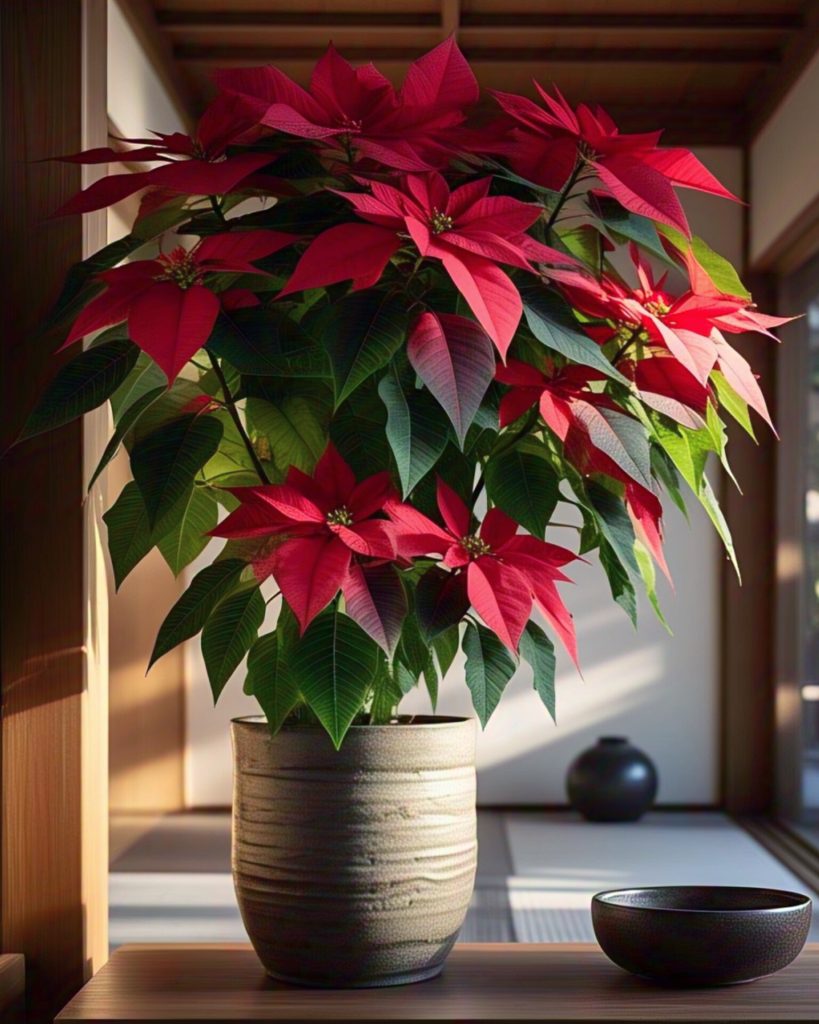
Poinsettia (Euphorbia pulcherrima) is the single most recognized Christmas plant on this list. Its red color actually comes from bracts, a type of modified leaf, not petals.
Iowa State University Extension explains that poinsettias are short-day plants requiring uninterrupted darkness from 5 p.m. to 8 a.m. daily to develop their color, usually starting in early October. Most cultivars need 8 to 10 weeks of this dark cycle to bloom in time for the holidays.
Contrary to old rumors, poinsettias are not seriously poisonous. The bigger concern is the milky sap, which can irritate skin in sensitive people.
2. Amaryllis
Amaryllis (Hippeastrum) produces enormous trumpet-shaped blooms in red, white, or pink. A single bulb can throw up two or three flower stalks in one season.
I love gifting these as bulbs rather than cut flowers. Watching one grow from a bare bulb to a foot-tall bloom over a few weeks feels like a small daily miracle.
They require almost no skill to grow indoors, just water, light, and patience.
3. Paperwhite Narcissus
Paperwhites are fragrant white daffodils forced into bloom indoors during winter. Unlike most bulbs, they need no cold period before flowering.
Their sweet, heavy scent fills a room quickly, which some people love and others find overwhelming. Either way, they are one of the fastest bulbs to bloom, often flowering within three to four weeks of planting.
4. Christmas Cactus
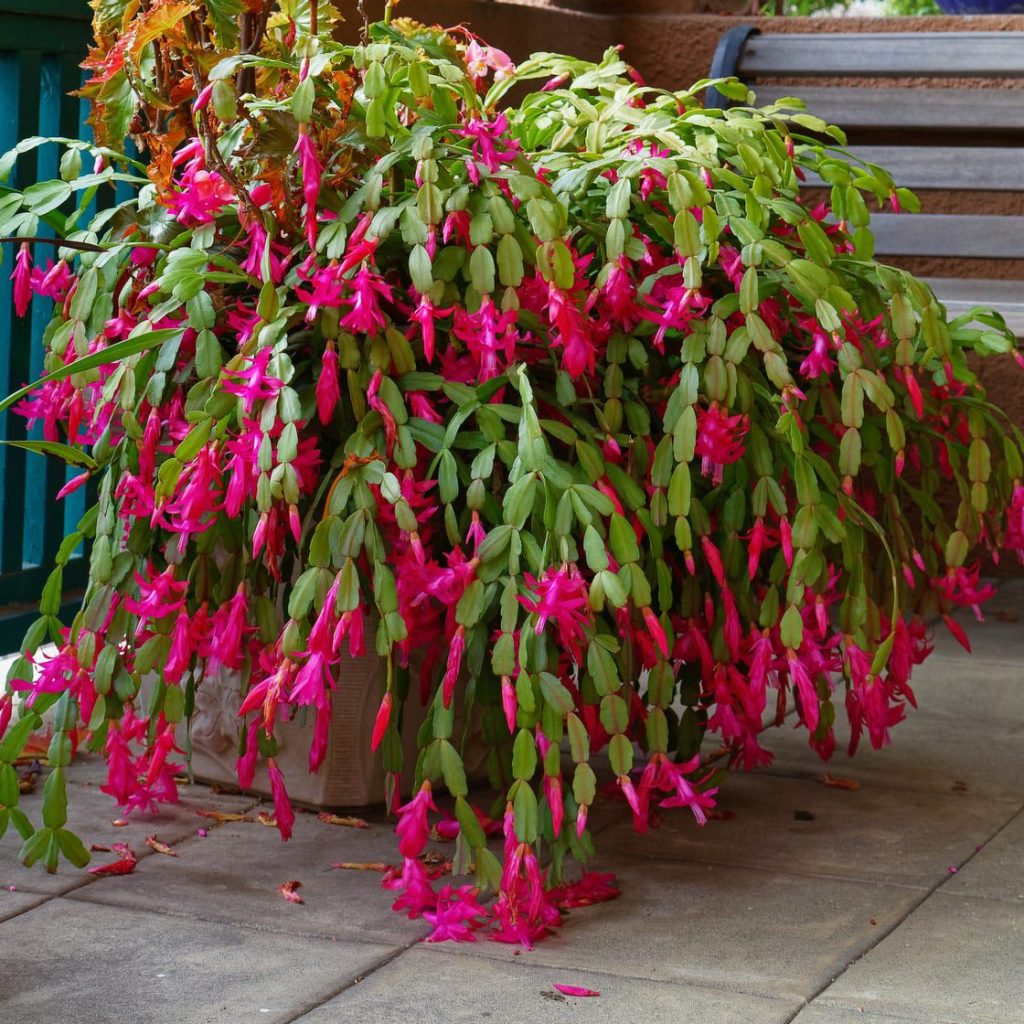
Christmas cactus (Schlumbergera) is native to Brazil, not the desert, despite its name. It naturally blooms in late December in the Northern Hemisphere.
Like poinsettias, it is a short-day plant. Iowa State University Extension notes that ideal flowering conditions include night temperatures of 60 to 65°F, with slightly warmer days.
Exposure to artificial light at night can prevent flowering entirely, so placement matters more than most people expect.
5. Christmas Rose
Christmas Rose (Helleborus niger) is not a rose at all, but a hardy perennial that blooms in the dead of winter. Its white flowers often appear through light snow cover.
It is a favorite among gardeners who want winter interest without relying on evergreens alone. The flowers can last for weeks in cold weather.
6. Cyclamen
Cyclamen brings red, white, pink, or purple blooms to winter windowsills. The Royal Botanic Gardens, Kew notes there are 23 known species of cyclamen, each flowering at a different time of year.
They are compact perennials, rarely growing taller than about 13 centimeters. Their heart-shaped leaves are almost as decorative as the flowers themselves.
7. Kalanchoe (Flaming Katy)
Kalanchoe is a thick-leaved succulent that produces dense clusters of small, bright flowers in red, orange, pink, or yellow. It blooms roughly every six months, with flowers lasting six weeks or longer.
I appreciate how low-maintenance it is compared to other flowering houseplants. It tolerates neglect far better than amaryllis or paperwhites.
8. Camellia
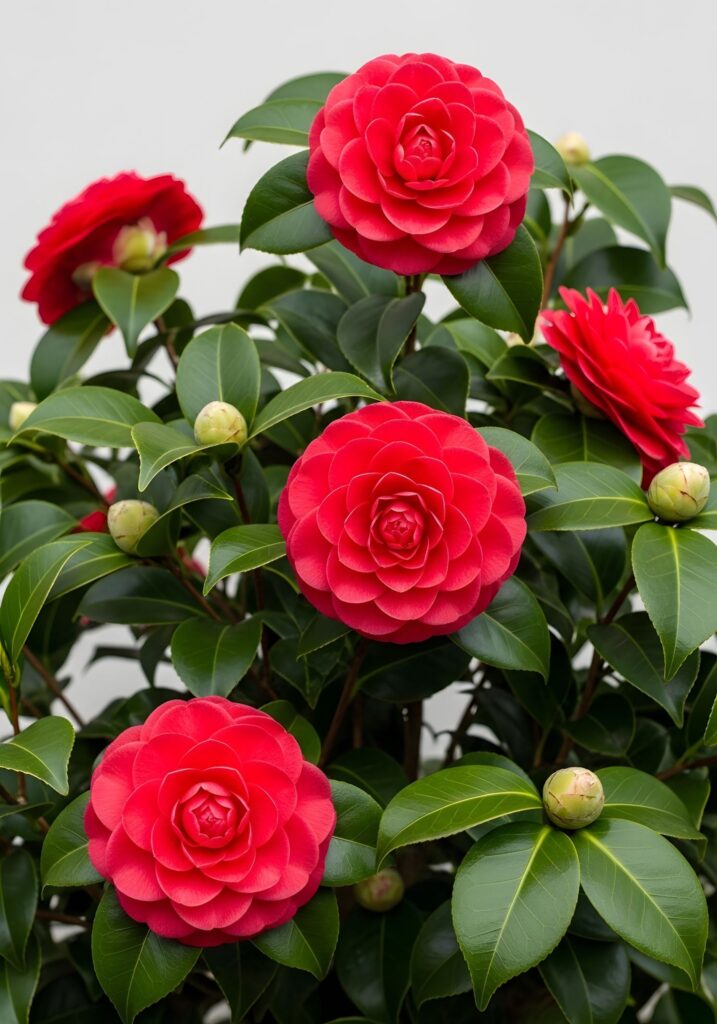
Camellia japonica blooms in late fall through winter, producing rose-like flowers in red, pink, or white. It is an evergreen shrub, so it holds interest even without flowers.
In milder climates, camellias are often planted outdoors specifically for their winter color, when almost nothing else is blooming.
9. Star of Bethlehem
Star of Bethlehem (Ornithogalum) produces small, star-shaped white flowers, often used in Christmas floral arrangements for obvious symbolic reasons. The name itself ties directly to the nativity story.
It is popular in cut-flower arrangements because the blooms last unusually long in a vase, sometimes two to three weeks.
10. Princettia
Princettia is a newer, compact relative of the poinsettia, bred for dense branching and smaller size. It comes in softer pink and white shades rather than the classic red.
Its manageable size makes it popular for smaller apartments and offices where a full-sized poinsettia would overwhelm the space.
Evergreen Trees of the Season
11. Fraser Fir
Fraser fir is one of the most popular Christmas tree species in North America, prized for strong branches that hold heavy ornaments. It also has excellent needle retention.
The USDA Forest Service notes that Fraser fir forms part of the Southern Appalachian Spruce-Fir Forest ecosystem, alongside red spruce, at high elevations in states like North Carolina and Virginia.
12. Balsam Fir
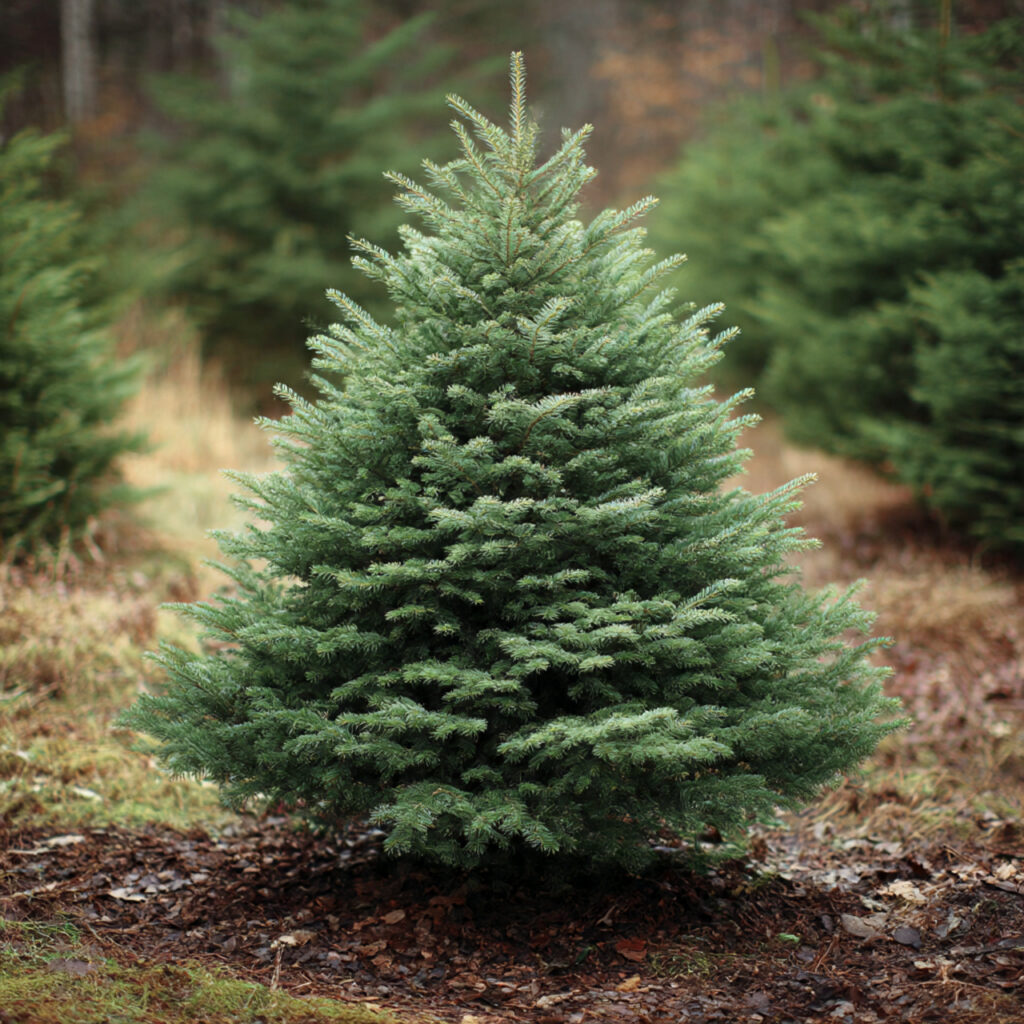
Balsam fir is known for its strong, classic pine fragrance, often considered the quintessential “Christmas tree smell.” It is common throughout the northeastern United States and Canada.
Its dark green needles and pyramidal shape make it a traditional choice for cut trees and wreaths alike.
13. Douglas Fir
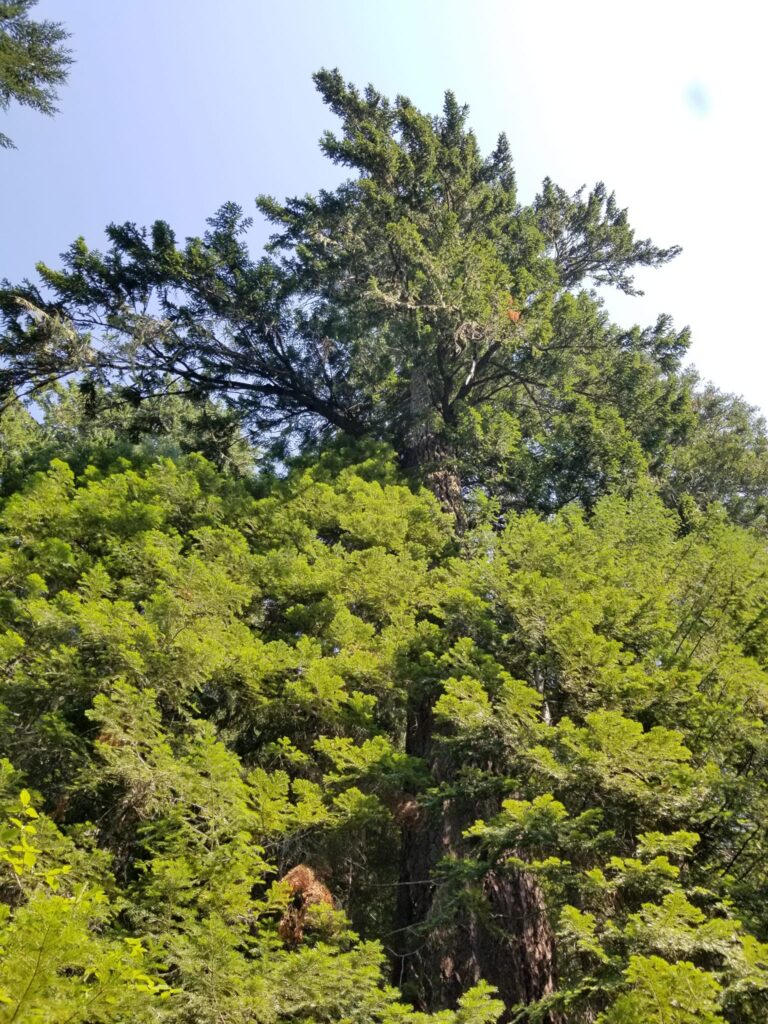
Douglas fir (Pseudotsuga menziesii) is one of the most widely used Christmas tree species in North America. Britannica lists it among the primary conifers used for this purpose across the continent.
Its soft, bluish-green needles and pleasant scent make it a longtime favorite for home decoration.
14. Noble Fir
Noble fir has stiff, upward-curving branches that make it ideal for heavier ornaments and garlands. It is especially popular in the Pacific Northwest.
Its longer needle spacing gives it a distinctive, more open silhouette compared to denser tree species.
15. Norway Spruce
Norway spruce was historically one of the earliest species used for European Christmas trees. It has a classic, drooping branch structure and a strong pine scent.
It does not hold needles as long as fir varieties, so it requires more attentive watering once cut.
16. Blue Spruce
Blue spruce is instantly recognizable by its silvery-blue needle color. It holds its shape exceptionally well, making it popular for formal displays.
Its sharp, stiff needles can make ornament placement trickier than softer-needled species like fir.
17. Scotch Pine
Scotch pine remains one of the best-selling Christmas tree species in the United States due to excellent needle retention. Deschutes National Forest lists it among common regional Christmas tree species.
Its bright green needles and sturdy branches make it a dependable choice for families who put trees up early in the season.
18. White Pine
White pine has long, soft needles and a full, bushy appearance. It carries little fragrance compared to fir and spruce varieties, which appeals to fragrance-sensitive households.
Its flexible branches, however, support lighter ornaments better than heavy glass pieces.
19. Red Spruce
Red spruce gained national attention when the USDA Forest Service selected one from Virginia’s George Washington and Jefferson National Forests as the 2024 National Christmas Tree. These trees can grow over 130 feet tall in the wild.
Red spruce forms the backbone of the Southern Appalachian Spruce-Fir Forest, an increasingly rare high-elevation ecosystem.
20. Leyland Cypress
Leyland cypress is a fast-growing evergreen popular in the southern United States, where cooler-climate firs struggle. It has soft, feathery foliage and minimal shedding.
Its rapid growth rate makes it a practical choice for tree farms in warmer regions.
READ MORE ON: 25 Different Types of Christmas Trees (Popular Varieties, With Pictures)
Berries and Festive Foliage
21. English Holly
English holly (Ilex aquifolium) has glossy, spiny leaves and bright red berries. Iowa State University Extension notes it is prized alongside American holly for wreaths, centerpieces, and other Christmas decorations.
Early Christians reportedly decorated with holly to blend in during Roman persecution, before it became an openly celebrated symbol of joy and eternal life.
22. American Holly
American holly (Ilex opaca) is a dense, pyramidal evergreen with spine-tipped leaves. It is dioecious, meaning male and female flowers grow on separate plants, so both are needed for berry production.
Its bright red berries on fruiting branches are a Christmas decoration staple across the eastern United States.
23. Winterberry Holly
Unlike most hollies, winterberry (Ilex verticillata) is deciduous. It drops its leaves in fall, leaving bare branches covered in vivid red berries that light up the winter landscape.
It thrives in moist, acidic soil and is a favorite for rain gardens as well as holiday floral arrangements.
24. European Mistletoe
European mistletoe (Viscum album) is a semi-parasitic plant that draws water and nutrients from a host tree. Its small white berries are toxic if eaten.
Despite its romantic associations, mistletoe weakens its host tree over time, sometimes significantly, according to Kew Gardens researchers.
25. American Mistletoe
American mistletoe (Phoradendron leucarpum) grows on deciduous trees from New Jersey and southern Indiana south to Florida and Texas. It behaves similarly to its European cousin, drawing water and minerals from the host.
Its berries are also poisonous, so it should be kept well out of reach of children and pets.
26. Ivy
Ivy (Hedera helix) has trailed through Christmas wreaths and garlands for centuries. Its evergreen vines add texture and a rustic, natural look to seasonal displays.
The tradition of pairing ivy with holly in wreaths dates back centuries, likely originating in the same European regions that popularized the Christmas tree.
27. Pyracantha (Firethorn)
Pyracantha produces dense clusters of bright orange or red berries against dark green, thorny foliage. It is often clipped for wreaths and mantel arrangements.
Birds rely heavily on pyracantha berries through the coldest winter months, making it valuable for wildlife as well as decoration.
28. Toyon (Christmas Berry)
Toyon (Heteromeles arbutifolia), also called California Christmas Berry, produces bright red berry clusters in December. It is native to California and was historically used in local holiday decorating in place of holly.
Its evergreen leaves and vivid berries made it a natural substitute for imported holly on the West Coast.
29. Skimmia japonica
Skimmia is a compact evergreen shrub with clusters of red berries that persist through winter. It is popular in European gardens and floral arrangements alike.
Its dense, glossy foliage makes it useful as filler in wreaths and centerpieces well beyond the holiday season.
30. Cranberry Viburnum
Cranberry bush viburnum produces bright red berry clusters that resemble true cranberries, though the two are unrelated botanically. The berries persist on the branch well into winter.
Its multi-season interest, from spring flowers to fall foliage color, makes it a favorite landscaping shrub as well as a festive cutting.
Bulbs and Winter-Blooming Perennials
31. Snowdrop
Snowdrops are among the very first flowers to emerge each year, sometimes pushing through snow in late winter. Their small white blooms symbolize hope during the darkest months.
While they typically flower slightly after Christmas in most climates, warmer regions occasionally see early blooms in December.
32. Witch Hazel
Witch hazel is a rare shrub that flowers in winter, producing thin, ribbon-like yellow or orange petals. It can bloom as early as late November in some climates.
Its unusual bloom timing makes it a valued addition to winter gardens that would otherwise show no color at all.
33. Winter Jasmine
Winter jasmine produces small, bright yellow flowers on bare green stems during the coldest months. Unlike its fragrant summer relatives, it has little to no scent.
It is often trained along walls or fences, where its cascading branches provide welcome winter color.
34. Lenten Rose (Hellebore)
Lenten rose (Helleborus orientalis) is a close relative of the Christmas Rose, blooming slightly later into midwinter and early spring. Its nodding flowers come in shades of white, pink, and deep purple.
It is prized by gardeners for thriving in shade where few other winter perennials survive.
35. Winter-Flowering Pansy
Winter pansies are bred specifically to bloom in cold weather, tolerating light frost without wilting. They are commonly planted in outdoor containers for holiday curb appeal.
Their cheerful, face-like blooms bring color to porches and window boxes when almost everything else has gone dormant.
Aromatic and Symbolic Herbs
36. Rosemary
Rosemary is often trimmed into small Christmas-tree shapes and sold as living centerpieces. Its sharp, piney fragrance naturally complements the holiday season.
Beyond decoration, it remains a practical kitchen herb, making it one of the few Christmas plants with year-round culinary use.
37. Bay Laurel
Bay laurel has been used in wreath-making since antiquity, originally as a symbol of victory and honor in ancient Rome. Its glossy, aromatic leaves hold their shape well when dried.
It remains a common addition to natural, foraged-style Christmas wreaths today.
38. Boxwood
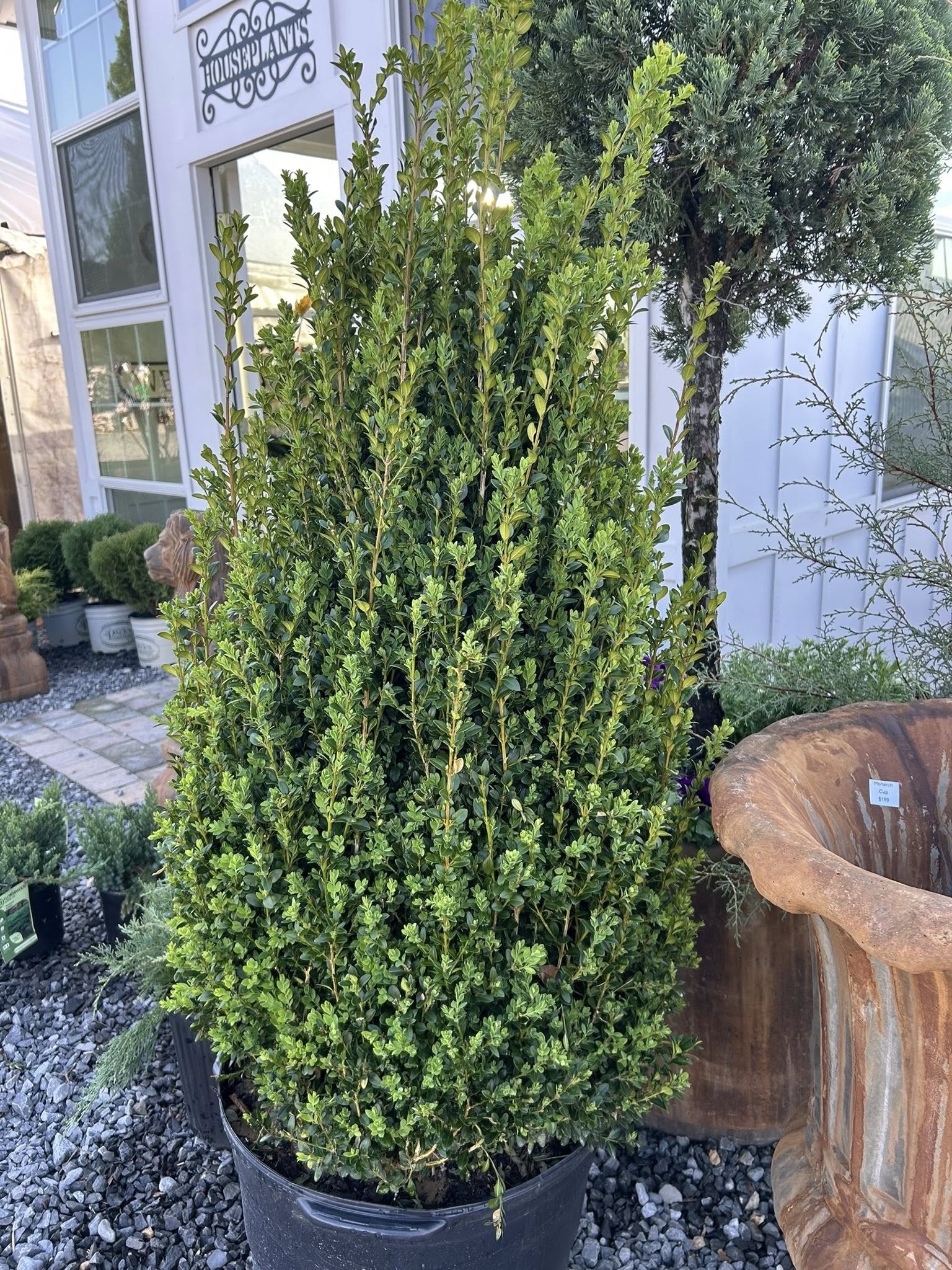
Boxwood is a dense, slow-growing evergreen shrub frequently clipped into wreaths, garlands, and topiary shapes for the holidays. Its small, tight leaves hold up well once cut.
Its neutral green tone makes it a popular base layer for more colorful berries and ribbons in holiday arrangements.
39. Yew
Yew (Taxus baccata) is a dark evergreen conifer historically associated with churchyards and winter symbolism in Europe. Its red berry-like arils are visually similar to holly, though most parts of the plant are toxic.
It remains popular in formal hedging and, occasionally, in restrained holiday greenery.
40. Juniper
Juniper contributes silvery-blue berries and aromatic evergreen foliage to wreaths and garlands. Its scent is sharper and more resinous than pine or fir.
Juniper berries are also historically used to flavor gin, giving this plant a dual role in both décor and drink during the season.
Spices and Symbolic Plants of the Season
41. Star Anise
Star anise is the star-shaped seed pod used to flavor mulled wine and holiday baking. The Natural History Museum notes that spiced wine recipes date back to the Roman Empire, tied originally to winter solstice celebrations.
Its warm, licorice-like flavor has made it a fixture of European Christmas markets for centuries.
42. Cinnamon Tree
Cinnamon bark, harvested from evergreen trees native to Sri Lanka and South Asia, is a defining scent and flavor of the Christmas season. It appears in everything from mulled drinks to baked goods.
Its association with warmth and comfort makes it one of the most universally recognized holiday plant products.
43. Clove Tree
Cloves are the dried flower buds of an evergreen tree native to Indonesia. They are commonly pressed into oranges to make pomanders, a centuries-old Christmas decoration and air freshener.
Their strong, warm aroma pairs naturally with cinnamon and nutmeg in seasonal recipes.
44. Nutmeg
Nutmeg comes from the seed of a tropical evergreen tree, and it is a defining spice in eggnog and other holiday drinks. A small amount goes a long way, given its intensely warm, slightly sweet flavor.
Its association with festive drinks makes it one of the most commercially important Christmas spice plants worldwide.
45. Frankincense Tree
Frankincense resin comes from Boswellia trees native to the Arabian Peninsula and parts of Africa. It holds deep symbolic weight at Christmas due to its role in the nativity story as one of the three gifts.
The resin is burned as incense, producing a warm, slightly citrus-like scent still used in some religious services today.
46. Myrrh Tree
Myrrh, harvested from Commiphora trees, is the second aromatic resin tied to the nativity narrative. Historically, it was used in embalming and medicine as well as incense.
Like frankincense, it carries more symbolic than decorative weight in modern Christmas plant lists, but its story-based significance is unmatched.
47. Pomegranate
Pomegranate shrubs produce striking orange-to-red flowers and fruit that, botanically speaking, are technically berries. Kew Gardens notes pomegranates have uses ranging from tanning leather to traditional remedies.
Their deep red seeds have long symbolized abundance, making them a natural fit for winter feasting tables.
48. Oak
Oak trees hold a long-standing role in Yule log traditions, historically representing the waxing sun and the promise of returning daylight after the winter solstice. The USDA Forest Service notes the tradition may derive from pagan solstice rituals asking for protection and prosperity.
Pieces of the burned log were often saved to start the following year’s fire, tying one Christmas season directly to the next.
49. Christmas Fern
Christmas fern (Polystichum acrostichoides) is a native North American evergreen fern that stays green through winter, giving it its festive common name. Early settlers reportedly used its fronds for winter decoration when little else was green.
It remains a popular native landscaping plant for shaded winter gardens today.
50. Anthurium
Anthurium, sometimes called the flamingo flower, produces glossy, heart-shaped red or pink blooms that resemble oversized petals. Its bold, waxy color makes it a striking addition to modern holiday floral arrangements.
Unlike most plants on this list, anthurium blooms nearly year-round, making it a stylish, low-maintenance choice for a festive centerpiece well beyond December.
Quick Reference: Categories at a Glance
| Category | Examples | Season of Interest |
| Classic Blooms | Poinsettia, Amaryllis, Cyclamen | Late fall through winter |
| Evergreen Trees | Fraser Fir, Douglas Fir, Blue Spruce | Year-round, cut for December |
| Berries & Foliage | Holly, Mistletoe, Winterberry | Autumn into deep winter |
| Bulbs & Perennials | Snowdrop, Witch Hazel, Hellebore | Midwinter into early spring |
| Herbs & Symbolic Plants | Rosemary, Bay Laurel, Star Anise | Year-round, harvested for season |
This table is a simple starting point. Actual bloom windows shift depending on climate zone, indoor conditions, and how each plant is forced or grown.
Frequently Asked Questions
What is the official Christmas flower? The poinsettia is widely recognized as the official Christmas flower, largely due to decades of marketing and its natural winter bract coloration.
Are Christmas plants safe around pets? Not always. Mistletoe berries, yew foliage, and some holly berries are toxic if ingested, so they should be kept out of reach of curious pets and small children.
Why do so many Christmas plants bloom in winter? Many are short-day plants, meaning they flower in response to long nights rather than warm temperatures. Poinsettias and Christmas cactus are the clearest examples of this pattern.
Can I grow Christmas plants outdoors year-round? It depends on your climate zone. Evergreens like holly, boxwood, and juniper thrive outdoors in most temperate regions, while tropical plants like poinsettia and Christmas cactus generally need to come indoors before frost.
Final Thoughts
I did not expect a simple decorating habit to lead into fifty distinct plants, but that is exactly where this list ended up. Christmas draws from nearly every corner of the plant kingdom, from tropical spices to native ferns.
Whether you are building a wreath, choosing a tree, or picking a gift plant for someone’s windowsill, there is a genuinely fitting option somewhere on this list. My advice: pick one or two unfamiliar names this year and let them earn a permanent spot in your holiday traditions.
References
- Iowa State University Extension and Outreach. The Legends and Traditions of Holiday Plants. https://yardandgarden.extension.iastate.edu/how-to/legends-and-traditions-holiday-plants
- Iowa State University Extension and Outreach. Yard and Garden: Holly, Mistletoe and Poinsettia. https://www.extension.iastate.edu/news/yard-and-garden-holly-mistletoe-and-poinsettia
- USDA Forest Service. Plants of the Winter Solstice. https://www.fs.usda.gov/managing-land/wildflowers/plant-of-the-week/winter-solstice
- USDA Forest Service. Finding the $5 Christmas Tree. https://www.fs.usda.gov/about-agency/features/finding-5-christmas-tree
- Royal Botanic Gardens, Kew. 12 Plants of Christmas. https://www.kew.org/read-and-watch/12-plants-of-christmas
- San Diego Natural History Museum, Botany Department. The Natural History of Holiday Plants. https://www.sdnhm.org/science/botany/resources/general-information/the-natural-history-of-holiday-plants/
- Natural History Museum, London. Christmas Plants and Flowers: The Traditions and Science of Festive Flora. https://www.nhm.ac.uk/discover/christmas-plants-traditions-science-festive-flora.html

Tim M Dave is a gardening expert with a passion for houseplants, particularly cacti and succulents. With a degree in plant biology from the University of California, Berkeley, he has vast experience in gardening. Over the years, he has cultivated a vast collection of desert plants and learned a great deal about how to grow and care for these unique companions.