30 Different Types of Kale: Variety With Pictures Explained
Kale is not one plant. It is a whole family of leafy greens with different shapes, colors, and tastes. I learned this the hard way, standing confused in a farmers market, staring at five “kales” that looked nothing alike.
If you have ever wondered why one kale is sweet and another is bitter, this guide answers that. Below, I break down 30 types of kale, grouped by category, so you can pick the right one for your plate or your garden.
Kale belongs to the species Brassica oleracea, in the Acephala group, which means “headless” in Greek. It shares this species with cabbage, broccoli, and Brussels sprouts, according to the Missouri Botanical Garden’s Plant Finder database.
This single fact explains why so many kale types look like distant cousins of your other favorite vegetables.
Nutritionally, kale earns its “superfood” title. A 100-gram raw serving delivers roughly 120 milligrams of vitamin C, which is more than 100% of the daily value, and a massive dose of vitamin K, according to the USDA FoodData Central database. That is a lot of nutrition packed into a few crinkly leaves.
Let’s dig into every major type, one by one.
Curly Kale Varieties
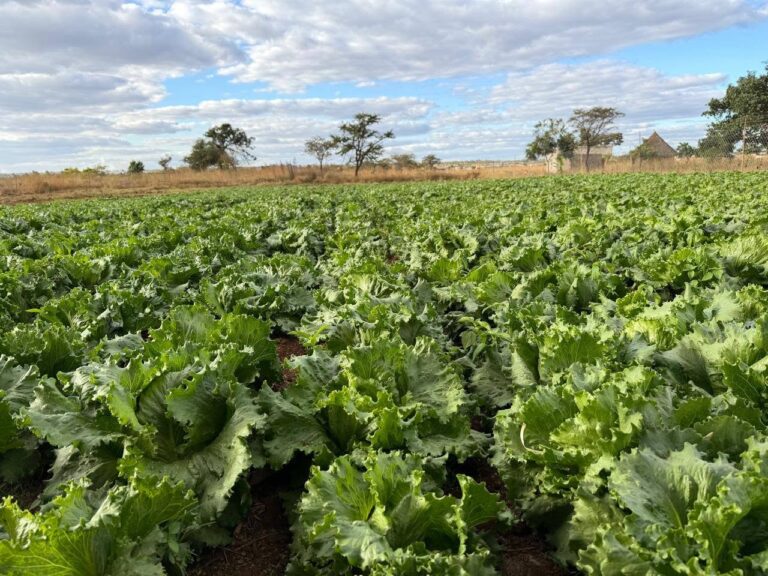
Curly kale is the type most people picture first. It has tightly ruffled edges and a slightly peppery bite. It is also the most widely sold kale in American grocery stores.
1. Dwarf Blue Curled Scotch (Vates Kale)
This is the classic bunch you find bagged at the supermarket. Its blue-green, tightly curled leaves grow on compact plants about 12 to 16 inches tall and equally wide, making it a good fit for raised beds or containers. It matures in roughly 55 to 65 days from seed, is slow to bolt, and handles cold weather with ease.
It is reliably hardy to USDA zone 7, and with mulch protection, gardeners in zone 6 often overwinter it successfully. Because of its compact size, it can be spaced as close as 12 inches apart, and it tolerates partial shade better than most kales, making it a forgiving choice for beginners.
2. Winterbor Kale
Winterbor is a commercial favorite for good reason. It grows tall and vigorous, often reaching 24 to 36 inches, with a strong central stem that keeps producing new leaves from the top as lower leaves are harvested.
It is extremely cold-hardy, surviving freezing temperatures better than most curly types, and is rated hardy to USDA zone 6, sometimes surviving briefly into zone 5 under heavy snow cover.
Farmers and home gardeners alike lean on it for late-season harvests, since it actually improves in flavor after a hard frost. It takes about 60 days to reach full maturity but can be harvested as baby greens much sooner.
3. Darkibor Kale
Darkibor looks like Winterbor’s lighter, brighter sibling, sharing the same tall, upright growth habit and vigor. It has pale green, frilly leaves and a mild flavor, and consumer taste tests have ranked it among the top three preferred kale varieties for flavor.
It shares Winterbor’s hardiness, generally listed for zones 6 through 9, and performs especially well in cooler coastal climates where summer heat is mild. Expect maturity in around 55 to 60 days, with leaves best picked at 8 to 10 inches for the most tender texture.
4. Redbor Kale
Redbor stops people in their tracks. Its deep purple-burgundy, curly leaves are loaded with anthocyanins, the same antioxidants found in blueberries, and the color deepens dramatically as temperatures drop.
I have grown it purely for looks, then been pleasantly surprised by the taste. Plants grow upright and can reach 2 to 3 feet tall, staying productive for months in cooler weather. It is hardy to about USDA zone 7 and takes roughly 60 days to mature, though the ornamental color alone makes it worth growing in a fall bed even before harvest.
5. Premier Kale
Premier is bred for speed. It matures faster than most curly varieties, often ready in as little as 50 days, which makes it a smart pick if your growing season is short or you want a quick succession crop.
The leaves are tender enough for salads when picked young, and the plant stays relatively compact at 12 to 18 inches. It is hardy to roughly zone 7, and because of its quick turnaround, it is popular for both early spring plantings and a second fall crop in the same season.
6. Improved Dwarf Siberian Kale
Do not let the name deceive you into thinking this is a curly type only. It has a slight ruffle but a softer texture than typical curly kale, and it thrives in freezing conditions. Growth is low and spreading rather than upright, typically staying under 15 inches, which makes it well suited to windy or exposed sites.
It is rated hardy to USDA zone 6, sometimes surviving colder with protection, and reaches harvestable size in about 55 days. Its compact habit also makes it a good container candidate
7. Konserva Kale
Konserva is a curly heirloom with a compact growth habit and unusually sweet, tender leaves. Scandinavian gardeners have grown it for generations because it survives brutal winters, and it is generally considered hardy to zone 6, with anecdotal reports of overwintering in zone 5 gardens under snow cover.
It matures in around 60 days and tends to stay under 18 inches tall, making it a good choice for small raised beds where space and cold tolerance both matter.
ALSO READ: From Seed to Harvest: How to Grow Kale at Home – Complete Guide
Lacinato (Tuscan) Kale Varieties
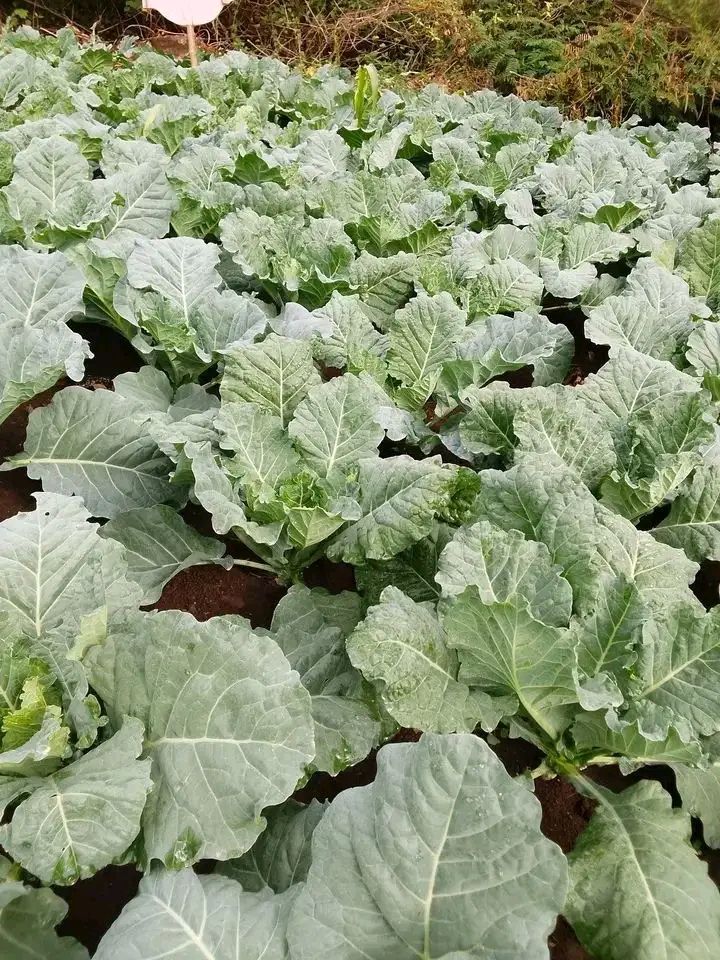
Lacinato kale goes by many names: dinosaur kale, Tuscan kale, cavolo nero, and black kale. Its long, blade-shaped, bumpy leaves are less bitter than curly kale, with a nutty, earthy flavor I genuinely prefer in soups.
As a group, Lacinato types are slightly less cold-hardy than curly kales but more heat-tolerant, giving them a longer harvest window in milder climates.
8. Lacinato (Classic Dinosaur Kale)
This Italian heirloom dates back to at least 1885. The leaves are dark, almost blackish-green, with a pebbled, reptilian texture that gave it the dinosaur nickname. It is tender enough to eat raw.
Plants grow upright to about 2 to 3 feet, are hardy to roughly USDA zone 7, and mature in about 60 days. It tolerates light frost well and, like most Lacinato types, actually sweetens after cold exposure.
9. Nero di Toscana
Nero di Toscana literally means “black of Tuscany.” It is the traditional Italian strain behind ribollita soup.
Home gardeners in Italy have cultivated it for centuries as a cold-season staple, and it shares the growth pattern and roughly zone 7 hardiness of classic Lacinato, though some seed houses list slightly earlier maturity, closer to 55 days. It performs particularly well in Mediterranean-style climates with mild, wet winters.
10. Rainbow Lacinato
A cross between Lacinato and Redbor, this variety brings red and purple hues into the classic dinosaur-kale shape. It is more cold-hardy than standard Lacinato, generally holding up to zone 6, and slower to bolt in spring heat, which extends its usable harvest window into early summer in temperate regions. Expect maturity around 60 to 65 days, with color intensifying as nights cool.
11. Toscano Kale
Toscano is simply another regional name used for Lacinato strains grown for market. Seed catalogs sometimes list it separately, but the leaf shape, dark color, growth habit, and roughly zone 7 hardiness are nearly identical to classic Lacinato. Expect the same 55 to 60 day maturity window and the same upright, 2 to 3 foot growth pattern.
12. Black Magic Kale
Black Magic is a refined Lacinato selection bred for uniform, extra-dark leaves. Commercial growers favor it because the leaves hold their shape and color well after harvest, which matters for grocery store shelf life.
It shares Lacinato’s general zone 7 hardiness and 60-day maturity, but its more uniform growth habit and disease resistance make it a common choice for larger-scale plantings rather than small home gardens.
Russian and Siberian Kale Varieties
Russian kales belong to a slightly different lineage, Brassica napus (Pabularia group), rather than Brassica oleracea. According to the University of Minnesota Extension, this group is more winter-hardy and has flatter, more tender leaves than oleracea kales.
As a category, these are generally the most cold-tolerant kales available, several holding up in zone 5 or even zone 4 with mulch protection.
13. Red Russian Kale
Red Russian is my personal favorite for salads. Despite the name, the leaves are slate-green with purple veins and stems. The flavor is mild, sweet, and nutty, especially when harvested young.
It grows quickly, often ready for baby leaf harvest in just 30 days and full maturity around 50 to 55 days, and is hardy to roughly USDA zone 6, occasionally surviving zone 5 winters under row cover. Its fast growth and mild flavor make it one of the most reliable choices for succession planting throughout a season.
14. White Russian Kale
White Russian is nearly identical to Red Russian, but the veins run pale green to white instead of purple. It is just as cold-tolerant, sharing the same roughly zone 6 hardiness, and just as tender for raw eating, maturing on a similarly fast 50-day timeline.
Growth habit is a loose, open rosette rather than an upright stalk, which makes it well suited to close spacing in intensive garden beds
15. Red Winter Kale
Bred in the Pacific Northwest as an improvement on Red Russian, Red Winter offers wide, flat, ragged-edged leaves with a pleasantly sweet flavor. It was specifically selected for cold-climate performance and is considered hardy to about zone 6, with strong tolerance for the wet, cool winters typical of its breeding region.
This kale variety reaches maturity in around 60 days and tends to form a larger, more sprawling plant than Red Russian.
16. Siberian Kale (Heirloom)
Siberian kale is the parent type behind many modern cold-hardy hybrids. Its leaves are thick, slightly frilled, and remarkably mild, and the plant can survive temperatures that would kill curly kale outright. It is often rated hardy to zone 5, and some growers report it surviving brief dips into zone 4 conditions when heavily mulched.
Maturity is around 55 to 65 days, and the plant’s naturally spreading habit makes it a good ground-covering choice in vegetable beds.
17. Red Ursa Kale
Red Ursa is an award-winning cross between Red Russian and Siberian kale, bred by Oregon plant breeder Frank Morton. It combines thick, frilled leaves with striking burgundy-purple veins, and it inherits strong cold tolerance from both parents, generally listed at zone 6 with reports of overwintering success in zone 5.
It matures in about 50 to 60 days and produces a particularly high yield of tender young leaves for salad mixes.
18. Dazzling Blue Kale
Dazzling Blue crosses Lacinato with Redbor, producing blue-green leaves stained with purple and red. It is a favorite among gardeners who want ornamental color without sacrificing eating quality.
This kale grows upright to about 2 feet, is hardy to roughly zone 6, and matures in around 60 days. Its Lacinato heritage gives it slightly better heat tolerance than pure Russian types, extending its productive window into warmer weather.
19. Bear Necessities Kale
This is one of the more unusual entries on this list. Its leaves are finely divided and feathery, almost fern-like, which makes it naturally resistant to many insect pests. It adds wonderful texture to baby salad mixes.
Growth is compact and mounding, generally under 18 inches, and it is considered hardy to around zone 6. It matures quickly, often within 45 to 50 days, making it well suited to repeated baby-leaf cuttings rather than a single large harvest.
Ornamental and Flowering Kale Varieties
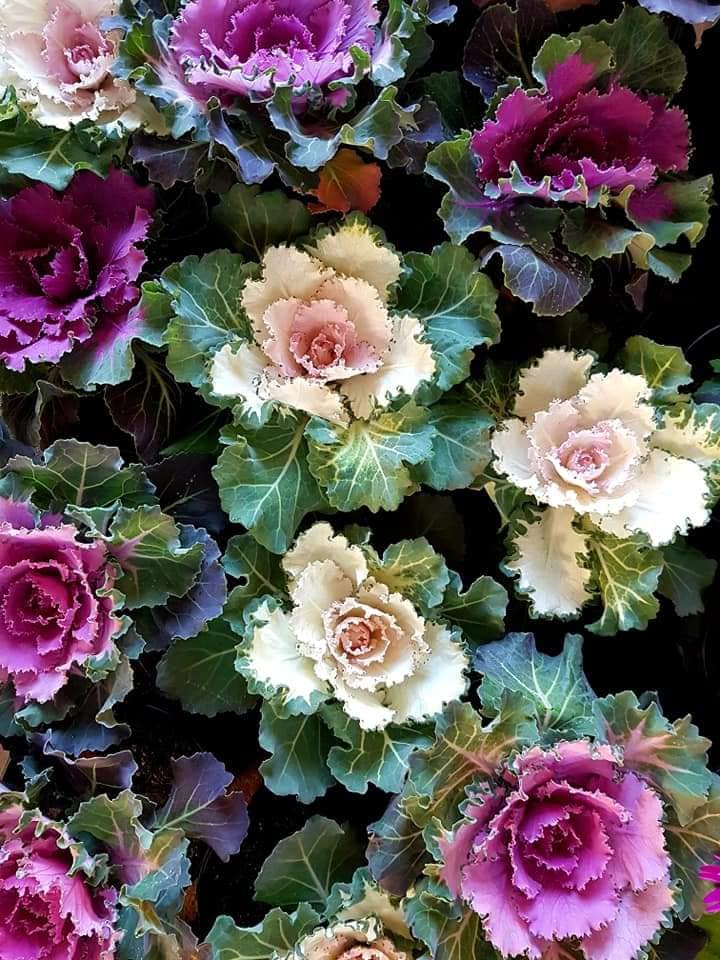
Ornamental kale is technically edible, but it is bred for looks, not flavor. According to the Missouri Botanical Garden, these varieties need cool temperatures to develop their best, most vivid colors.
As a group, ornamental kales are grown as cool-season annuals; most are hardy only to about zone 8, and their color actually fades rather than deepens if temperatures stay too warm.
20. Scarlet Kale
Scarlet kale grows nearly three feet tall with shocking deep purple leaves that intensify as frost sets in. Because of its pigment concentration, it also carries more antioxidants than paler kale types.
THis kale is more cold-hardy than most ornamental types, generally listed to zone 7, and takes about 60 to 70 days to reach full ornamental color, which is longer than most culinary kales need to reach eating maturity.
21. Peacock Kale (White or Red)
Peacock kale forms a rosette shape with deeply feathered, lacy leaves, resembling an actual peacock’s tail. Landscapers plant it in fall beds for a splash of color that survives light frost. It stays low and compact, typically 10 to 15 inches across, is hardy to about zone 8, and needs roughly 60 days to develop full color from seed, though it is almost always sold and planted as an established transplant instead.
22. Nagoya Kale
Nagoya kale is a Japanese-bred ornamental type with rounded, ruffled leaves in pink, white, or red centers surrounded by green. It is a classic choice for autumn container gardens. Plants stay compact, under 12 inches, are hardy to about zone 8, and reach peak color around 70 to 80 days after sowing, which is why it is typically purchased as fall-ready nursery starts rather than grown from seed at home.
23. Crane Kale
Crane kale grows taller than most ornamental types, with a long central stem topped by a colorful rosette that can reach 2 to 3 feet in height. Florists use it in autumn arrangements because the cut foliage holds up remarkably well, often lasting two to three weeks in a vase. It is hardy to roughly zone 7 and needs a longer season, around 90 days, to reach its full display height.
24. Prizm Kale
Prizm has a parsley-like, deeply cut leaf that sets it apart from every other type on this list. It stays compact and works equally well in ornamental beds or as an edible garnish. Growth stays under 12 inches, hardiness is generally rated to zone 8, and it matures in around 60 days, making it one of the faster ornamental types to establish.
ALSO READ: 15 Easy Vegetables to Plant and Harvest This Summer: Best Varieties That Grow Fast in Heat
Specialty, Heirloom, and International Kale Types
This last group includes kales that are grown for niche uses, cultural traditions, or entirely different plant lineages that share the “kale” name. Hardiness and growth habits vary widely across this category, since several entries are not even the same species as true kale.
25. Beira Kale (Portuguese Tronchuda)
Also called Portuguese cabbage or couve tronchuda, this kale has thick, cabbage-like ribs and broad, smooth leaves. It is the essential ingredient in caldo verde, Portugal’s beloved kale soup. Plants grow large, often 2 to 3 feet across, are hardy to roughly zone 7, and take longer than most kales to mature, typically 75 to 85 days, reflecting its closer relation to cabbage than to leafy kale types.
26. Thousandhead Kale
Technically a non-kale cabbage relative from France, Thousandhead is included on nearly every kale list because it behaves and looks like one. It can reach six feet tall, with leaves up to three feet long, making it one of the largest plants on this entire list.
It is quite cold-hardy, generally listed to zone 6, but needs a long season of 90 days or more to reach its full mature size, and it is traditionally grown as livestock fodder as much as a table green.
27. Walking Stick Kale (Jersey Kale)
27. Walking Stick Kale (Jersey Kale) Walking Stick kale is grown less for eating and more for its tall, woody stalk, which farmers historically dried and used as literal walking canes. It can grow over eight feet tall in a single season, requiring a very long growing period of 150 days or more to develop its signature woody stem.
It is hardy to about zone 7, but because of its extreme height, it needs staking or a sheltered site to avoid wind damage.
28. Chinese Kale (Kai-lan)
Chinese kale, or kai-lan, is a different variety within Brassica oleracea (Alboglabra group). It has thick stems, smooth blue-green leaves, and small white flowers, and it is stir-fried far more often than eaten raw.
It grows upright to about 18 to 24 inches, matures quickly in around 45 to 60 days, and is considerably less cold-hardy than European kale types, generally limited to zone 8 or warmer for overwintering, since it is bred more for warm-season Asian growing conditions.
29. Ethiopian Kale (Brassica carinata)
Ethiopian kale, sometimes called Abyssinian mustard, is a distinct species altogether. It has a spicier, mustard-like bite and is a dietary staple across East Africa, prized for tolerating both heat and drought.
Unusually for this list, it performs best in warm conditions and is far less cold-hardy than other kales, generally suited to zone 8 or above. It matures quickly, often in just 40 to 50 days, and its drought tolerance makes it valuable in hot, arid growing regions where most other kales struggle.
30. Sea Kale (Crambe maritima)
Sea kale is not a true Brassica oleracea kale at all, but a coastal European plant in the same family. Gardeners blanch its young shoots to remove bitterness, producing a delicacy once fashionable on Victorian-era dinner tables.
Unlike every other entry on this list, it is a true herbaceous perennial, coming back reliably for years once established, and is remarkably cold-hardy, listed to zone 4 or even zone 3 in sheltered coastal sites.
However, it is slow to establish, often taking two to three years from seed before its first meaningful harvest, which is why it is usually propagated from root cuttings instead.
Kale Nutrition: Why It Earns the Superfood Label
I do not throw around the word “superfood” lightly, but kale genuinely deserves it. A single cup of raw kale provides more than 67% of the recommended daily vitamin K intake for adults, based on data compiled from the USDA FoodData Central nutrient database.
Kale is also nearly fat-free and very low in calories, at roughly 33 to 49 kilocalories per 100 grams depending on the specific cultivar and growing conditions, per nutrient science literature. That variation itself proves an important point: not all kale is nutritionally identical.
Darker, more pigmented varieties like Redbor and Scarlet tend to carry higher antioxidant concentrations. Milder types like Red Russian and baby kale are gentler on digestion but slightly lower in some phytonutrients. Choosing a variety, then, is not just a taste decision. It is a nutrition decision too.
People on blood-thinning medication should note that kale’s high vitamin K content can interact with drugs like warfarin, according to kidney health resources published by DaVita, a leading dialysis and kidney care provider. Always check with a doctor before making major dietary changes.
How to Choose the Right Kale Type
I get asked constantly which kale is “the best.” Honestly, there is no single winner. It depends entirely on what you are cooking, and how much bitterness you can tolerate.
For raw salads: reach for Red Russian, White Russian, or baby Lacinato. Their tender leaves do not need much massaging to soften.
For soups and stews: Lacinato and curly kale hold their texture through long cooking times without turning to mush.
For kale chips: curly types like Winterbor and Darkibor crisp up beautifully because their ruffled edges catch oil and heat evenly.
For smoothies: mildness matters more than texture, since everything gets blended anyway. Red Russian or baby kale works well here.
For garden beauty: ornamental types like Redbor, Scarlet, Peacock, and Nagoya double as landscaping plants that survive frost and look stunning through autumn.
A Brief History of Kale Cultivation
Kale is not a modern health trend, even though it feels that way. Cultivation of Brassica oleracea leafy forms stretches back more than 2,000 years, with roots tracing to the eastern Mediterranean and Asia Minor region.
Kale reached North America by the 17th century through European settlers, according to horticultural records from the University of Florida’s IFAS Extension. It has been quietly growing in home gardens ever since, long before it became a restaurant menu darling.
Interestingly, historical accounts note that Thomas Jefferson grew Lacinato-type kale at Monticello, tying this humble green directly to early American agricultural history. That detail always makes me smile when I am chopping dinosaur kale for dinner.
Growing Kale: What the Experts Recommend
If you want to grow your own, timing and soil matter more than variety choice. According to the University of Illinois Extension, kale prefers fertile, well-drained soil enriched with compost or balanced fertilizer before planting.
Seeds should be sown about a quarter to three-quarters of an inch deep, and thinned once seedlings develop three to four true leaves. Transplants typically need five to six weeks to reach a plantable size with four to six mature leaves.
Cornell University’s home gardening program lists kale as a cool-season crop within the cabbage family, best suited to spring and fall planting windows rather than the heat of summer. Frost, rather than hurting kale, actually improves its flavor by converting starches into sugars.
Most kale varieties are ready to harvest by removing the older, outer leaves first, allowing the center to keep producing. This “cut-and-come-again” method can keep a single plant productive for months.
Kale Categories at a Glance
| Category | Leaf Texture | Best Use | Cold Tolerance |
| Curly (Winterbor, Redbor, Vates) | Tightly ruffled | Chips, smoothies | Very high |
| Lacinato/Tuscan (Dinosaur, Nero di Toscana) | Flat, bumpy, blade-shaped | Soups, sautés | High |
| Russian/Siberian (Red Russian, Red Ursa) | Flat, tender, serrated | Raw salads | Very high |
| Ornamental (Nagoya, Peacock, Scarlet) | Frilly, colorful rosette | Garden décor, garnish | Moderate |
| Specialty (Kai-lan, Ethiopian, Sea kale) | Varies widely | Regional dishes | Varies |
This table is not exhaustive, but it captures the practical differences that matter most when you are standing in a nursery or a seed catalog trying to decide.
Kale vs. Other Leafy Greens
I often get asked how kale stacks up against spinach or Swiss chard. The honest answer is that kale generally wins on vitamin K and vitamin C density, while spinach edges ahead slightly on iron availability due to its different oxalate profile.
Swiss chard shares kale’s cool-season hardiness but has a softer, more delicate leaf that cooks down faster. If you like the nutrition of kale but not the chew, chard or baby kale leaves are a gentler entry point.
None of this makes one green “better” outright. Rotating between several leafy vegetables spreads out your nutrient intake and reduces the risk of consuming too much of any single compound, including vitamin K, which matters for people on anticoagulant medication.
Buying and Storing Kale Properly
Fresh kale should look crisp, with no yellowing or slimy patches on the leaves. Smaller and medium leaves tend to be more tender than oversized, older ones, regardless of variety.
Stored unwashed in a plastic bag in the refrigerator crisper drawer, most kale types stay fresh for around five to seven days. Washing kale right before use, rather than right after purchase, helps it last longer.
For longer storage, kale freezes well after a quick blanch in boiling water. This works particularly well for curly and Lacinato types destined for soups or smoothies later in the year.
Frequently Asked Questions About Kale Types
Is curly kale healthier than Lacinato kale? Nutritionally, the two are close cousins with similar vitamin and mineral profiles. Darker Lacinato leaves may carry slightly more concentrated antioxidants, but both are excellent choices.
Which kale is the least bitter? Red Russian and baby kale leaves are widely considered the mildest and sweetest, especially when harvested young, before the plant matures fully.
Can I eat ornamental kale? Yes, ornamental kale is technically edible, but its texture is tougher and its flavor more bitter than culinary varieties, so most people use it for garnish rather than a main dish.
What is the difference between kale and collard greens? Both come from the same species, Brassica oleracea, but collards produce large, smooth, flat leaves, while true kale leaves are curly, ruffled, or deeply lobed at the edges.
Final Thoughts
Thirty types of kale might sound excessive for one vegetable, but once you understand the categories, the choice becomes simple. Curly kale for chips, Lacinato for soup, Russian types for salad, ornamental types for color, and specialty types for cultural dishes worth exploring.
I started this deep dive out of confusion in a produce aisle. I am finishing it with genuine appreciation for how much variety exists inside something as ordinary-looking as a bunch of kale.
Whichever variety ends up in your kitchen, you are getting one of the most nutrient-dense leafy greens available, backed by centuries of cultivation and solid modern nutrition science.
References
- Missouri Botanical Garden. “Brassica oleracea (Acephala Group) – Plant Finder.” Missouri Botanical Garden PlantFinder Database. https://www.missouribotanicalgarden.org/PlantFinder/PlantFinderDetails.aspx?taxonid=269745
- U.S. Department of Agriculture, Agricultural Research Service, Beltsville Human Nutrition Research Center. “FoodData Central.” National Agricultural Library. https://fdc.nal.usda.gov/
- U.S. Department of Agriculture, Food and Nutrition Service. “Kale – SNAP-Ed Connection Seasonal Produce Guide.” https://snaped.fns.usda.gov/resources/nutrition-education-materials/seasonal-produce-guide/kale
- University of Illinois Extension. “Kale (Brassica oleracea (Acephala group)) – Hort Answers.” https://web.extension.illinois.edu/hortanswers/PlantDetail.cfm?PlantID=778&PlantTypeID=9
- University of Minnesota Extension. “Growing Collards and Kale in Home Gardens.” https://extension.umn.edu/vegetables/growing-collards-and-kale
- Cornell University Cooperative Extension. “Growing Guide: Brassica oleracea var. acephala (Kale).” Explore Cornell Home Gardening. http://www.gardening.cornell.edu/homegardening/scene57dc.html
- Stephens, James M. University of Florida IFAS Extension. “Kale—Brassica oleracea L. (Acephala group),” HS617, EDIS. https://journals.flvc.org/edis/article/view/139707

Tim M Dave is a gardening expert with a passion for houseplants, particularly cacti and succulents. With a degree in plant biology from the University of California, Berkeley, he has vast experience in gardening. Over the years, he has cultivated a vast collection of desert plants and learned a great deal about how to grow and care for these unique companions.