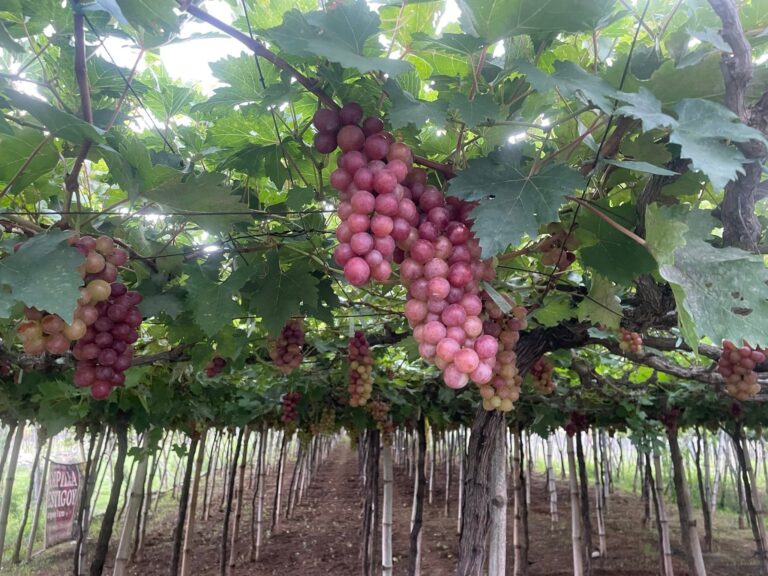
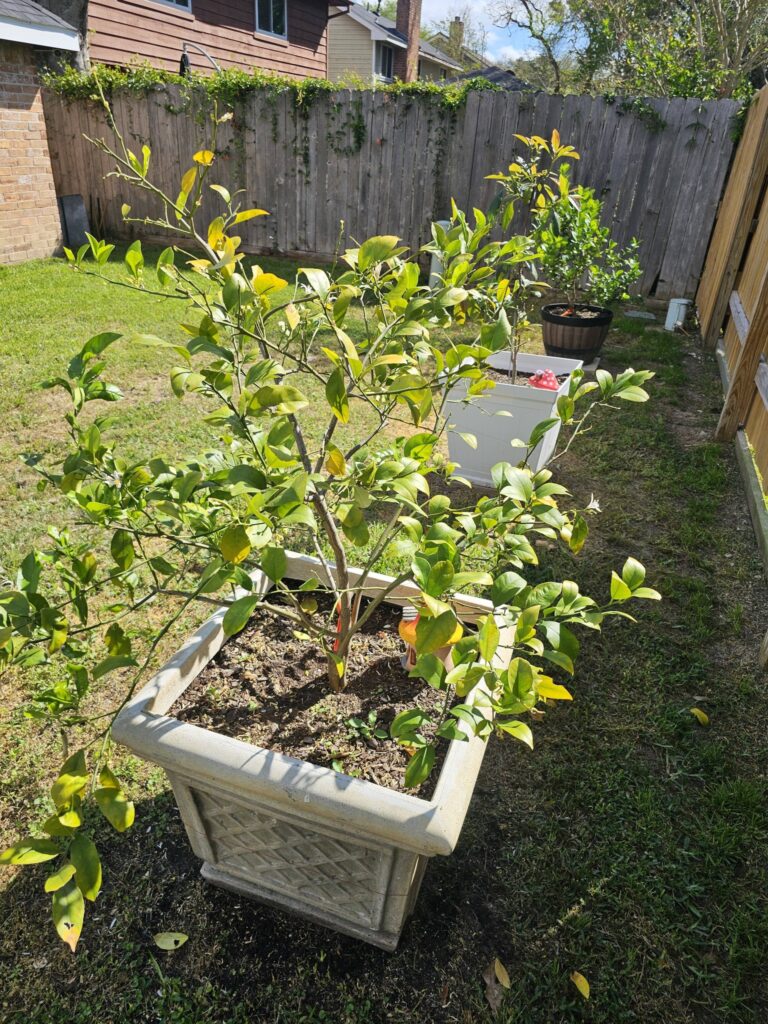
60 Types of Berries: Every Variety Explained With Pictures
Berries are small, but they carry a big personality. I have spent years snacking on them straight from the bush, and I still find new varieties that surprise me. This guide walks through 60 types of berries, so you can identify them, understand their flavor, and know how to grow them.
Before we dive in, here is a quick fact that changes how most people see this topic. Botanically speaking, a true berry must develop from a single ovary of one flower and contain multiple seeds embedded in soft flesh.
By that strict definition, the blueberry qualifies, but the strawberry, raspberry, and blackberry do not. According to Britannica, raspberries, blackberries, and strawberries are not true berries but are aggregate fruits made from several tiny fused fruitlets.
Category A: Classic Garden and Commercial Berries
These are the berries you will find in almost every supermarket. They anchor the global berry trade, and together they make up the bulk of commercial berry production worldwide.
1. Strawberry
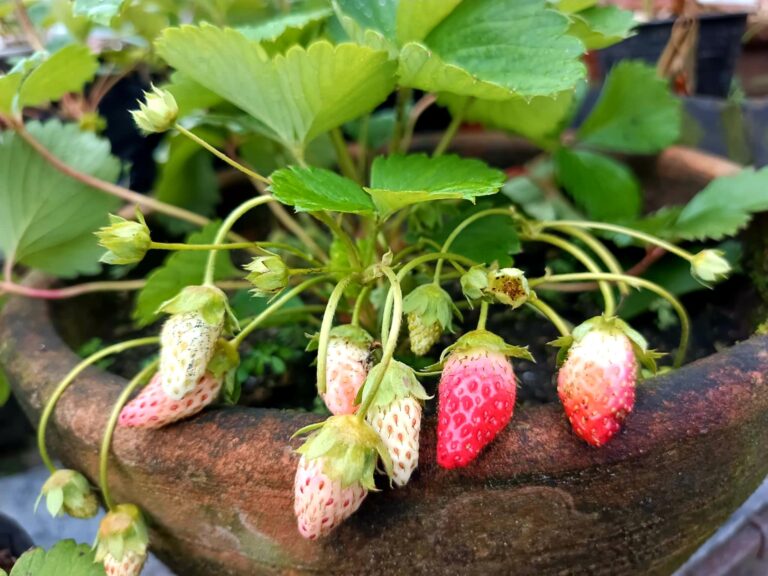
The strawberry is technically an accessory fruit, not a true berry. The real fruits are the tiny seed-like specks, called achenes, scattered across the surface. Americans eat close to 5 pounds of fresh and frozen strawberries every year, according to WebMD’s review of USDA consumption data. I still think nothing beats a strawberry warm from the sun.
Growing tip: Strawberries prefer full sun and slightly acidic, well-drained soil. Plant in early spring, space crowns about 12 to 18 inches apart, and pinch off the first flush of flowers to encourage stronger roots. Mulch with straw to keep fruit clean and control weeds.
2. Blueberry
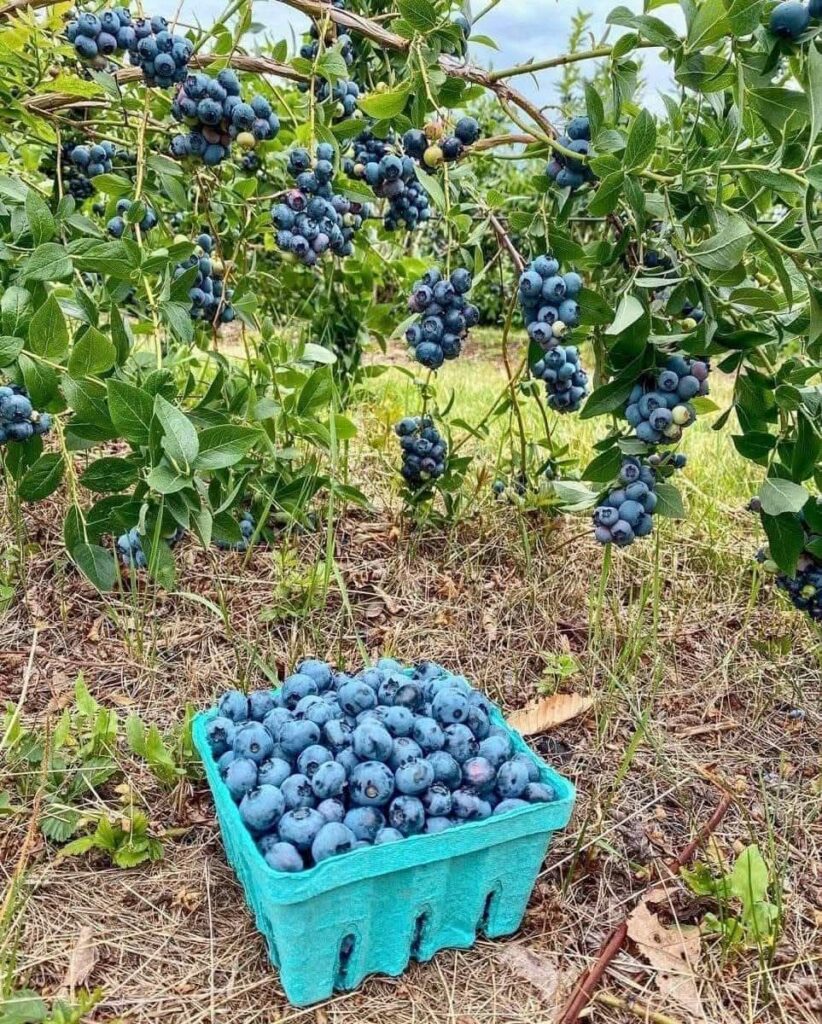
The blueberry is one of the few “true berries” in the botanical sense. It grows on the shrub Vaccinium corymbosum, commonly called the highbush blueberry, which the Missouri Botanical Garden notes thrives in acidic, well-drained soil. Blueberries carry a dusty blue-grey bloom on their skin that protects them naturally.
Growing tip: Blueberries need acidic soil with a pH between 4.5 and 5.5, so amending with sulfur or peat moss often helps. Plant at least two varieties together for better pollination and larger yields. Water consistently, since the shallow root system dries out quickly, and prune out old canes in late winter.
3. Raspberry (Red)
Raspberries form from many tiny ovaries on a single flower, making them an aggregate fruit rather than a true berry. Each little bump is called a drupelet. They are soft, sweet, and honestly one of the most fragile fruits to transport, which is why fresh raspberries cost more than most other berries.
Growing tip: Raspberries do best in full sun with rich, well-drained soil and a sturdy trellis for support. Choose summer-bearing canes for one large harvest or everbearing types for two smaller crops per year. Cut spent canes to the ground after fruiting to keep the patch productive.
4. Black Raspberry
Black raspberries look like blackberries but are hollow in the center once picked, unlike blackberries, which keep their core. Nutrition Advance notes they are native to North America and have a slightly fruitier taste than common blackberries. I find them a touch more tart, which I actually prefer.
Growing tip: Black raspberries prefer full sun and slightly acidic, well-drained soil, much like red raspberries. Their canes arch and root at the tips, so give them at least four feet of open space to spread. Tip-prune new canes in summer to encourage branching and a fuller crop next season.
5. Blackberry
The blackberry (genus Rubus) is another aggregate fruit made of drupelets, and it retains its white core when picked. Virginia Tech Cooperative Extension reports that one cup of blackberries provides about 28.5 milligrams of vitamin K and 8 grams of dietary fiber. That is a serious nutrient punch for such a small fruit.
Growing tip: Blackberries tolerate a wide range of soils but perform best in full sun with good drainage. Thornless cultivars like “Navaho” and “Ouachita” are easier to manage in home gardens, per Virginia Cooperative Extension. Train canes along a wire trellis and remove fruited canes each fall to prevent overcrowding.
6. Cranberry
Cranberries are true botanical berries that grow on low, trailing vines in bogs, mainly across the northern United States and Canada. Their tartness comes from high levels of organic acids, and they are almost always sweetened before eating, whether dried, juiced, or turned into sauce.
Growing tip: Cranberries need consistently moist, acidic, sandy soil, which is why commercial growers flood their bogs. Home gardeners can grow them in large containers lined with peat-based potting mix kept damp at all times. They need a cold winter dormancy period to set fruit properly.
7. Gooseberry
Gooseberries can be green, red, or purple, and they carry a sharp, tangy bite. WebMD describes them as low in calories yet loaded with vitamin C, fiber, copper, manganese, and potassium. I like them best cooked into a tart compote, since raw ones can pucker your whole face.
Growing tip: Gooseberries prefer cooler climates, partial shade in hot regions, and rich, moisture-retentive soil. Space bushes about 4 to 5 feet apart to allow good air circulation, which helps prevent mildew. Prune to an open, vase-like shape in winter to make harvesting easier around the thorny stems.
8. Currant (Red Currant)
Red currants grow in small clusters that look like edible jewelry hanging off the bush. They are tart on their own but shine in jams, sauces, and syrups. European bakers have used them for centuries in glazes for tarts and cakes.
Growing tip: Red currants tolerate partial shade better than most fruiting shrubs, making them useful for cooler corners of the garden. They prefer cool summers and consistently moist soil. Prune out stems older than three years each winter, since fruit forms best on younger wood.
9. Blackcurrant
Blackcurrants are dense with anthocyanins and vitamin C, and they are far more common across Europe than in North America. They carry a musky, deep flavor that some people describe as an acquired taste. Ribena, the popular British cordial, is built almost entirely around this berry.
Growing tip: Blackcurrants like rich, well-drained soil and full sun to partial shade, and they are more cold-hardy than red currants. Plant bushes slightly deeper than they grew in the nursery pot to encourage new shoots from the base. Cut about a third of the oldest stems out each winter to keep the bush productive.
10. White Currant
White currants are a naturally occurring, less pigmented variation of the red currant, missing the anthocyanin pigments that give red currants their color. The flavor is milder and sweeter than red currants. They make a beautiful, unexpected garnish because so few people have seen them before.
Growing tip: White currants share the same care requirements as red currants, needing cool conditions and consistent moisture. They tolerate light shade well, which makes them useful along the edge of a woodland garden. Net the bushes as fruit ripens, since birds find them just as appealing as the red variety.
Category B: Cultivated Bramble Hybrids
Plant breeders have spent more than a century crossing bramble fruits to create new flavors. This category is proof that berries are still evolving under human hands.
11. Boysenberry
The boysenberry is a cross between the blackberry, raspberry, and loganberry, developed in California in the 1920s. It is larger and sweeter than a typical blackberry, with a deep wine-red color. Knott’s Berry Farm actually built its entire brand around this fruit.
Growing tip: Boysenberries need full sun, fertile soil, and a strong trellis, since the canes grow long and vigorous. They thrive in mild, Mediterranean-style climates similar to coastal California. Cut fruited canes to the ground after harvest to make room for new growth.
12. Loganberry
The loganberry accidentally emerged in California in the late 1800s from an unplanned cross between a blackberry and a red raspberry. It has a tart, almost sour edge that makes it popular in pies rather than fresh eating. I find it too sharp on its own, but wonderful baked with sugar.
Growing tip: Loganberries prefer full sun and deep, well-drained soil enriched with compost. The canes are thornier than many modern hybrids, so wear gloves during pruning and training. Support the sprawling growth on a wire fence or trellis for easier harvesting.
13. Tayberry
The tayberry was deliberately bred in Scotland in the late 20th century as a cross between raspberries and blackberries. Nutrition Advance notes tayberries were cultivated specifically for larger size and higher sweetness compared to the loganberry. Reliable nutrition data for this berry is still limited, since it remains a niche crop.
Growing tip: Tayberries grow well in cooler, temperate climates and prefer full sun with rich, moisture-retentive soil. Give the canes strong trellis support, since the fruit-laden branches can be heavy. Thin out old canes after fruiting to keep the plant vigorous each year.
14. Marionberry
The marionberry is a specific blackberry cultivar bred by the USDA in Marion County, Oregon, during the late 1940s. WebMD notes it is usually harvested in late July and freezes exceptionally well. Oregon still grows the vast majority of the world’s marionberry supply.
Growing tip: Marionberries need the same conditions as blackberries: full sun, well-drained soil, and a sturdy trellis system. They perform best in the mild, wet winters and dry summers typical of the Pacific Northwest. Remove spent canes after harvest to redirect energy into next year’s growth.
15. Olallieberry
The olallieberry is a cross between the loganberry and youngberry, developed at Oregon State University in the 1930s. It has a deep, almost black-purple color and a rich, wine-like sweetness. California’s central coast has become its unofficial home.
Growing tip: Olallieberries prefer cool coastal climates with mild summers and consistent moisture. Plant in full sun with fertile, well-drained soil and provide trellising for the long, trailing canes. Prune out fruited canes annually to maintain a productive, tidy patch.
16. Youngberry
The youngberry is a cross between the blackberry and the dewberry, first bred in Louisiana in the early 1900s. It tends to be sweeter and juicier than a standard blackberry, with less tartness. It rarely appears in stores today, since it bruises easily during shipping.
Growing tip: Youngberries tolerate warmer, humid climates better than many bramble hybrids, making them suitable for the southeastern United States. They need full sun and well-drained soil with regular watering during fruit development. Train the trailing canes onto a trellis to keep fruit off the ground.
Category C: Wild and Native Temperate Berries
These grow in forests, hedgerows, and mountainsides rather than commercial fields. Many still get foraged rather than farmed, though several also make excellent garden plants.
17. Elderberry
Elderberries grow in dark purple clusters and must be cooked before eating, since raw berries and other plant parts contain compounds that can cause nausea. Once cooked into syrup, they become a popular cold-season remedy. Research summarized by Nutrition Advance points to elderberries having the highest concentration of the antioxidant cyanidin among common berries.
Growing tip: Elderberry shrubs are remarkably easy to grow, tolerating a wide range of soils as long as drainage is decent. Plant in full sun to partial shade and space bushes 6 to 8 feet apart, since they grow quickly into large shrubs. Prune out older, woody stems each winter to keep the plant productive.
18. Mulberry
Mulberries grow on trees rather than shrubs, and they resemble long, skinny blackberries. They come in white, red, and black varieties, and the tree itself is famous for feeding silkworms in the silk trade. Ripe mulberries stain fingers and clothing almost instantly.
Growing tip: Mulberry trees are hardy and adaptable, tolerating poor soil and drought better than most fruiting plants. Plant in full sun and give the tree plenty of room, since mature specimens can reach 30 feet or more. Lay a tarp under the canopy at harvest time, since ripe fruit drops constantly and stains anything below it.
19. Bilberry
The bilberry is often called the “European blueberry,” though it is a genuinely different species with a more tart profile. Nutrition Advance notes that flesh color is one clear way to tell them apart from blueberries, since bilberry flesh is dark purple all the way through, while blueberry flesh stays pale. Bilberry extract is widely studied in Europe for eye health.
Growing tip: Bilberries need acidic, peaty soil and cool, moist growing conditions similar to their native moorland habitat. They tolerate partial shade better than cultivated blueberries. Avoid overly fertile garden soil, since bilberries actually prefer lean, low-nutrient ground.
20. Huckleberry
Huckleberries grow wild across the Pacific Northwest and northern Rockies, and they are notoriously difficult to cultivate commercially. Foragers guard their picking spots like family secrets. The flavor sits somewhere between a blueberry and a grape, slightly more tart and intense.
Growing tip: Huckleberries are famously stubborn to domesticate, often failing to thrive when transplanted away from their native forest soil and mycorrhizal fungi. If attempting to grow them, replicate acidic, well-drained forest soil and dappled shade. Patience is essential, since established plants can take several years to fruit reliably.
21. Lingonberry
Lingonberries grow across cold northern regions of Scandinavia, Russia, and parts of Canada. They are tart and usually served as a sauce, most famously alongside Swedish meatballs. The plant itself is a low evergreen shrub that survives brutal winters.
Growing tip: Lingonberries need acidic, sandy soil and full sun to partial shade, much like their blueberry relatives. They spread by underground runners, so they make an excellent low groundcover over time. Mulch with pine needles or bark to help maintain soil acidity.
22. Cloudberry
Cloudberries grow in arctic and subarctic bogs and ripen from red to a golden amber color. They are prized in Scandinavia, where a single jar of cloudberry jam can cost far more than most other preserves. The flavor is tart, slightly tangy, and genuinely unlike any other berry.
Growing tip: Cloudberries require consistently boggy, acidic soil and cool climates, making them extremely difficult to grow outside their native range. Male and female plants are separate, so both are needed for fruit production. Most home gardeners in temperate zones will struggle to replicate their natural conditions.
23. Salmonberry
Salmonberries grow along the Pacific coast of North America and range in color from pale yellow to deep red-orange. Indigenous communities have harvested them for generations, often eating them alongside salmon, which is likely where the name comes from. The flavor is mild and slightly less sweet than a raspberry.
Growing tip: Salmonberries thrive in moist, partially shaded woodland conditions and tolerate wetter soil than most bramble fruits. They spread readily by suckering, so give them room or plan to contain the roots. Prune out old canes after fruiting to keep the thicket manageable.
24. Dewberry
Dewberries are a low, trailing relative of the blackberry that grows close to the ground rather than upright. They ripen slightly earlier than blackberries and have a softer, juicier texture. Foragers in the southeastern United States often find them along roadsides and fence lines.
Growing tip: Dewberries tolerate poor, sandy soil better than most bramble fruits, which is why they thrive along untended roadsides. Give them full sun and space to trail, or train the vines up a low trellis to keep fruit clean. They need minimal fertilizing and establish quickly once planted.
25. Wineberry
The Japanese wineberry has bright orange-red, glossy fruit covered in fine reddish hairs before ripening. It has a sweet-tart flavor similar to raspberry but slightly more floral. In parts of the eastern United States, it is considered an invasive species despite being edible and pleasant.
Growing tip: Wineberries grow vigorously in full sun to partial shade and adapt to most well-drained soils. Because the plant spreads aggressively and is invasive in some regions, check local regulations before planting. If grown, prune hard each year to keep the thicket under control.
26. Serviceberry (Juneberry)
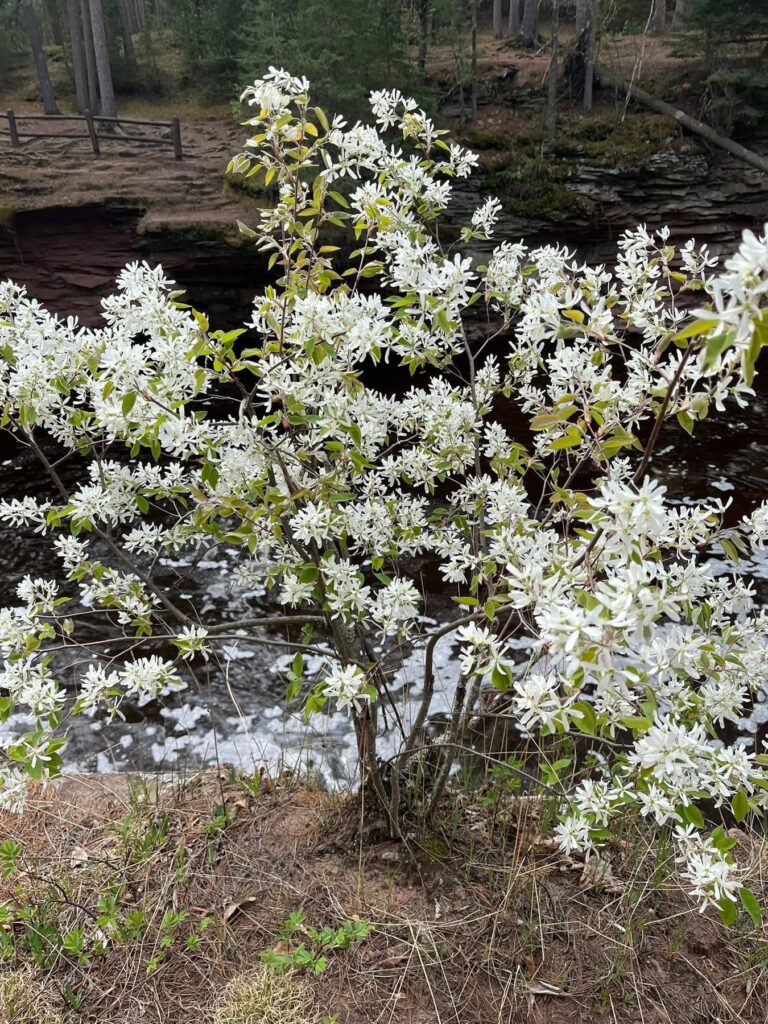
Serviceberries, also called Juneberries or saskatoons, grow on a small tree common across North America. The flavor resembles a blueberry crossed with a mild almond, thanks to a subtle nuttiness from the seeds. They ripen early in summer, often before most other berries.
Growing tip: Serviceberry trees are highly adaptable, tolerating clay soil, drought, and cold winters better than most fruiting plants. Plant in full sun to partial shade for the best fruit production and fall color. Minimal pruning is needed beyond removing dead or crossing branches.
27. Thimbleberry
Thimbleberries look like a wide, flattened raspberry and grow on thornless bushes across North America. They are extremely soft and fall apart almost the moment you touch them, which is why they rarely reach grocery stores. Locals in the Pacific Northwest often turn them into jam on the same day they are picked.
Growing tip: Thimbleberries prefer partial shade and rich, moist woodland soil, mimicking their natural forest-edge habitat. They spread by rhizomes, so they work well as a shady groundcover if given room. Little pruning is needed beyond removing old, unproductive canes.
28. Crowberry
Crowberries grow on low evergreen shrubs across arctic and alpine regions, including parts of Scotland, Scandinavia, and North America. The berries are black, slightly bitter, and often mixed with sweeter fruits before eating. Traditional Arctic diets have relied on them as a vitamin C source for centuries.
Growing tip: Crowberries need acidic, well-drained soil and full sun, closely mimicking exposed heathland or tundra conditions. They are extremely cold-hardy but struggle in hot, humid climates. Avoid rich garden soil, since crowberries perform best in lean, nutrient-poor ground.
29. Bunchberry
Bunchberry, a low-growing relative of the dogwood family, produces small clusters of bright red berries in forest understories. The taste is mild and mealy rather than sweet, and it is more often admired for its appearance than eaten. Indigenous groups across North America did use it in traditional foods.
Growing tip: Bunchberry prefers cool, moist, acidic soil and dappled shade beneath larger trees. It spreads slowly as a groundcover once established, so patience is needed in the first couple of seasons. Avoid full sun locations, since the foliage scorches easily in direct heat.
30. Salal Berry
Salal berries grow on evergreen shrubs along the Pacific coast and have a deep blue-purple color with a mildly sweet, slightly seedy texture. Coastal Indigenous communities traditionally dried them into cakes for winter storage. The plant itself is now a popular ornamental hedge worldwide.
Growing tip: Salal tolerates a wide range of light conditions, from full shade to partial sun, and prefers acidic, well-drained soil. It is highly adaptable and low maintenance once established, making it a favorite for coastal gardens. Trim lightly after fruiting to maintain a neat hedge shape.
Category D: Superfood and Global Exotic Berries
This group covers the berries that built the modern “superfood” marketing category, along with a few less famous global varieties worth knowing.
31. Goji Berry
Goji berries are small, red, native fruits from Asia, sold mostly dried or powdered outside their home region. WebMD notes a small serving delivers a solid dose of fiber, iron, and vitamins A and C. Healthline references a 2021 randomized trial suggesting goji berries may support healthier blood lipid levels as part of a balanced diet.
Growing tip: Goji berry shrubs tolerate poor soil, drought, and full sun remarkably well, making them low maintenance once established. Plant in a location with good air circulation, since the shrub can grow tall and sprawling if not pruned. Cut back hard each winter to keep the plant compact and encourage more fruit.
32. Acai Berry
Acai berries grow in South American rainforests and became a global sensation over the last two decades, though Nutrition Advance notes some of that popularity relied on exaggerated “superfood” marketing claims. The seed makes up roughly 80 percent of the fruit, so fresh whole acai is rarely eaten outside its native region. Most people encounter it as a powder or frozen pulp.
Growing tip: Acai palms need a tropical, humid climate with consistent warmth and rainfall, which makes them impractical outside equatorial regions. They require full sun and rich, moist soil once established. Home gardeners in temperate climates should not expect fruiting success outdoors.
33. Maqui Berry
Maqui berries come from Chile and hold one of the highest known concentrations of anthocyanins in the plant kingdom, according to a study referenced on ClinicalTrials.gov. Their dominant pigment, delphinidin, is unusually well absorbed by the body compared to many other plant compounds. Researchers continue to study its potential anti-inflammatory effects.
Growing tip: Maqui shrubs prefer a mild, temperate climate similar to central Chile, with full sun and well-drained soil. They tolerate light frost but struggle in extreme cold. Regular watering during the establishment period helps the shrub develop a strong root system.
34. Camu Camu Berry
Camu camu grows along riverbanks in the Amazon rainforest and is famous for carrying one of the highest natural vitamin C concentrations of any fruit on record. The taste is extremely sour, so it is almost never eaten fresh outside the region. Most consumers encounter it as a powder added to smoothies.
Growing tip: Camu camu shrubs need consistently wet, tropical conditions and tolerate seasonal flooding, mimicking their native riverbank habitat. They require warm temperatures year-round and will not survive frost. This makes them essentially unsuitable for outdoor cultivation outside true tropical zones.
35. Chokeberry (Aronia)
Aronia berries, commonly called chokeberries, are dark purple-black and intensely astringent when eaten raw. They are rarely eaten fresh, and instead get processed into juice, syrup, or dried snacks. Eastern Europe has cultivated them commercially for decades, longer than most Western markets have paid attention to them.
Growing tip: Aronia shrubs are exceptionally cold-hardy and tolerant of wet or poor soil, making them one of the easiest berry shrubs to grow. Plant in full sun for the best fruit yield, though they tolerate partial shade. Minimal pruning is required beyond removing dead wood each year.
36. Sea Buckthorn Berry
Sea buckthorn produces small, bright orange berries on thorny shrubs across parts of Europe and Asia. The berries are extremely tart and oily, since the fruit itself carries an unusually high fat content for a berry. Its oil is widely used in skincare products across Russia and Scandinavia.
Growing tip: Sea buckthorn tolerates poor, sandy, and salty soil, making it useful for coastal or windy plantings. Male and female plants are needed for fruit set, since the species is dioecious. Prune carefully around the thorny branches, and expect fruit harvest to require sturdy gloves.
37. Honeyberry (Haskap)
Honeyberries, also known as haskap, are elongated blue-purple fruits native to Siberia, northern Japan, and parts of Canada. The flavor is often described as a cross between a blueberry and a raspberry. They ripen earlier in the season than almost any other cultivated berry.
Growing tip: Honeyberries are extremely cold-hardy and tolerate a wide range of soil types, provided drainage is adequate. Plant at least two different cultivars nearby, since most varieties need cross-pollination to fruit well. Little pruning is required beyond removing old, unproductive wood every few years.
38. Schisandra Berry
Schisandra berries grow in clusters on a woody vine native to parts of China and Russia. They carry an unusual flavor profile, often described as simultaneously sweet, sour, salty, bitter, and pungent. Traditional practitioners in East Asia have used them for generations, though they are still uncommon in Western markets.
Growing tip: Schisandra vines need a sturdy trellis or arbor, since they can grow quite vigorously once established. Plant in partial shade with rich, moist, well-drained soil for the best results. Male and female plants are typically needed together to ensure reliable fruiting.
39. Noni Berry
Noni fruit grows across the Pacific Islands and Southeast Asia and has a strong, pungent smell often compared to old cheese once ripe. It is not eaten fresh in most cultures, and instead gets fermented into juice. The taste and smell are, honestly, an acquired preference most newcomers do not enjoy at first.
Growing tip: Noni trees need a tropical or subtropical climate with warm temperatures year-round and cannot tolerate frost. They tolerate poor, sandy, or salty coastal soil remarkably well. Full sun and regular watering during establishment help the tree fruit within its first few years.
40. Physalis (Cape Gooseberry)
Physalis, also called the Cape gooseberry or golden berry, grows inside a papery husk that peels back like a lantern. It has a sweet-tart flavor with tropical, slightly tomato-like undertones. Botanically, it belongs to the nightshade family alongside tomatoes and eggplants.
Growing tip: Physalis grows much like its tomato relatives, preferring full sun, warm temperatures, and well-drained, fertile soil. Stake the plants as they grow, since the branches can become heavy with fruit. Harvest once the papery husk turns brown and papery, which signals full ripeness.
41. Barberry
Barberries are small, tart, red fruits that grow on thorny shrubs across Europe, Asia, and the Middle East. They are a staple ingredient in Persian cooking, especially in rice dishes like zereshk polo. Dried barberries carry a sharp, tangy flavor closer to dried cranberries than fresh fruit.
Growing tip: Barberry shrubs are extremely tolerant of poor soil, drought, and full sun to partial shade. They require minimal care once established, though thorns make pruning and harvesting a job for thick gloves. Check local regulations before planting, since some barberry species are considered invasive in certain regions.
42. Juniper Berry
Juniper “berries” are technically small, fleshy seed cones, not true berries, produced by juniper shrubs and trees. They are best known as the defining flavor in gin, giving the spirit its distinctive piney, resinous note. Only a few juniper species produce cones safe enough for culinary use.
Growing tip: Juniper shrubs tolerate poor, rocky soil, drought, and intense sun better than almost any other plant in this guide. They need very little maintenance beyond occasional shaping. Cones take two to three years to mature, so patience is required before the first culinary harvest.
Category E: Lesser-Known Native and Ornamental Berries
These varieties rarely appear in stores, but foragers, gardeners, and wildlife biologists know them well.
43. Bearberry
Bearberry, also called kinnikinnick, produces small red berries on a low, evergreen groundcover shrub across northern climates. The berries are edible but mealy and bland, so wildlife eats far more of them than humans do. The leaves have a longer history of traditional use than the fruit itself.
Growing tip: Bearberry thrives in poor, sandy, acidic soil and full sun, making it an excellent low-maintenance groundcover for difficult sites. It tolerates drought once established and needs very little supplemental watering. Avoid rich, fertile soil, since it can cause weak, leggy growth.
44. Buffaloberry
Buffaloberries grow on thorny shrubs across the North American plains, producing tart red or silvery fruit. Indigenous groups traditionally whipped them into a frothy dessert, sometimes called “Indian ice cream.” They contain a natural soap-like compound called saponin, which is what makes them foam when whipped.
Growing tip: Buffaloberry tolerates drought, poor soil, and harsh winters, making it well suited to exposed prairie plantings. Male and female plants are usually both needed for fruit production. Minimal pruning is required beyond removing damaged or crossing branches.
45. Nannyberry
Nannyberries grow on a viburnum shrub found across eastern and central North America, ripening to a deep blue-black color. The flavor is mild and slightly date-like once fully ripe, though earlier-picked fruit can be bitter. They are more often used by wildlife biologists as a habitat indicator than by home cooks.
Growing tip: Nannyberry viburnum tolerates a wide range of soils and light conditions, from full sun to partial shade. It grows into a large shrub or small tree, so allow ample space when planting. Little pruning is needed beyond shaping and removing suckers at the base.
46. Oregon Grape Berry
Oregon grape berries grow on a spiny-leafed evergreen shrub and resemble small, dusty blue grapes despite an entirely unrelated botanical family. They are extremely tart and often mixed with sweeter fruit before use in jam. The plant is Oregon’s official state flower.
Growing tip: Oregon grape tolerates shade well and prefers moist, well-drained, slightly acidic soil. It is a durable, low-maintenance evergreen once established, needing minimal watering after the first year. Prune lightly after flowering to maintain a tidy shape.
47. Whortleberry
Whortleberry is a regional British name for a bilberry-like fruit found on moorland shrubs across the UK. It has a tart, slightly musky flavor and stains hands and lips a deep purple within minutes of picking. Traditional whortleberry pie remains a countryside favorite in parts of England.
Growing tip: Whortleberry shares the same growing needs as bilberry, requiring acidic, peaty soil and cool, moist conditions. It performs poorly in warm, humid climates or rich garden soil. Full sun to partial shade suits it best, mimicking open moorland habitat.
48. Bayberry
Bayberries grow on a shrub found along the eastern coast of North America and are covered in a waxy, grayish coating rather than juicy flesh. They are not eaten as food. Instead, the wax coating is boiled off and used to make traditional bayberry candles.
Growing tip: Bayberry tolerates poor, sandy, salty coastal soil exceptionally well, making it a popular choice for seaside landscaping. It thrives in full sun to partial shade and needs little supplemental care once established. Male and female plants are both needed to ensure reliable berry production.
49. Partridgeberry
Partridgeberries grow on a tiny, creeping evergreen groundcover found across eastern North American forests. The bright red berries are technically formed from two fused flowers, giving each berry two dimples on its surface. They have a mild, slightly minty flavor and remain on the plant through winter.
Growing tip: Partridgeberry needs moist, acidic, well-drained soil and thrives in the dappled shade of a woodland garden. It spreads slowly as a groundcover, so plant it where it can be left undisturbed. Avoid full sun locations, since the delicate foliage can scorch easily.
50. Beautyberry
American beautyberry produces striking clusters of bright purple berries along its stems each fall, making it a popular ornamental shrub. The fruit is technically edible, though bland, and is mostly used in jelly rather than fresh eating. Wildlife, especially birds, rely on it far more than people do.
Growing tip: Beautyberry tolerates a wide range of soils and prefers full sun to partial shade for the heaviest berry clusters. It grows quickly and benefits from a hard prune in late winter to encourage vigorous new growth. Minimal watering is needed once the shrub is established.
51. Silverberry
Silverberry, a species of Elaeagnus, produces small, silvery-red berries with a mealy texture and mild sweet-tart flavor. The shrub is often planted as a windbreak or ornamental hedge rather than for its fruit. Birds are typically the primary consumers of this berry in the wild.
Growing tip: Silverberry tolerates poor soil, salt spray, and strong winds, making it a favorite for exposed or coastal sites. It grows quickly and adapts to full sun or partial shade with little issue. Prune annually to control size, since some species can spread aggressively.
52. Autumn Olive Berry
Autumn olive berries are small, speckled red fruits that ripen on a shrub considered invasive across much of the eastern United States. Despite the invasive status, the berries are edible, tart, and rich in lycopene, the same antioxidant found in tomatoes. Foragers often turn them into fruit leather or jam.
Growing tip: Autumn olive is notoriously easy to grow, tolerating poor soil, drought, and full sun with almost no maintenance. Because it spreads aggressively and is classified as invasive in many states, planting is discouraged or restricted in several regions. Check local guidance before considering it for a home garden.
53. Oheloberry
Oheloberries grow on low shrubs native to the volcanic slopes of Hawaii, closely related to cranberries and blueberries. They have a mild, tart flavor and hold cultural significance tied to the Hawaiian goddess Pele. Nutrition Advance notes that complete phytochemical data for this berry is still limited in nutrition databases.
Growing tip: Oheloberry needs well-drained, acidic volcanic soil and cool, high-elevation conditions similar to its native habitat. It tolerates full sun to partial shade and requires minimal fertilization. Outside Hawaii’s unique climate, this plant is very difficult to establish successfully.
54. Wolfberry
Wolfberry is another common name applied to certain Lycium species closely related to the goji berry, though regional varieties differ slightly in size and sweetness. They grow on thorny shrubs across parts of Asia, southern Europe, and North America. Most wolfberries sold internationally are simply another name for dried goji.
Growing tip: Wolfberry shrubs share the same easy-care requirements as goji berries, tolerating drought, poor soil, and full sun. They can grow tall and sprawling without regular pruning, so cut back annually to keep the plant manageable. Established shrubs need very little supplemental watering.
Category F: Berries to Approach With Caution
Please read this section carefully. Some plants produce fruit that looks exactly like an edible berry but carries real toxicity risk. Never eat a wild berry unless a knowledgeable forager or a reliable field guide has confirmed its identity. The growing notes below describe habitat only, not a recommendation to cultivate these species near children or pets.
55. Pokeberry
Pokeweed produces dark purple-black berry clusters that are toxic to humans if eaten raw, causing gastrointestinal distress and, in serious cases, more severe symptoms. Some rural traditions cook the young shoots after extensive boiling, but the berries themselves are never considered safe raw. Birds can eat them without harm, which does not make them safe for people.
Growing note: Pokeweed grows aggressively in disturbed soil, full sun to partial shade, almost anywhere across its range. It is considered a weed by most gardeners rather than an intentional planting. If it appears on your property, keep children and pets away from the berries.
56. Mayapple Berry
Mayapple produces a single fruit per plant, and the unripe green berry, along with the leaves and roots, contains toxic compounds. Only the fully ripe, yellow fruit is considered edible in small amounts by experienced foragers, and even then, opinions vary. I would simply avoid this one entirely unless you truly know what you are doing.
Growing note: Mayapple spreads as a woodland groundcover in moist, shaded soil beneath deciduous trees. It is often grown ornamentally for its umbrella-like leaves rather than its fruit. Keep the plant away from areas where young children play unsupervised.
57. Snowberry
Snowberries are the small, white, waxy-looking berries commonly seen on ornamental shrubs in parks and gardens. They are mildly toxic to humans if ingested and can cause nausea and vomiting. The plant is grown almost entirely for its appearance rather than any culinary use.
Growing note: Snowberry tolerates poor soil, shade, and drought, which is why it is so common in low-maintenance landscaping. It spreads by suckering and can form dense colonies over time. Site it away from vegetable gardens or play areas if young children are around.
58. Yew Berry
Yew produces a fleshy red aril that looks berry-like, but the seed inside is highly toxic, and other parts of the plant, including the needles, are dangerous if ingested. Even the flesh carries risk if the seed is chewed or broken. This is one of the most dangerous ornamental plants found in home gardens.
Growing note: Yew shrubs tolerate deep shade, poor soil, and heavy pruning better than almost any other evergreen. This resilience is exactly why they are so widely planted in hedges and topiary. Because of the toxicity risk, avoid planting yew where children or grazing animals have easy access.
59. Baneberry
Baneberry produces clusters of white or red berries, often with a distinctive black dot, on a woodland forest plant across North America and Europe. All parts of the plant are toxic, and the berries specifically can cause cardiac symptoms if ingested in enough quantity. The white variety is sometimes nicknamed “doll’s eyes” because of its unsettling appearance.
Growing note: Baneberry grows naturally in rich, moist, shaded woodland soil and is rarely planted intentionally in home gardens. If it appears on wooded property, it is best left undisturbed rather than removed or handled without gloves. Its unusual appearance makes it useful for identification, but never for eating.
60. Holly Berry
Holly berries, the bright red fruit seen on holiday wreaths and shrubs, are mildly to moderately toxic to humans and pets if swallowed. They typically cause vomiting, diarrhea, and stomach upset rather than severe poisoning, but children should never be allowed to eat them. Birds, again, digest them just fine.
Growing note: Holly shrubs tolerate a wide range of soils and light conditions, from full sun to partial shade. Female plants need a nearby male plant to produce the classic red berries. Keep decorative holly clippings and fallen berries away from small children during the winter holiday season.
Why Berries Matter for Your Health
Berries are not just colorful snacks. According to the Linus Pauling Institute at Oregon State University, berries and other anthocyanin-rich foods have been studied for their potential connection to improved glycemic response and lower diabetes risk in large population studies.
The pigments that make berries so visually striking are the same compounds researchers keep studying for antioxidant activity.
Fiber is another standout feature. Virginia Cooperative Extension reports that a single cup of blackberries delivers 8 grams of dietary fiber, close to a third of the recommended daily value. Berries also tend to sit lower on the sugar scale than many other fruits, which is part of why nutritionists frequently recommend them over higher-sugar options.
Of course, not every berry belongs on your plate. As this guide shows, several ornamental and wild species carry real toxicity risks. When foraging, always cross-reference with a trusted regional field guide or a knowledgeable local expert before eating anything you find growing wild.
Frequently Asked Questions
How many types of berries exist in the world? There is no single official count, since “berry” means different things botanically and culinarily. This guide covers 60 well-documented types, but hundreds of regional and wild varieties exist worldwide.
Which berry is the healthiest? Nutrition comparisons vary by metric, but raspberries and blackberries consistently rank near the top for their fiber-to-sugar ratio, according to nutrient analysis referenced by Intake Health using USDA data.
Are all berries safe to eat? No. Several plants in this guide, including yew, baneberry, and pokeweed, produce toxic berries. Never eat a wild berry without confirming its identity first.
Is a strawberry actually a berry? Not botanically. Strawberries are accessory fruits, since their fleshy part comes from the plant’s receptacle rather than a ripened ovary, according to Britannica and the New World Encyclopedia.
Which berries are easiest to grow at home? Aronia, serviceberry, and blackberry are among the most forgiving choices for beginner gardeners, since they tolerate a wide range of soils and need minimal specialized care.
Final Thoughts
I hope this list gave you a genuine appreciation for how varied the berry world really is, from the blueberry in your smoothie to the cloudberry that costs a small fortune in a Scandinavian market.
Berries connect gardens, forests, and dinner tables across every continent, and honestly, that range is part of what makes them so fun to study. Next time you pick up a punnet of berries at the store, or plant a shrub in your own backyard, you will know exactly which family it belongs to, and how to help it thrive.
References
- U.S. Department of Agriculture, Agricultural Research Service. FoodData Central. National Agricultural Library. https://fdc.nal.usda.gov/
- Xu, T. Blackberry Fruit: Nutrition Facts and Health Benefits. Virginia Cooperative Extension, Virginia Tech. https://www.pubs.ext.vt.edu/SPES/spes-366/spes-366.html
- University of California Agriculture and Natural Resources. What Makes a Berry a Berry? UC Master Gardener Program, Napa County. https://ucanr.edu/blog/napa-master-gardener-column/article/what-makes-berry-berry
- Little Shop of Physics, Colorado State University. Everything You Need to Know: Is That a Berry? https://www.lsop.colostate.edu/2020/04/29/everything-you-need-to-know-is-that-a-berry/
- Missouri Botanical Garden. Vaccinium corymbosum — Plant Finder. https://www.missouribotanicalgarden.org/PlantFinder/PlantFinderDetails.aspx?kempercode=m690
- Linus Pauling Institute, Oregon State University. Flavonoids — Micronutrient Information Center. https://lpi.oregonstate.edu/mic/dietary-factors/phytochemicals/flavonoids
- National Institutes of Health. ClinicalTrials.gov — Maqui Berry Extract and Omega-3 Fatty Acids for Cytokine Reduction. https://clinicaltrials.gov/study/NCT04914312

Tim M Dave is a gardening expert with a passion for houseplants, particularly cacti and succulents. With a degree in plant biology from the University of California, Berkeley, he has vast experience in gardening. Over the years, he has cultivated a vast collection of desert plants and learned a great deal about how to grow and care for these unique companions.