40 Types of Carrots (With Pictures and Growing Tips)
Carrots seem simple. I used to think so too, until I started researching them for this guide. There is far more variety hiding under that orange stereotype than most people realize.
This guide covers 40 distinct types of carrots, grouped by shape, color, and origin. You will also find nutrition facts, growing notes, and buying tips.
Quick Answer: What Are the Main Types of Carrots?
Carrots are generally sorted into six root-shape groups: Imperator, Nantes, Chantenay, Danvers, Ball (Parisian), and Mini or baby types. Extension horticulturists at South Dakota State University confirm this classification, adding a seventh “novelty” category for unusual colors and shapes.
Beyond shape, carrots also vary by color. The Purdue University Extension FoodLink program notes that carrots are not always orange. Purple, white, red, and yellow varieties exist too, each with a distinct flavor profile.
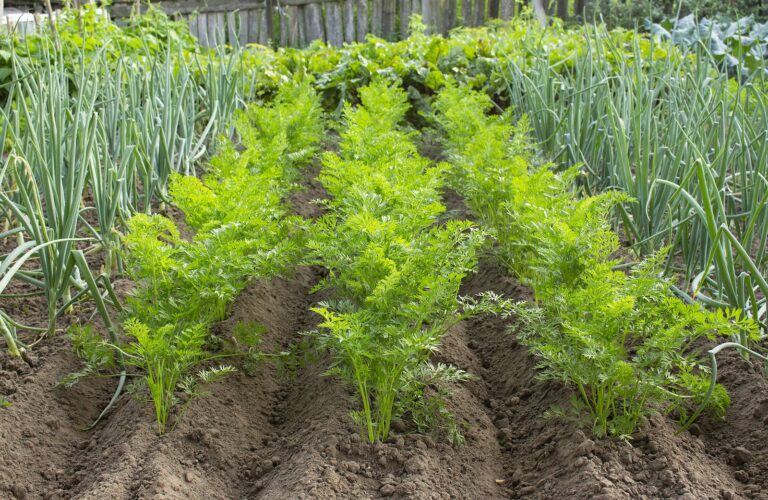
One point worth adding before the list: almost all carrots are grown as cool-season annuals across USDA zones 3 through 10, since gardeners harvest the root in its first year, long before winter hardiness would ever come into play.
Where “hardiness” matters for carrots is less about surviving a freeze in the ground long-term and more about frost tolerance during the growing and storage window, cold soil tolerance for early spring sowing, and bolt resistance if a young plant hits an unexpected cold snap. That distinction shapes several of the variety notes below.
Let’s break down all 40 varieties in detail.
A Quick Word on Carrot Botany
All cultivated carrots belong to one plant: Daucus carota subsp. sativus, a member of the Apiaceae family. This family also includes celery, parsley, dill, and cilantro, according to the USDA Agricultural Marketing Resource Center.
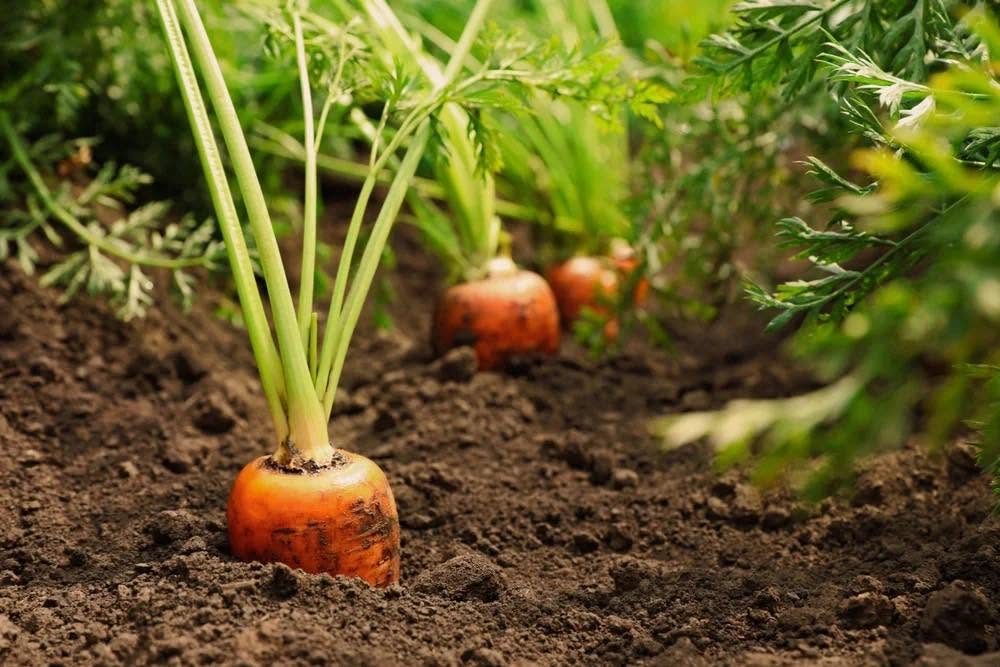
Carrots are biennial plants. They grow a taproot in year one, then flower and set seed in year two if left undisturbed. This single detail explains why we harvest carrots so early; we are eating the plant’s stored energy before it ever blooms.
Variety names you see on seed packets usually describe shape, color, or growing habit rather than a separate species. So when you read “Imperator” or “Danvers,” you are looking at a cultivar, not a botanical subspecies of its own.
Most cultivars are planted as annuals in USDA zones 3 through 10, with the specific window depending on regional frost dates rather than the plant’s own cold hardiness, since a carrot left in the ground into its second year will bolt to seed and turn the root woody and bitter.
Group 1: The Six Classic Shape Categories
These are the foundational groups that every named carrot variety fits into. Understanding them first makes the rest of this list much easier to follow.
1. Imperator Carrots
Imperator carrots are the long, slender, tapered roots you find bagged in most grocery stores. They are the standard commercial type in the United States, typically reaching 8 to 10 inches long with a growing cycle of 65 to 75 days from seed to harvest.
They need deep, loose, sandy soil to grow straight. The University of Illinois Extension notes that Imperator types are usually recommended only for home gardens with deep, well-worked soil.
This group performs best in USDA zones 3 through 10 as a spring or fall crop, and because the roots run so deep, soil should be worked to at least 12 inches to avoid forking or twisting.
Best use: Raw snacking, salads, and juicing, since their high sugar content makes them naturally sweet.
2. Nantes Carrots
Nantes carrots have a cylindrical shape with a blunt, rounded end. They originated on the French coast over 200 years ago and remain a favorite among home gardeners today. Most Nantes types mature in 60 to 70 days and reach 6 to 7 inches long, with a smaller diameter than Imperator types.
I find Nantes carrots the most forgiving to grow. Their thin core and tender texture make them ideal for fresh eating rather than long cooking. They tolerate cooler soil at germination better than Imperator types, making them a reliable choice for early spring planting in zones 3 through 9, and their shorter root also makes them a good fit for raised beds with moderate soil depth.
Best use: Fresh eating, salads, quick roasting.
3. Chantenay Carrots
Chantenay carrots are short, stout, and broad at the shoulder, tapering to a blunt tip. This shape suits heavier or shallower garden soil where long roots struggle. Roots typically reach 5 to 6 inches and mature in around 65 to 70 days, with a broader shoulder diameter than any other classic shape group.
Their earthy, mildly sweet flavor holds up well through long cooking times without turning mushy. Because their shorter root tolerates clay and rocky soil, Chantenay types are one of the most widely adaptable carrots across zones 3 through 10, and they are often the best choice for gardeners who have not amended their soil deeply.
Best use: Roasting, soups, stews, and stock.
4. Danvers Carrots
Danvers carrots have a deep orange color and conical shape with a blunt tip. This variety was developed in Danvers, Massachusetts, in the 19th century, and it remains one of the easiest types for beginner gardeners. Roots grow 6 to 8 inches long, maturing in roughly 70 to 75 days, with strong tolerance for moderately heavy soil that would deform an Imperator-type root.
The Iowa State University Extension lists ‘Danvers 126’ as a top recommendation for home gardeners because of its reliable performance in average soil.
This variety adapts well to zones 3 through 10 and is known for reasonably good cold tolerance at both ends of the season, allowing slightly earlier spring sowing and later fall harvest than more delicate types.
Best use: Canning, freezing, and general all-purpose cooking.
5. Ball or Parisian Carrots
Ball carrots, also called Parisian carrots, are small, round, and radish-shaped. They grow well in shallow containers, raised beds, or heavy clay soil where long roots cannot penetrate. Roots reach only 1 to 2 inches in diameter and mature quickly, often in just 50 to 60 days, making this one of the fastest-maturing shape groups on this list.
Their compact size makes them popular for whole-roasting and elegant plate presentations in restaurants. Because they need only a few inches of loosened soil, they are well suited to container gardening in zones 3 through 10, including gardeners with nothing more than a window box or a shallow raised bed.
Best use: Roasting whole, garnish, container gardening.
6. Mini or Baby Carrots
True baby carrots are simply young carrots harvested early, not a separate cultivar. According to the USDA Agricultural Marketing Resource Center, baby-cut carrot products have been the fastest-growing segment of the carrot industry since the early 1990s. Because they are harvested young, growers can pull them in as little as 30 to 45 days after sowing, well before the variety’s normal full-maturity window.
Note the distinction: baby-cut carrot products sold in bags are actually machine-cut from larger carrots, while true baby carrots are harvested small on purpose.
Any of the shape categories above can be grown and picked as “baby” carrots, which makes this less a distinct hardiness or growth category and more a harvesting choice available across zones 3 through 10 wherever carrots are grown at all.
Best use: Snacking, lunchboxes, quick steaming.
ALSO READ: 15 Easy Vegetables to Plant in Early Spring: Get a Head Start on the Growing Season
Group 2: Popular Named Orange Cultivars
These are specific seed varieties within the shape categories above. Each one has been bred for a particular trait, whether that is sweetness, disease resistance, or storage life.
7. Scarlet Nantes
A reddish-orange, cylindrical Nantes-type carrot recommended by Iowa State University Extension for home gardens. It reaches 6 to 8 inches long and is prized for its sweet, tender flesh. It matures in about 65 to 70 days and tolerates cooler spring soil better than most named cultivars, making it a solid choice for early sowing in zones 3 through 9.
8. Bolero
Bolero carrots are bright orange and slightly tapered, growing 7 to 8 inches long. They store exceptionally well, making them a favorite for fall harvests meant to last through winter.
Maturity runs about 75 days, and Bolero is specifically bred with strong disease resistance and cold tolerance late in the season, which is why it performs well as a fall crop across zones 3 through 8, holding good quality even after a light frost.
9. Mokum
Mokum carrots mature quickly, in about 54 days, with a slender, straight shape and deep orange color. Many gardeners consider Mokum one of the tastiest early-season varieties available. Its fast maturity and tolerance for cool soil make it one of the best choices for an early spring sowing in zones 3 through 9, often the first carrot ready to harvest in a mixed planting.
10. Nelson
Nelson carrots are deep orange, cylindrical, and blunt-tipped, reaching 6 to 7 inches. This hybrid variety is a consistent performer recommended by Midwest extension programs, maturing in around 58 to 65 days.
It handles a range of soil types reasonably well and is considered dependable across zones 4 through 8, which is part of why extension programs favor it for home gardens with variable soil quality.
11. Sugarsnax 54
This dark orange, tapered variety grows 9 to 10 inches long. Its name hints at its main selling point: exceptional sweetness compared to standard Imperator types, along with a maturity window of roughly 68 to 75 days. Because it needs deep, loose soil to reach its full length without forking, it performs best in well-worked beds across zones 4 through 9.
12. Danvers 126
An improved version of the original Danvers carrot, this cultivar is highly productive with a sweeter taste. It handles heavy soil better than most long, slender varieties, maturing in about 70 days and reaching 6 to 8 inches. Its adaptability to average, unamended soil makes it one of the most forgiving cultivars for beginner gardeners across zones 3 through 10.
13. Royal Chantenay
A reddish-orange, conical carrot reaching 5 to 7 inches, maturing in roughly 65 to 70 days. Texas A&M AgriLife Extension lists Royal Chantenay among its top picks for Texas home gardens because of its heat tolerance, which also makes it a strong choice for warmer zones 7 through 10 where other cultivars might bolt or lose flavor in the heat.
14. Red-Cored Chantenay
This variety looks like a standard Chantenay on the outside but reveals a deeper-colored core when sliced. It is a favorite for canning and freezing operations, maturing in about 70 days with the same broad-shouldered, stocky growth habit as other Chantenay types, which allows it to perform well in the same heavier soils and zones 3 through 10.
15. Imperator 58
A 68-day variety with smooth, fine-grained, long, tapered roots, according to University of Illinois Extension. This is the benchmark standard long carrot type used commercially, typically reaching 9 to 10 inches.
Like other Imperator types, it demands deep, loose, well-drained soil and performs most reliably in zones 3 through 10 where that soil depth can be maintained.
16. Tendersweet
Tendersweet carrots are long and tapered with a rich orange color and coreless texture, reaching 8 to 9 inches and maturing in around 75 days. The name reflects their standout sweetness, even when eaten raw.
Because the roots grow long, deep, loose soil is essential, and the variety is best suited to zones 4 through 9 with a full growing season to reach peak sweetness.
17. Legend
A hybrid variety producing high yields of smooth, uniform roots 9 to 11 inches long, maturing in roughly 70 days. Legend carrots resist cracking, a common problem in heavier soils, which extends their reliable growing range into zones 4 through 9 even where soil consistency varies across a bed.
18. Orlando Gold
An unusual name for an orange carrot; Orlando Gold is a hybrid variety noted for containing 30 percent more carotene than standard types, per University of Illinois Extension data. It matures in about 70 days and grows to a medium 7 to 8 inches, performing well in zones 4 through 9 with average garden soil.
19. Yaya
Yaya carrots are bright orange and cylindrical, reaching only 5 to 6 inches. Their short maturity window of around 60 days makes them a good choice for succession planting, allowing gardeners in zones 3 through 9 to fit in two or three plantings across a single spring-to-fall season.
20. Baltimore
A medium-sized variety maturing in about 65 days, with bright orange flesh and a crisp texture, typically reaching 7 inches long. It works equally well raw, cooked, or juiced, and its moderate size and average soil tolerance make it a dependable performer across zones 4 through 9.
ALSO READ: 15 Easy Vegetables to Plant and Harvest This Summer: Best Varieties That Grow Fast in Heat
Group 3: Colored Carrots (Purple, Red, Yellow, White, Black)
Here is a fact that surprised me: orange carrots are actually the newer arrivals. The earliest cultivated carrots, developed thousands of years ago near what is now Afghanistan, were purple and yellow, not orange.
The Mississippi State University Extension Service confirms that each carrot color carries a distinct nutrient profile. Purple carrots contain anthocyanins, yellow carrots contain xanthophylls linked to eye health, and red carrots are rich in lycopene.
As a general rule, colored carrots tend to need the same growing conditions as their orange counterparts of similar shape, though several purple and black varieties show slightly better heat tolerance, a trait inherited from their Middle Eastern and Central Asian ancestry.
21. Purple Haze
A tapered hybrid with a purple exterior and orange core, reaching 8 to 10 inches. Iowa State University Extension recommends it for gardeners wanting color without sacrificing familiar sweetness. It matures in around 70 days and needs deep, loose soil similar to an Imperator type, performing well across zones 3 through 9.
22. Cosmic Purple
This variety shows deep purple skin with an orange-yellow interior. It is one of the most widely available purple carrots in home garden seed catalogs, maturing in about 70 days and reaching 6 to 7 inches. It tolerates a slightly wider range of soil types than Purple Haze, making it a reasonable choice for zones 3 through 9 even in beds that have not been deeply worked.
23. Purple Dragon
A sweet, rich-flavored carrot with purple skin and a yellow core, growing to about 6 inches. It matures in roughly 65 days and, like most purple types, holds its pigment best when grown in cooler soil temperatures, making it a strong candidate for spring or fall plantings in zones 3 through 9 rather than the peak heat of summer.
24. Purple 68
A cylindrical purple carrot bred mainly for strong garden color rather than a specific flavor claim, making it popular in mixed-color plantings. It matures in about 68 days, true to its name, and shares the same general zone 3 through 9 growing range and soil needs as other mid-length purple cultivars.
25. Purplesnax
Bred specifically for sweetness and crunch in a long purple root, Purplesnax works well for raw snacking where color matters as much as taste. It reaches 8 to 9 inches and matures in around 70 days, needing the deep, well-drained soil typical of longer carrot types, and performs reliably in zones 4 through 9.
26. Black Nebula
Among the darkest carrots available, Black Nebula carries color almost to the core. Its flavor leans spicy-sweet, less sugary than standard orange types. It reaches about 7 inches and matures in roughly 75 days, and its dark pigmentation, inherited from very old carrot lineages, gives it slightly above-average heat tolerance, making it a good option for warmer stretches of zones 5 through 9.
27. Nutri-Red
A coral-red, tapered carrot reaching 8 to 9 inches, recommended by Iowa State University Extension. Its color comes primarily from lycopene, the same antioxidant found in tomatoes. It matures in about 75 days and, like other lycopene-rich vegetables, tends to develop its best color when grown through warm, sunny weather in zones 5 through 9.
28. Atomic Red
An Imperator-type red carrot, 4 to 6 inches long, known for sweetness when cooked. Minnesota Cooperative Extension trials rate it favorably for home gardens. It matures in around 70 days and, unusually for a red variety, tolerates the cooler growing conditions typical of northern gardens, performing well across zones 3 through 8.
29. Red Samurai
A long, tapering red variety reaching up to 11 inches. Red carrots like this one remain especially popular in Japan, according to horticultural sources. It needs a longer season of around 80 days and deep, loose soil to reach its full length, making it best suited to zones 5 through 9 with a full, warm growing season.
30. Scarlet Keeper
A blunt-tipped red carrot bred for winter storage, growing 7 to 9 inches. Its keeping quality outweighs its fresh-eating flavor, making it a root-cellar favorite. It matures in about 75 days and shows good cold tolerance late in the season, which is why it is typically sown as a fall crop in zones 3 through 8 and left in the ground slightly longer before harvest.
31. Yellowstone
A big-shouldered yellow carrot with a greenish-yellow core, reaching 7 to 9 inches in about 70 days. It works well raw or cooked, with a crisp, sweet bite, and its broader shoulder tolerates moderately heavy soil, giving it a reliable growing range across zones 3 through 9.
32. Solar Yellow
A tapering yellow variety that many growers say tastes better cooked than raw. It matures in roughly 70 days and may bolt in cold weather, so timing your planting matters. Because of this bolt sensitivity, it performs best when sown after the soil has warmed in zones 4 through 9, rather than as an ultra-early spring crop.
33. Yellow Pak
A uniform, tapering yellow carrot around 8 inches long. Its flavor is described as mildly sweet, intensifying with cooking, and it matures in about 70 to 75 days. It needs the same deep, loose soil as other tapering types and grows reliably across zones 4 through 9.
34. Amarillo
Another standout yellow cultivar prized for its crisp, juicy texture, reaching about 7 inches and maturing in roughly 70 days. Yellow carrots as a group contain lutein, linked by researchers to eye health support, and Amarillo shares the same general zone 4 through 9 growing range as other yellow cultivars.
35. White Satin
A hybrid white carrot with regularly shaped, tapering roots around 8 inches. It develops green shoulders at maturity and is noted for unusual sweetness among white types. It matures in about 70 days and grows best in deep, loose soil across zones 4 through 9, with the green shoulder color intensifying if the root is exposed to sunlight near the surface.
36. Lunar White
A pale, nearly colorless carrot valued for its rich, strong flavor despite lacking carotene pigments. White carrots tend to have a coarser texture than orange ones. Lunar White matures in around 70 to 75 days and adapts to a similar range of soils and zones, roughly 4 through 9, as other mid-length white and yellow types.
37. Snow White
A crisp, juicy white variety that works well in mixed rainbow-carrot plantings, offering contrast against darker-colored roots on the plate. It matures in about 70 days, reaching 6 to 7 inches, and grows well alongside orange and purple types in the same bed, sharing the general zone 3 through 9 range typical of mid-sized cultivars.
ALSO READ: 10 Best Mulch for Vegetable Gardens (And How to Use Each One)
Group 4: Heirloom, European, and Specialty Types
38. St. Valery
A French heirloom carrot with a bright reddish-orange color and very little core, growing up to 10 inches. It has been cultivated for generations and remains popular with home seed savers. It matures in around 75 days and needs deep, loose soil to reach its full length, performing best in zones 4 through 9 with a full growing season.
39. Oxheart
A short, wide, blunt-ended carrot shaped almost like a beet. Oxheart carrots grow well in heavy or rocky soil where long-rooted types would fork or twist. They mature in about 75 to 80 days and reach 5 to 6 inches wide, and their tolerance for difficult soil makes them one of the most adaptable heirloom types across zones 3 through 9, including gardens that have never been deeply tilled.
40. Rainbow (Hybrid Blend)
Not a single color but a hybrid that produces multiple root colors on genetically similar plants, ranging from orange to gold to pale yellow. It offers visual variety without needing to plant separate colored cultivars.
Maturity generally falls around 70 days, and because the blend draws on several parent lines, it shares the broad zone 3 through 9 adaptability typical of standard mid-length orange and yellow cultivars, making it an easy way to add color to a bed without adjusting growing conditions.
Carrot Colors and Nutrition: What the Research Shows
Every carrot color offers vitamin A precursors, but the supporting compounds differ. Orange carrots owe their color to beta-carotene, the compound your body converts into vitamin A.
Purple carrots add anthocyanins, antioxidants also found in blueberries and red cabbage. Yellow carrots bring lutein, a compound researchers link to eye health and reduced macular degeneration risk.
Red carrots contain lycopene, the same pigment that colors tomatoes and watermelon. White carrots have the least pigment overall but still deliver fiber and a notably strong flavor.
How Popular Are Carrots, Really?
Carrots are the 6th most consumed fresh vegetable in the United States, according to the USDA Agricultural Marketing Resource Center. Per capita consumption settled around 7.7 pounds per person in recent years, after peaking at 14.1 pounds in 1997.
Globally, China produces roughly 44 to 45 percent of the world’s carrots, according to Food and Agriculture Organization data cited across multiple government and academic sources. The United States typically ranks third in global production, behind China and Uzbekistan.
California alone grows about 85 percent of America’s carrot crop, thanks to its long growing season and well-drained soils. This single fact explains why carrot prices barely fluctuate with regional weather elsewhere in the country.
Choosing the Right Carrot for Your Recipe
I always tell people: shape matters more than color when picking carrots for cooking. Long Imperator types shine raw. Stout Chantenay types survive hours of braising without falling apart.
For soups and stews, reach for Chantenay or Danvers types; their sturdier texture holds up under heat. For salads and snacking, Nantes or Imperator types deliver the crispness and sweetness people expect raw.
For color on the plate, mix purple, yellow, red, and white varieties together. This is not just decorative. Each color contributes a slightly different antioxidant, so a mixed plate genuinely offers broader nutrition.
Growing Tips Backed by Extension Research
Carrots germinate best in warm, moist soil, per the University of Illinois Extension. Seeds can take up to two weeks to sprout, so patience during this stage matters more than most gardeners expect.
Soil should be worked to a depth of 8 to 9 inches to allow full root development, especially for long Imperator or Tendersweet types. Shallow or rocky soil favors shorter Chantenay or Ball varieties instead.
South Dakota State University Extension notes that carrots can be planted once soil reaches 40°F, though germination speeds up considerably in warmer soil. Night temperatures near 55°F and daytime highs around 75°F produce the best root color and flavor.
For storage, cut carrot tops one inch above the root and keep them at 32°F with high humidity. Properly stored carrots can last through much of the winter in a root cellar or refrigerator.
ALSO READ: 15 Best Planting Calendar Apps in 2026: Never Miss a Sowing Date Again
A Brief History of the Carrot
Wild carrots originated in Iran and surrounding regions, where they were first cultivated for their leaves and seeds rather than the root itself. Early roots were thin, bitter, and far removed from today’s sweet varieties.
By the 13th century, carrots had reached Asia and Europe, gradually developing into the sweeter roots we recognize now. Orange carrots did not dominate seed catalogs until the 16th and 17th centuries, following selective breeding in the Netherlands.
There is a well-known wartime story worth mentioning here. During the Second World War, Britain spread a myth that carrots improved night vision for pilots. The real explanation was radar technology, but the propaganda stuck so well that people still repeat it today.
Frequently Asked Questions
What is the sweetest type of carrot? Nantes-type carrots, especially Scarlet Nantes and Mokum, are widely considered among the sweetest due to their thin core and high sugar concentration.
Are purple carrots genetically modified? No. Purple carrots are actually older than orange carrots historically. They are heirloom or open-pollinated varieties, not genetically modified organisms.
Which carrot type is best for juicing? Imperator types and deeply pigmented varieties like Black Nebula or Nutri-Red work well for juicing because of their high sugar content and strong color.
Why do supermarket carrots all look the same? Most commercial carrots are Imperator types, bred for uniform shape, smooth skin, and easy peeling, which suits automated packing and long-distance shipping.
Final Thoughts
Researching this list changed how I shop for carrots. I no longer grab the first bag I see. I now think about shape for the recipe and color for the nutrients, and that small shift has made a noticeable difference in my cooking.
Forty varieties is a lot to remember. But knowing the six shape groups and the five color categories gives you enough working knowledge to choose wisely, whether you are shopping, gardening, or simply curious about the vegetable on your cutting board.
References
- South Dakota State University Extension. Carrots: How to Grow It. https://extension.sdstate.edu/carrots-how-grow-it
- Purdue University Extension, FoodLink Program. Carrot. https://extension.purdue.edu/foodlink/food.php?food=carrot
- Iowa State University Extension and Outreach, Yard and Garden. What Are Some Good Carrot Varieties for Iowa? https://yardandgarden.extension.iastate.edu/faq/what-are-some-good-carrot-varieties-iowa
- Texas A&M AgriLife Extension Service. Carrots. https://agrilifeextension.tamu.edu/library/gardening/carrots/
- University of Illinois Extension, Watch Your Garden Grow. Carrot — Vegetable Directory. https://web.extension.illinois.edu/veggies/carrot.cfm
- United States Department of Agriculture. USDA Scientists Take an Organic Approach to Improving Carrots. https://www.usda.gov/about-usda/news/blog/usda-scientists-take-organic-approach-improving-carrots
- Mississippi State University Extension Service. What Are Rainbow Carrots? https://extension.msstate.edu/blogs/extension-for-real-life/what-are-rainbow-carrots

Tim M Dave is a gardening expert with a passion for houseplants, particularly cacti and succulents. With a degree in plant biology from the University of California, Berkeley, he has vast experience in gardening. Over the years, he has cultivated a vast collection of desert plants and learned a great deal about how to grow and care for these unique companions.