25 Best Plants for a West-Facing Window (Afternoon Sun Lovers)
There is something almost cinematic about a west-facing window in late afternoon. The light turns golden, warm, and a little dramatic, right before it fades into evening. This is exactly the kind of light that many houseplants secretly crave.
I have grown flowering plants, succulents, and bold tropical foliage on west-facing sills, and the results still surprise me. This guide walks through 25 plants that genuinely thrive in west-facing light.
Whether you are decorating a sunny living room, a west-facing kitchen, or a bedroom that catches the last light of day, this list offers something suited to your space. Some of these plants ask for very little in return, while others reward slightly more attention with vivid color or long-lasting blooms.
Why West-Facing Light Is Different From Every Other Exposure
A west-facing window catches the sun as it moves toward the horizon. Unlike morning light, this afternoon sun arrives after the room and the outdoor air have already warmed up.
North Carolina Cooperative Extension notes that west-facing windows receive bright light throughout the day, with strong, intense light building in the afternoon and evening hours. That intensity, paired with accumulated heat, makes this exposure noticeably warmer than an east-facing room at the same time of day.
The New York Botanical Garden’s houseplant research guide confirms that west-facing windows provide some direct light up to three feet from the glass and indirect light up to five feet away, with the sun arriving specifically in the afternoon rather than the morning. That three-to-five-foot range gives you real flexibility for plant placement.
Writers who track west-facing rooms closely describe them as a genuine sweet spot for indoor growing. West-facing light is often called a happy medium between the softer glow of an east window and the intense, all-day brightness of a south-facing room. It suits plants that want more light than an east window offers, without the relentless intensity of full southern exposure.
West vs. North, East, and South: A Quick Comparison
Seeing how west light compares to the other three exposures makes plant selection much easier.
North-facing windows never receive direct sun and offer the most consistent, low-intensity brightness of the four directions. This suits shade-tolerant foliage plants but limits most flowering varieties.
East-facing windows catch a few gentle hours of morning sun before settling into medium, indirect brightness for the rest of the day. The light here is cooler and less intense than what a west window delivers.
South-facing windows receive the strongest and longest light of the day, often exceeding what most tropical foliage plants can comfortably tolerate without some distance or filtering. This intensity suits cacti, succulents, and citrus above nearly everything else.
West-facing windows, by comparison, sit closer to the south end of the spectrum than the north. You get real afternoon intensity and noticeable heat buildup, which is precisely why so many flowering and colorful-leaved plants list this exposure as their preferred spot.
How to Confirm Your Window Really Faces West
A compass app on your phone settles this in seconds. Stand at the window and check which direction the glass opens toward; sunset-facing windows are your west exposure.
If your room feels warmer than expected by late afternoon, you likely have an unobstructed view with few buildings or trees blocking the horizon. If the heat buildup becomes intense during summer, a sheer curtain or light blind can soften the intensity without sacrificing brightness.
The 25 Best Plants for a West-Facing Window
1. Coleus (Plectranthus scutellarioides)
Coleus brings some of the boldest foliage color available in the houseplant world, with leaves splashed in red, purple, lime, and cream. Bright, warm afternoon light intensifies these colors rather than fading them. Pinch back growing tips regularly to keep the plant full and compact.
2. Geranium (Pelargonium spp.)
Few flowering houseplants reward a west window as generously as geranium. It blooms most reliably with several hours of strong light daily, and the afternoon sun here delivers exactly that. Deadhead spent flowers to encourage the next round of blooms.
3. Aloe Vera
Aloe stores water efficiently in its thick, fleshy leaves, making it naturally suited to bright, warm conditions. If the leaves start looking pale, the plant is asking for more light, which a west window can easily provide. Let the soil dry out completely between waterings.
4. Jade Plant (Crassula ovata)
This classic succulent thrives on strong light and infrequent watering, both of which describe a west-facing sill perfectly. Its thick, glossy leaves store moisture, so missed waterings rarely cause lasting harm. Some growers keep jade for decades, passing cuttings down through family generations.
5. Air Plant (Tillandsia spp.)
Needing no soil at all, air plants absorb moisture and nutrients directly through specialized leaf structures. Bright, indirect light near a west window keeps them healthy, though a few hours of gentle direct sun rarely causes harm. Mist them a few times a week or soak briefly in water.
6. Croton (Codiaeum variegatum)
Croton’s dramatic red, orange, and yellow marbled leaves become even more vivid under strong afternoon light. Consistent humidity helps prevent leaf-tip browning in warmer rooms. Rotate the pot occasionally so color develops evenly on all sides.
7. Monstera Deliciosa (Swiss Cheese Plant)
Large, perforated leaves make Monstera an instant centerpiece in any bright room. Several houseplant growers who track window orientation closely describe west-facing rooms as one of the best settings for a large, thriving Monstera. Give it a moss pole to climb as it matures.
8. Succulent Garden (Echeveria, Haworthia, and related genera)
A small collection of mixed succulents makes efficient use of a sunny windowsill. Their compact rosettes and thick leaves are built for bright, warm conditions. Water sparingly, allowing the soil to dry fully between each session.
9. Cactus (assorted indoor species)
Desert cacti are among the plants best equipped to handle the heat that builds near a west-facing window during summer afternoons. Their thick, water-storing tissue tolerates dry spells with ease. A gritty, fast-draining potting mix is essential to prevent rot.
10. Yucca (Yucca elephantipes)
Sturdy, upright leaves give yucca a bold, architectural presence in bright rooms. It tolerates the heat and intensity of afternoon sun far better than most soft-leaved tropical plants. Water only when the soil has dried out several inches down.
11. Bloodleaf (Iresine herbstii)
This foliage plant earns its name from deep red and burgundy leaves that intensify under strong, warm light. It stays relatively compact, making it a good fit for a sunny sill rather than a floor spot. Pinch back stems regularly to maintain a full, bushy shape.
12. False Aralia (Schefflera elegantissima)
Delicate, almost lacy leaflets give false aralia a fine-textured look that contrasts nicely with bolder foliage plants. It appreciates bright light but benefits from some protection during the most intense afternoon hours. Keep humidity moderate to prevent leaf curling.
13. Pleomele (Dracaena reflexa)
Slender, twisting stems topped with narrow, striped leaves make this dracaena a graceful choice for a bright room. It tolerates a range of light levels but develops its best color under strong, indirect brightness. Water once the top inch of soil feels dry.
14. Ti Plant (Cordyline fruticosa)
Bold, strappy leaves in shades of pink, red, and green give ti plant real visual drama. Strong afternoon light helps intensify these colors, much like it does for croton. Keep humidity elevated, since dry air can cause the leaf tips to brown.
15. Jasmine (Jasminum spp.)
Few houseplants offer fragrance as memorable as jasmine in full bloom. It flowers most reliably with plenty of bright light, and the warmth of a west window supports steady bud development. Prune lightly after flowering to encourage a fuller shape.
16. Bougainvillea
Grown indoors as a container plant, bougainvillea rewards strong light with clusters of vivid papery bracts in pink, purple, or orange. It genuinely prefers the heat and brightness that a west-facing room provides during summer. Allow the soil to dry slightly between waterings to encourage blooming.
17. Hibiscus (Hibiscus rosa-sinensis)
Large, trumpet-shaped blooms make hibiscus one of the most striking flowering houseplants available. It needs several hours of strong light daily to set new buds consistently. Feed it regularly during the growing season to support its heavy flowering habit.
18. Ponytail Palm (Beaucarnea recurvata)
Despite its palm-like appearance, this plant is actually a succulent, storing water in its swollen, bulbous base. Bright, warm light suits it far better than shade, and it tolerates occasional neglect with ease. Water only when the soil has dried out completely.
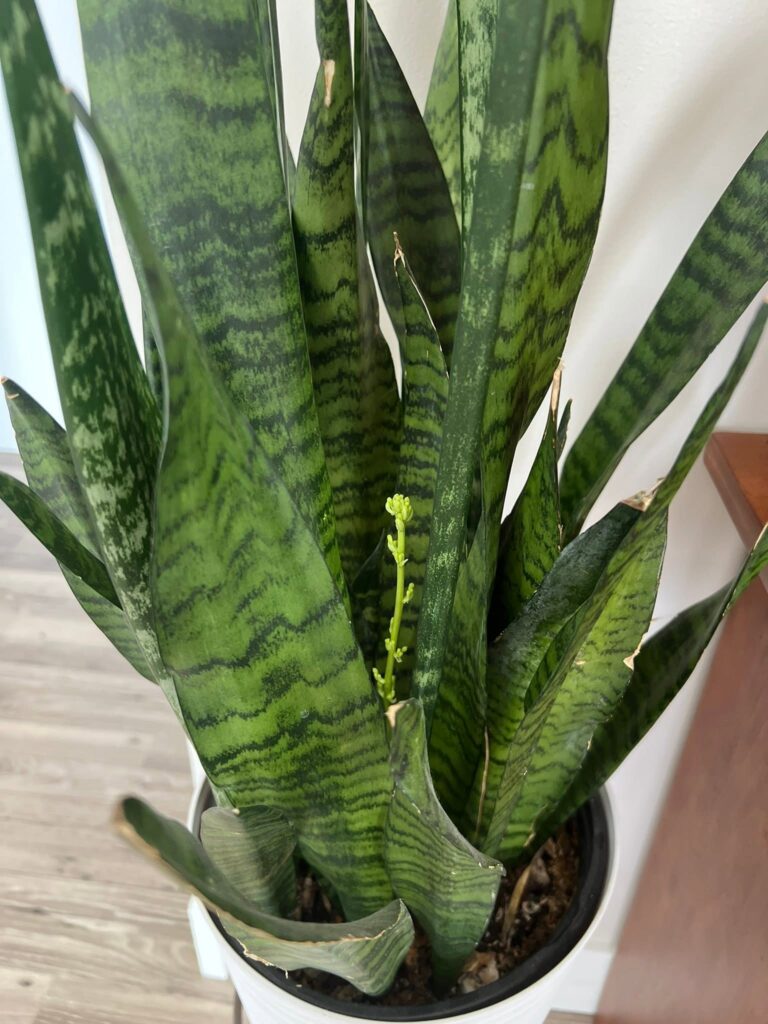
19. Snake Plant (Dracaena trifasciata)
Snake plant adapts comfortably to a wide range of light levels, including the strong brightness of a west window. Its upright, sculptural leaves handle heat and dry spells without complaint. Overwatering remains the only real threat to this otherwise resilient plant.
20. ZZ Plant (Zamioculcas zamiifolia)
Glossy, waxy leaves and a drought-tolerant rhizome system make ZZ plant well suited to a bright, sunny room. It performs just as well here as in medium light, offering genuine flexibility. Water infrequently, letting the soil dry fully each time.
21. Fiddle Leaf Fig (Ficus lyrata)
Large, violin-shaped leaves make fiddle leaf fig one of the most photographed houseplants of the past decade, and for good reason. It appreciates strong, consistent light, which a west-facing room provides in generous supply. Rotate it occasionally so growth stays even rather than lopsided.
22. Bird of Paradise (Strelitzia reginae)
This dramatic tropical plant produces broad, banana-like leaves and, under ideal conditions, striking orange and blue blooms. Bright light is essential for healthy growth and any chance of flowering indoors. Keep the soil evenly moist without letting the pot sit in standing water.
23. Euphorbia (Euphorbia trigona and related species)
Often mistaken for a cactus, this succulent-like plant actually belongs to a completely different family. A few hours of afternoon sun near a west window keeps its growth balanced and compact rather than spindly. Handle it carefully, since the milky sap can irritate skin.
24. Strawberry Begonia (Saxifraga stolonifera)
Fuzzy, rounded leaves with silvery veining give this plant a soft, textured appearance despite its tough constitution. It tolerates bright, indirect light well and occasionally produces delicate flower spikes given enough brightness. Trailing runners make it an appealing choice for a hanging pot.
25. Dracaena (Dracaena fragrans and related cultivars)
Tall, strappy leaves on a woody stem bring a relaxed, tropical look to any sunny corner. Dracaena adapts easily to the brighter conditions of a west window while remaining forgiving of occasional missed waterings. Water once the top inch or two of soil has dried.
ALSO READ: 25 Best Plants for a North-Facing Window (Low Light, High Reward)
Choosing Plants by What You Want From the Room
If You Want Bold Color
Croton, coleus, ti plant, and bloodleaf turn a west-facing room into a genuine display of foliage color, intensifying under the strong afternoon light rather than fading.
If You Want Flowers
Geranium, hibiscus, jasmine, and bougainvillea are among the most reliable flowering choices for this exposure, since blooming generally depends on consistent, strong daily light.
If You Want Low-Maintenance Greenery
Snake plant, ZZ plant, jade plant, and ponytail palm tolerate the heat and intensity of a west window while asking very little in return, making them ideal for busy households.
Managing the Heat That Comes With Afternoon Sun
Watch for scorching. If plants receive light from multiple windows or sit too close to the glass, leaves can develop pale, bleached, or crisped patches during peak summer heat.
Use a sheer curtain when needed. Filtering the most intense afternoon hours protects sensitive foliage without sacrificing the overall brightness a west window provides.
Adjust seasonally. Plants may need to move slightly farther from the glass in summer and closer again in winter, when the sunlight naturally weakens.
The sun’s angle also shifts noticeably between seasons, meaning a west window that feels moderately bright in December can turn genuinely intense by July. I check my own west-facing plants every few months, since a spot that worked well in spring sometimes needs a sheer curtain by midsummer. This small habit of reassessment prevents the slow, easy-to-miss scorching that builds up over several warm weeks.
Water more attentively in summer. Heat and bright light increase moisture loss, so soil in a west-facing room often dries out faster than in cooler parts of the home.
Common Mistakes to Avoid Near a West-Facing Window
Treating it like a shaded room. Plants suited to low or medium light, such as ferns or calathea, often struggle here unless placed several feet back from the glass.
Ignoring afternoon heat buildup. Even plants that love bright light can suffer if warm air becomes trapped near the glass without any ventilation.
Skipping the seasonal check. A spot that felt perfectly comfortable in spring can become far too intense by the height of summer, so reassess plant placement every few months as daylight hours and sun angle shift.
Overcrowding the sill. Packing too many pots together blocks light from reaching plants at the back, undermining the very brightness that makes this window valuable.
Forgetting about pets and children. Several popular west-window plants, including croton, pleomele, ti plant, and euphorbia, are toxic if ingested, so place them thoughtfully and out of easy reach in households with curious pets or young kids.
A Note on Indoor Air Quality
Many gardeners ask whether bright, sun-loving houseplants offer any real air-quality benefit alongside their visual appeal. NASA’s original research, conducted with the Associated Landscape Contractors of America, evaluated the leaves, roots, soil, and associated microorganisms of common indoor plants for their ability to reduce pollutants such as benzene, formaldehyde, and trichloroethylene inside sealed test chambers.
Later independent reviews suggest the effect is considerably smaller in an average home than in a sealed laboratory setting, since ordinary air exchange with the outdoors already removes many of these compounds. Even so, a bright windowsill filled with thriving, colorful foliage brings a genuine sense of warmth and life to a room that statistics alone cannot fully capture.
Frequently Asked Questions
Is a west-facing window good for plants? Yes. It offers strong, warm afternoon light that suits flowering plants, succulents, and bold foliage varieties, sitting comfortably between the gentler brightness of an east window and the intensity of full south exposure.
Do west-facing windows get too hot for plants? They can, particularly during summer afternoons with no obstruction. A sheer curtain or slight increase in distance from the glass usually resolves the issue.
What is the difference between east and west window light? East light arrives gently in the cooler morning hours, while west light arrives in the afternoon, when the surrounding air and room have already warmed, making it noticeably more intense.
Can succulents and cacti really thrive indoors on a west sill? Yes, and this exposure is often considered one of the best indoor spots for them, second only to an unobstructed south-facing window.
How far should plants sit from a west-facing window? Most plants that want direct light do well within about three feet of the glass, while those preferring bright indirect conditions can sit anywhere up to five feet back, based on guidance from the New York Botanical Garden’s houseplant research collection.
Final Thoughts
A west-facing window rewards plants that can handle a little drama: strong color, warm light, and real afternoon intensity. Choose two or three from this list to begin, watch how they respond over the following weeks, and adjust their placement as the seasons shift. Few things beat walking into a room in late afternoon and finding your plants glowing quietly in that last warm light of the day.
There is a certain satisfaction in matching a plant to the exact rhythm of its window. A geranium reaching toward the afternoon glow, or a jade plant thickening steadily on a sunny sill, both reflect a kind of quiet partnership between light and living things. Give these twenty-five plants a fair trial, and your west-facing room may quickly become the brightest, most alive corner of your home.
References
- North Carolina Cooperative Extension, Richmond County Center. Light Considerations for Indoor Plants. https://richmond.ces.ncsu.edu/news/light-considerations-for-indoor-plants/
- University of Minnesota Extension. Lighting for Indoor Plants and Starting Seeds. https://extension.umn.edu/planting-and-growing-guides/light-requirements-houseplants
- Colorado State University Extension / PlantTalk Colorado. Interior Plants and Light. https://planttalk.colostate.edu/topics/houseplants/1352-interior-plants-light/
- New York Botanical Garden. Houseplant Basics Research Guide. https://libguides.nybg.org/houseplantbasics
- Missouri Botanical Garden. Plant Finder: Epipremnum aureum. https://www.missouribotanicalgarden.org/PlantFinder/PlantFinderDetails.aspx?taxonid=276360
- NASA Spinoff. Toxin-Eating Plants. https://spinoff.nasa.gov/Toxin_Eating_Plants
- NASA Technical Reports Server. A Study of Interior Landscape Plants for Indoor Air Pollution Abatement. https://ntrs.nasa.gov/citations/19930072988

Tim M Dave is a gardening expert with a passion for houseplants, particularly cacti and succulents. With a degree in plant biology from the University of California, Berkeley, he has vast experience in gardening. Over the years, he has cultivated a vast collection of desert plants and learned a great deal about how to grow and care for these unique companions.