Gaillardia Arizona Sun: Identification, Growing and Care for This Fiery Blanket Flower
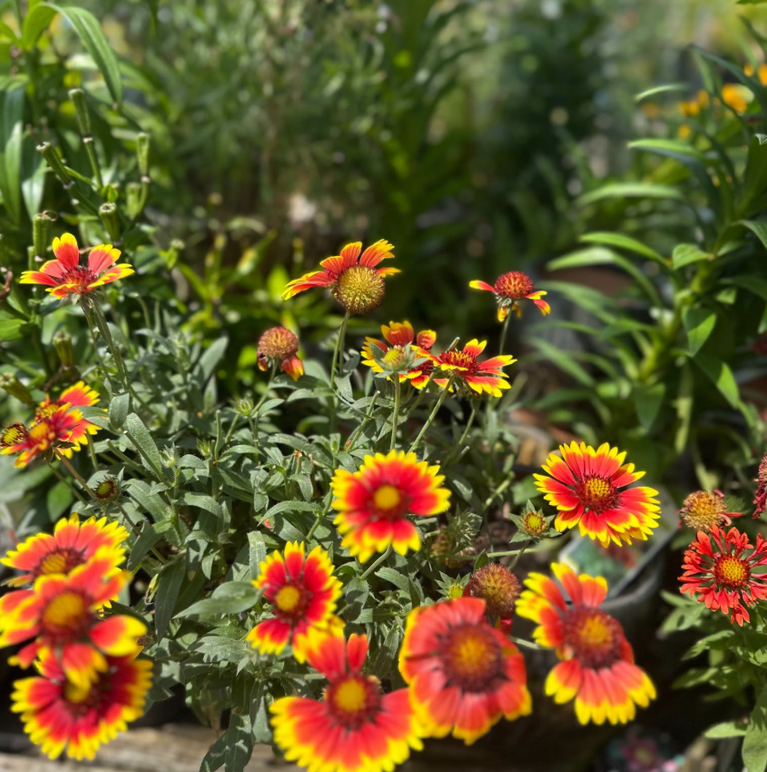
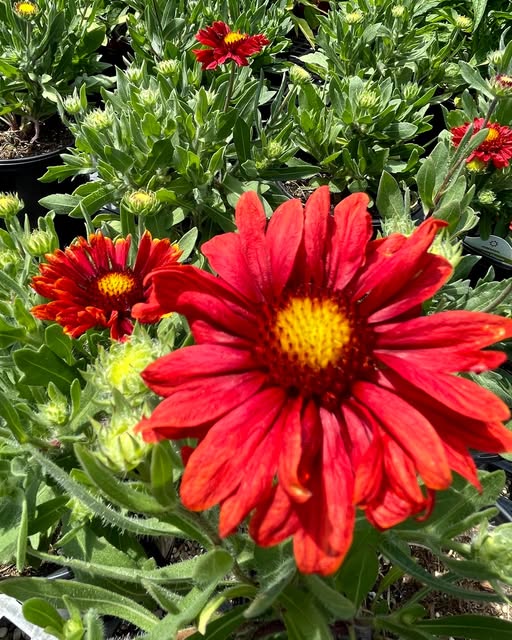
Gaillardia ‘Arizona Sun’ is a compact, drought-tolerant blanket flower that grows just 6 to 12 inches tall and 12 to 18 inches wide, producing fiery orange-red blooms with yellow-tipped petals from May through August.
It needs full sun, lean well-drained soil, and minimal water once established. Deadhead to extend bloom, avoid rich compost, divide every two to three years, and expect the plant to live three to five years before it needs replacing or dividing, since it is a naturally short-lived perennial.
I planted my first ‘Arizona Sun’ more than a decade ago, almost by accident, tucked into a gravel path edge where nothing else seemed to want to grow. It rewarded that neglect with the longest, brightest bloom run of anything else in the bed.
That contrast between toughness and showiness is really the whole story of this plant, and it is why so many gardeners search for it by name rather than just “blanket flower.”
This guide covers everything you need to plant, grow, and maintain Gaillardia ‘Arizona Sun’ successfully.
What Makes ‘Arizona Sun’ Different From Other Blanket Flowers
Gaillardia is a genus of roughly 30 species of annuals, perennials, and biennials native to West, Central, and Southern North America and South America, mostly found on open sunny prairies and hillsides. ‘Arizona Sun’ stands out within that genus for a few specific reasons.
It was bred for performance, not just looks. ‘Arizona Sun’ was bred by the German seed company Benary and earned both a 2005 All-America Selections award and a 2005 Fleuroselect Gold Medal, two of the most respected trial-garden honors in horticulture.
Plants do not win these awards by accident; they are judged against competitors across multiple trial sites for vigor, bloom performance, and garden value.
It is genuinely compact. Where many blanket flowers stretch two to three feet tall, ‘Arizona Sun’ forms a tidy mound only half a foot to one foot in height and roughly one to one and a half feet wide. That makes it useful for border fronts, rock gardens, and containers where taller gaillardias would flop or overwhelm the space.
Its parentage causes some labeling confusion. You will see ‘Arizona Sun’ listed under Gaillardia aristata, Gaillardia x grandiflora, and occasionally Gaillardia pulchella depending on the supplier.
The Arizona Series originated as a trademarked Benary breeding line, and Gaillardia x grandiflora itself is a hybrid cross between the perennial G. aristata and the annual G. pulchella, inheriting its long flowering period and rapid growth from the annual parent and its perennial habit from the other.
If your plant tag looks slightly different from someone else’s, that inconsistency is common across the trade rather than a sign anything is wrong.
Choosing the Right Site
Full sun is non-negotiable for this plant. Gaillardia requires full sun and well-drained soil to prosper, and given too much shade, the plants tend to flop over rather than standing upright with strong color.
Soil drainage matters just as much as sunlight. The plant prefers organically rich, moist soils that drain well, but it tolerates dry soils and drought once established, and it generally handles heat, humidity, and poor soils without complaint.
The one condition it does not forgive is heavy clay, where standing water around the crown invites root rot.
If your garden has a spot that other perennials struggle with, gravelly slopes, hot parking-strip beds, or sandy soil near a driveway, that is often exactly where ‘Arizona Sun’ performs best.
Planting and Spacing
Space plants 12 to 18 inches apart to match their mature spread and to keep good airflow between crowns, which helps prevent fungal problems later in the season.
Avoid the common mistake of planting it like a typical perennial. Do not enrich the soil with compost or other rich amendments when planting Gaillardia, since it performs best in poor, loose soils and struggles in heavy, fertile ground.
This is one of the few ornamentals where skipping the usual soil-improvement step actually helps the plant.
Plant in spring after the danger of frost has passed, or in fall with enough time for roots to establish before the ground freezes in colder zones.
Watering: Less Is More
‘Arizona Sun’ is rated for dry to medium moisture once established, and overwatering causes far more problems for this plant than underwatering ever will.
During the first growing season, water consistently to help the root system establish, especially during dry stretches. After that first year, supplemental water is really only necessary during extended drought or unusually long heat waves.
Avoid overhead watering where possible. Keep Gaillardia on the dry side and avoid overhead watering, since wet foliage left standing overnight encourages the leaf spot and powdery mildew this plant is otherwise fairly resistant to.
If you do need to water, morning watering at the soil line is far safer than an evening sprinkle.
Containers dry out faster. If you are growing ‘Arizona Sun’ in a pot, check soil moisture more frequently than you would for an in-ground planting, since pots offer less buffer against heat and evaporation.
Feeding: Why Less Fertilizer Is Better
This is a plant that genuinely does not want to be pampered. Commercial growers maintain only a moderate fertility rate, and home gardeners should follow the same instinct. A single light application of a balanced fertilizer in spring is usually plenty.
Heavy nitrogen feeding produces the opposite of what most gardeners want: lush, soft foliage with fewer flowers and weaker stems that flop in wind or rain.
If your ‘Arizona Sun’ looks a little lean compared to neighboring perennials, that is often exactly what healthy growth looks like for this species.

Deadheading and Mid-Season Pruning
Deadheading spent blooms is the single most effective way to extend the flowering season on this plant. Removing spent flowers encourages additional bloom and tidies the planting while encouraging reblooming through summer.
If the plant becomes leggy or sparse by midsummer, more aggressive action helps. If plants get too leggy and need rejuvenation in summer, cutting them back to basal growth resets the plant and often triggers a fresh flush of compact new growth and renewed flowering later in the season.
My own rule of thumb: deadhead lightly every week or two through the main bloom flush, then do one harder cutback in late July if the center of the plant starts looking thin. It feels counterintuitive to cut back a plant that is still flowering, but it pays off by September.
Pests and Diseases to Watch For
‘Arizona Sun’ is not a pest magnet, but it is not bulletproof either. Knowing what to look for catches problems early.
Root rot shows up most often after poorly drained soils experience protracted heavy summer rains. There is no cure once root rot sets in; prevention through good drainage is the only real defense.
Powdery mildew, aster yellows, and fungal leaf spot are all diseases this plant is susceptible to, particularly in humid climates or crowded plantings with poor airflow. Spacing plants properly and watering at the soil line reduce the risk considerably.
Aphids and leafminers are the main insect pests to watch for. Both are usually manageable with insecticidal soap or simply tolerating moderate damage, since neither tends to kill an established plant outright.
Aster yellows deserves special mention. This phytoplasma disease, spread by leafhoppers, causes distorted, discolored flowers and has no cure once a plant is infected. If you see strange green growth replacing normal flower color, removing the entire plant, roots included, is the safest response.
Dividing and Managing a Short Lifespan
Here is the part that surprises new growers most: ‘Arizona Sun’, like most Gaillardia hybrids, is a relatively short-lived perennial.
Most blanket flower varieties decline within three to five years, sometimes faster in humid climates or poorly draining soil, and regular deadheading and dividing helps them persist longer.
Dividing every two to three years keeps plants vigorous and delays this decline meaningfully. Growers and breeders both recommend dividing clumps in either spring or fall, lifting the root mass and splitting it into smaller sections before replanting.
I used to think a fading ‘Arizona Sun’ meant I had done something wrong. It usually just means the plant has reached the natural end of its productive cycle, and division or replacement is simply part of owning this species rather than a maintenance failure.
Why Pollinators Love This Plant
Few compact perennials pull in pollinator traffic the way ‘Arizona Sun’ does. Flowers attract pollinators like bees and butterflies, and the seed heads that follow attract birds, particularly goldfinches, through fall.
This matters more than it might seem at first glance. Pollinators are responsible for reproduction in roughly three-fourths of the world’s flowering plants and about 35% of global food crops, meaning a pollinator-friendly bed does measurable ecological work beyond simply looking attractive.
Leaving a portion of spent flower heads in place through autumn, rather than deadheading everything, gives birds a reliable late-season food source while the plant finishes its natural cycle.
Growing ‘Arizona Sun’ in Containers
This cultivar’s compact size makes it one of the better gaillardias for container culture, and large patio containers are specifically recommended for this variety.
A few container-specific adjustments matter:
- Use well-drained potting mix, never garden soil straight from the bed, since pots concentrate moisture problems quickly
- Choose a container with generous drainage holes, since this plant tolerates drought far better than it tolerates soggy roots
- Expect more frequent watering than an in-ground planting, particularly during summer heat
- Repot or divide sooner than you would an in-ground clump, since limited soil volume accelerates the natural decline of this short-lived perennial
Companion Planting Ideas
‘Arizona Sun’ pairs naturally with other plants adapted to hot, dry, sunny conditions. Ornamental grasses such as blue grama work well alongside blanket flower in naturalistic plantings, as do other prairie natives like black-eyed Susan and coneflower.
For a xeriscape or low-water bed, combining ‘Arizona Sun’ with sedums, Russian sage, or yarrow creates a planting that needs almost no irrigation once established, while still delivering color from late spring through the first frost.
Common Problems and Quick Fixes
- Plant is flopping over. Almost always a sunlight issue. Move it, or accept that it needs at least six hours of direct sun to stay upright and compact.
- Flowering has slowed dramatically by midsummer. Deadhead more aggressively, and consider a hard cutback to basal growth if the center looks thin or woody.
- Plant looks weak or leggy despite full sun. Check for over-fertilizing or soil that is too rich. This plant performs best when slightly underfed.
- Leaves show distorted color or strange growth. Suspect aster yellows. Remove the entire plant rather than waiting to see if it recovers.
- Plant didn’t return this spring. This is common with Gaillardia generally, especially after a wet winter or in a plant that was never divided. Treat it as you would a short-lived perennial and replace or replant from a division taken the previous fall.
Quick Care Checklist
- Sun: full sun, at least six hours daily
- Soil: lean, well-drained; avoid rich compost at planting
- Water: dry to medium moisture; deep but infrequent once established
- Fertilizer: light and occasional; skip heavy nitrogen feeding
- Deadheading: regular, to extend bloom through summer
- Division: every two to three years to maintain vigor
- Watch for: root rot, powdery mildew, aster yellows, aphids, leafminers
- Expected lifespan: roughly three to five years per planting cycle
Hardiness Zones and Regional Performance
‘Arizona Sun’ is rated hardy across USDA zones 3 to 10, which is an unusually wide range for a single cultivar and part of why it shows up in gardens from Minnesota to Arizona.
In colder zones (3 to 6), the plant generally behaves as a true perennial but benefits from a light winter mulch in regions with minimal snow cover, since exposed crowns can suffer in repeated freeze-thaw cycles.
Cutting the plant back after frost, rather than leaving tall dead stems, reduces the risk of moisture pooling around the crown over winter.
In warmer zones (7 to 10), the bigger challenge tends to be summer humidity rather than cold. Southern and coastal gardeners often see shorter plant lifespans and more disease pressure from powdery mildew and aster yellows.
This is simply because warm, humid nights favor both fungal growth and the leafhoppers that spread phytoplasma diseases. Extra attention to spacing and airflow pays off more in these regions than in drier climates.
In hot, arid zones, ‘Arizona Sun’ tends to perform closest to its native prairie ancestors’ conditions, tolerating heat and dry soil with very little intervention beyond occasional deep watering during the most extreme stretches of summer.
Knowing which challenge applies to your specific climate, cold dormancy, humidity disease pressure, or drought, helps you focus maintenance effort where it actually matters instead of following a generic care calendar.
Cut Flowers and Garden Design Uses
Beyond the garden bed, ‘Arizona Sun’ earns its keep as a cut flower. Missouri Botanical Garden specifically notes its flowers as both showy and good for cutting, and the sturdy stems hold up well in arrangements for several days with basic care like fresh water and a clean vase.
Design-wise, the compact habit makes it a natural fit for the front third of a mixed perennial border, where taller plants behind it can provide a backdrop without overshadowing its relatively low mound.
It also works well repeated in mass plantings along a walkway or driveway edge, where its uniform size creates a tidy, continuous band of color rather than the somewhat scattered look taller gaillardias can develop.
For gardeners building a pollinator strip or a low-water demonstration bed, ‘Arizona Sun’ is often one of the first plants recommended specifically because it delivers strong color without the irrigation demands of more conventional bedding plants.
Frequently Asked Questions
Is Gaillardia ‘Arizona Sun’ a perennial or an annual? It is grown and sold as a perennial, hardy in USDA zones 3 to 10, but it behaves as a relatively short-lived perennial, typically declining within three to five years without division.
How big does ‘Arizona Sun’ actually get? According to Missouri Botanical Garden plant records, it reaches just half a foot to one foot in height and one to one and a half feet in spread, making it noticeably more compact than many other blanket flower varieties.
Does Arizona Sun need to be deadheaded? Not strictly, but deadheading meaningfully extends bloom time and keeps the plant looking tidy through summer. Leaving some late-season flowers in place benefits birds.
Why is my Arizona Sun blanket flower dying after a couple of years? This is normal behavior for the species. Gaillardia hybrids are naturally short-lived, and regular division every two to three years is the standard way to keep a planting going long term.
Can Arizona Sun grow in a container? Yes, and its compact size makes it well suited to large patio containers, though it will need more frequent watering and earlier division than an in-ground planting.
What is the biggest mistake people make growing this plant? Overwatering and over-fertilizing are the two most common errors. This plant performs best in lean soil with minimal supplemental water once it is established.
Is Arizona Sun the same plant as regular blanket flower? It is a specific bred cultivar within the Gaillardia genus, distinct from wild Gaillardia aristata or seed-grown Gaillardia x grandiflora mixes, selected and trialed for its compact size and award-winning bloom performance.
Does Arizona Sun make a good cut flower? Yes. Its sturdy stems and large, long-lasting blooms hold up well in fresh arrangements, and Missouri Botanical Garden specifically lists it as a good cut flower variety.
Final Thoughts
‘Arizona Sun’ earns its name honestly. It wants heat, it wants light, and it wants to be left mostly alone once it settles in.
I have found that the gardeners who struggle with this plant are almost always the ones treating it like a typical thirsty annual bedding plant rather than the tough, taprooted prairie native it actually is.
Give it sun, give it drainage, and resist the urge to baby it, and ‘Arizona Sun’ will give you one of the longest, most reliably colorful bloom seasons of anything in a sunny border.
References
- Missouri Botanical Garden. Gaillardia ‘Arizona Sun’ – Plant Finder. https://www.missouribotanicalgarden.org/PlantFinder/PlantFinderDetails.aspx?taxonid=263432&isprofile=0
- North Carolina State University Extension Gardener Plant Toolbox. Gaillardia aristata (Great Blanket Flower). https://plants.ces.ncsu.edu/plants/gaillardia-aristata/
- North Carolina State University Extension Gardener Plant Toolbox. Gaillardia x grandiflora (Blanket Flower). https://plants.ces.ncsu.edu/plants/gaillardia-x-grandiflora/
- University of Missouri Extension. Gaillardia: Drought-Tolerant Color in the Garden. https://extension.missouri.edu/news/gaillardia-drought-tolerant-color-in-the-garden
- USDA Forest Service. Plant of the Week: Blanketflower (Gaillardia aristata). https://www.fs.usda.gov/wildflowers/plant-of-the-week/gaillardia_aristata.shtml
- USDA Natural Resources Conservation Service. Blanketflower (Gaillardia aristata) Plant Guide. https://www.nrcs.usda.gov/plantmaterials/mtpmcpg14059.pdf
- USDA Natural Resources Conservation Service, Plant Materials Technical Note No. MT-71. Blanketflower: A Native Conservation Wildflower for Use in the Northern Great Plains and Rocky Mountains. https://www.nrcs.usda.gov/plantmaterials/mtpmctn10693.pdf

Tim M Dave is a gardening expert with a passion for houseplants, particularly cacti and succulents. With a degree in plant biology from the University of California, Berkeley, he has vast experience in gardening. Over the years, he has cultivated a vast collection of desert plants and learned a great deal about how to grow and care for these unique companions.