Deadheading Flowers: Essential Summer Tips for Longer Blooms, and Healthier Plants
If you have ever watched your once-vibrant flower bed start to look tired and patchy by mid-July, you are not alone. The single most effective habit that separates a thriving summer garden from a declining one is consistent deadheading.
Deadheading — the practice of removing old, spent blooms — is one of the most straightforward and rewarding gardening tasks you can do. It costs nothing but a few minutes of your time.
Many gardeners either overlook it or do not fully understand how to do it correctly. This guide covers everything you need to know: what deadheading is, why it matters specifically in summer, how to do it properly for different plant types, and the key mistakes to avoid.
Deadheading at a Glance
| What is Deadheading? | Removing spent or fading flower heads from plants |
| Primary Goal | Redirect plant energy from seed production to new blooms |
| Best Season | Late spring through early autumn (peak: summer) |
| Frequency | Every 3–7 days during peak blooming season |
| Tools Needed | Pruning shears, garden scissors, or fingers (pinching) |
| Best Time of Day | Morning, after dew has dried |
| Plants That Benefit Most | Roses, petunias, marigolds, zinnias, dahlias, cosmos, geraniums |
| Plants to Avoid Deadheading | Ornamental seed-heads (alliums, rudbeckia for birds), self-cleaning varieties |
| Common Mistake | Cutting too low or leaving too long a stub |
| End-of-Season Note | Stop deadheading 4–6 weeks before first frost to allow hardening |
What Is Deadheading? A Clear Definition
Deadheading is the deliberate removal of flowers that have finished blooming. Once a flower fades and begins to wither, the plant shifts its energy toward producing seeds. This is a natural survival mechanism — the plant’s job, biologically speaking, is to reproduce.
But for gardeners who want colour and blooms rather than seeds, this biological priority works against us.
By removing the spent flower before the seed sets, you send a clear message to the plant: keep blooming. The plant responds by producing more flower buds in an attempt to complete its reproductive cycle. The result is a garden that continues flowering far longer than it otherwise would.
It is worth noting that deadheading is not the same as pruning. Pruning involves cutting back stems and branches for structural reasons. Deadheading is specifically about the flowers — and it is far less intimidating than it sounds.
Why Deadheading Matters More in Summer
Summer presents unique conditions that make deadheading especially important.
First, heat accelerates bloom cycles. Flowers that might last a week in spring can fade within two or three days during a summer heatwave. This means spent blooms accumulate faster, and the window for removing them before seed-setting begins is shorter.
Second, summer is peak growing season. Plants have maximum energy and root activity in warm months. When you deadhead in summer, you are working with a plant at its most responsive. The rebound — new buds forming — happens more quickly than at any other time of year.
Third, humidity and heat combine to create disease pressure. Old, rotting flower heads left on plants can harbour fungal diseases such as botrytis (grey mould), which spreads rapidly in warm, moist summer conditions. Removing spent blooms regularly reduces this risk considerably.
Finally, aesthetics matter. A garden full of brown, drooping dead heads looks neglected and uninviting. During the season when your garden is most on display — for yourself, your family, or guests — keeping it deadheaded makes a visible difference.
The Science Behind It: How Deadheading Works
Understanding the biology makes the practice make more sense.
When a flower is pollinated and begins to form a seed head, the plant produces hormones — particularly ethylene — that signal the rest of the plant to slow flowering.
Resources such as sugars, nitrogen, and water are redirected to the developing seeds. This hormonal shift is what causes your plants to stop blooming.
When you remove the spent flower before seeds mature, you interrupt this signalling process. The plant, sensing that reproduction has not been completed, continues to put energy into producing new flowers.
Research from university horticulture departments has consistently confirmed this mechanism, and it explains why regular deadheading produces dramatically more blooms over a season than infrequent or no deadheading.
It is also worth understanding that not all seed development looks dramatic. Some plants form small, inconspicuous seed pods very quickly after flowering. If you wait until the flower looks completely brown, you may already be too late to fully redirect that energy.
The ideal time to deadhead is when the petals begin to wilt or fade — not when they are already dry and dropping.
Summer Deadheading Tips
1. Deadhead at the Right Time of Day
The best time to deadhead is in the morning, after the dew has dried but before the afternoon heat sets in. Plants are hydrated and resilient in the morning, making cuts cleaner and reducing stress.
Avoid deadheading in the intense midday sun, especially during heatwaves. If you must work in the afternoon, water the plant first.
2. Use the Right Tools — and Keep Them Clean
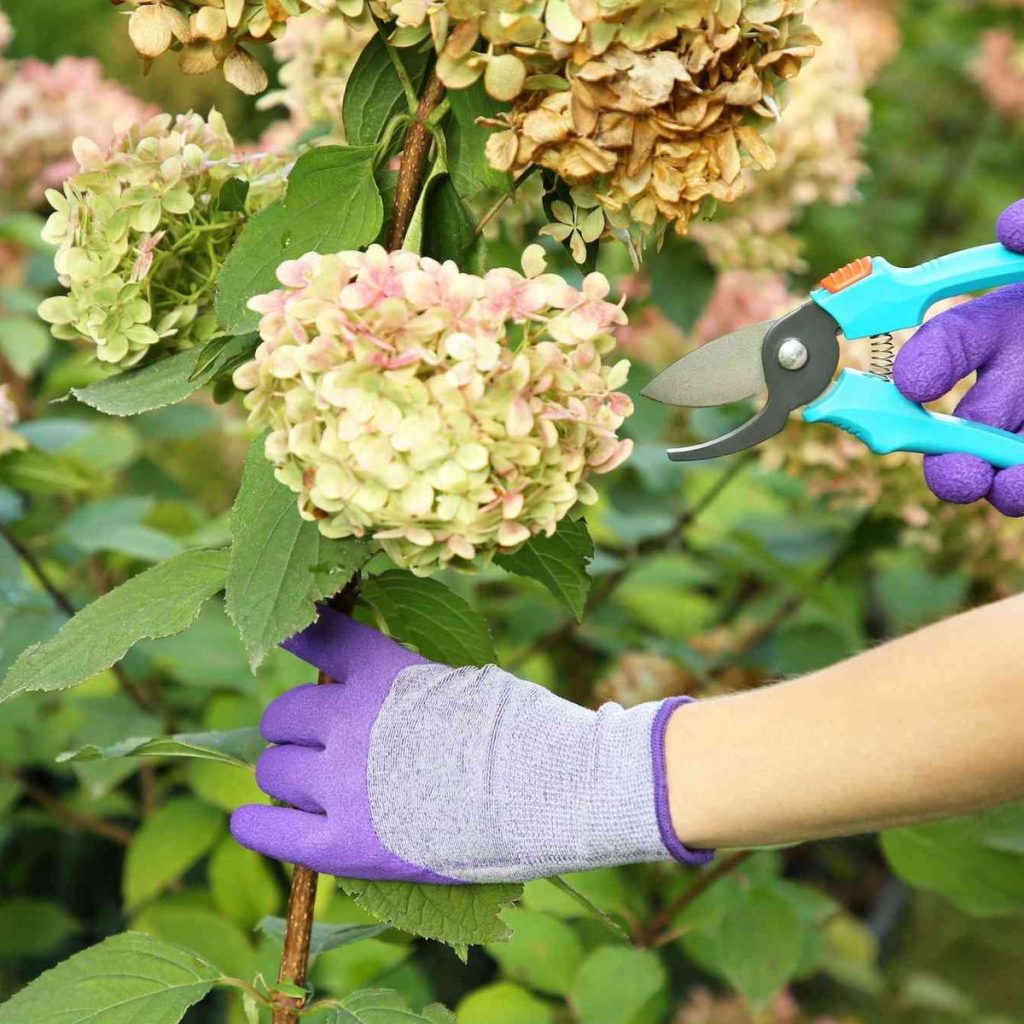
For most flowers, a pair of sharp garden scissors or bypass pruners works well. Blunt tools crush stems rather than cut them, leaving ragged wounds that invite disease. Always clean your tools between plants, especially if any plant shows signs of disease.
A simple wipe with a cloth dampened in diluted bleach (1 part bleach to 9 parts water) is sufficient.
For soft-stemmed annuals like petunias and impatiens, you can simply pinch off the spent bloom with your fingers. This is called “finger deadheading” and is perfectly effective for delicate plants.
3. Know Where to Cut
This is where many gardeners make mistakes. Do not simply snap off the flower head at the base of the bloom. Instead, follow the stem down to the nearest set of healthy leaves or to a lateral bud — a small, emerging bud growing from the side of the stem — and cut just above that point.
This technique, sometimes called “cutting to a node,” encourages the plant to branch and produce multiple new flower stems rather than just one. Over the course of a summer, this leads to a bushier, more floriferous plant.
For plants with very long flower stems, such as roses, cutting back by about one-third of the stem is appropriate. This promotes stronger re-blooming.
4. Deadhead Every 3 to 7 Days During Peak Summer
During July and August, when plants are blooming at their fastest, aim to deadhead at least once a week, and ideally every three to four days. This prevents any spent blooms from setting seed and keeps the garden looking its best.
I find a gentle walk through the garden with scissors in hand — morning coffee nearby — is a pleasant ritual rather than a chore.
5. Dispose of Spent Blooms Properly
Do not leave deadheaded flowers on the soil surface. They can harbour pests and disease organisms. Compost healthy spent blooms, but discard any that show signs of disease (mould, unusual discolouration, insect damage) in your general waste rather than the compost bin.
Deadheading Specific Summer Flowers
Different plants require slightly different approaches. Here is what you need to know for the most common summer bloomers.
Roses
Roses are perhaps the most rewarding plants to deadhead in summer. Cut spent rose blooms back to the first set of five-leaflet leaves below the flower, using clean, sharp pruners. Make the cut at a 45-degree angle, sloping away from the bud. This encourages a strong, healthy new shoot.
For climbing roses, be more selective — only remove individual spent flowers unless the variety is known to repeat-bloom, in which case fuller deadheading is appropriate.
Petunias
Petunias are heavy summer bloomers but can become “leggy” if not managed. Deadhead by pinching off spent flowers along with their sticky green calyxes, which is the small cup-like structure holding the flower. Do not just remove the petals — the calyx is where the seed develops.
Every three to four weeks, consider cutting petunia plants back by one-third to rejuvenate them and encourage a fresh flush of blooms. This is especially useful in mid-summer when they may start to look straggly.
Marigolds
Marigolds are easy and forgiving. Snap off the entire flower head by gripping it firmly at the base and twisting, or use scissors. Marigolds are prolific re-bloomers and will reward regular deadheading with a constant supply of cheerful colour throughout summer.
Zinnias
Zinnias thrive with consistent deadheading. Cut the stem back to a lateral bud or leaf node. Zinnias that are regularly deadheaded produce more stems and larger flowers than those left unattended. They are one of the most responsive plants to this practice.
Dahlias
Deadheading dahlias correctly requires care. Cut the spent bloom back to the nearest set of leaves, taking the full stem of the spent flower. Leave any developing buds intact — it is easy to accidentally remove a promising new bud if you are not paying close attention.
Dahlias can produce blooms well into autumn with proper summer care.
Geraniums (Pelargoniums)
For geraniums, remove the entire flower stalk down to its base where it meets the main stem. Leaving stubs encourages rot. Geraniums respond extremely well to deadheading and will bloom continuously through summer if kept tidy.
Cosmos
Cosmos are forgiving and rewarding. Snip spent flowers back to a leaf node. These plants also benefit from being cut for indoor arrangements — cutting fresh flowers functions as a form of deadheading and encourages further blooming.
Lavender
Lavender is handled slightly differently. Rather than individual flower removal, shear the entire plant lightly after the first main flush of blooms, removing the top third of the flower spikes. This promotes a second, slightly smaller flush later in summer and keeps the plant compact.
Plants You Should NOT Deadhead (Or Should Deadhead Selectively)
Not every plant benefits from deadheading. Knowing when to leave well enough alone is just as important.
- Ornamental grasses: Do not deadhead. Their seed heads are a major part of their winter appeal and provide food for birds.
- Rudbeckia (Black-eyed Susan): Can be partially deadheaded in summer for more blooms, but leaving some heads for birds in late summer and autumn is a sound ecological choice.
- Alliums: Their architectural seed heads are beautiful and worth keeping after flowering.
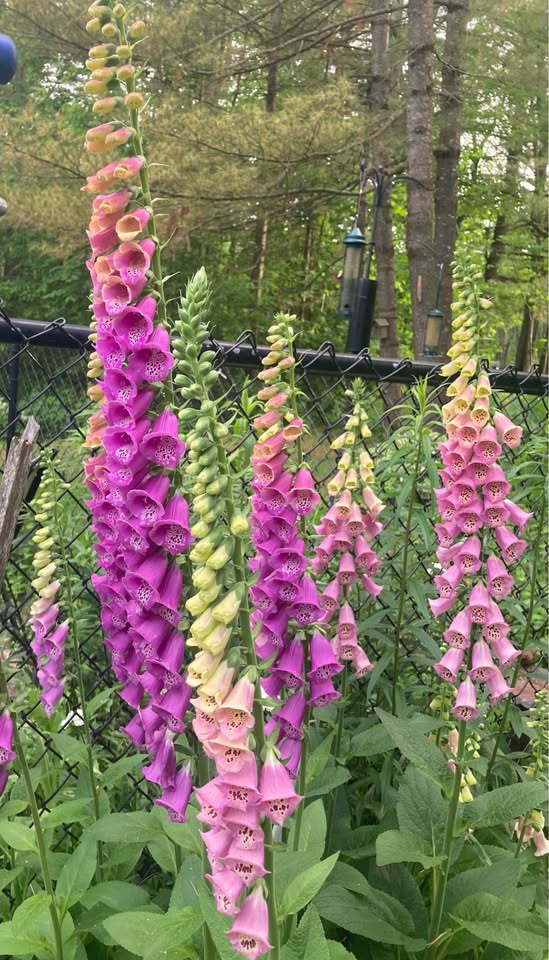
- Foxglove (Digitalis): If you want self-seeding — and foxglove self-seeds freely and beautifully — leave spent flower spikes. If you do not want them to spread, remove them before seeds disperse.
- Self-cleaning annuals: Varieties such as Impatiens ‘Sunpatiens’ and some modern petunia hybrids are bred to drop their spent blooms automatically. These require no deadheading at all, though a light trim in mid-summer can help rejuvenate them.
Common Deadheading Mistakes to Avoid
Even experienced gardeners sometimes get this wrong. Here are the most frequent errors and how to correct them.
Mistake 1: Removing only the petals. Pulling off petals but leaving the seed-forming structure (the ovary) behind means seed development continues. Always remove the entire flower head including its base.
Mistake 2: Cutting too low. Cutting far below the spent bloom removes healthy stem and potential new buds. Always cut to the nearest node or lateral bud.
Mistake 3: Deadheading too infrequently. Many gardeners deadhead once every two weeks or only when the garden looks obviously untidy. By then, seeds have already begun to form. Weekly deadheading during peak summer is the minimum for most flowering plants.
Mistake 4: Using dirty or blunt tools. This is an invitation for disease. Sharp, clean tools every time.
Mistake 5: Stopping deadheading too late in the season. In autumn, many plants benefit from being allowed to set seed before winter. Stop deadheading around four to six weeks before the first expected frost in your area, so the plant can complete its natural cycle and harden off properly.
Deadheading and Garden Ecology
Modern garden thinking rightly encourages us to consider the ecological value of our choices. Deadheading does reduce seed production, which means fewer seeds for birds and fewer opportunities for self-seeding next year. A balanced approach works well here.
Deadhead heavily through the height of summer to maximise blooms and plant health. Then, as summer transitions into early autumn, begin allowing some plants to set seed.
This provides food for birds, supports pollinators who use seed heads for shelter, and lets your garden self-seed naturally into next year.
Plants like echinacea, rudbeckia, and sunflowers are particularly worth leaving for birds in late summer and autumn. The seeds of these plants are an important food source for finches and sparrows before winter.
Deadheading in Summer Heat
During periods of extreme summer heat — heatwaves, drought conditions — plants are already under stress. A few adjustments help during these times.
Water deeply before and after deadheading during a heatwave. The minor mechanical stress of cutting, combined with heat and drought, can temporarily set a plant back if it is already water-stressed.
Deadhead in the early morning during hot spells, never in the afternoon.
Do not be alarmed if re-blooming slows during extreme heat. Many plants pause their flowering cycle when temperatures rise above 32°C (90°F). This is normal. Deadheading still removes potential seed heads and positions the plant to re-bloom when temperatures ease.
Tools for Deadheading
You do not need a large toolkit. The following are sufficient for most gardens:
- Bypass pruners: The go-to tool for most deadheading tasks. Sharp, clean cuts. Preferred over anvil pruners, which can crush delicate stems.
- Garden scissors: Ideal for fine-stemmed flowers like cosmos, petunias, and annual salvias.
- Hedge shears: Useful for mass deadheading of low-growing plants like alyssum or lobelia — simply shear the entire plant lightly.
- Your fingers: Perfectly adequate for pinching soft-stemmed plants. No tools required.
Keep a small bucket or trug with you as you work, to collect spent flowers cleanly rather than leaving them on the ground.
Quick Deadheading Routine for a Summer Garden
Here is a simple weekly routine that keeps a summer garden looking its best without consuming much time.
- Monday morning: Walk the border with bypass pruners. Deadhead roses and dahlias. Check for any disease signs.
- Wednesday: Quick walk with scissors. Deadhead petunias, geraniums, and marigolds. Pinch zinnias and cosmos by hand if needed.
- Friday or Saturday: Tidy up any remaining spent blooms. Compost healthy material.
This three-pass routine, taking perhaps 20 to 30 minutes total depending on garden size, is sufficient for most home gardens during peak summer.
Final Thoughts
Deadheading is one of those garden habits that seems almost too simple to matter — until you compare a deadheaded plant to an unmanaged one. The difference, by midsummer, is extraordinary.
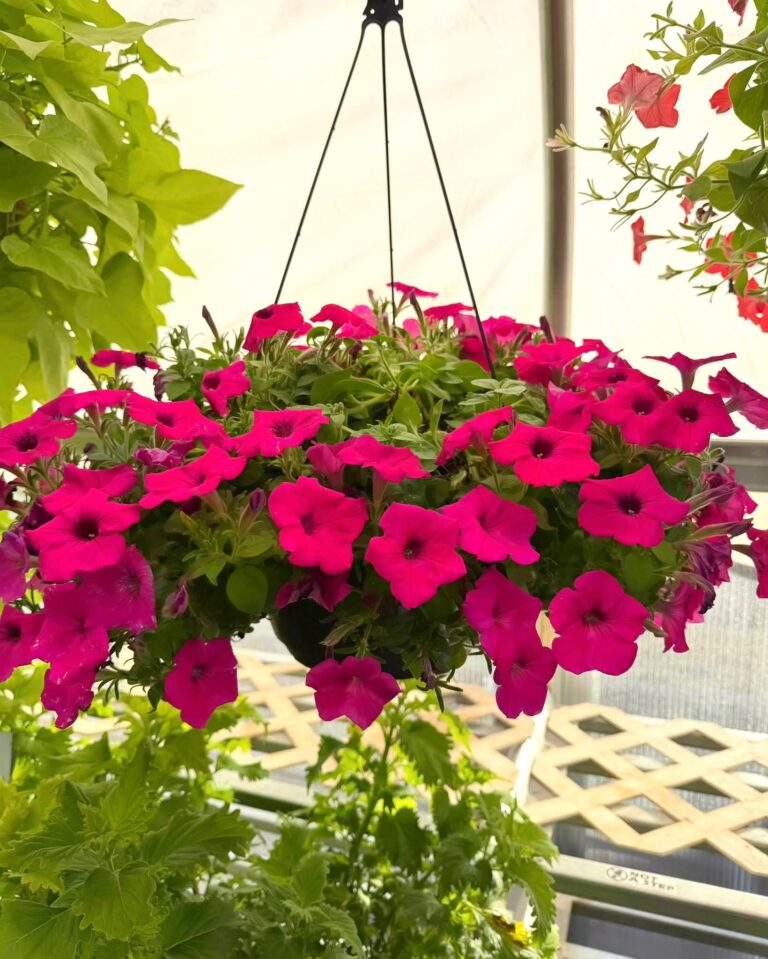
A deadheaded petunia hanging basket will still be bursting with colour in September. Its unattended counterpart will be struggling and sparse by July.
I have always found deadheading to be one of the most meditative parts of gardening. There is something grounding about the quiet focus it requires — checking each plant, making deliberate cuts, watching the garden respond over the following days. It connects you to your garden in a way that more mechanical tasks do not.
Start this summer. Start today, even. The plants will thank you for it — in bloom after beautiful bloom.

Tim M Dave is a gardening expert with a passion for houseplants, particularly cacti and succulents. With a degree in plant biology from the University of California, Berkeley, he has vast experience in gardening. Over the years, he has cultivated a vast collection of desert plants and learned a great deal about how to grow and care for these unique companions.