Endless Summer Hydrangea Care: Growing, Pruning, and Reblooming Success
Endless Summer hydrangeas changed how gardeners think about hydrangeas. Before their introduction, bigleaf hydrangeas were notoriously unreliable — a late frost or a careless pruning session could wipe out an entire season’s bloom. Endless Summer broke that pattern.
These plants bloom on both old and new wood, meaning they flower more reliably, more abundantly, and for a longer period than traditional varieties. But they still require proper care to perform at their best. This guide covers everything you need to know.
What Is the Endless Summer Hydrangea?
Endless Summer is not a single plant — it is a brand collection of reblooming bigleaf hydrangeas (Hydrangea macrophylla) developed by Bailey Nurseries and introduced in 2004.
The original variety, simply called ‘Endless Summer The Original’, was a breakthrough in hydrangea breeding. It was the first widely available bigleaf hydrangea capable of producing flowers on both old wood (last year’s stems) and new wood (current season’s growth).
This reblooming trait is what sets Endless Summer apart. Traditional bigleaf hydrangeas bloom only once, on old wood. If that wood is damaged by frost or cut back at the wrong time, you lose the year’s flowers entirely.
Endless Summer produces a second — and sometimes third — flush of bloom through the growing season, making it far more forgiving and rewarding.
The collection has since expanded to include several named varieties:
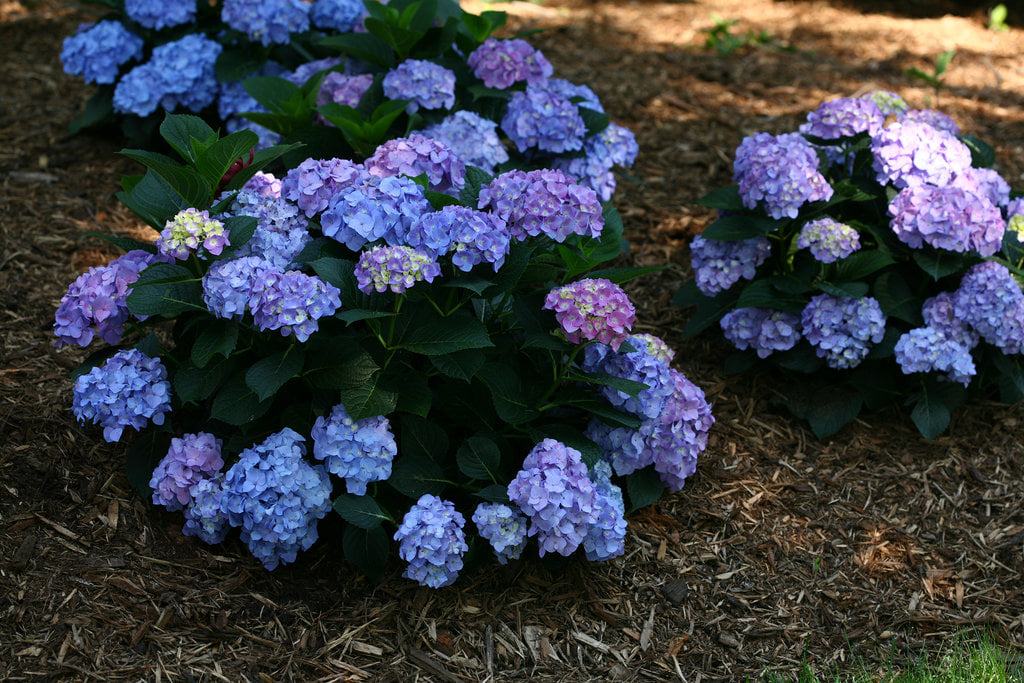
- The Original — classic mophead flowers in blue or pink
- Bloomstruck — deep pink to violet flowers with red stems; excellent heat tolerance
- Twist-n-Shout — lacecap form with a delicate, open flower structure
- BloomStruck — bold colour with improved disease resistance
- Summer Crush — compact habit with raspberry red to purple flowers
- Blushing Bride — white flowers that blush pink as they age
Each has slightly different characteristics, but the core care principles apply across the entire collection.
Understanding the Reblooming Mechanism
To care for Endless Summer hydrangeas properly, it helps to understand how they bloom.
Bigleaf hydrangeas form flower buds in late summer and autumn. These buds overwinter on the stems (old wood) and open the following spring and early summer.
In traditional varieties, those overwintered buds are the only buds available. Frost damage or pruning at the wrong time destroys them — no buds, no flowers.
Endless Summer varieties are different. They set buds on old wood as normal, but they also continue setting buds on new growth produced during the current season. This means even if old wood is lost to frost, the plant will still bloom — just a little later, from new wood.
Understanding this is essential for pruning decisions, which will be discussed in detail later in this guide.
Choosing the Right Location
Site selection is one of the most important decisions you will make for any shrub. Get it right, and the plant will reward you. Get it wrong, and no amount of care will fully compensate.
Sunlight Requirements
Endless Summer hydrangeas perform best in morning sun with afternoon shade. This combination provides enough light to drive strong flowering while protecting leaves from the scorching heat of afternoon sun — which causes wilting, leaf scorch, and stress.
In cooler northern climates, they can tolerate more sun — even full sun — as long as moisture is consistent. In hot southern climates, afternoon shade is not optional; it is essential.
Avoid deep shade. Hydrangeas grown in too little light produce sparse, weak flowers and leggy growth. A minimum of four to six hours of direct sunlight daily is the general recommendation.
Space and Air Circulation
Endless Summer hydrangeas typically grow 1 to 1.5 metres tall and wide, though Bloomstruck can reach up to 1.5 metres in both dimensions. Allow adequate spacing between plants and between the plant and structures.
Good air circulation reduces the risk of fungal diseases, particularly powdery mildew, which is a common issue for bigleaf hydrangeas in humid climates.
Soil Preparation and pH
Soil quality affects two things simultaneously for Endless Summer hydrangeas: overall plant health and flower colour. Both matter.
Soil Texture and Drainage
Hydrangeas prefer rich, moist, well-draining soil. They need consistent moisture, but they will not tolerate waterlogged conditions. Roots sitting in standing water develop rot quickly.
Before planting, work in generous amounts of compost or well-rotted organic matter. This improves both drainage in clay soils and water retention in sandy soils — making it one of the most universally beneficial amendments you can make.
The pH-Colour Connection
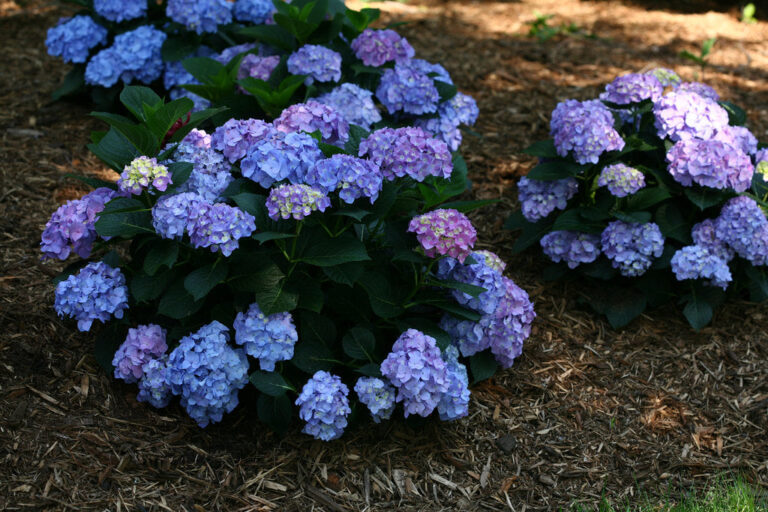
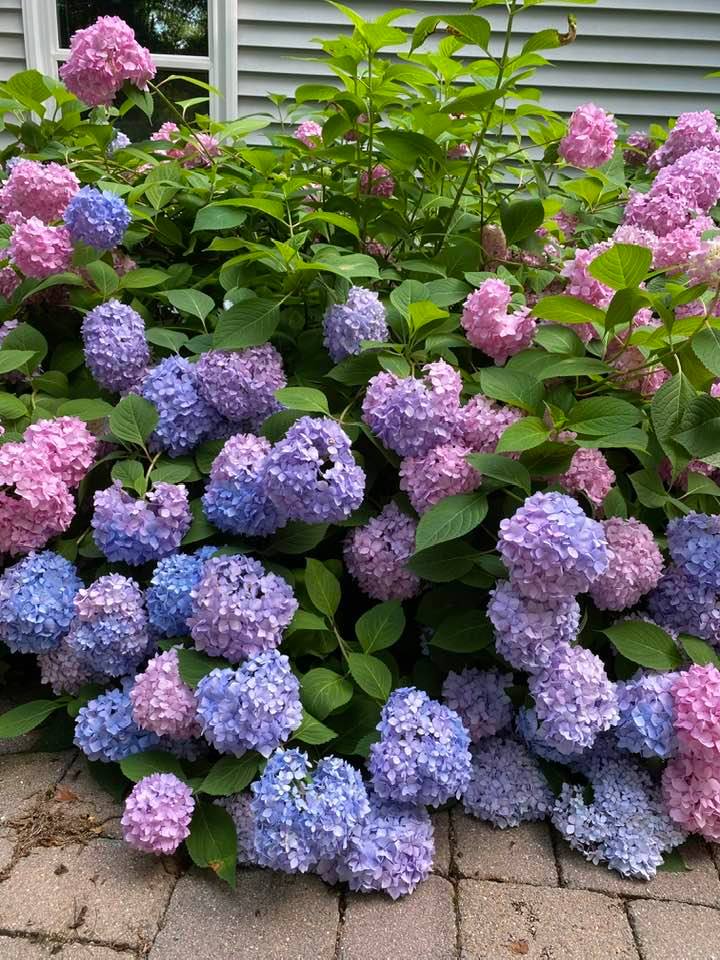
This is where things become genuinely fascinating. The flower colour of Endless Summer hydrangeas is directly controlled by soil pH, which determines the availability of aluminium ions in the soil. The plant absorbs aluminium — or not — depending on pH, and that aluminium shifts the pigment from pink to blue.
Here is how it works:
| Soil pH | Colour Result | What to Do |
| Below 6.0 (acidic) | Blue to purple | Add sulfur or acidifying fertiliser |
| 6.0–6.5 (slightly acidic) | Purple or mixed | Transitional zone |
| Above 6.5 (neutral to alkaline) | Pink to red | Add garden lime |
To encourage blue flowers: Lower soil pH to 5.5 or below by incorporating elemental sulfur or aluminium sulfate into the soil. Apply aluminium sulfate as a soil drench during the growing season.
To encourage pink flowers: Raise soil pH by adding dolomitic lime. This reduces aluminium availability, and the pigment shifts toward pink and red.
White-flowering varieties like Blushing Bride are not affected by pH. Their colour comes from a different pigment pathway that does not respond to aluminium.
One important note: changing flower colour takes time. The results of soil amendments made this spring may not be fully visible until next season. Be patient, and test your soil before making changes.
Planting Endless Summer Hydrangeas
When to Plant
The best time to plant is spring or early autumn. Spring planting gives roots a full growing season to establish before winter stress. Autumn planting in cooler climates is riskier — give the plant at least six weeks before the first expected frost to settle in.
Avoid planting in midsummer heat if possible. If you must, water daily for the first few weeks and consider providing temporary shade cloth to reduce stress.
How to Plant
- Dig a hole twice as wide as the root ball and the same depth. Hydrangeas should be planted at the same level they were growing in the container — never deeper.
- Loosen the roots gently if they are circling the root ball. This encourages outward growth into surrounding soil.
- Backfill with amended soil, mixing in compost at a ratio of roughly one part compost to two parts native soil.
- Water thoroughly at planting and continue watering every other day for the first two weeks, then gradually reduce frequency as the plant establishes.
- Apply mulch 5–8 cm deep around the base, keeping it several centimetres away from the main stem.
Watering
Proper watering is arguably the most critical aspect of day-to-day Endless Summer hydrangea care. These plants have high water needs, particularly during establishment and during hot, dry spells.
Signs of Water Stress
Wilting leaves in the afternoon are normal on hot days — the plant is conserving moisture. But if leaves remain wilted in the cool of the morning, the plant is genuinely stressed and needs water immediately.
Persistent underwatering leads to brown leaf edges, bud drop, and reduced flowering. It also weakens the plant’s defences against pests and disease.
Watering Best Practices
- Water deeply and less frequently rather than shallowly every day. Aim for 2.5–4 cm of water per week, either from rainfall or irrigation.
- Water at the base of the plant, not overhead. Wet foliage encourages fungal diseases.
- Morning watering is ideal — any water that splashes onto leaves has time to dry before nightfall.
- During prolonged dry periods, increase frequency and consider a soaker hose or drip irrigation system for consistent, targeted delivery.
In cooler climates with regular rainfall, established plants may need supplemental watering only during dry stretches. In hot, dry climates, regular irrigation is a season-long commitment.
Fertilising
Endless Summer hydrangeas benefit from fertilisation, but overfeeding — particularly with nitrogen — causes problems. Excess nitrogen drives leafy growth at the expense of flowers. The goal is balanced nutrition that supports both foliage health and prolific bloom.
Recommended Fertiliser Approach
Slow-release granular fertiliser applied once in early spring is the simplest approach. Choose a balanced formula — something close to 10-10-10 or 12-4-8 — and apply according to package directions. Slow-release products feed steadily over several months, reducing the risk of nutrient burn and eliminating the need for frequent reapplication.
For gardeners who want to push flowering performance, a second application of a low-nitrogen, high-phosphorus formula in early summer supports bud development. Products formulated for flowering shrubs often have this ratio.
Avoid fertilising after mid-July in most climates. Late-season feeding encourages new, tender growth that has no time to harden before frost — making the plant more vulnerable to winter damage.
If your goal is blue flowers, use an acidifying fertiliser such as one formulated for azaleas and rhododendrons. These products lower soil pH gradually while feeding the plant.
Pruning Endless Summer Hydrangeas
Pruning is where most gardeners go wrong with hydrangeas. Cut at the wrong time, and you sacrifice the season’s flowers. With Endless Summer, the stakes are lower than with traditional varieties — but correct pruning still significantly improves performance.
The Golden Rule
Do not do a hard prune in autumn or early spring. This removes the overwintered flower buds on old wood and eliminates the first flush of bloom. You will still get flowers from new wood later, but you will lose weeks of early colour.
When and How to Prune
Light deadheading — removing spent flower heads — can be done throughout the season. This keeps the plant looking tidy and may encourage additional flowering.
Light shaping is best done immediately after the first major flush of flowers, in midsummer. Trim lightly to maintain a compact form. Do not cut back more than one-third of the plant at this stage.
Annual structural pruning should be done in late winter or very early spring, just as buds begin to swell. At this point, you can see which stems are alive (buds present and plump) and which are dead (no buds, brittle, hollow). Remove only dead and damaged stems, cutting them back to healthy growth or to the base.
This approach preserves old wood for early blooms while allowing you to clean up winter damage.
Pruning for Renewal
On older, well-established plants (five or more years), you can remove up to one-third of the oldest, woodiest stems at the base each year. This stimulates fresh, vigorous growth and prevents the plant from becoming congested and unproductive at the centre.
Winter Care and Cold Protection
Endless Summer hydrangeas are rated for USDA Hardiness Zones 4–9. In Zone 4 and the colder parts of Zone 5, winter protection is strongly recommended to preserve old wood buds and give the plant its best start in spring.
Steps for Winter Protection
- Do not cut plants back in autumn. The stems provide some natural insulation for the crown and root zone.
- Apply a thick layer of mulch — 10–15 cm — around the base of the plant after the ground begins to freeze. This protects roots from temperature fluctuations.
- Construct a protective cage around the plant using chicken wire formed into a cylinder. Fill the cage loosely with straw, shredded leaves, or pine needles. This insulates the stems and flower buds through the coldest months.
- Remove protection gradually in spring — once nighttime temperatures consistently remain above freezing. Sudden exposure to late frosts after protective material is removed can damage emerging growth.
In Zones 6 and warmer, winter protection is generally unnecessary. The plant is hardy enough to handle typical winters without intervention, though a layer of mulch is always beneficial for root insulation and moisture retention.
Also Read: The 6 Main Types of Hydrangeas
Common Problems and How to Solve Them
1. Failure to Bloom
This is the most common complaint, and it almost always has one of three causes:
- Pruning at the wrong time — removing old wood buds before they can flower
- Frost damage to flower buds — cold snaps in spring kill swelling buds on old wood
- Insufficient light — fewer than four hours of direct sun per day reduces flowering significantly
Assess the cause honestly and adjust accordingly.
2. Powdery Mildew
A white, powdery coating on the upper surface of leaves. It is a fungal disease favoured by warm days, cool nights, and poor air circulation.
Manage it by improving air circulation through spacing and light pruning, watering at the base rather than overhead, and applying a fungicide (neem oil or a sulphur-based product) at the first sign of infection.
3. Leaf Scorch
Brown, crispy leaf edges are usually a sign of heat and drought stress, excessive direct afternoon sun, or root damage. Improve watering consistency, consider adding afternoon shade in hot climates, and check that roots are not waterlogged or compacted.
4. Aphids and Spider Mites
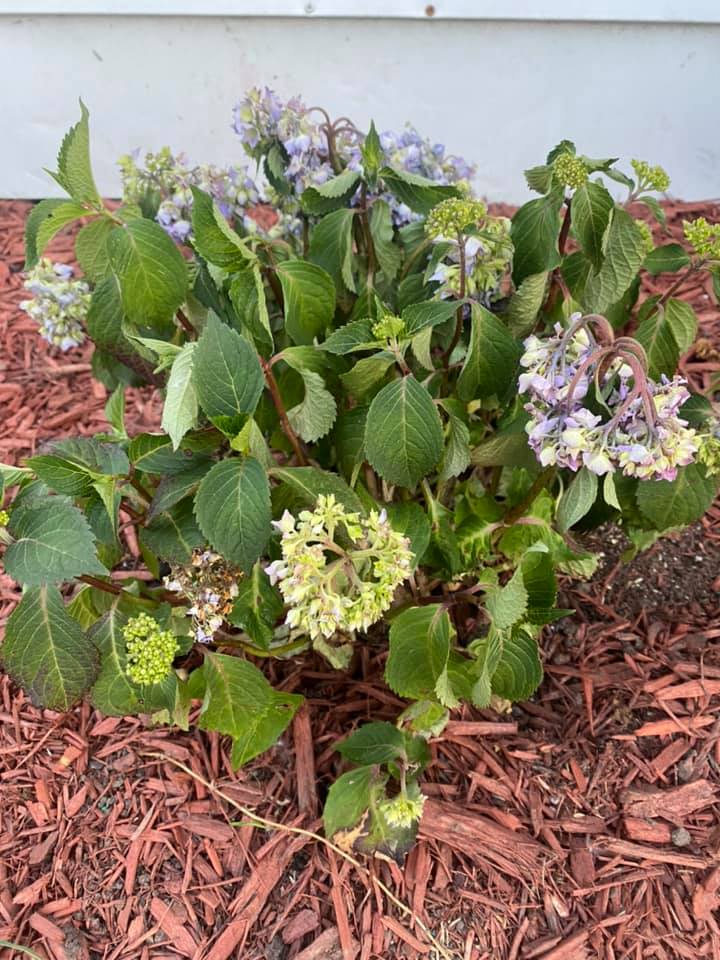
These small insects cluster on new growth and leaf undersides, sucking plant sap and causing distorted, yellowing leaves. A strong jet of water knocks most populations off the plant. Insecticidal soap or neem oil provides control for persistent infestations.
5. Iron Chlorosis
Yellow leaves with green veins indicate iron deficiency, usually caused by soil pH that is too high (alkaline). Iron becomes less available to the plant as pH rises.
Lower the soil pH with elemental sulfur or acidifying fertiliser, and apply a chelated iron supplement as a foliar spray or soil drench for quick recovery.
Growing Endless Summer Hydrangeas in Containers
Endless Summer hydrangeas can be grown in large containers — a useful option for gardeners with limited ground space, or those who want to control soil pH precisely.
Choose a container at least 45–60 cm in diameter and depth. Hydrangeas have substantial root systems, and a cramped container restricts growth and makes moisture management difficult.
Use a high-quality potting mix amended with compost. Add perlite if drainage is a concern. Containers dry out much faster than in-ground plants, so daily watering in hot weather is often necessary.
Container-grown plants are more vulnerable to winter cold. The roots lack the insulation that surrounding soil provides. In Zone 6 and colder, move containers to an unheated garage or shed for winter, or wrap them in burlap and insulating material outdoors.
Fertilise container plants more frequently than in-ground plants — approximately every three to four weeks during the growing season — as nutrients leach out with regular watering.
Propagating Endless Summer Hydrangeas
Endless Summer hydrangeas are protected by plant patents, which means selling or distributing propagated plants is prohibited. However, taking cuttings for personal, non-commercial use is generally accepted.
Softwood cuttings taken in early summer root readily:
- Select a non-flowering stem with at least two sets of leaves.
- Cut just below a leaf node, producing a cutting 10–15 cm long.
- Remove the lower leaves, leaving only the top pair.
- Dip the cut end in rooting hormone powder or gel.
- Insert into a pot filled with moist perlite or a 50/50 mix of perlite and peat.
- Cover with a clear plastic bag or humidity dome to maintain moisture.
- Place in bright, indirect light. Roots typically form in three to four weeks.
- Once rooted, transplant into a standard potting mix and grow on before planting out.
Seasonal Care Calendar
| Season | Key Tasks |
| Early Spring | Remove winter protection; assess and prune dead wood; apply slow-release fertiliser |
| Late Spring | Monitor soil moisture as growth resumes; watch for late frost and protect if needed |
| Early Summer | Water consistently; apply aluminium sulfate or lime for colour adjustment; deadhead spent flowers |
| Midsummer | Light shaping prune after first bloom flush; continue watering; monitor for pests and disease |
| Late Summer | Cease fertilising; reduce pruning; allow plant to begin hardening for winter |
| Autumn | Apply fresh mulch after ground begins to freeze; install protective cage in colder zones |
| Winter | Leave stems intact; check mulch coverage after heavy snow events |
Design Ideas for Endless Summer Hydrangeas
Endless Summer hydrangeas are versatile design plants. Their large flower heads, extended bloom season, and manageable size make them suitable for many situations:
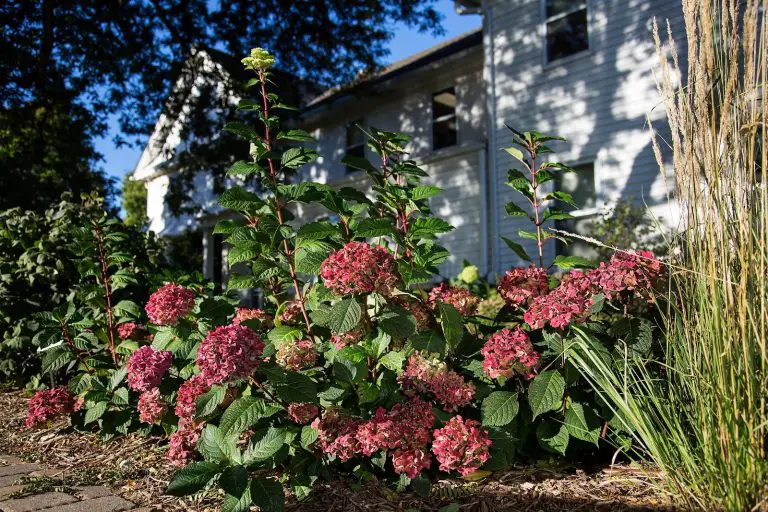
- Foundation plantings — the compact size of most varieties suits them to planting against house foundations, where they provide season-long interest
- Mixed borders — combine with ornamental grasses, coneflowers (Echinacea), and salvia for a layered, naturalistic border
- Hedges and screens — planted in a row, they form a soft, flowering informal hedge
- Cutting gardens — the blooms are superb for fresh arrangements and dry beautifully for preserved floral displays
- Containers on patios — a statement plant in a large decorative urn near a seating area provides both beauty and an opportunity to control colour through potting mix pH
Final Thoughts
I have found Endless Summer hydrangeas to be one of the most genuinely satisfying garden shrubs available. They deliver on their promise — not perfectly every year, but reliably enough that the garden always has something to show in summer, even after a difficult winter.
The most common mistake is treating them like ordinary bigleaf hydrangeas and pruning hard every autumn. Resist that impulse. Leave the stems. Protect the old wood. Let the plant bloom on both old and new growth, and you will be rewarded with months of colour rather than weeks.
Master the basics — the right site, consistent watering, appropriate fertilising, and minimal but strategic pruning — and Endless Summer will genuinely live up to its name.
References
- Clemson University Home & Garden Information Center — Hydrangea https://hgic.clemson.edu/factsheet/hydrangea
- NC State Extension — Plants Database — Hydrangea macrophylla https://plants.ces.ncsu.edu/plants/hydrangea-macrophylla
- University of Georgia Extension — Hydrangeas for Georgia Landscapes https://extension.uga.edu/publications/detail.html?number=B1271

Tim M Dave is a gardening expert with a passion for houseplants, particularly cacti and succulents. With a degree in plant biology from the University of California, Berkeley, he has vast experience in gardening. Over the years, he has cultivated a vast collection of desert plants and learned a great deal about how to grow and care for these unique companions.