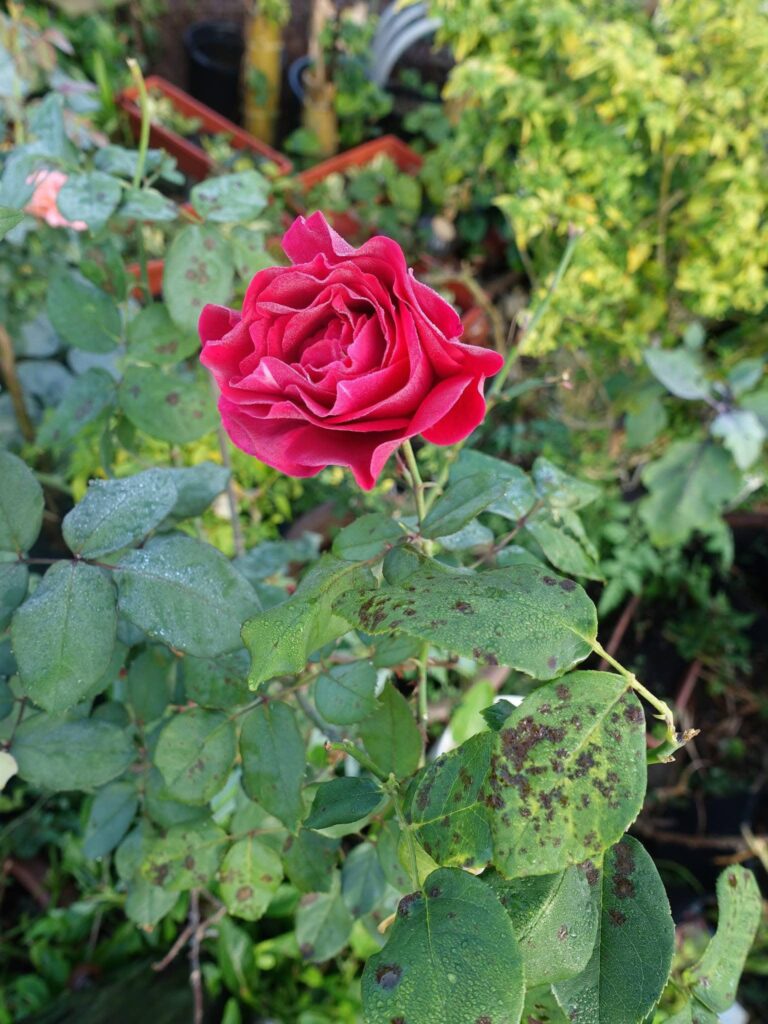
Rose Bush Summer Pruning: Tips for More Blooms All Season
There is a particular satisfaction in pruning a rose bush well. You step back, look at what you have done, and know — with confidence — that the plant will respond with fresh growth and another flush of flowers.
Summer pruning is not just maintenance. Done correctly, it is one of the most powerful tools a gardener has for shaping performance, controlling size, and encouraging continuous bloom right through to autumn.
This guide gives you everything you need to do it properly.
Why Summer Pruning Matters
Most gardeners understand that roses need pruning in late winter or early spring. That main annual prune sets the shape of the plant and removes winter damage. What is less understood — and often neglected — is that roses also benefit significantly from pruning during the summer growing season.
Summer pruning serves several distinct purposes:
- It encourages repeat flowering. Most modern roses are repeat-bloomers. After each flush of flowers, the plant needs a signal to produce the next one. Summer pruning provides that signal.
- It maintains plant health. Removing spent, diseased, or crossing stems during summer prevents problems from escalating.
- It controls size and shape. Left unchecked through the summer, many roses become leggy, top-heavy, or congested. Light summer pruning keeps the structure tidy.
- It improves air circulation. Crowded stems create humid microenvironments where fungal diseases thrive. Opening up the plant reduces this risk.
Summer pruning is not a dramatic operation like the main winter prune. It is more precise, more frequent, and lighter in its touch — but its cumulative effect on performance is profound.
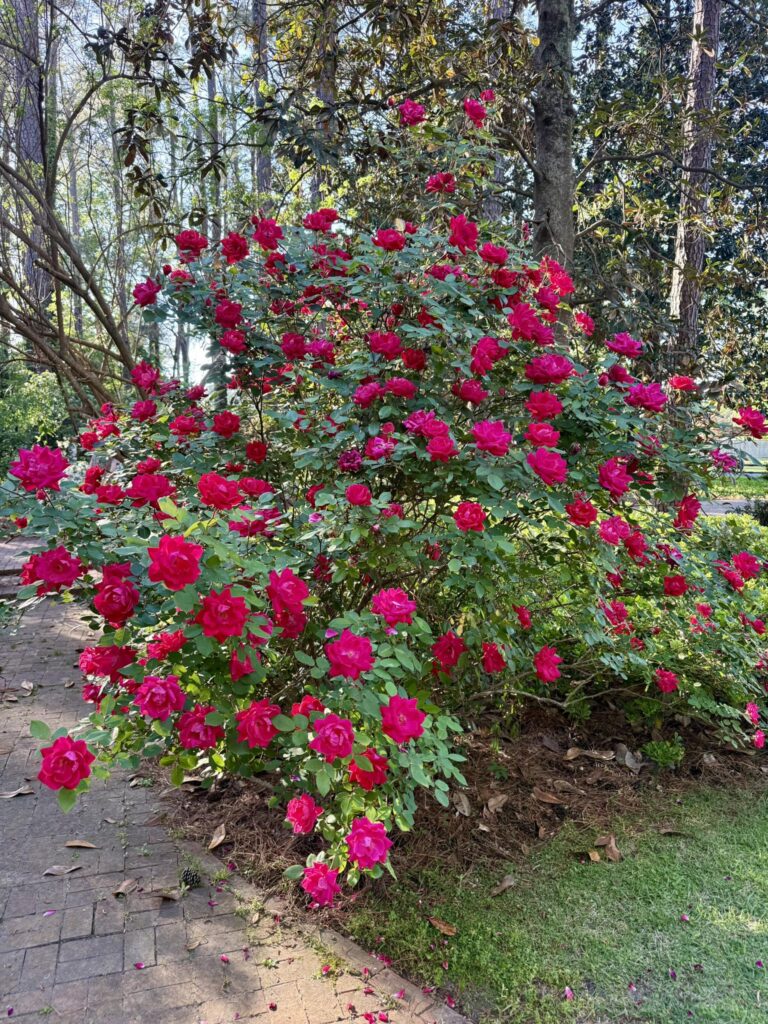
The Difference Between Deadheading and Summer Pruning
Before going further, it is worth distinguishing between two practices that are often confused.
Deadheading is the removal of spent flower heads to prevent seed formation and encourage the next flowering cycle. It is a routine, lightweight task done regularly throughout the season.
Summer pruning is slightly more significant. It involves cutting stems back to a healthy outward-facing bud or leaf junction, often removing a portion of the stem along with the spent flower. It shapes the plant, not just removes the old bloom.
Both are important. In practice, summer pruning is a more deliberate version of deadheading — one that considers the plant’s structure and long-term health alongside the immediate goal of removing finished flowers.
Which Roses Respond to Summer Pruning?
Not all roses respond the same way to summer pruning. Understanding your rose type determines how aggressively you can prune and what results to expect.
Modern Hybrid Tea and Grandiflora Roses
These are the classic high-centred roses seen in formal gardens. They are the most responsive to summer pruning and benefit from it most directly. After each flush, cutting stems back to a strong outward-facing bud produces a reliable repeat cycle of new growth and fresh bloom.
Floribunda Roses
Floribundas produce clusters of smaller flowers rather than single large blooms. Summer pruning is slightly different — remove entire spent flower clusters at the stem, cutting back to a healthy bud or leaf. This encourages the plant to push new flowering stems rather than channelling energy into individual spent heads.
Climbing Roses
Climbing roses fall into two broad groups: once-flowering and repeat-flowering. Once-flowering climbers should not be deadheaded or summer-pruned in the traditional sense, as they bloom only on old wood. Cutting them back in summer removes next year’s flowering canes.
Repeat-flowering climbers, however, benefit from the removal of spent laterals during summer. Cut the lateral stem — the side shoot that carried the flower — back by two-thirds after bloom. This encourages new lateral growth that will carry the next flush.
Shrub Roses and Old Garden Roses
Most old garden roses — gallicas, albas, damasks — bloom only once per season, in early summer. Do not summer-prune these for repeat bloom, as it will achieve nothing. However, light tidying — removing obviously dead or diseased material — is always appropriate.
Modern shrub roses, particularly those in the English Rose (David Austin) collection, are mostly repeat-bloomers and respond well to summer deadheading and light pruning.
Miniature Roses
Miniature roses are prolific bloomers but become cluttered quickly. Regular, light summer pruning — removing spent flowers and occasionally thinning congested growth — keeps them productive and well-shaped throughout the season.
Rambling Roses
Ramblers bloom once on growth made the previous year. Do not summer-prune ramblers for repeat bloom — it will not occur. After flowering, you can remove some of the oldest canes at the base to encourage new cane development for next season, but this is a structural task rather than a blooming-cycle one.
Tools You Need
Good pruning requires sharp, clean tools. This point is not a formality — blunt tools crush and tear stems instead of cutting cleanly, creating ragged wounds that dry slowly and invite disease.
Essential Tools
- Bypass secateurs (pruning shears) — the most important tool. Choose a quality pair with sharp, hardened steel blades. Bypass secateurs use a scissor-like action that produces a clean, angled cut. Avoid anvil-type secateurs for roses — they tend to crush soft stems.
- Long-handled loppers — for stems thicker than a finger, or for reaching into the interior of a large bush without inserting your arms into the thorns.
- Pruning gloves — heavy-duty, thorn-resistant gloves. This is non-negotiable. Even a brief moment of inattention near rose thorns can result in a painful puncture.
- A pruning saw — for removing very old, woody canes at the base of established plants.
- A clean cloth and rubbing alcohol or a 10% bleach solution — for wiping blades between plants to avoid transferring fungal spores or bacterial pathogens.
Keeping Tools Sharp
Blades should be sharpened at least once per season — more often if you are managing many plants. A simple whetstone or pull-through sharpener works well for secateurs.
Sharp blades make cleaner cuts, place less stress on stems, and make the work physically easier.
When to Summer Prune Roses
Timing matters, but the best guide is the plant itself rather than the calendar. Roses signal when they are ready for summer pruning by completing a bloom cycle. Once a flower is fully open and beginning to fade, it is time to act.
General Timing Guidelines
- Late spring to early summer (May–June in the Northern Hemisphere): The first post-bloom pruning after the main spring flush. This is often the most productive summer pruning session.
- Midsummer (July): The second pruning, following the second flush of bloom on repeat-flowering varieties. This is also the time to assess overall plant health and remove any diseased or damaged wood identified during the growing season.
- Late summer (August–early September): A lighter session, removing spent flowers and tidying growth. Avoid heavy pruning in late summer in colder climates — it stimulates new, tender growth that may not harden before frost.
The general rule in cold climates is to stop significant pruning approximately six to eight weeks before the first expected frost date. This allows the plant time to begin its natural hardening process rather than putting energy into new soft growth.
In warmer climates (USDA Zones 8–10), summer pruning can continue more aggressively through the season, as the risk of early frost is minimal.
How to Summer Prune: Step-by-Step
The mechanics of summer pruning are straightforward, but the details matter. Follow these steps for each cut.
Step 1: Identify the Spent Flower
Look for flowers that are fully open and past their peak — petals beginning to drop or brown at the edges, or flowers that have already dropped their petals entirely.
On varieties that produce hips (rose fruits), you may see a small swelling developing beneath the old flower. Removing this before the hip develops saves the plant from directing resources into seed production, redirecting that energy into new growth and bloom.
Step 2: Trace the Stem Down to a Strong Bud
Follow the stem downward from the spent flower until you reach a leaf with five leaflets. Roses produce leaves with three or five leaflets — the five-leaflet leaves are associated with stronger, more productive growth.
Look for an outward-facing bud — a small, swelling point on the stem in the junction between the leaf stem and the main cane.
Outward-facing buds produce growth that opens outward, maintaining an open, vase-shaped plant structure. Inward-facing buds direct growth toward the centre of the plant, increasing congestion.
Step 3: Make the Cut
Position your secateurs approximately 5 mm above the chosen bud, at a 45-degree angle. The angle should slope away from the bud — highest on the bud side, lowest on the opposite side. This directs rainwater away from the cut surface and from the bud.
Do not cut too close to the bud — this risks damaging it. Do not cut too far above — the excess stem above the bud (called a “snag”) will die back, potentially introducing disease.
One clean, decisive cut is better than several hesitant ones. If the stem is too thick for a single secateur cut, use loppers rather than forcing the secateurs.
Step 4: Assess the Cut Surface
The cut stem should show a white or cream-coloured pith at the centre. If the pith is brown, the stem has disease or die-back further up — cut lower until you reach healthy, white tissue.
Step 5: Dispose of Removed Material
Do not leave pruned rose stems on the ground beneath the plant. Diseased material on the soil surface re-infects the plant through rain splash. Bag and dispose of pruned material, or burn it if regulations permit. Do not compost diseased rose trimmings.
How Far Back to Cut
The depth of summer pruning cuts depends on the goal:
For simple deadheading: Cut to the first or second leaf junction below the spent flower — a short cut of 5–10 cm. Quick and light.
For shaping and encouraging strong regrowth: Cut back to a strong five-leaflet leaf junction lower on the stem — often 15–25 cm below the spent flower. This produces fewer, stronger new shoots and tends to give a better quality second flush.
For reducing an overly tall or top-heavy plant: On hybrid teas and grandifloras, cutting stems back by up to one-third of their length during midsummer will reduce height and encourage bushy, productive regrowth.
The harder you cut in summer, the longer the wait for the next flush — typically four to six weeks. A light cut produces a faster but slightly weaker response. Balance your goals accordingly.
Dealing with Suckers
While summer pruning, you will often notice suckers — vigorous stems growing from below the bud union (the swollen knob near the base of the plant where the cultivated rose was grafted onto the rootstock).
Suckers grow from the rootstock, not from the named variety you planted. They must be removed, or the rootstock will eventually outcompete and replace the grafted variety.
To remove a sucker correctly:
- Trace it back to where it originates — at the root or at the base of the stem below the bud union.
- Pull it away from the plant rather than cutting it. Pulling removes the tissue from which it grew. Cutting leaves a base that produces multiple new suckers.
- If it cannot be pulled, cut as close to the origin as possible and monitor for regrowth.
Sucker growth is typically lighter in colour, with smaller leaves and finer thorns than the grafted variety. Learn to identify it early in the season.
After Summer Pruning: Essential Care
Pruning is only part of the equation. What you do after pruning determines how strongly the plant responds.
Watering
Summer pruning stimulates new growth, and new growth requires consistent moisture. Water thoroughly within 24 hours of pruning and maintain regular watering as new shoots emerge. In hot summer conditions, deep watering every two to three days is appropriate for most rose plants in the ground.
Fertilising
Apply a balanced rose fertiliser or a granular balanced fertiliser (such as 10-10-10) within a few days of summer pruning. The plant is about to redirect energy into new shoot production, and providing nutrients at this point amplifies the quality and speed of the response.
Liquid feeds act faster than granular ones — a liquid seaweed or liquid rose feed watered around the root zone provides a quick-acting boost.
Do not fertilise with high-nitrogen products at the second midsummer pruning onward in colder climates. Nitrogen pushes soft, leafy growth that is vulnerable to frost damage.
Mulching
If the mulch layer around your roses has thinned over the summer, top it up after pruning. 5–8 cm of organic mulch retains moisture, moderates root temperature, and suppresses weeds. Keep mulch clear of the main stem to prevent crown rot.
Monitoring for Pests and Disease
Freshly pruned roses are more open and accessible for inspection. Take the opportunity to check:
- Black spot — circular black spots on leaves, often with yellowing around them. Remove and dispose of affected leaves. Apply a fungicide if the infection is spreading.
- Aphids — clusters of soft-bodied insects on new shoots. Knock off with a jet of water or apply insecticidal soap.
- Rust — orange, powdery pustules on the undersides of leaves. Remove affected material and improve air circulation.
- Rose sawfly larvae — small caterpillar-like larvae that skeletonise leaves. Hand-pick or apply a suitable insecticide.
Catching problems early — which summer pruning naturally encourages through close engagement with the plant — makes them far easier to manage.
Common Summer Pruning Mistakes to Avoid
Pruning Once-Flowering Roses for Repeat Bloom
This is a fundamental error. Once-flowering old garden roses and ramblers simply do not produce a second flush, regardless of pruning. Summer deadheading them wastes your time and may remove next season’s buds.
Cutting Too Far Above the Bud
Leaving a long snag above the bud creates dead tissue that can harbour disease and die back toward the bud itself. Cut clean, cut close — 5 mm above the bud is the target.
Using Blunt Secateurs
A blunt blade produces a torn, ragged cut with a large wound surface. This dries slowly and is far more vulnerable to disease entry than a clean, angled cut made with a sharp blade.
Heavy Pruning in Late Summer in Cold Climates
Cutting back significantly in August or September stimulates new growth in climates where early frost can arrive in October. That new growth, soft and unripened, is extremely vulnerable to frost damage. Scale back the depth of summer pruning as the season progresses in Zones 5 and colder.
Ignoring Suckers
A sucker left in place does not stop growing. Given time, rootstock growth will outpace and replace the grafted variety. Check for and remove suckers every time you prune — it takes 30 seconds and protects the integrity of the plant.
Not Disposing of Pruned Material
Leaving diseased leaves and stems beneath the plant reintroduces pathogens with every rain splash. Always clean up after pruning.
Summer Pruning Calendar at a Glance
| Month | Task |
| May–June | First summer prune after spring flush; deadhead spent flowers; remove suckers; inspect for pests |
| July | Second prune after midsummer flush; light shaping; feed and water after pruning |
| August | Light deadheading only in cold climates; moderate pruning continues in warm climates; cease heavy pruning in Zone 5 and colder |
| Early September | Deadheading only in cool climates; avoid stimulating new growth; begin reducing water and feed |
| Late September onward | No further pruning in most climates; allow plant to prepare for dormancy |
Summer Pruning for Show-Quality Blooms
For gardeners who exhibit roses or simply want the highest-quality individual blooms — rather than maximum quantity — a technique called disbudding is used alongside regular summer pruning.
Hybrid teas are naturally inclined to produce a central bud surrounded by smaller side buds on each stem. If the side buds are removed early, all of the stem’s energy flows into the single central bud, producing a larger, more perfect flower.
Remove side buds by pinching them off with thumb and forefinger when they are pea-sized. This is done in addition to regular deadheading and pruning, not instead of it.
Final Thoughts
I have pruned roses in cold northern gardens where winter damage made summer recovery feel like a minor miracle, and in warmer gardens where roses push flush after flush with almost effortless enthusiasm.
In both settings, the lesson is the same: the gardener who engages with their roses regularly — deadheading, pruning, feeding, watching — always gets better results than one who visits them occasionally.
Summer pruning is a form of attention. It rewards you proportionally to the care you bring to it. Learn to make clean cuts above the right buds, time your interventions with the plant’s own rhythm, and give the plant what it needs to recover and regrow.
The roses will do the rest.

Tim M Dave is a gardening expert with a passion for houseplants, particularly cacti and succulents. With a degree in plant biology from the University of California, Berkeley, he has vast experience in gardening. Over the years, he has cultivated a vast collection of desert plants and learned a great deal about how to grow and care for these unique companions.