15 Best Summer Flowering Shrubs: Identification and Care Details
Most gardeners think of spring as the peak flower season. But summer is where shrubs truly shine. While spring bulbs fade and perennials take a pause, summer-blooming shrubs fill the gap with weeks — sometimes months — of continuous colour.
They also offer more than beauty. Many attract pollinators, provide nesting cover for birds, and act as structural anchors that hold the garden together through changing seasons.
I have grown many of the shrubs on this list personally, and the consistent surprise is how little effort most of them demand once established. Choose the right plant for your soil and light conditions, and summer will reward you generously.
15 Best Summer Flowering Shrubs
Here are 15 of the finest choices, with practical advice on how to grow each one successfully.
1. Hydrangea (Hydrangea spp.)
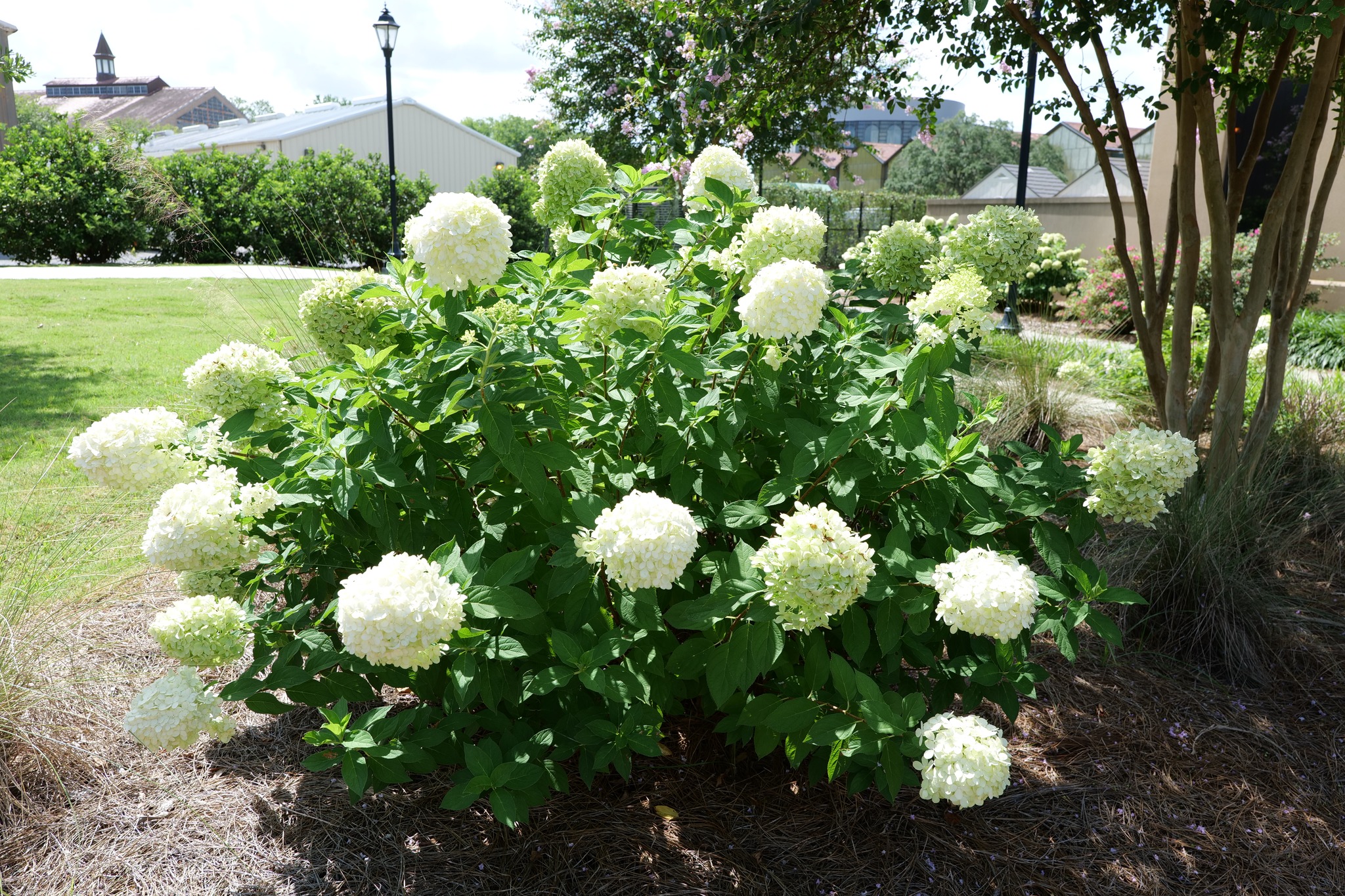
Few shrubs create as much impact as a hydrangea in full bloom. The large flower heads — which can span 20–30 cm across — come in white, pink, blue, and purple depending on the species and soil pH.
Bigleaf hydrangeas (H. macrophylla) produce blue flowers in acidic soils and pink in alkaline ones. If you want to control the colour, adjust soil pH deliberately using garden sulfur (for blue) or garden lime (for pink).
Panicle hydrangeas (H. paniculata) are arguably the most reliable choice for beginners. They tolerate a wider range of soils, bloom from midsummer into autumn, and can even be pruned into small tree form.
Key growing tips:
- Plant in full sun to partial shade
- Water deeply and regularly during dry spells
- Prune according to species — bigleaf types bloom on old wood, panicle types on new
USDA Zones: 3–9 (varies by species)
2. Butterfly Bush (Buddleja davidii)
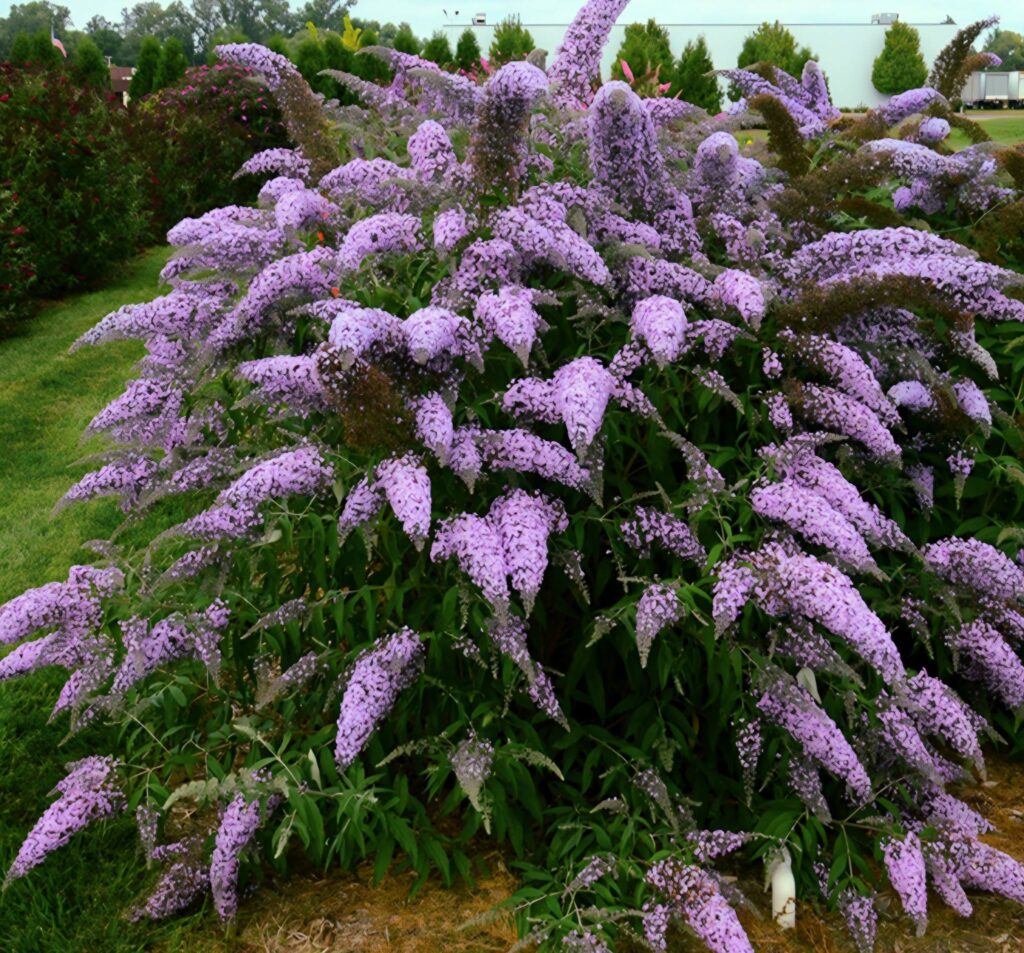
The butterfly bush earns its name. On a warm July afternoon, a mature plant will be thick with butterflies, bees, and hoverflies. The long, cone-shaped flower spikes appear in shades of purple, white, pink, and deep violet, often reaching 30–40 cm in length.
It is a vigorous plant — sometimes too vigorous. In some regions, Buddleja davidii is classified as invasive. Consider sterile or low-fertility cultivars such as ‘Miss Ruby’ or ‘Pugster Amethyst’ to reduce seed spread.
Prune hard in early spring to keep the plant compact and to encourage the strongest possible bloom. Without pruning, it becomes tall and woody with fewer flowers.
USDA Zones: 5–9
3. Rose of Sharon (Hibiscus syriacus)
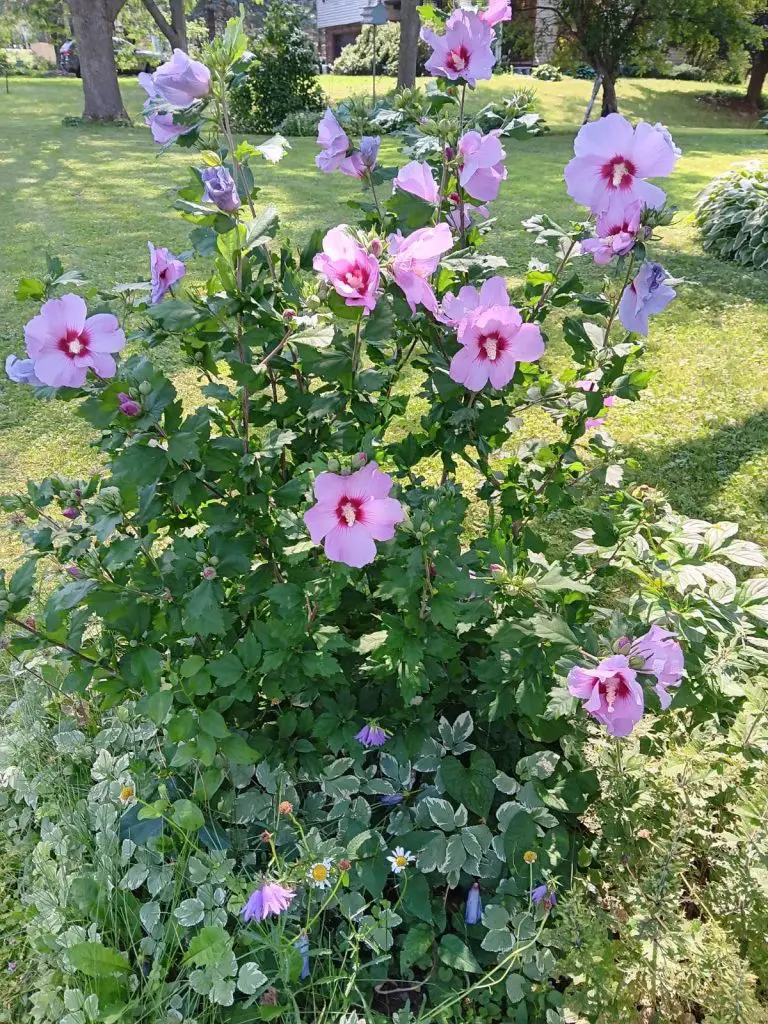
Rose of Sharon blooms later than most shrubs — from mid-summer through early autumn. This makes it extremely valuable in a garden that needs colour when everything else has faded.
The flowers resemble hollyhocks, with broad petals in shades of white, pink, lavender, and bicolour forms. Plants grow upright and can reach 2–4 metres tall, making them excellent for informal hedges or screening.
It is one of the most heat-tolerant flowering shrubs available. It also handles drought better than most. Once established, Rose of Sharon is remarkably self-sufficient.
Look for sterile varieties like ‘Aphrodite’ or ‘Diana’ to avoid unwanted self-seeding in borders.
USDA Zones: 5–9
4. Crape Myrtle (Lagerstroemia indica)
In warm climates, crape myrtle is the defining shrub of summer. The clusters of crinkled flowers — resembling crepe paper — arrive in mid-summer and persist for weeks. Colours range from white and pale pink to vivid red and deep purple.
Crape myrtle also offers autumn interest, with brilliant red and orange foliage before leaf drop. The bark is attractive in winter, peeling to reveal smooth, silvery patches beneath.
One important caution: avoid the damaging practice known as “crape murder” — severely topping the plant to bare stubs. This weakens the plant and destroys its natural form. Prune minimally — remove only crossing branches and spent flowers.
USDA Zones: 6–9
5. Lavender (Lavandula spp.)
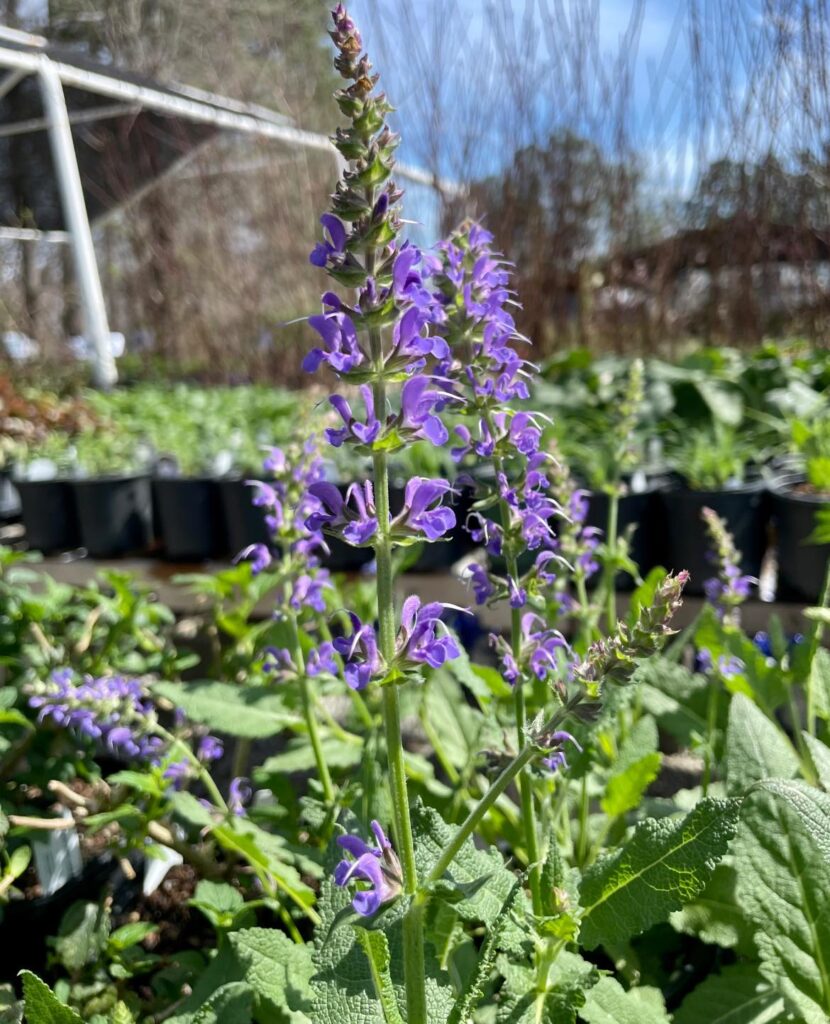
Lavender is not just a herb — it is one of the finest low-growing shrubs for sunny, well-drained spots. The silver-grey foliage alone is attractive, and the purple flower spikes that appear from June onward are both beautiful and fragrant.
The fragrance is one of lavender’s greatest gifts. A path edged with lavender, brushed by passing feet, releases scent with every touch. Few plants offer that kind of sensory pleasure so effortlessly.
Lavender demands sharp drainage. In heavy clay soil, it will rot at the roots. Raised beds or gravel gardens are ideal. English lavender (L. angustifolia) is hardiest; French and Spanish types prefer warmer, drier climates.
Trim after flowering each year to keep plants compact and prevent woodiness.
USDA Zones: 5–10 (varies by species)
6. Spirea (Spiraea spp.)
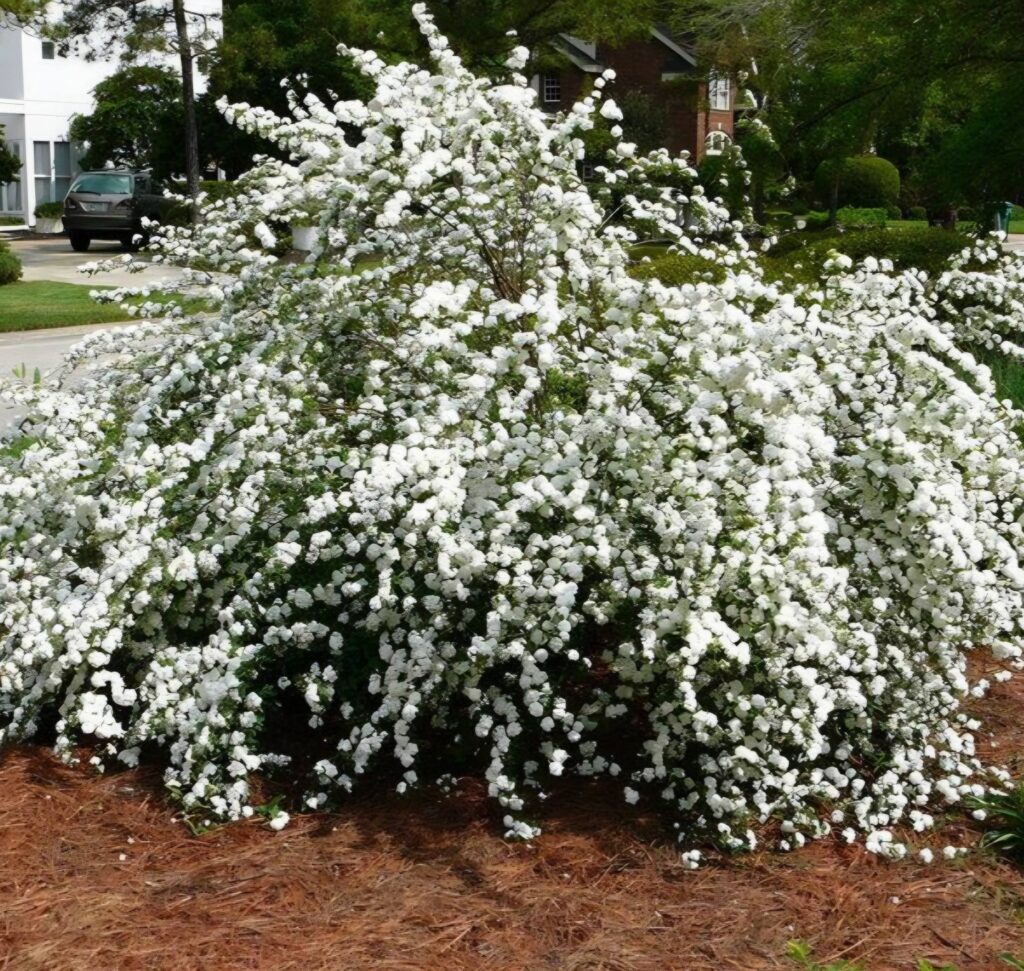
Spirea is one of the most adaptable and widely grown summer shrubs in temperate gardens. The summer-blooming types — particularly Spiraea japonica — produce flat-topped clusters of tiny pink or white flowers from June through August.
What makes spirea special is its combination of toughness and beauty. It tolerates poor soils, urban pollution, and cold winters. It requires almost no maintenance beyond an occasional trim.
Cultivars like ‘Goldflame’ add extra interest with foliage that emerges orange-red in spring, matures to gold-green, and turns orange again in autumn. The flowers, in this case, are almost secondary to the leaf colour show.
USDA Zones: 3–8
7. Weigela (Weigela florida)
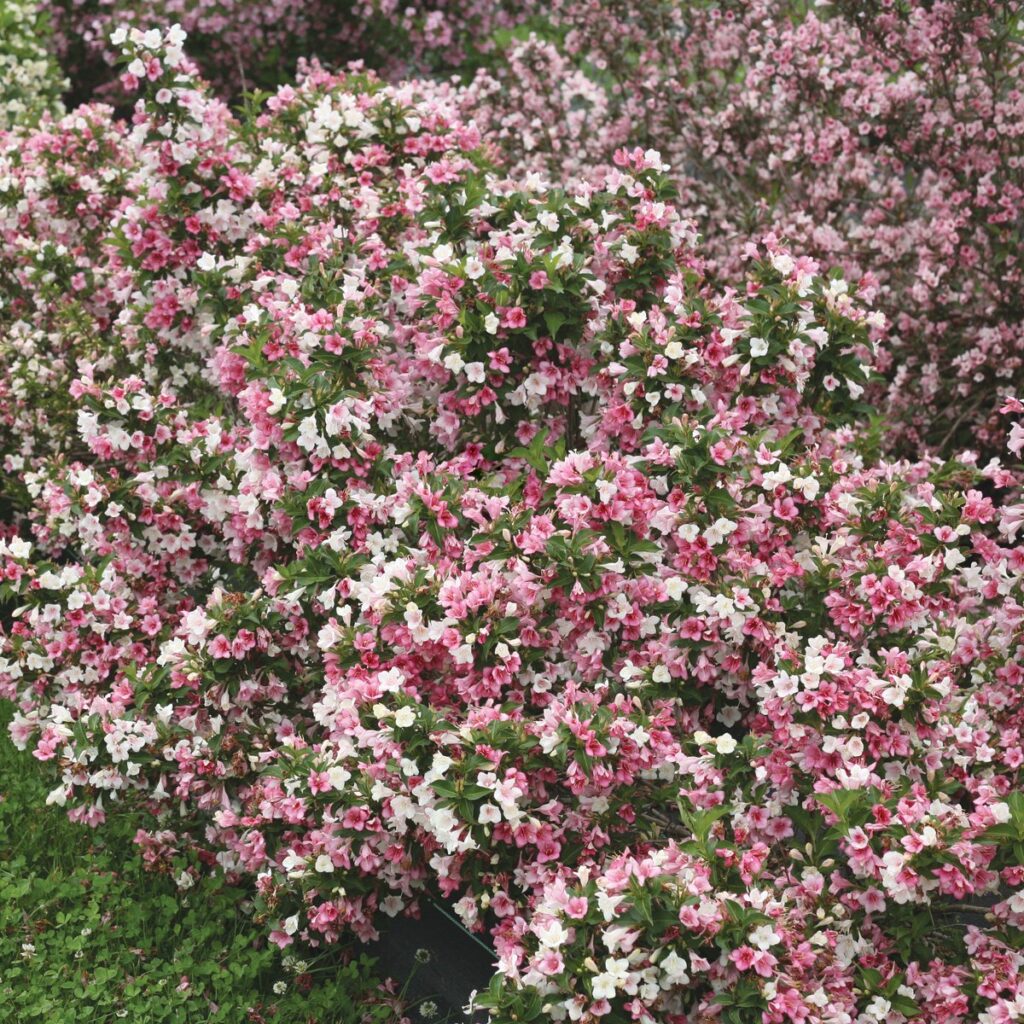
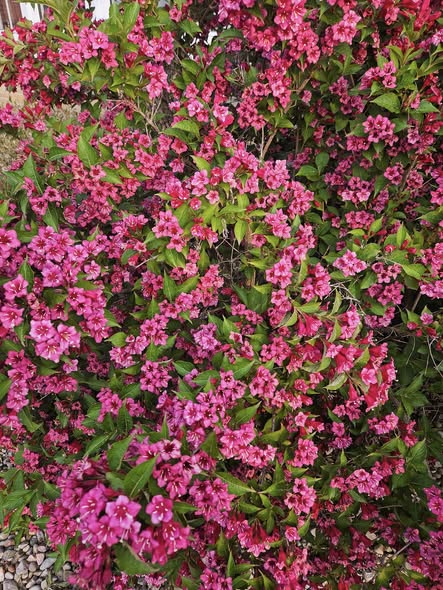
Weigela bridges late spring and summer with a generous flush of tubular flowers in red, pink, or white. Hummingbirds are particularly drawn to the red varieties, and bees work the pink and white forms with enthusiasm.
Modern cultivars have expanded what weigela can do in the garden. Varieties like ‘Wine & Roses’ and ‘Midnight Wine’ feature deep burgundy foliage that contrasts dramatically with bright pink flowers — extending the plant’s ornamental value well beyond the bloom period.
Weigela is low-maintenance and fast-growing. Prune lightly after the first flush of flowers to encourage a second, lighter bloom in late summer.
USDA Zones: 4–8
8. Potentilla (Potentilla fruticosa)
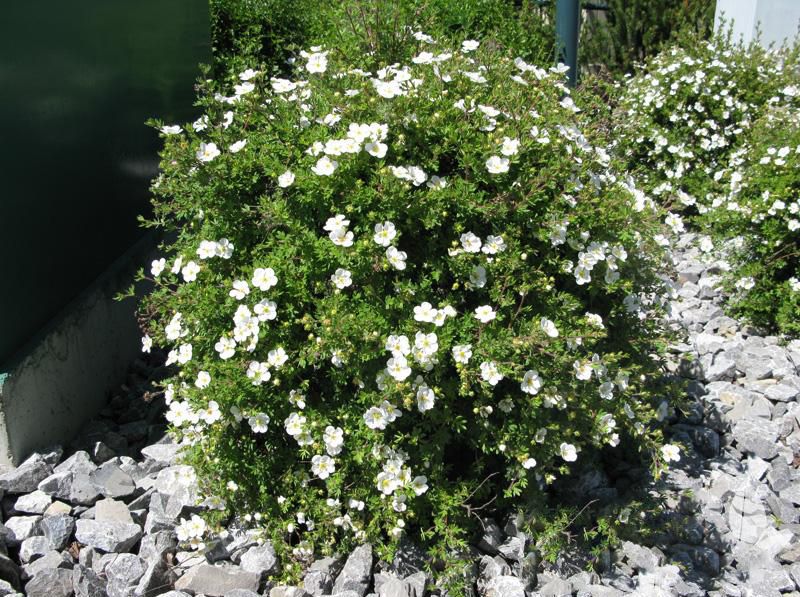
Potentilla — also called shrubby cinquefoil — is a small, mounding shrub that blooms from late spring right through to the first autumn frost. That is an extraordinary flowering period for any shrub.
The flowers are small and rose-like, in shades of yellow, white, orange, and pink. The plant itself is compact, rarely exceeding one metre, which makes it ideal for low borders, rock gardens, and foundation plantings.
Few shrubs are tougher. Potentilla tolerates poor soil, drought, and cold. It is a favourite in municipal plantings precisely because it asks for so little while giving so much. For beginners or challenging sites, this is a near-perfect choice.
USDA Zones: 2–7
9. Vitex — Chaste Tree (Vitex agnus-castus)
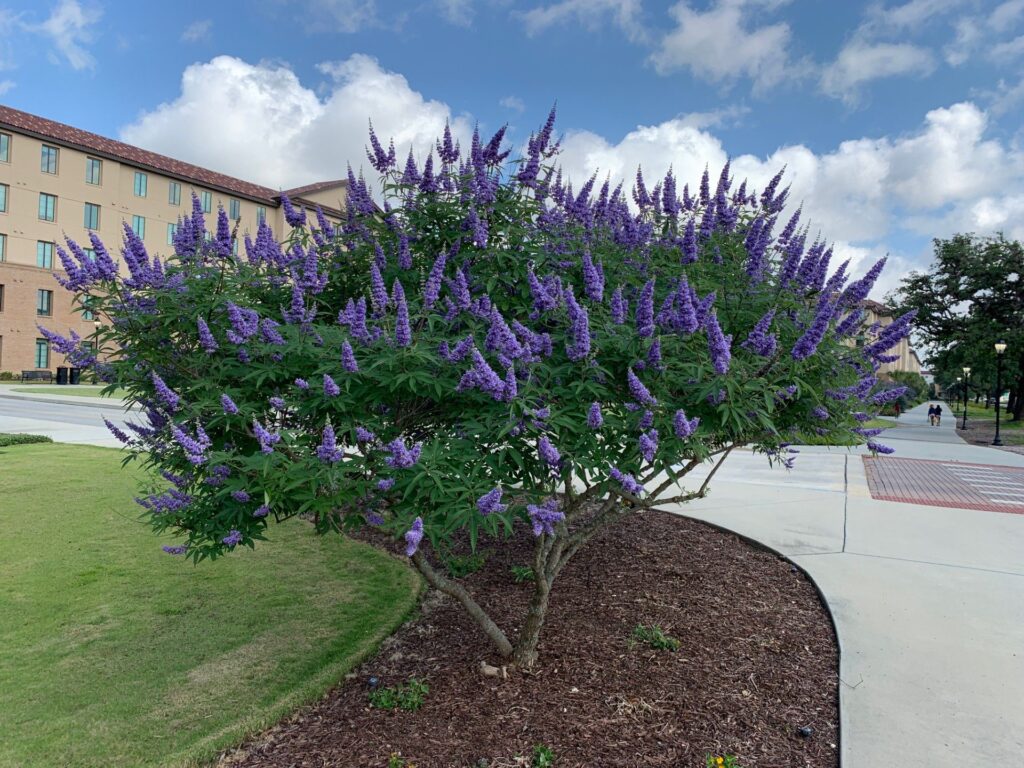
Vitex is one of the more underused summer-blooming shrubs, and that is a shame. From July through September, it produces tall spikes of lavender-blue flowers that are highly attractive to bees and butterflies. The compound leaves have a pleasant herbal scent when crushed.
It can grow as a large shrub or small multi-stemmed tree, reaching 3–5 metres if left unpruned. For a more compact form, cut it back hard each spring — it blooms on new wood, so this encourages the strongest flowering.
Vitex thrives in heat. In cool, short summers, it may underperform. In warm, sunny spots with well-drained soil, it is outstanding.
USDA Zones: 6–9
10. Mock Orange (Philadelphus coronarius)
If you have ever walked past a mock orange in full bloom, you will understand why gardeners have grown it for centuries. The white, four-petalled flowers emit an intense fragrance that can fill an entire garden. Some people find it reminiscent of actual orange blossom — hence the common name.
Mock orange blooms in early to midsummer. The flowers themselves are simple and elegant — pure white against dark green foliage. After flowering, the shrub is fairly unremarkable, so position it behind other plants or near a seating area where the fragrance can be appreciated.
Prune immediately after flowering, cutting out a portion of the oldest stems at the base to encourage fresh, vigorous growth.
USDA Zones: 4–8
11. Abelia (Abelia × grandiflora)
Abelia is a semi-evergreen shrub that blooms from midsummer into autumn — a time when many other shrubs have long finished flowering. The tubular flowers are small, pale pink, and produced in such abundance that the plant appears dusted with bloom for months.
One of abelia’s best qualities is its long ornamental season. Even after the flowers fade, the reddish-brown calyxes persist and maintain colour interest. The foliage turns bronze-red in autumn before partly dropping in colder climates.
It is drought-tolerant once established and requires minimal pruning — just a light tidy in early spring. For hedging or informal borders, it is an excellent choice.
USDA Zones: 6–9
12. St. John’s Wort (Hypericum spp.)
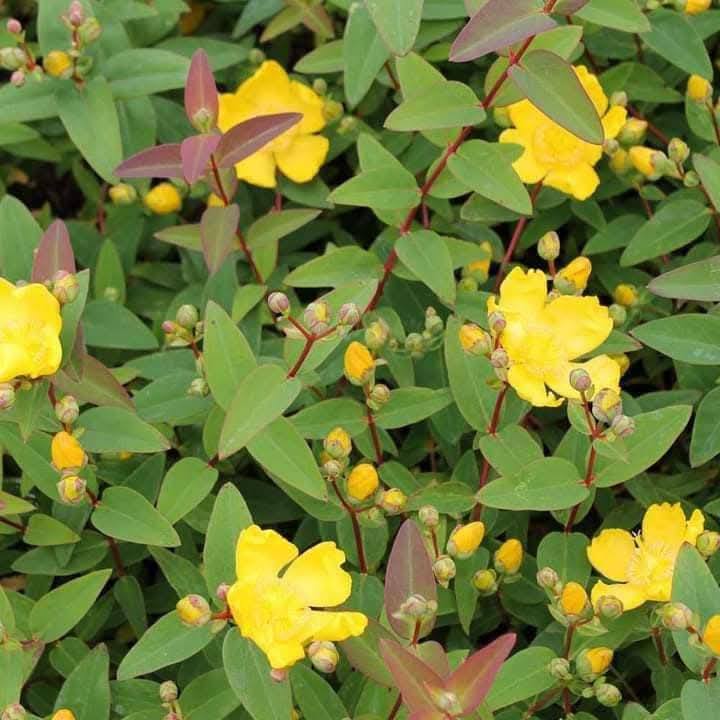
Hypericum is a large genus with many forms, but the shrubby types — particularly Hypericum calycinum and H. patulum — are standout summer performers. The bold yellow flowers, with their prominent stamens, brighten borders from June through August.
St. John’s Wort is one of the best shrubs for difficult spots. It tolerates dry shade — a notoriously challenging condition — and spreads steadily to form weed-suppressing groundcover. In sunnier positions, the flowering is even more prolific.
Some varieties also produce attractive berries after flowering — red, orange, or black depending on the cultivar — extending the plant’s ornamental season into autumn.
USDA Zones: 5–9
13. Caryopteris — Bluebeard (Caryopteris × clandonensis)
For late-summer blue colour, few shrubs beat caryopteris. The powder-blue to deep blue flowers appear from August into September, precisely when most summer bloomers are finishing. Blue is a rare colour in the shrub world, which makes caryopteris particularly valuable in garden design.
The silvery-grey foliage complements the flowers beautifully and pairs well with yellow-flowered perennials like rudbeckia or gaillardia. Bees — particularly bumblebees — are intensely attracted to the flowers.
Cut plants back hard each spring to encourage vigorous new growth and the best flowering. It thrives in full sun with excellent drainage.
USDA Zones: 5–9
14. Oleander (Nerium oleander)
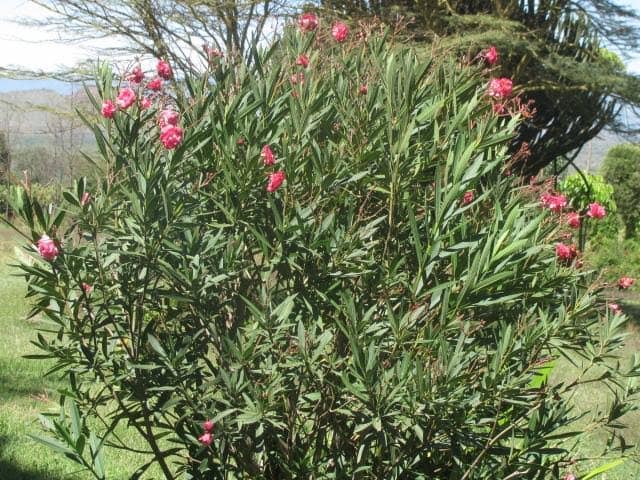
In warm climates, oleander is the ultimate summer shrub. It blooms continuously from late spring through autumn, producing clusters of flowers in red, pink, white, or yellow. It tolerates heat, drought, salt wind, and poor soil — conditions that would defeat most plants.
Oleander is a staple in Mediterranean gardens, roadside plantings, and coastal areas precisely because of its toughness. It can be grown as a large shrub or trained into a small tree.
One important note: all parts of the oleander plant are highly toxic. This is not a plant for gardens frequented by young children or pets. Handle with gloves and wash hands after contact.
USDA Zones: 8–11
15. Lantana (Lantana camara)
Lantana produces rounded clusters of tiny flowers in multicoloured combinations — yellow and orange, pink and yellow, red and gold — that shift in shade as they age. The effect is like a living mosaic. In hot, sunny gardens, lantana blooms almost without pause from late spring until frost.
It attracts butterflies in extraordinary numbers. If you want to support pollinators, few shrubs deliver as consistently as lantana through the hottest months of summer.
In frost-free climates, lantana is evergreen and can be invasive. In cooler regions, it is grown as an annual or overwintered indoors. Container-grown lantana makes an excellent patio specimen.
USDA Zones: 8–11 (grown as annual in colder zones)
What to Consider Before You Plant
Before selecting any shrub, ask yourself four questions:
- How much sun does the spot receive? Most flowering shrubs prefer at least six hours of direct sunlight daily.
- What is the soil type? Some shrubs, like hydrangeas, are sensitive to soil pH. Others tolerate poor, dry conditions.
- How much space is available? Shrubs are permanent features. Respect their mature size.
- What is your USDA Hardiness Zone? This determines whether a shrub will survive your winters.
Getting these basics right means the difference between a thriving plant and a struggling one.
General Care Tips for Summer Flowering Shrubs
Watering. Newly planted shrubs need consistent moisture for the first two growing seasons. Once established, most are reasonably drought-tolerant. Water deeply and less frequently rather than shallow and often — this encourages deep rooting.
Fertilising. A balanced slow-release fertiliser applied in early spring supports healthy growth and strong flowering. Avoid high-nitrogen formulas, which promote foliage at the expense of flowers.
Mulching. A 5–8 cm layer of organic mulch around the base of shrubs retains moisture, moderates soil temperature, and suppresses weeds. Keep mulch away from the main stem to prevent rot.
Pruning timing is critical. Shrubs that bloom on old wood — including bigleaf hydrangeas and weigela — should be pruned immediately after flowering. Shrubs that bloom on new wood — including spirea, caryopteris, and vitex — are pruned in early spring. Pruning at the wrong time removes the next season’s flower buds.
Pest and disease monitoring. Inspect plants regularly. Most problems are easier to manage when caught early. Aphids, scale insects, and powdery mildew are the most common issues. Strong water jets, neem oil, or insecticidal soap resolve most minor infestations without chemical intervention.
Designing with Summer Flowering Shrubs
The most satisfying gardens use shrubs as the backbone of a planting scheme — the structural element around which perennials, bulbs, and annuals are layered.
Stagger bloom times deliberately. Pair an early-blooming mock orange with a late-blooming Rose of Sharon and a midsummer butterfly bush, and you will have colour from June through October.
Think about foliage colour too. Dark-leaved weigela against silver lavender creates contrast that looks intentional and sophisticated. The blooms become almost secondary to the overall composition.
Finally, consider fragrance. A garden that smells wonderful invites people to slow down and stay longer. Mock orange, lavender, and vitex are fragrant choices that reward planting near paths and seating areas.
Final Thoughts
Summer flowering shrubs are among the most reliable investments a gardener can make. They return year after year, often requiring less care as they mature. The key is matching the right plant to the right place — give them the sun, soil, and space they need, and they will repay you with colour every summer.
Whether you have a large country garden or a modest urban plot, there is at least one shrub on this list that will thrive for you. Start with one or two, observe how they perform, and expand from there.
Gardening is always a long conversation between the gardener and the soil, and summer flowering shrubs are some of the finest conversation partners you will find.
References
- USDA PLANTS Database — Native and Introduced Plant Species Data https://plants.usda.gov
- Purdue University Extension (Horticulture) — Flowering Shrub Recommendations https://www.purdue.edu/hla/sites/yardandgarden/shrubs
- Rutgers New Jersey Agricultural Experiment Station (NJAES) — Ornamental Shrubs for the Home Landscape https://njaes.rutgers.edu/fs678

Tim M Dave is a gardening expert with a passion for houseplants, particularly cacti and succulents. With a degree in plant biology from the University of California, Berkeley, he has vast experience in gardening. Over the years, he has cultivated a vast collection of desert plants and learned a great deal about how to grow and care for these unique companions.