Zinnia Care in Summer Heat: How to Keep Blooms Thriving in Hot Weather
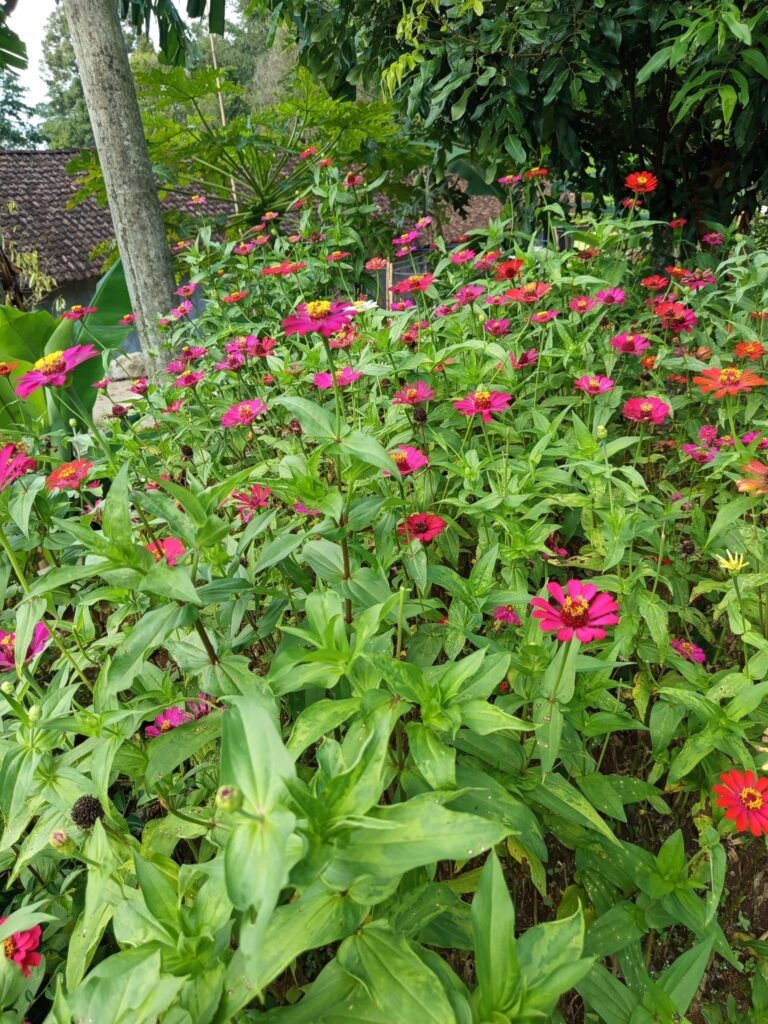
If there is one flower that seems born for summer, it is the zinnia. Zinnias are native to the dry, hot highlands of Mexico, which means they carry heat tolerance in their very genes. They do not just survive warm weather — they perform their absolute best in it.
Still, “heat-tolerant” does not mean “care-free.” When temperatures climb past 90°F (32°C) for days on end, even the toughest zinnia can show signs of stress.
The difference between a garden full of vibrant blooms and a patch of wilting, disease-ridden stems often comes down to a handful of care decisions.
This guide covers everything you need to know about growing and maintaining zinnias through summer heat — from choosing the right varieties and preparing your soil, to watering correctly, managing pests, and keeping the blooms coming all season long.
Understanding Zinnias and Heat: What Actually Happens
Before diving into care tips, it helps to understand why heat affects zinnias the way it does.
Zinnias are warm-season plants that use C3 photosynthesis, a process that functions well in moderate to high temperatures. They begin to slow down only when heat is paired with water stress or poor airflow.
The most common summer problems are not caused by heat alone — they are caused by heat combined with:
- Inconsistent watering
- Poor soil drainage
- Overhead watering that keeps foliage wet
- Overcrowding that restricts air circulation
Address these four factors, and your zinnias will handle summer heat with surprising ease.
| Common Name | Zinnia |
| Scientific Name | Zinnia elegans (and related species) |
| Plant Family | Asteraceae (Daisy family) |
| Native Region | Mexico and Central America |
| Plant Type | Annual flowering plant |
| Mature Height | 6 inches to 4 feet (depending on variety) |
| Flower Colors | Red, orange, yellow, pink, purple, white, bi-color |
| Bloom Season | Late spring through first frost |
| Sun Requirement | Full sun (6–8 hours minimum) |
| Water Needs | Moderate; drought-tolerant once established |
| Soil Preference | Well-draining, slightly acidic to neutral (pH 5.5–7.5) |
| USDA Hardiness Zone | Grown as annual in all zones |
| Heat Tolerance | Excellent — thrives in high temperatures |
| Humidity Tolerance | Moderate — good airflow essential |
| Common Pests | Spider mites, aphids, whiteflies |
| Common Diseases | Powdery mildew, bacterial leaf spot, Alternaria blight |
| Propagation | Direct seed or transplant |
| Toxicity | Non-toxic to humans, cats, and dogs |
Choosing the Right Zinnia Varieties for Hot Climates
Not all zinnias are equal when it comes to heat performance. Variety selection is one of the most important steps you can take before the season even begins.
1. Profusion Series
Developed through a cross between Zinnia elegans and Zinnia angustifolia, the Profusion series is among the most heat- and disease-resistant available.
The plants stay compact (12–18 inches tall) and produce a continuous flush of blooms with minimal deadheading. They received the All-America Selections award — a strong endorsement of their performance.
2. Zahara Series
The Zahara series was specifically bred for heat, humidity, and disease resistance. It handles conditions that would cause standard varieties to develop powdery mildew. Zahara flowers remain clean and vibrant even in the deep south of the United States and similarly hot climates worldwide.
3. Zowie! Yellow Flame
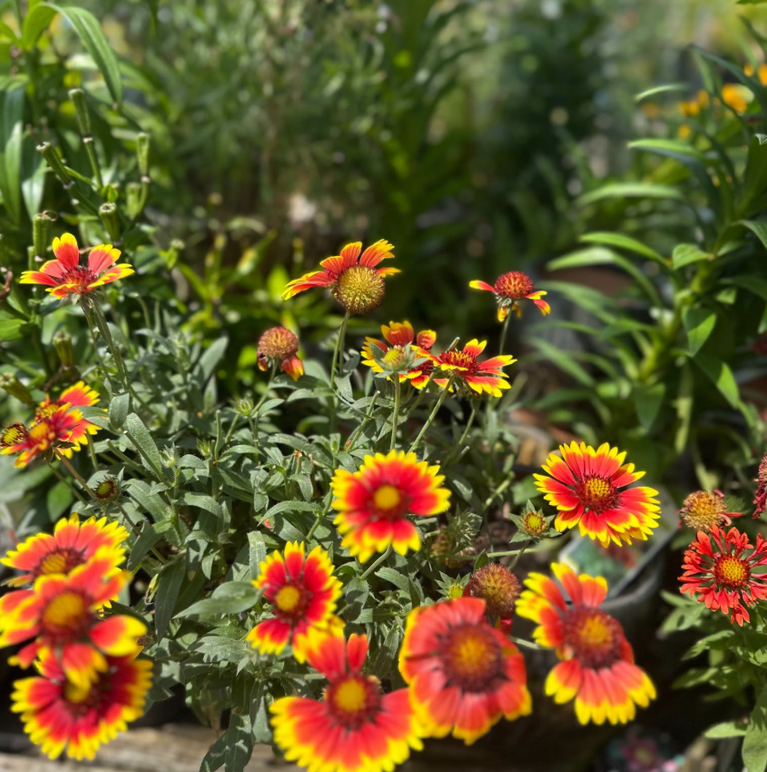
This bold bi-color variety won the All-America Selections award in 2006. It produces striking red-and-yellow blooms and holds up exceptionally well in high heat. It is also a strong rebloomer when deadheaded regularly.
4. Magellan Series
If you want large, dahlia-like blooms in a heat-tolerant package, the Magellan series delivers. The flowers can reach up to 5 inches across, and the plants show good tolerance for dry spells once established.
5. Benary’s Giant Series
A tall, large-flowered series that is popular with cut flower growers. While it needs consistent water, it performs well in full sun and bounces back from heat stress quickly with proper watering.
Personal note: I have grown Profusion and Zahara varieties side by side during heat waves, and the difference compared to older heirloom varieties was striking. Profusion kept blooming through a two-week stretch of 95°F+ days with very little intervention.
Site Selection and Soil Preparation
Zinnias need full sun — a minimum of 6 to 8 hours of direct sunlight per day. In very hot climates (above 100°F regularly), a spot with afternoon shade can reduce heat stress and extend bloom life. Morning sun with dappled afternoon shade is an ideal compromise in the hottest regions.
Avoid low-lying areas where water pools after rain. Standing water around zinnia roots is a fast path to root rot and fungal disease.
Preparing the Soil
Good soil preparation before planting pays dividends throughout the growing season.
- Work the soil to a depth of 8 to 12 inches. Zinnias develop a moderately deep root system, and loose soil encourages faster establishment.
- Amend with compost. A 2- to 3-inch layer of finished compost worked into the top 8 inches improves water retention in sandy soils and drainage in clay soils.
- Target a slightly acidic to neutral pH. Aim for a soil pH between 5.5 and 7.5. Soils that are too alkaline (above 7.5) can cause nutrient deficiencies that weaken plants before heat stress even arrives.
- Ensure drainage is excellent. In heavy clay soils, consider raised beds or ridged rows to prevent waterlogging.
When and How to Plant Zinnias for Summer Success
Direct sow zinnia seeds after the last frost, once soil temperatures reach at least 60°F (15°C). Zinnias germinate quickly — often in just 5 to 7 days in warm soil.
Planting directly in the ground, rather than starting indoors and transplanting, is actually preferred because zinnias develop a taproot that does not like disturbance.
For a long season, make successive sowings every 2 to 3 weeks from late spring through midsummer. This staggers bloom times and ensures you have fresh, vigorous plants even as earlier ones begin to fade in late summer.
Spacing: Do Not Crowd Zinnias
Proper spacing is critical for summer heat management. Overcrowded plants compete for water and nutrients, and poor airflow between dense foliage is the single biggest driver of powdery mildew — a fungal disease that explodes in humid summer heat.
Follow these general spacing guidelines:
- Dwarf varieties (under 12 inches): Space 6 to 9 inches apart
- Medium varieties (12–24 inches): Space 12 to 18 inches apart
- Tall varieties (over 24 inches): Space 18 to 24 inches apart
It may feel like you are leaving too much empty space at planting time. Trust the spacing. Within 4 to 6 weeks, those gaps will fill in beautifully.
Watering Zinnias in Summer Heat: The Most Important Skill
Watering is where most gardeners either save or lose their zinnias in summer. Get this right, and the rest becomes much easier.
How Much Water Do Zinnias Need?
Once established (roughly 2 to 3 weeks after planting), zinnias are reasonably drought-tolerant. They need about 1 inch of water per week, either from rainfall or irrigation.
During extreme heat — temperatures above 95°F (35°C) — increase to 1.5 inches per week, especially for plants in containers or sandy soils.
Young seedlings need more consistent moisture. Keep the top inch of soil evenly moist until plants are 4 to 6 inches tall.
How to Water: Method Matters
Always water at the base of the plant, not from above. Wet foliage in warm, humid conditions creates the perfect environment for fungal diseases like powdery mildew and Alternaria blight.
- Drip irrigation is the gold standard for zinnia beds. It delivers water directly to the root zone, keeps foliage dry, and reduces water loss through evaporation.
- Soaker hoses are an affordable alternative that works similarly.
- Watering cans or hoses directed at the soil are fine — just avoid the leaves.
Water in the morning. This ensures any incidental moisture on leaves dries quickly during the day. Evening watering leaves foliage wet overnight, dramatically increasing disease risk.
Signs of Underwatering vs. Overwatering
| Symptom | Likely Cause |
| Drooping leaves in afternoon heat | Normal heat response — check morning |
| Drooping leaves in the morning | Underwatering |
| Yellowing lower leaves | Overwatering or poor drainage |
| Wilting despite wet soil | Root rot (overwatering) |
| Dry, crispy leaf edges | Heat stress + underwatering |
| Soft, mushy stem base | Crown rot from overwatering |
One important note: Zinnias will droop during the hottest part of the afternoon, even when adequately watered. This is a normal heat response — the plant is reducing water loss by wilting slightly. Check your plants in the morning. If they have perked back up overnight, they are fine.
Mulching: An Underrated Summer Care Strategy
Mulching around zinnias is one of the simplest and most effective steps for summer heat management. A 2- to 3-inch layer of organic mulch (shredded bark, straw, or wood chips) applied around the base of the plants:
- Reduces soil temperature by up to 10–15°F compared to bare soil
- Retains soil moisture, reducing watering frequency
- Suppresses weeds that compete for water and nutrients
- Prevents soil splash, which reduces the spread of soilborne fungal diseases
Keep mulch pulled back 1 to 2 inches from the stem base to prevent crown rot. Do not pile it against the stem.
Fertilizing Zinnias Through the Heat of Summer
Zinnias are not heavy feeders, but they benefit from regular, balanced nutrition to maintain blooming through a long, hot summer.
Fertilizer Basics
- Before planting: Work a balanced slow-release granular fertilizer (such as 10-10-10) into the soil according to label directions. This feeds the plants through their early growth.
- During the growing season: Apply a water-soluble, balanced fertilizer every 3 to 4 weeks. A 20-20-20 formula works well through midsummer.
- In late summer: Switch to a fertilizer lower in nitrogen and higher in phosphorus and potassium (such as 5-10-10 or a bloom booster formula). High nitrogen in late summer promotes leafy growth at the expense of flowers, and makes plants more susceptible to fungal disease.
Avoid over-fertilizing. Too much fertilizer — especially nitrogen — produces lush, soft growth that is more vulnerable to both pest attack and fungal disease in summer heat.
Deadheading and Pruning: Keeping Blooms Coming All Summer
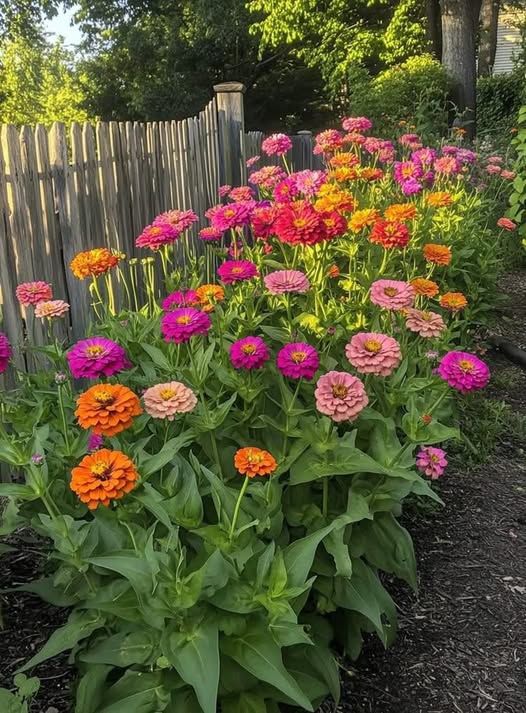
Regular deadheading is essential to keep zinnias blooming continuously through summer. Zinnias are “cut-and-come-again” flowers — removing spent blooms signals the plant to produce more.
How to Deadhead Zinnias
Use clean, sharp scissors or pruning shears. Cut the spent flower stem back to the next leaf node or a side branch. Make the cut at a 45-degree angle.
Deadhead every 3 to 5 days during peak bloom season. If you fall behind, do not worry — even a once-a-week deadheading session makes a significant difference.
Pinching Young Plants
Pinch back young zinnia plants when they reach 6 to 8 inches tall, cutting or pinching off the growing tip just above a leaf node. This encourages the plant to branch and produce more flower stems. It delays the first bloom by about a week but results in a much bushier, more productive plant.
Cutting Flowers for Vases
Cutting zinnias for bouquets functions exactly like deadheading — it encourages more blooms. Cut stems in the morning when flowers are freshest, choosing blooms that have just opened. Place immediately in cool water. Vase life is typically 7 to 12 days.
Managing Pests on Zinnias in Summer
Summer heat can trigger pest population explosions. Knowing what to look for — and how to respond — keeps damage manageable.
Spider Mites
Spider mites are the most common zinnia pest in hot, dry summer conditions. These tiny arachnids (barely visible to the naked eye) live on the undersides of leaves and cause stippled, yellowing foliage. In severe infestations, you may see fine webbing.
Management:
- Inspect the undersides of leaves regularly
- Knock mites off with a strong spray of water (do this in the morning)
- Apply insecticidal soap or neem oil, focusing on leaf undersides
- Increase watering slightly — dry, stressed plants attract spider mites
Aphids
Aphids cluster on new growth and flower buds, sucking sap and distorting stems. They also excrete honeydew, which promotes sooty mold.
Management:
- Blast off with water
- Introduce beneficial insects (ladybugs, lacewings)
- Apply insecticidal soap as needed
Whiteflies
Common in humid, warm conditions. Whiteflies rise in a white cloud when disturbed. They weaken plants over time.
Management:
- Yellow sticky traps reduce populations
- Neem oil applied to undersides of leaves is effective
- Avoid excess nitrogen fertilizer, which promotes the lush growth whiteflies prefer
Managing Diseases on Zinnias in Summer Heat
Powdery Mildew
Powdery mildew is the most common zinnia disease in summer, especially in humid climates. It appears as white, powdery patches on leaves and stems. Despite its appearance, it thrives not in constantly wet conditions but in warm days, cool nights, and poor air circulation.
Prevention:
- Proper plant spacing (the single most effective step)
- Water at the base, never from above
- Choose resistant varieties (Zahara, Profusion)
- Remove and dispose of affected plant material
Treatment:
- Apply a fungicide containing sulfur, copper, or potassium bicarbonate at the first sign of infection
- Neem oil used as a preventative spray can reduce incidence
Alternaria Blight
This fungal disease causes brown spots with yellow halos on leaves, which eventually merge and cause leaves to die. It spreads through water splash.
Prevention and management:
- Avoid overhead watering
- Mulch to prevent soil splash
- Remove infected leaves promptly
- Apply copper-based fungicide if the disease spreads
Bacterial Leaf Spot
Causes water-soaked, irregular spots that turn brown. Spreads rapidly in warm, wet conditions.
Management:
- Remove infected foliage
- Apply copper-based bactericide
- Improve air circulation
- Avoid working with wet plants (you spread the bacteria)
Growing Zinnias in Containers During Summer Heat
Growing zinnias in pots is popular, but containers are more vulnerable to summer heat than in-ground beds. Pots heat up faster, dry out faster, and provide less root insulation.
Container Tips for Hot Weather
- Choose light-colored pots. Dark pots absorb heat and can raise soil temperatures to damaging levels in direct sun.
- Use a pot at least 12 inches in diameter for standard varieties. Larger containers hold more moisture and buffer temperature swings.
- Use a high-quality potting mix that includes perlite for drainage and moisture-retaining components like coir or compost.
- Water more frequently. Container zinnias in summer heat may need watering every day (or even twice daily) during heat waves. Check the soil daily — if the top inch is dry, water.
- Fertilize every 2 weeks with a liquid fertilizer, as nutrients leach out faster with frequent watering.
- Consider moving pots to afternoon shade during extreme heat events.
End-of-Summer Care and Saving Seeds
As summer winds down, zinnias that have been well-maintained will continue blooming until the first frost. There are a few late-season steps worth taking.
Saving Zinnia Seeds
Zinnias are easy to save seed from. Allow some flowers to fully dry on the plant. Once the petals have dried and the seed head has turned brown and papery, pull the petals apart — the seeds are the narrow, pointed structures attached to the base of each petal.
Spread them to dry indoors for 1 to 2 weeks before storing in a cool, dry location. Note: Hybrid varieties will not breed true from saved seed. Save seed only from open-pollinated or heirloom types.
Composting at Season’s End
At the end of the season, remove zinnia plants from the bed completely rather than leaving them in place. Fungal spores from powdery mildew and other diseases can overwinter in plant debris and infect next year’s garden.
Healthy plant material can be composted; diseased material should be bagged and discarded.
Quick Troubleshooting for Summer Problems
| Problem | Likely Cause | Solution |
| Wilting in afternoon | Normal heat response | Check morning — likely fine |
| Wilting all day | Underwatering or root rot | Adjust watering; check drainage |
| White powder on leaves | Powdery mildew | Improve airflow; apply fungicide |
| Brown spots on leaves | Alternaria or bacterial spot | Remove leaves; avoid overhead water |
| Yellowing lower leaves | Overwatering or nutrient deficiency | Reduce water; fertilize |
| Few or no flowers | Too much nitrogen or too much shade | Switch to bloom fertilizer; more sun |
| Stippled, dry leaves | Spider mites | Spray undersides; apply neem oil |
| Distorted new growth | Aphids | Water spray; insecticidal soap |
Final Thoughts
Zinnias reward attention. They are not demanding plants, but they do respond noticeably to thoughtful care — especially during the stress of summer heat.
When you get the basics right — sun, water, airflow, and regular deadheading — zinnias will give back more than almost any other summer annual.
There is something genuinely satisfying about walking through a zinnia bed in mid-August, when most other annuals have faded, and finding a riot of color still going strong. With the guidance in this article, that is exactly what you can expect.
References
- University of Florida IFAS Extension — Zinnias for Florida (Publication ENH-22) https://edis.ifas.ufl.edu/publication/EP008
- Clemson Cooperative Extension, Home & Garden Information Center — Zinnia https://hgic.clemson.edu/factsheet/zinnia/
- North Carolina State University Extension Gardener Plant Toolbox — Zinnia elegans https://plants.ces.ncsu.edu/plants/zinnia-elegans/
- USDA Agricultural Research Service — Native Plant Information: Zinnia https://www.ars.usda.gov/research/publications/publication/?seqNo115=164530

Tim M Dave is a gardening expert with a passion for houseplants, particularly cacti and succulents. With a degree in plant biology from the University of California, Berkeley, he has vast experience in gardening. Over the years, he has cultivated a vast collection of desert plants and learned a great deal about how to grow and care for these unique companions.