Edible Fig Tree Care: How to Grow, Nurture, and Harvest Fruits
There is something deeply satisfying about growing your own fig tree. The moment you pick a ripe, warm fig straight from the branch — skin slightly splitting, honey-sweet juice at the edge — you understand why this ancient fruit has been cultivated for over 11,000 years.
But that experience does not happen by accident. It takes the right knowledge, consistent care, and a little patience.
This guide covers everything you need to know about edible fig tree care, from planting to pruning, pest control to winter protection.
Edible Fig Tree at a Glance
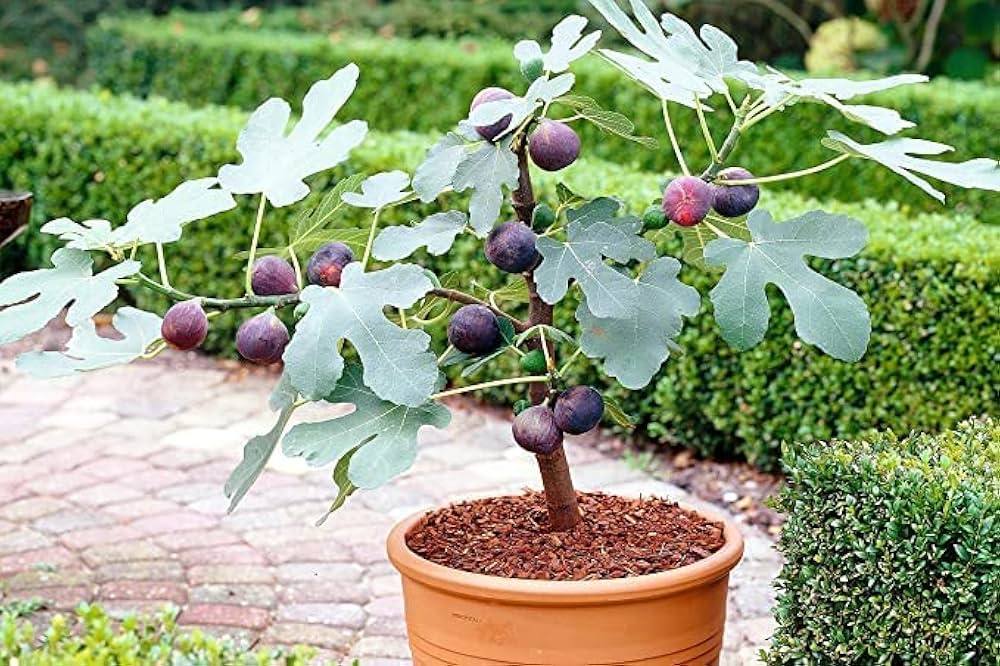
| Common Name | Common Fig, Edible Fig |
| Scientific Name | Ficus carica |
| Plant Family | Moraceae |
| Origin | Western Asia and the Mediterranean |
| Type | Deciduous fruit tree or large shrub |
| Mature Height | 10–30 feet (3–9 meters); can be kept smaller with pruning |
| Mature Spread | 10–30 feet |
| USDA Hardiness Zones | 6–11 (with protection in zones 6–7) |
| Sun Requirement | Full sun (8+ hours per day) |
| Soil Type | Well-drained, loamy or sandy; slightly acidic to neutral (pH 6.0–6.5) |
| Watering Needs | Moderate; drought-tolerant once established |
| Fertilizer | Low to moderate nitrogen; avoid over-feeding |
| Pollination | Most varieties are self-fertile (parthenocarpic) |
| Time to First Fruit | 3–5 years from seed; 1–2 years from cuttings |
| Fruit Season | Summer (breba crop) and late summer–fall (main crop) |
| Lifespan | 100+ years with proper care |
| Common Pests | Fig rust, root-knot nematodes, fig beetles, birds |
| Popular Varieties | Brown Turkey, Chicago Hardy, Celeste, Black Mission, Adriatic |
1. Understanding the Edible Fig Tree
The edible fig (Ficus carica) is one of the oldest cultivated plants in human history. Archaeological evidence from the Jordan Valley suggests humans were cultivating figs before they even planted grain crops.
That history alone tells you something — this is a resilient, rewarding plant worth growing.
Fig trees are deciduous in temperate climates, meaning they drop their leaves in autumn and re-emerge in spring. In warmer climates, they may retain leaves year-round. They grow as large multi-trunked shrubs or single-trunk trees and produce two fruit crops per year under ideal conditions.
The fig “fruit” is technically not a fruit at all. It is an inverted flower structure called a syconium — a fleshy receptacle that contains hundreds of tiny flowers inside. This botanical quirk is part of why fig pollination is so unique and why most home-garden varieties are bred to produce fruit without pollination.
2. Choosing the Right Variety
Before you plant, choose a variety suited to your climate. This is one of the most important decisions you will make for long-term success.
- Brown Turkey — One of the most widely grown varieties. Reliable, cold-hardy, and productive. Great for beginners. Suitable for zones 7–11.
- Chicago Hardy — An excellent choice for cold climates (zones 5–10). Can survive brief temperatures as low as -10°F (-23°C) with root protection.
- Celeste — A smaller, sweet fig preferred in the southeastern United States. Very cold-tolerant and disease-resistant.
- Black Mission — Popular in California. Produces large, dark-skinned fruit with rich flavor. Best in zones 8–10.
- Adriatic — Light green skin and sweet, pink flesh. Often used for fig jam. Thrives in Mediterranean-type climates.
- Kadota — A yellow-green fig with mild sweetness. Does best in hot, dry climates.
If you live in a colder region, prioritize cold hardiness first. A tree that survives winter reliably will always outperform a more flavorful variety that dies back to the ground every year.
3. Planting Your Fig Tree
When to Plant
The best time to plant a fig tree depends on your climate.
- In warm climates (zones 8–11): Plant in early spring or late fall.
- In cooler climates (zones 6–7): Plant in spring, after the last frost date. This gives the tree a full growing season to establish before winter.
Container-grown trees can be planted almost any time during the growing season, as long as you keep up with watering during establishment.
Choosing the Right Location
Sunlight is everything for fig trees. Choose a spot that receives at least 8 hours of direct sunlight per day. In cooler regions, south-facing walls or slopes are ideal — they absorb heat, extend the growing season, and offer some frost protection.
Avoid planting near septic systems or water pipes. Fig tree roots are aggressive and can cause structural damage over time.
Soil Preparation
Figs are not particularly fussy about soil, but they must have excellent drainage. They will not tolerate soggy roots. Waterlogged soil leads to root rot and poor fruit production.
- Ideal pH: 6.0 to 6.5
- If your soil is heavy clay, amend it with compost and coarse sand, or plant on a raised bed or mound.
- If your soil is sandy, add organic compost to improve water retention and nutrient content.
Planting Steps
- Dig a hole two to three times wider than the root ball and the same depth.
- Loosen the soil at the bottom and sides to encourage root spread.
- Mix the excavated soil with compost (no more than 25% compost by volume).
- Place the tree so the root collar sits at or slightly above ground level.
- Backfill and firm gently around the roots to remove air pockets.
- Water thoroughly after planting.
- Apply a 3–4 inch layer of mulch around the base, keeping it a few inches away from the trunk.
Container Growing
Fig trees thrive in containers — one of the biggest advantages of growing figs is their adaptability to pots. This is particularly useful in colder climates where you need to bring the tree indoors in winter.
Use a large container (at least 15–20 gallons) with drainage holes. Fill with a well-draining potting mix. Container-grown figs need more frequent watering and feeding than in-ground trees.
4. Watering: Getting the Balance Right
Consistent moisture during the growing season is key to healthy fig production. Irregular watering — dry spells followed by heavy irrigation — is one of the most common causes of fruit splitting and drop.
General Guidelines
- Newly planted trees: Water deeply two to three times per week during the first season. The goal is to keep the root zone evenly moist, not wet.
- Established trees: Water deeply once a week during hot, dry weather. Allow the top few inches of soil to dry slightly between waterings.
- Container trees: Check daily in summer. Pots dry out faster, and figs in containers can wilt quickly in heat.
Signs of Overwatering vs. Underwatering
| Symptom | Likely Cause |
| Yellow leaves, mushy stem base | Overwatering / root rot |
| Wilting despite moist soil | Root rot or root damage |
| Leaf scorch, dry curling leaves | Underwatering |
| Fruit splitting | Irregular watering |
| Fruit drop before ripening | Drought stress |
During winter dormancy, reduce watering significantly. The tree needs very little moisture when it has no leaves.
5. Fertilizing Fig Trees
Fig trees are relatively light feeders. One of the most common mistakes gardeners make is over-fertilizing — particularly with high-nitrogen fertilizers — which leads to lush leaf growth at the expense of fruit.
Recommended Fertilizing Schedule
- Early spring (as growth begins): Apply a balanced, slow-release fertilizer (10-10-10) or a low-nitrogen formula. This supports healthy leaf development and sets the stage for fruit production.
- Midsummer: A light top-dressing of compost around the drip line is usually sufficient. Avoid heavy nitrogen applications at this stage.
- After fruiting: No fertilizer is needed. Allow the tree to begin its natural wind-down toward dormancy.
If your tree produces excessive vegetative growth but little fruit, stop fertilizing entirely for a season. Mild stress can actually encourage fruiting.
Annual application of aged compost or well-rotted manure around the base — without letting it touch the trunk — is an excellent, gentle way to maintain soil health.
6. Pruning Fig Trees
Pruning is one of the most misunderstood aspects of fig tree care. Prune too much, and you lose the coming season’s fruit. Prune too little, and the tree becomes unmanageable.
When to Prune
The best time to prune is late winter, just before new growth begins — typically late February to early March in temperate climates. The tree is dormant, which makes it easier to see the structure, and pruning wounds heal quickly as growth resumes.
Light corrective pruning can be done in summer if needed (removing dead, crossing, or rubbing branches), but avoid heavy pruning during the growing season.
What to Remove
- Dead or damaged wood: Remove any branches that died over winter.
- Crossing branches: Branches that rub together create wounds that invite disease.
- Suckers: Shoots emerging from the base or below the graft union should be removed promptly.
- Inward-growing shoots: The goal is an open center that allows sunlight and airflow throughout the canopy.
- Overly long leaders: Heading back long branches by one-third encourages lateral branching and more fruit-bearing wood.
Pruning for Size Control
Container-grown figs or those in small gardens can be kept at 6–8 feet tall with annual pruning. Focus on maintaining a clean structure rather than drastic cutting. Remove about 20–30% of growth each year to keep the tree productive and manageable.
Always use clean, sharp tools and disinfect between cuts with a diluted bleach solution (1 part bleach to 9 parts water) to prevent spreading disease.
7. Mulching
Mulching is simple, inexpensive, and incredibly beneficial for fig trees.
A 3–4 inch layer of organic mulch — wood chips, straw, shredded leaves — around the base of the tree does the following:
- Regulates soil temperature, protecting roots from summer heat and winter cold.
- Retains soil moisture, reducing the need for frequent irrigation.
- Suppresses weeds, which compete with the tree for nutrients and water.
- Gradually improves soil structure as it breaks down.
Keep mulch a few inches away from the trunk to prevent moisture accumulation against the bark, which can lead to rot and fungal disease.
8. Winter Care and Cold Protection
Winter protection is essential for fig trees in zones 7 and below. Even naturally cold-hardy varieties like Chicago Hardy benefit from a helping hand during severe winters.
In-Ground Trees (Zones 6–7)
- After the first hard frost, wrap the trunk and main branches with burlap, frost cloth, or old blankets.
- Fill the center of the wrapped tree with dry straw for added insulation.
- Alternatively, build a simple wire cage around the tree and fill with dry leaves.
- Mound 6–12 inches of mulch around the base to protect the root zone — even if branches die back, new growth from insulated roots will often revive the tree in spring.
Container Trees
The easiest solution for cold climates is to grow figs in containers and move them to an unheated garage, shed, or basement for winter. The space should stay above freezing (ideally 20°F–40°F / -7°C–4°C) but need not be warm.
Water the container lightly once a month during storage — just enough to keep the roots from desiccating completely. Do not fertilize or place the tree in a warm, lit area until late winter when you are ready to bring it back outdoors.
9. Common Pests and Diseases
Figs are generally tough, but a few pests and diseases are worth knowing.
Fig Rust (Cerotelium fici)
Fig rust is a fungal disease that causes yellow-orange spots on the upper leaf surface and rusty-brown pustules on the underside. Severe infections cause premature leaf drop. It is most common in warm, humid climates.
Management: Remove and dispose of infected leaves. Avoid overhead watering. Apply copper-based fungicides preventively during humid conditions.
Root-Knot Nematodes (Meloidogyne spp.)
These microscopic soil-dwelling pests infect the roots, forming swollen galls that interfere with nutrient and water uptake. Affected trees show slow growth, yellowing leaves, and poor fruit production despite adequate care.
Management: Improve soil health with organic matter. Rotate resistant cover crops. In severe cases, solarize the soil before replanting. Choose nematode-resistant rootstocks where available.
Fig Beetles and Borers
Fig beetles (Cotinis mutabilis) damage ripe fruit, while borers can tunnel into branches and trunks. Inspect trees regularly during summer.
Management: Harvest fruit promptly. Remove and destroy damaged wood. Sticky traps can help monitor adult borer populations.
Birds and Squirrels
Honestly, the biggest pest problem I have ever dealt with is the neighborhood birds discovering my ripe figs before I do. Bird netting placed over the tree during the ripening period is the most effective physical barrier.
10. Harvesting Edible Figs
This is the moment everything else leads to — and it is worth doing right.
How to Know When Figs Are Ripe
Figs do not ripen off the tree, so timing your harvest is important. Look for these signs:
- The fruit droops downward on the branch (ripe figs lose the upward firmness of unripe ones).
- The skin develops its full color — deep purple, brown, yellow, or green depending on the variety.
- The skin may show slight cracking or wrinkling near the eye (the small opening at the base).
- The fruit feels soft when gently squeezed.
- A small drop of nectar may appear at the eye.
How to Harvest
Twist and pull gently. The fruit should come away cleanly. Wear gloves if you have sensitive skin — the milky latex sap in fig stems and leaves can cause contact dermatitis in some people.
Storage
Fresh figs are highly perishable. Use them within 1–2 days at room temperature or up to a week refrigerated. They also dry, freeze, and preserve beautifully as jam or compote.
11. Propagating Fig Trees
One of the most delightful things about figs is how easy they are to propagate. Fig cuttings root readily, which means you can expand your collection or share with friends at no cost.
Hardwood Cuttings (Best Method)
- In late winter, select pencil-thick stems from healthy wood of the previous year’s growth.
- Cut sections 6–10 inches long, making cuts just below a node at the bottom and above a node at the top.
- Let cuttings dry for a few hours to allow the sap to seal.
- Dip the bottom 1–2 inches in rooting hormone powder.
- Insert into a pot of moist, well-draining propagation mix (equal parts perlite and peat or coco coir).
- Keep in a warm, bright location out of direct sun. Roots typically develop within 4–8 weeks.
A single mature fig tree can yield dozens of cuttings — a generous plant in every sense.
12. Frequently Asked Questions
How long does it take for a fig tree to produce fruit? Trees grown from cuttings typically fruit within 1–2 years. Trees grown from seed take 3–5 years. Patience pays off — once a fig tree matures, it can produce for over a century.
Why are my figs dropping before they ripen? The most common causes are drought stress, irregular watering, or nitrogen excess. Ensure consistent moisture and reduce fertilizer.
Can fig trees grow in pots indoors? Yes, with limitations. Figs need abundant light to fruit — at least 6–8 hours of direct or intense indirect sunlight. A south-facing window or supplemental grow light is essential indoors.
Do I need two fig trees for pollination? Most common varieties grown in home gardens are parthenocarpic — they produce fruit without pollination. Wild figs and certain specialty varieties require a wasp pollinator (Blastophaga psenes), but this is generally not a concern for gardeners.
Why are the leaves on my fig tree turning yellow? Yellowing leaves can indicate overwatering, underwatering, nitrogen deficiency, root-knot nematodes, or the natural onset of fall dormancy. Diagnose based on timing and accompanying symptoms.
Final Thoughts
Growing an edible fig tree is one of the most rewarding investments a gardener can make. The tree asks for very little — good sun, decent drainage, and some protection from bitter cold — and gives back generously for decades.
Start with a variety suited to your climate, plant it in the right spot, and resist the urge to over-fertilize or over-water. Give it time. A fig tree that is well-sited and well-cared-for does not just produce fruit — it becomes a living landmark in your garden, a tree your grandchildren may one day harvest from.
That, to me, is the real reward of growing figs.
References
- University of Florida IFAS Extension — Figs for the Home Landscape https://edis.ifas.ufl.edu/publication/MG055
- Texas A&M AgriLife Extension — Home Fruit Production: Figs https://aggie-horticulture.tamu.edu/fruit-nut/files/2010/10/fig.pdf
- University of California Agriculture & Natural Resources (UC ANR) — Fig: University of California Integrated Pest Management Program https://ipm.ucanr.edu/agriculture/fig/
- USDA Natural Resources Conservation Service — Plants Database: Ficus carica L. https://plants.usda.gov/home/plantProfile?symbol=FICA
- North Carolina State University Extension — Plant Toolbox: Ficus carica https://plants.ces.ncsu.edu/plants/ficus-carica/
- Purdue University New Crops Resource Online Program — Morton, J. (1987). Fig. Fruits of Warm Climates. https://www.hort.purdue.edu/newcrop/morton/fig.html
- University of Georgia Cooperative Extension — Home Garden Figs (Bulletin 1042) https://extension.uga.edu/publications/detail.html?number=B1042

Tim M Dave is a gardening expert with a passion for houseplants, particularly cacti and succulents. With a degree in plant biology from the University of California, Berkeley, he has vast experience in gardening. Over the years, he has cultivated a vast collection of desert plants and learned a great deal about how to grow and care for these unique companions.