10 Common Citrus Tree Leaf Problems: Identification and Proven Solutions
Citrus trees are among the most rewarding plants a gardener or farmer can grow. The glossy leaves, fragrant blossoms, and vibrant fruit make them a joy to tend. But those same leaves often carry the first signs that something is wrong.
If you have ever walked out to your lemon, orange, or lime tree and found yellowing, curling, or spotted leaves, you know how unsettling it can feel.
Leaves are more than just decoration. They are the tree’s primary factory for photosynthesis, the process through which the tree converts sunlight into the energy it needs to flower and fruit. When the leaves suffer, the entire tree suffers.
Citrus leaves also act as a diagnostic tool. They respond visibly to nutritional deficiencies, pest damage, disease, and environmental stress before the fruit or branches show any signs.
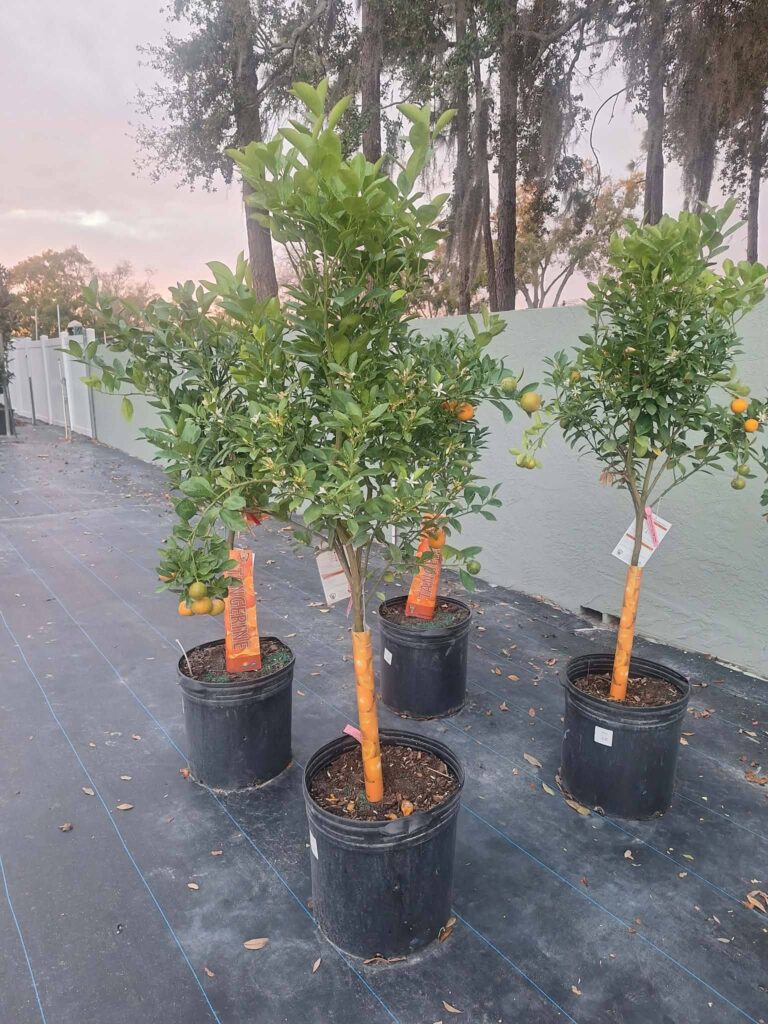
Learning to read your leaves is the single most powerful skill a citrus grower can develop. So, here are the common citrus tree leaf problems, what causes, how to identify, and how to fix them.
1. Yellowing Leaves (Chlorosis)
Yellowing is the most common complaint among citrus growers, and it does not always mean the same thing. The pattern of yellowing tells you a great deal.
Iron Deficiency
Iron deficiency shows as yellow leaves with green veins — a pattern called interveinal chlorosis. It typically starts on young leaves near the tips of branches. This often happens not because the soil lacks iron, but because the soil pH is too high (alkaline), locking iron out of the roots’ reach.
Fix: Lower soil pH with sulfur applications. Use chelated iron foliar sprays for a faster response. Test your soil pH before adding amendments.
Nitrogen Deficiency
A nitrogen-deficient citrus tree shows uniform yellowing across older, lower leaves first. The leaves turn pale green, then yellow, and may drop prematurely. Nitrogen moves within the plant, so the tree pulls it from older leaves to feed new growth.
Fix: Apply a balanced citrus fertilizer with a proper nitrogen ratio. Slow-release granular fertilizers work well for in-ground trees. Potted citrus may need more frequent feeding since nitrogen leaches out with watering.
Magnesium Deficiency
Magnesium deficiency looks similar to iron deficiency but affects older leaves rather than new ones. You will notice yellow patches between the veins on mature leaves, often starting near the leaf edges and moving inward.
Fix: Apply Epsom salt (magnesium sulfate) as a foliar spray or soil drench. About two tablespoons per gallon of water works well as a starting rate.
Zinc Deficiency
Zinc deficiency produces small, mottled, yellow-green leaves with a distinctive bronze tint in some cases. Affected leaves are often smaller than normal, and the internodes between leaves may be unusually short.
Fix: Apply a zinc-containing micronutrient spray. Most complete citrus fertilizers include zinc, but deficiencies in alkaline soils may require targeted treatment.
2. Curling and Twisting Leaves
Leaf curl is the tree’s stress response. It happens quickly and can indicate several very different problems.
Water Stress (Drought or Overwatering)
Both underwatering and overwatering can cause leaves to curl inward. Drought-stressed leaves curl to reduce surface area and limit moisture loss. Overwatered trees curl because waterlogged roots cannot deliver oxygen or water efficiently, leaving the tree effectively thirsty even in wet soil.
Fix: Check soil moisture before watering. Citrus prefers deep, infrequent watering rather than shallow daily watering. Allow the top two inches of soil to dry before irrigating again.
Citrus Leafminer (Phyllocnistis citrella)
The citrus leafminer is a tiny moth whose larvae tunnel through young leaves, leaving silvery trails and causing the leaf edges to curl tightly. Infested leaves are often stunted and distorted. This pest is especially damaging on young trees and new flushes of growth.
Fix: Protect new growth flushes with spinosad-based sprays or horticultural oil. Avoid excessive nitrogen fertilization, which stimulates new growth and attracts more leafminer activity. On mature trees, leafminer damage is mostly cosmetic.
Broad Mite and Citrus Bud Mite
These microscopic pests cause severe leaf distortion, twisting, and hardening of young tissue. Leaves may appear bronzed or leathery. Unlike spider mites, these species are invisible to the naked eye, making diagnosis tricky without a hand lens or lab confirmation.
Fix: Apply sulfur-based miticides or abamectin products. Repeat applications are usually necessary because mite eggs are resistant to many treatments.
3. Spotted and Lesioned Leaves
Spots on citrus leaves are usually a sign of disease or pest feeding. The shape, color, and location of the spot narrow down the cause considerably.
Citrus Canker (Xanthomonas citri subsp. citri)
Citrus canker is a serious bacterial disease that produces raised, corky, water-soaked lesions surrounded by yellow halos on both leaf surfaces. It spreads rapidly through rain splash, wind, and contaminated tools.
In the United States, it is a regulated pest with significant legal restrictions on plant movement in affected states.
This disease does not kill trees directly, but it reduces fruit quality and marketability significantly. Severe infections cause premature fruit drop and defoliation.
Fix: There is no cure once a tree is infected. Management includes copper-based bactericides applied preventatively before and after rain events, sanitation of tools, and, in some regions, mandatory removal of infected trees as directed by agricultural authorities.
Greasy Spot (Mycosphaerella citri)
Greasy spot is a fungal disease common in humid climates like Florida. It starts as yellow-brown spots on the upper leaf surface with a greasy or oily appearance on the underside.
In advanced cases, leaves turn entirely yellow and drop, weakening the tree and reducing the next year’s crop.
Fix: Apply copper or oil-based fungicides during the summer months when spores are most active. Good pruning to improve air circulation also reduces disease pressure.
Alternaria Brown Spot
This fungal disease causes small, dark brown to black spots with yellow halos on young leaves and fruit. It primarily affects mandarin varieties and their hybrids. Wet weather and crowded canopies favor its spread.
Fix: Apply copper fungicide sprays during susceptible growth stages. Choose resistant varieties when planting new trees.
Phytophthora Brown Rot
Although this disease primarily targets fruit, it can also cause brown, water-soaked lesions near the base of young leaves when spore-laden soil is splashed onto lower canopy foliage. Poorly drained soils and overwatering increase the risk significantly.
Fix: Improve drainage, avoid wetting the lower canopy when irrigating, and apply phosphonate-based fungicides where the disease is established.
4. Sticky Leaves and Sooty Mold
If your citrus leaves feel sticky and are coated in a black, powdery film, the problem is almost certainly sooty mold growing on honeydew secreted by sap-sucking insects.
Aphids
Aphids cluster on new growth and flower buds, draining plant sap and excreting a sugary honeydew. They reproduce rapidly in warm weather and can weaken new flushes before they fully develop.
Heavy infestations attract ants, which protect aphids from natural predators.
Fix: Strong jets of water dislodge aphids effectively. Insecticidal soap and neem oil work well for moderate infestations. Introduce or protect natural predators like ladybugs and lacewings.
Scale Insects
Armored and soft scales attach themselves to leaves and stems, feeding in place and producing honeydew. California red scale and brown soft scale are among the most damaging species on citrus. Infested leaves turn yellow and drop early.
Fix: Horticultural oil sprays during the crawler stage (when young scales are mobile) are most effective. Systemic insecticides may be warranted for severe infestations, but check for compatibility with beneficial insect programs first.
Whiteflies
Citrus whitefly (Dialeurodes citri) congregates on the undersides of leaves. Like aphids, they excrete honeydew and support sooty mold growth. A cloud of tiny white insects when you shake a branch is the telltale sign.
Fix: Yellow sticky traps help monitor populations. Insecticidal soap or neem oil applied to leaf undersides reduces populations. Avoid broad-spectrum insecticides that eliminate natural enemies.
5. Bronze, Silvery, or Dusty-Appearing Leaves
A bronze or dusty appearance on citrus foliage typically points to mite infestation.
Citrus Red Mite (Panonychus citri)
Citrus red mites feed on the upper leaf surface, causing fine stippling that gives leaves a dull, silvery, or bronzed look. Severe infestations reduce photosynthesis and weaken the tree. Hot, dry conditions favor population explosions.
Fix: Miticides containing abamectin, bifenazate, or hexythiazox are effective. Rotate chemical classes to prevent resistance. Encourage natural predators such as predatory mites by avoiding broad-spectrum pesticide use.
Rust Mites (Phyllocoptruta oleivora)
Rust mites are so small they are nearly invisible without magnification, but their damage gives leaves and young fruit a silvery or russet appearance. They are most active in summer and fall.
Fix: Sulfur sprays are highly effective and economical. Apply before populations build to high levels for best results.
6. Pale, Faded, or Bleached Leaves
Bleached or faded foliage without distinct spotting usually points to environmental causes rather than pests or disease.
Sunburn
Citrus trees exposed to extreme afternoon sun — especially newly transplanted trees or those recently stripped of surrounding shade — can develop pale, bleached patches on sun-facing leaves. The tissue may eventually turn brown and papery.
Fix: Provide temporary shade cloth protection for newly planted trees. Avoid heavy pruning that suddenly exposes previously shaded foliage to direct sun.
Herbicide Drift
Drifting herbicides, particularly those containing glyphosate or 2,4-D, cause irregular bleaching, puckering, and distortion on citrus leaves that can be mistaken for viral infection. The damage is typically concentrated on one side of the tree facing the source of drift.
Fix: There is no chemical treatment. Remove severely affected foliage and support the tree with proper nutrition and irrigation while it recovers.
7. Citrus Huanglongbing (HLB) — The Greatest Threat
No discussion of citrus leaf problems would be complete without addressing Huanglongbing (HLB), also known as citrus greening disease. It is, without exaggeration, the most destructive citrus disease in the world.
HLB is caused by the bacterium Candidatus Liberibacter asiaticus and spread by the Asian citrus psyllid (Diaphorina citri).
The disease produces a very distinctive symptom: asymmetric, blotchy mottling on leaves that does not follow vein patterns — unlike the interveinal chlorosis of nutrient deficiencies. One half of a leaf may be green while the other half is yellow.
There is currently no cure for HLB. Infected trees decline over several years, producing bitter, lopsided fruit before eventually dying.
In the United States, it has devastated Florida’s citrus industry, and it is present or threatening citrus regions across California, Texas, and other states.
Management: Controlling the psyllid vector through insecticide programs, removing infected trees promptly, and using certified disease-free planting material are the main defenses.
Research into thermotherapy, antibiotics, and resistant rootstocks is ongoing but has not yet produced a widely available solution.
8. Nutrient Management — The Foundation of Healthy Leaves
Many of the leaf problems described above are either caused by or worsened by nutritional imbalances. Healthy citrus trees are simply more resistant to pests, diseases, and environmental stress.
A basic citrus nutrition program should include:
- Nitrogen: Applied in split doses through the growing season, not all at once.
- Phosphorus and potassium: Essential for root health and fruit development.
- Micronutrients: Zinc, iron, manganese, and boron are commonly deficient in alkaline or sandy soils.
- Soil pH: Maintained between 6.0 and 7.0 for optimal nutrient availability.
Soil testing every two to three years removes the guesswork from fertilization. Most university cooperative extension offices offer affordable soil testing services that include recommendations specific to your region.
9. Integrated Pest Management for Citrus
The best approach to citrus leaf problems is not to react to each issue in isolation but to adopt an Integrated Pest Management (IPM) strategy.
IPM combines cultural practices, biological controls, and targeted chemical treatments to manage pests and diseases in a sustainable, cost-effective way.
Key IPM principles for citrus include:
- Regular scouting — Walk your orchard or inspect your trees weekly during the growing season. Early detection prevents small problems from becoming large ones.
- Correct identification — Misidentifying a problem leads to ineffective or even counterproductive treatments. When in doubt, send samples to your local cooperative extension office.
- Minimum intervention — Use the least disruptive effective method first. Many pest populations can be managed without chemicals if caught early.
- Record keeping — Track what problems appear, when, and what treatments were used. This improves decision-making over time.
10. When to Call an Expert
Some citrus leaf problems genuinely require professional diagnosis. If you observe asymmetric leaf mottling, severe and unexplained defoliation, unusual growths or galls on leaves, or if multiple treatments have failed to resolve an issue, contact your local cooperative extension office or a certified crop adviser.
For commercial growers, some diseases like citrus canker and HLB carry legal reporting requirements. Acting quickly not only protects your trees — it protects every citrus grower in your region.
Also Read:
Citrus Tree Summer Maintenance: Watering, Fertilization, Mulching, Pests, and More
10 Best Small Citrus Trees for Gardens: Identification With Full Care Guides
10 Problems with Lemon Trees in Pots: Every Issue Explained and Solved
Final Thoughts
Citrus tree leaf problems can seem overwhelming at first glance, but most of them follow recognizable patterns. The pattern of yellowing tells you whether it is a nutrient issue. The location and shape of spots suggest a fungal or bacterial cause. Distortion and silvering point toward pest damage.
I have found that growers who learn to observe carefully — who make it a habit to look closely at their trees every week — catch problems early and solve them with minimal effort. The trees themselves are remarkably resilient when given the right conditions.
Start with your soil, get your nutrition right, scout regularly, and act decisively when a problem appears. Your citrus trees will reward that attention generously.
References
- University of Florida IFAS Extension — Citrus Culture in the Home Landscape https://edis.ifas.ufl.edu/publication/HS199
- University of California Agriculture and Natural Resources (UC ANR) — UC IPM — Citrus: UC IPM Pest Management Guidelines https://ipm.ucanr.edu/agriculture/citrus/
- Texas A&M AgriLife Extension — Citrus in the Texas Home Landscape https://agrilifeextension.tamu.edu/solutions/citrus/
- University of Arizona Cooperative Extension — Citrus: General Information https://extension.arizona.edu/topics/citrus
- University of California Riverside — Center for Invasive Species Research — Asian Citrus Psyllid and Huanglongbing https://cisr.ucr.edu/invasive-species/asian-citrus-psyllid

Tim M Dave is a gardening expert with a passion for houseplants, particularly cacti and succulents. With a degree in plant biology from the University of California, Berkeley, he has vast experience in gardening. Over the years, he has cultivated a vast collection of desert plants and learned a great deal about how to grow and care for these unique companions.