10 Best Small Citrus Trees for Gardens: Identification With Full Care Guides
Some of the most rewarding citrus trees in the world are compact, manageable, and perfectly suited to small gardens, courtyard spaces, balconies, and indoor pots.
I have grown citrus in tight urban spaces for years, and what consistently surprises people is just how productive a small tree can be. A well-cared-for dwarf lemon on a patio can produce enough fruit to supply a kitchen for months.
This article covers the 10 best small citrus trees you can grow — their characteristics, ideal growing conditions, practical care needs, and what makes each one worth choosing.
Best Small Citrus Tree for Garden, Patios, and Containers
Before diving in, it helps to define what “small” means in this context.
Some citrus trees are naturally compact by species. Others are grafted onto dwarfing rootstocks — specifically selected root systems that limit overall tree size without affecting fruit quality. A standard citrus tree may reach 6–10 metres at maturity.
A dwarf or compact variety on a dwarfing rootstock typically stays between 1.2 and 3 metres, making it manageable in containers and small garden beds.
Key point: “dwarf” refers to tree size, not fruit size. The fruits produced by dwarf varieties are full-sized and full-flavoured.
1. Calamondin (Citrofortunella microcarpa)
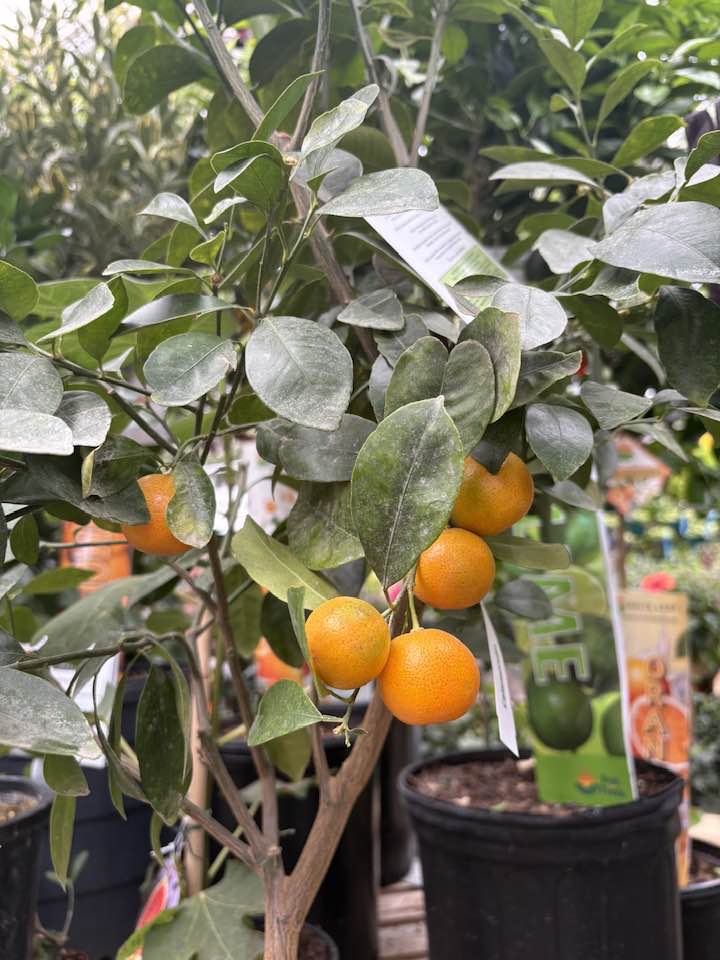
Also known as: Calamansi, Philippine lime, Panama orange
The calamondin is one of the most popular small citrus trees in the world — and for good reason. It is compact, extremely ornamental, and almost perpetually productive.
The tree produces small, round, orange-coloured fruits that look like miniature tangerines, and it blooms and fruits simultaneously for much of the year.
Why Gardeners Love It
- Extremely cold-tolerant for a citrus, surviving short spells down to -3°C (27°F)
- Ideal for pots, indoor windowsills, and small patios
- Self-fertile — one tree produces fruit without a pollination partner
- Highly fragrant flowers year-round
Fruit Profile
The fruit is tart rather than sweet — closer in flavour to a lime-tangerine cross. It is widely used in Filipino cooking, marinades, beverages, and preserved condiments. In Southeast Asia, calamansi juice is as culturally significant as lemon juice is in Europe.
Care Summary
| Mature Height | 1–2 metres |
| Sunlight | Full sun (6–8 hours minimum) |
| Watering | Regular; do not allow to fully dry out |
| Soil | Well-draining, slightly acidic (pH 5.5–6.5) |
| Fruiting Season | Near year-round in warm climates |
| Fertiliser | Balanced citrus feed every 4–6 weeks |
Top tip: Calamondin is one of the few citrus that genuinely tolerates lower light indoors, making it a top choice for apartments and offices with bright windows.
2. Kumquat (Fortunella spp.)
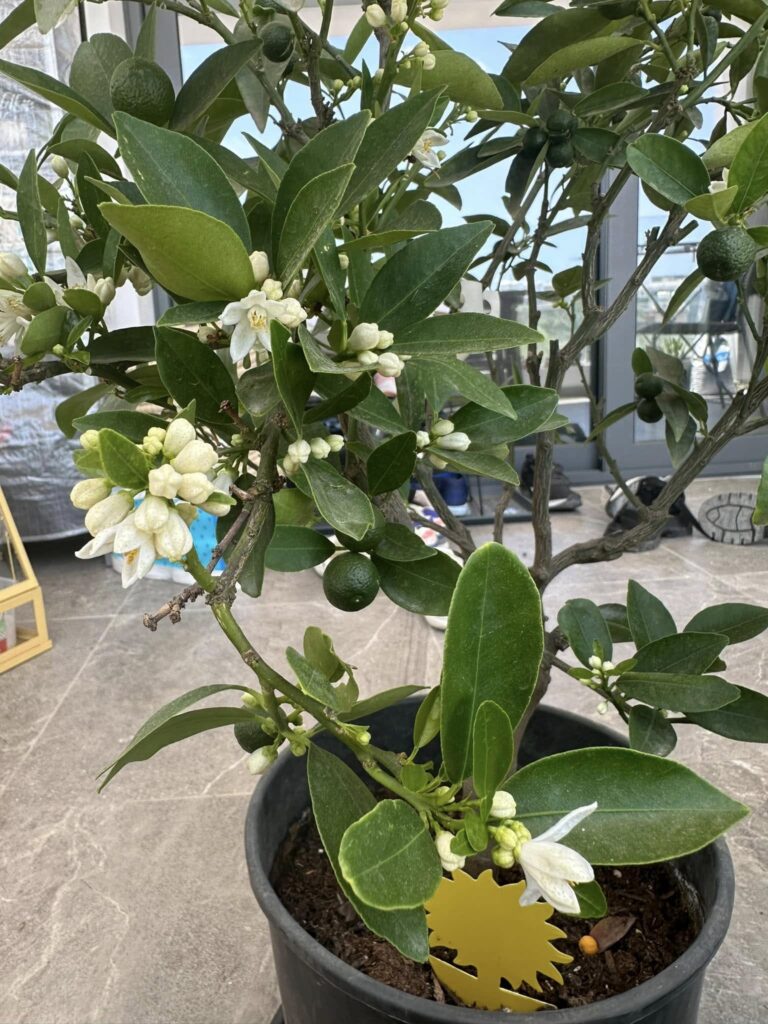
Common varieties: Nagami (oval), Meiwa (round), Marumi
The kumquat holds a special place among small citrus. It is the only citrus you eat whole — skin and all. The skin is sweet, the flesh is tart, and the combination is unlike anything else in the fruit world.
Why Gardeners Love It
- The most cold-hardy citrus available, tolerating temperatures as low as -10°C (14°F) in some varieties
- Stunning ornamental appearance — glossy dark leaves, white flowers, and clusters of orange fruit
- Compact enough to grow as a formal standard or topiary
- Long-lasting fruit that stays on the tree for weeks without dropping
Regional Relevance
Kumquats are widely grown across East Asia (China, Japan, Taiwan), the Mediterranean, the United States, and increasingly in East Africa and South Africa.
Their cold hardiness makes them one of the few citrus options for gardeners in highland regions with cooler winters, including parts of Kenya’s Central Highlands and South Africa’s Cape regions.
Care Summary
| Mature Height | 1.5–3 metres |
| Sunlight | Full sun |
| Watering | Moderate; allow slight drying between waterings |
| Soil | Well-draining, pH 6.0–7.0 |
| Fruiting Season | Late autumn to early spring |
| Fertiliser | Citrus-specific granular, spring and summer |
Top tip: Nagami kumquat (the most widely available variety) produces the best fruit when allowed to experience a slight drought before flowering — this triggers a stronger, more uniform blossom flush.
Also Read: Citrus Tree Summer Maintenance (Watering, Fertilization, Mulching, Pests, and More)
3. Dwarf Meyer Lemon (Citrus × meyeri)
Also known as: Chinese lemon, improved Meyer lemon
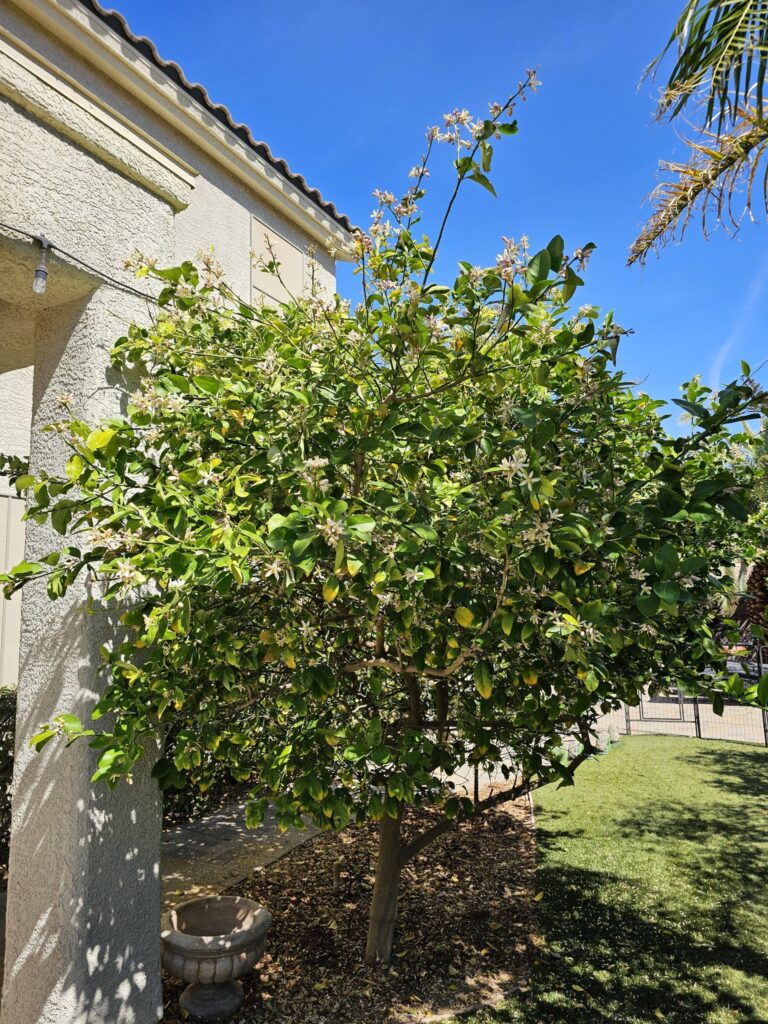
The Meyer lemon is arguably the most beloved dwarf citrus in home gardening. It is a natural hybrid — believed to be a cross between a true lemon and a mandarin orange — which gives its fruit a slightly sweeter, less acidic flavour than a standard lemon.
Why Gardeners Love It
- Thin-skinned, juicy fruit with noticeably better flavour than supermarket lemons
- One of the most productive small citrus trees per plant size
- Blooms multiple times per year in warm climates
- Exceptionally well-suited to container growing
Culinary Use
Meyer lemons are prized in cooking for their complexity. The juice is less sharp than Eureka or Lisbon lemon, making it ideal for desserts, dressings, and cocktails where you want lemon flavour without harsh acidity. The rind is richly fragrant and excellent for zesting.
Care Summary
| Mature Height | 1.5–3 metres |
| Sunlight | Full sun; tolerates partial shade |
| Watering | Consistent moisture; sensitive to drought |
| Soil | Well-draining, pH 5.5–6.5 |
| Fruiting Season | Winter–spring (primary); often a second flush |
| Fertiliser | High nitrogen in spring and summer |
Top tip: Meyer lemon is susceptible to citrus tristeza virus. Always purchase trees certified as virus-free from a reputable nursery.
4. Key Lime (Citrus aurantifolia)
Also known as: Mexican lime, West Indian lime, bartender’s lime
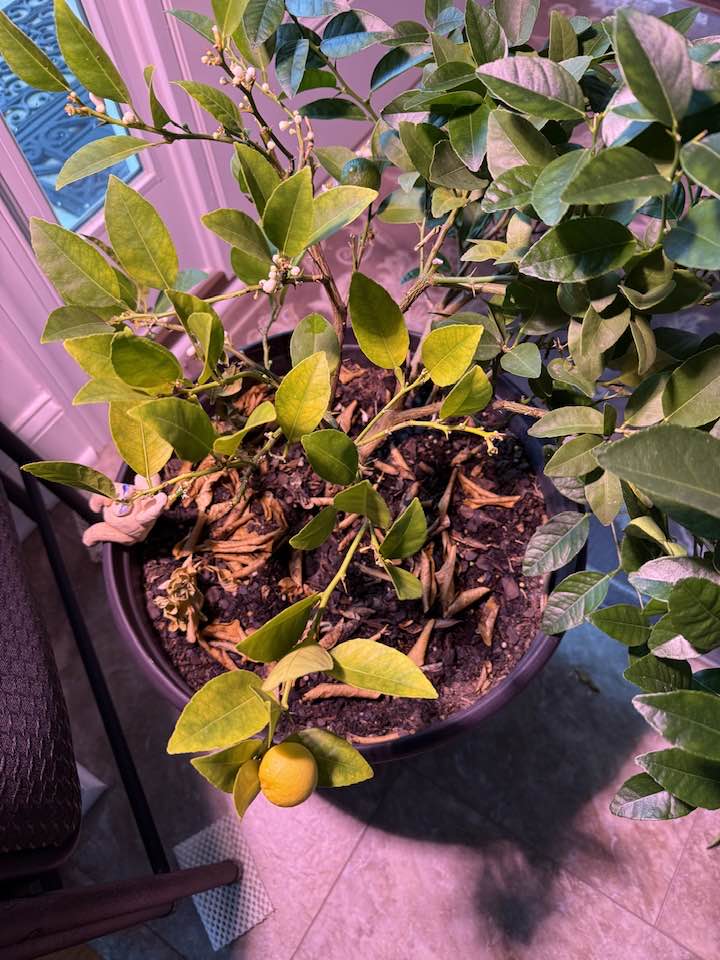
The Key lime is the classic tropical lime — small, seedy, highly aromatic, and intensely flavourful. It is the lime used in the famous Key lime pie and is the dominant lime variety across tropical regions worldwide.
Why Gardeners Love It
- Extremely productive — a single tree in good conditions produces fruit nearly year-round
- More cold-sensitive than other varieties on this list, but ideal for truly tropical and subtropical gardens
- Compact and manageable even without dwarfing rootstock
- Thrives in containers in cooler climates when brought indoors in winter
Regional Relevance
Key lime is the standard home garden lime across East Africa, the Caribbean, Southeast Asia, South Asia, and tropical Australia.
In Kenya, Tanzania, and Uganda, locally grown Key limes are indispensable in cooking and as a fresh beverage ingredient. If you garden in the tropics, this tree almost certainly belongs in your garden.
Care Summary
| Mature Height | 2–3 metres |
| Sunlight | Full sun |
| Watering | Regular; drought-tolerant once established |
| Soil | Sandy, well-draining, pH 6.0–7.0 |
| Fruiting Season | Near year-round in tropical climates |
| Fertiliser | Balanced; high nitrogen in growing season |
Top tip: Key lime does not tolerate frost. In cooler climates, grow it in a large container and bring it indoors before temperatures drop below 5°C (41°F).
5. Finger Lime (Citrus australasica)
Also known as: Australian finger lime, caviar lime
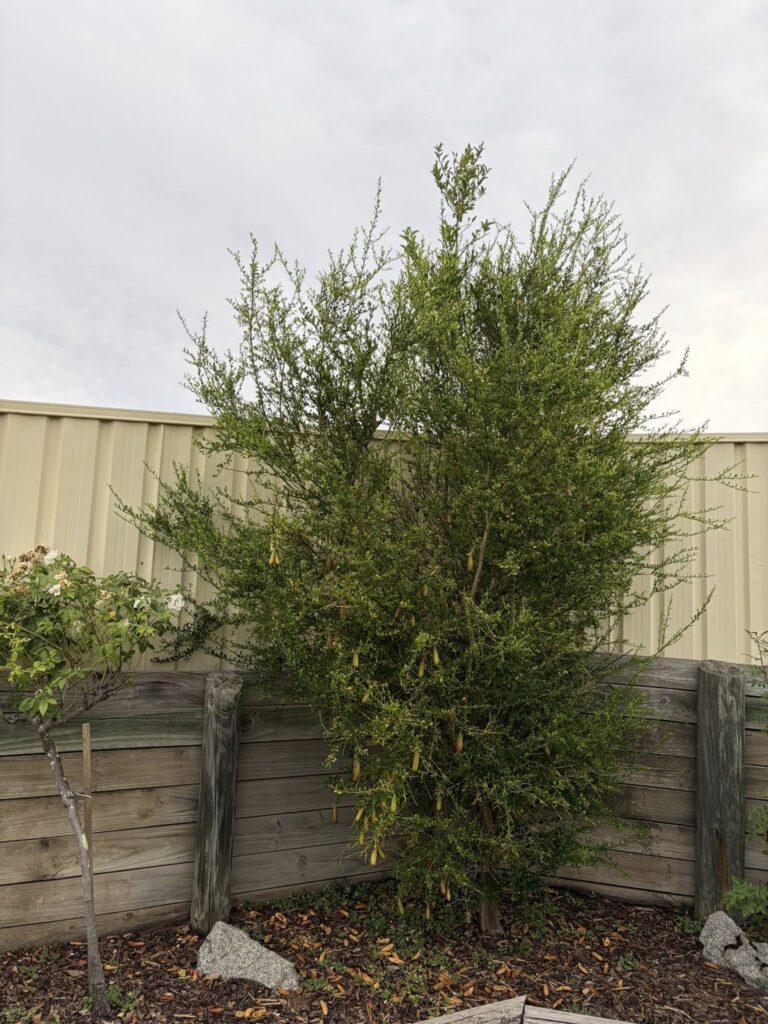
The finger lime is the most unusual tree on this list — and possibly the most exciting. Native to the rainforests of southeast Queensland and northern New South Wales in Australia, it produces elongated, finger-shaped fruits that burst with tiny, pearl-like juice vesicles when cut open. Those vesicles are often described as “citrus caviar.”
Why Gardeners Love It
- A genuine conversation piece in any garden — unique in appearance and flavour
- Available in a remarkable range of skin and flesh colours: green, red, pink, yellow, purple, and black
- Hardy once established; tolerates light frost better than most tropical citrus
- Increasingly used in fine dining globally, making home-grown trees extremely valuable
Culinary Use
Finger lime vesicles are used as a garnish on oysters, sushi, ceviche, salads, and cocktails. The flavour ranges from tart and lime-like to floral and complex depending on the variety. This is one of the fastest-growing niche citrus crops among smallholder farmers in Australia and increasingly in parts of Africa.
Care Summary
| Mature Height | 2–3 metres (slow-growing) |
| Sunlight | Full sun to partial shade |
| Watering | Moderate; good drainage essential |
| Soil | Acidic, humus-rich, well-draining |
| Fruiting Season | Autumn–winter |
| Fertiliser | Light feeder; low-phosphorus fertiliser |
Top tip: Finger lime is slow to establish from a young plant. Expect 3–5 years before reliable fruiting. Grafted plants fruit considerably sooner.
6. Makrut Lime (Citrus hystrix)
Also known as: Kaffir lime, Thai lime, Indonesian lime leaf
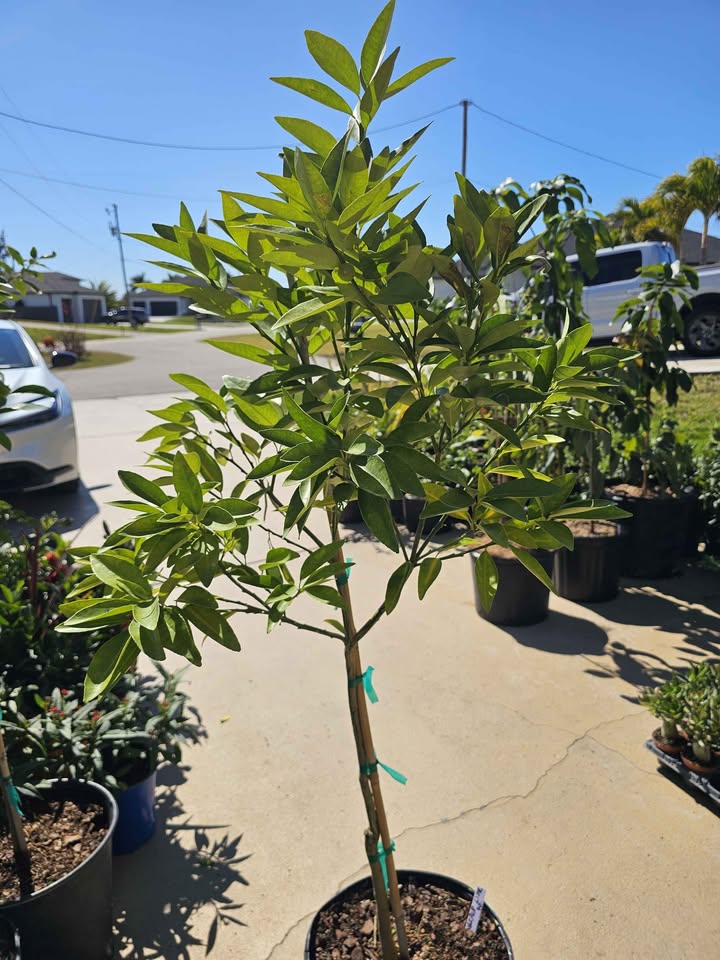
The Makrut lime is grown primarily for its leaves rather than its fruit. The fruit itself is highly fragrant but very dry with little usable juice.
The double-lobed leaves, however, are an irreplaceable ingredient in Thai, Indonesian, Malaysian, and Sri Lankan cooking.
Why Gardeners Love It
- Dual-purpose tree — leaves used fresh or dried in cooking; fruit rind used in perfumery and cosmetics
- Compact and well-suited to container growing
- Extremely fragrant — the crushed leaf produces one of the most distinctive aromas in all of cooking
- Thrives in tropical and subtropical climates; does well indoors in temperate regions
Culinary Use
Makrut lime leaves are essential in Thai green and red curries, tom kha gai (coconut chicken soup), and laksa. They are best used fresh and torn, releasing their volatile oils into a dish.
Fresh leaves from a home tree are dramatically more aromatic than dried or frozen commercial alternatives — reason enough to grow one.
Care Summary
| Mature Height | 1.5–3 metres |
| Sunlight | Full sun |
| Watering | Regular; moist but well-drained |
| Soil | Rich, well-draining, pH 5.5–6.5 |
| Fruiting Season | Irregular; leaves available year-round |
| Fertiliser | High nitrogen to promote leaf growth |
Top tip: Harvest leaves regularly to encourage continuous new growth — and always leave some mature leaves on the tree to support photosynthesis.
7. Dwarf Navel Orange (Citrus sinensis ‘Washington’ or ‘Dwarf’)
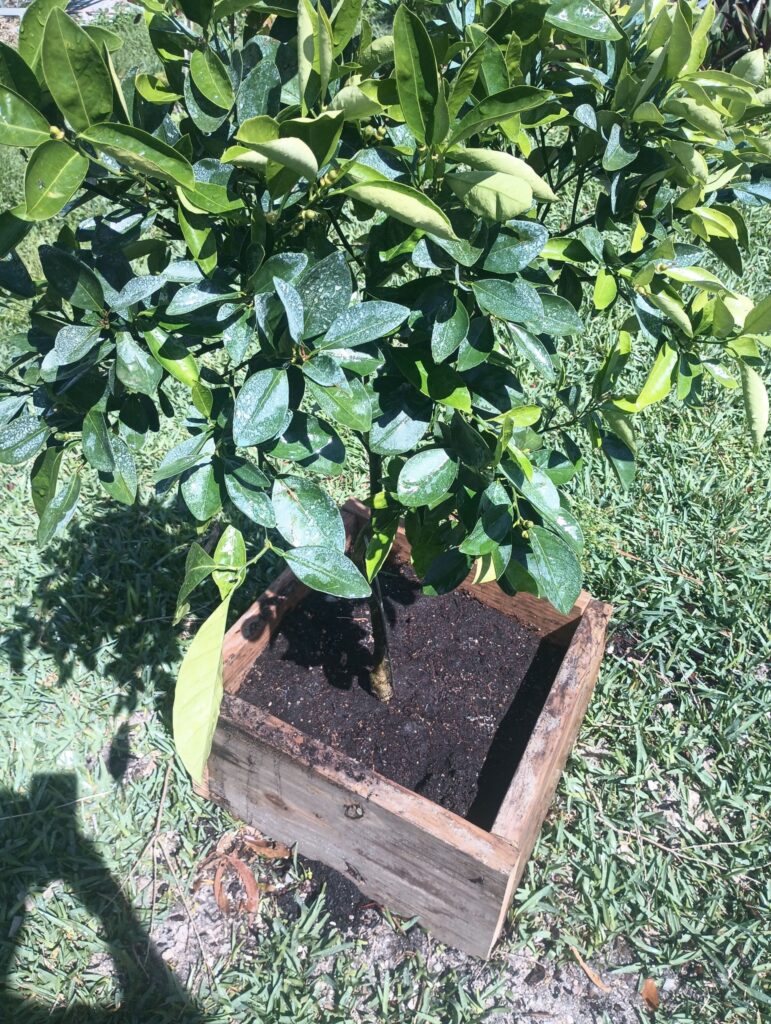
The navel orange needs little introduction. It is the world’s most popular fresh-eating orange — seedless, sweet, easy to peel, and consistently high in quality. The dwarf version brings all of that into a patio or small garden setting.
Why Gardeners Love It
- Produces full-sized, full-flavoured fruit on a compact tree
- Seedless fruit — ideal for fresh eating and juicing
- One of the most attractive ornamental citrus trees with glossy foliage and fragrant white blossom
- A reliable and beginner-friendly tree for first-time citrus growers
Care Summary
| Mature Height | 2–3 metres on dwarfing rootstock |
| Sunlight | Full sun |
| Watering | Deep and consistent; summer watering critical |
| Soil | Well-draining, slightly acidic |
| Fruiting Season | Winter–spring |
| Fertiliser | Citrus-specific; high nitrogen in spring |
Top tip: Navel oranges do not produce well in very hot, humid climates — they prefer warm days and cool nights to develop their characteristic sweetness and colour. They perform best in Mediterranean and semi-arid climates.
8. Clementine (Citrus reticulata ‘Clementine’)
Also known as: Algerian tangerine, seedless mandarin
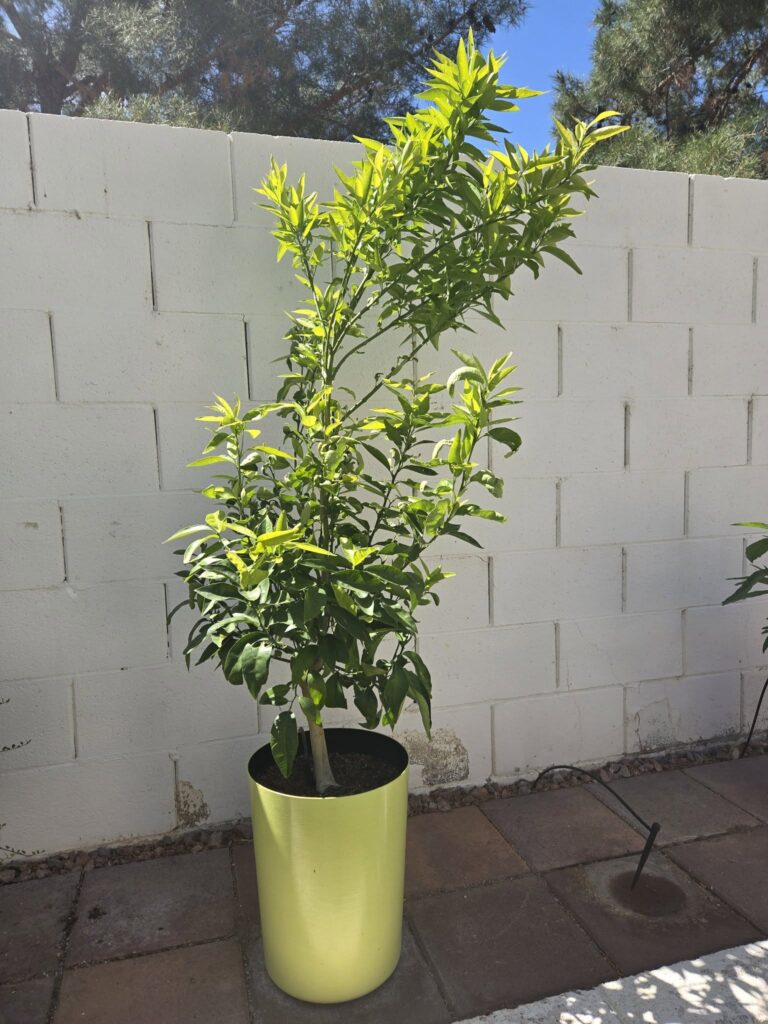
The clementine is the most widely consumed mandarin variety in Europe and North America. Small, sweet, easy to peel, and virtually seedless, it is a tree that delivers family-friendly fruit in a compact package.
Why Gardeners Love It
- Child-friendly fruit — sweet, seedless, and easy to peel
- One of the most productive small citrus for home gardens
- Excellent cold tolerance compared to many mandarins
- Ripens earlier than most citrus, providing fruit in early winter
Regional Relevance
Clementines originated in Algeria and are widely grown across the Mediterranean basin — Spain, Morocco, Italy, and Tunisia are major producers. Home garden cultivation is popular across North Africa, Southern Europe, and increasingly in South Africa and parts of East Africa.
Care Summary
| Mature Height | 1.5–2.5 metres |
| Sunlight | Full sun |
| Watering | Consistent; particularly during fruit development |
| Soil | Well-draining, pH 6.0–7.0 |
| Fruiting Season | November–January (Northern Hemisphere) |
| Fertiliser | Balanced citrus feed; potassium-rich in autumn |
Top tip: If you grow only one clementine tree, pollination can be inconsistent. Growing two trees — or planting near other citrus — significantly improves fruit set.
9. Variegated Pink Lemon (Citrus limon ‘Eureka Variegated Pink’)
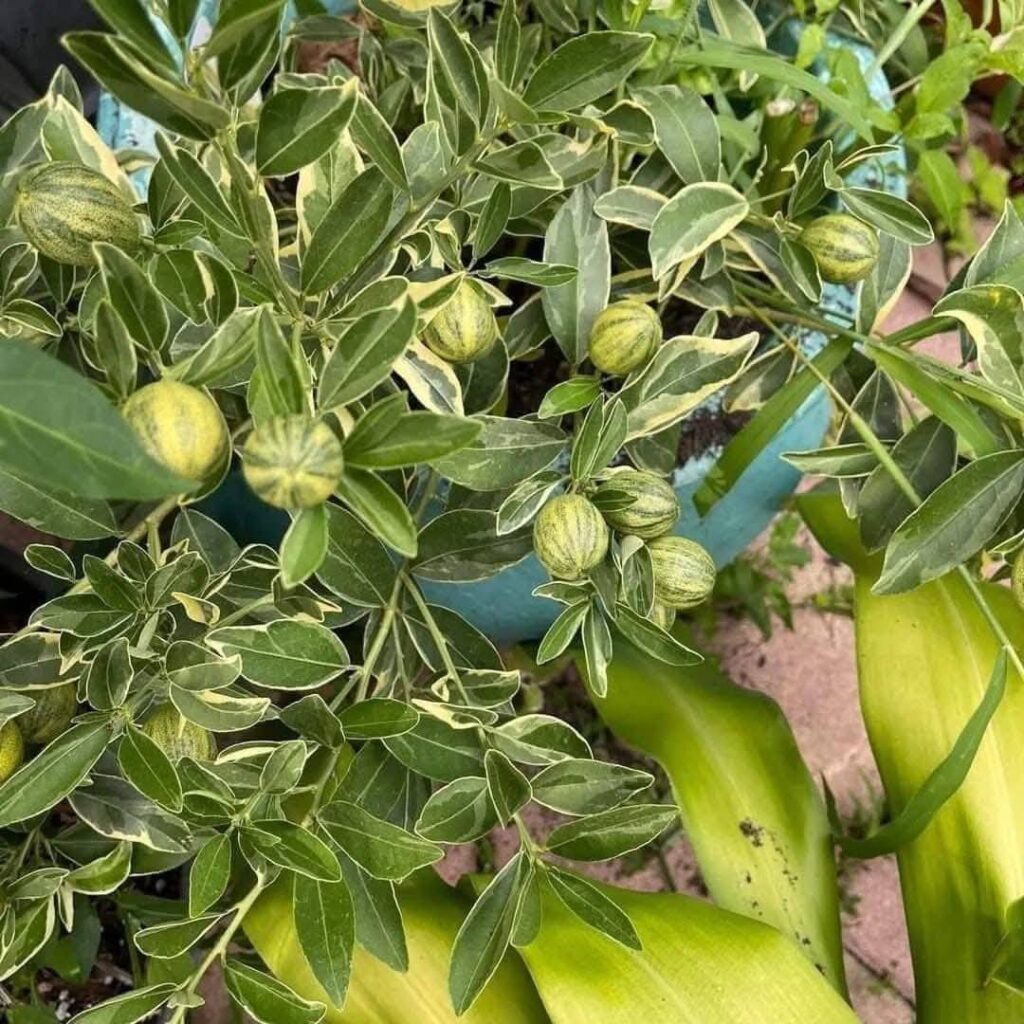
If you want a citrus tree that draws attention before it even fruits, the variegated pink lemon is it. The foliage is green-and-cream striped, the unripe fruit is striped green and yellow, and the flesh inside is blush pink with a mild, less acidic lemon flavour.
Why Gardeners Love It
- Spectacular ornamental appeal — arguably the most visually striking lemon variety
- Flesh is pale pink and less acidic than standard lemons, making it excellent for cocktails and desserts
- Compact growth habit; well-suited to feature pots and ornamental planting
- Variegated foliage means it looks attractive even when out of fruit
Care Summary
| Mature Height | 2–3 metres |
| Sunlight | Full sun |
| Watering | Regular; consistent moisture |
| Soil | Well-draining, slightly acidic |
| Fruiting Season | Primarily spring; intermittent through year |
| Fertiliser | Balanced citrus fertiliser; avoid excess nitrogen |
Top tip: The variegated foliage has less chlorophyll than standard lemon leaves. This means the tree is slightly slower-growing and needs excellent sun exposure to compensate for its reduced photosynthetic capacity.
10. Dwarf Blood Orange (Citrus sinensis ‘Moro’ or ‘Tarocco’)
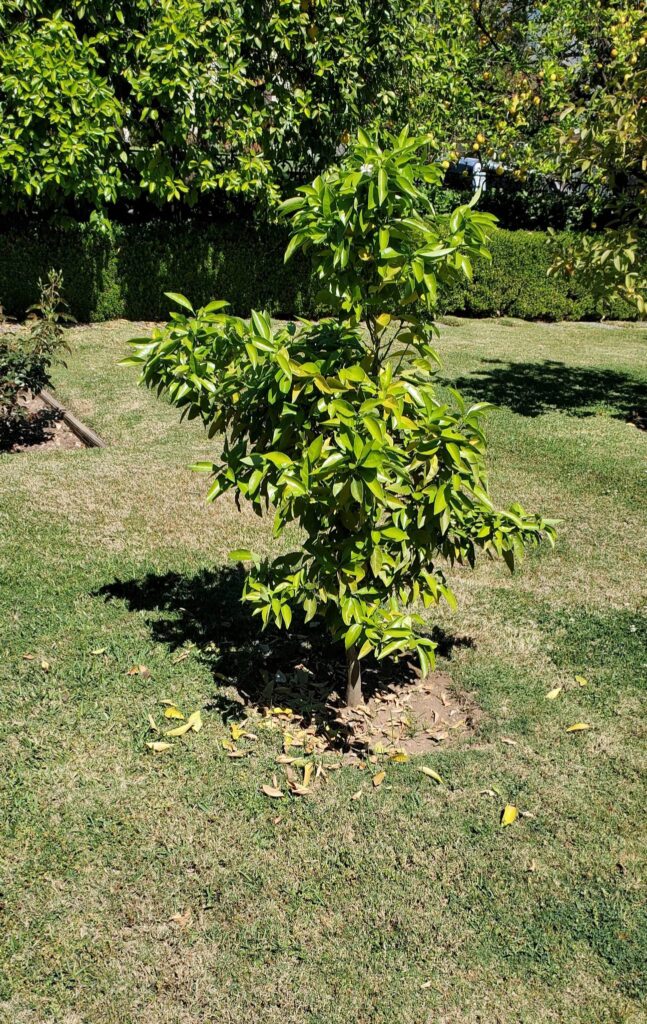
The blood orange is the most dramatic fruit in the citrus family. Cut one open and you find deep ruby-red flesh — striking against the standard pale orange interior you might expect. The flavour is exceptional: sweet, rich, and with a distinctive berry undertone that sets it apart from every other orange.
Why Gardeners Love It
- Deep red flesh caused by anthocyanins — the same antioxidant pigments found in blueberries and red cabbage
- Superior flavour complexity compared to standard oranges
- Compact on dwarfing rootstock; excellent for containers
- Makes extraordinary fresh juice, cocktails, and dessert garnishes
Colour Development Note
Blood orange colour develops best where there is a significant temperature difference between day and night. In consistently warm, tropical climates, the flesh may remain partly orange rather than achieving full red coloration.
Cooler winter nights intensify pigmentation. This makes blood oranges ideal for Mediterranean climates, higher-altitude gardens in Africa, and temperate regions.
Care Summary
| Mature Height | 2–3 metres |
| Sunlight | Full sun |
| Watering | Deep and consistent |
| Soil | Well-draining, slightly acidic |
| Fruiting Season | Winter–spring |
| Fertiliser | Citrus-specific; potassium in autumn for fruit quality |
Top tip: Moro is the most intensely coloured blood orange variety. Tarocco is the sweetest. For home gardens where both appearance and flavour matter, Moro is the top recommendation.
General Growing Tips for All Small Citrus Trees
No matter which variety you choose, the following principles apply universally.
Choosing the Right Location
All citrus trees need a minimum of 6 hours of direct sunlight daily — 8 hours is better. Position containers where morning sun is maximised. Avoid placing trees where they are sheltered by large buildings to the south (in the Northern Hemisphere) or north (in the Southern Hemisphere), as this reduces light intensity significantly.
Soil and Drainage
Citrus will not tolerate waterlogged soil. The number one killer of container and in-ground citrus globally is root rot caused by poor drainage.
Always use a premium citrus or cactus potting mix for containers, and ensure pot drainage holes are clear. For in-ground planting in clay-heavy soils, raise the planting area by 20–30 cm or amend deeply with coarse sand and organic matter.
Feeding Schedule
A simple, effective schedule for most small citrus:
- Early spring: Apply a citrus-specific slow-release granular fertiliser
- Early summer: Liquid citrus feed (high nitrogen)
- Mid-summer: Repeat liquid feed if growth is slow
- Early autumn: Switch to a potassium-rich fertiliser to support fruit development and root hardening
Pollination
Most citrus trees are self-fertile — they do not require a second tree to produce fruit. However, growing more than one citrus tree nearby, or hand-pollinating with a soft brush, consistently improves fruit set.
Repotting Container Trees
Container citrus should be repotted every 2–3 years or when roots begin to circle the base of the pot or emerge from drainage holes. Always move up only one pot size — an oversized pot holds excess moisture and increases the risk of root rot.
Which Small Citrus Tree Is Right for You?
Choosing the right tree depends on your climate, space, and intended use.
| If You Want… | Best Choice |
| Year-round ornamental appeal | Calamondin or Variegated Pink Lemon |
| Best lemon flavour for cooking | Dwarf Meyer Lemon |
| Eating fruit straight off the tree | Clementine or Dwarf Navel Orange |
| Something truly unique | Finger Lime |
| Cooking with leaves | Makrut Lime |
| Cold-climate citrus | Kumquat |
| Tropical productivity | Key Lime |
| Most dramatic-looking fruit | Dwarf Blood Orange |
A Note on Regional Availability
Not all varieties are equally available in all countries. In East Africa (Kenya, Tanzania, Uganda), Key lime, Makrut lime, and Calamondin are typically most accessible from local nurseries. Meyer lemon is increasingly available in South Africa.
In Europe and North America, most varieties on this list can be sourced from specialist citrus nurseries or reputable online suppliers. In Australia, finger lime is widely available, and a broad range of dwarf citrus can be found at mainstream garden centres.
If a specific variety is not locally available, grafted trees ordered from reputable certified nurseries are always a better choice than ungrafted seedlings, which can take 5–7 years to fruit and may not breed true to the parent.
Final Thoughts
There is genuinely no good reason not to grow citrus if you have a sunny spot, even a small one. The ten trees on this list collectively cover every climate, every use, and every budget.
Start with one tree. Learn its rhythms. Then add another. That is how most passionate citrus growers — myself included — end up with a collection that outlasts expectations and produces far more fruit than anticipated.
Choose well, plant properly, and your small citrus tree will reward you for decades.
References and Further Reading
- University of Florida IFAS Extension — Citrus in Florida https://edis.ifas.ufl.edu/topic_citrus
- University of California Agriculture and Natural Resources (UC ANR) https://ucanr.edu/
- Texas A&M AgriLife Extension — Citriculture https://aggie-horticulture.tamu.edu/citrus/
- USDA National Agricultural Library https://www.nal.usda.gov/
- Clemson Cooperative Extension — Home & Garden Information Centre https://hgic.clemson.edu/
- University of Arizona Cooperative Extension https://extension.arizona.edu/
- Oregon State University Extension Service https://extension.oregonstate.edu/

Tim M Dave is a gardening expert with a passion for houseplants, particularly cacti and succulents. With a degree in plant biology from the University of California, Berkeley, he has vast experience in gardening. Over the years, he has cultivated a vast collection of desert plants and learned a great deal about how to grow and care for these unique companions.