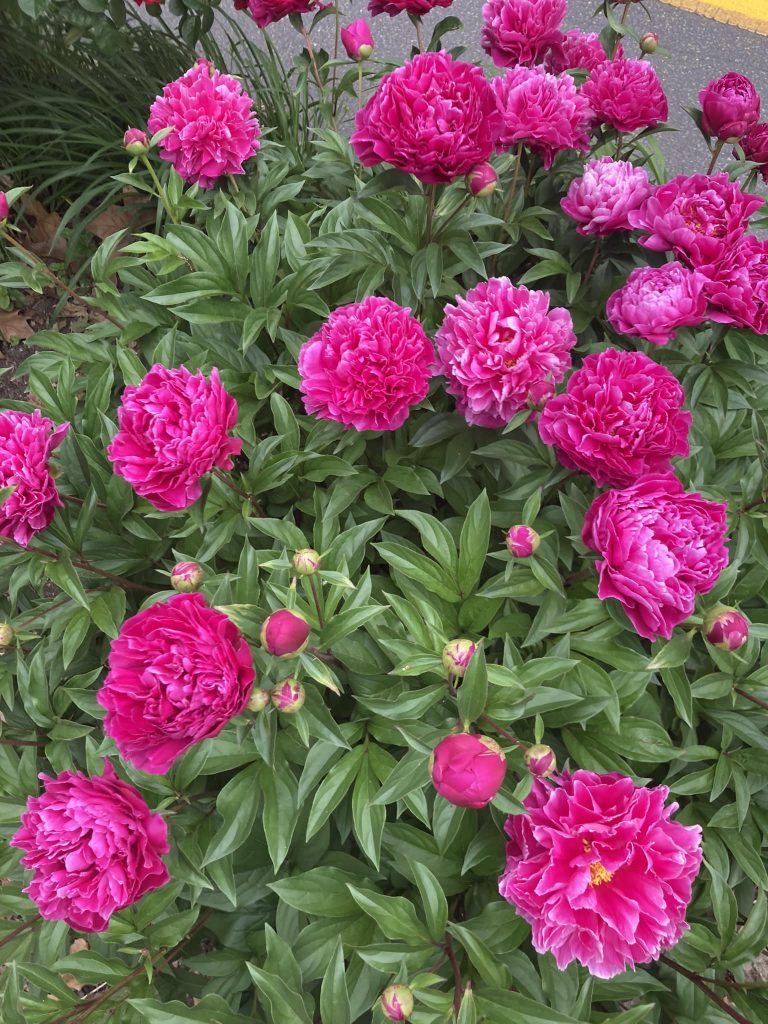
35 Different Types of Lilies (True and False Varieties, With Pictures)
I have grown lilies for years, and I still get their names mixed up sometimes. That confusion is common, and honestly, it makes sense. The word “lily” gets borrowed by dozens of plants that are not even related to each other botanically.
This guide clears up that confusion once and for all. I am covering 35 types of lilies, including true Lilium hybrids and the popular “lily” imposters that show up in gardens, bouquets, and ponds everywhere.
By the end, you will know exactly which lily is which, how to grow them, and which ones to keep far away from your cat.
Quick Answer: What Counts as a “Lily”?
Not every flower called a lily is a true lily. True lilies belong to the genus Lilium, and there are roughly 90 to 100 wild species in that genus, according to horticultural sources. Everything else, like daylilies, peace lilies, and water lilies, only shares the common name.
I am including both groups in this list because that is how most people actually search for and use the word “lily.” Knowing the difference matters, especially if you own a cat.
In the 1960s, the Royal Horticultural Society organized lilies into nine divisions, a system later adopted by the North American Lily Society. These divisions are based mainly on parentage and flower shape, and they are accepted worldwide.
Understanding these divisions helps you predict bloom time, height, fragrance, and hardiness before you even plant a bulb. I will walk through them as we go.
Part 1: True Lilies (Genus Lilium)
These are the real deal. Every plant here belongs to the Lilium genus and grows from a scaly, true bulb.
1. Asiatic Lily
Asiatic lilies are the workhorses of the lily world. This division blooms earliest and is often considered the easiest type to grow.
They come in nearly every color except true blue. Their flowers face upward, and while they lack fragrance, their bloom power more than makes up for it.
I personally love these for beginners. They forgive mistakes and still put on a show.
2. Tiger Lily
The tiger lily is a species lily with orange, spotted, downward-curving petals. It belongs to the Asiatic group and is scientifically known as Lilium lancifolium.
Its recurved petals and dramatic freckling make it instantly recognizable. Gardeners have grown it for centuries as a cottage-garden classic.
3. Martagon Lily
Martagon lilies are tall, shade-tolerant, and elegant. They bear many small, downward-facing flowers on whorled leaves, with bulbs that are usually yellow.
They dislike hot, humid summers, so gardeners in cooler climates get the best results. Once established, a martagon clump can thrive in the same woodland spot for decades.
4. Madonna Lily (Candidum)
This is one of the oldest cultivated flowers in human history. Its pure white, waxy petals symbolize purity in countless cultures and religious traditions.
Madonna lilies prefer alkaline soil and shallow planting, unlike most other lily types. They bloom slightly earlier than many hybrids, adding fragrance to early summer borders.
5. American Lily
American lilies come from native North American species. They are derived from species such as L. superbum, L. humboldtii, L. michauxii, and L. parryii, and prefer cool, moist soil in dappled shade.
Their flowers hang downward and are usually not fragrant, except for L. michauxii. They suit naturalized woodland gardens beautifully.
6. Easter Lily (Longiflorum)
The Easter lily is the trumpet-shaped, white lily sold every spring around the holiday. It belongs to Division 5, the Longiflorum hybrids, which come from Lilium longiflorum and Lilium formosanum.
Its flowers are trumpet- or funnel-shaped and sweetly scented. Interestingly, greenhouse-grown Easter lilies can be replanted outdoors in May and will bloom again in mid-to-late summer.
7. Trumpet Lily
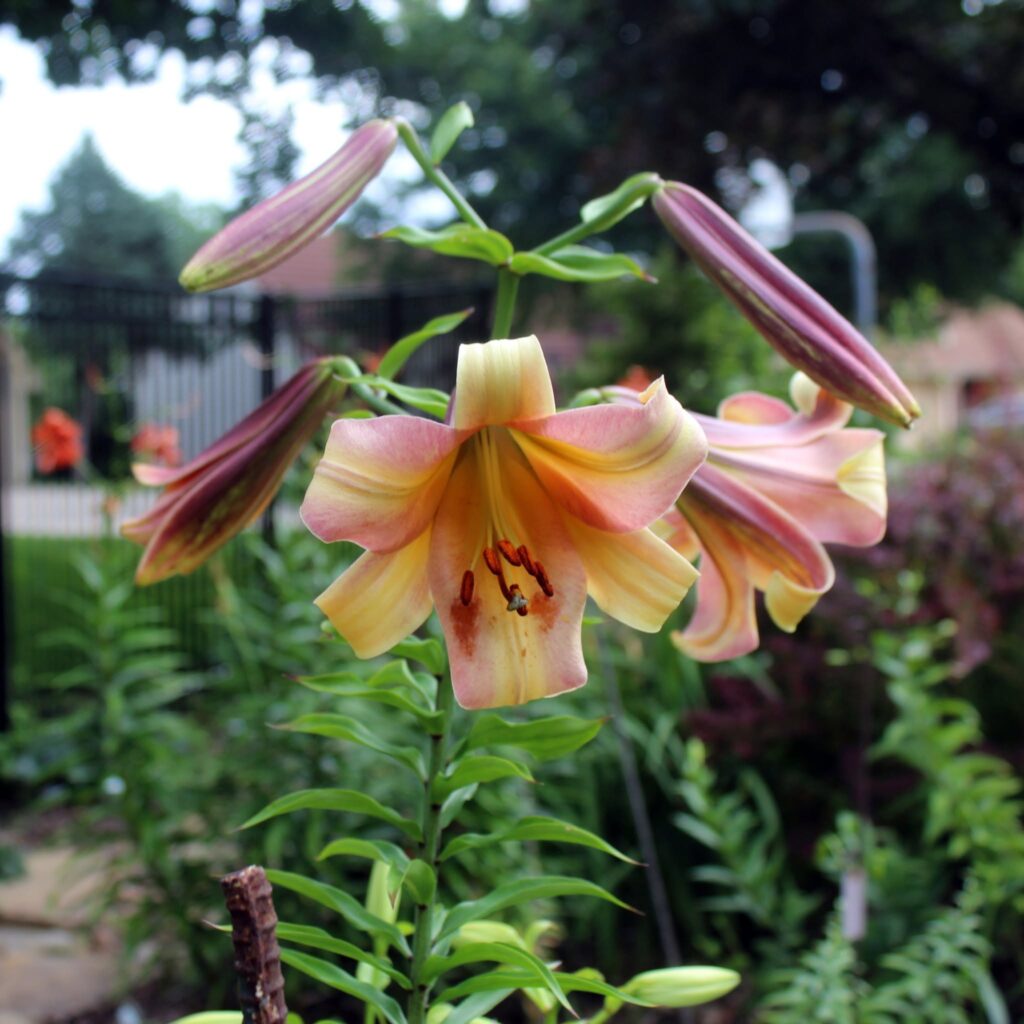
Trumpet lilies are known for their long, flared, trumpet-shaped blooms. This is Division 6, and it includes hybrids with Lilium henryi and Lilium regale.
Their flowers are often highly fragrant, with trumpet, bowl, or recurved petal shapes. They tend to bloom mid-summer, a few weeks after the Asiatics finish.
8. Regale Lily
The Regale lily is a specific trumpet species native to China. It is one of the parent plants used to create modern Aurelian and trumpet hybrids.
Its white, funnel-shaped flowers carry a rich perfume that fills an entire garden bed. I find it one of the most rewarding lilies to grow near a patio.
9. Oriental Lily
Oriental lilies are the show-stoppers of late summer. This is Division 7, and it became famous after breeder Leslie Woodriff developed the cultivar ‘Star Gazer,’ which had large, upward-facing flowers in a striking fuchsia-pink and white combination with a strong fragrance.
These lilies are heavily scented and often the largest-flowered of all lily types. They remain a top choice for wedding bouquets today.
10. Stargazer Lily
Stargazer deserves its own spot because of how iconic it has become. Its magenta-pink petals, white edges, and bold fragrance make it the most recognized lily in the floral industry.
It blooms mid-to-late summer and holds up remarkably well as a cut flower. Florists rely on it heavily for arrangements year-round.
11. Casa Blanca Lily
Casa Blanca is a large, pure white Oriental hybrid. Its enormous, fragrant blooms often stretch eight inches across.
Many brides choose it for its clean, elegant look. It photographs beautifully and holds its shape for days in a vase.
12. LA Hybrid Lily
LA hybrids blend Longiflorum and Asiatic parentage. This type of hybrid lily has large, flat flowers that are mildly fragrant.
Most Interdivisional hybrids are hardy in USDA zones 3 to 9, with some suited to zones 4 to 8. LA hybrids combine Easter lily elegance with Asiatic toughness.
13. OT Hybrid Lily (Orienpet)
OT hybrids cross Oriental lilies with Trumpet lilies. The result is robust, durable plants with large flowers, six to ten inches wide, that are heavily scented and face upward and outward.
These are some of the tallest lilies you can grow, often reaching five feet or more. I recommend staking them in windy areas.
14. LO Hybrid Lily
LO hybrids combine Longiflorum with Oriental lilies. These hybrids have strong scents and trumpet-shaped flowers with curved petals.
They bridge the gap between the classic Easter lily shape and the bold coloring of Orientals. Gardeners looking for fragrance often gravitate toward this group.
15. OA Hybrid Lily
OA hybrids result from crossing Orientals with Asiatics. These crosses promise new and exciting lily characteristics, blending traits from both parent groups.
This is a newer and less common category, but breeders continue expanding it. Expect more OA introductions in coming years.
16. Species (Wild) Lily
Species lilies are unaltered wild lilies, not manufactured hybrids. These wild lilies are the parents of every hybrid lily in the other divisions.
Though bulbs are commercially propagated today, the plants are essentially the same as those found growing in nature. They suit shade gardens and naturalistic plantings well.
17. Wood Lily
The wood lily is a North American native species with upward-facing, orange-red flowers. It thrives in prairies, meadows, and open woodlands across much of the continent.
Its blooms are smaller than hybrid varieties but strikingly vivid. Conservationists in several states monitor wild populations closely.
18. Rubrum Lily
Rubrum lilies are fragrant species lilies with pink, recurved petals dotted in deep crimson. They fall under the species lily category, prized for their delicate, informal flower form.
They naturalize well in partial shade. Their old-fashioned charm makes them a favorite among heirloom garden collectors.
19. Henryi Lily
Lilium henryi is an orange, Turk’s-cap-style species lily from China. It is one of the key parent plants behind many modern trumpet and Oriental hybrids.
It tolerates alkaline soil better than most lilies. Tall and vigorous, it often needs staking once established.
20. Black Beauty Lily
Black Beauty is a deep burgundy-red hybrid derived from Lilium henryi and Oriental species. Its dark, recurved petals give it a dramatic, almost gothic appearance.
It is commonly listed among the widely available species-type lilies alongside Lady Alice and Henryi. Gardeners often use it as a striking focal point.
21. Leopard Lily
Leopard lily, or Lilium pardalinum, is a native Western species with orange, heavily spotted petals. It grows naturally along streams and moist canyon slopes in California and Oregon.
Its Turk’s-cap shape resembles the martagon but with bolder speckling. It prefers consistently damp soil, unlike most drought-tolerant lily types.
22. Columbia Lily (Panther Lily)
The Columbia lily is a Pacific Northwest native with nodding, orange-yellow flowers. Some regional names also call it the panther lily due to its spotted petals.
It grows wild in open forests and grassy slopes. Native plant enthusiasts value it for pollinator gardens.
23. Coral Lily
Coral lily, or Lilium pumilum, is a compact species with small, bright red, recurved blooms. It originates from grasslands across Siberia, Mongolia, and northern China.
Its short height, under two feet, makes it ideal for rock gardens. It blooms early and adds a splash of scarlet before most other lilies wake up.
24. Canada Lily
Canada lily, or Lilium canadense, is a native North American species with bell-shaped, nodding flowers. It grows in wet meadows and along woodland edges in the eastern United States and Canada.
Its yellow-to-orange petals often carry maroon spotting inside. It is a favorite of hummingbirds during early-to-mid summer.
Part 2: Plants Called “Lily” That Are Not True Lilies
Many plants have “lily” in their common name, but they are not true lilies because they do not belong to the genus Lilium. These next eleven are the most searched and most planted.
25. Daylily
Daylilies are wildly popular perennials, but they belong to a completely different genus. Daylily is not a true lily since it is a member of the genus Hemerocallis.
There are more than 35,000 registered daylily cultivars on the market today, with new varieties introduced every year. Established clumps often produce 200 to 400 flowers in a single season, with each plant blooming for 30 to 40 days.
I find daylilies the easiest perennial in my garden. Each bloom lasts only one day, but new ones open constantly.
26. Peace Lily
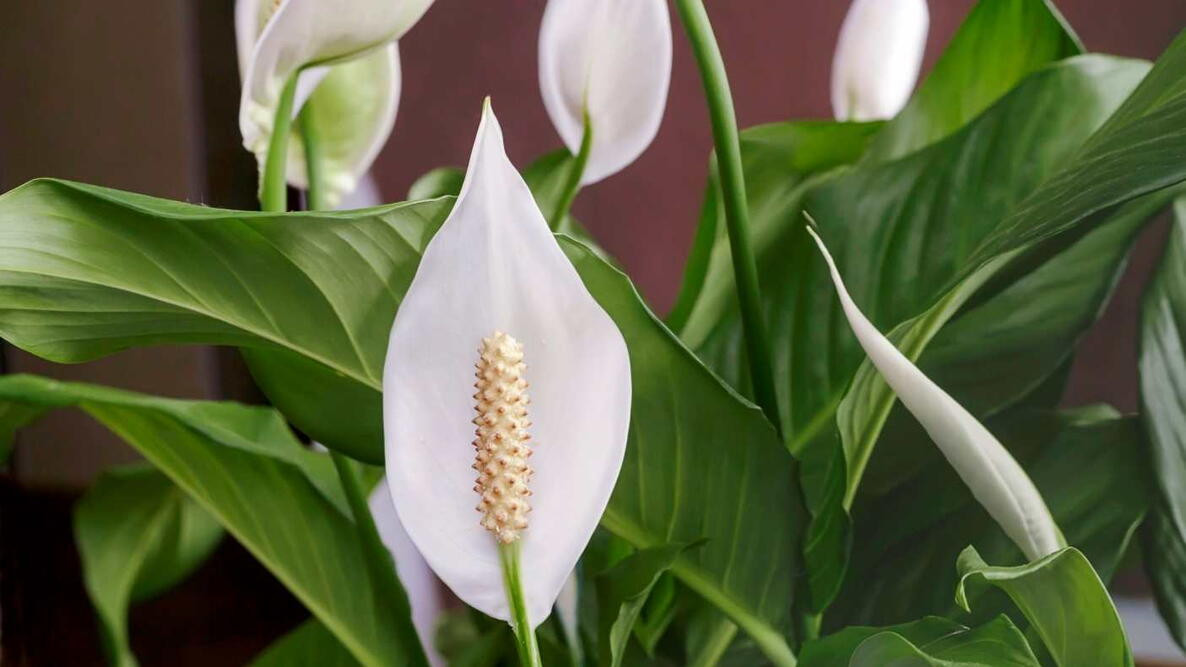
The peace lily is a houseplant favorite, not a garden bulb at all. Peace lilies are not true lilies but members of the Araceae family, which also includes caladiums, elephant ears, anthuriums, and callas.
They are one of the few foliage plants that will flower in low light, making them a top choice for offices and shaded rooms. Owners should note that calcium oxalate crystals in the plant can cause toxicity in pets and children if consumed.
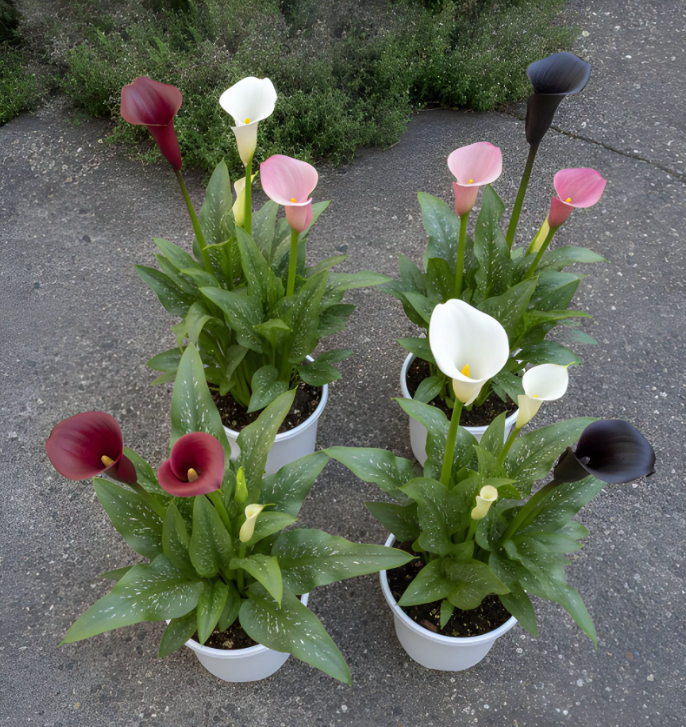
27. Calla Lily
Calla lilies produce elegant, funnel-shaped blooms in white, pink, orange, and near-black shades. Like the peace lily, they belong to the Araceae family rather than Lilium.
Both calla lilies and peace lilies contain insoluble calcium oxalate crystals that irritate the mouth, tongue, and throat when chewed by a pet. They remain a top choice for elegant wedding bouquets despite the caution needed around curious pets.
28. Water Lily
Water lilies float on ponds and lakes, rooted in mud below the surface. They belong to the family Nymphaeaceae, an entirely separate lineage from land-growing lilies.
Their broad, flat pads and star-shaped blossoms attract pollinators and shade fish below. Many botanical gardens maintain dedicated water lily collections as centerpiece features.
29. Canna Lily
Canna lily produces bold, tropical foliage and vivid red, orange, or yellow flowers. It grows from a rhizome rather than a true bulb, placing it in the family Cannaceae.
Gardeners love it for adding a jungle-like feel to summer borders. It tolerates heat and humidity better than almost any true lily.
30. Peruvian Lily (Alstroemeria)
Peruvian lily is a popular cut flower resembling a miniature, freckled lily. It is native to South America and has become naturalized in some areas of the United States.
The Peruvian lily contains a toxin that causes mild stomach upset if a cat or dog ingests a large amount, though the signs usually resolve on their own. It is far less dangerous than true lilies, which makes it a safer bouquet choice for pet owners.
31. Lily of the Valley
Lily of the valley produces small, bell-shaped, intensely fragrant white flowers in spring. It contains toxins that cause the heart to beat abnormally, and this abnormal rhythm can be life-threatening for pets.
Despite the beauty and scent, gardeners with curious pets or small children should plant it carefully. It spreads readily as a shaded ground cover.
32. Gloriosa Lily (Flame Lily)
Gloriosa lily is a climbing vine with dramatic, flame-shaped, red and yellow petals. Its roots or tubers may contain enough toxins to cause serious multi-system organ failure if chewed by a dog or cat.
It is native to tropical Africa and Asia and needs a trellis or support to climb properly. Its unusual reflexed petals make it a conversation piece in any garden.
33. Toad Lily
Toad lily is a shade-loving perennial with speckled, orchid-like purple flowers. It blooms in late summer through fall, when most other perennials have finished for the season.
It thrives in woodland gardens with rich, moist soil. Despite the unglamorous name, its blooms are genuinely striking up close.
34. Ginger Lily
Ginger lily, or Hedychium, produces tall spikes of fragrant, butterfly-shaped flowers. It belongs to the ginger family, Zingiberaceae, and is native to tropical Asia.
Its intense evening fragrance often perfumes an entire garden. It grows from a rhizome and spreads readily in warm, humid climates.
35. Foxtail Lily
Foxtail lily, or Eremurus, sends up dramatic, torch-like spikes covered in hundreds of tiny star-shaped flowers. It can reach heights of six to eight feet, towering over most border plants.
It prefers well-drained soil and full sun to perform its best. Landscape designers often use it as a vertical accent among lower perennials.
READ MORE: Not a Lily? Think Again — 15 Stunning Flowers That Look Just Like Lilies
Lily Toxicity: What Every Cat Owner Must Know
This is not a footnote. It could save a life.
Lilies in the “true lily” and “daylily” families are very dangerous for cats, and the entire plant is toxic: the stem, leaves, flowers, pollen, and even the water in a vase. Eating just a small amount of a leaf or petal, licking pollen off fur while grooming, or drinking vase water can cause fatal kidney failure in less than three days.
Dogs that eat lilies may only experience minor stomach upset, since the severe toxin specifically affects cats. According to one study, 73% of owners whose cats were exposed to a lily did not even realize the plant was toxic to their pets.
If treatment starts more than 18 hours after exposure, the resulting kidney damage might become irreversible.
A 2025 clinical study published in the Journal of the American Veterinary Medical Association reviewed 112 cats treated for lily exposure and found that acute kidney injury developed in nearly 47% of hospitalized cats, with no significant difference in prevalence between inpatient and outpatient treatment groups.
My honest advice? If you own a cat, skip true lilies and daylilies entirely. Choose calla lilies, peace lilies, or Peruvian lilies instead, and still keep them out of reach.
Choosing the Right Lily for Your Garden
I always tell fellow gardeners to start with bloom time. Stagger Asiatic, Trumpet, and Oriental types together, and you get color from early summer straight through fall.
Consider your climate next. Martagon hybrids struggle in hot, humid environments, while American lilies need cool, moist, shaded conditions to thrive.
Finally, think about fragrance. Asiatic lilies carry no scent at all, while Trumpet and Oriental types are often intensely perfumed.
Final Thoughts
Thirty-five types of lilies is a lot to take in, and I get that. But once you understand the split between true Lilium hybrids and the lily-named lookalikes, everything clicks into place.
Start small. Pick two or three types that match your climate and light conditions, then expand from there.
Whichever lily you choose, treat it with a little respect around pets. These flowers are gorgeous, but a few of them come with real risks worth knowing.
References
- North Carolina State University Extension Gardener Plant Toolbox — Lilium (Lilies, Lily): https://plants.ces.ncsu.edu/plants/lilium/
- Iowa State University Extension and Outreach, Yard and Garden — Types and Divisions of Garden Lilies: https://yardandgarden.extension.iastate.edu/how-to/types-and-divisions-garden-lilies
- U.S. Food and Drug Administration — Lovely Lilies and Curious Cats: A Dangerous Combination: https://www.fda.gov/animal-veterinary/animal-health-literacy/lovely-lilies-and-curious-cats-dangerous-combination
- Clemson University Cooperative Extension, Home & Garden Information Center — Peace Lily: https://hgic.clemson.edu/factsheet/peace-lily/
- University of Minnesota Extension — Daylilies: https://extension.umn.edu/flowers/daylilies
- University of Florida IFAS Extension — Florida Foliage House Plant Care: Spathiphyllum (EP477): https://ask.ifas.ufl.edu/publication/EP477
- South Dakota State University Extension — Peace Lily: Houseplant How-To: https://extension.sdstate.edu/peace-lily-houseplant-how

Tim M Dave is a gardening expert with a passion for houseplants, particularly cacti and succulents. With a degree in plant biology from the University of California, Berkeley, he has vast experience in gardening. Over the years, he has cultivated a vast collection of desert plants and learned a great deal about how to grow and care for these unique companions.