35 Types Of Spirea Bushes (Popular Varieties, With Pictures)
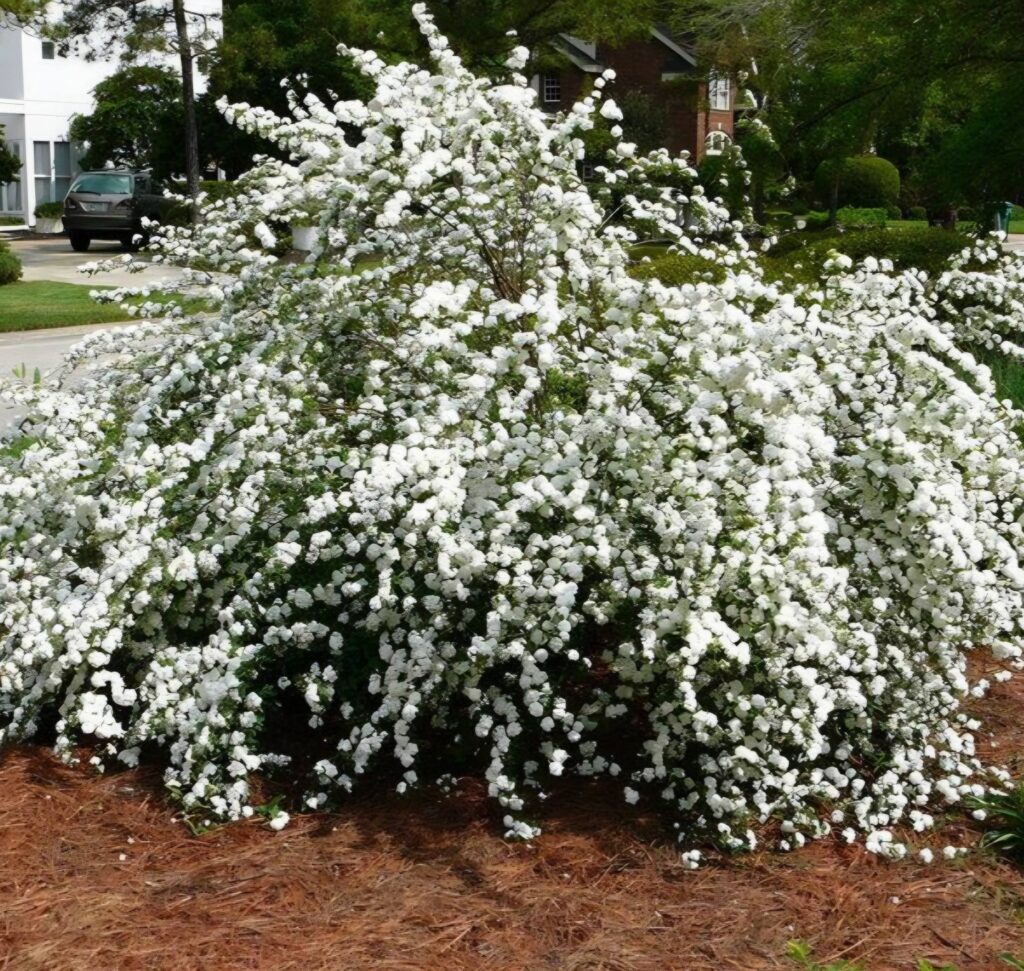
I still remember the first time I saw a Vanhoutte spirea in full bloom. The branches arched over like a fountain, and every single one of them was covered in tiny white flowers. It looked like snow had landed on a shrub in the middle of May.
That moment is why I fell for spirea. It is not a fussy plant. It does not demand attention. But when it blooms, it steals the whole yard.
Spirea (Spiraea) is a genus of flowering shrubs in the rose family, Rosaceae. There are over 80 recognized species worldwide, according to the U.S. Forest Service, plus dozens of cultivated varieties bred for color, size, and bloom time.
This guide breaks down 35 types of spirea bushes you can actually buy and grow. I have grouped them by bloom season and growth habit, so you can find one that fits your space, your climate, and your taste.
Why Spirea Keeps Winning Over Gardeners
I have planted a lot of shrubs that looked great on the tag and then sulked in the ground. Spirea has never done that to me.
The genus name comes from the Greek word “speira,” meaning wreath. It refers to the way the flower clusters wrap around the stems, especially on arching types like Vanhoutte and bridal wreath.
Missouri Extension notes that spirea is cold hardy from USDA Zones 4 through 8, tolerating winter temperatures as low as -15 to -30 degrees Fahrenheit. That is a serious range of resilience for a flowering shrub.
Growth speed is another selling point. Even compact varieties establish quickly, and some types can add up to 2 feet of new growth in a single season, according to Proven Winners.
Pollinators notice spirea too. Bees, butterflies, and even hummingbirds regularly visit the flower clusters, which makes this shrub a quiet contributor to a healthier backyard ecosystem.
None of this means spirea is perfect for every yard.
A few older Japanese cultivars spread aggressively by seed, and Penn State Extension has tracked their spread into roadsides and wild areas in parts of the eastern United States. That is exactly why this guide separates the well-behaved newer cultivars and native species from the older, seedier varieties.
Quick Facts About Spirea Before You Choose
Before jumping into the list, a few basics will help you shop smarter.
- Spirea grows across USDA Hardiness Zones 3 to 9, depending on the species. Most garden varieties are happiest in zones 4 through 8.
- Mature size ranges wildly, from 18-inch dwarf mounds to 8-foot arching giants. Always check the tag before you plant.
- These shrubs are drought tolerant once established. They also shrug off poor soil, heat, and urban pollution without much complaint.
- Deer mostly leave spirea alone. Rutgers Cooperative Extension rates spirea as “Seldom Severely Damaged” on its deer resistance scale, which is good news if wildlife has wrecked your other plants.
- Bloom color runs from pure white to deep rose-red. Some cultivars even shift color as the season goes on, which adds real drama to a border.
One important note: a few older Japanese spirea varieties have escaped gardens and spread into wild areas. Penn State Extension flags this as a real concern, so I will point out which types to watch and which newer cultivars are bred sterile.
Japanese Spirea Group (Spiraea japonica)
Japanese spirea is the most widely planted type in North American gardens. It blooms in summer on new wood, which means pruning in late winter actually encourages more flowers rather than fewer.
This group offers the widest range of foliage colors in the entire genus, spanning green, blue-green, gold, and chartreuse. Most varieties bloom from late spring into midsummer, and some rebloom into fall if you deadhead spent flowers.
1. Anthony Waterer
This old favorite produces flat clusters of rosy-pink flowers from June through August, often with a few stray blooms lingering into September. New leaves emerge reddish before turning green, giving the plant three-season interest even when it is not flowering.
It grows about 3 to 4 feet tall and wide, forming a rounded, dense mound that needs almost no shaping. I like it as a mid-border filler between taller shrubs and low perennials.
Note that this is one of the older varieties known to self-seed aggressively in some regions, so check local guidance before planting it near a wooded edge or waterway.
2. Little Princess
A compact, tidy grower reaching only about 2 feet tall and 3 feet wide, making it one of the most reliable dwarf spireas for small yards. The bright pink, flat-topped flower clusters appear in early summer and cover the plant heavily enough to hide most of the foliage underneath.
Its neat, rounded habit holds up without pruning, which is part of why it shows up so often in foundation plantings and low hedges. It also takes well to being kept even smaller with an occasional light trim after the first flush of bloom.
3. Goldflame
I love this one for the foliage alone. New growth opens russet-orange, shifts to soft yellow, then settles into green by midsummer, so the same plant can look like three different shrubs across a single season.
Pink-red flower clusters appear in early summer on top of that shifting foliage, adding a second layer of color. It reaches 3 to 4 feet tall with a similar spread, according to Nebraska Extension, and holds its shape well with only light pruning.
4. Goldmound
A low, spreading form prized for chartreuse-gold foliage that holds its color all season, even through the heat of midsummer. Unlike some gold-leaved shrubs, it rarely scorches in full sun as long as soil moisture is adequate.
Pink flowers appear in early summer as a bonus, not the main event. Most gardeners plant Goldmound for the foliage contrast it brings against darker green or burgundy neighbors.
5. Magic Carpet
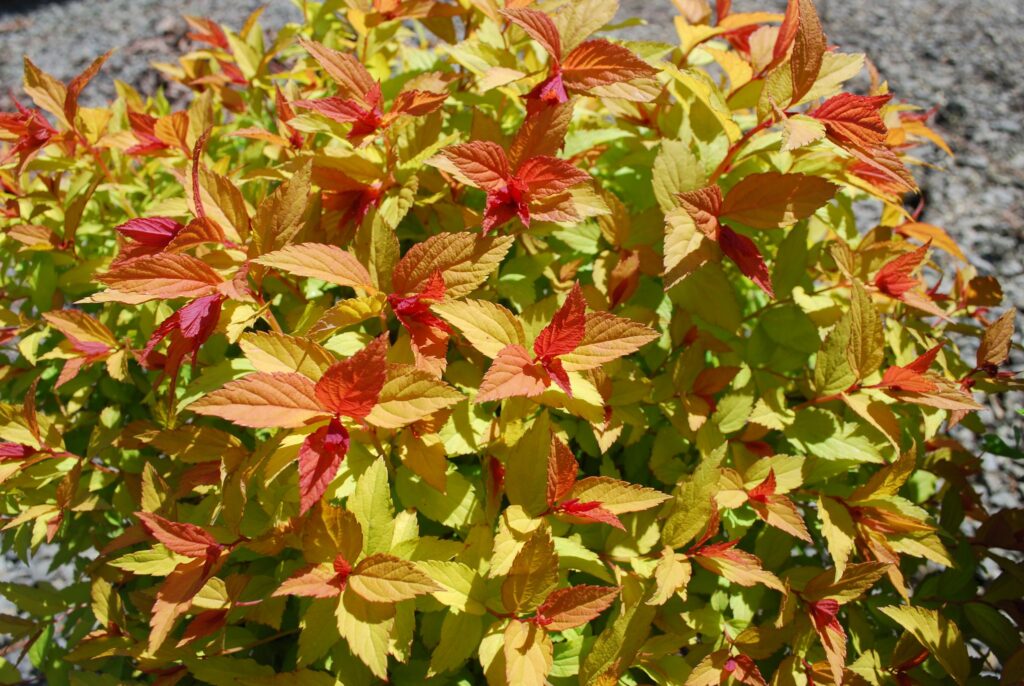
One of the most compact spireas on the market, staying under 2 feet tall and spreading slightly wider than it is tall. Its foliage opens red, then matures to gold, creating a low carpet of color for edging and rock gardens long before the flowers even show up.
Small pink flower clusters arrive in early summer, adding a soft counterpoint to the gold foliage below. Because it stays so low, it works well massed along a walkway or tucked into the front row of a mixed border.
6. Neon Flash
This cultivar delivers vivid magenta-pink blooms that genuinely look neon against dark green foliage, especially when planted where afternoon light hits the flower clusters directly. It grows 3 to 4 feet tall and blooms repeatedly if deadheaded after the first flush fades.
Because the color is so saturated, a single Neon Flash can anchor a whole bed without needing much else around it for visual interest.
7. Double Play Doozie
A newer introduction bred for continuous color rather than one big spring show. This is currently the only sterile spirea cultivar on the market, according to Proven Winners, which means it will not spread by seed into wild areas the way older Japanese spirea cultivars can.
It blooms constantly from late spring through fall in rich red-pink tones, without the deadheading most reblooming shrubs require. For gardeners worried about invasiveness, this is the safest Japanese spirea option available today.
8. Double Play Big Bang
Part of the same sterile Double Play series, this variety offers golden foliage paired with pink flowers for a two-tone display that holds up all season. It stays compact at around 2 to 3 feet, fitting neatly into smaller beds or mixed containers.
Like its sibling Doozie, it carries the sterile breeding that makes the entire Double Play line a safer long-term choice than older Japanese spirea cultivars.
9. Double Play Candy Corn
A striking foliage plant with orange new growth that matures to yellow, then takes on red tones in fall, closely tracking the colors of its namesake candy. It is a favorite for container gardens because the color show does not depend on flowering.
Pink blooms do appear in early summer, but most gardeners grow this cultivar for the season-long foliage transformation rather than the flowers themselves.
10. Double Play Gold
Bright gold leaves all season long, paired with pink summer blooms that stand out sharply against the foliage color. It holds color better in full sun than many gold-leaved shrubs, which can bleach out or scorch under harsh light.
At around 2 to 3 feet tall, it works well as a low accent plant near a patio or along a sunny walkway where its color can be appreciated up close.
11. Double Play Artisan
Compact and reblooming, this cultivar produces pink flowers on and off from late spring into autumn without heavy deadheading. Its foliage stays a clean blue-green, providing a calmer backdrop than some of its more colorful Double Play relatives.
This makes it a good pick if you want the extended bloom time of the series without quite as much foliage drama competing for attention.
12. Little Spark
A dwarf variety with orange new growth that shifts to yellow and holds that color through summer heat, even in full sun exposure. It only reaches 18 to 24 inches tall, making it one of the smallest spireas widely available.
Its size makes it a natural fit for containers, small foundation beds, or the front edge of a mixed perennial border where taller plants would block the view.
13. Rainbow Fizz
The candy-colored buds open red and fade to soft pink, creating a two-tone flower display that looks almost hand-painted up close. It grows 3 to 4 feet tall and wide, with a naturally rounded habit that needs little shaping.
The layered bud-to-bloom color shift keeps this variety visually interesting for a longer stretch than single-color spireas.
14. Golden Princess
A dwarf, golden-leaved sport of Little Princess that keeps the same tidy, compact habit while trading green foliage for bright gold. It stays under 2 feet and produces the same pink summer flowers on a smaller, sunnier-foliaged frame.
It pairs especially well with blue or purple-flowering perennials, since the gold foliage makes cool colors nearby look even more vivid by contrast.
ALSO READ: 15 Salt Tolerant Shrubs That Thrive Near the Coast and Winter Roads
Bumalda Spirea Group (Spiraea x bumalda)
Bumalda spirea is a cross between S. albiflora and S. japonica, sharing much of the same summer bloom timing and easy-care nature as the Japonica group. The flowers range from white to deep pink, and foliage often carries a bluer or darker cast than typical Japanese spirea.
This group tends to run slightly larger and shrubbier than the dwarf Japonica cultivars, making it a solid choice for mid-height borders and mixed shrub beds.
15. Dolchica
Graceful, dark-toned mounds topped with showy purplish flower clusters that bloom through much of the summer. It grows about 3 feet tall with a 4-foot spread, giving it a slightly wider-than-tall profile that fills space efficiently.
The darker foliage tone sets it apart from brighter Japonica cultivars, making it a good choice for gardeners who want color without quite so much visual noise.
16. Superstar
This one earns its name with true three-season appeal. Scarlet-red new growth in spring, pink blossoms from May through August, and bronze fall color make it one of the most complete performers in the group, with something happening in the landscape almost year-round.
Because the color show never really stops, Superstar works well as a stand-alone specimen rather than needing companion plants to stay interesting.
17. Froebelii
An older bumalda cultivar with rose-pink flowers and blue-green foliage that has stayed in nursery catalogs for decades thanks to its reliability. It reaches 3 to 4 feet and tolerates a wide range of soils, including the heavier clay that trips up fussier shrubs.
Its long track record in cultivation makes it a dependable, if less flashy, choice compared to newer bumalda introductions.
Bridal Wreath, Vanhoutte, And Spring-Blooming Types
These spireas bloom earlier in the season, usually on old wood, with arching branches loaded with white flowers rather than the flat pink clusters typical of the Japonica group. Because they set next year’s buds shortly after flowering, pruning right after bloom is essential to avoid cutting off future flowers.
They also tend to grow larger than the Japonica group, with several varieties reaching well over head height at maturity. That extra size makes them better suited to hedges, screens, and specimen planting than tight borders.
18. Bridal Wreath Spirea (Spiraea prunifolia)
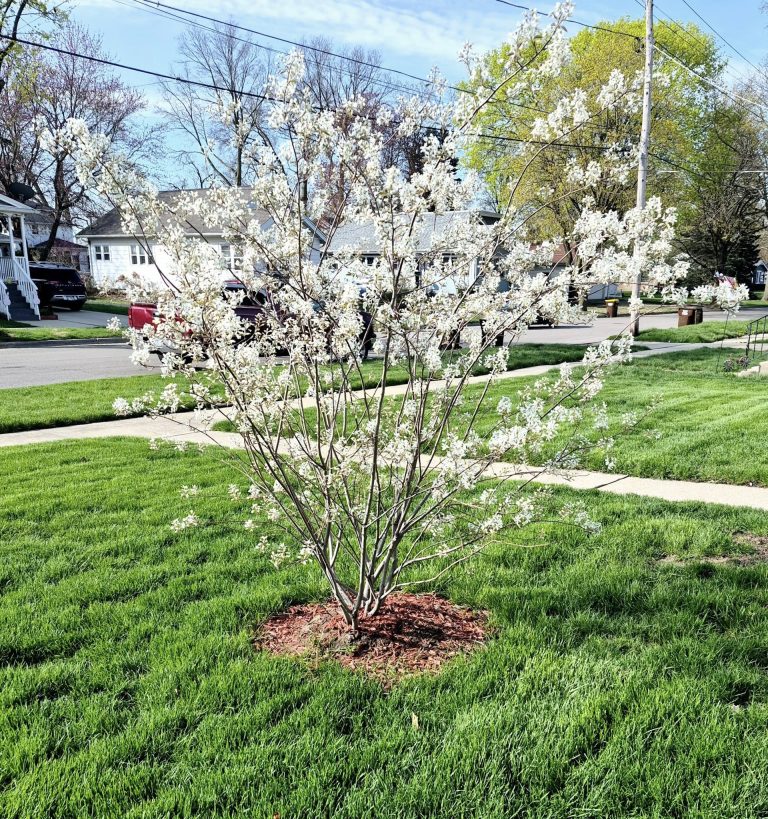
This is the classic, and probably the variety most people picture when they hear the word spirea. Small, white, double flowers cover bare branches in early spring, before the leaves even emerge, giving the whole shrub a lace-like appearance for a few weeks.
Clemson’s Home & Garden Information Center notes it grows to about 6 feet tall and wide, with fall color ranging from red to orange once the summer foliage finishes its run. Old plantings are often found at historic home sites, since this variety has been passed along in gardens for generations.
19. Renaissance Bridalwreath
A modern improvement bred for better disease resistance than older bridal wreath selections, addressing the leaf spot and fungal issues that sometimes affect the species. It still delivers the classic white bloom coverage, growing 5 to 7 feet tall with a similarly wide spread.
For gardeners who love the traditional bridal wreath look but want fewer maintenance headaches, this cultivar is usually the better long-term choice.
20. Vanhoutte Spirea (Spiraea x vanhouttei)
Also called bridal wreath in some catalogs, this hybrid of S. trilobata and S. cantoniensis has a vase-shaped form with long, arching branches that cascade almost to the ground under the weight of spring flowers. Flower clusters run about 2 inches wide and are packed with single white blooms so dense they can hide the foliage completely for a week or two.
It can reach 8 feet tall, making it a popular privacy screen or specimen plant rather than a border shrub. This is the variety that first got me hooked on spirea, and it remains one of the most dramatic spring bloomers you can plant.
21. Grefsheim
A newer variety with the same wide-arching habit as bridal wreath types, bred specifically for use as a freestanding hedge without the need for constant shearing. It blooms slightly earlier than most spring types, often opening before other spireas have even budded.
Its earlier bloom window makes it a useful companion planted alongside later bridal wreath varieties, stretching the spring flower display by a couple of extra weeks.
22. Reeves Spirea (Spiraea cantoniensis)
A white, single-flowered shrub with the same bridal wreath growth habit, reaching 5 to 6 feet tall with gracefully arching stems. In the Upper South its small green leaves may turn red in fall, while in the Deep South its leaves stay green through fall rather than changing color.
Double-flowered cultivars of this species are more common in nurseries than the straight species, according to Clemson Extension, so check the tag carefully if you want the true single-flowered form.
23. Snowmound (Spiraea nipponica)
This variety produces an abundance of snow-white flowers on graceful, spreading branches, living up to its name with a mounded profile that looks blanketed in snow at peak bloom. It grows 3 to 5 feet tall and is considered a superior, more compact replacement for old Vanhoutte plantings that have outgrown their space.
Its blue-green foliage also turns a soft yellow in fall, adding a second season of interest after the spring flowers fade.
24. Firegold
Brilliant lemon-lime foliage arches gracefully alongside white spring blooms, closely resembling bridal wreath in overall form but with far more colorful leaves. Expect a mature size around 4 to 6 feet tall and 5 to 7 feet wide, so give it room to spread.
The bright foliage color holds up through summer, making this one of the few spring bloomers that still earns its space in the garden after the flowers are gone.
25. Triumphans (Spiraea x billardii)
A striking summer bloomer with dark pink flower spikes rather than the flat clusters typical of most spirea, giving it a more upright, spike-like silhouette in the border. Gardening Know How lists it among the most popular spirea varieties for its bold, upright color display, and it stands out easily next to flatter-flowered types.
Because it blooms on new wood later in the season, it pairs well with the true spring bridal wreath types to extend color from April all the way into summer.
ALSO READ: 15 Best Summer Flowering Shrubs: Identification and Care Details
Birchleaf Spirea Group (Spiraea betulifolia)
Birchleaf spireas are known for larger, blue-green, birch-shaped leaves and some of the best fall color in the genus, often outperforming both the Japonica and bridal wreath groups once autumn arrives. The leaves are noticeably rounder and more toothed than typical spirea foliage, which is where the common name comes from.
This group also tends to be denser and more mounded in habit, making it useful where you want strong structure even when the plant is not in flower.
26. Birchleaf Spirea
A white, summer-blooming shrub reaching 3 to 4 feet in height and width, with flowers that appear in early to midsummer rather than spring. Its fall color show includes red, orange, and purple tones, arriving later in the season than most other spirea types and often outlasting them by several weeks.
Its dense, mounding habit holds its shape naturally, so it needs very little pruning to stay tidy through the growing season.
27. Tor Birchleaf
A compact mound of dark, gray-green leaves dotted with tiny white flowers in late spring, staying smaller and denser than the straight species. It is prized more for texture and foliage than for flower size, since the blooms are modest compared to showier spirea types.
Its tight, rounded form makes it a good choice for a low hedge or a foundation planting where a neat outline matters more than a big flower display.
28. Pink Sparkler Birchleaf
This selection reblooms, offering pink flowers in early summer and again in autumn for a late-season color boost that most birchleaf types do not provide. The double bloom cycle makes it one of the more useful birchleaf cultivars if you want color at both ends of the growing season.
Its fall foliage still delivers the group’s signature red and orange tones, layering nicely with the second flush of pink blooms.
29. Glow Girl Birchleaf
A native selection to North America, making it a solid pick for gardeners who want a spirea with a lighter ecological footprint than imported Japanese types. It keeps the same dense, birch-like foliage and strong fall color the group is known for.
Because it is native rather than introduced, it also tends to integrate more smoothly into pollinator gardens and naturalized plantings without the seeding concerns tied to older Japanese cultivars.
Native And Species-Type Spirea
Not all spirea are Asian imports. Several species are native to North America and work well in naturalized, wetland-edge, or pollinator gardens, often filling ecological roles the imported ornamental types cannot.
These species tend to be less refined in shape than bred cultivars, but they make up for it with wildlife value and, in most cases, a much lower risk of spreading where they are not wanted.
30. Korean Spirea (Spiraea fritschiana)
Native to forests, slopes, and rocky areas across parts of Asia, this species is noted for dark green foliage and large white flower clusters in late spring that stand out against the darker leaves. Like most spirea, it draws in butterflies, and its clustered blooms make it a favorite stop for pollinators during its bloom window.
Its natural preference for rocky, well-drained sites makes it a strong option for slopes or naturalized areas where richer garden soil is not an option.
31. Baby’s Breath Spirea (Spiraea thunbergii)
Also called Thunberg spirea, this is one of the earliest spirea to bloom each year, often flowering before forsythia has finished. It produces small, narrow leaves and tiny white flowers clustered along slender, arching stems, giving the whole plant an airy, delicate look that inspired its common name.
Orange fall foliage extends its season of interest well past the early spring bloom, and its graceful branching works nicely as an informal, unclipped hedge.
32. Douglas Spirea (Spiraea douglasii)
A North American native found from British Columbia down through the Pacific Northwest, sometimes called Douglas’ meadowsweet. It produces upright spikes of rose-pink flowers rather than flat clusters, giving it a noticeably different silhouette from the Asian ornamental types.
It tolerates wet soil better than most spirea, and it spreads by suckers over time, making it useful for erosion control along streambanks or in low, damp corners of the yard where other shrubs struggle.
33. Steeplebush (Spiraea tomentosa)
Also known as hardhack, this native species is easy to spot thanks to its dense, fuzzy pink flower spikes and downy leaf undersides that feel almost felted to the touch. The spike-shaped blooms rise well above the foliage, standing out clearly in a naturalized planting.
It thrives in wet meadows and along stream banks across eastern North America, and it is a valuable nectar source for native pollinators in exactly the damp habitats where fewer flowering shrubs typically grow.
34. White Meadowsweet (Spiraea alba)
A native perennial shrub with narrow, upright flower spikes in creamy white, blooming through the summer months in wet, open habitats. It is commonly found in wet prairies and along roadside ditches in the northern United States and Canada, often growing alongside steeplebush in similar conditions.
Its upright form and tolerance for damp, heavy soil make it a good candidate for rain gardens or the low, soggy edge of a property where more ornamental spireas would struggle.
35. Virginia Spirea (Spiraea virginiana)
A rare native species found mainly in the southeastern United States, growing along rocky riverbanks and scoured floodplains. It has been listed as a threatened species, according to U.S. Forest Service records, largely due to habitat loss from dam construction and river modification.
This scarcity makes cultivated specimens especially valuable for conservation-minded gardeners, and planting it, where regionally appropriate, offers a small but genuine way to support a native species under real pressure in the wild.
How To Choose The Right Spirea For Your Yard
With 35 options on the table, narrowing things down comes down to a few practical questions.
Think about bloom timing first. Spring bloomers like Bridal Wreath and Vanhoutte flower on old wood and put on one big spring show. Summer bloomers like the Japonica types flower on new wood and often repeat through the season.
Match the mature size to your space. A Little Princess at 2 feet is perfect for a border. A Vanhoutte at 8 feet needs room to arch and spread.
Consider foliage color as a design tool. Gold-leaved types like Goldflame and Magic Carpet brighten shady corners even when they are not in bloom.
If invasiveness worries you, choose sterile or native options. Double Play Doozie is currently the only sterile cultivar, while native species like Douglas spirea and steeplebush carry no such risk.
Planting And Care Basics
Spirea rewards even a little effort with years of reliable blooms.
Plant in full sun for the best flowering and the tightest, most compact form. Shadier spots lead to lankier growth and fewer flowers, per Nebraska Extension.
Well-drained soil matters more than soil fertility. Spirea tolerates poor soil but hates sitting in standing water.
Water deeply during the first year to help the root system establish. After that, most types tolerate drought well.
Prune spring bloomers right after the flowers fade. Prune summer bloomers in late winter or early spring before new growth starts.
Apply a controlled-release fertilizer in early spring if you want more vigorous growth, though it is not strictly necessary for healthy plants.
Dig the planting hole about twice as wide as the root ball, and only as deep as the container the plant came in. Planting too deep is one of the most common mistakes with any woody shrub.
Mulch after planting with a 2 to 3 inch layer around the base. This holds moisture, moderates soil temperature, and cuts down on competing weeds.
Watch for aphids. Spirea belongs to the rose family, so it can attract the same common pests roses do, though infestations are rarely severe enough to need treatment.
Designing With Spirea In Your Landscape
Spirea earns its keep in more places than a single foundation planting.
- Use larger types like Vanhoutte or Renaissance Bridalwreath as a privacy screen or informal hedge. Their arching branches create a soft, natural boundary rather than a stiff wall.
- Mass smaller varieties like Little Princess or Magic Carpet along a slope. Their spreading habit helps hold soil in place while adding color.
- Pair gold-foliage types with deep purple or burgundy companions, such as smoke bush or purple-leaf barberry, for a striking contrast that lasts all season.
- Combine spring and summer bloomers in the same bed so something is always in flower. A bridal wreath for April color and a Goldflame for July color keeps the show going.
Common Questions About Spirea
Is spirea toxic to pets? No. Spirea is generally considered non-toxic to dogs and cats, though eating large amounts of any plant material can cause mild stomach upset.
Does spirea need full sun? It performs best with 6 or more hours of direct sun a day. Partial shade is tolerated, but expect a looser, less floriferous plant.
How far apart should I plant spirea? Spacing depends heavily on the variety. Dwarf types like Little Princess or Magic Carpet can sit 2 to 3 feet apart, while larger types like Vanhoutte need 6 to 8 feet of room to spread.
Can spirea grow in containers? Yes. Compact cultivars such as Double Play Candy Corn and Little Spark are popular choices for pots on a patio or deck.
Will spirea attract deer to my yard? Not typically. Rutgers rates it as seldom severely damaged by deer, which makes it a dependable choice in areas with heavy deer traffic.
How do I know if my spirea blooms on old or new wood? As a rule, spring bloomers with white flowers, such as bridal wreath and Vanhoutte, bloom on old wood. Summer bloomers with pink, red, or purple flowers, such as the Japonica group, bloom on new wood.
A Word On Sustainable Choices
If you garden with pollinators and native ecosystems in mind, it is worth being selective within this list.
Older Japanese spirea cultivars like Anthony Waterer produce abundant, fertile seed. Seedlings often show up beside the parent plant and along nearby roadsides, according to Penn State Extension.
Sterile cultivars solve this problem without giving up the look. Double Play Doozie is currently the only spirea on the market bred to be fully sterile, so it will not escape into wild spaces.
Native species are another safe bet. Douglas spirea, steeplebush, white meadowsweet, and the rare Virginia spirea all belong naturally in North American landscapes and support local wildlife without the seeding risk.
Before buying any Japanese spirea cultivar, check your state’s invasive species list or ask your local extension office. Rules and recommendations vary quite a bit by region.
Final Thoughts
Spirea earns its popularity honestly. It blooms reliably, tolerates neglect, and still manages to look intentional in the garden.
With 35 types to pick from, you can build an entire hedge line, fill a shady gap, or just add one bold specimen near the front door. Whichever one you choose, it is hard to go wrong with a shrub this forgiving.
References
- Penn State Extension – Spirea: The Good and the Bad – https://extension.psu.edu/spirea-the-good-and-the-bad
- University of Nebraska-Lincoln Extension, Lancaster County – A Spirea for Every Landscape – https://lancaster.unl.edu/spirea-every-landscape/
- Clemson University Cooperative Extension, Home & Garden Information Center – Spirea – https://hgic.clemson.edu/factsheet/spirea/
- University of Missouri Extension, Integrated Pest Management Program – Spirea: Workhorse Shrub in Modern Landscapes – https://ipm.missouri.edu/meg/2026/3/spirea-dt/
- Rutgers New Jersey Agricultural Experiment Station (NJAES) Cooperative Extension – Landscape Plants Rated by Deer Resistance – https://njaes.rutgers.edu/deer-resistant-plants/
- North Carolina State University Extension Gardener Plant Toolbox – Spiraea (Meadowsweet, Spirea) – https://plants.ces.ncsu.edu/plants/spiraea/
- USDA Forest Service, National Seed Laboratory – Spiraea L., Spirea (Woody Plant Seed Manual) – https://www.fs.usda.gov/nsl/Wpsm/Spiraea.pdf

Tim M Dave is a gardening expert with a passion for houseplants, particularly cacti and succulents. With a degree in plant biology from the University of California, Berkeley, he has vast experience in gardening. Over the years, he has cultivated a vast collection of desert plants and learned a great deal about how to grow and care for these unique companions.