15 Salt Tolerant Shrubs That Thrive Near the Coast and Winter Roads
If you’ve ever tried gardening near the ocean, or even along a street that gets salted every winter, you know the struggle. Salt creeps into the soil, sprays onto leaves, and slowly kills off plants that just aren’t built for it.
I’ve seen entire hedges turn brown and crispy after one bad winter of road salt runoff. It’s frustrating, but it’s also completely avoidable with the right plant choices.
Salt tolerant shrubs are the answer. These tough plants have adapted to handle salty air, salt spray, and salty soil without losing their color or vigor.
Why Salt Tolerance Matters in Landscaping
Coastal gardens face constant salt exposure. Wind carries salt spray inland, sometimes for hundreds of feet, coating leaves and settling into the soil.
Road salt is a year-round threat in cold climates. According to the University of Minnesota Extension, sodium chloride used for de-icing roads and sidewalks can accumulate in soil and damage plant roots, leaves, and buds.
Salt-damaged plants struggle to recover. Once salt builds up in soil or plant tissue, it draws moisture away from roots, leaving plants dehydrated even when watered regularly.
Choosing the right shrubs saves money and effort. Replacing salt-damaged plants every few years adds up. Picking salt tolerant species from the start means less replanting and less heartbreak.
Best Salt Tolerant Shrubs
Here are 15 salt tolerant shrubs worth considering for your yard.
1. Bayberry (Myrica pensylvanica)
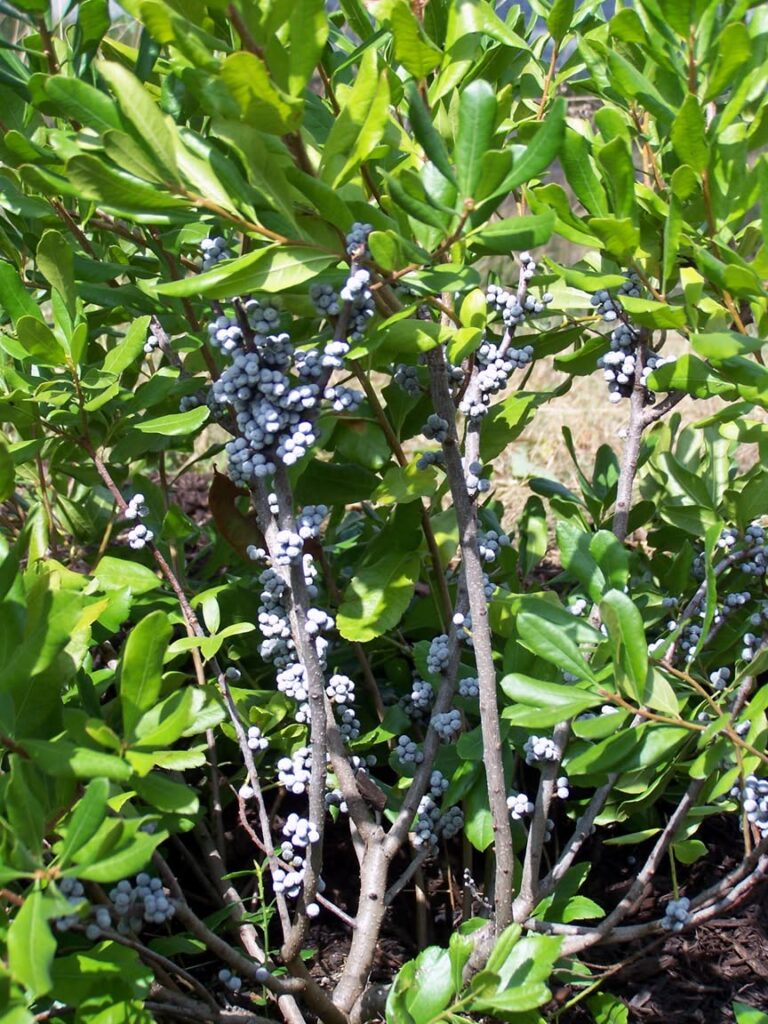
Bayberry is one of the most reliable salt tolerant shrubs for coastal landscapes. Its waxy, aromatic leaves shrug off salt spray, and its gray berries persist into winter, offering food for birds.
This shrub grows in USDA zones 3 through 7. It tolerates poor, sandy soil and full sun to partial shade, making it a natural fit for beach properties.
2. Rugosa Rose (Rosa rugosa)
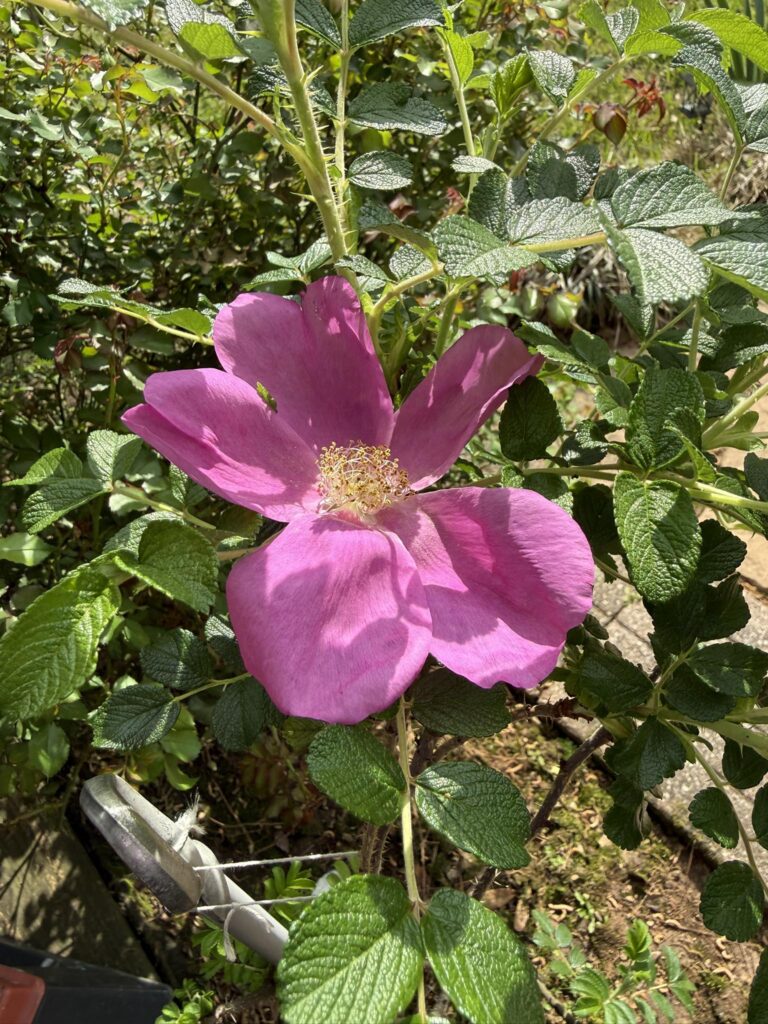
Rugosa rose is famous for its toughness. It handles salt spray, sandy soil, and wind without much complaint, all while producing fragrant pink or white flowers and bright red rose hips.
It’s hardy in zones 2 through 7. I’ve seen rugosa roses growing right at the edge of dunes, looking healthier than plants tucked safely inland.
3. Beach Plum (Prunus maritima)
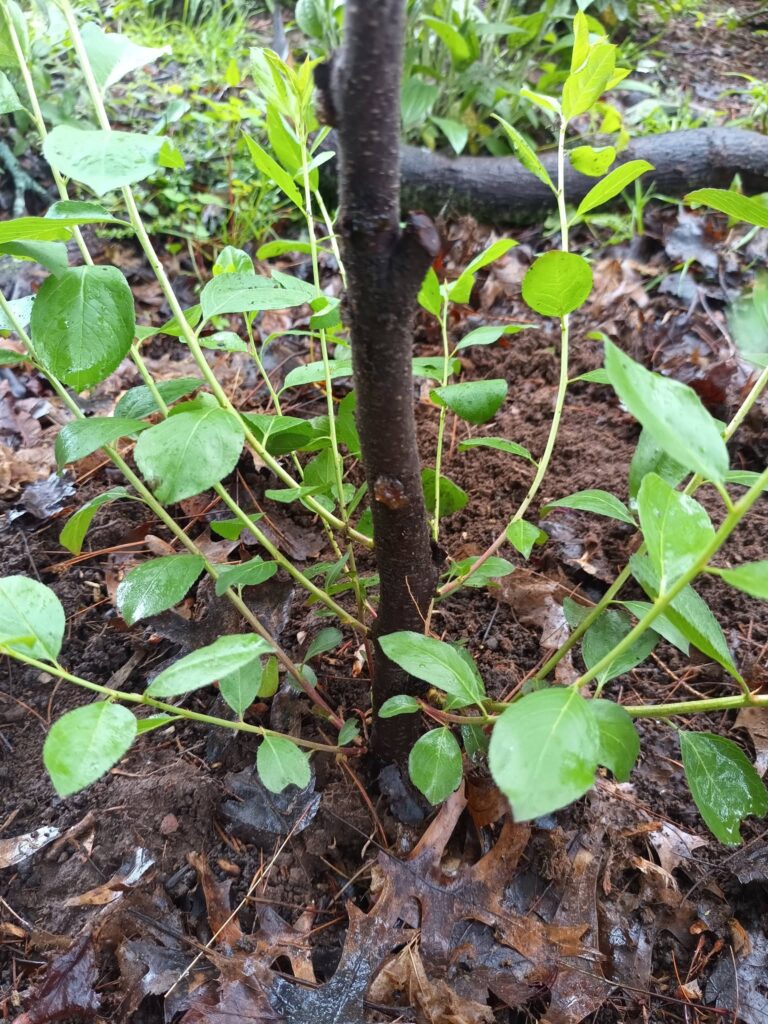
Beach plum is a native shrub that thrives in sandy, salty soils along the Atlantic coast. It produces white flowers in spring and small, tart plums in late summer, which are often used for jams and jellies.
This shrub grows in zones 3 through 7. It prefers full sun and well-drained, sandy soil, and it actually does poorly in rich garden soil.
4. Inkberry Holly (Ilex glabra)
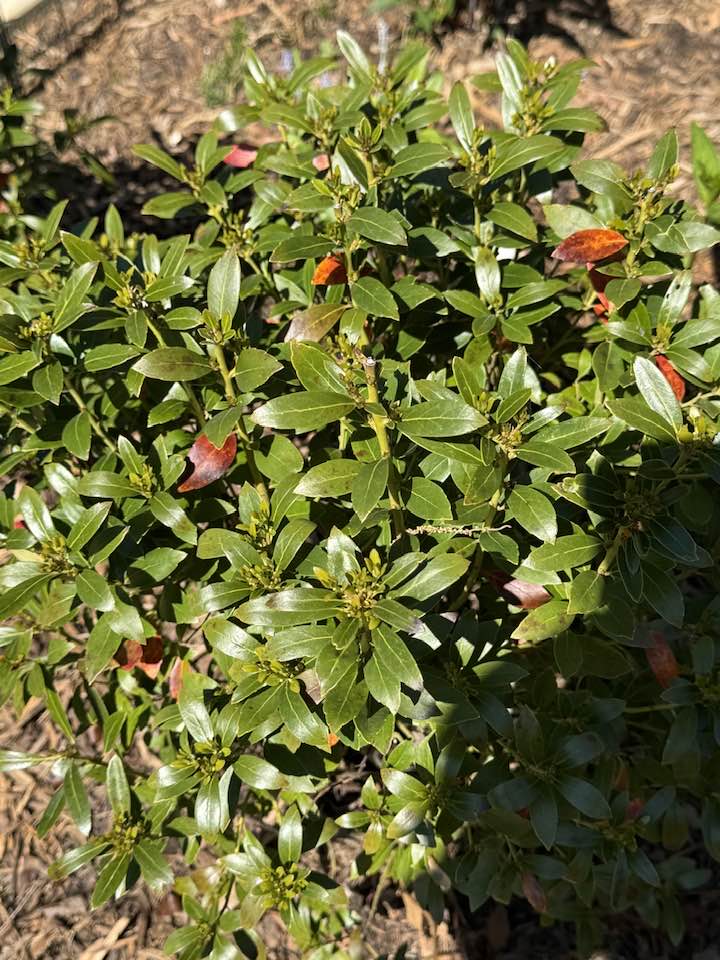
Inkberry holly is a versatile evergreen that handles salt exposure reasonably well, especially when planted slightly back from direct spray zones. Its dark green leaves stay attractive year-round.
It’s hardy in zones 4 through 9. According to the North Carolina State University Extension Plant Toolbox, inkberry holly tolerates a range of soil conditions, including wet and sandy sites common near coastal areas.
5. Shrubby Cinquefoil (Potentilla fruticosa)
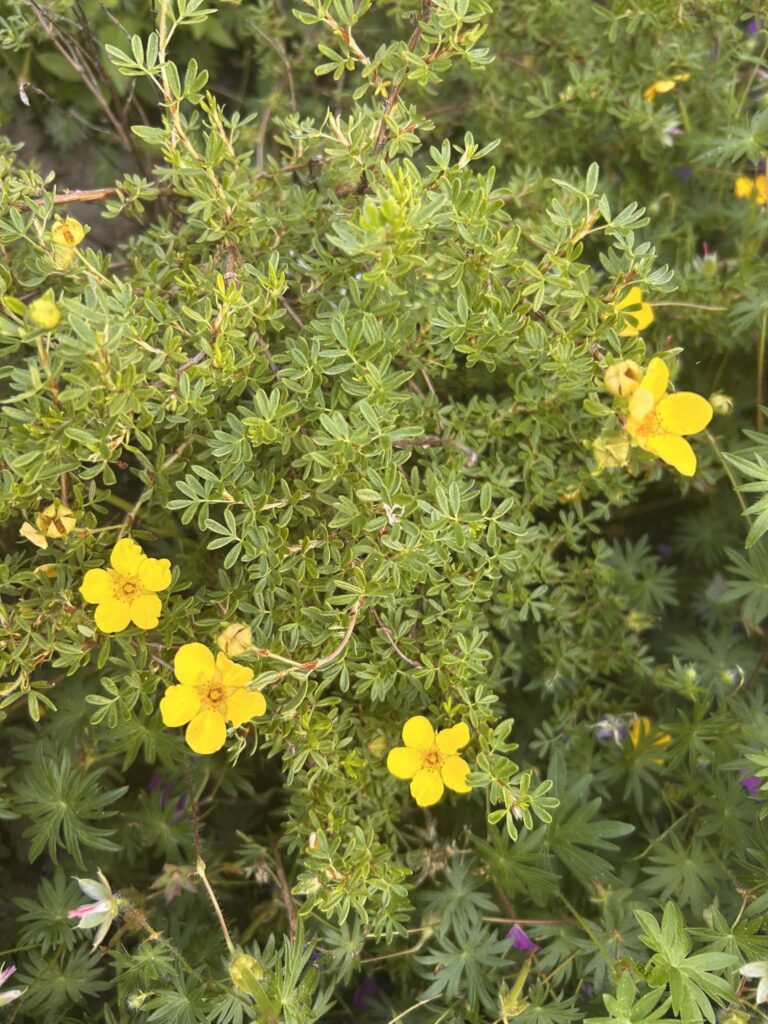
Shrubby cinquefoil is a hardy, low-maintenance shrub with cheerful yellow, white, or pink flowers that bloom through summer. It tolerates salt spray and salty soil better than many flowering shrubs.
This plant grows in zones 2 through 7. It prefers full sun and is often used along roadsides and parking lots where salt exposure is common.
6. Tamarisk (Tamarix ramosissima)
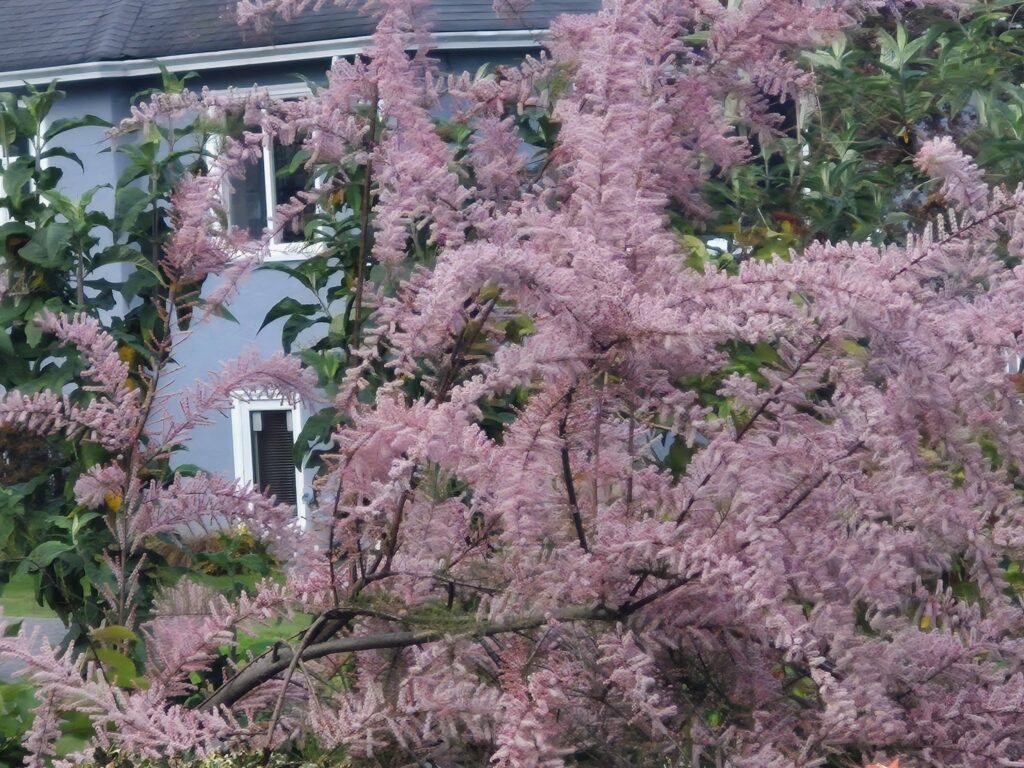
Tamarisk, also called salt cedar, is extremely tolerant of salty and alkaline soils. Its feathery foliage and pink plume-like flowers add a soft texture to coastal landscapes.
It’s hardy in zones 2 through 8. A word of caution though, tamarisk is considered invasive in some regions, particularly in the western United States, so check local regulations before planting.
7. Japanese Black Pine (Pinus thunbergii)
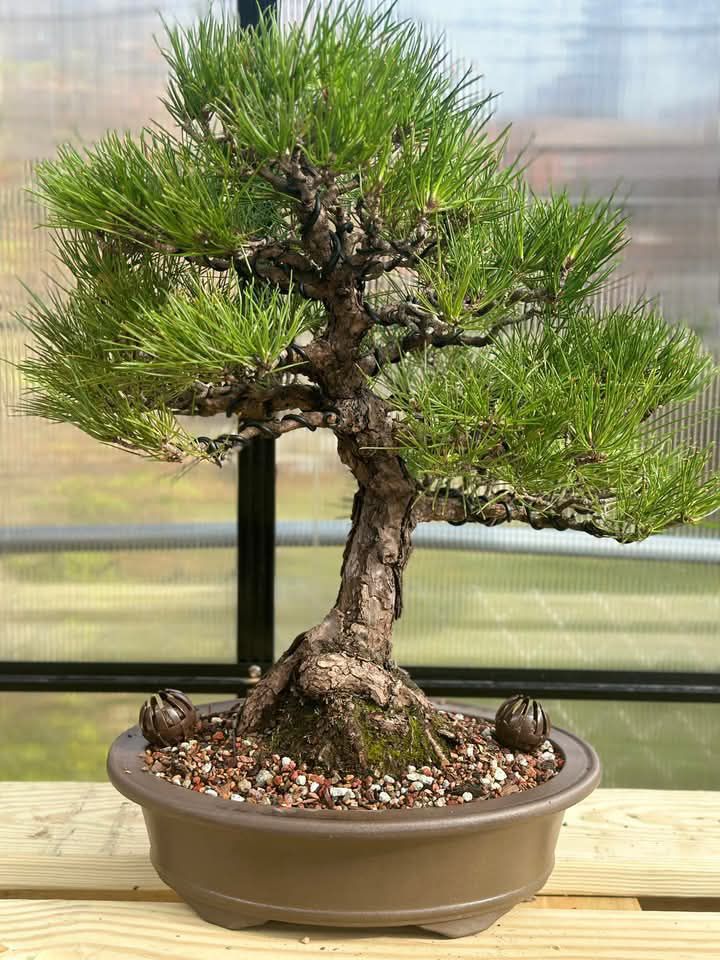
Japanese black pine is a classic choice for seaside landscapes. Its dark green needles and rugged, twisted form hold up well against salt spray and strong coastal winds.
This tree-like shrub grows in zones 5 through 8. It prefers full sun and well-drained soil, and it’s often used in Japanese-style coastal gardens.
8. Russian Sage (Perovskia atriplicifolia)
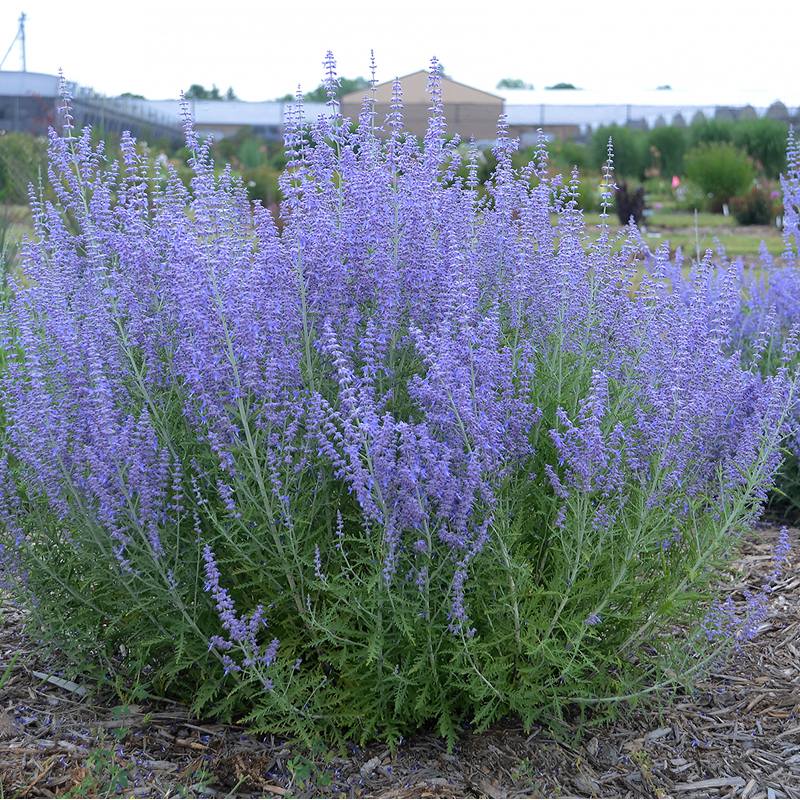
Russian sage isn’t a true shrub in the traditional sense, but its woody base and silvery, aromatic foliage make it function like one in the landscape. It tolerates salt, drought, and poor soil with ease.
It grows in zones 4 through 9. The lavender-blue flower spikes bloom from summer into fall, adding long-lasting color to salt-affected areas.
9. Spirea (Spiraea japonica)
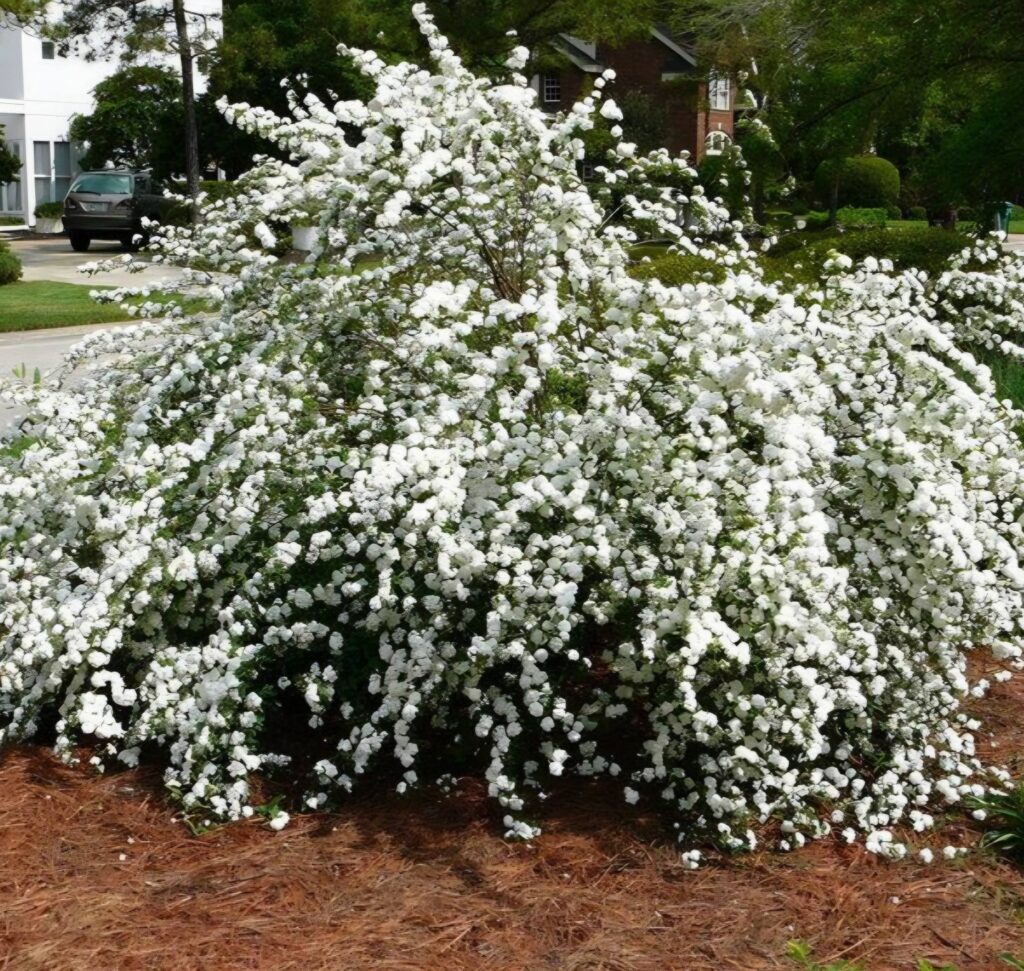
Spirea is a tough, adaptable shrub that handles a fair amount of salt exposure, particularly when planted away from direct spray zones. Its clusters of pink or white flowers bloom in late spring to summer.
This shrub grows in zones 4 through 8. According to Oregon State University’s Landscape Plants database, spirea is valued for its adaptability to a wide range of soil and site conditions.
10. Eastern Red Cedar (Juniperus virginiana)
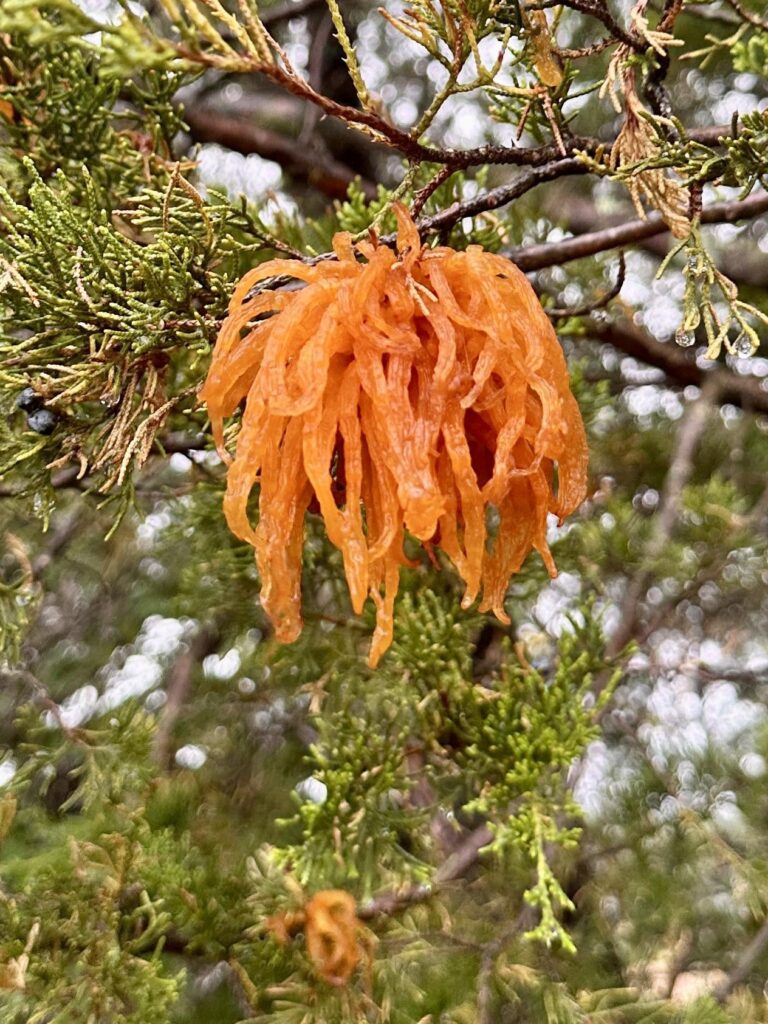
Eastern red cedar is a native evergreen that handles salt spray, poor soil, and drought without much trouble. Its blue-green to gray-green foliage adds year-round structure.
It’s hardy in zones 2 through 9. This shrub-like tree is often used as a windbreak or screening plant in coastal and roadside locations.
11. Sea Buckthorn (Hippophae rhamnoides)
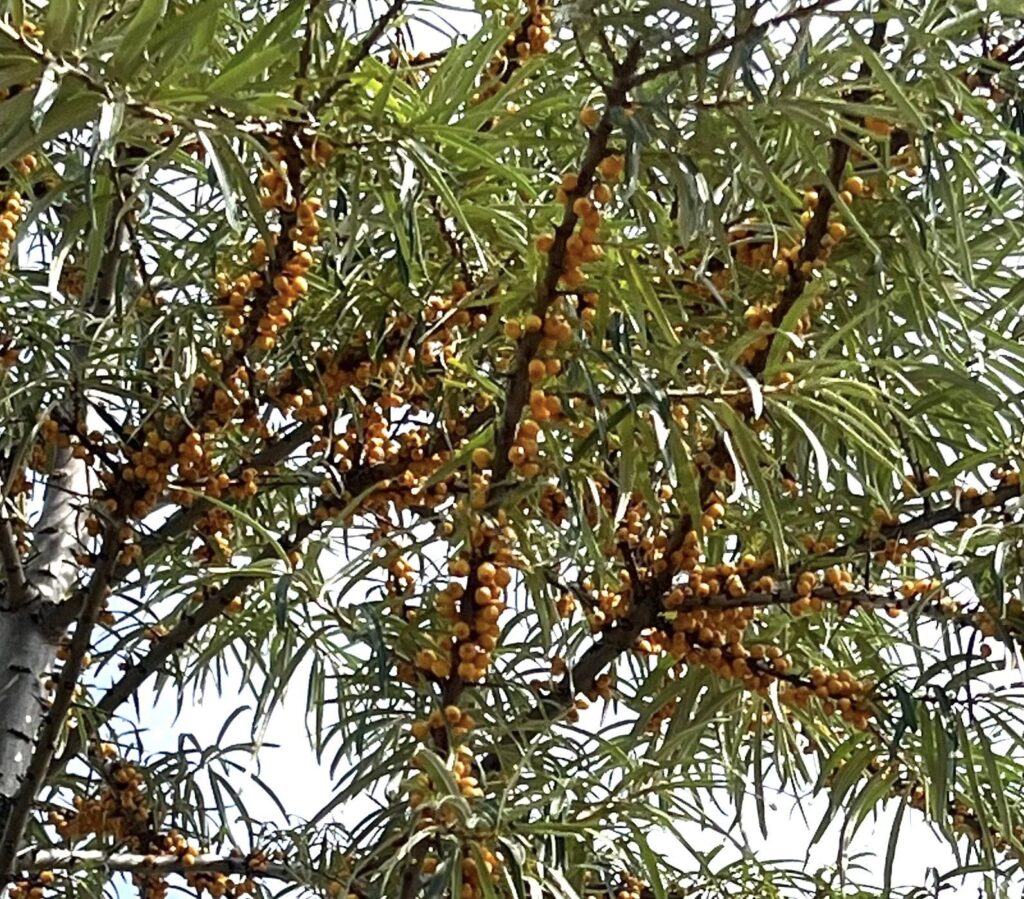
Sea buckthorn is a thorny shrub with silvery-green leaves and bright orange berries that persist into winter. It’s incredibly tolerant of salty, sandy soils and coastal winds.
This shrub grows in zones 3 through 7. It needs both male and female plants for berry production, and it tolerates poor soil better than almost anything else on this list.
12. Forsythia (Forsythia x intermedia)
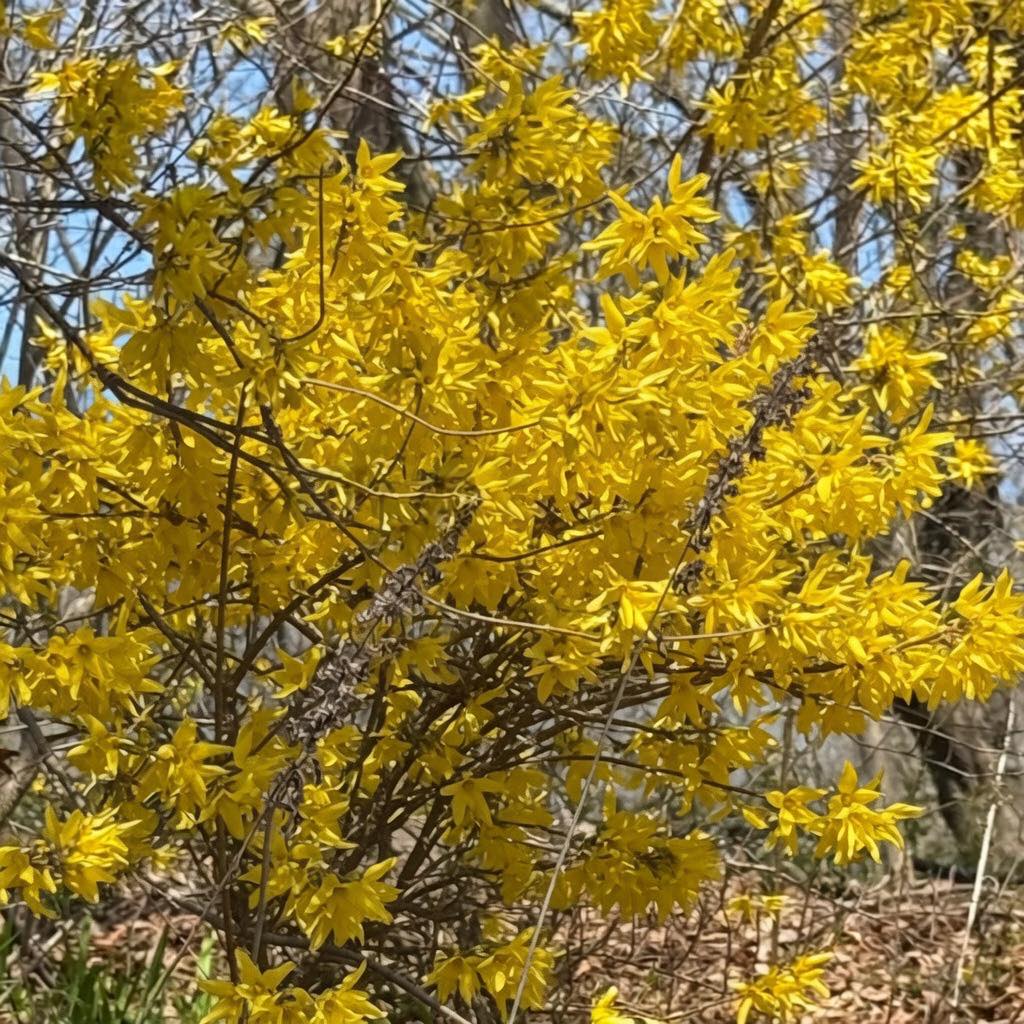
Forsythia is best known for its bright yellow flowers that bloom in early spring, often before the leaves even appear. It handles moderate salt exposure reasonably well, especially in inland areas affected by road salt.
It’s hardy in zones 5 through 8. Forsythia is fast-growing and adaptable, which makes it a popular choice for hedges and borders.
13. Weigela (Weigela florida)
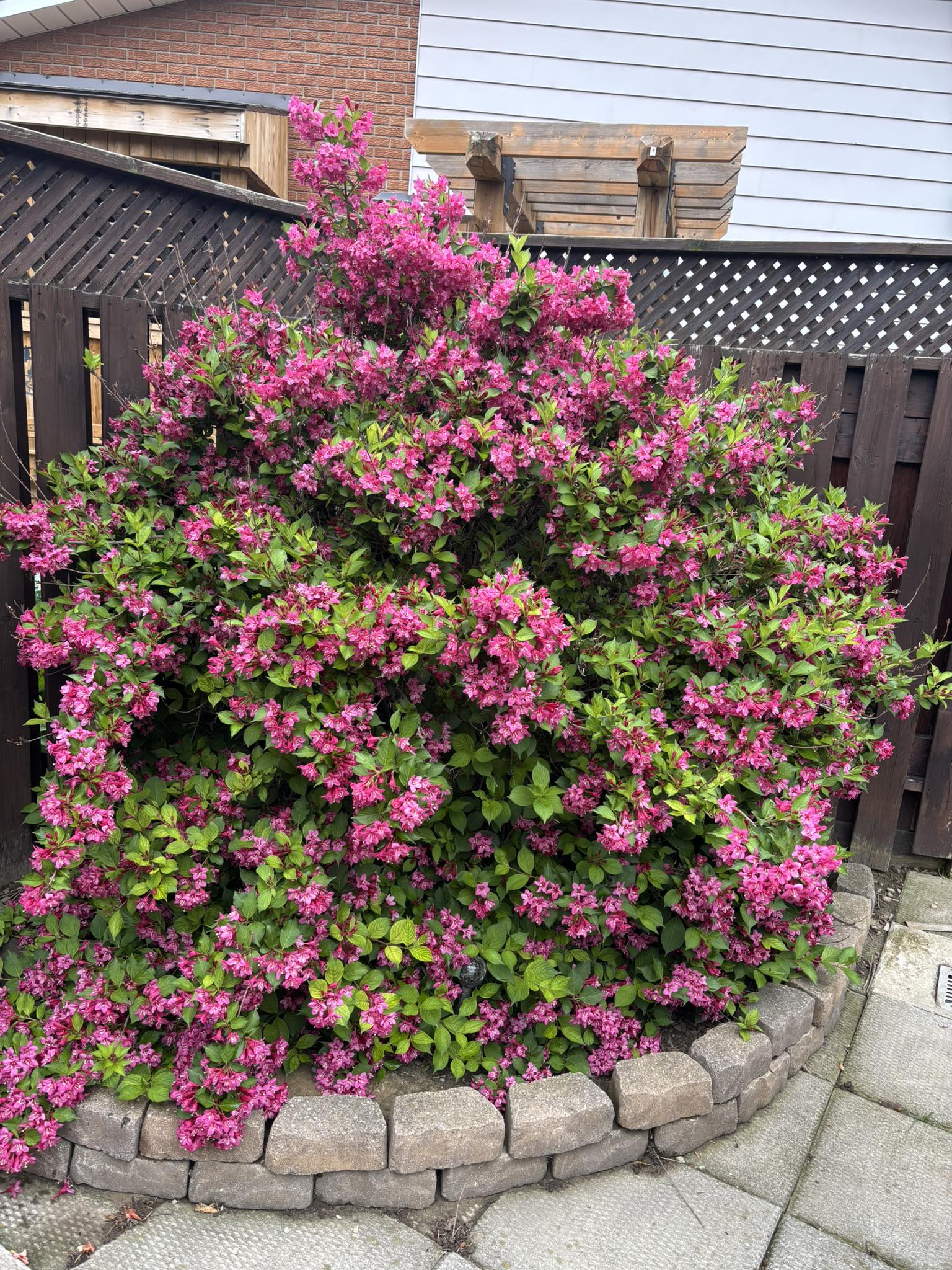
Weigela produces trumpet-shaped pink, red, or white flowers in late spring and tolerates moderate salt exposure, particularly from road salt runoff rather than direct ocean spray.
This shrub grows in zones 4 through 8. It prefers full sun for best blooming and is fairly low maintenance once established.
14. Oleander (Nerium oleander)
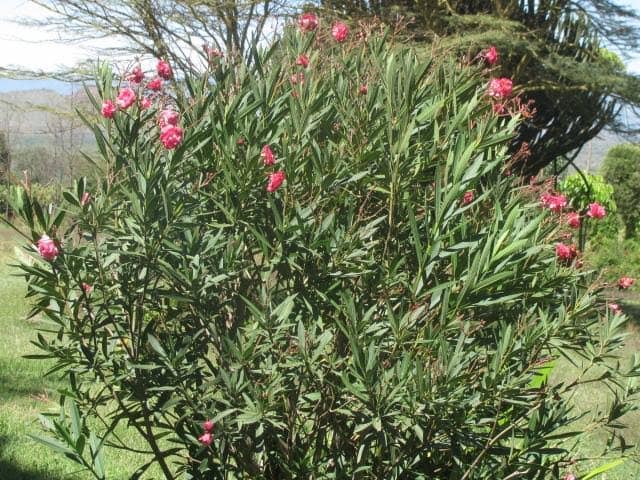
Oleander is a Mediterranean shrub that handles salt spray and salty soil with ease, which is why it’s such a common sight along coastal highways in warmer climates.
It’s hardy in zones 8 through 10. Keep in mind that all parts of oleander are toxic if ingested, so it’s not the best choice for homes with pets or young children.
15. Shore Juniper (Juniperus conferta)
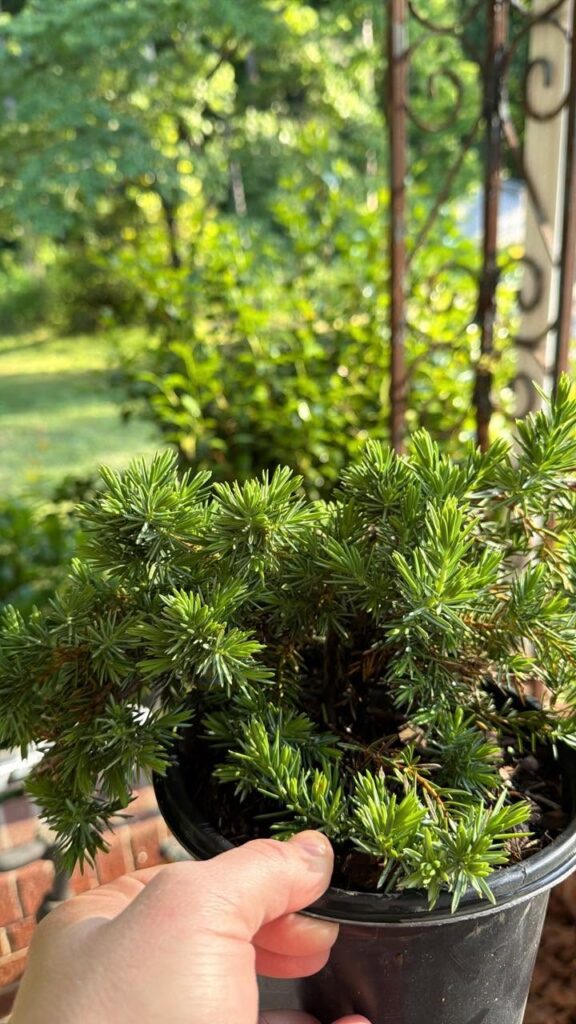
Shore juniper is a low-growing, spreading evergreen that’s practically made for coastal conditions. Its blue-green needles form a dense mat that handles salt spray, sandy soil, and full sun beautifully.
This shrub grows in zones 6 through 9. It’s often used as a groundcover on dunes, slopes, and other areas where erosion control is needed alongside salt tolerance.
Tips for Growing Salt Tolerant Shrubs Successfully
Plant a buffer zone first. If you’re right on the coast, consider planting your toughest, most salt tolerant shrubs as a first line of defense, with slightly less tolerant plants behind them.
Water thoroughly after salt exposure. Whether it’s salt spray or road salt runoff, watering deeply afterward helps flush salt out of the root zone before it causes lasting damage.
Improve soil drainage. Salt tends to accumulate more in heavy, poorly drained soils. Adding organic matter and improving drainage can reduce salt buildup around roots.
Avoid planting directly next to salted walkways. Even salt tolerant shrubs have limits. Leaving a small buffer between plants and heavily salted areas reduces stress.
Choose native species when possible. Many native coastal shrubs, like bayberry and beach plum, have evolved specifically to handle local salt and soil conditions. The Lady Bird Johnson Wildflower Center notes that native plants often require less maintenance once established because they’re already adapted to regional environmental stresses.
Final Thoughts
Gardening in salty conditions doesn’t have to mean a constant battle. With the right shrubs, you can build a landscape that not only survives but actually thrives, even with salt spray rolling in off the ocean or salty runoff from winter roads.
I’ve found that the toughest plants, like rugosa rose, bayberry, and shore juniper, often end up being some of the most rewarding too. They ask for so little and give back so much, whether it’s fragrant flowers, winter berries, or just reliable green structure year after year.
Take a look at your specific conditions, whether it’s direct ocean spray, road salt runoff, or naturally salty soil, and pick a mix of shrubs that match. Your garden will be far more resilient, and honestly, a lot less stressful to maintain.
References
- University of Minnesota Extension – Salt Damage in Landscape Plants: https://extension.umn.edu/trees-and-shrubs/salt-damage-landscape-plants
- North Carolina State University Extension – Plant Toolbox (Ilex glabra): https://plants.ces.ncsu.edu/plants/ilex-glabra/
- Oregon State University – Landscape Plants Database: https://landscapeplants.oregonstate.edu/
- Lady Bird Johnson Wildflower Center – Native Plant Database: https://www.wildflower.org/plants/
- USDA Plant Hardiness Zone Map: https://planthardiness.ars.usda.gov/
- Missouri Botanical Garden – Plant Finder: https://www.missouribotanicalgarden.org/PlantFinder/PlantFinderDetails.aspx?taxonid=275510
- U.S. Forest Service – Coastal Plant Communities: https://www.fs.usda.gov/

Tim M Dave is a gardening expert with a passion for houseplants, particularly cacti and succulents. With a degree in plant biology from the University of California, Berkeley, he has vast experience in gardening. Over the years, he has cultivated a vast collection of desert plants and learned a great deal about how to grow and care for these unique companions.