15 Varieties of Rosemary (Different Types Explained, With Pictures)
Rosemary is one of those herbs that feels deceptively simple. You picture a green, needle-leafed shrub with a piney smell, and that’s that. But once I started digging into the different cultivars, I realized rosemary is far more diverse than most gardeners assume.
There isn’t just “rosemary.” There are dozens of named cultivars, each bred or selected for a specific trait — cold hardiness, flower color, growth shape, or flavor intensity.
This guide covers 15 distinct types of rosemary, organized by growth habit, so you can pick the right one for your climate, container, or kitchen.
A Quick Word on the Name Itself
Rosemary’s botanical name has shifted in recent years. Botanists now classify it as Salvia rosmarinus, though it was long known as Rosmarinus officinalis, and many nurseries still use the older name on plant tags.
The word itself comes from the Latin ros marinus, meaning “dew of the sea.” According to the University of Wisconsin–Madison Extension, this refers to the dew-like sheen that sea spray leaves on rosemary growing along coastal cliffs, which is exactly the kind of rocky, salty habitat this plant evolved to handle.
That origin story also explains why rosemary shrugs off drought, wind, and salt exposure so easily. It was built for exactly those conditions long before anyone put it in a garden bed.
What Are the Main Types of Rosemary?
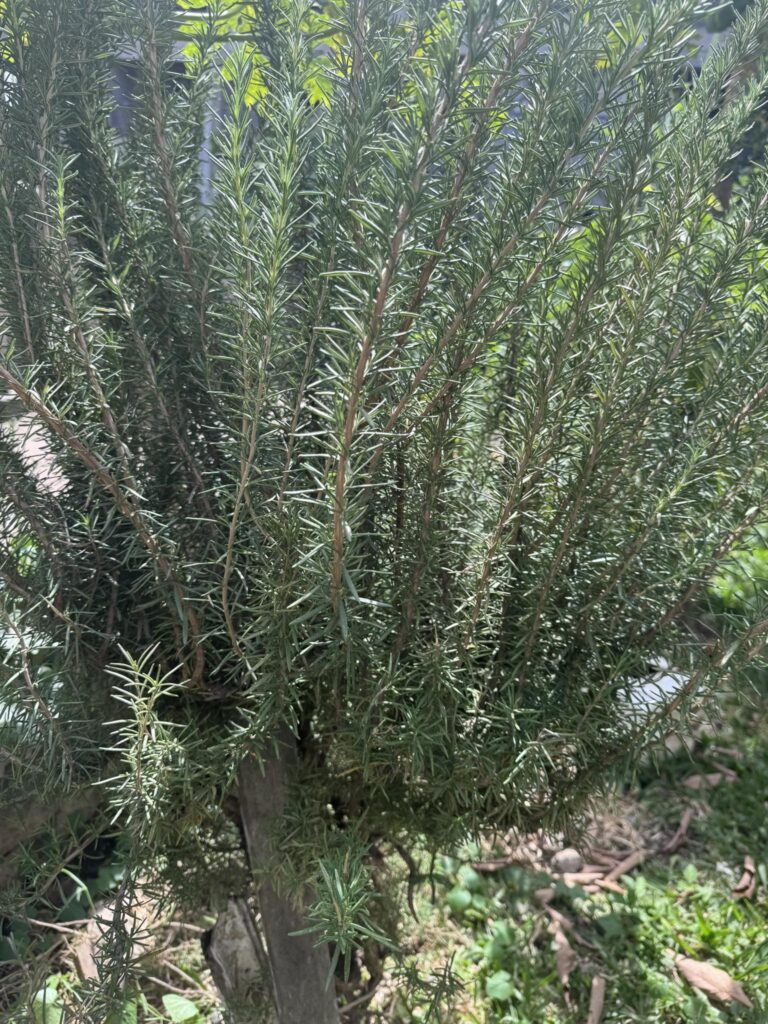
Before we go type by type, here’s the short version. Rosemary (Salvia rosmarinus, formerly Rosmarinus officinalis) comes in three basic growth habits: upright shrubs, prostrate or creeping ground covers, and semi-trailing or mounding forms.
Within those three habits, breeders and growers have selected varieties for cold tolerance, flower color, leaf size, and culinary strength.
Why Rosemary Varieties Differ So Much
Rosemary is native to the Mediterranean coastline, where it clings to dry, rocky cliffs. According to Oregon State University’s Landscape Plants database, the species is hardy to USDA Zone 7 and thrives in full sun with excellent drainage.
Over centuries of cultivation, natural hybrids and selected cuttings produced the range of forms we see today. That is why, as North Carolina State University’s Extension Gardener program notes, one rosemary plant can sometimes be sold under two or three different names.
I find that detail almost charming. It means the rosemary in your neighbor’s garden and the one at your local nursery might technically be twins, wearing different name tags.
The Two Growth Categories You’ll See Everywhere
Almost every source agrees on this split: upright rosemary grows as a bushy, vertical shrub, useful for hedges and cooking. Prostrate or creeping rosemary hugs the ground or trails over walls and containers.
A few varieties sit in between, forming loose mounds that spill slightly but never fully trail. I’ll flag those as “semi-trailing” below.
Now, let’s get into the 15 varieties themselves.
1. Tuscan Blue Rosemary
Tuscan Blue is often called the workhorse of the rosemary world. It’s an upright variety that can reach 6 to 7 feet tall and about 4 feet wide at full maturity, with broad, aromatic leaves and dark blue flowers.
The leaves are noticeably wider than most other rosemary types, almost strap-like, and they hold a strong resinous scent even before you touch them. Flowering typically runs from late winter into spring, drawing bees steadily during that window.
Growing zones: It performs best in USDA Zones 8 through 10, though established plants can tolerate brief dips into Zone 7 if given a sheltered spot near a wall or building.
Growth rate and habit: This is a fast grower once established, often adding a foot or more of height per year in ideal conditions. Its columnar shape makes it a favorite for tall hedges and privacy screening in Mediterranean-style landscapes.
Care tips: Give it room to grow outward, not just upward, since crowded plants develop poor air circulation and become prone to powdery mildew. Prune lightly right after the spring bloom to keep the shape tidy without cutting into old woody stems.
I like this one for roasting. The flavor holds up beautifully next to potatoes, lamb, and grilled vegetables.
2. Arp Rosemary
If you live somewhere with real winters, Arp is likely the variety you want. It’s considered the most cold-hardy rosemary cultivar available, tolerating temperatures down to around -10°F.
Arp Rosemary was discovered in 1972 in the town of Arp, Texas, by herb grower Madalene Hill. The foliage is gray-green rather than the deep green of warmer-climate types, and the flavor is slightly milder as a trade-off for its toughness.
Growing zones: Arp is generally rated for USDA Zones 6 through 9, with some gardeners successfully overwintering it in sheltered Zone 5 spots using heavy mulch.
Size and growth rate: Expect a mature height of 3 to 4 feet with a similar spread. It grows at a moderate pace, slower than Tuscan Blue, and tends to stay more compact overall.
Care tips: Because cold hardiness is its main strength, avoid planting Arp in heavy clay soil, since wet roots in winter can undo all that cold tolerance. A raised bed or amended, well-draining soil gives it the best odds of surviving a hard freeze.
3. Salem Rosemary
Salem is another cold-resistant upright type, producing pale blue flowers and a neat, tidy growth habit. It holds its flavor well even in less-than-ideal growing conditions.
The foliage is dense and fine, giving the plant a neat, rounded silhouette without much pruning effort. Flowers appear mainly in spring, though a second light bloom sometimes shows up in fall in warmer climates.
Growing zones: Salem is typically hardy in USDA Zones 7 through 10, sitting between Arp and the more tender Mediterranean cultivars in terms of winter tolerance.
Size and growth rate: It matures to roughly 2 to 3 feet tall and wide, growing at a slow to moderate rate. This compact size makes it easier to manage in smaller garden beds than the larger upright types.
Care tips: Salem tolerates light shade better than most rosemary types, though flavor and flowering both improve with at least six hours of direct sun. Water sparingly once established, since this variety is particularly sensitive to soggy roots.
This variety works nicely in both ornamental beds and dedicated herb gardens. It doesn’t demand much attention once established, which is exactly what a beginner gardener wants to hear.
4. Gorizia Rosemary
Gorizia stands out because its leaves are roughly double the size of a typical rosemary leaf. This gives the plant a bolder, almost dramatic look in the garden.
Beyond the oversized leaves, Gorizia has a slightly looser, more open branching structure than compact types like Salem. The flowers are a rich blue and tend to appear in generous clusters along the stems.
Growing zones: Gorizia does best in USDA Zones 8 through 10, and it is noticeably less cold-hardy than Arp or Salem, so gardeners in cooler regions usually grow it in containers.
Size and growth rate: It grows upright to about 1.5 meters, or nearly 5 feet tall, with a moderately fast growth rate once the roots are established in the ground.
Care tips: Because the leaves are larger and softer, Gorizia can be more vulnerable to humidity-related fungal issues than needle-thin varieties. Space plants generously and prune for airflow, especially in humid summer climates.
It produces a rich, robust flavor that many cooks prefer for heartier dishes like braises and stews.
5. Barbeque (BBQ) Rosemary
Barbeque rosemary, sometimes labeled “BBQ,” earns its name honestly. Its stems grow straight and sturdy, reaching 4 to 6 feet tall and 2 to 3 feet wide, and are strong enough to double as skewers for grilling meat and vegetables.
The fragrance and flavor are both notably strong, even by rosemary standards, and the upright habit makes it a practical hedge plant as well as a culinary one.
Growing zones: This variety is best suited to USDA Zones 8 through 10, preferring warm, dry summers similar to its Mediterranean origins.
Size and growth rate: It grows at a steady, moderate pace, developing thick, woody stems earlier than most other cultivars, which is part of what makes it so useful as a natural skewer.
Care tips: Harvest stems for grilling in the morning, when essential oil concentration in the leaves tends to be highest. Avoid heavy pruning in late fall, since fresh growth right before winter is more vulnerable to frost damage.
If you enjoy grilling in the summer, this is a genuinely useful plant to keep near the patio, not just a decorative one.
6. Spice Island Rosemary
Spice Island offers one of the more complex flavor profiles among rosemary cultivars, with hints of clove and nutmeg layered under the classic pine note. The needle-like leaves are slightly darker green than average, and the plant tends to hold its shape well without excessive legginess, even without frequent pruning.
Growing zones: It grows well in USDA Zones 8 through 10 and, like several culinary favorites on this list, appreciates a warm, dry position with reflected heat from a wall or patio.
Size and growth rate: Spice Island reaches over 4 feet tall at maturity, growing at a moderate rate and forming a fairly dense, upright shrub over two to three seasons.
Care tips: Because the flavor is so concentrated, a light hand in the kitchen goes a long way. In the garden, this variety benefits from an annual light shaping prune to keep new, tender growth coming through the season.
It’s favored by cooks who want a rosemary with more depth for slow-cooked dishes. I’d call this the “gourmet” pick on this list.
7. Golden Rain Rosemary
Also sold as ‘Joyce DeBaggio,’ Golden Rain is grown mainly for its foliage color rather than flavor. The leaves shift from bright yellow to deep gold, especially as summer days lengthen. It’s best used as a garden border accent rather than a primary culinary herb, since its main appeal is visual.
Some plants fade back to green later in the season as temperatures cool, which is a normal part of its growth cycle rather than a sign of a problem. The flowers are a fairly standard light blue, secondary to the foliage color as the main attraction.
Growing zones: Golden Rain is generally hardy in USDA Zones 8 through 10, and it tends to be a bit more frost-sensitive than green-leaved upright types.
Size and growth rate: It reaches a medium height, typically 2 to 3 feet, and grows at a slower rate than Tuscan Blue or Gorizia, which suits its role as a border accent rather than a hedge.
Care tips: More direct sun tends to intensify the gold coloring, so a full-sun spot is worth prioritizing over partial shade with this variety. Avoid heavy fertilizing, since excess nitrogen can push the foliage back toward plain green.
8. Albus (White Rosemary)
Albus, sometimes listed as Albiflorus, is one of the few rosemary types with white flowers instead of the usual blue. It grows upright and dense, typically to around 3 to 4 feet. It works well as a hedge or specimen plant where you want a change from the typical blue-blossom look.
Beyond its unusual white blooms, Albus is prized by pollinator gardens, since bees seem just as drawn to it as they are to blue-flowered rosemary. The foliage is standard needle-like green, aromatic, and dense.
Growing zones: Albus is suited to USDA Zones 8 through 10, with similar drought and salt tolerance to standard blue-flowering rosemary types.
Size and growth rate: It grows at a moderate rate, forming a fairly compact and bushy shrub that holds its shape without excessive sprawl.
Care tips: Because white flowers show soil splash and dust more visibly than blue ones, a layer of mulch underneath helps keep blooms looking clean after rain. Otherwise, its care needs mirror standard upright rosemary: full sun, sharp drainage, and minimal feeding.
9. Majorca Pink Rosemary
Majorca Pink is a compact, semi-prostrate variety that produces soft pink blossoms rather than blue or white. It reaches just over half a meter (about 1.5 to 2 feet) in height, making it a good fit for smaller spaces.
This variety can cascade slightly over pot edges or low walls, giving it a soft, informal look. Bees seem to love it just as much as the blue-flowered types, based on what I’ve observed in gardens that grow it alongside other Mediterranean herbs.
Growing zones: This variety generally suits USDA Zones 8 through 10 and is somewhat more frost-tender than the hardier upright types like Arp.
Size and growth rate: It grows at a slow to moderate pace and stays fairly compact, spreading modestly rather than sprawling aggressively like true creeping types.
Care tips: Container growing suits this variety particularly well, since its modest size doesn’t demand much root space. Watch drainage closely in pots, as container soil can retain more moisture than an open garden bed.
10. Madeline Hill (Hill Hardy) Rosemary
Named after the same grower who discovered Arp, Madeline Hill rosemary is prized for its winter hardiness. Some sources rate it for temperatures as low as -15°F, making it viable in sheltered Zone 6 gardens and even parts of Zone 5.
Its foliage is deep green and highly fragrant, arguably more aromatic than Arp, while still retaining excellent cold tolerance. It’s commonly used as a hedge, border plant, or standalone herb-garden specimen.
Growing zones: USDA Zones 6 through 9 are typical, though success in the coldest end of that range depends heavily on drainage and winter mulching.
Size and growth rate: It reaches a medium mature size, generally comparable to Arp, and grows at a moderate pace once its root system is established.
Care tips: As with other cold-hardy types, the biggest risk isn’t the cold itself but wet soil freezing around the roots. Raised beds, gravel mulch, and a south-facing wall all help improve its winter survival odds.
11. Blue Boy Rosemary
Blue Boy is a dwarf cultivar, ideal for containers, windowsills, or as a low border plant. It grows slowly and stays compact, rarely exceeding 12 to 18 inches in height and width. I think of it as the “apartment gardener’s” rosemary — small footprint, real payoff.
The tiny leaves are fully edible, though you’ll need a larger volume of leaves compared to bigger cultivars to get the same flavor punch in a recipe.
Growing zones: It’s typically grown as a container plant across most zones, but where grown in the ground outdoors, USDA Zones 8 through 10 suit it best.
Size and growth rate: True to its dwarf classification, this is one of the slowest-growing rosemary types on this list, which is exactly why it stays so manageable indoors.
Care tips: Indoors, a south-facing window with several hours of direct sun is essential, since low light causes leggy, weak growth. Let the soil dry slightly between waterings, since small pots are more prone to trapping excess moisture around the roots.
12. Prostratus (Creeping Rosemary)
Prostratus is the classic creeping or trailing rosemary, growing about 2 feet tall while spreading 4 to 8 feet wide. It produces pale blue flowers and is the go-to choice for cascading over walls or retaining structures.
Its low, sprawling stems root readily where they touch soil, helping it fill in bare patches naturally over time. Flowering is often more prolific than in upright types, especially in warm climates with long growing seasons.
Growing zones: USDA Zones 8 through 11 suit it best, and it’s noticeably more frost-tender than most upright types on this list.
Size and growth rate: It’s a fast spreader once established, often covering significant ground within two growing seasons, which makes it useful for erosion-prone slopes as well as ornamental cascades.
Care tips: Because it does best in warmer zones or as a container plant that can be moved indoors for winter, gardeners in cooler regions should treat it as an annual or bring pots inside before the first frost. Trim occasionally to prevent it from smothering neighboring plants as it spreads.
13. Huntington Carpet Rosemary
Huntington Carpet is a dense, low-growing form known for having very little dieback in its center, a common problem in older creeping rosemary plants. It stays tight and full even as it matures.
This makes it a strong pick for ground cover applications where you want consistent, even coverage without bare patches forming over time. The foliage is dense, dark green, and holds its color well through most of the year.
Growing zones: USDA Zones 8 through 10 are typical, similar to Prostratus, with comparable sensitivity to hard frost.
Size and growth rate: It usually stays under 1 foot tall while spreading 3 to 6 feet wide, growing at a moderately fast rate once roots are established.
Care tips: Light, regular trimming around the edges keeps the mat-like growth contained to its intended area. As with other creeping types, avoid planting it in low spots where water tends to collect after rain.
14. Irene Rosemary
Irene was discovered as a spontaneous seedling in a client’s garden by designer Philip Johnson. It’s a fast, vigorous groundcover, spreading roughly 2 to 3 feet per year, with showy dark blue flowers.
This type of rosemary is frequently used for erosion control on slopes and banks, in addition to its ornamental value, thanks to how quickly its roots knit into loose or sloped soil.
Growing zones: USDA Zones 8 through 10 suit Irene well, and its vigorous growth rate makes it one of the quicker options for covering ground in that range.
Size and growth rate: It stays low, generally under 1.5 feet tall, but its rapid horizontal spread is what sets it apart from slower creeping types like Huntington Carpet.
Care tips: Because it spreads so readily, give Irene plenty of room from the start rather than fighting to contain it later. If you have a hillside that needs stabilizing and you want something fragrant while it works, Irene is worth considering.
15. Collingwood Ingram (Benenden Blue) Rosemary
This variety is also sold as ‘Ingramii’ or ‘Benenden Blue’ — three names, one plant, which perfectly illustrates the naming confusion mentioned earlier. It grows 2 to 2.5 feet tall and spreads 4 feet or wider.
Because it constantly produces new side growth, it rarely develops a woody, bare trunk the way some older rosemary plants do, which keeps its appearance fuller for longer.
Growing zones: USDA Zones 8 through 10 are appropriate, with moderate frost tolerance compared to the true prostrate types.
Size and growth rate: It grows at a moderate to fast pace, filling out its mature spread within a couple of growing seasons under good conditions.
Care tips: It pairs particularly well with other drought-tolerant shrubs like ceanothus and rockrose, so consider companion planting rather than isolating it. Light pruning after flowering encourages the fresh side growth that keeps this variety looking youthful.
ALSO READ: 25 Best Plants for a South-Facing Window (And How to Keep Them Thriving)
How to Choose the Right Rosemary for Your Garden
Start with your climate zone. If you’re in Zone 6 or colder, Arp or Madeline Hill give you the best odds of overwintering outdoors.
If you’re gardening in containers or a small balcony, Blue Boy or Majorca Pink fit the space without overwhelming it.
For anyone focused primarily on cooking, Tuscan Blue, Gorizia, and Spice Island each bring a slightly different flavor note, so it’s worth growing more than one if you have room.
If your main goal is erosion control on a slope or bank, Irene and Prostratus both spread aggressively enough to hold soil in place within a season or two. Pair either one with other drought-tolerant plants so the whole bed shares similar watering needs.
Gardeners chasing a specific look, rather than flavor or hardiness, should consider the flower color options. Albus gives you white blooms, Majorca Pink gives you pink, and nearly everything else on this list defaults to some shade of blue, ranging from pale to deep navy.
One more practical tip: buy from a nursery that labels its cultivars specifically, rather than a generic “rosemary” tag. Given how often names overlap, a specific cultivar label is the only reliable way to know what growth habit and hardiness you’re actually getting.
Culinary and Everyday Uses Across Varieties
Nearly every rosemary type on this list is edible, though flavor intensity varies quite a bit. Upright varieties like Tuscan Blue, Gorizia, and Barbeque tend to carry the boldest flavor, which is why chefs reach for them when roasting meats or vegetables.
Beyond the kitchen, rosemary shows up in shampoos, soaps, and potpourri, largely because of its strong essential oil content. Pennsylvania State University Extension notes that the leaves and flowers can also be used fresh in teas, marinades, and infused vinegars.
Rosemary’s reputation isn’t purely culinary, either. The herb has long carried symbolic weight, tied to memory and remembrance in both Greek and Roman tradition, and it still appears at weddings and memorial services today.
Care Basics That Apply to Nearly Every Type
Regardless of the cultivar, rosemary care follows a fairly consistent pattern. Full sun and well-drained soil are non-negotiable — the plant is native to dry Mediterranean cliffs, not soggy garden beds.
Wisconsin Horticulture Extension advises harvesting no more than 20% of a plant’s growth at any one time, and avoiding cuts into old, woody stems unless you’re actively reshaping the plant.
Overwatering, not cold or neglect, is the single most common cause of rosemary decline. Root rot sets in quickly when drainage is poor, so a sandy or gravelly soil mix genuinely matters.
Fertilizer should be used sparingly, if at all. Extension resources consistently point out that excess feeding actually reduces flowering and weakens the plant’s natural fragrance, which runs against the instinct many new gardeners have to feed a struggling plant more.
Good air circulation matters just as much as soil drainage, especially for varieties grown in containers or brought indoors for winter. Cramped, humid conditions invite powdery mildew, one of the few diseases that regularly troubles this otherwise tough herb.
A Note on Naming Confusion
One thing worth repeating: the same rosemary plant is sometimes sold under multiple names. Collingwood Ingram, Ingramii, and Benenden Blue are identical. Arp and Hill Hardy are occasionally used interchangeably by different nurseries.
This isn’t a scam or an error — it’s just the nature of a plant that has been propagated, renamed, and re-marketed across different regions and decades. When shopping, focus on the described traits (height, flower color, hardiness) rather than the name alone.
Frequently Asked Questions
How many types of rosemary are there in total? There are dozens of named cultivars, but this guide covers 15 of the most widely grown and horticulturally distinct varieties, spanning upright, creeping, and semi-trailing forms.
Which rosemary variety is the most cold-hardy? Arp is generally considered the most cold-tolerant, surviving temperatures down to about -10°F, with Madeline Hill following closely behind for sheltered Zone 5-6 gardens.
What’s the difference between upright and creeping rosemary? Upright types grow as vertical shrubs, useful for hedges and cooking. Creeping or prostrate types spread horizontally and are better suited to ground cover or cascading over walls.
Can I grow rosemary indoors year-round? Yes, especially dwarf types like Blue Boy. Place it in a south-facing window with good air circulation, and avoid overwatering, since indoor conditions make root rot more likely.
Which rosemary tastes the best for cooking? This depends on preference, but Tuscan Blue, Gorizia, and Spice Island are frequently favored by cooks for their strong, well-rounded flavor profiles.
Is rosemary hard to grow from seed? Yes, generally. Rosemary seeds germinate slowly and unevenly, and named cultivars often don’t grow true from seed. Most gardeners, and most extension offices, recommend propagating from stem cuttings or purchasing an established plant instead.
How long does rosemary live? Given good drainage and enough sun, a rosemary shrub can live for well over a decade, gradually developing a thick, woody base similar to a small tree trunk.
Does rosemary attract pollinators? Yes. Flowering rosemary, particularly blue and white varieties, is a strong draw for bees and butterflies, making it a useful addition to pollinator-friendly gardens alongside its culinary role.
Final Thoughts
Rosemary rewards a little bit of research before you buy. Picking the wrong cultivar for your climate or space is an easy way to end up disappointed with a plant that’s otherwise nearly indestructible in the right conditions.
Whichever of these 15 types you choose, the core advice stays the same: give it sun, give it drainage, and don’t drown it with kindness. It really is that simple once you match the variety to your garden.
References
- North Carolina State University Extension Gardener — Rosemary Provides Landscape Variety, Culinary Delight. https://extensiongardener.ces.ncsu.edu/gardening-publications-2/extgardener-previous-newsletters/extgardener-past-features/extgardener-rosemary-provides-landscape-variety-culinary-delight/
- North Carolina State University Extension Gardener Plant Toolbox — Salvia rosmarinus (Rosemary). https://plants.ces.ncsu.edu/plants/salvia-rosmarinus/
- Pennsylvania State University Extension — Herb Garden Plants: Rosemary. https://extension.psu.edu/herb-garden-plants-rosemary
- University of Wisconsin–Madison Extension, Wisconsin Horticulture — Rosemary, Salvia rosmarinus. https://hort.extension.wisc.edu/articles/rosemary-rosemarinus-officinalis/
- University of Florida IFAS Gardening Solutions — Rosemary. https://gardeningsolutions.ifas.ufl.edu/plants/edibles/vegetables/rosemary/
- Oregon State University Landscape Plants — Rosmarinus officinalis. https://landscapeplants.oregonstate.edu/plants/rosmarinus-officinalis
- Integrated Taxonomic Information System (ITIS.gov), U.S. Government — Rosmarinus officinalis Report. https://www.itis.gov/servlet/SingleRpt/SingleRpt?search_topic=TSN&search_value=3267

Tim M Dave is a gardening expert with a passion for houseplants, particularly cacti and succulents. With a degree in plant biology from the University of California, Berkeley, he has vast experience in gardening. Over the years, he has cultivated a vast collection of desert plants and learned a great deal about how to grow and care for these unique companions.