35 Types of Mint Plants (Varieties Worth Growing, With Pictures)
The United States produces more than 70% of the world’s peppermint and spearmint supply, grown mainly across Oregon, Washington, Idaho, Indiana, and Wisconsin.
In 2023, U.S. farmers harvested peppermint from 31,300 acres, producing 2.81 million pounds of oil, according to USDA figures. That output was already down 17% from the prior year, reflecting a longer decline in domestic mint farming.
Spearmint told a similar story. Growers harvested 12,200 acres and produced 1.54 million pounds of oil in 2023, a 6% dip from the year before.
One acre of mint yields roughly 70 pounds of essential oil. That is enough to flavor about 40,000 sticks of gum or 1,500 tubes of toothpaste — a fact that always surprises people at dinner parties.
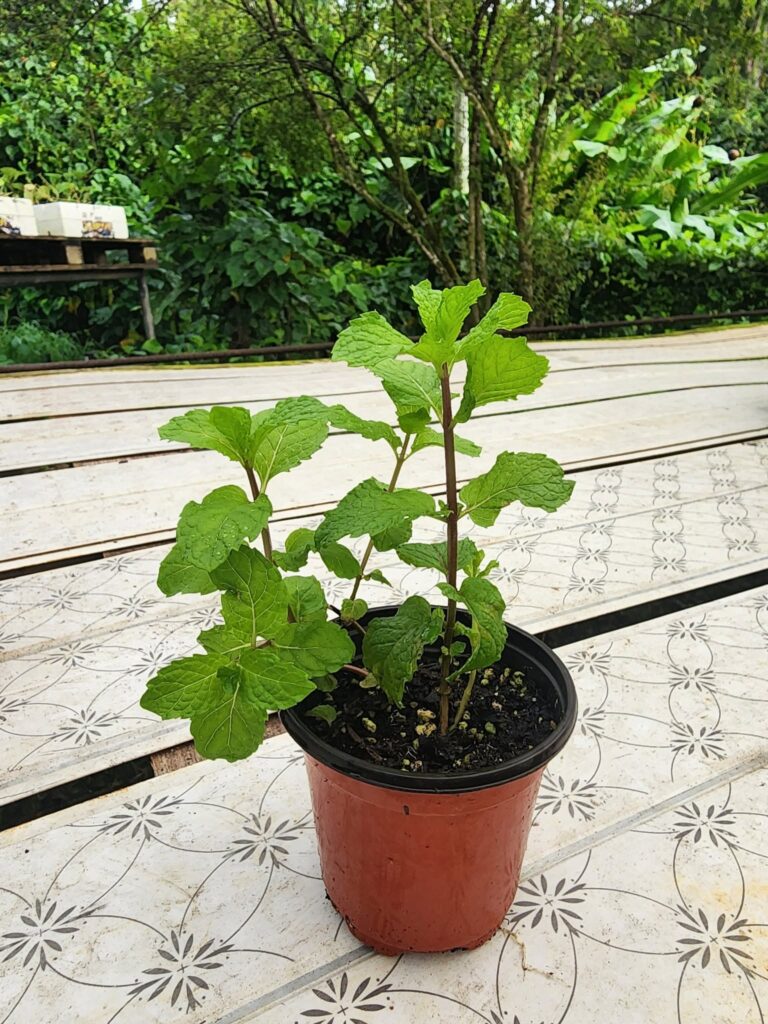
This guide walks through 35 types of mint plants, including true Mentha species, popular cultivars, and close mint-family relatives that gardeners often mistake for the real thing.
The 28 True Mint (Mentha) Varieties
These are genuine members of the Mentha genus, ranging from kitchen staples to rare collector’s plants. Each entry below covers appearance, flavor, growing habit, and best use, so you can match a variety to your own garden or kitchen.
Classic Culinary Mints
1. Peppermint (Mentha × piperita)
Peppermint is the mint most people picture first, and for good reason. It is a natural hybrid between watermint and spearmint, discovered growing wild in England before cultivation spread it worldwide.
Appearance: Dark green, pointed leaves with a distinctive reddish-purple tint along the stem, growing 12 to 24 inches tall.
Flavor: Sharp, cooling, and intensely menthol, often carrying 40% or more menthol content in its essential oil.
Best for: Tea, candy, chewing gum, toothpaste, and any recipe that needs a strong cooling finish. It thrives in USDA zones 3 through 11 and tolerates part shade better than most herbs.
2. Spearmint (Mentha spicata)
Spearmint is the everyday garden mint, milder and sweeter than its peppermint cousin. It gets its name from the pointed, spear-shaped tip on each leaf.
Appearance: Bright green, crinkled leaves that appear to grow almost directly out of the main stem, with little to no red coloring.
Flavor: Sweet and gentle, driven by a compound called carvone rather than menthol, making it far less “cooling” on the tongue.
Best for: Mint sauce, mojitos, fresh salads, and everyday tea. It is the most forgiving mint for beginners and tolerates a wide range of soil types.
3. Apple Mint (Mentha suaveolens)
Also called woolly mint, apple mint stands out immediately because of its texture rather than its color. Gardeners who dislike sharp menthol often gravitate toward it first.
Appearance: Rounded, fuzzy, gray-green leaves with a soft, felt-like texture that feels noticeably different from smoother mint species.
Flavor: Mild, fruity, and slightly apple-like, without the intensity of peppermint.
Best for: Fruit salads, light teas, and garnishing desserts. It grows vigorously in USDA zones 5 through 9 and handles poor soil surprisingly well.
4. Pineapple Mint (Mentha suaveolens ‘Variegata’)
Pineapple mint is a variegated sport of apple mint, meaning it appeared as a natural genetic mutation rather than a deliberate cross. Gardeners often grow it as much for looks as for flavor.
Appearance: Cream-and-green variegated leaves with the same soft, fuzzy texture as apple mint, reaching about 3 feet tall.
Flavor: Fruity and mild, with a scent reminiscent of tropical fruit rather than sharp mint.
Best for: Ornamental borders, potpourri, and fruit salads. University of Wisconsin horticulture specialists specifically recommend it for teas and jellies, noting it stays hardy to zone 5, or zone 4 with winter mulch protection.
ALSO READ: 35 Types of Lavender Plants (Different Varieties Explained, With Pictures)
5. Chocolate Mint (Mentha × piperita ‘Chocolate’)
Chocolate mint is a peppermint cultivar bred for its cocoa-like aroma rather than any actual chocolate content. The name alone makes it one of the most requested mints at garden centers.
Appearance: Dark, glossy green leaves, sometimes with a faint brown or bronze tint along the veins.
Flavor: Minty with a genuine cocoa undertone, created by the particular blend of essential oil compounds in the leaf.
Best for: Desserts, chocolate-mint tea blends, and homemade ice cream. It shares peppermint’s growing needs and hardiness range of USDA zones 3 through 11.
6. Orange Mint / Bergamot Mint (Mentha × piperita f. citrata)
Orange mint, also called eau de cologne mint, earns its nickname from a genuinely perfume-like fragrance. It was historically grown as much for scent products as for cooking.
Appearance: Smooth, dark green leaves with a slightly glossy finish and purplish stems, similar in shape to peppermint.
Flavor: Citrusy and floral, with a fragrance closer to orange peel than to classic mint.
Best for: Cold drinks, fruit desserts, and homemade potpourri. It prefers full sun to partial shade and moist, well-drained soil.
7. Grapefruit Mint (Mentha × piperita f. citrata ‘Grapefruit’)
Grapefruit mint is a citrus-scented piperita cultivar that leans tart rather than sweet. It is one of the less cold-hardy mints, so gardeners in colder climates usually grow it as an annual or container plant.
Appearance: Rounded, bright green leaves forming a low, spreading groundcover about 1 foot tall.
Flavor: Distinctly citrusy and slightly bitter, closely resembling actual grapefruit peel when crushed.
Best for: Summer drinks, fruit salads, and container gardens. It is hardy only to USDA zone 6, and its aggressive spreading habit makes containment essential.
8. Lime Mint (Mentha × piperita f. citrata ‘Lime’)
Lime mint is another citrus-scented relative of orange and grapefruit mint, but with a sharper, tarter edge. Bartenders often keep a pot of it specifically for cocktails.
Appearance: Medium green, smooth leaves similar to peppermint, with a slightly lighter shade overall.
Flavor: Tart and citrusy, closer to actual lime zest than to standard mint flavor.
Best for: Cocktails, sparkling water, and citrus-based desserts. It shares the same moist-soil, part-sun preferences as its citrus mint relatives.
ALSO READ: 25 Reblooming Perennial Flowers (Varieties Identification, With Pictures)
9. Strawberry Mint (Mentha spicata subsp. citrata ‘Strawberry’)
Strawberry mint is a compact, delicate cultivar bred for containers rather than open garden beds. Its small stature makes it one of the tidier mints on this list.
Appearance: Small, delicate green leaves on a plant that stays under 2 feet tall, with a noticeably neater growth habit than most mints.
Flavor: Mild and genuinely fruity, with a light strawberry-like sweetness layered over standard mint notes.
Best for: Hanging baskets, fruity summer drinks, and dessert garnishes. It is hardy to USDA zones 4 through 9 and spreads less aggressively than other spicata cultivars.
10. Banana Mint (Mentha arvensis ‘Banana’)
Banana mint is a low-growing cultivar of corn mint bred specifically for its fruity aroma. It stays more compact than many of its wild-type relatives.
Appearance: Low, spreading foliage with medium green, slightly fuzzy leaves.
Flavor: Genuinely banana-like, with a sweet, fruity note rather than sharp menthol.
Best for: Fruit-forward teas and dessert garnishes. As a perennial, it returns reliably each year and stays easier to manage than more invasive Mentha arvensis types.
Textured and Novelty Mints
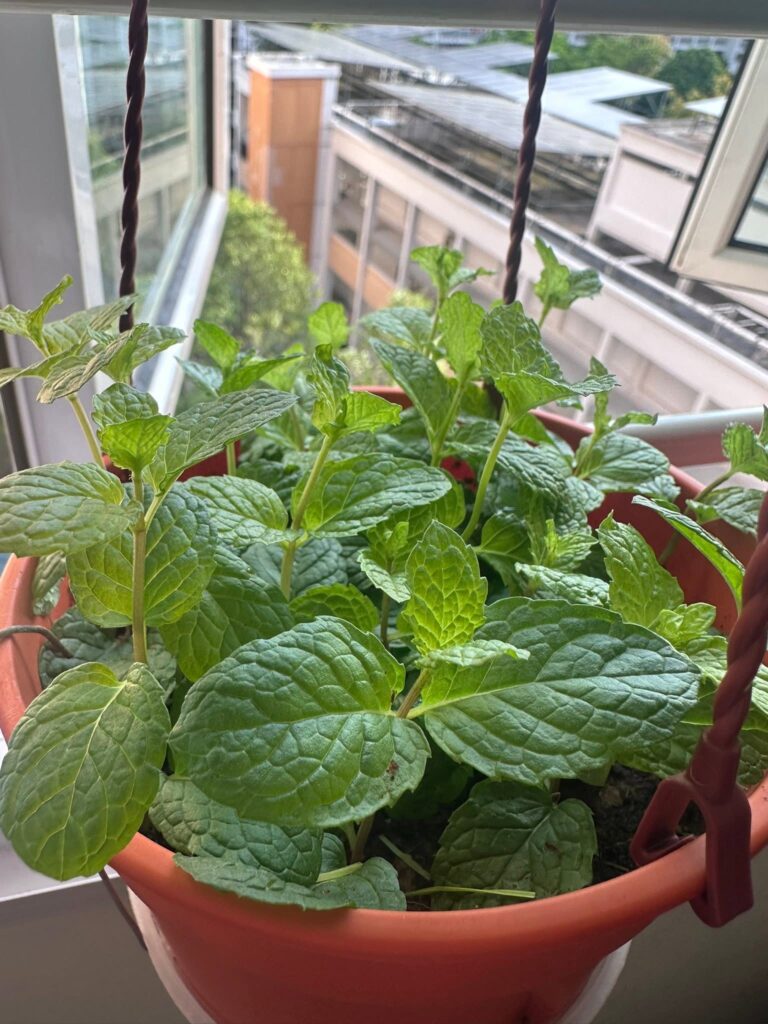
11. Curly Mint (Mentha spicata var. crispa)
Curly mint is a spearmint variety grown mainly for its dramatic, ruffled foliage. Despite being a spearmint type, its flavor punches closer to peppermint.
Appearance: Deeply frilled, crinkled leaves with a creeping growth habit and sturdy, upright stems.
Flavor: Strong and cooling, more intense than typical spearmint despite the botanical classification.
Best for: Cocktail garnishes and plate decoration, since the leaves hold their shape well after cutting. It shares spearmint’s general hardiness and soil preferences.
12. Moroccan Mint / Nana Mint (Mentha spicata var. crispa ‘Moroccan’)
Moroccan mint is the backbone of North African and Middle Eastern mint tea culture. The word “Nana” simply means mint in Persian and Arabic, which is why the name overlaps across several related cultivars.
Appearance: Narrow, curled, slightly rough leaves on stems reaching 15 to 31 inches tall, with purple flower spikes in midsummer.
Flavor: Smooth and sweet, milder than curly mint despite the similar leaf texture.
Best for: Traditional mint tea with green tea and sugar, plus general Middle Eastern and North African seasoning.
ALSO READ: 35 Types Of Marigolds (Varieties List With Pictures)
13. Mojito Mint (Mentha × villosa)
Mojito mint is native to Cuba and remains the authentic choice for the country’s signature cocktail. Substituting standard spearmint changes the drink’s character noticeably.
Appearance: Large, slightly fuzzy leaves on a bushy plant that tops out around 2 feet tall.
Flavor: Bold and slightly sweet, with more depth than common spearmint.
Best for: Mojitos and other rum-based cocktails. It grows well in USDA zones 5 through 9 and tolerates heat better than many other mint species.
14. Basil Mint (Mentha × piperita ‘Basil’)
Basil mint is a piperita cultivar carrying a subtle basil undertone layered over standard mint flavor. It works well in savory dishes where straight peppermint would feel out of place.
Appearance: Medium green, smooth leaves closely resembling standard peppermint in shape and size.
Flavor: Minty with a distinct herbal, basil-like note underneath.
Best for: Savory cooking, herbal vinegars, and infused oils. It follows peppermint’s general growing requirements.
15. Lavender Mint (Mentha × piperita ‘Lavender’)
Lavender mint blends menthol coolness with a soft floral note. It is less common in nurseries than other piperita cultivars, making it a favorite among herb collectors.
Appearance: Green leaves similar to peppermint, occasionally with a faint purplish tinge along younger growth.
Flavor: Cool and minty upfront, finishing with a gentle floral, lavender-like note.
Best for: Herbal tea blends and aromatherapy-style infusions. It prefers the same moist, well-drained conditions as other piperita types.
16. Ginger Mint (Mentha × gracilis)
Ginger mint is a slender-leaved hybrid grown as much for its golden variegation as for its flavor. Some gardeners plant it purely as an ornamental groundcover.
Appearance: Narrow leaves with striking golden-yellow variegation, giving the plant a distinctly ornamental look.
Flavor: Mint with a warm, spicy, ginger-like undertone.
Best for: Ornamental plantings, garnishes, and mild spiced teas. It spreads readily, so container growing is recommended.
Wild and Species Mints
17. Water Mint (Mentha aquatica)
Water mint is a true wetland species, naturally found along ponds, streams, and marshes. It is one of the parent species behind cultivated peppermint.
Appearance: Deeply green, hairy leaves marked with distinctive purple veins and purple flower whorls.
Flavor: Strong and slightly medicinal, closer to peppermint than to spearmint.
Best for: Pond-edge and water-garden planting. It should be kept in a lightly submerged pot to prevent it from spreading uncontrollably through wet soil.
18. Corn Mint / Field Mint (Mentha arvensis)
Corn mint, also called field mint, is a hardy wild species found across temperate regions worldwide. Industrially, it is the primary source plant for extracted menthol crystals used in pharmaceuticals.
Appearance: Fuzzy, oval leaves on a low, spreading plant, often found growing wild in fields and disturbed ground.
Flavor: Sharp but slightly grassy, less refined than cultivated peppermint.
Best for: Industrial menthol extraction and hardy ground cover in cooler climates. India remains a major global grower of this species for commercial use.
19. Horse Mint (Mentha longifolia)
Horse mint carries one of the boldest, most polarizing aromas in the mint family. Its strong scent means it is used sparingly, if at all, in cooking.
Appearance: Long, hairy, silvery-green leaves with purple flower spikes forming dense false whorls from July to September.
Flavor: Camphor-like and sharp, often described as unpleasant in concentrated amounts due to a compound called piperitone.
Best for: Ornamental planting and pollinator gardens rather than cooking. It tolerates poor soil better than most cultivated mints.
ALSO READ: 35 Types of Basil: Every Variety Explained, With Pictures
20. Buddleia Mint (Mentha longifolia cultivar)
Buddleia mint is a horse mint cultivar named for its long, nectar-rich purple flower spikes, which resemble a buddleia shrub in bloom. It draws far more pollinators than most culinary mints.
Appearance: Silvery, elongated foliage topped with dramatic purple flower spikes.
Flavor: Strong and herbaceous, generally reserved for ornamental rather than culinary use.
Best for: Pollinator gardens and cut-flower arrangements. Bees and butterflies are consistently drawn to its blooms throughout summer.
21. European Pennyroyal (Mentha pulegium)
European pennyroyal carries a long history as a folk medicine and natural insect repellent. It remains a true Mentha species, unlike some plants that borrow the pennyroyal name.
Appearance: Small, rounded leaves on low, creeping stems, rarely growing taller than a few inches.
Flavor: Strongly minty but not intended for regular eating.
Best for: Historical and ornamental interest only. It is hardy to USDA zones 5 through 9, but its concentrated oil is toxic and should never be ingested or used medicinally without professional guidance.
22. Corsican Mint (Mentha requienii)
Corsican mint is the smallest true mint on this list, native to the rocky terrain of Corsica and Sardinia. Its scale makes it one of the most unusual mints a gardener can grow.
Appearance: Tiny, moss-like foliage forming a dense mat barely an inch tall.
Flavor: Released only when crushed underfoot, offering a light, clean peppermint scent.
Best for: Planting between garden pavers and stepping stones, where foot traffic releases its fragrance naturally.
Industrial and Heirloom Cultivars
23. Black Mitcham Peppermint
Black Mitcham is the most widely grown peppermint cultivar in American commercial oil production. It has been the industry standard for decades because of its strong yield and high menthol content.
Appearance: Classic peppermint form, with dark leaves and a purplish-black stem, hence the name.
Flavor: Strong, clean menthol, considered a benchmark for commercial-grade peppermint oil.
Best for: Large-scale oil extraction destined for gum, candy, and toothpaste production.
24. Murray Mitcham Peppermint
Murray Mitcham is a disease-resistant peppermint cultivar that many Pacific Northwest growers have adopted in recent years. It largely replaces older Black Mitcham stock in fields affected by verticillium wilt.
Appearance: Similar in form to Black Mitcham, with slightly hardier foliage.
Flavor: Comparable menthol profile to Black Mitcham, maintaining commercial quality standards.
Best for: Commercial fields in regions where soil-borne disease has become a persistent problem.
25. Native Spearmint
Native spearmint is an industry term describing a specific spearmint type grown mainly in Washington and the Midwest for oil extraction. It is distinct in flavor and oil chemistry from Scotch spearmint.
Appearance: Standard spearmint foliage, crinkled and bright green.
Flavor: A fuller, slightly warmer flavor profile compared to Scotch spearmint.
Best for: Oil destined for chewing gum and candy manufacturing, particularly in regions with warmer growing seasons.
26. Scotch Spearmint
Scotch spearmint is a cooler, milder spearmint cultivar favored heavily for chewing gum and toothpaste flavoring. It represents a large share of Pacific Northwest spearmint acreage.
Appearance: Similar to native spearmint, with slightly smaller leaves overall.
Flavor: Cleaner and cooler than native spearmint, prized for consistency in manufactured products.
Best for: Large-scale commercial oil production, especially in cooler growing regions of Washington and Oregon.
27. English Lamb Mint (Mentha spicata ‘English Lamb’)
English Lamb mint is a traditional British cultivar with centuries of culinary history behind it. Its name comes directly from its most famous pairing.
Appearance: Broad, bright green leaves typical of spearmint cultivars.
Flavor: Sweet and robust, strong enough to stand up to rich, fatty meats.
Best for: Classic English mint sauce served alongside roast lamb, plus general savory British cooking.
28. Kentucky Colonel Mint (Mentha spicata ‘Kentucky Colonel’)
Kentucky Colonel mint is the preferred spearmint variety for an authentic Kentucky mint julep. Bartenders and bourbon enthusiasts often seek it out specifically for that purpose.
Appearance: Large, crinkled leaves noticeably bigger than standard spearmint.
Flavor: Smooth and sweet, without the sharper edge found in some spearmint cultivars.
Best for: Mint juleps, cocktail garnishes, and any recipe calling for a mellow, refined spearmint flavor.
7 Mint Family Look-Alikes Worth Knowing
These plants belong to the wider mint family, Lamiaceae, but sit outside the true Mentha genus. Gardeners frequently group them with mint anyway, so I have included them here with the same level of detail.
29. Catmint (Nepeta cataria)
Catmint is best known for its effect on cats, but it holds a legitimate place in the herb garden too. It has been used historically in mild teas for its calming reputation.
Appearance: Gray-green, soft leaves topped with lavender-blue flower spikes that bloom through summer.
Flavor: Mildly minty, without the strong menthol punch of true Mentha species.
Best for: Pollinator gardens, cat toys and treats, and light herbal tea. Bees find its flowers especially attractive.
30. Lemon Balm (Melissa officinalis)
Lemon balm shares the mint family’s square stems and aromatic leaves but leans entirely toward citrus rather than menthol. It is a common ingredient in calming, sleep-supportive tea blends.
Appearance: Bright green, crinkled leaves resembling mint in shape but with a lighter, yellow-green color.
Flavor: Distinctly lemony, with only a faint mint background note.
Best for: Calming herbal tea, lemonade, and dessert flavoring. It spreads readily but slightly less aggressively than true mints.
31. Mountain Mint (Pycnanthemum virginianum)
Mountain mint is native to North America and carries a genuinely minty scent and flavor despite not belonging to Mentha. Early American settlers relied on it as a home remedy for colds, fevers, and stomach trouble.
Appearance: Narrow, grayish-green leaves topped with clusters of small white flowers, growing 1 to 3 feet tall depending on species.
Flavor: Clean and minty, comparable to a milder spearmint.
Best for: Native pollinator gardens and herbal tea. It is notably less invasive than true Mentha species, making it a popular alternative for gardeners wary of runaway spreading.
32. Bee Balm / Wild Bergamot (Monarda didyma and Monarda fistulosa)
Bee balm is grown as much for its dramatic flowers as for its aroma. Its minty-citrus scent comes from thymol, the same compound found in thyme.
Appearance: Bright red, pink, or lavender shaggy flower heads atop upright stems, standing 2 to 4 feet tall.
Flavor: Spicy and minty with a citrus edge, often used sparingly in tea.
Best for: Pollinator gardens specifically designed to attract hummingbirds and butterflies, plus light herbal tea blends.
33. Korean Mint / Anise Hyssop (Agastache rugosa)
Korean mint carries a licorice-mint hybrid flavor that sets it apart from anything in the true Mentha genus. It holds a long history in Korean and Chinese herbal medicine and cooking.
Appearance: Purple flower spikes above serrated, mint-shaped green leaves, growing 2 to 4 feet tall.
Flavor: Sweet anise and licorice layered over a minty base.
Best for: Traditional Korean and Chinese tea, plus pollinator gardens, since bees are strongly drawn to its flowers.
34. Perilla / Beefsteak Mint (Perilla frutescens)
Perilla, sometimes called shiso, is a staple of Korean and Japanese cooking. Its complex flavor makes it far more versatile in savory dishes than most true mints.
Appearance: Broad, serrated leaves, often purple-tinged or bicolored, standing 1 to 3 feet tall.
Flavor: A complex mix of mint, basil, and anise notes, unlike anything else on this list.
Best for: Wrapping grilled meats, pickling, and garnishing Korean and Japanese dishes. It also works well as a striking ornamental border plant.
35. American Pennyroyal (Hedeoma pulegioides)
American pennyroyal is native to eastern North America and, despite sharing a name and scent with European pennyroyal, belongs to an entirely different genus. It shares the same toxicity concerns as its European counterpart.
Appearance: Small, narrow leaves on a low, branching annual plant.
Flavor: Strongly minty when crushed, though not intended for regular consumption.
Best for: Historical and educational interest. Like true pennyroyal, its concentrated oil is toxic and should never be used as a tea or supplement.
What Actually Counts as a “True” Mint?
Botanically, true mints belong to the genus Mentha, part of the larger Lamiaceae, or mint, family. Researchers estimate that 13 to 18 distinct Mentha species exist, though the exact number stays debated because mints hybridize so easily in the wild.
That natural cross-breeding is exactly why there are hundreds of named mint varieties today. Two mints growing near each other will often produce a brand-new hybrid on their own, no plant breeder required.
Not everything called “mint” belongs to Mentha, though. Catmint, lemon balm, and mountain mint all share the family but sit in separate genera. I have grouped both categories below so nothing gets confused.
Peppermint vs. Spearmint: The Difference That Confuses Most People
Nearly every mint question eventually circles back to this one. Peppermint has a sharper, cooling bite, thanks to a higher menthol content, often above 40% of its essential oil.
Spearmint tastes sweeter and milder, with far less menthol and a compound called carvone driving its flavor instead. That is why spearmint suits savory cooking better, while peppermint dominates candy and oral care products.
Visually, peppermint leaves grow on individual stalks and often carry a reddish tint on the stem. Spearmint leaves look more crinkled and tend to grow closer to the main stem itself.
If you only have room for one mint plant, this distinction should guide the choice. Cooks generally reach for spearmint, while anyone chasing a strong menthol punch leans toward peppermint.
Mint Around the World
Mint’s popularity is not just an American habit. Moroccan mint tea, built on Nana mint leaves and green tea, is a daily ritual across North Africa and the Middle East.
In Cuba, mojito mint anchors the country’s signature cocktail, while Vietnamese and Korean kitchens lean on mint-family relatives like perilla and Korean mint for grilling wraps and banchan.
British cooking still treats spearmint as a savory herb rather than a sweet one, pairing it with lamb, peas, and potatoes. That habit dates back centuries and explains why English Lamb mint carries its name.
Even mint’s industrial story is global. While the United States leads production by volume, India remains a major grower of Mentha arvensis for menthol crystal extraction used worldwide in pharmaceuticals and cosmetics.
Why Mint Spreads So Aggressively
Every true Mentha species relies on stolons, underground horizontal stems that root and sprout new shoots as they travel. A single unchecked plant can colonize several feet of garden bed within one growing season.
This is also why commercial mint fields skip seeds entirely. Farmers replant new fields directly from stolon cuttings taken from existing, healthy plants, according to agricultural industry sources tracking the crop.
For home gardeners, the practical lesson is simple. Sink a bottomless pot into the ground, or grow mint in a container above ground, to stop roots from escaping into surrounding beds.
Left alone, mint will happily crowd out neighboring herbs and even some perennials. That aggressive habit is part of why several mint species appear on regional invasive plant watch lists.
How to Choose the Right Mint for Your Garden
Start with intent. Cooking mints like spearmint, peppermint, and Kentucky Colonel suit kitchen gardens. Ornamental mints like variegated ginger mint or Corsican mint suit borders and pathways instead.
Check your hardiness zone next. Most Mentha species tolerate USDA zones 4 through 9, though grapefruit mint and Corsican mint prefer milder zone 6 and above conditions.
Think about space, too. Nearly every true mint spreads through underground runners called stolons. Purdue University’s horticulture extension notes that commercial fields are even replanted from stolons rather than seed.
Growing Tips That Actually Work
Containment matters more than soil quality. Mint spreads aggressively through rhizomes, so most gardeners keep it in pots or sunken containers rather than open beds.
Give mint partial shade to full sun and consistently moist soil. It is one of the few herbs that tolerates, and often prefers, damp growing conditions over dry ones.
Harvest regularly. Cutting stems back encourages bushier growth and delays flowering, which tends to reduce leaf quality once it begins.
Rotate or refresh plantings every three to five years if growing mint commercially or in large beds. Extension researchers at Purdue note this rotation keeps yields consistent and limits disease buildup.
Culinary and Health Uses Backed by Research
Mint’s biggest commercial use is not tea. Roughly 45% of U.S. mint oil goes into dental products, and another 45% goes into chewing gum, with the remaining share spread across candy, pharmaceuticals, and household goods.
On the health side, the National Center for Complementary and Integrative Health notes that a 2022 review of 10 studies, covering 1,030 participants, found peppermint oil outperformed placebo for easing overall irritable bowel syndrome symptoms and abdominal pain.
That said, results are not universal. A separate 2021 trial involving 133 participants found peppermint oil and placebo produced similar symptom improvement, underlining that individual response varies.
The American College of Gastroenterology still recommends peppermint oil, particularly enteric-coated capsules, as one option for general IBS symptom relief. Mild side effects like heartburn and reflux are the most commonly reported issues.
Frequently Asked Questions
What is the most common type of mint? Spearmint (Mentha spicata) is generally considered the most common mint grown in home gardens, while peppermint dominates commercial oil production.
How many types of mint exist in total? Botanists estimate 13 to 18 true Mentha species exist, but natural hybridization and cultivation have produced hundreds of named varieties and cultivars.
Which mint is best for tea? Spearmint and Moroccan mint are the traditional choices for tea, offering a smoother, sweeter flavor than the sharper menthol bite of peppermint.
Is all mint safe to eat? No. Pennyroyal, whether the European (Mentha pulegium) or American (Hedeoma pulegioides) type, contains oils that are toxic in concentrated form and should not be consumed as tea or supplement.
Does mint really spread that aggressively? Yes. Nearly every true Mentha species spreads through underground stolons, which is why most gardening extensions recommend container planting.
Can different mint varieties cross-pollinate in the garden? Yes, and it happens easily. Mentha species hybridize naturally, which is exactly how popular crosses like peppermint and ginger mint first appeared before growers ever bred them intentionally.
How long does a mint plant typically live? Mint is a perennial in most temperate climates, often returning reliably for many years once established. Individual stems die back in winter, but the root system survives and resprouts each spring.
Final Thoughts
Thirty-five types of mint plants is genuinely just a starting point. New hybrids keep appearing as growers experiment, and regional cultivars carry names that never quite make it into national plant databases.
What stays consistent is the plant’s usefulness. Whether it ends up in a cup of tea, a mojito, a tube of toothpaste, or a pollinator garden, mint earns its reputation as one of the most versatile herbs anyone can grow.
If you are picking your first mint, start simple. Spearmint or peppermint in a container will teach you everything you need before branching into rarer varieties like Corsican mint or grapefruit mint.
References
- USDA National Agricultural Statistics Service — Peppermint: Production by Year, US https://www.nass.usda.gov/Charts_and_Maps/Specialty_Crops/pepmint.php
- USDA National Agricultural Statistics Service — Spearmint: Production by Year, US https://www.nass.usda.gov/Charts_and_Maps/Specialty_Crops/mint.php
- National Center for Complementary and Integrative Health (NIH) — Peppermint Oil: Usefulness and Safety https://www.nccih.nih.gov/health/peppermint-oil
- National Center for Complementary and Integrative Health (NIH) — Irritable Bowel Syndrome: What You Need To Know https://www.nccih.nih.gov/health/irritable-bowel-syndrome-what-you-need-to-know
- Purdue University Extension, Department of Horticulture and Landscape Architecture — Mint Production Overview https://ag.purdue.edu/department/hla/extension/mint.html
- North Carolina State University Extension — Find a Plant: Mentha https://plants.ces.ncsu.edu/find_a_plant/?q=mentha
- University of Wisconsin–Madison Division of Extension, Horticulture Program — Pineapple Mint, Mentha suaveolens ‘Variegata’ https://hort.extension.wisc.edu/articles/pineapple-mint-mentha-suaveolens-variegata/

Tim M Dave is a gardening expert with a passion for houseplants, particularly cacti and succulents. With a degree in plant biology from the University of California, Berkeley, he has vast experience in gardening. Over the years, he has cultivated a vast collection of desert plants and learned a great deal about how to grow and care for these unique companions.