35 Types Of Marigolds (Varieties List With Pictures)
Marigolds are one of those flowers I never get tired of. They ask for so little and give back so much color.
The genus Tagetes includes close to 50 species, though only a handful show up regularly in garden centers and seed catalogs.
Native to Mexico and Central America, marigolds have traveled the world over the centuries. They now appear everywhere from religious festivals in India to Day of the Dead altars across Mexico.
Beyond the true Tagetes marigolds, several unrelated plants borrow the marigold name entirely, which causes no end of confusion at the nursery.
This guide sorts through 35 types across every category: classic species, popular cultivar series, rare wild forms, and the marigold impostors that aren’t Tagetes at all.
I’ve grouped everything by category so you can jump straight to whichever section matches what’s growing in your garden, or what you’re hoping to plant next season.
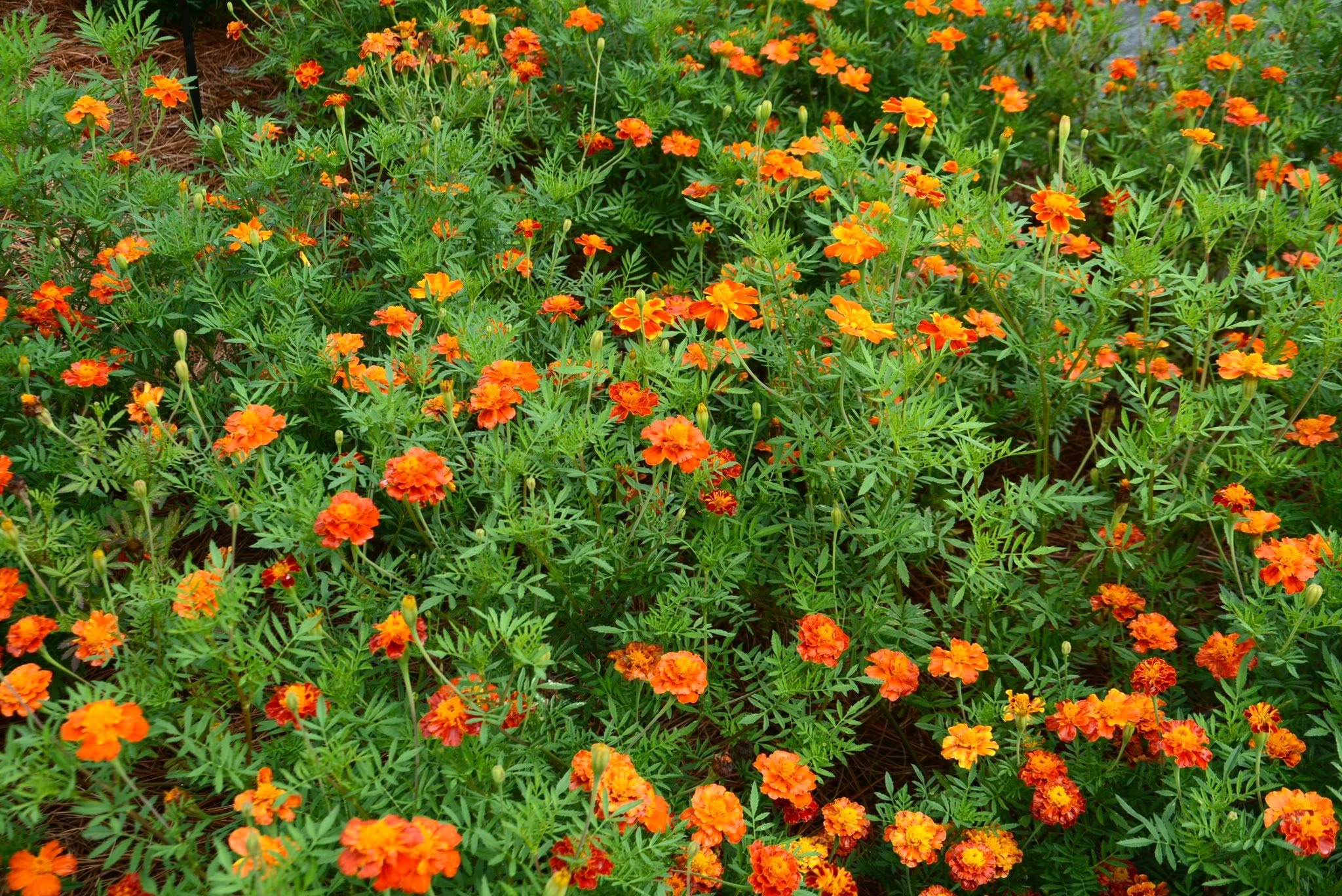
Let’s start with the basics before working through the full list.
The Three Core Marigold Species
Nearly every marigold sold commercially traces back to one of three species. French, African, and Signet marigolds cover the vast majority of what gardeners plant each spring.
Despite the names, none of these marigolds originated in France or Africa. They’re native to Mexico and Central America, and the naming came from historical trade and cultivation routes in Europe.
African marigolds reportedly earned their common name because they were first imported into Europe along a trade route that passed through northwest Africa, not because the plant grows there naturally.
French marigolds, by contrast, picked up their name after becoming enormously popular in French gardens, long after their original introduction from the Americas.
Understanding these three groups first makes it much easier to place the more specific cultivars and series that follow.
African (American) Marigolds: Tagetes erecta
African marigolds are the giants of the group, and they tend to draw the most attention in a mixed flower bed simply because of their size.
1. Tagetes erecta (The Species)
African marigold is the tallest and boldest of the common marigold species, often reaching 3 to 4 feet in height with a strong, upright habit.
Its flowers can measure up to 5 inches across, among the largest blooms found in the entire genus. The dense, pom-pom shape has made it a favorite for cut flower arrangements.
Despite being called African, this marigold is native to Mexico and Guatemala, and it thrives even under fairly dry, drought-like conditions.
Because the flower heads grow so large and heavy, taller African cultivars often benefit from staking, especially in windy or rain-prone gardens.
2. Crackerjack Marigold
This heirloom African variety produces some of the largest double blooms available, often exceeding 4 inches across, in shades of gold, orange, and yellow.
Plants typically reach 2 to 3 feet tall, and the sturdy stems make them a reliable choice for cutting gardens.
Crackerjack has remained popular with home gardeners for decades, partly because open-pollinated seed can be saved and replanted year after year.
3. Climax Marigold
Bred for exceptionally large, fully double flower heads, Climax marigold is a favorite in competitive flower shows and exhibition gardens.
Its blooms can rival small dinner plates in diameter under ideal growing conditions, though regular deadheading helps maintain flower quality throughout the season.
Growers aiming for show-quality blooms often pinch off side buds early, directing the plant’s energy into fewer, larger flowers.
4. Perfection Marigold
This series produces neat, symmetrical, fully double flowers with a tidy, formal appearance. Perfection marigolds tend to hold their shape well even in humid weather.
Gardeners often choose this type when a clean, uniform look matters more than record-breaking bloom size, particularly in formal border plantings.
5. Jubilee Marigold
Jubilee marigolds are compact compared to other African types, typically staying under 20 inches, while still producing the large, dense flower heads the species is known for.
This more manageable size makes Jubilee a practical choice for smaller beds and borders, where a full-sized African marigold might overwhelm the space.
6. Antigua Series
The Antigua series was specifically bred for uniform, compact growth and early flowering, making it a popular commercial bedding plant.
Colors range from bright yellow to deep orange, and plants tend to hold their form well through an entire growing season without staking.
This series is frequently found in garden centers as ready-to-plant seedlings, since its predictable size and bloom time suit large-scale bedding programs.
7. Inca Series
Known for exceptional heat tolerance, the Inca series produces large double blooms on plants that stay more compact than older African cultivars.
This series is frequently used in mass plantings and municipal landscaping, where consistent performance matters more than novelty.
Inca marigolds also tend to begin flowering earlier in the season than many traditional African types, giving gardeners a longer overall bloom window.
ALSO READ: Understanding Cosmos Flower: Identification, Meaning, and Cultivation Details
French Marigolds: Tagetes patula
French marigolds are the workhorses of the group. They’re the type most gardeners picture first when someone says the word marigold.
8. Tagetes patula (The Species)
French marigold is the most widely sold marigold species in the United States, valued for its compact, bushy habit and tolerance of a wide range of conditions.
Plants typically range from 6 to 18 inches tall, considerably smaller than African marigolds, with flowers rarely exceeding 2 inches across.
French marigolds tolerate rain and moist soil noticeably better than African types, and they don’t require deadheading to keep blooming through summer.
French marigolds are particularly valued in vegetable gardens, since their roots release compounds that help suppress certain soil-borne nematodes, making them a popular companion plant.
9. Bonanza Series
The Bonanza series is one of the most widely available French marigold groups, prized for early, abundant blooms on compact, uniform plants.
Colors span yellow, orange, gold, and deep red, often with attractive bicolor patterns on individual petals.
Its reliable, uniform habit makes Bonanza a common choice for commercial bedding displays as well as home gardens.
10. Durango Series
Durango marigolds produce larger flowers than many other French types, sometimes approaching African marigold proportions on a much smaller plant.
This series performs particularly well in containers and window boxes, where its compact size and bold color pay off.
Durango cultivars also tend to hold up well through short bursts of heavy rain, a useful trait in unpredictable spring weather.
11. Janie Series
Bred for exceptionally early flowering, Janie marigolds often bloom within just a few weeks of transplanting, making them popular for short growing seasons.
Plants stay compact, usually under 10 inches, and the flowers hold up well in both heat and light rain.
Gardeners in cooler climates with a shorter frost-free window often favor Janie specifically because of how quickly it reaches full bloom.
12. Hero Series
The Hero series was developed specifically for strong performance in cooler, wetter spring weather, when many other marigolds struggle to establish.
Its sturdy, weather-resistant blooms make it a dependable early-season choice for gardeners in variable climates.
13. Disco Series
Disco marigolds produce single, daisy-like flowers rather than the fully double blooms typical of most French cultivars.
This open flower form makes pollen and nectar more accessible to pollinators, a detail worth considering for wildlife-friendly gardens.
Because the flowers are less dense, Disco marigolds also tend to shed spent petals more cleanly, reducing the need for regular deadheading.
14. Little Hero Series
As the name suggests, this is a dwarf selection within the Hero group, staying under 8 inches tall while still producing full-sized, weather-tolerant blooms.
It’s particularly well suited to edging, small containers, and tight border spaces where taller marigolds simply wouldn’t fit.
ALSO READ: 25 Stunning Fall-Blooming Flowers: Identification and Care Details
Signet Marigolds: Tagetes tenuifolia
Signet marigolds are the quiet, underappreciated cousins of the group. They rarely dominate a garden bed, but their delicate texture and edible flowers make them worth seeking out.
15. Tagetes tenuifolia (The Species)
Signet marigold is the smallest and most delicate of the three core species, typically staying under 12 inches tall with a mounding, spreading habit rather than an upright one.
Its flowers are only about an inch wide, with a single row of petals, and the foliage is noticeably finer and lacier than other marigold types.
Signet marigold flowers are edible, often used fresh in salads or as a garnish, and they carry a distinct citrusy, lemon-like fragrance.
Because spent flowers drop cleanly on their own, Signet marigolds rarely need the regular deadheading that other marigold types benefit from.
16. Lemon Gem
This popular Signet cultivar produces masses of small, bright lemon-yellow flowers over finely cut, aromatic foliage.
Lemon Gem is a favorite for edging vegetable beds, since its citrus scent and small size make it easy to tuck between other plants.
17. Tangerine Gem
A close relative of Lemon Gem, this cultivar produces vivid orange blooms with the same fine, lacy foliage and mounding habit.
It pairs particularly well with purple or blue companion flowers, since the bright orange creates strong visual contrast.
18. Red Gem
Less common than its yellow and orange cousins, Red Gem produces warm, brick-red flowers that stand out against the plant’s delicate green foliage.
It tends to attract a good number of small pollinators thanks to its open, accessible flower structure.
19. Starfire
Starfire is a mixed-color Signet series, offering a blend of yellow, orange, and red blooms on the same compact, mounding plants.
This mix works well for gardeners who want variety without having to plant several separate cultivars.
20. Paprika
Paprika produces deep red-orange flowers with a subtle golden edge on each petal, giving the blooms a warm, layered color effect.
It shares the same fine foliage and edible flowers common to the Signet group.
Triploid Hybrid Marigolds
Triploid marigolds represent a deliberate breeding effort to combine the best traits of two different species into a single, more resilient plant.
21. Nugget Series
Triploid marigolds are bred by crossing African and French parent plants, combining the larger flowers of African types with the compact, weather-tolerant habit of French varieties.
The Nugget series was one of the earlier successful triploid introductions, producing large, dense blooms on manageable, 10 to 12 inch plants.
Because triploid marigolds are typically sterile hybrids, they tend to bloom more continuously through the season, since the plant doesn’t divert energy into producing viable seed.
22. Zenith Series
Zenith marigolds carry exceptionally large, fully double flowers, some of the biggest available on a compact triploid plant.
This series holds up particularly well in both heat and rain, a direct benefit of its hybrid parentage.
23. Endurance Series
True to its name, the Endurance series was specifically bred for extended bloom time and strong resistance to common marigold diseases.
It performs reliably in a wide range of climates, making it a popular choice for large-scale commercial plantings as well as home gardens.
ALSO READ: Yellow Flower Meaning and Symbolism: A Detailed Guide to Their Significance
Wild And Species Marigolds
24. Tagetes minuta
Also called stinking Roger or muster John Henry, this tall, upright species can reach several feet in height with small, inconspicuous flowers compared to garden cultivars.
Its foliage is used as a culinary herb in parts of South America, where it’s known as huacatay and adds a distinctive flavor to traditional dishes like ocopa.
25. Tagetes lucida
Known as Mexican mint marigold or Mexican tarragon, this perennial species produces licorice-scented foliage often used as a heat-tolerant substitute for French tarragon.
It typically grows 18 to 24 inches tall and blooms with small, bright yellow flowers in late summer and fall, well after most annual marigolds have faded.
This species was named a Texas Superstar plant for its outstanding heat and drought tolerance, along with its value as both an ornamental and culinary herb.
26. Tagetes filifolia
Commonly called Irish lace marigold, this species is grown primarily for its extremely fine, feathery foliage rather than its small, inconspicuous flowers.
It’s often used as a textural filler plant in containers and mixed borders, where its lacy green mounds contrast nicely with bolder foliage.
27. Tagetes lemmonii
Known as Copper Canyon daisy or mountain marigold, this shrubby perennial species can reach 3 to 6 feet tall in warm climates, far larger than typical annual marigolds.
Its foliage carries a strong, fruity fragrance, and it produces a profusion of small, bright yellow-orange flowers in fall and winter.
28. Tagetes micrantha
This lesser-known wild species produces small, delicate flowers and has occasionally been used in traditional medicine within its native range in Mexico.
It remains rare in cultivation, appearing mostly in specialty seed collections rather than mainstream nurseries.
ALSO READ: Red Flower Meaning and Symbolism: A Deep Dive into Passion and Power
Marigold Look-Alikes That Aren’t True Marigolds
Several unrelated plants share the marigold common name, which trips up a lot of gardeners searching for the real Tagetes species.
29. Marsh Marigold
Marsh marigold, or Caltha palustris, is an entirely unrelated perennial in the buttercup family, not the daisy family like true marigolds.
It grows in wet meadows and pond edges, producing bright yellow, cup-shaped flowers in early spring, well before Tagetes marigolds are even planted.
30. Pot Marigold (Calendula)
Calendula officinalis, commonly called pot marigold, does belong to the same daisy family as Tagetes, but it’s a completely separate genus.
Pot marigold tolerates cooler weather far better than true marigolds and has long been used in herbal remedies and natural skin care preparations.
31. Desert Marigold
Native to the arid Southwest, desert marigold (Baileya multiradiata) produces cheerful yellow, daisy-like flowers on silvery-gray foliage adapted to intense heat and drought.
It’s a popular choice for xeriscaping projects in Arizona, New Mexico, and similar dry climates.
32. Cape Marigold
Cape marigold, or Dimorphotheca, is native to South Africa and produces daisy-like flowers in soft pastel shades of white, pink, orange, and purple.
Unlike Tagetes marigolds, its blooms tend to close up on cloudy days and reopen once the sun returns.
33. Corn Marigold
This European wildflower, Glebionis segetum, produces bright yellow, daisy-shaped flowers and was historically considered a troublesome weed in cereal grain fields.
Modern gardeners now grow it deliberately for its cheerful, low-maintenance blooms in cottage-style gardens.
34. Fig Marigold
Fig marigold, a common name applied to certain Aptenia and Dorotheanthus species, refers to low, succulent groundcovers with bright, daisy-like flowers.
These plants are far more closely related to ice plants than to true marigolds, despite the shared common name.
35. Bur Marigold
Bur marigold, part of the genus Bidens, produces small yellow flowers followed by barbed seed pods that cling readily to clothing and animal fur.
It typically grows in wet ditches and marshy areas, favoring conditions that would quickly kill a true Tagetes marigold.
Growing Tips That Apply Across Nearly Every True Marigold
Regardless of which type you choose, a few care basics apply to almost every Tagetes marigold on this list.
- Full sun is essential. Most true marigolds need at least six hours of direct sunlight daily to produce their best flowers and maintain a compact, sturdy shape.
- Well-drained soil matters more than rich soil. Marigolds tolerate poor, dry conditions far better than consistently wet ground, and overly fertile soil often produces excess foliage at the expense of blooms.
- Deadheading extends the bloom season. While many modern cultivars don’t strictly require it, removing spent flowers keeps plants tidy and encourages continued flowering through the fall.
- Pest and disease pressure is generally low. Occasional issues with spider mites, thrips, or botrytis can occur, but healthy, well-placed marigolds rarely suffer serious, lasting damage.
A Few Closing Thoughts
I’ve always thought marigolds get filed under “beginner flower” a little too quickly. There’s a lot more range here than most people realize.
From towering African cultivars bred for exhibition to lacy Signet types grown for their edible petals, this genus covers an impressive amount of ground.
Add in the perennial species, the culinary types, and the marigold impostors borrowing the name, and you’ve got a plant family worth exploring well beyond a single trip to the garden center.
Whichever type you choose, marigolds remain one of the most forgiving, reliable ways to bring steady color into a garden from late spring until the first hard frost.
References
- University of Florida IFAS Extension – Tagetes tenuifolia: Signet, Signet Marigold https://ask.ifas.ufl.edu/publication/FP572
- University of Minnesota Extension – Marigolds https://extension.umn.edu/flowers/marigolds
- Iowa State University Extension and Outreach – Growing Marigolds In The Home Garden https://yardandgarden.extension.iastate.edu/how-to/growing-marigolds-home-garden
- University of Wisconsin-Madison Division of Extension, Wisconsin Horticulture – Marigolds https://hort.extension.wisc.edu/articles/marigolds/
- North Carolina State Extension Gardener Plant Toolbox – Tagetes erecta (African Marigold) https://plants.ces.ncsu.edu/plants/tagetes-erecta/
- Penn State Extension – Marigolds: From Folklore To The Home Garden https://extension.psu.edu/marigolds-from-folklore-to-the-home-garden
- Texas A&M AgriLife Today – Mexican Mint Marigold Designated As A Texas Superstar https://agrilifetoday.tamu.edu/2025/03/28/mexican-mint-marigold-designated-as-a-texas-superstar/

Tim M Dave is a gardening expert with a passion for houseplants, particularly cacti and succulents. With a degree in plant biology from the University of California, Berkeley, he has vast experience in gardening. Over the years, he has cultivated a vast collection of desert plants and learned a great deal about how to grow and care for these unique companions.