25 Edible Flowers You Can Find in Your Backyard (Names, With Pictures)
Look at your garden again. Some of those blooms are not just pretty. You can eat them.
I remember the first time I put a nasturtium in a salad. I expected nothing. The peppery bite surprised me, and I was hooked.
This guide covers 25 edible flowers you may already have in your yard, or can grow easily, with details on the taste, the best way to use it, and what to watch out for.
Are Backyard Flowers Really Safe to Eat?
Some are, but many are not. This is the first rule of edible flowers. University of Minnesota Extension is clear on this point: only certain flowers are edible, and they must not be treated with harmful chemicals.
Even a safe plant may have an unsafe part. The same extension guide warns that you should never assume every part of a plant is safe. Rhubarb is a good example. The stalks are edible, but the leaves, roots, and flowers are toxic.
25 Edible Flowers You Can Find in Your Backyard
Each flower below is common in home gardens. Many are easy to grow in containers too. Flavors can vary by variety and climate, so taste a small piece first.
1. Nasturtiums
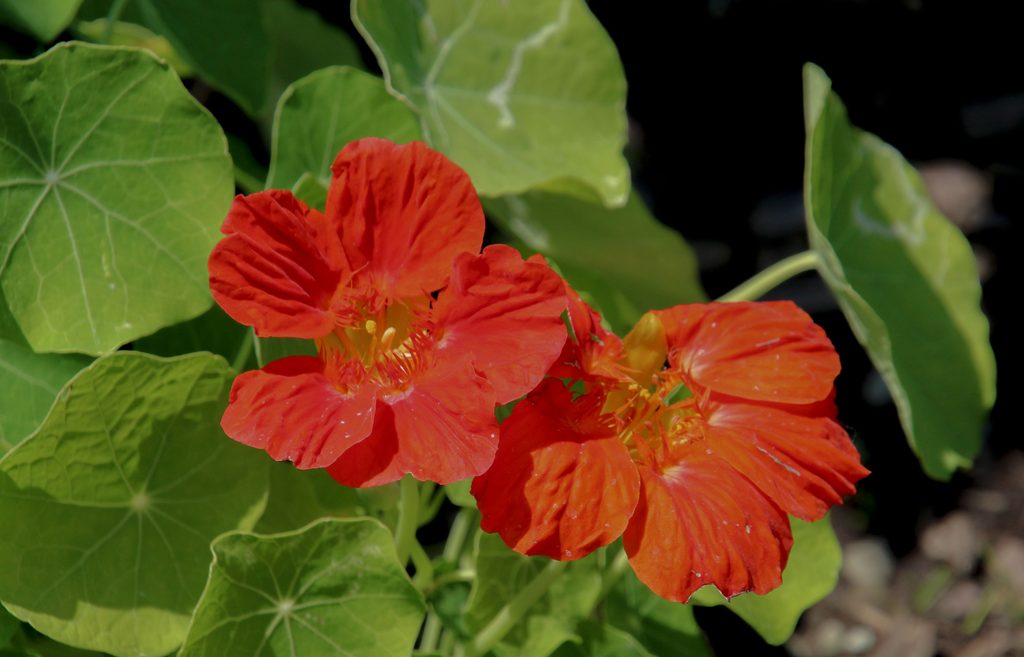
Nasturtiums top almost every edible flower list. Both the flowers and leaves have a peppery taste. University of California extension materials compare the flavor to watercress.
Use them fresh in salads, sandwiches, or as a bright garnish. The flowers can also be stuffed with soft cheese. Orange and yellow blooms look beautiful on a plate.
They are easy to grow in poor soil and full sun. A single plant can supply flowers from spring until frost.
2. Pansies
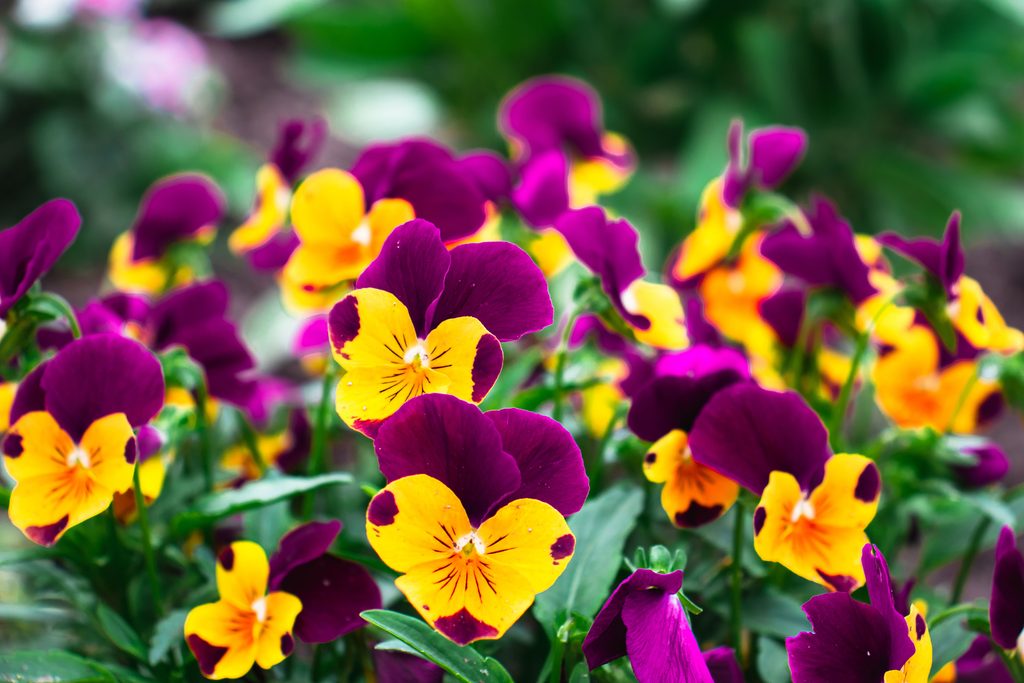
Pansies are among the friendliest edible flowers. The flavor is mild, grassy, and slightly sweet. Colorado State University Extension says pansies and violas add color and a gentle sweetness to dishes.
Float whole flowers on drinks or press them onto a cake. They also work well in green salads. Remember that dark-colored blooms may temporarily darken your tongue.
Buy only untreated plants. Pansies are often sprayed in garden centers.
3. Violas and Johnny-Jump-Ups
Violas are the smaller cousins of pansies. Their tiny faces are charming. Colorado State University lists Johnny-jump-up as a popular edible annual.
The taste is similar to pansies, light and green. They suit delicate dishes where a large flower would feel heavy. Try them on yogurt or soft cheese.
Wild violets in the lawn are also edible. Make sure the lawn has never been sprayed.
4. Calendula (Pot Marigold)
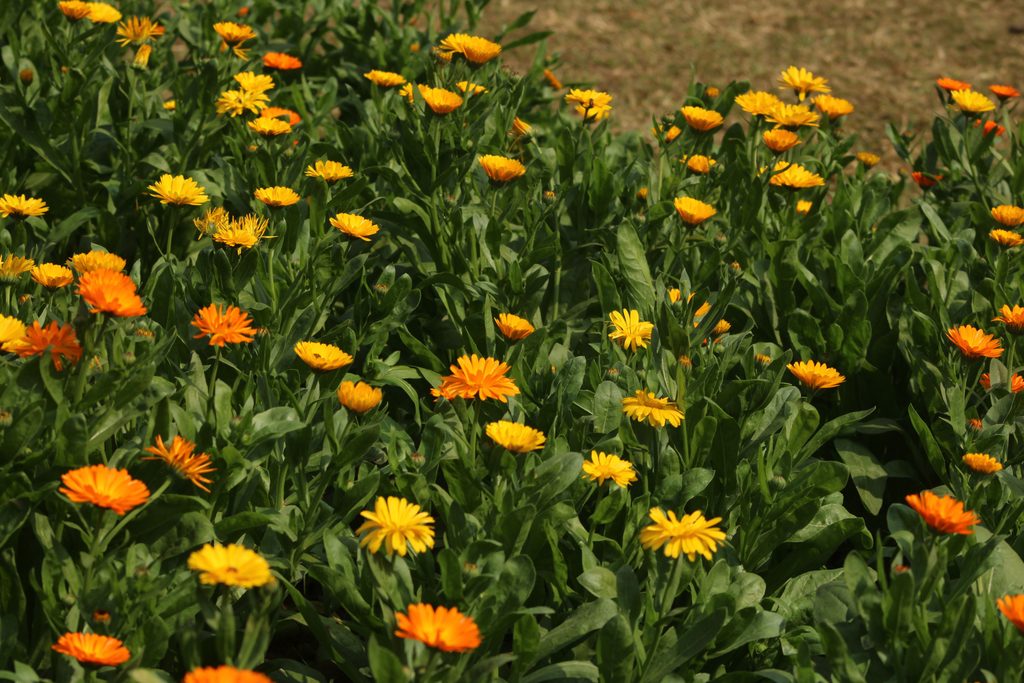
Calendula is a cheerful, hardy flower. The petals taste slightly tangy and a little bitter. University of Minnesota Extension describes them as a saffron substitute, valued more for color than flavor.
Sprinkle the petals into rice, soup, or scrambled eggs. They turn food golden. Many cooks also dry them for tea.
Use true Calendula officinalis. Many other plants are called “marigold,” and not all are edible.
5. Roses
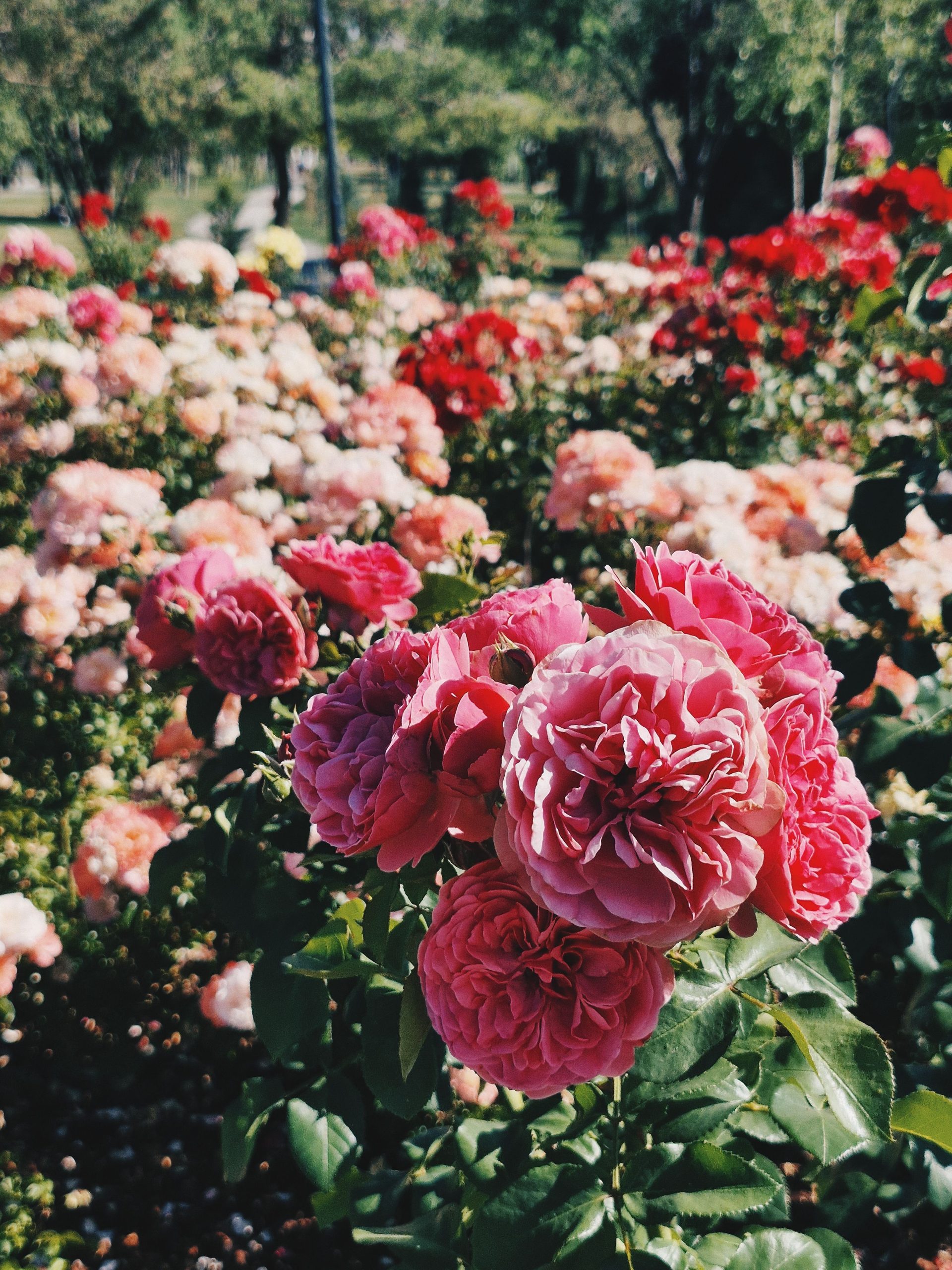
Roses are the classic edible flower. Rose petals taste floral and lightly sweet. Rose hips, the seed pods, can be used for tea.
Pull off the petals and trim away the white base. It is bitter. Use the petals in salads, syrups, jams, or as a dessert topping.
Never eat roses from a florist. They are almost always treated with chemicals. Only use roses from your own unsprayed bushes.
6. Hibiscus
Hibiscus is common across warm regions, including much of East Africa. University of Minnesota Extension notes that the flowers have a mild cranberry and citrus flavor.
The classic use is tea. Steep the petals in hot water and the drink turns a deep red. Add a little honey and serve it hot or cold.
Make sure you have the edible type. Check the species before you eat any hibiscus from your yard.
7. Squash Blossoms
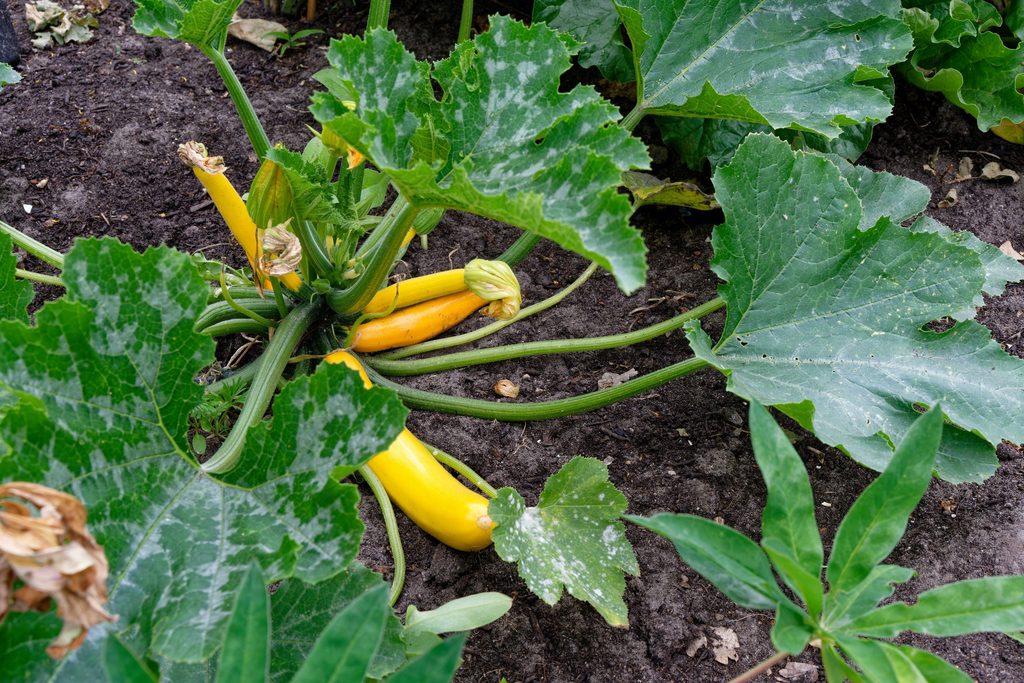
If you grow squash, pumpkin, or zucchini, you already have this delicacy. The large yellow flowers are soft and mild. They are popular in many cuisines.
The usual method is to stuff and fry them. University of Illinois Extension advises removing the stamens and pistils first. They can be tart.
Pick the male flowers, which have thin stems. This leaves the female flowers to grow into fruit.
8. Borage
Borage has star-shaped blue flowers. They taste like cucumber, cool and fresh. University of Minnesota Extension confirms this flavor.
Scatter them on salads or freeze them in ice cubes for drinks. They look lovely and need no cooking.
Use moderation. The same source notes that borage has a diuretic effect in large quantities.
9. Chive Blossoms
Chive flowers are round, purple pom-poms. They taste like mild onion. They are one of the easiest flowers to find in a herb bed.
Pull the small florets apart and sprinkle them on soups, eggs, or potatoes. They can also flavor vinegar, which turns pink.
Be careful with look-alikes. Some ornamental bulbs resemble chives but are toxic. Crush a leaf: real chives smell strongly of onion.
10. Dandelions
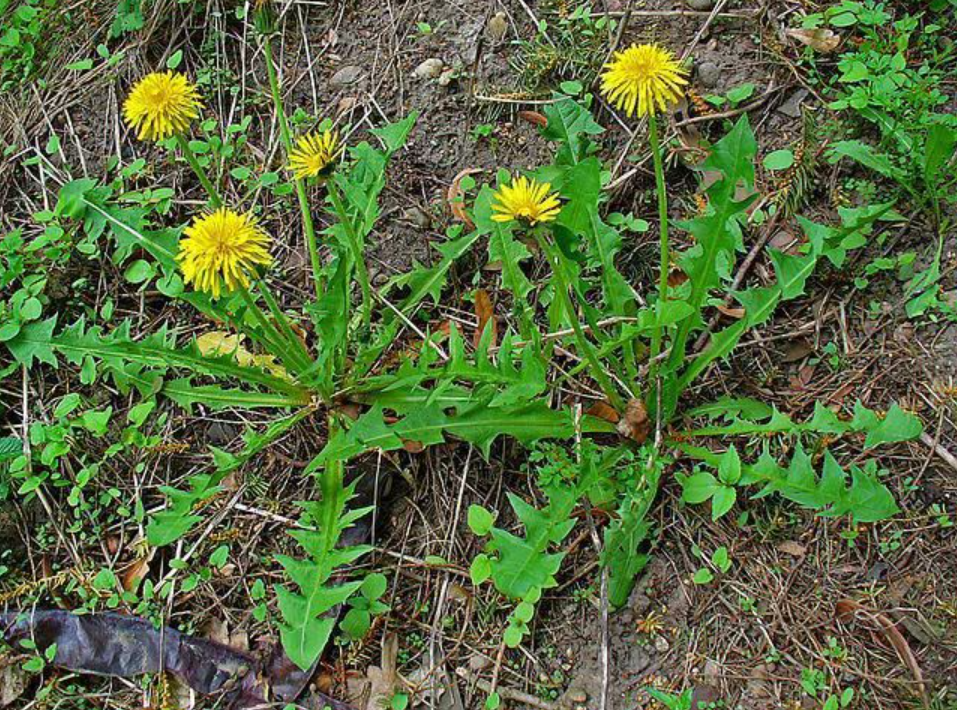
Many people pull dandelions out. I now leave a few. The young flowers taste sweet and honey-like, according to University of Minnesota Extension.
Older flowers turn bitter, so pick them young. Use the petals in salads, fritters, or even homemade syrup.
The same guide warns that lawns treated with pesticides are not safe sources. Only harvest from chemical-free ground.
11. Daylilies
Daylilies are one of the few true lilies you can eat. Be careful, because most other lilies are not edible. Confirm the species before you taste it.
The buds taste a little like green beans, and open petals are milder, says University of Minnesota Extension. Cooks add them to stir-fries, pancakes, and dips.
Some people react to daylilies. Eat a very small amount the first time.
12. Chamomile
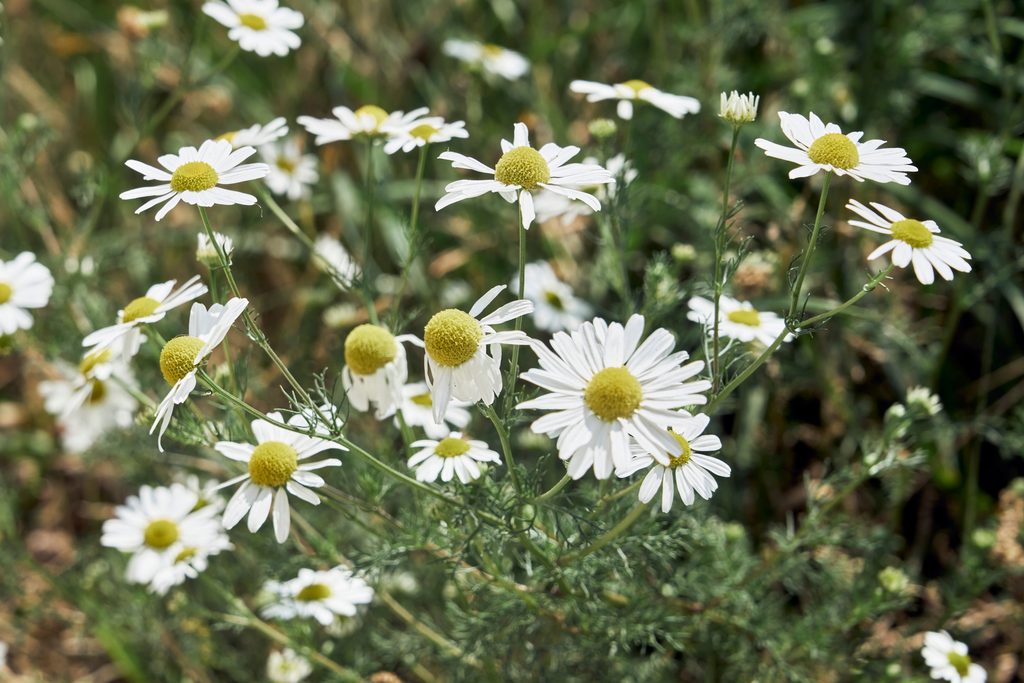
Chamomile flowers look like tiny daisies. They have a sweet, apple-like scent and flavor. University of Minnesota Extension lists both German and Roman chamomile as edible.
Dry the flower heads and brew them as tea. Fresh flowers also work. The taste is soothing and gentle.
People allergic to ragweed or daisies should be careful. Start with a weak cup.
13. Lavender
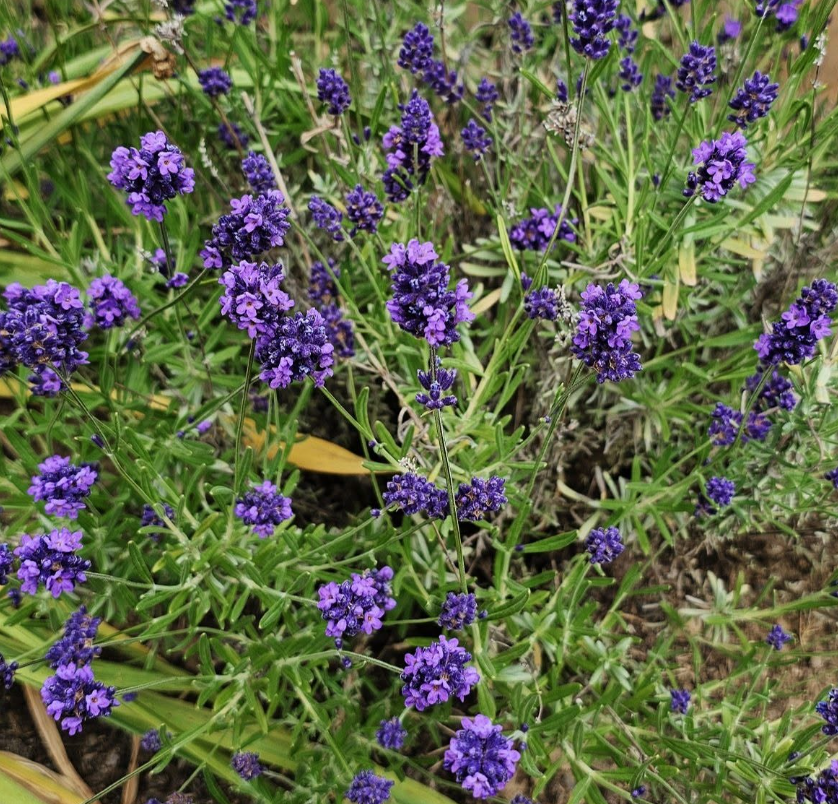
Lavender is beautiful, but use it with restraint. The flavor is sweet and perfumed, and it can turn bitter. University of Minnesota Extension advises using it sparingly.
A few buds are enough for baked goods, lemonade, or ice cream. Too many will make food taste like soap.
Choose English lavender (Lavandula angustifolia) for cooking. It is the milder type.
14. Bachelor’s Buttons (Cornflowers)
These bright blue flowers are easy to grow from seed. The taste is delicate, spicy, and slightly sweet, according to University of Minnesota Extension.
The petals keep their color well. Scatter them over salads, rice, or cakes for a vivid effect. They can also be dried for tea.
Because they are annuals, sow new seeds each year. Keep the area free of sprays.
15. Basil Flowers
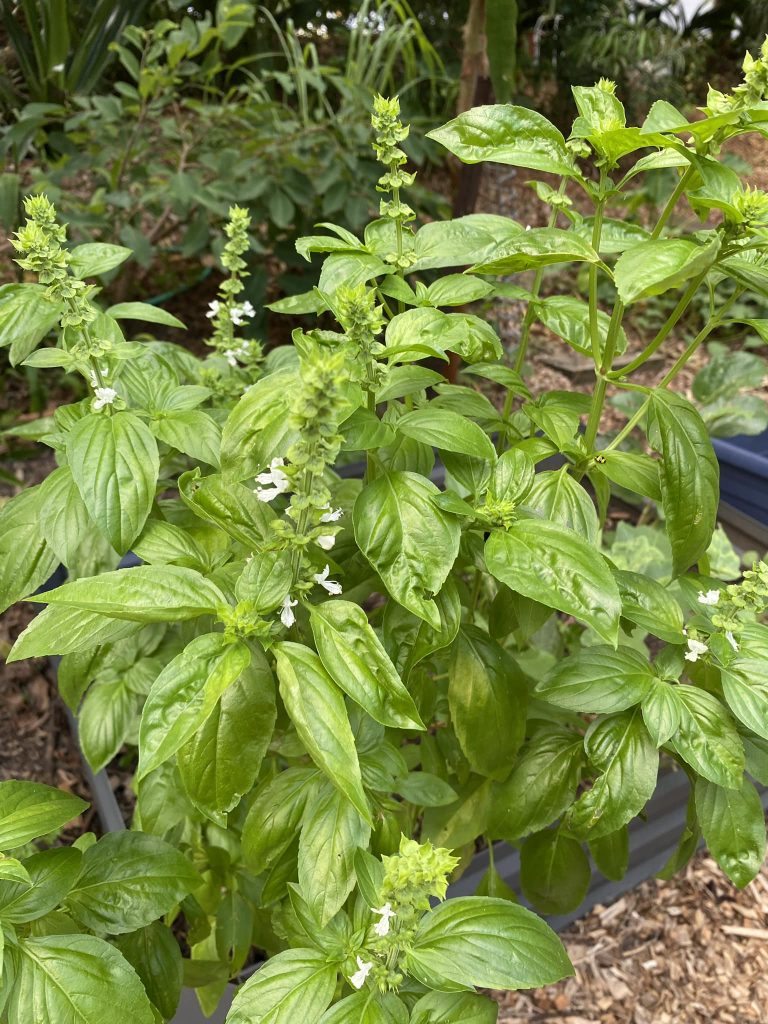
If your basil starts to flower, do not throw the blooms away. They taste like basil but are slightly softer. University of Minnesota Extension notes that flavor varies by variety.
Sprinkle the small white or purple flowers over pasta, tomatoes, or pizza. Lemon basil adds a citrus note.
Picking the flowers also keeps the plant producing leaves longer. It is a double benefit.
16. Bee Balm (Monarda)
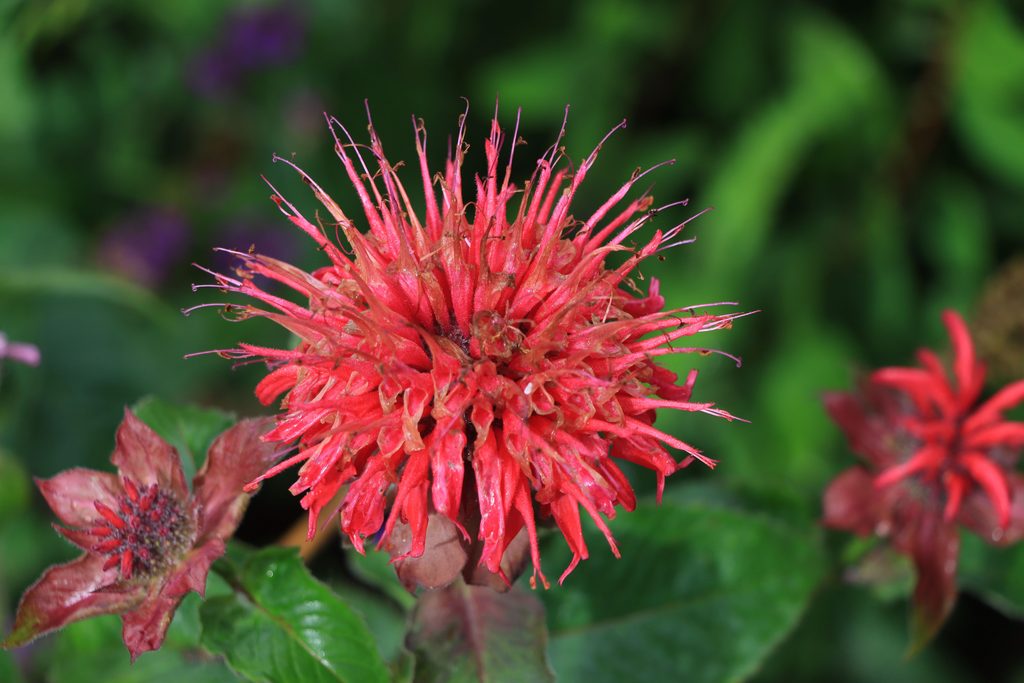
Bee balm has shaggy red or pink flowers that attract bees. The taste is citrusy, sweet, and minty. University of Minnesota Extension says red flowers are said to taste best.
Use the petals in tea, fruit salad, or drinks. They add a lively, spicy accent.
Flavor changes by species and variety. Taste a small petal before you use many.
17. Pinks (Dianthus)
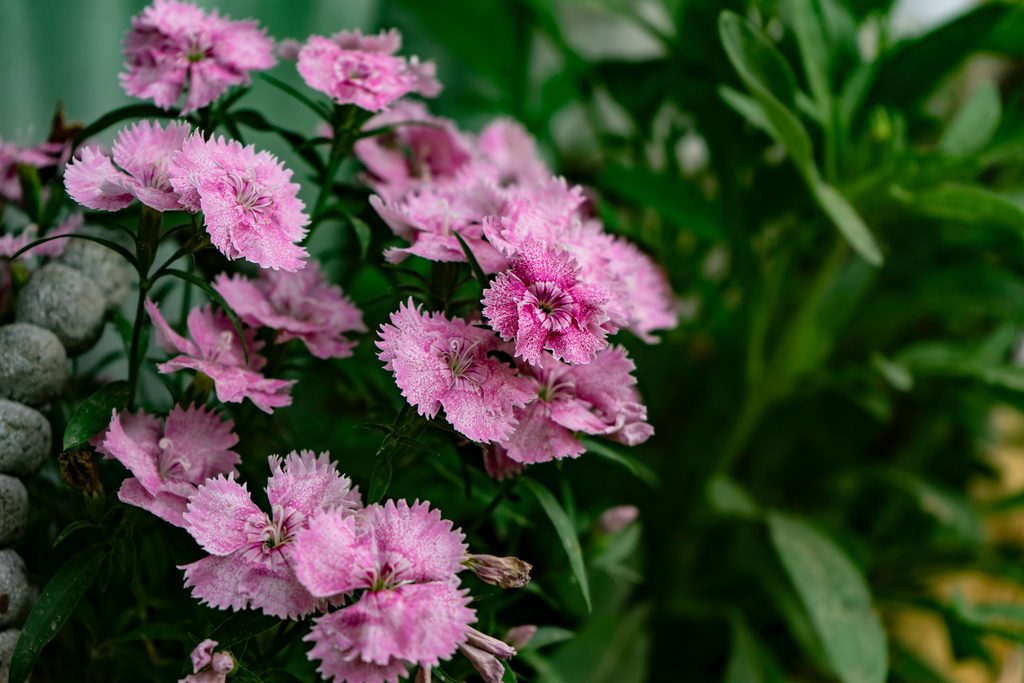
Pinks are small, fragrant flowers in the carnation family. The taste is sweet with a hint of clove. University of Minnesota Extension lists Dianthus caryophyllus as edible.
Remove the white base of each petal. It is bitter. Then use the petals in sorbets, cold drinks, or fruit salads.
Again, avoid florist carnations. Those are not grown for eating.
18. Red Clover
Clover grows freely in many lawns. The flowers are sweet and pleasant. University of Minnesota Extension says they are good as tea or fresh in limited quantities.
The same page adds a useful note. The flowers are not easily digestible, so eat them in moderation.
A few blossoms in a salad are enough. Pick from clean, unsprayed grass.
19. Scented Geraniums
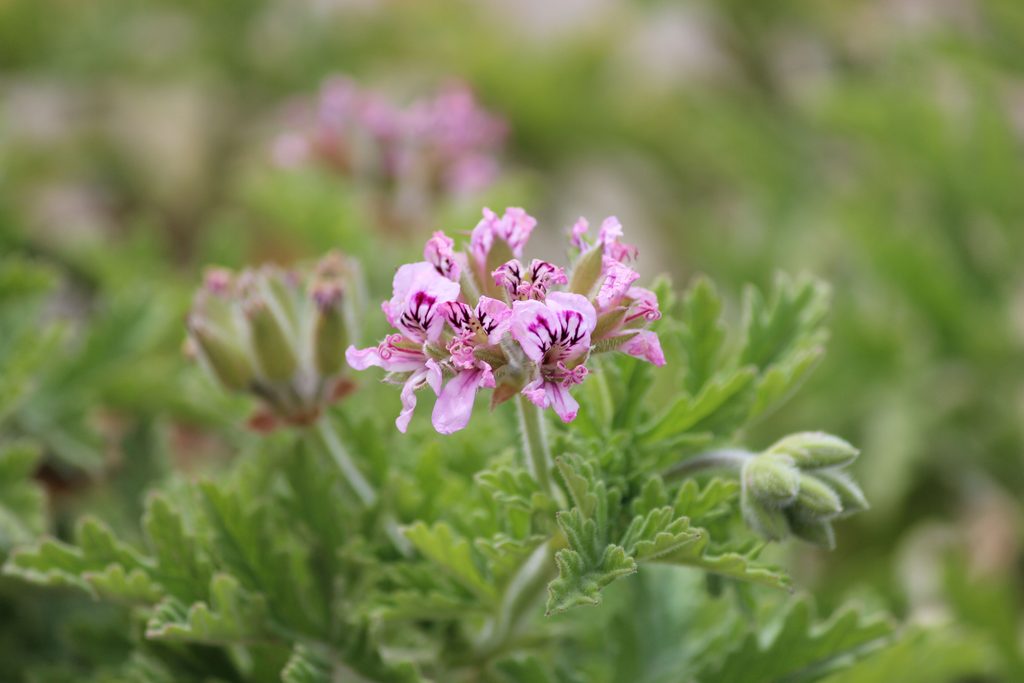
Scented geraniums (Pelargonium) are popular pot plants. The flowers and leaves taste of rose, lemon, mint, or orange, depending on the variety. University of Minnesota Extension confirms this range.
Use them to flavor sugar, cakes, jellies, and tea. Place a leaf at the bottom of a cake tin for a soft fragrance.
Be careful with names. Ordinary garden “geraniums” are different plants. Check you have Pelargonium before you eat it.
20. Elderflowers
Elderflowers are sweet and honey-scented. They make a famous cordial. They also work in pancake batter.
Always cook them. University of Minnesota Extension warns that you must remove all stems and leaves, and cook the flowers before eating. Raw elderberry plant parts can cause digestive problems.
Never eat unripe red berries either. When in doubt, buy elderflower cordial from a shop.
21. Lilacs
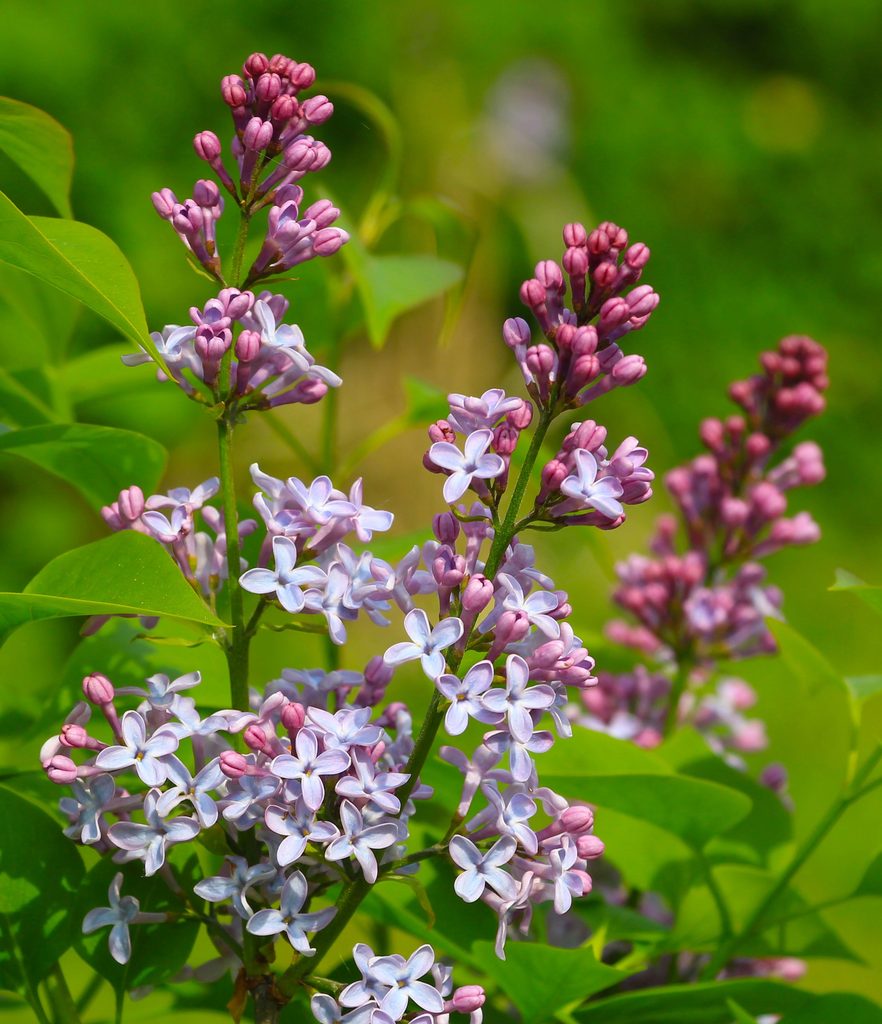
Lilac blossoms are fragrant spring flowers. The taste varies by variety, from almost none to a true floral flavor, says University of Minnesota Extension.
Try them in ice cream, soft cheese, or pastries. A few florets on a cake look elegant.
Taste before you cook. Some varieties are more flavorful than others.
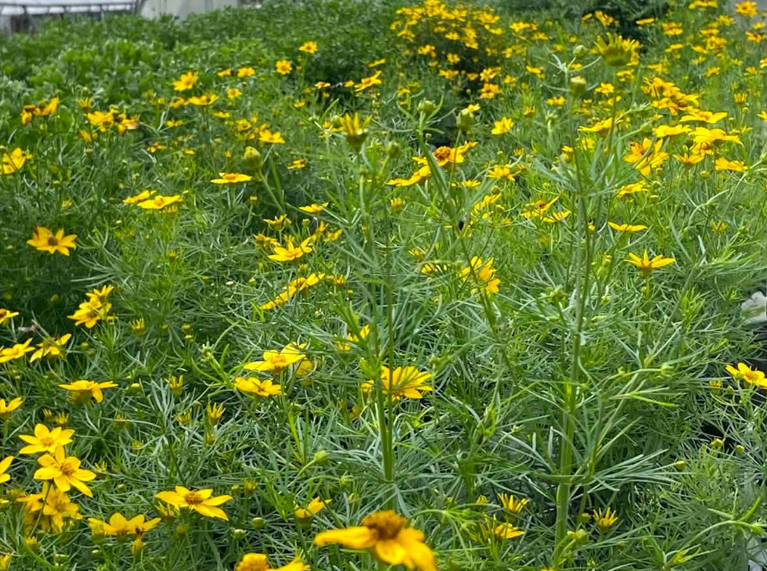
22. Signet Marigolds
These small, lacy marigolds have a spicy taste. University of Minnesota Extension compares the petals to tarragon.
Sprinkle them over salads, soups, or fish. They add a bright pop of orange and gold.
There is a caution. The same source says signet marigold may be harmful in large amounts. Eat it only occasionally.
23. Pea Flowers
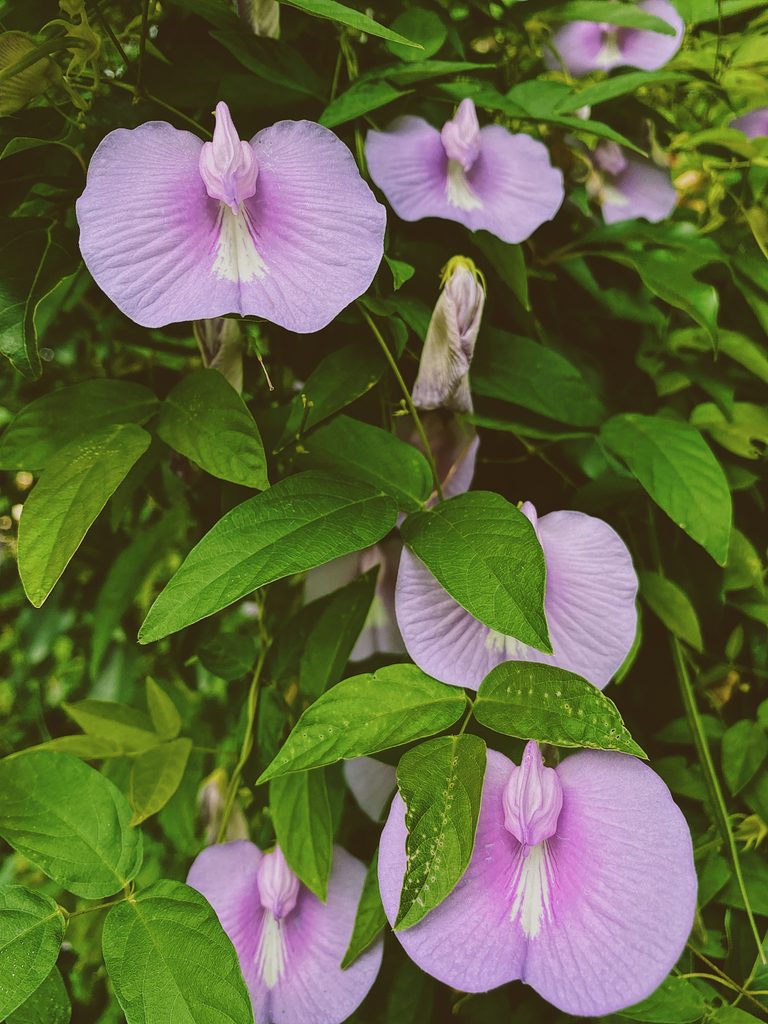
Pea plants produce small white and purple flowers. They taste like fresh peas. University of Minnesota Extension describes them as floral and pea-like.
Add them raw to salads, or scatter them on soups just before serving. They are tender and best eaten fresh.
Only use garden peas (Pisum sativum). Ornamental sweet peas are different and are not safe to eat.
24. Arugula Flowers
When arugula bolts, it sends up small white flowers. They are spicy and peppery. University of Minnesota Extension says they have a very strong flavor, so use them sparingly.
The leaves turn bitter as the plant flowers. This is a good time to enjoy the blossoms instead.
Sprinkle a few on pizza or eggs. A little goes a long way.
25. Rosemary Flowers
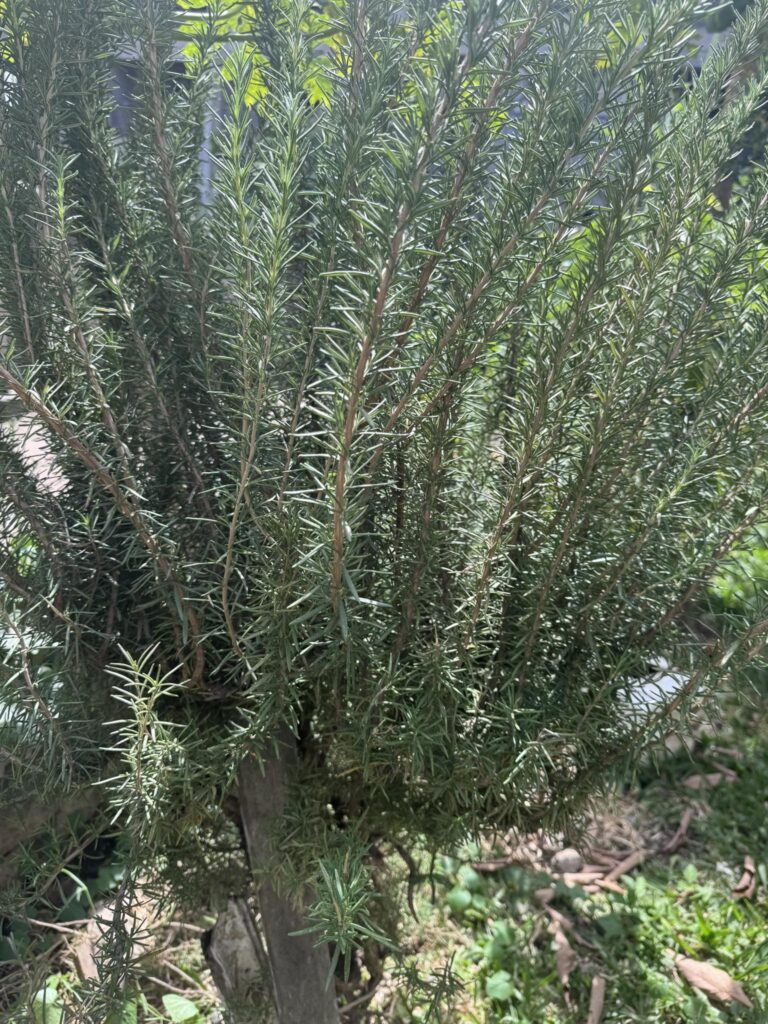
Rosemary produces small blue flowers in many climates. They taste milder than the leaves. University of Minnesota Extension says they work well on salads, pasta, and poultry soups.
The flowers are tender and slightly sweet. They are a pleasant surprise for anyone used to the strong leaves.
Pick them early in the day. Use them the same day for the best flavor.
7 Safety Rules Before You Eat Any Flower
Please read these rules before you pick a single petal.
- Identify the plant with certainty. Use the Latin name, not just the common name. University of Minnesota Extension says the Latin name is the best way to confirm you have the edible species.
- Choose pesticide-free flowers only. Do not eat flowers from florists or roadsides. The University of Kentucky notes that plants from most florists, garden centers, and nurseries are not pesticide-free.
- Know that washing is not always enough. Some pesticides are systemic. They move through the whole plant and cannot be rinsed off. Growing from seed is the safest method.
- Eat the petals. For most flowers, remove the stamens and pistils. Also cut off the white base of the petal. It can taste bitter.
- Start small. The University of California extension team warns that some people may have allergies. Try one flower and wait a day.
- Pick fresh. University of Minnesota Extension advises harvesting blossoms the day you use them, or one day before at most.
- If in doubt, leave it out. No garnish is worth a hospital visit.
Toxic Flowers You Must Never Eat
Now the most important section. Some beautiful garden flowers are poisonous.
University of Connecticut Extension lists several, including foxglove and lily of the valley, among toxic garden plants. It also advises never eating unidentified plants.
Avoid all of these:
- Foxglove
- Lily of the valley
- Oleander
- Monkshood
- Delphinium and larkspur
- Rhododendron and azalea
- Most true lilies
- Sweet pea (ornamental)
- Flowers of tomato, potato, and pepper plants
Never assume a flower is safe because it looks like an edible one. Foxglove, for example, can be mistaken for harmless plants by beginners.
If someone swallows an unknown plant, act fast. University of Connecticut Extension advises giving nothing to eat or drink and calling a poison control center. In the United States, that number is 1-800-222-1222. Elsewhere, call your national poison line or go to the nearest hospital.
READ MORE ON: 35 Beautiful Poisonous Flowers (Stunning Yet Deadly Blooms)
How to Use Edible Flowers in the Kitchen
Flowers are best used as accents, not as a main ingredient. Here are easy ideas.
- Salads: nasturtium, borage, pansies, and calendula
- Drinks: hibiscus, chamomile, and bee balm
- Desserts: rose, violas, lavender, and lilac
- Savory dishes: squash blossoms, chive blossoms, and basil flowers
- Ice cubes: borage and violas frozen in water
University of Minnesota Extension advises introducing edible flowers gradually and in small quantities. It also suggests matching the flavor to the dish. Peppery flowers suit salads, and sweet ones suit desserts.
Add fresh flowers just before serving. They wilt quickly.
How to Harvest and Store Flowers
Good habits keep flowers safe and tasty.
- Pick in the morning, after the dew dries.
- Choose open, fresh blooms. Avoid wilted ones, which can taste bitter, as Colorado State University notes.
- Check for insects and shake them out gently.
- Rinse lightly and let the flowers dry.
- Store them in the refrigerator in a sealed bag.
University of Minnesota Extension recommends using blossoms the day you pick them, or one day before at most. Do not store them for long.
Grow Your Own Edible Flower Garden
Growing your own is the surest way to avoid chemicals. It is also cheap and rewarding.
University of Minnesota Extension says most edible flowers like 6 to 8 hours of sun daily and grow in average garden soil or potting soil. Many do well in containers, so even a small balcony works.
Start with easy annuals such as nasturtiums, calendula, and bachelor’s buttons. Add herbs like basil and chives. Skip chemical sprays and use hand-picking or a hose to remove pests.
Label your edible patch clearly. This avoids mix-ups, especially in a family home.
A Note on Food Safety Rules
Edible flowers are treated seriously by food authorities. The North Carolina Department of Agriculture notes that edible flowers are considered produce commonly eaten raw. They fall under the federal Produce Safety Rule when grown for sale.
For home growers, this means one thing. Treat flowers like salad greens. Keep them clean and away from contaminated water.
If you plan to sell flowers, check your local rules first. Regulations differ by country and region.
Frequently Asked Questions
Are all flowers edible?
No. Many common garden flowers, such as foxglove and lily of the valley, are poisonous.
Can I eat flowers from a florist?
No. They are usually treated with chemicals and are not grown for eating.
Which part of the flower should I eat?
Mostly the petals. Remove the stamens, pistils, and bitter white base.
Can I eat dandelions from my lawn?
Yes, if the lawn has never been treated with pesticides or herbicides.
Can children and pregnant women eat edible flowers?
Start with tiny amounts and ask a doctor if you have health concerns. Some people have allergies.
Final Thoughts
Your backyard may hold a small feast. Nasturtiums, pansies, dandelions, and roses are all waiting to be tried. Each one adds color, flavor, and a little joy to a plate.
Safety must come first. Identify every plant, avoid pesticides, and start with small amounts.
If you remember one thing, make it this: when in doubt, leave it out. A careful gardener is a happy cook.
References
- University of Minnesota Extension. Edible Flowers. https://extension.umn.edu/flowers/edible-flowers
- Colorado State University Extension (PlantTalk Colorado). Edible Flowers. https://planttalk.colostate.edu/topics/miscellaneous/2012-edible-flowers/
- University of California Agriculture and Natural Resources (Ventura County). Garden to Table: Edible Flowers. https://ucanr.edu/media/343965
- University of Illinois Extension. Spice Up Your Garden with Edible Flowers. https://extension.illinois.edu/blogs/over-garden-fence/2025-05-29-spice-garden-edible-flowers
- University of Kentucky Cooperative Extension. Edible Flowers (CCD-CP-69). https://publications.mgcafe.uky.edu/ccd-cp-69
- University of Connecticut Cooperative Extension. Poisonous/Toxic Plants. https://homegarden.cahnr.uconn.edu/wp-content/uploads/sites/3479/2022/10/Poisonous-Toxic-Plants.pdf
- North Carolina Department of Agriculture & Consumer Services. Produce Safety Regulations for Edible Flowers. https://www.ncagr.gov/divisions/food-drug-protection/produce-safety-program/edible-flowers-factsheet/open

Tim M Dave is a gardening expert with a passion for houseplants, particularly cacti and succulents. With a degree in plant biology from the University of California, Berkeley, he has vast experience in gardening. Over the years, he has cultivated a vast collection of desert plants and learned a great deal about how to grow and care for these unique companions.