25 Stunning Types of Roses (Bushes Identification, With Pictures)
I planted my first rose bush before I understood there was any system behind it. I picked whatever looked prettiest at the nursery. Years later, after killing a few plants in the wrong climate, I learned that roses are not one flower but an entire family of classes, each with its own bloom habit, hardiness, and personality.
If you searched for types of roses, you are likely trying to do one of two things. You want to choose the right rose for your garden, or you want to understand the different classes well enough to talk about them with confidence.
This guide gives you 25 popular rose types, grouped the way horticulturists actually group them, with verified facts along the way.
How Roses Are Actually Classified
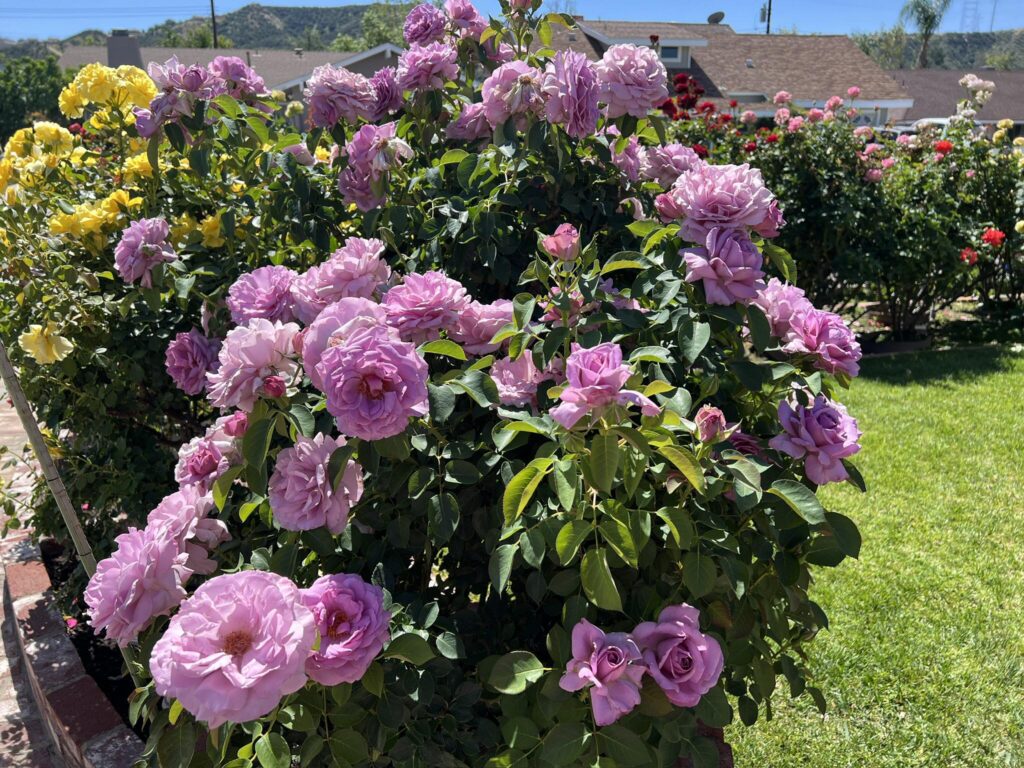
According to the American Rose Society, every rose falls into one of three main groups: species roses, old garden roses, and modern roses. This system matters more than most gardening blogs admit.
Species roses, also called wild roses, exist in nature without human breeding. There are more than 300 recognized rose species worldwide, most blooming once a year with simple, four to eight-petaled flowers.
Old garden roses are defined as any class that existed before 1867. That year matters because it marks the introduction of ‘La France,’ the first hybrid tea, bred by French hybridizer Jean-Baptiste André Guillot.
Modern roses cover every class introduced after 1867. Today, roughly 80% of all roses grown commercially belong to modern classes, according to horticultural extension sources, thanks to their ability to rebloom throughout the season.
I find this history genuinely useful. It explains why an old Gallica rose blooms gloriously for three weeks and then stops, while a modern floribunda in the same bed keeps flowering until frost.
Let’s walk through the 25 varieties, starting with the modern classes most gardeners encounter first.
Modern Roses
1. Hybrid Tea Rose
The hybrid tea is the rose most people picture when they hear the word “rose.” It produces one large, high-centered bloom with 30 to 50 petals on a long, elegant stem.
This class began the modern era in 1867 and, by the late 20th century, breeders had introduced more than 10,000 hybrid tea cultivars. Nearly every color exists in this class except true blue and black.
Hybrid teas bloom in cycles of about six to seven weeks. They demand more disease management than older roses, but the reward is a florist-quality flower right in your own bed.
2. Floribunda Rose
Floribundas cross the hybrid tea with the polyantha, and the name says it all: a profusion of flowers. Blooms appear in large clusters rather than as single stems.
These roses flower almost continuously and tend to be hardier and easier to maintain than hybrid teas, according to the American Rose Society. That makes them a forgiving choice for beginners.
I always recommend floribundas to first-time rose growers. They forgive missed sprays and still reward you with color from late spring through fall.
3. Grandiflora Rose
Grandiflora is a genuinely American invention. It was created in 1954 by crossing the hybrid tea ‘Charlotte Armstrong’ with the floribunda ‘Floradora,’ producing a rose that grows 6 to 8 feet tall with hybrid-tea-quality blooms in clusters.
The very first grandiflora, ‘Queen Elizabeth,’ remains a benchmark of the class for its vigor and disease tolerance. Grandifloras work well as a tall backdrop or informal screen.
This class proves that sometimes a “mistake” in breeding turns into an entirely new, celebrated category.
4. Polyantha Rose
Polyanthas trace back to a cross involving Rosa multiflora. They are compact plants, usually under 2 feet tall, with large clusters of small, roughly 1-inch blooms.
According to Iowa State University Extension, polyanthas perform especially well in mass plantings, and some cultivars tolerate USDA hardiness zones as cold as 4 or 5.
I like polyanthas along a walkway or border, where their sheer number of small blooms creates a carpet effect that larger roses cannot match.
5. Miniature Rose
Miniature roses are true-to-scale replicas of hybrid teas and floribundas, right down to their thorns and foliage. Plants typically reach only 15 to 30 inches tall.
Every miniature rose today descends from a single dwarf China rose named ‘Rouletii.’ Despite their small size, they are perennial, hardy, and available in nearly every color found in full-sized roses.
They excel in containers, rockeries, and as short-term indoor pot plants, which makes them ideal for gardeners with limited space.
6. Miniflora Rose
The American Rose Society officially adopted the miniflora classification in 1999 to recognize a bloom size that falls between miniature and floribunda roses.
Minifloras give gardeners a middle ground: bigger flowers than a true miniature, but a more compact plant than a floribunda. This makes the class useful for small modern gardens and exhibition growers alike.
It is a newer class, so fewer gardeners know its name, but the flowers themselves are increasingly common at nurseries.
7. Modern Shrub Rose
Modern shrub roses, sometimes called landscape roses, have become the dominant type sold at garden centers over the last three decades, according to Iowa State University Extension.
They are prized for repeat bloom, winter hardiness, and strong disease resistance, requiring far less spraying than hybrid teas. Plants generally stay between 1.5 and 4 feet tall.
Popular series like Knock Out roses fall into this category. If you want color without a strict maintenance schedule, this class deserves serious consideration.
8. Hybrid Musk Rose
Hybrid musk roses form one of the five recognized subdivisions within the broader shrub rose class. They are known for a sweet, musky fragrance and a graceful, arching growth habit.
These roses tolerate partial shade better than most other modern classes, which makes them useful in gardens that do not get full sun all day.
Their soft, informal flower clusters work beautifully trained against a fence or left to spill naturally over a border.
9. Hybrid Rugosa Rose
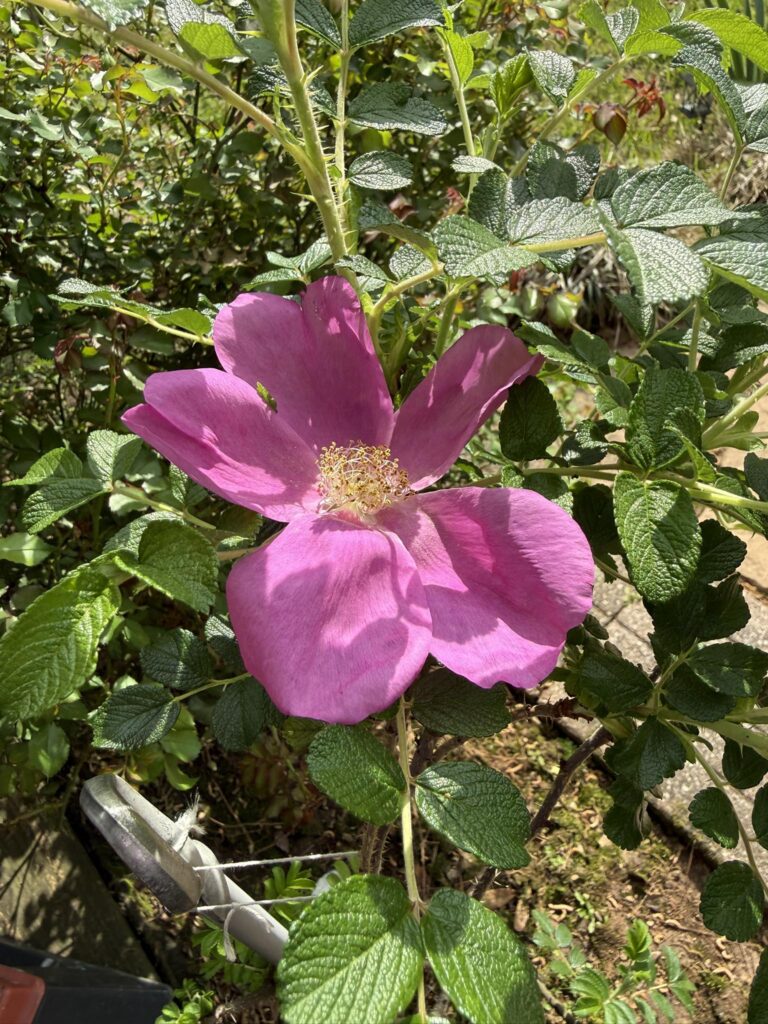
Hybrid rugosas descend from Rosa rugosa, a tough species native to coastal Asia. They are famous for exceptional cold hardiness and strong resistance to disease.
The foliage is deeply textured and wrinkled, distinct from other rose classes, and the plants often produce large, showy rose hips in autumn. Many rugosas tolerate salty, sandy coastal soil where other roses fail.
If you garden in a harsh climate, this is one of the most dependable classes you can plant.
10. Large-Flowered Climber
Climbing roses do not truly climb; they lack tendrils and must be tied to a support structure. Canes can stretch anywhere from 5 to over 20 feet long.
What separates a large-flowered climber from a rambler is repeat bloom. Prune the laterals after each flush, and new buds form on the same season’s wood, giving you color more than once per year.
I think of climbers as the rose equivalent of a statement piece, perfect for an arbor, pergola, or the side of a house.
11. Rambler Rose
Ramblers are often confused with climbers, but they behave differently. Ramblers flower once a year on old wood, and they can reach 20 to 30 feet in the right conditions.
Their single annual bloom is dramatic and abundant, often smothering a structure in flowers for several weeks each summer. Afterward, the plant rests until the following year’s cycle.
Choose a rambler if you want one spectacular seasonal display rather than scattered blooms all year.
12. Groundcover Rose
Groundcover roses spread and trail rather than growing upright. They are typically covered in prickly stems and glossy leaves, with nonstop clusters of single to fully double flowers.
According to horticultural sources, these roses are extremely disease resistant and require very little maintenance once established, making them ideal for slopes, banks, and rocky terrain.
I have seen groundcover roses used to control erosion on a hillside while still looking ornamental, which is a rare combination in the plant world.
13. English Rose (David Austin Rose)
English roses, developed starting in the 1960s by breeder David Austin, are not officially recognized as a separate American Rose Society class, yet they are treated as one by nearly every retailer and consumer.
Austin’s goal was to combine the old-fashioned form and fragrance of Gallica, Alba, and Damask roses with the repeat-blooming habit and wide color range of modern roses. The result now numbers in the hundreds of named varieties.
This class remains actively developed, with new introductions released every year, and it has genuinely helped revive interest in old garden roses among home gardeners.
ALSO READ: Rose Bush Summer Pruning: Tips for More Blooms All Season
Old Garden Roses
14. Gallica Rose
The Gallica is considered the oldest Western rose class, grown by the Greeks and Romans long before modern breeding existed. Plants stay compact, usually 3 to 4 feet tall, and bloom only once, in late spring.
Gallicas offer a striking flower color range for an old class, including deep reds, maroons, and purplish crimson tones, along with famous striped cultivars.
The ‘Apothecary’s Rose’ from this class was grown in medieval monasteries for its supposed medicinal properties, which tells you how far back this rose’s story really goes.
15. Damask Rose
Damask roses hold a special place in perfumery. Their strong, classic “old rose” fragrance is the standard used commercially to produce attar of roses and rose oil, particularly in Bulgaria’s rose-oil industry.
Plants grow as arching shrubs 6 to 8 feet tall, with flowers appearing in colors ranging from white through pink to red, generally only in mid-summer.
Extremely winter hardy and low maintenance, damasks require little more than routine pruning to keep thriving for decades.
16. Alba Rose
Alba roses, sometimes called the “White Rose of York,” date back to before 100 A.D. They grow into tall, slender shrubs reaching up to 8 feet, with blush pink or white blooms and distinctive grey-green foliage.
According to university extension sources, albas are notably disease-resistant and can tolerate partial shade, which is unusual among old roses that generally demand full sun.
Their extreme winter hardiness and self-sufficiency make them excellent background plants for a low-maintenance landscape.
17. Centifolia Rose
Centifolia means “hundred petals,” and this class earned the nickname “cabbage rose” for its dense, rounded blooms. Plants vary enormously in size, from 1 foot to as tall as 20 feet.
Centifolias are richly fragrant and very winter hardy, though somewhat less disease-resistant than other old garden classes. Colors range from white through to deep purple.
This is the class most associated with 17th-century Dutch flower paintings, and seeing one in bloom, it is easy to understand why artists chose it as a subject.
18. Moss Rose
The moss rose is a chance mutation, or “sport,” of the centifolia class, developing a moss-like, sticky growth on its sepals and stems that smells faintly of pine.
Popular during the Victorian era, moss roses can reach 8 feet tall and 4 feet wide, with frilly blooms in deep fuchsia, crimson, pastel pink, and even striped patterns.
Though harder to find commercially today, a moss rose brings genuine novelty and history to a garden willing to make room for it.
19. China Rose
China roses arrived in Europe around 1792 and changed rose breeding permanently. Unlike European classes, Chinas bloom continuously on new growth rather than only once a year.
This trait of repeat blooming became the genetic backbone for nearly every modern rose class that followed, including hybrid teas, floribundas, and grandifloras.
China roses tend to lack strong fragrance and are more cold-sensitive than European classes, but their contribution to rose breeding is arguably the most significant of any single class.
20. Bourbon Rose
Bourbon roses originated in the early 1800s on the Isle of Bourbon, now called Réunion, from a natural cross between damask and China roses. They are considered the largest and among the oldest China hybrids.
These roses typically rebloom reliably, an unusual trait for the era, with large, richly scented flowers ranging from white to deep scarlet. Growth habit is vigorous, suiting a fence or pillar.
I find Bourbons a satisfying middle ground: old-world fragrance paired with a genuine repeat-flowering habit.
21. Hybrid Perpetual Rose
Hybrid perpetuals bridge early 1800s roses and the roses we grow today. This catch-all class was created by crossing bourbons with nearly every other class available at the time, including chinas, teas, damasks, and gallicas.
They dominated Victorian England thanks to large, competition-worthy blooms, though their reblooming was often inconsistent despite the “perpetual” name. Color is generally limited to white, pink, and red.
Hardy only to about zone 5, this class eventually gave way to its own descendants, the hybrid teas, once those proved more reliable.
22. Noisette Rose
Noisettes hold the distinction of being the first roses bred in America, originating on a South Carolina rice plantation owned by John Champneys, before being further developed in France.
They introduced orange and yellow tones into rose breeding for the first time and are typically grown as vigorous climbers. Most Noisettes are winter hardy only to zone 7.
This class remains especially popular in the southern United States, where its combination of vigor, fragrance, and reblooming ability still holds up well against modern competition.
23. Portland Rose
Discovered in 1775 by the Duchess of Portland, this class carries mixed heritage from China, damask, and Gallica roses. It was among the first reblooming garden roses available to European growers.
Portlands stay compact and shrubby, often no taller than 12 to 18 inches, with multi-petaled, very fragrant flowers usually in shades of pink.
Their small stature makes them a practical choice for gardeners who want old-rose fragrance without dedicating a large bed to a sprawling shrub.
24. Tea Rose
The original tea rose gets its name from a fragrance reminiscent of Chinese black tea. These roses come from oriental cultivars of Rosa chinensis and Rosa gigantea.
Tea roses introduced pastel colors rarely seen in European roses at the time, including soft yellow and apricot tones. Their form, with petals curling outward as they mature, directly shaped the modern florist rose silhouette.
Tea roses are not reliably frost hardy, which limited their spread historically, but their genetic legacy lives on in nearly every hybrid tea grown today.
ALSO READ: 15 Flowers That Look Like Roses: Identification and Pictures
Species Roses
25. Species (Wild) Roses
Species roses are the foundation everything else was built from. According to the USDA’s plant guide resources, wild roses in the Rosaceae family include species like Rosa woodsii, Rosa nutkana, and Rosa canina, growing naturally across the Northern Hemisphere without human hybridization.
These plants typically produce simple, four to eight-petaled flowers, bloom once a year, and range from 1 to 9 feet tall depending on the species. Many form dense, rhizomatous thickets valuable for erosion control and wildlife habitat.
Species roses also matter ecologically. Their hips feed birds and small mammals through winter, and their flowers provide pollen for foraging bees, a role modern double-flowered roses often cannot fill.
How to Choose the Right Rose Type for Your Garden
Start with your climate. If you garden in a cold region, hybrid rugosas, albas, and gallicas tolerate winter far better than hybrid teas or Noisettes.
If low maintenance matters most, modern shrub roses and groundcover roses offer color without a strict spray schedule. According to UF/IFAS Extension, most roses still need at least 6 hours of direct sunlight daily regardless of class.
If fragrance is your priority, look toward damasks, centifolias, and Bourbons. If you want cut flowers with classic form, hybrid teas remain unmatched for long, elegant stems.
Basic Care Tips That Apply Across Most Classes
Plant roses in full sun with well-drained soil, amending heavy clay or sandy ground with organic matter before planting. Most modern classes need monthly fertilizing during the growing season.
Deadhead spent blooms to encourage reflowering on repeat-blooming classes, but stop deadheading toward the end of the season so plants can properly harden off before winter.
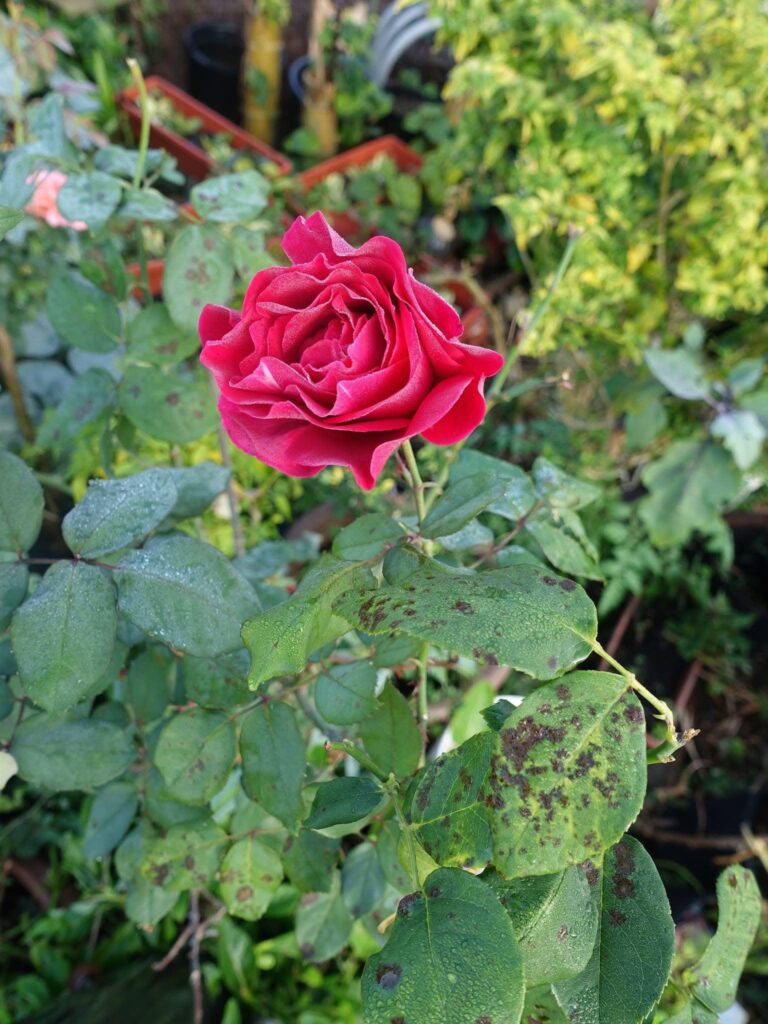
Watch for common pests like aphids, spider mites, and thrips, along with fungal issues like black spot and powdery mildew, which affect hybrid teas and floribundas more than hardier old garden or species roses.
Frequently Asked Questions
How many types of roses are there in total? The American Rose Society recognizes over 40 distinct classes under its detailed classification system. This guide covers 25 of the most popular and widely grown types across the species, old garden, and modern groups.
What is the difference between old garden roses and modern roses? Old garden roses are classes that existed before 1867, generally blooming once a year with strong fragrance. Modern roses were introduced after 1867 and typically rebloom throughout the growing season.
Which rose type is easiest for beginners? Modern shrub roses and floribundas are widely recommended for new gardeners, since they combine disease resistance, hardiness, and repeat blooming with minimal spray requirements.
Are David Austin roses considered old garden roses? No. English roses combine old garden rose form and fragrance with modern breeding, but they are classified as a modern shrub type, not an official old garden class.
Do all roses rebloom throughout the season? No. Most old garden roses of strict European heritage, such as Gallicas, Albas, and Damasks, bloom only once a year. Reblooming is mainly a trait of China roses and their many modern descendants.
Final Thoughts
Looking back at that first rose bush I planted with no plan at all, I wish I had known even a fraction of what is in this guide. Roses are not a single flower to memorize; they are a living record of centuries of breeding, from ancient Gallicas grown by the Romans to modern shrub roses bred for a weekend gardener’s schedule.
Whatever type you choose, understanding its class tells you almost everything about how it will grow, bloom, and behave in your garden. That knowledge, more than any single variety, is what actually makes a rose garden thrive.
References
- American Rose Society, Rose Classifications: https://rose.org/rose-classifications/
- University of Missouri Extension, Roses: Selecting and Planting: https://extension.missouri.edu/publications/g6600
- University of Illinois Extension, Roses Types: https://extension.illinois.edu/roses/roses-types
- Iowa State University Extension and Outreach, Rose Types and Cultivars: https://yardandgarden.extension.iastate.edu/how-to/rose-types-and-cultivars
- North Carolina State Extension, Rosa (Rose, Roses) Plant Toolbox: https://plants.ces.ncsu.edu/plants/rosa/
- University of Florida, UF/IFAS Extension, Growing Roses: https://sfyl.ifas.ufl.edu/lawn-and-garden/growing-roses/
- USDA Natural Resources Conservation Service, Plant Guide: Dog Rose (Rosa canina): https://www.nrcs.usda.gov/plantmaterials/wapmcpg11562.pdf

Tim M Dave is a gardening expert with a passion for houseplants, particularly cacti and succulents. With a degree in plant biology from the University of California, Berkeley, he has vast experience in gardening. Over the years, he has cultivated a vast collection of desert plants and learned a great deal about how to grow and care for these unique companions.