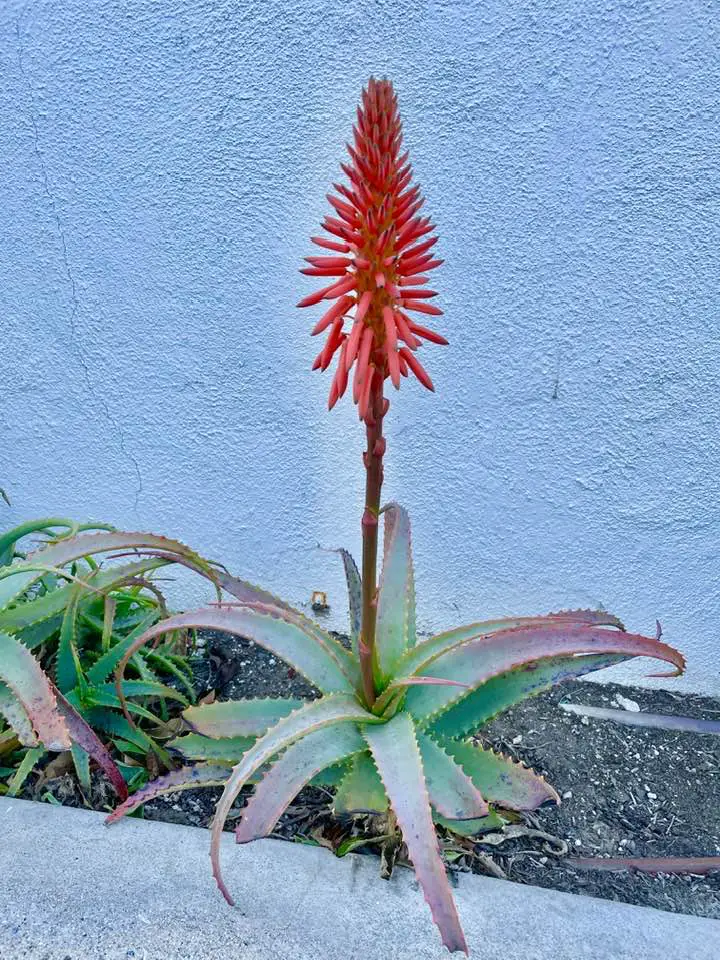
35 Types of Agave Plants (With Names, Pictures, and Care Tips)
I have spent years walking through desert gardens, and no plant stops me in my tracks quite like an agave. There is something almost architectural about the way its leaves fan out in perfect symmetry, armed and unbothered by drought.
If you searched for “types of agave plants,” you are probably trying to identify one, choose one for your garden, or simply understand why this genus built an entire spirits industry around itself. This guide answers all three.
The Agave genus belongs to the Asparagaceae family, and depending on the taxonomic source, it holds somewhere between 200 and 270 accepted species, with Mexico as its undisputed center of diversity.
Mexico is home to roughly 75% of all Agave species, and many of them have shaped food, textiles, and beverages for centuries.
Below, I have organized 35 of the most notable agave types into four practical categories: ornamental landscape favorites, spirit-and-fiber producers, cold-hardy desert natives, and rare collector’s specimens.
It helps to understand why this genus looks the way it does before diving into the list. Agaves are succulent monocots, meaning they store water in fleshy leaf tissue and share ancestry with plants like yucca and Joshua tree rather than with cacti.
Thick cuticles reduce water loss, sharp spines discourage grazing animals, and a night-time gas-exchange process called CAM photosynthesis lets the plant “breathe” while conserving moisture during the hottest hours of the day.

Quick Facts About Agave Plants
- The genus was first described by Carl Linnaeus in 1753, starting with four species.
- Most agaves are monocarpic, meaning a single rosette flowers only once, then dies.
- Most Agave species are more accurately described as monocarpic rosettes or multiannuals, since each rosette flowers only once and then dies, though a small number of species are polycarpic.
- Blue agave requires 8 to 12 years to mature before harvest, with 90% of plants typically harvested at 10 years.
- Tequila production reached a historical record of 527.1 million liters in a single year, showing just how commercially important one species (Agave tequilana) has become.
- Agave americana is only known as the “century plant” out of myth; most rosettes bloom in 10 to 30 years, not one hundred.
Now, let’s go through all 35 plants in detail.
Part 1: Ornamental and Landscape Agaves
These are the varieties you are most likely to see in a nursery, a xeriscape, or a neighbor’s front yard. They earn their popularity through good looks, architectural form, and genuinely low maintenance.
1. Agave americana (Century Plant)
This is the classic, oversized agave most people picture first, and I always tell beginners this is the one to start with because it forgives almost every mistake. Native to Mexico and parts of the southern United States, it thrives in USDA zones 8 through 11, tolerating brief dips to around 20°F (-6°C) once established.
This succulent forms large, stemless or short-stemmed rosettes of grey-green to blue-green leaves with sharp marginal spines and a dark brown terminal spine, reaching up to 6 feet tall and 10 to 12 feet across. The plant is monocarpic, typically blooming once between 10 and 30 years of age on a branched stalk that can reach 20 to 40 feet.
Care tips: Plant in full sun on sandy or rocky, fast-draining soil, and water only occasionally once established. Keep it well away from foot traffic, since the terminal spines are genuinely sharp, and note that this species has naturalized aggressively in parts of Europe, Australia, and Africa, where it is now considered invasive.
2. Agave americana ‘Marginata’
This is a striped cultivar of the standard century plant, with creamy yellow bands running along each leaf edge. It Shares the same origin and hardiness as the species, thriving in zones 8 through 11.
Agave americana ‘Marginata’ keeps all the toughness and eventual size of Agave americana but adds a variegated, two-tone leaf pattern that photographs beautifully in low afternoon light.
Care tips: Grow exactly as you would the straight species: full sun, sharp drainage, minimal winter water. Remove old lower leaves occasionally to keep the rosette looking tidy.
3. Agave americana ‘Mediopicta Alba’
Sometimes called the White Stripe Century Plant, this variety flips the classic pattern with a white-striped center flanked by green margins. It is cultivated widely wherever Agave americana grows, generally zones 9 through 11, since variegated forms tend to be slightly more tender than the species.
Agave americana ‘Mediopicta Alba’ grows more slowly and stays noticeably more compact than the straight species, which makes it friendlier for smaller yards and container culture.
Care tips: Give it full sun for the boldest white coloring, though a little afternoon shade in the hottest climates prevents scorching on the pale leaf tissue.
4. Agave attenuata (Foxtail Agave)
Unlike most of its cousins, this species has soft, spineless leaves, making it one of the few agaves genuinely safe around children and pets. Native to central Mexico, it is far more cold-sensitive than Agave americana and is best suited to zones 9b through 11, since it is damaged by temperatures near freezing.
Agave attenuata (Foxtail Agave) has smooth, pale green to grey-green leaves form a rosette on a short visible trunk, and its curved flower spike, which bends like a fox’s tail, gives the plant its common name.
Care tips: It tolerates part shade better than most agaves, making it a good choice for courtyards. Protect it from frost, and water a little more generously than you would a spinier species.
5. Agave desmettiana (Smooth Agave)
This is a compact, glossy-leaved species that also lacks the sharp terminal spine common in the genus. Believed to be of Mexican origin though rarely found in the wild, it performs best in zones 9b through 11 and is frost-tender.
Agave desmettiana (Smooth Agave) has glossy green leaves, sometimes marked with white stripes in variegated forms, grow to roughly 3 feet tall and 4 feet wide. It matures and blooms faster than many other landscape agaves, often within 10 to 15 years.
Care tips: It tolerates partial shade better than most agaves, so it works well in courtyards that do not get full sun all day. Keep it dry in winter and protect it from frost.
6. Agave ovatifolia (Whale’s Tongue Agave)
Agave ovatifolia has thick, powder-blue leaves curling slightly upward, resembling the shape that gives the plant its name. It is a relatively recently described species (2002) from northern Nuevo León, Mexico, it is surprisingly cold hardy for its size, tolerating zones 7 through 11 and surviving temperatures down to roughly 5°F.
It reaches 2 to 4 feet tall and 3 to 5 feet wide, forming a slightly flattened, symmetrical rosette. It does not produce offsets, so each specimen is solitary, and it sends up a 10 to 14-foot flower panicle roughly a decade after planting before dying.
Care tips: Plant in full sun to very light filtered shade in any well-drained soil. Limiting water will keep the rosette more compact if space is tight.
7. Agave bracteosa (Squid Agave)
This variety has soft, spineless, tentacle-like leaves radiating outward with no rigid rosette symmetry, which is exactly what makes this species stand out. Native to the Mexican states of Coahuila and Nuevo León, it is cold hardy to around 15°F, placing it comfortably in zones 8 through 11.
Agave bracteosa rarely exceeds 1.5 feet in height and width, with flexible lime-green leaves that twist and arch gracefully. Unlike most agaves, it is polycarpic and does not die after flowering, and older plants readily produce offsets.
Care tips: Grow in full sun or light shade; in full sun it may yellow slightly during summer heat but regains its color with a bit of extra water. Its small footprint makes it excellent for containers and tight garden spaces.
8. Agave filifera (Thread-Leaf Agave)
Agave filifera stays small, typically around 2 feet tall and 3 feet wide, which makes it one of the easiest agaves to fit into a container or a tight border planting. Dark green leaves are trimmed with curling white filaments along the edges, giving the plant a delicate, almost woven texture.
Characteristics: It Care tips: Full sun and gritty, fast-draining soil keep it healthiest. It is slow-growing, so repotting is rarely needed more than once every few years. Native to central Mexico, it performs well in zones 8 through 11.
9. Agave stricta (Hedgehog Agave)
Agave stricta stays compact and clumping, forming dense colonies of small rosettes over time, and is reasonably cold-hardy for its diminutive size. Dozens of narrow, upright leaves burst from a central point, resembling a spiky green pom-pom.
Care tips: Use it in rock gardens where a smaller accent plant is needed, in full sun and sharply drained soil. It tolerates poor soil well, provided water never sits at the roots. Native to south-central Mexico, generally suited to zones 8 through 10.
10. Agave potatorum (Butterfly Agave)
Agave potatorum stays small, usually under 18 inches tall, and forms an unusually symmetrical, compact rosette that handles container life gracefully. Wide, spoon-shaped, blue-grey leaves overlap like petals, and this species is also the parent of the famous ‘Kissho Kan’ cultivar prized by collectors.
Native to Oaxaca and Puebla in Mexico, where it is also used commercially for mezcal, and typically grown in zones 8b through 11.
Care tips: Give it full sun and excellent drainage; it is slow-growing, so it rarely needs repotting and makes a long-lived patio specimen.
ALSO READ: Understanding Agave Cold Tolerance: How These Tough Succulents Survive Winter
Part 2: Spirit, Syrup, and Fiber Agaves
This is where agave becomes more than a garden plant. These species built industries around themselves, from tequila to rope, and their economic footprint is measured in hundreds of millions of liters and metric tons per year.
11. Agave tequilana (Blue Agave / Weber Blue)
This is the only species legally permitted to make tequila under Mexican regulation, and arguably the most economically significant plant in the entire genus.
It grows 1.2 to 1.8 meters long, with lanceolate leaves 90 to 120 centimeters in length and a bluish glaucous to grayish-green color. The plant accumulates fermentable carbohydrates, mostly fructans, in its core, called the piña, which typically weighs between 40 and 90 kilograms at the 8 to 12-year harvest point.
Native to and cultivated almost exclusively in Jalisco and neighboring Mexican states, thriving at elevations between 1,200 and 2,000 meters, it is frost-tender and best suited to zones 9 through 11.
Care tips: Commercial growers use volcanic, well-drained soil with rainfall between 600 and 1,500 millimeters annually. As a garden specimen, it needs full sun and should never sit in wet soil, since frost and waterlogging are its two biggest threats.
12. Agave salmiana (Giant Agave / Pulque Agave)
This is one of the largest cultivated species in the genus, historically tapped for aguamiel, the sweet sap fermented into pulque. Its enormous, thick, grey-green rosette can reach several meters across, and it remains central to traditional Mexican beverage culture outside the tequila industry.
Native to the high plateaus of central Mexico, it is more cold-tolerant than tequila agave and grows well in zones 8 through 11.
Care tips: Give it plenty of room to mature, full sun, and well-drained soil; because of its eventual size, it is best suited to large landscapes rather than containers.
13. Agave angustifolia (Caribbean Agave)
Used in mezcal production across Oaxaca and other Mexican states, this narrow-leaved species tolerates a wider climate range than blue agave.
Slender, rigid leaves with sharp terminal spines form a rosette roughly 4 feet tall and wide. It is one of the most taxonomically confused species in the genus, historically mixed up with Agave vivipara in botanical literature.
Agave angustifolia is distributed from Mexico through Central America, it is frost-tender and best kept in zones 9 through 11.
Care tips: Full sun and sandy, well-drained soil suit it best. It tolerates heat and humidity better than most agaves on this list, which is part of why it thrives across such a wide native range.
14. Agave angustifolia ‘Marginata’
This is a striped ornamental form of the mezcal-producing species above, grown mainly for landscaping rather than distilling. Its white-edged leaves make it a popular tropical accent plant in Florida and coastal gardens, growing to roughly 4 feet tall and wide.
Agave angustifolia ‘Marginata’ is cultivated wherever the species grows, typically zones 9b through 11.
Care tips: Treat it exactly like the straight species: full sun, sharp drainage, and protection from any hint of frost.
15. Agave sisalana (Sisal Agave)
This was once the source of sisal fiber, once a backbone of the global rope and twine industry before synthetic fibers took over. It produces long, straight, spineless-tipped leaves that are stripped and processed for their strong cellulose fibers, historically used in twine, rope, and carpet backing.
Native to the Yucatán Peninsula and long cultivated commercially in East Africa and Brazil; frost-tender, suited to zones 9 through 11.
Care tips: It grows quickly in full sun with minimal care, tolerating poor soils that would stress other ornamental species. It rarely flowers in cultivation, since most plantations harvest leaves long before the plant matures.
16. Agave weberi (Weber’s Agave)
Agave weberi is closely related to the tequila species but grown mostly for fiber and as a large ornamental in warm climates. Native to Mexico, cultivated widely in frost-free regions; best suited to zones 9 through 11. It reaches 4 to 5 feet tall, with smooth, grey-green leaves and a notably fast growth rate for such a large agave.
Care tips: Full sun and generous space are essential given its mature footprint. It handles heat exceptionally well but needs frost protection in any marginal zone.
ALSO READ: What to Do With Agave Stalk (After Flowering)
Part 3: Cold-Hardy and Desert Native Agaves
These species evolved in harsher, cooler, or higher-altitude conditions than the tropical lowlands. If you garden somewhere with real winters, this is your shortlist.
17. Agave parryi (Parry’s Agave)
This is one of the most cold-hardy species available, and often the first recommendation for gardeners. Native from central Arizona into New Mexico and northern Mexico, it is remarkably tough, generally listed for zones 7 through 10, with some specimens surviving brief exposure well below 0°F when kept dry.
Agave parryi forms a compact, nearly round rosette 2 feet tall and 3 feet wide, of light gray to blue-green, thick, rigid leaves. It produces offsets from the base throughout its life and blooms on a tall stalk after roughly a decade or more.
Care tips: Excellent drainage is the single most important factor for winter survival; a cold-hardy Agave parryi in soggy soil will rot at temperatures it would otherwise shrug off in a gravel bed. Keep it completely dry through winter dormancy.
18. Agave havardiana (Harvard Agave)
Native to the rugged terrain of West Texas, Agave havardiana is one of the largest genuinely cold-hardy agaves grown outdoors in temperate climates, placing it in zones 6 through 9.
It grows 24 to 36 inches tall and wide, forming a tight, symmetrical rosette of thick, glaucous blue-gray to gray-green leaves with visible bud imprints. It produces few offsets and typically blooms only once, on a panicle 6 to 16 feet tall.
Care tips: Give it excellent drainage and keep snow from piling on the rosette in winter, since trapped moisture and cold together cause more damage than cold alone.
19. Agave utahensis (Utah Agave)
Regarded by many growers as the most cold-tolerant agave in cultivation, and a Royal Horticultural Society Award of Garden Merit winner, Agave utahensis is generally listed for zones 5 through 9.
It is a small, slow-growing species forming rosettes of thick, narrow, upward-curving, blue-gray leaves with a long dark terminal spine. Depending on subspecies, mature size ranges from about 6 inches to 2 feet tall, and it blooms in late winter on a 6 to 12-foot spike.
Care tips: Grow in rocky, dry, well-drained soil in full sun or part shade, watering only occasionally during the hottest months and avoiding heavy winter moisture entirely. The mother rosette dies after flowering, but offsets typically remain.
20. Agave neomexicana (New Mexico Agave)
A close relative of Parry’s agave, Agave neomexicana is frequently used in high-desert landscaping where hard freezes are routine. It is native to the mountains of southeastern New Mexico and western Texas. It is cold hardy to around -20°F, comfortably within zones 6 through 9.
New Mexico Agave usually grows to 1.5 feet tall and 2 feet wide, forming compact rosettes of slender, lanceolate, blue-green to gray leaves. Its bloom is a panicle 8 to 11 feet tall, with buds that open from red to yellow, and it produces a large number of offsets throughout its life.
Care tips: Treat it much like Agave parryi: full sun, sharp drainage, and minimal winter water. Its heavy offsetting habit makes it easy to propagate and share.
21. Agave palmeri (Palmer’s Agave)
Native to southern Arizona and northern Mexico, generally Palmer’s Agave is suited to zones 8 through 10, cold hardy to around 10°F.
Its wide, grey-green leaves and towering, branched flower stalk make it a striking presence in native desert landscapes, and its nectar-rich blooms attract long-nosed bats as primary pollinators.This species plays an important ecological role as a food source.
Care tips: Full sun and rocky, well-drained soil mimic its natural habitat best. Avoid overwatering, since it is adapted to genuinely arid conditions.
22. Agave deserti (Desert Agave)
True to its name, this species thrives in some of the hottest, driest landscapes in North America. It is a relatively compact rosette adapted to extreme heat and minimal rainfall. Historically, it is significant since Indigenous peoples roasted its heart as a food source, much like blue agave is processed for tequila today.
Care tips: Give it maximum sun exposure and gritty, fast-draining soil, and resist the urge to water it more than the desert would. It is suited to zones 9 through 10.
23. Agave shawii (Shaw’s Agave)
Agave shawii is a coastal species adapted to salty air and sandy soils along the Pacific coastline. Its broad, spiny leaves and relatively fast growth make it one of the more garden-friendly native Californian agaves, tolerant of salt spray that would damage many other species.
Native to Baja California and the southernmost coastal stretches of California, it is suited to zones 9 through 10.
Care tips: Excellent for coastal gardens with full sun and sandy, well-drained soil. It handles ocean-adjacent conditions better than most agaves on this list.
24. Agave lechuguilla (Lechuguilla)
This is a small but tough species that dominates enormous stretches of the Chihuahuan Desert, so much so that botanists use it as an indicator plant for that ecosystem. Cold hardy to around 0°F, it is suited to zones 7 through 10.
Lechuguilla grows 10 to 18 inches tall and 16 to 27 inches wide, with relatively few, strongly striated, light green to yellow-green leaves and abundant offsets. Its fibers have long been processed into cordage and rope, a traditional use known as ixtle.
Care tips: Full sun and rocky, lean soil suit it perfectly. It spreads readily through offsets, so give it room to form a colony over time.
25. Agave montana (Mountain Agave)
Native to high-elevation forests, this species tolerates snow and freezing temperatures better than almost any other large agave. Wide, deep green leaves with reddish spines and bold bud imprints form a large, dramatic rosette that stays remarkably attractive year-round.
Native to the mountains of Nuevo León in northeastern Mexico, Mountain Agave is cold hardy to around 10°F or lower, generally suited to zones 7 through 9.
Care tips: Give it excellent drainage and full sun to light shade; it is one of the better choices for gardeners in temperate climates who still want a large, sculptural agave.

Part 4: Rare, Miniature, and Collector’s Agaves
These species are prized less for industry and more for form, rarity, or sheer visual drama. Many are container plants, grown as much for their sculptural silhouette as anything else.
26. Agave victoriae-reginae (Queen Victoria Agave)
Queen Victoria Agave is widely regarded as one of the most beautiful species in the genus, and a Royal Horticultural Society award winner. Native to Coahuila, Durango, and Nuevo León in Mexico, it is cold hardy to at least 10°F, suited to zones 8 through 11.
It grows to about 1.5 feet in height and width, forming a dense, symmetrical rosette of hard, triangular, dark green leaves marked with crisp white lines. It grows slowly and can take decades to bloom, eventually sending up a 15-foot spike of cream to red-purple flowers before dying.
Care tips: Give it well-drained soil, full sun, and light water to maintain its tight, geometric form. It excels as a long-term container specimen precisely because of its slow growth.
27. Agave vilmoriniana (Octopus Agave)
Octopus Agave is named for its long, twisting, spineless leaves that curve outward like tentacles. It reaches 3 to 4 feet tall and 5 to 6 feet wide, with fine, soft serrations along the leaf margins rather than sharp spines.
This species produces hundreds of pups directly on its bloom stalk, an unusual reproductive strategy that sets it apart from most other agaves. Native to Jalisco and Sinaloa in Mexico, it is frost-tender, best suited to zones 9 through 11.
Care tips: Full sun and fast-draining soil work best; it is faster-growing than many agaves, so expect it to reach mature size sooner than most entries on this list.
28. Agave parrasana (Cabbage Head Agave)
This is a compact, slow-growing species reaching roughly 2 feet tall and wide, with a distinctly rounded silhouette unlike the more angular rosettes typical of the genus. Thick, cupped, blue-grey leaves overlap tightly, giving the plant a rounded, cabbage-like appearance that collectors love.
It is native to Coahuila, Mexico; more cold-tolerant than its soft, rounded form suggests, generally suited to zones 8b through 10.
Care tips: Full sun and excellent drainage keep it healthy; because it is slow-growing, it makes an excellent long-term container plant.
29. Agave gentryi
Agave gentryi is a large, cold-tolerant mountain species closely related to Agave montana. Its broad, arching leaves and impressive mature size make it a striking specimen plant, and it has been used as a parent in several modern cold-hardy hybrid agaves.
It is native to the mountains of northeastern Mexico; generally suited to zones 7 through 9.
Care tips: Give it space to reach full size, full sun to light shade, and sharply drained soil to handle winter moisture safely.
30. Agave colorata (Mescal Ceniza)
This is a medium-sized, compact, slow-growing species well suited to container culture and small landscape beds, with a distinctive wavy leaf surface. Broad, undulating, blue-grey leaves with reddish spines create a rippled, almost rock-like texture.
Agave colorata is native to the coastal zones of Sonora, Mexico; frost-tender, generally suited to zones 9 through 10.
Care tips: Full sun and gritty soil bring out its best coloring. Its slow growth rate means it rarely needs repotting.
31. Agave xylonacantha (Mexican Fencepost / Lion’s Tail Agave)
Agave xylonacantha is distinctive for its curved, hooked spines running along translucent leaf margins that almost look painted on. Medium-sized, with a dramatic “snaggle-tooth” spine pattern along the leaf edges that makes it an instant favorite among serious collectors.
This succulent is native to several Mexican states; typically grown in zones 9 through 10b.
Care tips: Full sun and fast-draining soil suit it well; give it enough clearance from pathways given how prominent and sharp its marginal spines are.
32. Agave macroacantha (Black-Spined Agave)
This is a medium-sized species that offsets readily, forming attractive clusters over time rather than staying a solitary rosette, with small purplish-green flowers. Slender, blue-grey leaves end in prominent black spines that darken with age and sun exposure.
Native to Puebla and Oaxaca, Mexico; frost-tender, it is suited to zones 9 through 10.
Care tips: Full sun brings out the darkest spine color. Well-drained soil is essential, as with nearly every species in this genus.
33. Agave celsii (syn. Agave mitis)
Agave celsii is smaller in size, with pliable, less rigid leaves that make it a gentler choice around pathways than most spine-heavy species. It is a softer-leaved, more shade-tolerant species compared to most agaves. Native to eastern Mexico, it is generally suited to zones 9 through 10.
Care tips: It tolerates part shade better than average, making it a flexible option for gardens without full-day sun. Standard well-drained soil and moderate watering apply.
34. Agave chiapensis
Native to the cloud forests of Chiapas, this species tolerates far more humidity and shade than most agaves. Its dark green, glossy leaves reflect an adaptation to a wetter environment than the arid zones most agaves call home, giving it a noticeably different look from its desert relatives.
Care tips: It appreciates slightly more consistent moisture and humidity than a typical agave, though drainage still needs to remain sharp to avoid root rot. Native to southern Mexico; generally suited to zones 9b through 11, reflecting its more humid native habitat.
35. Agave applanata
Agave applanata is a medium-sized species that has become an important parent plant for several popular ornamental cultivars, including forms with cream-colored leaf margins. Its broad, flattened, blue-green leaves with prominent bud imprints give this species a distinctive patterned texture.
Native range & growing zone: Characteristics: Care tips: Full sun and well-drained soil are standard requirements; its offspring cultivars often inherit its relatively manageable size, making them good landscape choices. Native to central Mexico; it’s generally suited to zones 8 through 10.
How to Grow and Care for Agave Plants
I will keep this section practical, because agave care genuinely is simple once you understand the basics that apply across nearly all 35 species above.
Sunlight and soil
Most agave species thrive in full sun on well-drained sandy soil, though some, like Agave desmettiana and Agave celsii, will tolerate partial shade. Standing water is the fastest way to kill one, regardless of species.
Watering
Water deeply but infrequently. These plants store water in their leaves through CAM photosynthesis, which lets them exchange gas at night to reduce water loss during the heat of the day.
Hardiness zones
USDA hardiness zones for agave generally range from 9A through 11A, with considerable variation depending on the species selected. Cold-hardy natives like Agave parryi, Agave utahensis, and Agave montana push that range much further into colder zones, some tolerating temperatures near -20°F when kept dry.
Pests
The agave snout weevil is the most damaging pest across the genus, with larvae boring into the plant core and often killing it before symptoms are visible. Early prevention with a systemic treatment is far more effective than trying to save an already-infested plant.
Spacing and safety
Many species carry sharp terminal spines and serrated leaf margins, so plant them well away from walkways, play areas, and pet zones. A few varieties, like Agave attenuata and Agave bracteosa, are spineless and much safer for family gardens.
Propagation
Most agaves reproduce through pups, small offset plants that form around the base of the mother rosette. Detach a pup once it has its own root system, let the cut surface dry for a few days to prevent rot, then plant it in gritty, fast-draining soil.
Container growing
Species like Agave victoriae-reginae, Agave filifera, and Agave potatorum handle pot life especially well, since their smaller mature size never outgrows a container. Just remember that potted agaves dry out faster than in-ground plants, so check soil moisture more often during summer.
Choosing by climate
If you live somewhere with mild, dry winters, almost any species on this list will work. If you deal with regular hard frost, stick to the cold-hardy natives in Part 3, since tropical species like Agave attenuata will not tolerate a freeze without protection.
Frequently Asked Questions
How many species of agave exist? Estimates vary by taxonomic authority, ranging from roughly 200 to 270 accepted species, plus numerous natural hybrids and cultivated varieties.
Do all agaves die after flowering? Most do, since the majority of species are monocarpic and each individual rosette flowers only once before dying. A small number of species, including Agave bracteosa, are polycarpic and can flower more than once.
Which agave makes tequila? Only Agave tequilana, specifically the blue Weber variety, is legally permitted for tequila production under Mexican regulation.
Which agave is safest for a home with children or pets? Agave attenuata and Agave desmettiana are two of the few species with soft, spineless leaves, making them noticeably safer choices than spine-tipped varieties.
How long does it take an agave to bloom? It depends heavily on species and growing conditions, but many large species like Agave americana take 10 to 30 years, while some smaller species may bloom sooner.
Is agave the same plant as aloe? No, and this is one of the most common mix-ups in gardening. Agave belongs to the Asparagaceae family, while aloe belongs to Asphodelaceae, and the two share only a superficial rosette shape rather than any close botanical relationship.
Can agave plants survive indoors? Some smaller species, particularly Agave filifera and Agave victoriae-reginae, adapt reasonably well to bright indoor spots near a south-facing window. Larger species eventually outgrow indoor life and need to move outdoors or into a greenhouse.
Which agave is the most cold-hardy? Agave utahensis and Agave neomexicana are typically cited as the most cold-tolerant species in the genus, with some specimens surviving temperatures near -20°F when planted in sharply drained soil.
Final Thoughts
What strikes me most about agave is how one genus can hold both a plant that survives a Utah winter and a plant that fuels a multi-hundred-million-liter spirits industry. Whether you are hunting for a low-maintenance landscape anchor, a cold-hardy native, or a rare collector’s piece, there is very likely an agave suited to exactly what you need.
If you are choosing your first one, start with something forgiving like Agave americana or Agave parryi. Once you see how little it asks of you and how much presence it delivers, I suspect you will want a second one soon enough.
References
- Royal Botanic Gardens, Kew. Agave L. — Plants of the World Online. World Checklist of Vascular Plants. https://powo.science.kew.org/taxon/urn:lsid:ipni.org:names:325900-2
- United States Department of Agriculture, Agricultural Research Service. USDA Plant Hardiness Zone Map. https://planthardiness.ars.usda.gov/
- North Carolina State University Extension. Agave americana — NC State Extension Gardener Plant Toolbox. https://plants.ces.ncsu.edu/plants/agave-americana/
- University of Florida, Institute of Food and Agricultural Sciences (UF/IFAS). Agave spp.: Agave, Century Plant — Ask IFAS. https://ask.ifas.ufl.edu/publication/FP022
- Lady Bird Johnson Wildflower Center, The University of Texas at Austin. Agave americana (American Century Plant) — Native Plant Database. https://www.wildflower.org/plants/result.php?id_plant=agam
- Bautista-Montes, E., Hernández-Soriano, L., & Simpson, J. (2022). Advances in the Micropropagation and Genetic Transformation of Agave Species. National Center for Biotechnology Information, National Library of Medicine (NIH). https://www.ncbi.nlm.nih.gov/pmc/articles/PMC9269549/
- National Center for Biotechnology Information, National Library of Medicine (NIH). Development of a Predictive Model for Agave Prices Employing Environmental, Economic, and Social Factors: Towards a Planned Supply Chain for Agave-Tequila Industry. https://ncbi.nlm.nih.gov/pmc/articles/PMC9028388

Tim M Dave is a gardening expert with a passion for houseplants, particularly cacti and succulents. With a degree in plant biology from the University of California, Berkeley, he has vast experience in gardening. Over the years, he has cultivated a vast collection of desert plants and learned a great deal about how to grow and care for these unique companions.