15 Types of Lime Trees (Varieties Identification, With Photos)
I still remember the first time I tasted a real Key lime pie in Florida. It was nothing like the bottled lime juice I grew up with. That one bite sent me down a rabbit hole of lime research, and I learned something surprising: “lime” is not one fruit. It is an entire family of citrus trees, each with its own flavor, size, and personality.
If you searched for types of lime trees, you probably want one of two things. You may want to pick the right lime tree for your garden. Or you want to know which lime works best in your kitchen.
This guide covers both, with 15 distinct lime tree varieties, verified facts, and answers to the questions people actually ask.
One quick note before we start. In British and European English, “lime tree” sometimes refers to the Tilia species, also called linden trees. Those are ornamental shade trees with fragrant flowers, and they are unrelated to citrus. This article focuses on true citrus limes, the ones you juice, zest, and cook with.
What Makes a Tree a “Lime” Tree?
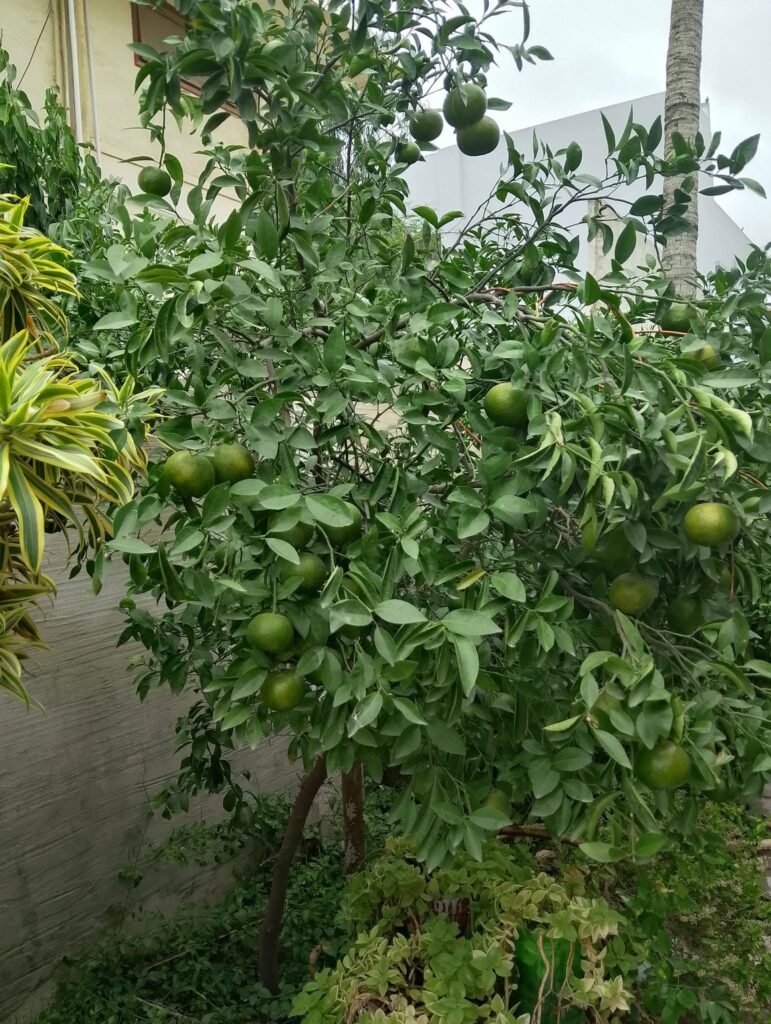
Limes belong to the genus Citrus, in the Rutaceae or rue family. According to the Encyclopaedia Britannica, lime trees are spiny, evergreen trees or shrubs that rarely grow taller than 5 meters (about 16 feet) when left unpruned. Their leaves are pale green and aromatic, and their small white flowers grow in fragrant clusters.
Here is something that surprised me. Limes are not a single, clean botanical group. Most commercial varieties are actually hybrids, bred from citron, mandarin, pomelo, and sometimes a wild ancestor called micrantha. That is why you will see so much variation in size, color, and acidity across the list below.
Limes are also nutritionally consistent across types. A 100-gram serving of raw lime provides roughly 35% of the Daily Value for vitamin C, according to USDA FoodData Central figures. That single fact explains why sailors in the 18th and 19th century British navy carried limes on long voyages to prevent scurvy, which is also where the nickname “limey” came from.
Now let’s get into the varieties.
1. Key Lime (Mexican Lime, West Indian Lime)
The Key lime is the classic. Botanically known as Citrus aurantiifolia, it is also called the Mexican lime, West Indian lime, or bartender’s lime.
Key limes are small, round, and intensely acidic, with a thin, aromatic rind. The University of California Riverside’s Citrus Variety Collection notes that the tree is moderately sized and bushy, almost shrub-like, with leaves that release a strong scent when crushed.
Unlike its bigger cousins, the Key lime is quite seedy. It turns pale yellow when fully ripe, though most are picked green for their stronger tartness. I find this variety unbeatable in a proper Key lime pie; nothing else gives that same sharp, floral punch.
2. Persian Lime (Tahiti Lime, Bearss Lime)
If you have bought a lime at a regular grocery store, it was almost certainly a Persian lime (Citrus latifolia). This is the world’s most widely produced commercial lime.
Persian limes are larger, oval, and nearly seedless, a hybrid between the Key lime and a lemon. They are noticeably less acidic than Key limes, which makes them easier for most people to enjoy raw or juiced.
The tree itself is more cold-tolerant than the Key lime, and it thrives in USDA hardiness zones 9 to 11. This is the variety home gardeners in the U.S. usually grow, since it is forgiving and productive.
3. Kaffir Lime (Makrut Lime)
The Kaffir lime, now more respectfully called the Makrut lime (Citrus hystrix), is grown mostly for its leaves, not its fruit.
Its skin is bumpy, warty, and intensely aromatic, and the juice inside is scarce and quite bitter. What people actually want are the glossy, double-lobed leaves, prized in Thai, Vietnamese, and Indonesian cooking.
I always warn friends who want to grow this one at home: the tree carries sharp thorns, so harvesting takes a careful hand. It is worth the scratches for the fragrance alone.
4. Australian Finger Lime (Caviar Lime)
This is the showstopper of the lime world. The Australian finger lime (Citrus australasica) is a native Australian citrus species that produces long, tubular fruit filled with tiny, juice-filled vesicles.
Those vesicles pop like caviar, which is exactly why chefs call it “citrus caviar.” Specialty markets have reportedly sold finger limes for more than $40 per pound, a price driven by their rarity and dramatic presentation on plates and in cocktails.
The tree stays fairly compact, needs sharp drainage, and rewards patience with a continuous harvest, since the fruit ripens gradually rather than all at once.
5. Rangpur Lime
Despite the name, the Rangpur lime (Citrus limonia) is not a true lime at all. It is a hybrid between a mandarin orange and a lemon, also called the mandarin lime or Kona lime.
The tree can grow up to 20 feet tall, and it is mostly propagated from seed rather than grafted cuttings, which explains why few named cultivars exist.
Its juice is tart with a distinctly citrusy-orange undertone. I think of it as a bridge fruit, somewhere between a lime and a mandarin, and it works beautifully in marmalades.
6. Blood Lime
The blood lime is a striking hybrid, crossing a red finger lime with a mandarin-rangpur type parent. Its rind and flesh carry a deep red-burgundy color, and the tree itself often shows attractive reddish-purple new growth.
This variety is prized more for looks than for high juice yield. A blood lime wedge on the rim of a cocktail glass makes a visual statement that a plain green lime simply cannot match.
Growing conditions mirror other lime hybrids: warmth, full sun, and well-drained soil.
7. Sweet Lime (Mosambi, Citrus limetta)
Here is a variety that surprises most first-time tasters. The sweet lime, or Mosambi, has almost none of the sharp acidity you expect from citrus.
Popular across South Asia, sweet lime juice is sold fresh at roadside stalls and is often recommended during illness because it is gentle on the stomach. The fruit looks like a lime but tastes closer to a mild, sugary orange.
One caution worth noting: the juice oxidizes and turns bitter within minutes of exposure to air, so it needs to be consumed fresh rather than stored.
8. Palestine Sweet Lime
Also called the Indian sweet lime (Citrus limettioides), this variety is closely related to the Mosambi but is grown widely as a rootstock for other citrus trees, thanks to its vigorous root system and disease tolerance.
The fruit is small, round, and turns a soft yellowish-green when ripe. Its low acidity means it rarely appears in cooking, but it remains an important tree in commercial citrus nurseries.
If you ever wondered why some citrus trees you buy have a visible graft line near the base, there is a decent chance a Palestine sweet lime rootstock is underneath.
9. Desert Lime
Native to the arid interior of Australia, the desert lime (Citrus glauca) is one of the hardiest true citrus species on this list. It tolerates drought and poor soil far better than most lime relatives.
The fruit is small, tart, and used in Australian bush-food cooking, most famously in marmalades and chutneys. The tree can survive light frost, which makes it unusually cold-tolerant for a citrus.
I find the desert lime a fascinating case study in adaptation. It is proof that citrus does not always need the tropics to thrive.
10. Limequat
A limequat is exactly what its name suggests: a cross between a lime and a kumquat. The result is a small, oval fruit with an edible rind and a tangy, lime-forward flavor.
According to horticultural references, limequats grow in the United States, Spain, Malaysia, Japan, and Israel, and the tree tolerates temperatures as low as 50°F (10°C), making it far hardier than a standard lime tree.
There are three recognized cultivars: Eustis, Lakeland, and Tavares. This makes limequats a smart pick for gardeners in cooler climates who still want a lime-flavored harvest.
11. Calamansi (Musk Lime)
The calamansi (Citrus microcarpa) is a beloved staple across Philippine and Southeast Asian cooking. It is small, tart, and slightly sweet, often used the way you might use a lemon wedge at breakfast.
The tree is compact and productive, frequently grown in containers, and it flowers and fruits almost continuously in warm climates. Its juice appears in everything from dipping sauces to refreshing drinks.
I appreciate calamansi because it bridges lemon and lime flavor in one small package, which makes it endlessly versatile in the kitchen.
12. Australian Round Lime
Documented in the University of California Riverside’s citrus germplasm collection as Microcitrus australis, the Australian round lime is a wild native species, closely related to the finger lime.
Its fruit is small and round rather than tubular, with a tart, tangy pulp. Like other Microcitrus species, it grows as a large shrub or small tree and has become useful in breeding programs aimed at developing new lime hybrids.
This is not a variety you will find at your local grocery store, but it matters botanically as part of the wider Australian native citrus lineage.
13. Kusaie Lime
The Kusaie lime is a rare, large-fruited lime believed to have originated on Kosrae Island (formerly Kusaie) in Micronesia. It is notable for producing fruit larger than a standard lime, with a mild, less acidic flavor profile.
Its exact hybrid origin remains debated among citrus researchers, and it is preserved mostly in germplasm collections rather than commercial groves.
I include it here because it is a good reminder that lime diversity extends well beyond what shows up in supermarkets.
14. New Guinea Wild Lime
This obscure species grows wild in Papua New Guinea and nearby regions. It produces small, thorny fruit and is primarily of interest to botanists and citrus breeders studying the wider genetic diversity of Citrus and its relatives.
While not cultivated for the table, wild limes like this one hold value as potential sources of disease resistance genes, which breeders sometimes introduce into commercial lime varieties.
It is not a tree for the backyard, but its existence rounds out the true scope of what “lime” can mean botanically.
15. Omani Lime (Black Lime, Loomi)
The final entry on this list is not a separate species but a processed variety worth knowing: the Omani dried lime, also called black lime or loomi.
These limes are sun-dried while still whole, a process that transforms the fruit into a smoky, earthy, tangy spice used throughout Persian, Iraqi, and Gulf cuisines. Cooks often crack or pierce the dried lime and simmer it in stews, or steep it for tea.
I find the flavor genuinely unlike anything fresh lime juice can offer. It carries a fermented depth that fresh citrus simply does not have.
Bonus Myth-Buster: The “Spanish Lime” Is Not a Lime at All
You may come across the term Spanish lime in tropical fruit markets. Despite the name, it belongs to the soapberry family, not citrus, and its botanical name is Melicoccus bijugatus. It looks and tastes nothing like a true lime, so it does not count among the 15 varieties above.
Quick Comparison Table
| Lime Variety | Botanical Name | Acidity | Best Use |
| Key Lime | Citrus aurantiifolia | Very high | Pies, cocktails |
| Persian Lime | Citrus latifolia | Moderate | Everyday juicing |
| Kaffir Lime | Citrus hystrix | Low (fruit) | Leaves for cooking |
| Finger Lime | Citrus australasica | Moderate | Garnish, cocktails |
| Rangpur Lime | Citrus limonia | High | Marmalade |
| Blood Lime | Hybrid | Moderate | Garnish, color |
| Sweet Lime | Citrus limetta | Very low | Fresh juice |
| Palestine Sweet Lime | Citrus limettioides | Very low | Rootstock |
| Desert Lime | Citrus glauca | High | Chutney, marmalade |
| Limequat | Hybrid | Moderate | Whole-fruit eating |
| Calamansi | Citrus microcarpa | Moderate | Sauces, drinks |
| Australian Round Lime | Microcitrus australis | High | Breeding, niche use |
| Kusaie Lime | Hybrid (rare) | Low-moderate | Collector groves |
| New Guinea Wild Lime | Wild species | High | Genetic research |
| Omani Lime | Dried Citrus aurantiifolia | Smoky-tart | Stews, tea |
How to Choose the Right Lime Tree for Your Garden
Picking a lime tree comes down to climate, space, and what you plan to cook. Here is how I would think through it.
If you live somewhere warm and just want reliable, juicy fruit, the Persian lime is the safest choice. It tolerates a bit more cold than the Key lime and produces nearly seedless fruit.
If you are short on space or live in a cooler zone, consider a limequat or a dwarf Key lime in a container. Both can be brought indoors before frost, based on guidance from the University of Maryland Extension on growing dwarf citrus.
If cooking Southeast Asian food is your real goal, plant a Kaffir lime for the leaves rather than the fruit. Just remember: this tree carries thorns, so give it a spot away from foot traffic.
Growing Basics That Apply to Almost Every Lime Tree
Most lime varieties share the same core needs. They want at least 6 to 8 hours of direct sunlight daily, and more is generally better for fruit development.
Soil should be well-drained, since lime roots are prone to rot in waterlogged conditions. A slightly acidic to neutral pH suits most citrus, including limes.
Potted lime trees need repotting every 2 to 3 years, or whenever roots begin circling the container base. Indoor trees often need hand pollination with a small brush, since they miss out on the insects that pollinate outdoor blooms.
Frequently Asked Questions
How many types of lime trees exist? There are dozens of recognized lime species, hybrids, and cultivars worldwide. This guide covers 15 of the most notable and widely referenced varieties, from commercial staples like Persian lime to rare wild species used mainly in research.
Which lime tree produces the sweetest fruit? The sweet lime (Mosambi, Citrus limetta) and the closely related Palestine sweet lime are the least acidic. Both taste mild and almost sugary compared to standard limes.
Can lime trees survive cold winters? Most true limes are cold-sensitive, but limequats and desert limes tolerate cooler temperatures far better than Key or Persian limes. Container growing lets any variety be moved indoors before frost.
Is Kaffir lime the same as Makrut lime? Yes. Makrut lime is simply the more accurate, currently preferred name for the same species, Citrus hystrix, previously known as Kaffir lime.
What is the healthiest part of a lime? The juice and pulp deliver most of the vitamin C, roughly 35% of the Daily Value per 100 grams according to USDA data. The zest carries aromatic oils but far less vitamin C by weight.
Final Thoughts
Writing this list reminded me how much variety hides inside a fruit most people barely think twice about. From the fiery Key lime to the gentle sweet lime, and from citrus caviar to a smoky dried spice, “lime” is really a whole spectrum of flavor and botany, not a single note.
Whichever variety you choose to grow or cook with, the right lime can genuinely transform a dish. I would know; that first slice of real Key lime pie changed how I look at citrus for good.
References
- University of California, Riverside – Givaudan Citrus Variety Collection, Selected Citrus Varieties in Alphabetical Order: https://citrusvariety.ucr.edu/citrus-varieties/alphabetical-order
- University of California, Riverside – Givaudan Citrus Variety Collection, Mexican Lime (Key Lime): https://citrusvariety.ucr.edu/crc1710
- University of Maryland Extension, Growing Dwarf Citrus: https://extension.umd.edu/resource/growing-dwarf-citrus
- University of Florida, UF/IFAS Statewide Citrus Research and Extension, Varieties: https://citrusresearch.ifas.ufl.edu/cultivars/varieties/
- USDA FoodData Central, Limes, raw (SR Legacy, 168155): https://fdc.nal.usda.gov/fdc-app.html#/food-details/168155/nutrients
- USDA Plant Hardiness Zone Map, U.S. Department of Agriculture, Agricultural Research Service: https://planthardiness.ars.usda.gov/
- Encyclopaedia Britannica, Lime: Description, Fruit, Types, Varieties, History, and Facts: https://www.britannica.com/plant/lime

Tim M Dave is a gardening expert with a passion for houseplants, particularly cacti and succulents. With a degree in plant biology from the University of California, Berkeley, he has vast experience in gardening. Over the years, he has cultivated a vast collection of desert plants and learned a great deal about how to grow and care for these unique companions.