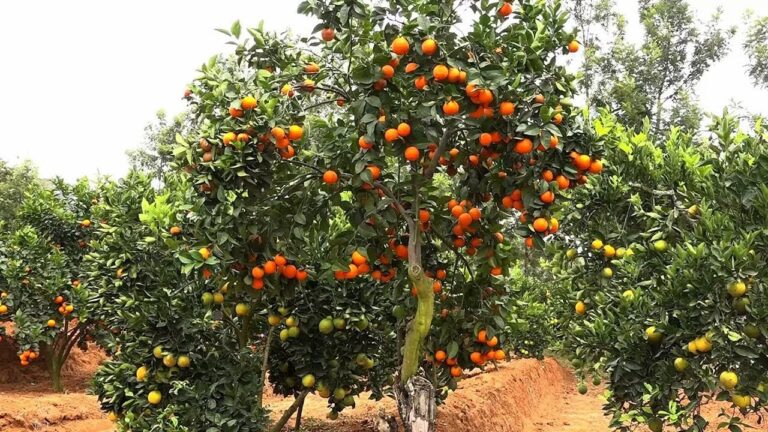
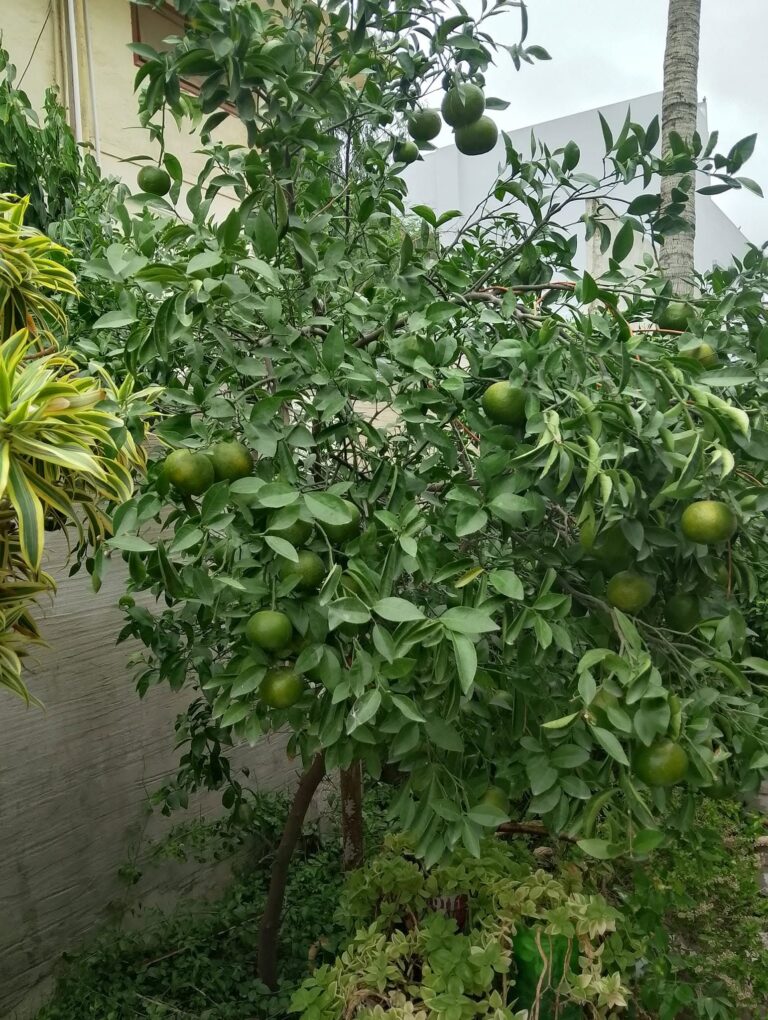
25 Types of Fig Trees (Identification, With Pictures)
I have spent years around fig trees, both the fruiting kind in the backyard and the leafy indoor kind that never seem to sit still. Every time I think I know figs, another variety surprises me. That is the charm of this genus.
The Ficus genus holds more than 850 species, according to the North Carolina State University Extension Gardener Plant Toolbox, and it stretches from small houseplants to trees old enough to be worshipped.
This guide breaks the confusion into two clear groups: fruiting fig varieties you can eat, and ornamental Ficus species you grow for their looks.
You will find 25 types here in total. Thirteen are edible cultivars of the common fig, Ficus carica. Twelve are other Ficus species grown as houseplants, landscape trees, or sacred specimens. Each entry includes plain, usable growing and care advice.
Quick Answer: What Are the Main Types of Fig Trees?
Fig trees fall into two broad categories that most people search for. The first is edible fig cultivars, all varieties of Ficus carica, grown for their sweet fruit. The second is ornamental Ficus species, grown for foliage, shade, or symbolic value, such as the rubber plant or the sacred fig.
Within edible figs, growers also classify by pollination type: Common, Smyrna, San Pedro, and Caprifig, as explained by UC Master Gardeners of San Luis Obispo County. Most home gardeners only need Common types, since they set fruit without a pollinating wasp.
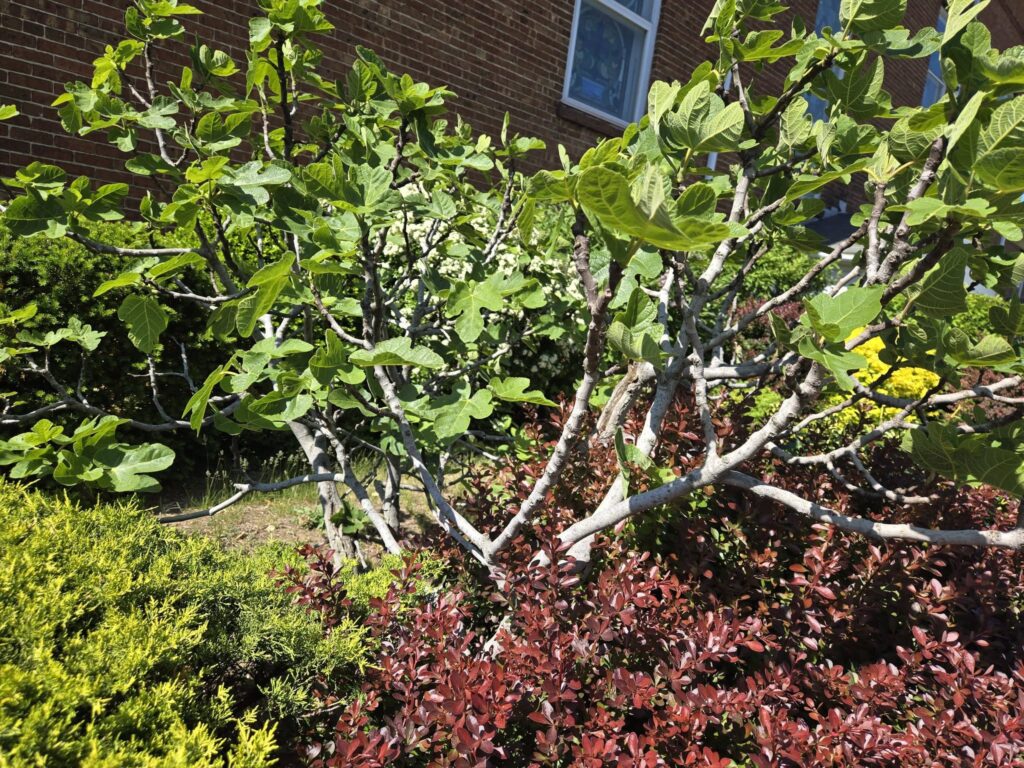
A Short Word on Fig Botany
Figs are not really a single fruit. What you eat is a syconium, a fleshy pouch lined with hundreds of tiny flowers on the inside. This is why cutting a fig open reveals a burst of tiny seed-like structures rather than a pit or a core.
Most fig species also carry a milky sap that can irritate skin in sunlight, a reaction called phytophotodermatitis. I always wear gloves when pruning, and I would suggest the same to you.
Another quirk worth knowing: many wild Ficus species rely on a single, specific fig wasp for pollination, a relationship scientists call obligate mutualism. Each wasp species has co-evolved with one fig species over millions of years, which explains why some ornamental figs almost never fruit indoors.
How to Choose the Right Fig Tree for You
Before picking a variety, think about your goal. Someone wanting a snack from the backyard needs a very different tree than someone decorating a living room corner.
If you want fruit: choose a Common-type cultivar such as Brown Turkey, Celeste, or Black Mission, since none of these require pollination to set a crop.
If you want a houseplant: Ficus elastica is the most forgiving choice, while Ficus lyrata rewards more attentive care with a striking visual payoff.
If you garden in a cold climate: Chicago Hardy is worth the first try, since it regrows reliably even after dying back to the ground in winter.
If you want something symbolic or unusual: the sacred fig or a mistletoe fig bonsai brings a different kind of reward, tied more to patience and meaning than to yield.
Part 1: Edible Fig Tree Varieties (Ficus carica)
These are the fig trees people plant for their fruit. All of them belong to one species, yet the differences in flavor, color, and hardiness are remarkable.
1. Brown Turkey Fig
Brown Turkey is the most widely grown fig in home gardens, according to growers across the American South. It produces violet-brown fruit with reddish-amber flesh, often twice a year.
This variety tolerates poor soil and light frost better than most. Plant it in full sun, water deeply every one to two weeks in summer, and expect fruit within two to three years.
I like Brown Turkey for beginners. It forgives mistakes and still rewards you with a decent crop.
2. Celeste Fig
Known as the sugar fig, Celeste is prized for its intensely sweet, closed-eye fruit that resists insects and spoilage. The North Carolina State Extension notes it stays cold-hardy down to zone 6b with winter protection.
Celeste grows compact, usually six to ten feet tall, which makes it ideal for smaller yards or containers. Prune lightly in late winter and mulch the root zone before frost.
3. Black Mission Fig
Black Mission produces purplish-black skin over sweet, deep-red flesh. It can reach 30 feet tall and wide, and it adapts to hardiness zones 7 through 10.
This fig thrives in Mediterranean-style climates with dry summers and mild winters. Give it full sun and well-drained soil, and hold back on fertilizer, since excess nitrogen delays ripening.
4. Kadota Fig
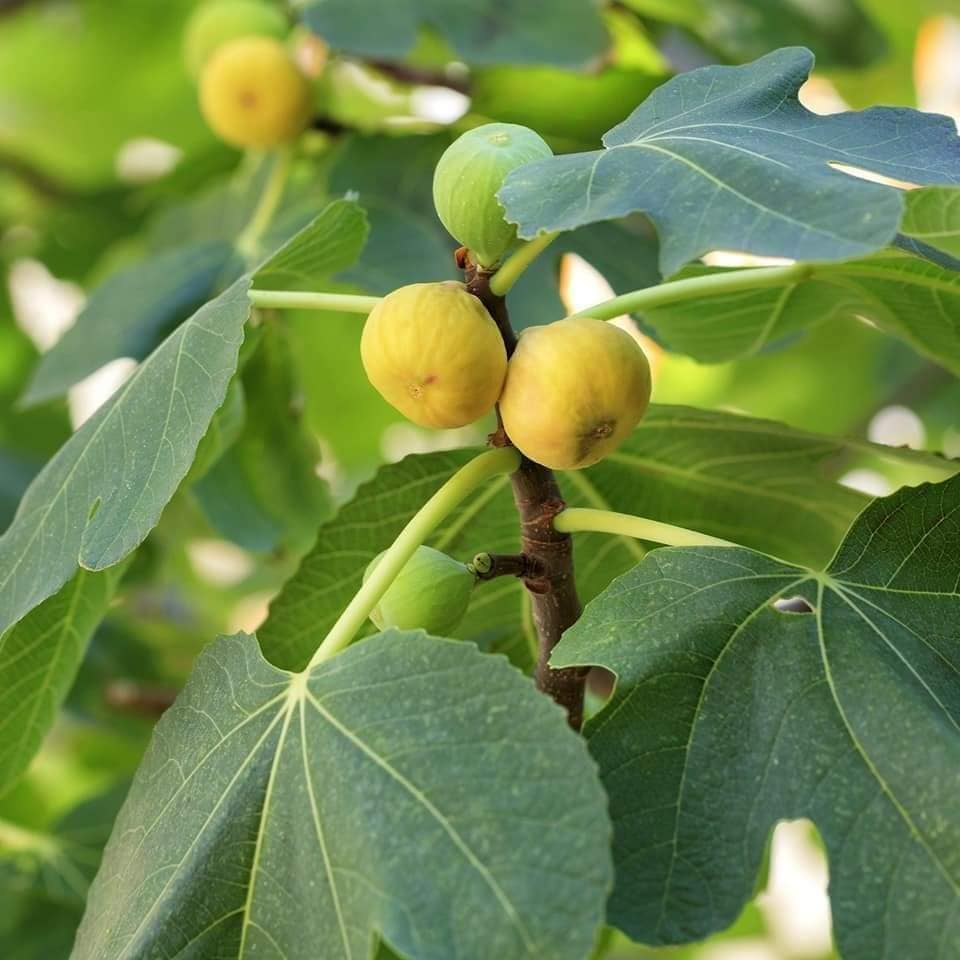
Kadota is a green-skinned fig with amber flesh and few seeds, prized for canning and drying. It originated as the Italian Dottato before growers renamed it in California.
Grow Kadota in full sun with consistent moisture during fruit development. It is more tolerant of humid climates than many Mediterranean cultivars, which makes it a solid pick for the Southeast.
5. Calimyrna Fig
Calimyrna is the American name for the Turkish Lob Injir, a Smyrna-type fig that needs pollination by the fig wasp to set fruit properly. This makes it tricky outside commercial orchards.
Home gardeners without access to caprifigs and fig wasps usually skip Calimyrna. If you live near a commercial fig region, it is worth trying for its nutty, honeyed flavor.
6. Adriatic Fig
Adriatic figs have thin, light green skin and strawberry-pink flesh. This variety is a Common type, so it needs no pollination and fruits reliably in home gardens.
It handles heat well and produces a heavy crop in late summer. Give it room to spread, since mature trees can reach 15 to 20 feet wide.
7. Chicago Hardy Fig
Also called Hardy Chicago, this cultivar survives temperatures well below what most figs tolerate. The Morton Arboretum lists it as hardy to zone 5, dying back to the ground in cold winters but returning from the roots each spring.
This resilience makes Chicago Hardy the top choice for gardeners in the Midwest and Northeast. Mulch heavily in fall, and expect fruit on new growth even after a hard freeze.
8. LSU Purple Fig
Developed at Louisiana State University, LSU Purple is a medium fig with strawberry-red pulp and one of the highest sugar contents among common cultivars. Trees typically stay around ten feet tall.
LSU Purple often begins fruiting in its second year, faster than many other varieties. It performs especially well across the humid Gulf Coast.
9. LSU Gold Fig
LSU Gold offers large, golden-skinned fruit with amber, strawberry-like flesh. It grows more vigorously than LSU Purple, so plan on regular pruning to control its size.
This cultivar resists splitting better than many soft-skinned varieties. That trait alone makes it a favorite where late-summer rain is common.
10. Violette de Bordeaux Fig
This French heirloom produces small, deep purple to almost black figs with rich, jammy flesh. It is compact enough for containers, rarely exceeding eight to ten feet.
Violette de Bordeaux needs a warm, sheltered spot, since it is less cold-tolerant than Celeste or Chicago Hardy. A dwarf version called Little Miss Figgy is bred specifically for pots.
11. White Genoa Fig
White Genoa, sometimes called Genoa, bears yellow-green skin over pink to amber flesh. It ripens twice a season under the right conditions, once on old wood and again on new growth.
This variety tolerates a wide range of soils. Keep it in full sun and avoid heavy clay that stays wet through winter.
12. Texas Everbearing Fig
Texas Everbearing is closely related to Brown Turkey, though growers debate whether the two are identical. It has amber flesh, three-lobed leaves, and a more upright growth habit.
This fig is a strong performer in hot, humid climates like the Gulf Coast. It fruits reliably on both old and new wood, extending the harvest window.
13. Green Ischia Fig
Also called Japanese Green or Verte, Green Ischia keeps its green skin even when fully ripe, which helps camouflage the fruit from hungry birds. The flesh inside is a vivid strawberry red.
This variety suits home orchards in Florida and along the Gulf Coast. It is medium-sized, sweet, and reliably productive once established.
Part 2: Ornamental and Landscape Ficus Species
These Ficus relatives are not typically grown for fruit. Instead, gardeners value them for foliage, shade, bonsai potential, or cultural significance.
14. Weeping Fig (Ficus benjamina)
The weeping fig is one of the most recognizable houseplants in the world, with glossy leaves and gracefully arching branches. The Missouri Botanical Garden notes it can grow to 50 feet tall in its native tropical range, though indoor specimens usually stay under 10 feet.
Bright indirect light is essential. Water when the topsoil dries, and avoid moving the pot too often, since sudden changes trigger leaf drop.
15. Fiddle-Leaf Fig (Ficus lyrata)
Famous for its large, violin-shaped leaves, the fiddle-leaf fig has become a design favorite over the past decade. It is native to West African rainforests and can reach 60 feet outdoors.
This species is sensitive to overwatering and inconsistent light. I recommend a bright spot near an east-facing window and a strict habit of letting soil dry between waterings.
16. Rubber Plant (Ficus elastica)
Rubber plants have thick, glossy leaves and a reputation for being nearly indestructible. Cultivars like Burgundy, Tineke, and Ruby offer different leaf colors, from deep maroon to variegated cream and green.
According to Missouri Botanical Garden guidance, this species prefers bright indirect light and a soil-based potting mix that dries slightly between waterings. It is often the best first Ficus for beginners.
17. Banyan Tree / Ficus Audrey (Ficus benghalensis)
Ficus benghalensis is the national tree of India and produces some of the largest tree canopies on Earth, spreading through aerial roots that become new trunks. As a houseplant it is sold under the name Ficus Audrey.
Indoors, it stays around 10 feet with fuzzy, oblong leaves. Give it bright light with some morning sun, and water once the top two to three inches of soil feel dry.
18. Sacred Fig / Bodhi Tree (Ficus religiosa)
This is the tree under which the Buddha is said to have reached enlightenment. Ficus religiosa is revered in Hinduism, Buddhism, Jainism, and Sikhism, and some specimens are documented at over 2,000 years old.
It grows best in USDA zones 10 through 12, in full sun with well-drained soil. It also adapts well to bonsai training, which is how many collectors keep it indoors in cooler climates.
19. Chinese Banyan (Ficus microcarpa)
Ficus microcarpa is used both as a large outdoor shade tree and, in cultivars like Ginseng and Golden Gate, as a compact bonsai. The North Carolina State Extension Gardener Plant Toolbox lists it as tolerant of high humidity and warm, indoor conditions.
Keep it above 68°F year-round if grown indoors. It grows fast for a bonsai species, which makes it forgiving for first-time bonsai growers.
20. Climbing Fig / Creeping Fig (Ficus pumila)
Unlike most Ficus, this species grows as a vine, clinging to walls, fences, and trellises with small, ivy-like leaves. Vines can stretch up to 15 feet when given a surface to climb.
It grows well in hanging baskets or as topiary if trained young. Keep in mind that it can damage painted or wooden surfaces, so give it a stone wall or trellis instead.
21. Mistletoe Fig (Ficus deltoidea)
Also called the delta fig, this species has rounded, waxy leaves that are green on top and golden underneath. The North Carolina State Extension describes it as an evergreen shrub reaching about 23 feet in its native Southeast Asian habitat, though container specimens stay far smaller.
Mistletoe fig prefers medium to high light and drier soil than most Ficus relatives. Let the soil dry more between waterings than you would for a rubber plant or fiddle-leaf fig.
22. Sycamore Fig (Ficus sycomorus)
Native to Africa and the Middle East, the sycamore fig has ancient significance, referenced in both biblical texts and Egyptian burial customs. It produces edible fruit, though it is grown mostly for shade and history rather than commercial harvest.
This species tolerates sandy soils and nematode-prone ground better than the common fig. It needs a warm, frost-free climate to thrive outdoors.
23. Banana-Leaf Fig (Ficus maclellandii ‘Alii’)
Also called the saber-leaf fig, this cultivar has long, narrow leaves that resemble a willow more than a typical fig. It behaves like Ficus benjamina but drops leaves far less often.
This makes it a better choice for offices or homes with inconsistent light. Rotate the pot occasionally so growth stays even on all sides.
24. Florida Strangler Fig (Ficus aurea)
This native North American species often begins life as an epiphyte on another tree, eventually enveloping its host in true strangler-fig fashion. It is common throughout central and southern Florida hammocks.
Ficus aurea supports a wide range of wildlife, from birds to insects, thanks to its fruit and dense canopy. It is best suited to naturalistic landscapes rather than small home gardens, given its eventual size.
25. Moreton Bay Fig (Ficus macrophylla)
Native to eastern Australia, the Moreton Bay fig is known for massive buttress roots and a canopy that can shade an entire park. Santa Barbara, California, is home to one of the most photographed specimens in the United States.
This tree needs significant space and a frost-free climate. It is not a houseplant candidate; it is a long-term landscape investment for large properties or public spaces.
General Care Guide for Fig Trees
Regardless of which type you choose, a few care principles apply across nearly the whole genus.
Light: Edible figs need full sun, at least six hours daily, to ripen fruit properly. Ornamental Ficus species generally want bright, indirect light indoors.
Water: Established outdoor figs are drought-tolerant but benefit from deep watering every one to two weeks in summer. Indoor Ficus species prefer soil that dries slightly between waterings, since soggy roots invite rot.
Soil: Most figs tolerate a wide pH range, though UC Master Gardeners note that sandy soils benefit from occasional fertilizing, while rich soils rarely need it. Good drainage matters more than exact soil type.
Pruning: Prune edible figs in late winter while dormant, removing root suckers and shaping the canopy. Ornamental species tolerate pruning year-round, which helps control size indoors.
Pests: Watch for scale, mealybugs, spider mites, and root-knot nematodes across nearly every Ficus type. Clemson HGIC recommends routine inspection rather than preventive spraying for home gardeners.
Climate: Common fig cultivars survive in USDA zones 6 through 11, depending on variety, while many ornamental Ficus species need zones 9 through 12 outdoors or container culture elsewhere.
Global Fig Production: A Few Numbers Worth Knowing
Turkey has long stood as the world’s leading fig producer, according to data compiled through the Food and Agriculture Organization’s FAOSTAT database. Egypt, Algeria, Morocco, and Iran typically round out the top producing nations.
This concentration exists because figs thrive in hot, dry Mediterranean-style summers paired with mild, wet winters, the same conditions many home gardeners try to recreate for Black Mission or Adriatic varieties.
Frequently Asked Questions
How many types of fig trees exist? The Ficus genus contains over 850 species, but only Ficus carica is widely grown for edible fruit, with hundreds of named cultivars.
Which fig tree is easiest to grow at home? Brown Turkey and Celeste are usually recommended first, since both fruit without pollination and tolerate a range of soil and climate conditions.
Can fig trees survive cold winters? Chicago Hardy and Celeste tolerate cold better than most cultivars, often dying back and regrowing from the roots after a hard freeze.
Are ornamental Ficus trees the same species as edible figs? No. Ornamental types like Ficus benjamina, Ficus lyrata, and Ficus elastica are different species within the same genus, grown for foliage rather than fruit.
Do fig trees need another tree nearby to produce fruit? Most home garden varieties are Common types and self-fertile. Only Smyrna types like Calimyrna require pollination from a fig wasp.
How long does it take for a fig tree to produce fruit? Most cuttings or young nursery trees start bearing within two to three years, though fast varieties like LSU Purple sometimes fruit in their second year.
Is fig tree sap dangerous to touch? The milky sap found in nearly every Ficus species can cause a sunburn-like skin reaction called phytophotodermatitis when exposed to sunlight, so gloves are a smart precaution during pruning.
Final Thoughts
Twenty-five types barely scratch the surface of what the fig genus offers, yet they cover what most gardeners and plant lovers actually search for. Whether you want a sweet Celeste fig by the patio or a fiddle-leaf fig in the living room, there is a fig tree suited to nearly every space and climate.
I would start small. Pick one variety, learn its rhythm through a full growing season, then expand from there. Figs tend to reward patience more than any other fruit tree I have grown.
References
- North Carolina State University Extension Gardener Plant Toolbox — Ficus Genus Overview. https://plants.ces.ncsu.edu/plants/ficus/
- University of Florida IFAS Extension (EDIS) — The Fig (Publication MG214). https://ask.ifas.ufl.edu/publication/MG214
- Clemson Cooperative Extension, Home & Garden Information Center — Figs: How to Grow and Care for Figs in South Carolina. https://hgic.clemson.edu/factsheet/figs-how-to-grow-and-care-for-figs-in-south-carolina/
- University of California Agriculture and Natural Resources, UC Master Gardeners of San Luis Obispo County — Figs. https://ucanr.edu/site/uc-master-gardeners-san-luis-obispo-county/figs
- Missouri Botanical Garden, Plant Finder — Ficus benjamina. https://www.missouribotanicalgarden.org/PlantFinder/PlantFinderDetails.aspx?taxonid=282745
- The Morton Arboretum — Common Fig (Ficus carica). https://mortonarb.org/plant-and-protect/trees-and-plants/common-fig/
- Food and Agriculture Organization of the United Nations — FAOSTAT. https://www.fao.org/faostat/

Tim M Dave is a gardening expert with a passion for houseplants, particularly cacti and succulents. With a degree in plant biology from the University of California, Berkeley, he has vast experience in gardening. Over the years, he has cultivated a vast collection of desert plants and learned a great deal about how to grow and care for these unique companions.