25 Types of Guava (Identification, With Pictures)
I have grown, tasted, and killed my fair share of guava trees. That last part stings to admit, but it taught me more than any gardening book. Guava looks forgiving. It is not always forgiving. Pick the wrong cultivar for your climate, and you will wait years for fruit that never comes.
This guide fixes that problem. Below are 25 distinct guava types, grouped by species and cultivar, each with its USDA growing zone, real plant characteristics, and care advice drawn from research and my own trial and error.
Why Guava Deserves Your Attention
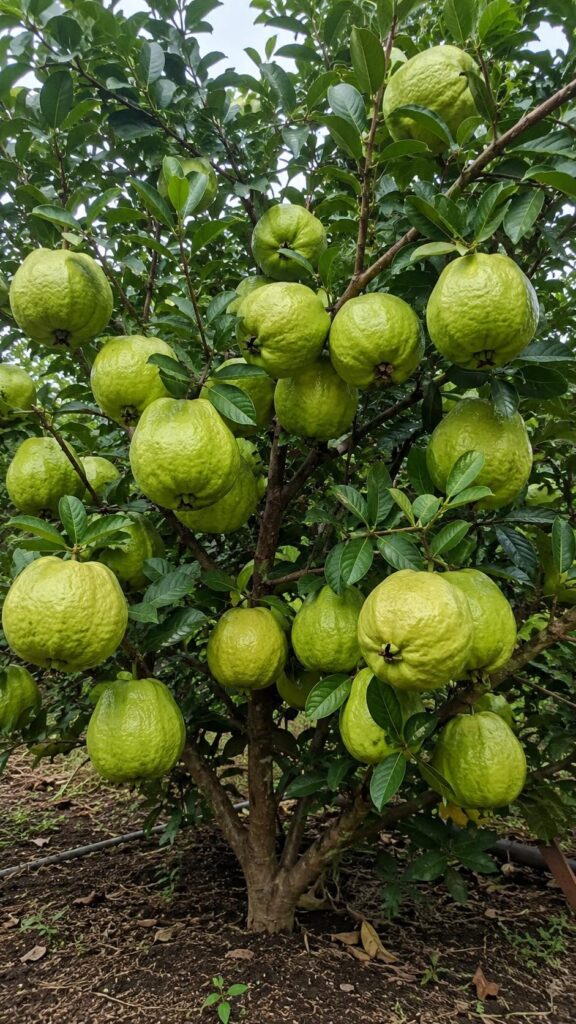
Guava is not a niche fruit. World production of guava, combined with mango and mangosteen in FAO reporting, reached roughly 62 million tonnes in 2024, and India alone supplied close to 45 percent of that total. That is a staggering share for one country.
The fruit also earns its reputation nutritionally. A 100-gram serving of raw guava delivers about 228 milligrams of vitamin C, according to USDA FoodData Central. That is more than four times the vitamin C found in the same weight of orange.
Botanists have catalogued more than 400 named guava cultivars worldwide, though only a few dozen are grown commercially at any scale, per horticultural research published through the International Society for Horticultural Science.
Guava is mostly self-pollinating, but cross-pollination happens often enough in mixed orchards that seedling populations show enormous variety. That natural variability is exactly why so many cultivars exist in the first place.
This article narrows that overwhelming list into the 25 varieties home growers and orchardists actually encounter. A quick note on classification. Most “guavas” belong to the species Psidium guajava, the common or apple guava.
A handful of entries here belong to related species, such as strawberry guava (Psidium cattleianum) and pineapple guava (Acca sellowiana). I have flagged the species each time, since it changes the cold tolerance and care routine significantly.
One more general fact worth keeping in mind as you read: guava trees grown from seed typically take two to four years to bear their first fruit, and a healthy tree can keep producing for 30 to 40 years. That long horizon is part of why cultivar choice matters so much.
1. Common Guava (Psidium guajava)
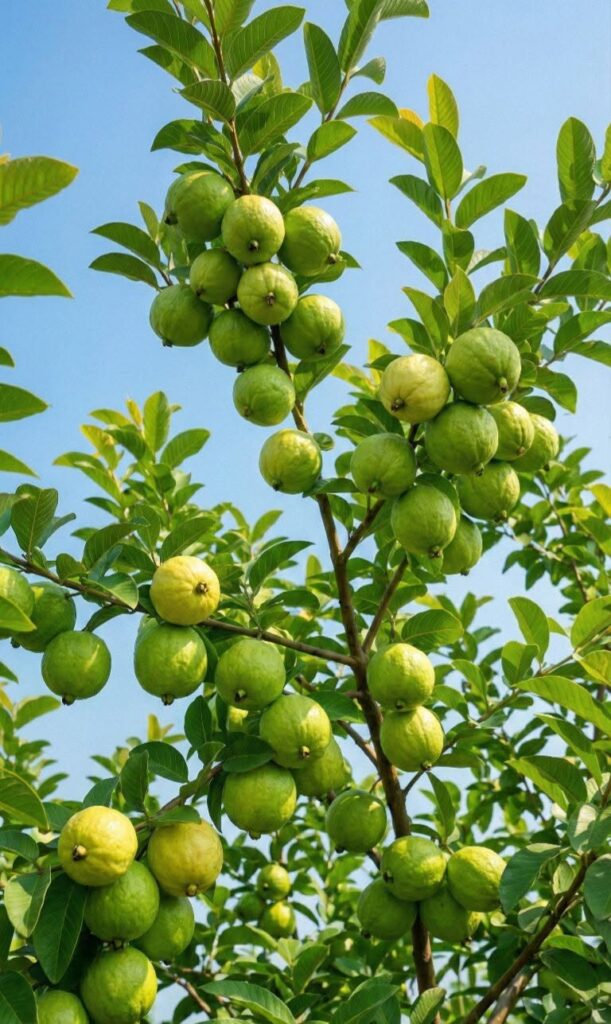
This is the tree most people picture when they hear “guava.” It is the parent species behind dozens of cultivars on this list, and it originated across Mexico, Central America, the Caribbean, and northern South America before spreading worldwide during the age of exploration.
Growing zone: USDA 9b to 11. Young plants suffer damage below 30°F, and prolonged exposure near 25°F can kill even mature specimens.
Plant characteristics: Reaches up to 20 feet tall, with mottled greenish bark that peels in thin flakes to reveal a smooth, almost bony trunk underneath. Leaves are oblong, leathery, and slightly fuzzy on the underside. Fruit shape varies from round to pear-like, and flowers are white with a light, sweet fragrance.
Growth habit: The species is evergreen and shallow-rooted, which means it establishes quickly but also means staking helps young trees resist wind damage. Seeds remain viable for months and sometimes up to a year, though germination itself usually takes two to three weeks.
Care tips: Give it full sun and well-drained soil. It tolerates drought once established but fruits better with consistent watering, since moisture stress delays bloom and causes premature fruit drop. I mulch mine heavily every spring, and it noticeably improves fruit size. Fertilize monthly during active growth, since this species is a genuinely heavy feeder.
2. Apple Guava
Apple guava is really a common name applied to standard Psidium guajava selections bred for a rounder, apple-like shape and thicker flesh. It became popular first in tropical America before spreading to Asia and Florida, largely because it ripens evenly and holds up well after picking.
Growing zone: 9b to 11, same as the common guava.
Plant characteristics: Medium-sized tree, 12 to 15 feet at maturity in most gardens, with a rounder canopy than the leggier wild forms of common guava. Fruit is firm, crisp when slightly underripe, and sweetens considerably with full ripeness. Flesh is typically white to pale pink.
Why growers like it: Because it ripens evenly across the whole fruit rather than in patches, commercial growers favor it for fresh markets, and home growers appreciate the same trait for a more predictable harvest window.
Care tips: Prune lightly after each fruiting cycle to encourage new growth, since fruit sets almost exclusively on new wood. Feed monthly during the growing season with a balanced fertilizer, and watch for anthracnose on the leaves during humid stretches, treating with a copper-based fungicide if spotting appears.
3. Lemon Guava
Lemon guava is generally considered a selected strain of strawberry guava, carrying a bright citrus note layered over the classic guava aroma. It is often confused with a true yellow-fleshed Psidium guajava, but genetically it sits closer to the cattley guava family.
Growing zone: 9 to 11. Slightly more cold-tolerant than common guava, since it shares lineage with the hardier strawberry guava.
Plant characteristics: Smaller tree than most types on this list, often staying under 10 feet, with a more compact, shrubby growth habit. Fruit is yellow-skinned with pale, tangy flesh, and the aroma alone is enough to identify it from across a garden.
Care tips: Works well in containers because of its compact size, which also makes it forgiving for growers with limited yard space. Bring potted specimens indoors before the first frost warning in borderline zones, and keep soil evenly moist rather than letting it dry completely between waterings, since this variety is thinner-skinned and more prone to fruit cracking under drought stress followed by heavy rain.
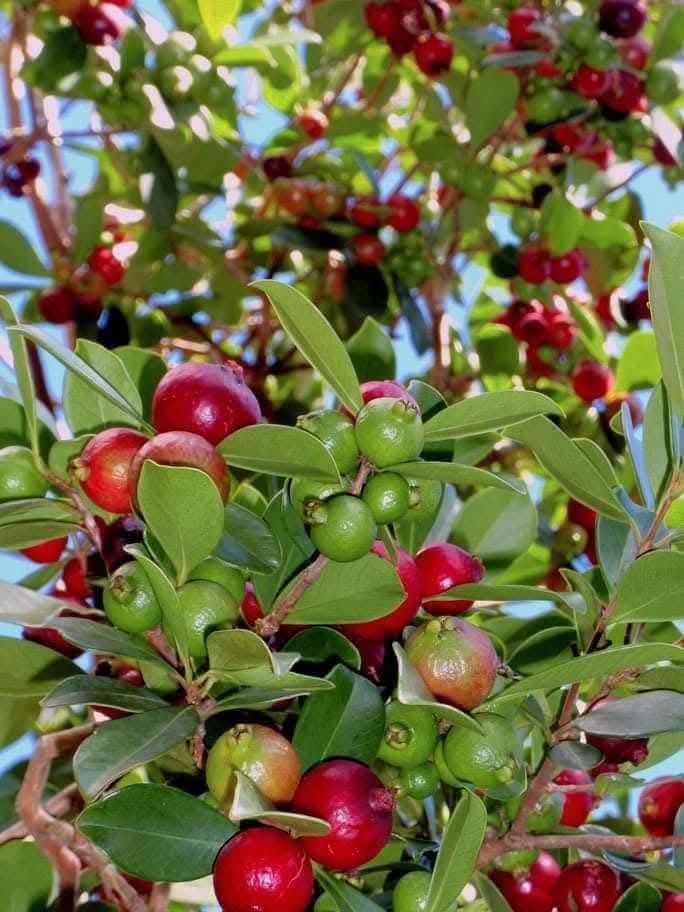
4. Strawberry Guava (Cherry Guava)
Also called cattley guava, this species originated along coastal Brazil and later spread widely to Hawaii and other subtropical regions. It handles cooler nights better than most true guavas, which makes it a favorite along the Gulf Coast and in parts of coastal California.
Growing zone: 9 to 10, tolerating brief dips to around 25°F once mature, making it noticeably more frost-resistant than common guava.
Plant characteristics: Small, dense shrub or tree, 10 to 15 feet tall, often used as an informal hedge or screen because it takes heavy pruning well. Fruit is deep red or purple, cherry-sized, with a tart-sweet flavor reminiscent of strawberries. A separate yellow-skinned form exists as well, sometimes marketed under the lemon guava name.
Care tips: This variety accepts partial shade better than common guava, though fruiting still improves with more sun. Because fruit fly pressure builds quickly once fruit ripens and drops to the ground, harvest daily during peak season, and consider netting the canopy if fruit flies are a known problem in your area.
5. Pineapple Guava (Feijoa)
Pineapple guava belongs to a different genus entirely, Acca sellowiana, but shares the guava family name and a similar tropical fragrance. It is native to the highlands of southern Brazil, Uruguay, and eastern Paraguay, where cooler nights combined with intense sunshine shape its unusual hardiness.
Growing zone: 8 to 11. This is the most cold-hardy entry on this list, tolerating brief drops into the low teens once established, according to Missouri Botanical Garden records.
Plant characteristics: Silvery-green leaves with white, felted undersides, and edible pink-and-red flowers with a faint sweetness some describe as tasting like marshmallow. Fruit is oval, blue-green, waxy-skinned, and roughly 1 to 3 inches long, with a pineapple-mint flavor and a texture some compare to kiwi.
Care tips: Let ripe fruit fall naturally rather than picking it early; flavor develops fully only after it drops, and tree-ripened fruit tastes noticeably better than fruit ripened indoors on a windowsill. Lay a tarp under the canopy at ripening time and shake the branches every couple of days to collect the harvest. It also makes an excellent clipped hedge or single-trunk specimen tree, and tolerates both full sun and partial shade.
6. Allahabad Safeda
This is India’s most widely cultivated guava cultivar and a benchmark for white-fleshed table fruit. It was developed in India and became famous for its smooth skin, soft flesh, and uniform shape, which is exactly why it dominates export markets today.
Growing zone: 9b to 11, thriving best in warm subtropical conditions similar to northern India, where the cultivar originated.
Plant characteristics: Medium-vigor tree with smooth, thin skin and soft white flesh. Fruit is nearly round, mildly sweet, and stores reasonably well after harvest compared with softer cultivars, which is part of why it travels well to distant markets.
Care tips: Responds strongly to regular pruning, which keeps the canopy open and reduces fungal leaf spot in humid growing regions. Space trees generously since branches spread wide with age, and apply a balanced fertilizer several times through the growing season to sustain consistent fruit set.
7. Lucknow-49 (Sardar)
Bred as an improvement on older Indian selections, Lucknow-49, also sold as Sardar, combines heavy yield with dependable fruit quality, and it remains one of the most economically important guava cultivars grown for pulp processing.
Growing zone: 9b to 11.
Plant characteristics: Pear-shaped fruit averaging 1.4 to 1.9 pounds, with a rich aroma and a sweet-tart flavor. A single mature tree can yield over 300 pounds of fruit annually under good conditions, which explains its popularity with commercial pulp producers.
Nutritional note: Fruit from this cultivar has been measured at roughly 130 milligrams of vitamin C per 100 grams of pulp, and it carries a long history of traditional use as a mild diuretic and digestive tonic.
Care tips: Because yields are so heavy, thin excess fruit clusters in the first two years to prevent branches from snapping under the load. Stake young trees in windy conditions, and prune annually after the main harvest to open the canopy for the next flowering cycle.
8. Lalit
Developed by India’s Council of Agricultural Research, Lalit was bred specifically for high, dependable yield and now ranks among the country’s most recommended high-yield cultivars for both fresh eating and processing.
Growing zone: 9b to 11.
Plant characteristics: Trees can reach anywhere from 5 to 30 feet depending on pruning regime and soil conditions. Fruit shows saffron-yellow skin with a red blush, typically weighing around 0.4 pounds, with pink flesh that balances acidity and sweetness well. Like other Indian cultivars, it can produce fruit across multiple flushes through the year rather than a single tight season.
Reported yields: Under favorable conditions, a single tree can produce 220 pounds of fruit per year, a figure that has made it attractive for growers who want reliable annual output rather than novelty flavor.
Care tips: Fertilize with a phosphorus-rich blend before flowering; this cultivar responds well to nutrient timing tied to its bloom cycle. Because the pink flesh bruises more easily than white-fleshed types, handle harvested fruit gently and refrigerate promptly if it will not be eaten within a few days.
9. Arka Mridula
A dwarf cultivar bred for compact home gardens and dense plantings, Arka Mridula was developed as part of India’s broader guava breeding program aimed at improving yield without demanding large orchard space.
Growing zone: 9b to 11.
Plant characteristics: Small, dense foliage forms a compact, spherical crown, making this one of the more ornamental guava cultivars even before fruiting begins. Fruit is medium-sized with soft, sweet flesh well suited to fresh eating rather than processing.
Care tips: Because it stays compact, this cultivar performs well in raised beds or large containers, and several trees can be planted closer together than standard-sized types. Keep soil consistently moist but never waterlogged, and feed with a diluted liquid fertilizer every few weeks if grown in a container, since potted soil depletes nutrients faster than garden beds.
10. Chittidar
Named for the reddish dots that speckle its skin, Chittidar is a dwarf variety popular in Uttar Pradesh, where its low, spreading form fits easily into smaller family plots.
Growing zone: 9b to 11.
Plant characteristics: Spreading branches on a low, rounded crown give this cultivar a distinctly different silhouette from the taller Indian types. Fruit is round with white flesh and the signature red-dotted skin that makes it easy to identify even from a distance.
Care tips: Its low, spreading habit makes hand-harvesting easy without a ladder, but also means fruit sits close to the ground. Mulch well to keep fallen fruit clean and reduce contact with soil-borne pathogens, and prune the lowest branches occasionally to improve air circulation underneath the canopy.
11. Banarsi
Grown mainly across Andhra Pradesh and Tamil Nadu, Banarsi is valued for reliable regional performance rather than headline-grabbing size or color, which is exactly why local growers keep returning to it season after season.
Growing zone: 9b to 11.
Plant characteristics: Small tree with a broad crown and medium green foliage. Fruit is round and light yellow, mild in flavor, and complements the tree’s foliage nicely as an ornamental as well as a fruiting specimen.
Care tips: Light, frequent watering during dry spells keeps fruit from cracking, a common issue with this thin-skinned cultivar. Avoid heavy irrigation right before harvest, since a sudden moisture spike after a dry stretch is the most common trigger for split fruit.
12. Red Malaysian Guava
I grow this one purely for looks, and I am not ashamed of that. The foliage alone justifies a spot in the garden, and it was developed specifically as a dual-purpose ornamental and fruiting tree rather than purely for yield.
Growing zone: 9b to 11.
Plant characteristics: Deep red-purple new growth and soft pink flowers give this cultivar strong ornamental value year-round, not just at fruiting time. Flesh inside the fruit is pink and mildly sweet, milder than many of the more acidic Asian cultivars on this list.
Care tips: Full sun intensifies the red leaf coloring, so avoid planting it in shade if the foliage color is your main reason for growing it. Prune to maintain an attractive shape, since it is often planted as a landscape specimen as much as a fruit tree, and light, regular feeding keeps the colored foliage vibrant through the growing season.
13. Mexican Cream Guava
Prized in its homeland for a smooth, almost custard-like texture, this cultivar is native to Mexico and has quietly built a following among home growers in the American Southwest who want something creamier than the typical gritty guava texture.
Growing zone: 9b to 11.
Plant characteristics: Medium yellow fruit with pale, creamy flesh and a mild, less acidic flavor than many Asian cultivars. The texture is noticeably smoother, with fewer of the hard seed clusters found in some other varieties.
Care tips: This variety tolerates slightly heavier soils better than most guavas, though it still benefits from improved drainage if your soil holds water after rain. Amend planting sites with compost or coarse sand where clay content is high, and water deeply but infrequently to encourage a strong root system.
14. Ruby Supreme
A popular Hawaiian selection later refined in Florida breeding programs, Ruby Supreme balances productivity with genuinely good eating quality, and it remains a common choice in American specialty nurseries.
Growing zone: 9b to 11.
Plant characteristics: Large fruit with a bright pink center and pale yellow skin at ripeness, carrying an aromatic, tropical flavor that many growers rank among the best-tasting on this list. Leaves are broad and matte, and are sometimes dried at home for a mild herbal tea.
Care tips: Feed with a fruit-tree fertilizer every six to eight weeks through the growing season to sustain its heavier fruit load, and thin fruit clusters if branches appear to sag, since overloaded limbs can snap in wind. Watch for whitefly and scale, which tend to favor the undersides of the broad leaves.
15. Homestead
Bred in Florida as a cross between Ruby and Supreme, Homestead is one of the most recommended cultivars for southern U.S. gardens and appears frequently in University of Florida extension variety trials.
Growing zone: 9b to 11, well suited to south Florida’s climate specifically, where it was originally developed.
Plant characteristics: Semi-vigorous, spreading tree producing large, white-fleshed fruit with a balanced, mildly sweet flavor. Growth habit is somewhat open compared with denser Indian cultivars, which helps with air circulation in Florida’s humid climate.
Care tips: According to University of Florida IFAS Extension guidance, guava grows best where temperatures stay between 73°F and 82°F, which describes Homestead’s native range closely. Protect young trees from any dip near 28°F, and cover developing fruit with a paper bag once it reaches about an inch in diameter to prevent Caribbean fruit fly infestation, a serious pest in the region.
16. Hong Kong Pink
This cultivar earns its keep through sheer productivity, often outperforming showier varieties in raw fruit output, which has made it a staple in commercial guava plantings across several countries.
Growing zone: 9b to 11.
Plant characteristics: Spreading growth habit with large, spherical fruit weighing 6 to 8 ounces. Skin is smooth pink; seed count is low, and the flavor is described as mild and pleasant rather than intensely aromatic, which appeals to growers targeting a broad, less polarizing flavor profile.
Care tips: Because the canopy spreads wide, allow at least 12 to 15 feet of clearance when planting near structures or other trees. This variety is also somewhat susceptible to fruit rot in overly humid conditions, so prune to open the canopy and improve airflow, and avoid overhead watering late in the day.
17. Beaumont
A heavy-bearing Hawaiian cultivar with genuine cold resilience for a true guava type, Beaumont has long been used both as a fresh-eating fruit and as breeding stock in Hawaiian guava improvement programs.
Growing zone: 9a to 11. Reported hardy to around 26°F, according to California Rare Fruit Growers records, which is noticeably tougher than most standard cultivars.
Plant characteristics: Pulpy, moderately acidic fruit with a musky aroma that blends notes of papaya, passion fruit, melon, and mint, one of the more complex flavor profiles among common guava cultivars.
Care tips: Because it tolerates slightly cooler nights than most cultivars here, Beaumont suits growers on the edge of typical guava-growing regions, including parts of coastal California. Watch for anthracnose in humid climates and treat promptly with fungicide, and prune annually to maintain airflow through the dense canopy this cultivar tends to form.
18. Detwiler
A true rarity. Detwiler stands out as the only widely recognized yellow-fleshed Psidium guajava cultivar, which makes it something of a collector’s variety among rare fruit enthusiasts.
Growing zone: 9b to 11.
Plant characteristics: Large fruit with firm, yellow flesh, unlike the pink or white flesh seen in most other true guava cultivars. Flavor is generally described as rich and well-balanced, though supply of grafted trees remains limited compared with more mainstream cultivars.
Care tips: Because propagation material is scarce, source grafted trees from a reputable specialty nursery rather than growing from seed, which will not reliably reproduce the yellow-flesh trait. Give it the same full-sun, well-drained conditions as common guava, and be patient, since rare cultivars like this one are sometimes slower to establish due to limited rootstock vigor.
19. Crystal
Crystal represents the green-fleshed camp of guava cultivars, favored where fruit is eaten while still firm, and it is one of the standard green types listed alongside Lotus, Supreme, and Webber in Florida variety guides.
Growing zone: 9b to 11.
Plant characteristics: Round fruit with crisp, pale green flesh and a mild, less sweet flavor than pink types, closer in eating experience to a crunchy apple than a soft tropical fruit.
Care tips: Harvest slightly before full ripeness for the crunchy texture this cultivar is known for; it softens quickly once it turns fully yellow and loses the crispness that makes it distinctive. Store harvested fruit at cool room temperature and eat within a few days for the best texture.
20. Supreme
Supreme is one parent of the popular Homestead hybrid and remains a solid standalone choice for fresh eating, especially among growers who prefer a firmer, less sugary fruit.
Growing zone: 9b to 11.
Plant characteristics: Medium tree with white, firm flesh and a balanced sweet-tart flavor. It is grouped among the green-fleshed, non-ripe-eating types in Florida cultivar classifications, alongside Crystal and Webber.
Care tips: Like most white-fleshed types, Supreme is often eaten while still slightly firm. Pick fruit as it begins to lighten in color rather than waiting for full softness, and rotate crops of fertilizer between nitrogen-heavy feeds early in the season and phosphorus-heavy feeds as flowering approaches.
21. Thai White Giant
Bred in Southeast Asia for crisp texture, Thai White Giant has become a favorite fresh-eating snack fruit across the region, often sold sliced with a chili-salt seasoning at street markets.
Growing zone: 9b to 11.
Plant characteristics: Very large, round fruit with pale, low-seed flesh and a mild, refreshing crunch that holds up well even at full size, unlike many large-fruited cultivars that turn mealy as they grow.
Care tips: This cultivar rewards heavy feeding. I fertilize mine slightly more often than other guavas in my yard, roughly every four weeks during active growth, to support the oversized fruit. Thin fruit clusters early to concentrate the tree’s energy into fewer, larger fruits if size is your priority.
22. Taiwan Pink Guava
Marketed in some regions as a “superfruit,” Taiwan Pink is grown both for fresh eating and nutritional appeal, and it has gained a following well beyond its home region thanks to export marketing.
Growing zone: 9b to 11.
Plant characteristics: Oblong, pear-shaped fruit with pink flesh that carries a balanced taste between acidity and sweetness. Trunk is slender, reaching about 10 feet, with bark shifting from green to reddish brown as it matures, giving older trees a distinctive two-tone appearance.
Care tips: Stake young trees loosely in windy sites, since the slender trunk can bend under fruit weight before it fully hardens. Prune to encourage a slightly wider branching structure early on, which helps distribute fruit load more evenly as the tree matures.
23. Giant Vietnamese Guava (Bangkok Giant)
Also called Oi Xa Li, or sometimes Bangkok Giant or Asian Giant, this cultivar holds the title for largest fruit size among common guava types, often exceeding a pound each and standing out clearly in any mixed planting.
Growing zone: 10 to 11. It prefers genuinely warm, tropical conditions and struggles more than most cultivars on this list if temperatures dip even briefly toward freezing.
Plant characteristics: Reaches around 12 feet tall, with white spring blossoms that give way to round fruit roughly 5 inches in diameter and 1.4 to 1.9 pounds in weight. Flavor is mellow and less sour than many Asian cultivars, which some growers find plain and others find pleasantly gentle for fresh eating with children.
Care tips: Fruiting can begin within the first one to two years of planting, according to grower reports, so avoid overfeeding nitrogen early, which delays fruit set in favor of leafy growth. Because fruit ripens nearly year-round in warm climates, stagger harvest checks weekly rather than waiting for a single big harvest window.
24. Indonesian White Guava
A heavy producer valued in home orchards for both fruit volume and ornamental bark, Indonesian White Guava is also known locally as Sweet White Indonesian, and it carries a history of traditional medicinal use alongside its role as a table fruit.
Growing zone: 9b to 11.
Plant characteristics: Evergreen shrub form with smooth, yellowish-green fruit skin and creamy pinkish-white flesh. Trunk bark is coppery and flakes with age, similar to the ornamental bark seen on common guava but with a warmer color tone.
Traditional use: This variety has documented traditional use in home remedies, with both leaves and fruit historically used in support of cardiovascular health, though that history should not replace medical guidance for anyone managing a heart condition.
Care tips: Prune to a shrub form if space is limited, since it tolerates hard cutbacks well and regrows vigorously afterward. Feed generously during the growing season, since this cultivar’s heavy fruit set draws down soil nutrients quickly, and keep watering consistent to support its large, spherical fruit.
25. Red Indian Guava
Native to Florida cultivation practices, this cultivar produces some of the most fragrant fruit on this list, strong enough that a single ripening tree can perfume an entire yard.
Growing zone: 9b to 11, well adapted to Florida’s humid subtropical climate, where it was selected and popularized.
Plant characteristics: Medium to large fruit with red flesh and yellow, pink-flushed skin. Seed count is high, though seeds are small and soft enough that most people eat them along with the flesh rather than removing them.
Care tips: Because humidity in Florida encourages fungal pressure, apply copper-based fungicide sprays seasonally, a practice recommended by University of Florida IFAS Extension for guava plantings generally.
Also watch for red algal spot, which shows up as reddish-purple circular blotches on leaves and young fruit; pruning to open the canopy for better light and airflow is the first line of defense before resorting to copper sprays.
Choosing the Right Guava for Your Garden
If you live in zone 8, pineapple guava is genuinely your only reliable option among the fruiting types on this list. Everything else needs zone 9b or warmer to thrive long-term, and pushing a true guava into a colder zone will likely end in a stunted, frost-damaged tree that never fruits reliably.
If you want heavy yield above all else, look at Lucknow-49, Lalit, or Hong Kong Pink. These cultivars were bred or selected specifically for output rather than novelty, and they tend to forgive minor care mistakes better than showier ornamental types.
If space is tight, dwarf types like Arka Mridula and Chittidar fit containers and small yards without sacrificing fruit quality. And if you are gardening mainly for flavor rather than yield, Ruby Supreme, Beaumont, and Mexican Cream consistently rank among the best-tasting options across grower reports.
General Care Principles That Apply Across Types
Sunlight matters more than almost anything else. Every cultivar on this list wants full sun, at minimum six hours daily, to fruit well, and shaded trees will grow plenty of leaves while producing disappointingly little fruit.
Cold protection is not optional in borderline zones. Even hardy types like Beaumont and pineapple guava benefit from windbreaks or overhead cover during unexpected cold snaps, and young trees of any cultivar should be considered vulnerable until they have survived at least one full winter.
Fruit flies are the most consistent pest problem across nearly every region where guava grows. Bagging young fruit or harvesting promptly at ripeness limits infestation significantly, based on Florida extension pest guidance, and this single habit prevents more crop loss than any spray program I have tried.
Fungal issues follow humidity, not heat. Anthracnose and red algal spot both thrive in still, damp air rather than simple warmth, which is why pruning for airflow does more good than most growers expect, often more than fungicide alone.
Guava trees grown from seed typically begin fruiting within two to four years, with a productive lifespan that can extend three to four decades under good care, according to invasive species and horticultural research records.
Grafted trees from named cultivars usually fruit faster, often within the first one to two years, which is worth the extra upfront cost if you are not willing to wait.
Frequently Asked Questions
How many types of guava exist worldwide? Researchers have documented over 400 named cultivars, though the varieties covered here represent the ones most commonly available to home growers and small orchards.
Which guava variety is the sweetest? Pink and red-fleshed cultivars, including Ruby Supreme and Lucknow-49, generally test sweeter than white or green-fleshed types, largely due to higher natural sugar content, while green types like Crystal are prized instead for crisp texture over pure sweetness.
Can guava survive freezing temperatures? Most true guava types suffer serious damage below 27°F, though mature trees sometimes resprout from the roots after a hard freeze and can fruit again within a couple of years. Pineapple guava is the exception, tolerating far colder conditions thanks to its different genus and highland origin.
Do I need two guava trees to get fruit? No. Guava is largely self-pollinating, so a single tree of most cultivars will set fruit on its own, though planting two different types nearby sometimes improves fruit set slightly through incidental cross-pollination.
Final Thoughts
Twenty-five varieties is a lot to take in, I know. But narrowing this list down taught me something worth repeating: the “best” guava is entirely dependent on your climate, not the fruit’s reputation. A cultivar that thrives in Kerala may struggle in coastal California, and vice versa.
Start with your USDA zone, match it against the varieties above, and only then think about flavor preference. That order has saved me from replacing more dead trees than I care to admit.
References
- Crane, J.H. and Balerdi, C.F. Guava Growing in the Florida Home Landscape. University of Florida IFAS Extension, HS4/MG045. https://edis.ifas.ufl.edu/publication/MG045
- Morton, J.F. Guava, in Fruits of Warm Climates. Purdue University Center for New Crops and Plant Products. https://www.hort.purdue.edu/newcrop/morton/guava.html
- Missouri Botanical Garden. Acca sellowiana Plant Finder Profile. https://www.missouribotanicalgarden.org/PlantFinder/PlantFinderDetails.aspx?taxonid=282876
- California Rare Fruit Growers, Inc. Guava (Tropical) Fruit Facts. https://crfg.org/homepage/library/fruitfacts/guava-tropical/
- U.S. Department of Agriculture, Agricultural Research Service. FoodData Central. https://fdc.nal.usda.gov/
- Food and Agriculture Organization of the United Nations. FAOSTAT: Food and Agriculture Data. https://www.fao.org/faostat/
- IUCN Global Invasive Species Database. Psidium guajava Species Profile. https://www.iucngisd.org/gisd/species.php?sc=211

Tim M Dave is a gardening expert with a passion for houseplants, particularly cacti and succulents. With a degree in plant biology from the University of California, Berkeley, he has vast experience in gardening. Over the years, he has cultivated a vast collection of desert plants and learned a great deal about how to grow and care for these unique companions.