55 Types of Pumpkins (With Pictures, and Care Tips)
I did not expect to fall in love with pumpkins the way I did. My first patch was one packet of Connecticut Field seed and a lot of misplaced confidence. Years later, I have grown giants that needed a wheelbarrow to move and minis that fit in my palm.
That range is exactly why this list exists. Below are 55 distinct pumpkin types, sorted into practical categories, each with its USDA growing zone, plant characteristics, and care guidance pulled from land-grant university research and my own patch.
Why Pumpkins Deserve a Closer Look
Pumpkins are a bigger business than most people assume. Total U.S. pumpkin production reached 1.44 billion pounds in 2024, according to the USDA Economic Research Service, with Illinois alone producing roughly a third of the national total.
That scale is concentrated in surprising ways. Illinois harvested about 15,400 acres of pumpkins in 2024, more than double any other state, and nearly 70 percent of that acreage goes toward pie filling and other processed products rather than jack-o’-lanterns.
Genetics explain the sheer variety on this list. Pumpkins fall into four main species: Cucurbita pepo (most carving and pie types), Cucurbita maxima (giants and many blue or pink ornamentals), Cucurbita moschata (processing and tan-skinned varieties), and Cucurbita argyrosperma, formerly called mixta (Southern-adapted cushaw types).
Only varieties within the same species will cross-pollinate with each other, a detail that matters if you plan to save seed.
Size extremes tell the rest of the story. On the giant end, the heaviest pumpkin ever officially recorded weighed over 2,800 pounds, according to Guinness World Records. On the miniature end, some of the cultivars below weigh only a few ounces and fit comfortably in one hand.
Note: most pumpkins are grown as warm-season annuals across USDA zones 3 through 10. Zone mainly determines your planting window and whether you have enough frost-free days, not whether the plant can survive winter, since pumpkins die back with the first hard frost regardless of zone.
Soil temperature matters just as much as air temperature; most pumpkin seed will not germinate reliably below 60°F, regardless of what the calendar says about your last frost date.
Classic Carving and Jack-o’-Lantern Pumpkins
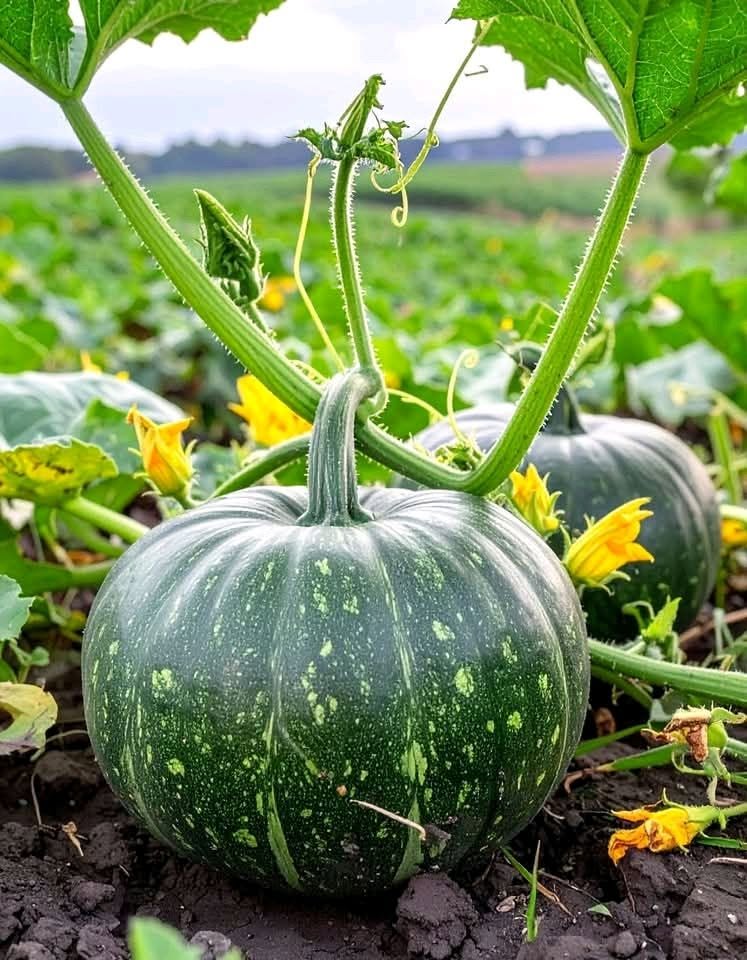
These are the workhorse Cucurbita pepo types bred for a tall shape, sturdy handle, and thick rind that holds a candle without collapsing.
1. Connecticut Field
This is the old New England standard, continually reselected for generations, and it is likely the ancestor behind most modern carving pumpkins. Colonial farmers grew it both for livestock feed and for the table long before anyone thought to carve a face into one.
Growing zone: 3 to 9, needing about 100 to 110 frost-free days.
Plant characteristics: Large, oval, deep orange fruit, typically around 20 pounds, on long sprawling vines that can stretch 15 to 20 feet from a single hill. Leaves are broad and slightly prickly, typical of open-pollinated pepo lines.
Care tips: Give it 50 to 60 square feet per hill and side-dress with nitrogen once runners form. This variety tolerates average soil better than fussier hybrids, though it still benefits from a phosphorus-heavy feed once flowering starts to improve fruit set. Because it is open-pollinated, you can save seed from your best fruit for next year, provided no other pepo types were flowering nearby.
2. Howden
Developed by John Howden of Massachusetts in the 1970s, Howden became the commercial carving standard for the past several decades, and it remains the pumpkin most wholesale buyers picture when they order jack-o’-lanterns by the truckload.
Growing zone: 3 to 9.
Plant characteristics: Deep orange skin, well-defined ribs, and a thick, dark green handle that resists breaking during transport. Fruit generally runs 20 to 25 pounds, with a taller, rounder profile than older field types like Connecticut Field.
Care tips: Plant in early to mid-June in most regions so fruit does not mature before Halloween demand. Watch for powdery mildew late in the season and treat promptly with a sulfur or potassium bicarbonate fungicide, since Howden’s dense canopy can trap humidity. Space hills at least 8 feet apart to allow for its vigorous vine spread.
3. Autumn Gold
An All-America Selections winner, Autumn Gold turns bright yellow while still immature, letting gardeners spot ripening fruit without digging through vines and injuring foliage in the search.
Growing zone: 3 to 9. Only 90 days to harvest, making it a strong choice for short-season northern gardens.
Plant characteristics: Compact hybrid plant, 2 to 3 feet tall and 12 to 20 feet wide, yielding 3 to 5 fruits at 7 to 10 pounds each. The early color change is a genetic trait, not a sign of ripeness alone, so let fruit stay on the vine until the stem hardens fully.
Care tips: Water consistently during dry spells and side-dress monthly if your soil is not already rich, since this hybrid was trialed across 27 North American sites and rewards steady feeding. Its early, visible ripening also makes it a good teaching variety for children learning to garden, since there is little guesswork involved in judging readiness.
4. Jackpot
A hybrid bred for a compact, round shape and a genuinely compact vine habit, which makes it a favorite for growers with limited row space, particularly in warmer climates where vine sprawl becomes unmanageable.
Growing zone: 8 to 10, and specifically recommended by University of Florida IFAS Extension as one of the best large pumpkins for southern gardens.
Plant characteristics: Round fruit with uniform orange color and manageable vine spread, typically staying under 10 feet even at full maturity.
Care tips: Because its vines stay tighter than old field types, you can plant it slightly closer together, around 4 feet, without sacrificing airflow. In humid Southern gardens, still prune a few interior leaves midseason to keep fungal pressure down despite the more compact growth habit.
5. Jack-o’-Lantern Spirit
A semi-bush hybrid built specifically for small gardens, Spirit still produces a respectable carving pumpkin despite its compact footprint, and it was one of the earlier semi-bush breeding successes in the carving category.
Growing zone: 3 to 10.
Plant characteristics: Semi-bush vines take up roughly half the space of standard field types, with medium orange fruit generally in the 10 to 15 pound range.
Care tips: Because bush types set fruit closer to the crown, keep the base well mulched to prevent rot where fruit touches soil. Rotate a piece of cardboard or a shingle under developing fruit if your soil stays consistently damp.
6. Happy Jack
A dependable uniform performer, Happy Jack was bred for consistent dark orange color and a sturdy handle rather than record size, which makes it a favorite with growers selling by appearance rather than weight.
Growing zone: 3 to 9.
Plant characteristics: Medium-large, evenly colored fruit with a strong, dark handle that holds up well for retail display, typically maturing in about 100 to 110 days.
Care tips: This variety performs reliably in average garden soil, but benefits from a phosphorus boost at flowering to improve fruit set. Avoid excess nitrogen once fruit has begun sizing, since it can push leafy growth at the expense of color development.
7. Ghost Rider
Ghost Rider earns its name from an almost eerily uniform dark orange rind paired with a very dark green handle, a color combination breeders specifically selected for visual contrast on store shelves.
Growing zone: 3 to 9.
Plant characteristics: Large, deep orange fruit with strong stem attachment, popular with growers selling directly to retail markets, and generally weighing between 18 and 24 pounds.
Care tips: Rotate planting location yearly if possible, since this variety, like most pepo types, is vulnerable to soil-borne cucurbit diseases in the same bed season after season. A three- to four-year rotation away from other cucurbits significantly reduces disease pressure.
8. Jumpin’ Jack
This cultivar was bred for height and heft, producing some of the tallest fruit shapes among standard carving types, which makes it a distinctive choice for growers who want their pumpkins to stand out from the typical squat, round silhouette.
Growing zone: 3 to 9.
Plant characteristics: Large, dark orange, notably heavy fruit with a tall profile rather than a wide, flat one, often reaching 20 to 30 pounds.
Care tips: Because fruit grows tall rather than wide, stake or support developing pumpkins slightly off bare soil to prevent one-sided flattening. Rotating the fruit a quarter turn every week or two during early development also helps preserve its intended upright shape.
9. Pankow’s Field
Grown as much for showmanship as for carving, Pankow’s Field is known for large, variable pumpkins with exceptionally long, sturdy handles that have made it a favorite at county fair handle-length contests.
Growing zone: 3 to 9.
Plant characteristics: Fruit size and shape vary considerably from plant to plant, but the handles are consistently long and strong, sometimes exceeding a foot in length, which is unusual among standard field types.
Care tips: If handle length matters for your purposes, avoid overhead watering late in the season, since excess moisture can weaken stem tissue and cause premature handle softening or splitting.
10. Big Tom
A direct selection out of Connecticut Field breeding lines, Big Tom keeps the same reliable orange color with slightly larger average fruit size, making it essentially an improved version of the old New England standard.
Growing zone: 3 to 9.
Plant characteristics: Large, oval, deep orange pumpkins on vigorous, sprawling vines that behave almost identically to its parent variety.
Care tips: Treat it exactly as you would Connecticut Field, since the two share nearly identical growing needs and disease susceptibility, including a similar vulnerability to squash bugs later in the season.
11. Racer
True to its name, Racer was selected for an unusually early harvest window compared with standard carving types, a trait that matters enormously to growers in regions with short, unpredictable summers.
Growing zone: 3 to 8, a strong choice where the growing season runs short.
Plant characteristics: Medium orange fruit that matures noticeably faster than most field pumpkins, often ready well before the typical late-September harvest window.
Care tips: Start seed slightly earlier indoors in short-season climates to take full advantage of this variety’s speed advantage, using biodegradable pots so root disturbance is minimized at transplant, since pumpkins generally dislike having their roots disturbed.
12. Funny Face
Bred specifically for small-space gardens, Funny Face grows on compact, semi-bush plants that still deliver full-size carving pumpkins, which explains its consistent recommendation for home gardeners with limited yard space.
Growing zone: 8 to 10, and specifically recommended for Florida home gardens by UF/IFAS Extension.
Plant characteristics: Semi-bush habit with medium orange fruit and standard jack-o’-lantern proportions, usually maturing at a slightly smaller average size than full-vine varieties.
Care tips: Because the plant stays compact, container growing is realistic here if the container is at least 15 to 20 gallons, with drainage holes and a rich, well-amended potting mix rather than garden topsoil.
13. Bushkin
Another compact hybrid, Bushkin was developed for growers who want a genuine bush habit rather than a sprawling vine, and it is often the variety recommended first to gardeners planting pumpkins for the very first time in a small yard.
Growing zone: 3 to 9.
Plant characteristics: True bush growth habit, saving considerable garden space compared with vining carving types, typically staying within a 4 to 6 foot spread.
Care tips: Bush types like this one benefit from slightly closer spacing, but still need full sun and consistent watering during fruit set to reach standard size. Hand-pollination with a small brush can improve fruit set in bush varieties, since their more compact form sometimes reduces the number of pollinator visits per flower.
Pie and Sugar Pumpkins
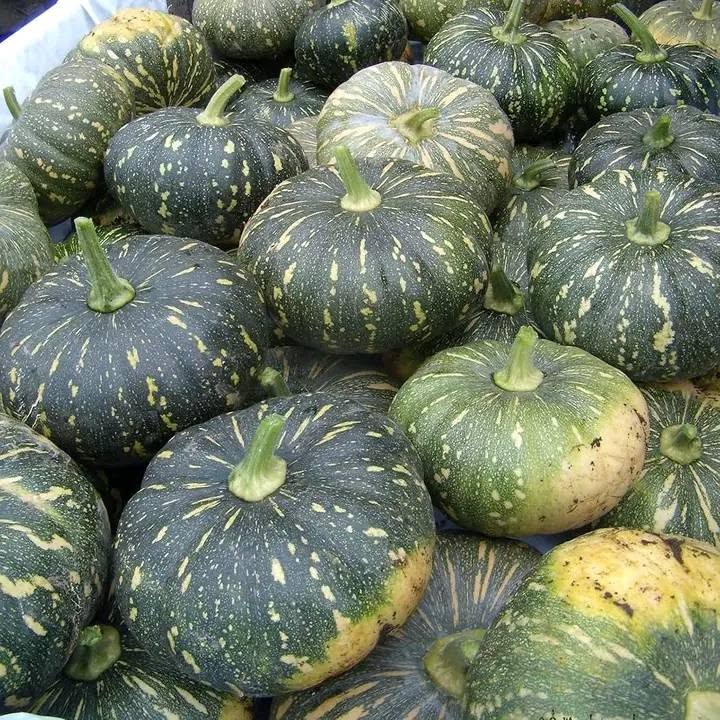
These smaller, denser-fleshed types were bred for flavor rather than size, and they consistently outperform carving pumpkins in the kitchen.
14. Small Sugar (New England Pie)
This is the benchmark pie pumpkin, still considered the standard against which newer sugar varieties are measured, and it has held that reputation since well before most modern hybrids existed.
Growing zone: 3 to 9, needing 100 to 110 days.
Plant characteristics: Small, round, deep orange fruit with dense, sweet, fine-grained flesh and noticeably fewer seed cavities than carving types of similar size.
Care tips: Harvest slightly before a hard frost and cure in a warm, dry spot for a week to concentrate sweetness before cooking. Because the flesh is so dense, roasting whole halves face-down produces better texture than boiling, which can waterlog the flesh.
15. Baby Pam
Developed by the University of New Hampshire as a cross between Pam and New England Cheddar, Baby Pam combines the best traits of both parent lines, and it remains one of the more widely available sugar pumpkins at retail nurseries.
Growing zone: 3 to 9.
Plant characteristics: Deep orange, uniformly small fruit with notably sweet, rich flesh, and good natural disease resistance bred in from its Cheddar-type parentage.
Care tips: This variety tolerates slightly cooler soil at germination better than many pie types, making it forgiving for early planting. Because the fruit is so uniform, it is also a reliable choice if you are growing for a farmers market stand where consistent sizing matters.
16. Sugar Treat
A semi-bush hybrid bred for bright color and reliable pie-quality flesh in a smaller garden footprint, filling a niche between full-size vining pie pumpkins and truly miniature types.
Growing zone: 3 to 9.
Plant characteristics: Semi-bush vines with vivid orange, medium-sweet fruit, generally weighing 4 to 6 pounds at maturity.
Care tips: Because semi-bush types crowd fruit closer to the base, thin to two or three pumpkins per plant for the best size and flavor. Removing excess blossoms once several fruits have set redirects the plant’s energy toward finishing those already growing.
17. Baby Bear
A genuinely small pumpkin, Baby Bear averages about 2 pounds with a flattened shape and a notably fine, decorative stem that has made it as popular for autumn tablescapes as for the kitchen.
Growing zone: 3 to 8, well suited to Northern gardens thanks to frost-resistant qualities noted by extension sources.
Plant characteristics: Compact fruit with a naturally attractive stem, popular for both baking and fall table displays, and known for producing hulled, roastable seeds as a bonus.
Care tips: Because it tolerates cooler conditions better than most pie types, it is a safe choice if your first frost tends to arrive early. Save a few of the largest fruit for seed roasting; the seeds toast up notably well compared with larger carving varieties.
18. Winter Luxury
An heirloom variety valued for its unusual netted, russeted skin texture and genuinely good cooking quality, dating back well over a century in American seed catalogs.
Growing zone: 3 to 9.
Plant characteristics: Medium-small, round fruit with a distinctive lace-like netting over an orange rind, a texture that develops naturally as the fruit matures rather than through any special treatment.
Care tips: Its thinner, netted skin bruises more easily than smooth-skinned pie types, so handle harvested fruit gently and store on soft bedding such as straw rather than stacking fruit directly on top of each other.
19. Spooktacular
A hybrid bred for bright, even orange color, defined ribbing, and a strong stem that holds up well after harvest, designed to bridge the gap between purely decorative and purely edible pumpkins.
Growing zone: 3 to 9.
Plant characteristics: Medium, ribbed, uniformly orange fruit suitable for both pies and light carving, generally in the 6 to 10 pound range.
Care tips: This dual-purpose type benefits from the same care as standard pie pumpkins: consistent watering through fruit set and a mid-season nitrogen side-dress, switching to a lower-nitrogen feed once fruit begins to color up.
20. Frosty
An All-America Selections type known for unusually smooth-textured skin compared with most ribbed pie varieties, a trait that also makes it easier to clean and prepare in the kitchen.
Growing zone: 3 to 9.
Plant characteristics: Round, smooth-skinned, medium orange fruit with dense, good-quality flesh and a notably thin, easy-to-peel rind.
Care tips: The smooth rind shows scarring easily, so lay fruit on straw or cardboard rather than bare soil as it develops. Because the skin is thinner than most, this variety also stores for a shorter window than netted or thick-ribbed types, so plan to use it within a couple of months of harvest.
Giant and Competition Pumpkins
All of these belong to Cucurbita maxima, the species behind every serious weigh-off contender and county fair record.
21. Atlantic Giant (Dill’s Atlantic Giant)
Bred by Howard Dill in Nova Scotia, this cultivar is the genetic foundation behind nearly every modern giant pumpkin record, including the current Guinness World Record holder at over 2,800 pounds. Dill spent decades selectively breeding for size alone, a project his family has continued since his death.
Growing zone: 3 to 9, though giant growers favor zones with long, cool-summer growing seasons, since extreme heat can stress the plant during critical fruit-sizing weeks.
Plant characteristics: Massive, pale orange to salmon fruit capable of exceeding 1,000 pounds under dedicated competition care, with correspondingly enormous vines and leaves that can shade an area 20 feet or more across from a single plant.
Care tips: Serious growers bury vine nodes to encourage secondary rooting, remove all but one fruit per plant, and water deeply and frequently, sometimes more than once daily, during peak growth. Even home growers not chasing records benefit from generous compost incorporation before planting, since this variety is an exceptionally heavy feeder regardless of target size.
22. Big Max
An Ontario farmer named William Warnock developed Big Max in the late 1800s, making it one of the oldest giant cultivars still commonly grown, predating the modern giant pumpkin competition scene by roughly a century.
Growing zone: 3 to 9.
Plant characteristics: Bright orange-red rind on fruit that easily reaches 50 pounds and can exceed 100 pounds in good conditions, with a rounder, less oblong shape than many other giant types.
Care tips: While not bred purely for record weight like Atlantic Giant, it still benefits from generous spacing, at least 8 feet between hills, and consistent deep watering. Its flesh is genuinely usable in cooking despite its size, unlike some pure show-type giants, so consider saving a portion for baking after any fair display.
23. Big Moon
Similar in scale to Big Max, Big Moon produces a slightly more oblong shape with smooth, ribbed, pale-to-deep orange skin, and it is often grown as a slightly more manageable alternative for growers who want size without full giant-competition commitment.
Growing zone: 3 to 9.
Plant characteristics: Fruit in the 10 to 20 pound range typically, though larger specimens are possible, with thick, dense, sweet flesh that actually cooks well despite its giant-type origin.
Care tips: Thin fruit early to one or two per vine if you want maximum size rather than multiple smaller pumpkins. Peeling before cutting into chunks makes roasting easier than with thinner-skinned varieties, since the rind on this type is notably tough.
24. Mammoth Gold
A true jumbo type capable of 50 to 100 pounds or more, Mammoth Gold has long been a staple of giant pumpkin seed catalogs and predates many of the modern hybrid giants bred specifically for competition circuits.
Growing zone: 3 to 9.
Plant characteristics: Large, rounded, golden-orange fruit on sprawling maxima vines that need significant garden real estate, often 15 to 20 feet of unobstructed space per plant.
Care tips: Because maxima vines root along their length wherever they touch soil, lightly burying select vine sections encourages a stronger root system to support fruit weight. This technique, sometimes called vine layering, is standard practice among giant pumpkin growers and works well even for home gardeners not chasing records.
25. Prizewinner
Bred as a hybrid specifically for uniformity, Prizewinner is not the largest giant type available, but it is widely considered the most dependable, which is exactly why extension programs and 4-H growers often recommend it to beginners.
Growing zone: 3 to 9.
Plant characteristics: Consistent size, shape, and deep orange color from fruit to fruit, which makes it popular with growers who need predictable results for sale or display, typically landing in the 50 to 100 pound range.
Care tips: Because uniformity is its selling point, avoid overcrowding vines, which can cause size variation between fruit on the same plant. Consistent watering on a fixed schedule, rather than reactive watering only when soil looks dry, helps preserve the predictable results this variety is known for.
Heirloom and Specialty Pumpkins
This group includes some of the oldest named cultivars still in circulation, many of them genuinely excellent for cooking despite their decorative reputation.
26. Cinderella (Rouge Vif d’Étampes)
An old French heirloom that was reportedly the most common pumpkin sold in Paris’s Central Market during the 1880s, Cinderella remains a favorite for both looks and flavor, and its flattened, ribbed silhouette is widely credited as the visual inspiration behind the fairy-tale pumpkin carriage.
Growing zone: 3 to 9, needing about 110 days.
Plant characteristics: Deeply ribbed, flattened fruit in shades from light orange to deep red-orange, typically 8 to 25 pounds and up to 18 inches wide, with a shape closer to a wheel of cheese than a typical tall jack-o’-lantern.
Care tips: This variety is more prone to insect problems than moschata types, so scout regularly for squash bugs and cucumber beetles early in the season. Floating row covers over young plants, removed once flowering begins to allow pollinator access, significantly reduce early-season pest pressure on this heirloom.
27. Jarrahdale
An heirloom associated with Australia and New Zealand, Jarrahdale stands out with slate-blue skin and some of the darkest orange flesh of any pumpkin, a combination that makes it as prized in the kitchen as it is on the porch.
Growing zone: 3 to 9.
Plant characteristics: Ribbed, blue-grey fruit, generally 8 to 18 pounds, with excellent baking-quality flesh and noticeably fewer seeds per fruit than similarly sized orange varieties.
Care tips: Because its rind is thinner than some maxima types, cure harvested fruit in a warm, dry spot for two weeks to harden the skin before long-term storage. Properly cured, Jarrahdale is one of the better winter keepers on this list, often lasting four to six months in a cool pantry.
28. Fairytale (Musquée de Provence)
A French heirloom with deep, chunky ribs and a dusky tan-to-terracotta rind, sold by the wedge like cheese in its native France, where whole pumpkins are considered too large for a single household to use before spoiling.
Growing zone: 4 to 9, needing roughly 100 to 120 days and some extra warmth to germinate well.
Plant characteristics: Broad, flattened fruit weighing 15 to 40 pounds, with thick, dense, mildly sweet flesh and a matte, almost velvety rind texture unlike smoother heirloom types.
Care tips: Because seedlings are slow to establish, start them indoors with a heat mat and avoid transplanting until the soil has fully warmed, ideally above 65°F. This variety also appreciates a longer, more consistent watering schedule than most, since inconsistent moisture during its long maturation window can cause blossom-end rot on the developing fruit.
29. Galeux d’Eysines
Collected at a French pumpkin festival in 1996, this Bordeaux-region heirloom is known for peach-colored skin covered in wart-like sugar bumps, a trait that initially strikes new growers as a disease symptom rather than a desirable feature.
Growing zone: 3 to 9.
Plant characteristics: Round, tan-peach fruit, generally 10 to 20 pounds, with the bumps forming naturally as sugars push through the rind during the final weeks of ripening.
Care tips: Do not remove or worry about the warts; they are a sign of high sugar content and do not affect storage or flavor. In fact, more pronounced warting generally correlates with sweeter flesh, so growers sometimes use bump density as an informal ripeness indicator at harvest time.
30. Marina di Chioggia
Hailing from the coastal Italian town of Chioggia, this variety produces large, turban-shaped fruit with deeply nubbly, blue-green skin, and it remains a staple of Venetian cooking traditions to this day.
Growing zone: 3 to 9.
Plant characteristics: Dense, sweet, chestnut-flavored flesh beneath a tough, warty rind that stores exceptionally well, often outperforming thinner-skinned heirlooms in winter storage trials.
Care tips: Its thick rind makes it one of the better long-term keepers on this list; store in a cool, dry spot and it will often last through winter. Because the rind is so tough, use a heavy chef’s knife and consider microwaving the whole fruit for a few minutes to soften it slightly before attempting to cut it open.
31. Long Island Cheese
First listed in a late 19th-century seed catalog as one of the best pumpkins for table use, this New York heirloom takes its name from its flattened, cheese-wheel shape rather than any actual dairy connection.
Growing zone: 3 to 9.
Plant characteristics: Flattened, tan-buff fruit with sweet, smooth flesh well suited to pies, and a rind that ranges from pale tan to a slightly deeper buff depending on growing conditions.
Care tips: This variety stores unusually well for a thin-skinned type; keep it in a cool, ventilated space rather than a humid basement. Because it was historically bred for table use rather than looks, it also tends to be less fussy about soil fertility than some flashier heirlooms.
32. Kentucky Field
Once the industry standard for canning pumpkin, Kentucky Field is now fairly rare but still valued by heirloom growers for its productivity, having largely been replaced commercially by more uniform modern hybrids like Dickinson Field.
Growing zone: 3 to 9.
Plant characteristics: Medium fruit, roughly 10 to 15 pounds, with good winter-keeping ability and historical use as livestock forage in addition to human consumption.
Care tips: Because it was bred for reliability over looks, this variety tolerates less-than-ideal soil better than most specialty heirlooms. Seed savers looking to preserve agricultural heritage varieties should consider this one specifically, since its commercial rarity puts it at genuine risk of disappearing from cultivation.
33. Speckled Hound
A more recent hybrid with a solid, appealing shape splashed with orange and green mottling, developed to satisfy growing consumer demand for pumpkins that look distinctly different from the standard solid-orange jack-o’-lantern.
Growing zone: 3 to 9.
Plant characteristics: Medium-sized fruit with a distinctive speckled rind that makes it stand out in mixed autumn displays, generally weighing 8 to 12 pounds at maturity.
Care tips: Because coloring is part of its appeal, avoid excess nitrogen late in the season, which can sometimes mute rind mottling. Full, uninterrupted sun exposure through the final ripening weeks also helps intensify the contrast between the orange and green patches.
34. Turk’s Turban
A striking ornamental Cucurbita maxima type with a turban-like cap sitting atop the main fruit body, a shape so unusual that first-time growers sometimes assume something has gone wrong with pollination.
Growing zone: 3 to 9.
Plant characteristics: Striped orange, green, and white fruit in a genuinely unusual shape, grown mostly for decoration rather than eating, though the flesh is technically edible and mildly sweet.
Care tips: Handle harvested fruit carefully, since the distinctive cap shape is more prone to snapping off than a standard round pumpkin. Support developing fruit on a small stand or ring of mulch to keep the cap from being crushed against the ground as it grows heavier.
35. Red Kuri
A teardrop-shaped Japanese-French cross with smooth, deep red-orange skin and a flavor often compared to roasted chestnuts, a description that has made it increasingly popular in gourmet cooking circles over the past decade.
Growing zone: 3 to 9.
Plant characteristics: Compact fruit, generally 3 to 6 pounds, on relatively space-efficient maxima vines that take up noticeably less room than most other members of this species.
Care tips: This variety’s thin, tender skin means it can be cooked without peeling, but also means it bruises easily, so handle it gently after harvest. Its compact vine size also makes it one of the more realistic maxima types to grow in a moderately sized raised bed rather than a sprawling field plot.
36. Lakota
A Native American heirloom variety with a teardrop shape and a striking tan, orange, and green mottled rind, carrying agricultural traditions that predate European contact in North America.
Growing zone: 3 to 9.
Plant characteristics: Sweet, nutty flesh that performs well roasted, inside a distinctively patterned skin that varies noticeably from fruit to fruit even on the same plant.
Care tips: Cure in a warm spot for one to two weeks after harvest to intensify the natural sweetness before cooking. Because seed-grown plants show real variation in patterning, growers interested in seed saving should select fruit from the most vigorous, healthiest vines rather than purely for cosmetic appeal.
White, Blue, and Unusual-Color Pumpkins
Bred largely for visual impact, several of these still cook respectably despite their novelty reputation.
37. Casper
One of the original white pumpkin varieties, Casper pairs smooth ivory skin with genuinely good, thick orange flesh underneath, a combination that helped popularize white pumpkins as more than a passing decorating trend.
Growing zone: 3 to 9.
Plant characteristics: Round, white-skinned fruit that contrasts sharply with its bright orange interior, typically weighing 10 to 15 pounds at maturity.
Care tips: White-skinned types show soil staining more easily than orange varieties, so elevate fruit on straw as it develops. Wash gently with water rather than scrubbing at harvest time, since the pale rind marks more visibly under abrasion than darker-skinned pumpkins.
38. Lumina
A widely available white pumpkin bred specifically for carving, with a rind pale enough to paint or decorate without carving at all, which has made it a favorite for families with young children who want to skip knives entirely.
Growing zone: 3 to 9.
Plant characteristics: Smooth, porcelain-white skin over classic orange flesh, similar in size to standard jack-o’-lantern types, generally in the 10 to 18 pound range.
Care tips: Because the pale rind bruises visibly, handle harvested fruit by the base rather than the handle to avoid pressure marks. If displaying outdoors for an extended period, keep it out of direct rain, since white rinds show water spotting more readily than orange ones.
39. Snowball
A small, round, purely decorative white pumpkin, popular for tablescapes and mixed autumn arrangements, and often sold in bulk at farm stands specifically for this styling purpose.
Growing zone: 3 to 9.
Plant characteristics: Compact, smooth white fruit, considerably smaller than Casper or Lumina, typically weighing under 5 pounds.
Care tips: Because these are grown almost entirely for display, harvest slightly early and keep them out of direct sun to preserve the bright white color, since prolonged sun exposure can cause a faint yellow tint to develop over time.
40. Polar Bear
A large white Cucurbita maxima type, Polar Bear combines genuine size with the same pale, paintable rind as its smaller cousins, occupying a niche between full giant-type pumpkins and standard decorative white varieties.
Growing zone: 3 to 9.
Plant characteristics: Large, round, creamy white fruit on vigorous maxima vines, often reaching 20 pounds or more under good growing conditions.
Care tips: Give it the same spacing and feeding as other giant-type maxima varieties, since size potential is similar despite the unusual color. Its size also means it needs the same generous compost incorporation at planting that other large maxima types require to reach full potential.
41. Blue Doll
A hybrid with a distinctive pale blue-grey rind that often reads more silver than true blue in person, a color that photographs beautifully but can surprise gardeners expecting a more vivid hue based on seed packet imagery.
Growing zone: 3 to 9.
Plant characteristics: Deeply ribbed fruit up to 20 pounds, with bright orange flesh well suited to soups, stews, and pies, and a noticeably creamier texture than most orange-skinned varieties.
Care tips: This variety’s flesh quality is genuinely good, so do not treat it as purely decorative; harvest at full color change for the best flavor. Roasting rather than boiling preserves more of its natural sweetness, since the flesh has a relatively high water content that boiling can dilute further.
42. Blue Prince
Known for outperforming other blue varieties in maturity speed, yield, and size, Blue Prince is often the first pumpkin to flower and fruit in a mixed patch, a trait extension trials have specifically highlighted among comparable blue-skinned types.
Growing zone: 3 to 9, and a strong option for shorter growing seasons.
Plant characteristics: Flattened, blue-grey fruit with creamy, less-stringy flesh than most standard pumpkins, and a growth habit slightly more compact than typical maxima vines.
Care tips: Its early fruiting habit means it benefits from early-season feeding rather than the later side-dress schedule used for slower varieties. Because it sets fruit early, keep an eye on soil moisture during that window specifically, since early-season drought stress has an outsized effect on this variety’s final size.
43. Moonshine
A smooth, blue-grey pumpkin bred with wide, blocky ribs and a dark green stem for contrast, designed as much for the flower arranging and event-decor trade as for home gardens.
Growing zone: 3 to 9.
Plant characteristics: Medium-sized, evenly colored fruit, weighing around 10 pounds, suitable for both carving and cooking, with a rind smooth enough to take paint or chalk marker well.
Care tips: Like other blue-toned maxima types, it benefits from full sun exposure to develop even, consistent rind color. Avoid planting it in a spot shaded by taller crops later in the season, since partial shade tends to produce a duller, less uniform blue tone.
44. Porcelain Doll
A pink-hued hybrid pumpkin developed partly to raise awareness and funds for breast cancer research through specialty seed programs, with proceeds from some seed sales historically directed toward related charities.
Growing zone: 3 to 9.
Plant characteristics: Rounded, soft pink-orange fruit with genuinely sweet, good-quality flesh, unusual among ornamental colors, and generally weighing 12 to 18 pounds.
Care tips: Treat this variety as you would any standard maxima pie type; its unusual color does not change its watering or feeding needs. Because the pink coloring is a genuine selling point for events and fundraisers, avoid excess afternoon shade, which can shift the tone toward a duller orange-pink rather than the desired soft pink.
Miniature Pumpkins
These small-fruited Cucurbita pepo types are grown almost entirely for decoration, though several are genuinely edible.
45. Jack Be Little
The classic miniature, Jack Be Little produces palm-sized orange pumpkins that are surprisingly good roasted and stuffed, and it remains the best-selling miniature pumpkin variety in most seed catalogs.
Growing zone: 3 to 9, needing as few as 85 to 100 days.
Plant characteristics: Tiny, flattened, deep orange fruit on space-saving vines that can even be trained onto a trellis, with a single plant capable of producing a dozen or more fruits in a season.
Care tips: Because fruit is so small and light, this is one of the few pumpkin types that can genuinely be grown vertically without extra support, though slings made from old pantyhose or mesh bags can help stabilize fruit on a trellis during windy weather.
46. Baby Boo
Essentially a white-skinned sibling to Jack Be Little, Baby Boo brings the same miniature scale in a pale, ghostly color, and the two are frequently sold together as a paired decorative set.
Growing zone: 3 to 9.
Plant characteristics: Tiny, round, ivory-white fruit, ideal for mixed mini-pumpkin displays, and just as prolific per plant as its orange counterpart.
Care tips: Grow alongside Jack Be Little for color contrast, but keep in mind cross-pollination will not affect this year’s fruit, only next year’s saved seed. If seed purity matters to you, separate the two varieties by at least a hundred feet or hand-pollinate and bag the flowers.
47. Wee-B-Little
An extremely early, extremely small orange pumpkin bred for reliable production even in tight spaces or containers, filling a niche for apartment and patio gardeners who still want a genuine harvest.
Growing zone: 3 to 9.
Plant characteristics: Small, round, deep orange fruit on genuinely compact vines, often staying within a 3 to 4 foot spread total.
Care tips: This is a strong container candidate; use a pot of at least 10 gallons with drainage and consistent moisture. Because container soil dries faster than garden beds, check moisture daily during hot stretches rather than relying on a fixed watering schedule.
48. Casperita
A miniature white pumpkin bred in part for improved resistance to powdery mildew compared with older white minis, addressing one of the more persistent complaints growers had with earlier miniature white varieties.
Growing zone: 3 to 9.
Plant characteristics: Small, bright white, smooth-skinned fruit used almost exclusively for decor, typically producing abundantly on relatively compact vines.
Care tips: Its improved mildew resistance still benefits from good airflow, so avoid overcrowding plants in small garden beds. Water at the base rather than overhead whenever possible, since wet foliage remains one of the biggest drivers of fungal disease regardless of a variety’s bred-in resistance.
Naked-Seeded (Oil Seed) Pumpkins
Also called hulless, pepita, or Styrian pumpkins, this group was bred for seeds without a hard outer shell, ideal for roasting.
49. Triple Treat
A dual-purpose variety with thick, good-tasting flesh alongside hulless seeds, making it useful for both cooking and snacking, and a good entry point for gardeners curious about oilseed types without committing to a purely ornamental crop.
Growing zone: 3 to 9.
Plant characteristics: Medium fruit, 6 to 8 pounds, that carves reasonably well in addition to producing edible pepitas, with a growth habit very similar to standard carving-type pepo vines.
Care tips: Start seed indoors in peat pots, since naked seeds are more prone to rotting in cool, damp garden soil than hulled types. Transplant carefully to avoid disturbing the root ball, since pumpkins in general resent root disruption more than many other garden vegetables.
50. Lady Godiva
An American hulless variety producing smaller, striped green fruit specifically bred to maximize pepita yield rather than flesh quality, which sets it apart from dual-purpose types like Triple Treat.
Growing zone: 3 to 9. Fruit tolerates brief cold exposure down to about 28°F, according to horticultural extension sources.
Plant characteristics: Medium-green striped fruit, 3 to 6 pounds, with thin-skinned, easily hulled seeds and noticeably fewer seeds per fruit than a comparably sized standard carving pumpkin.
Care tips: Let fruit stay on the vine until frost threatens or the vines die back naturally, since picking too early results in underdeveloped, soft seeds rather than the crisp, dark green pepitas this variety is grown for.
51. Kakai (Styrian Hulless)
A semi-bush Styrian-type oilseed pumpkin with a rich orange rind streaked in dark green, prized almost entirely for its seeds, and a variety that traces its lineage back to Austria’s historic Styrian pumpkin oil industry.
Growing zone: 3 to 9.
Plant characteristics: Fruit weighing 5 to 8 pounds with subtle ribbing and distinctive green striations, growing on a semi-bush habit that takes up meaningfully less space than traditional Styrian field varieties.
Care tips: Protect young plants from aphids and striped cucumber beetles, which spread the zucchini yellow mosaic virus that has damaged Styrian pumpkin crops in the past; reflective mulch helps deter both pests. Rotating pumpkin plantings every four to five years further reduces the risk of soil-borne virus buildup specific to this susceptible group.
Processing and Regional Pumpkins
These Cucurbita moschata types are bred for tan skin, dense flesh, and reliability rather than carving looks, and they dominate the commercial canning industry.
52. Dickinson Field
The genetic backbone of most canned pumpkin sold in North America, Dickinson Field is grown almost exclusively for industrial processing, and it is the specific variety behind the market-dominant Libby’s Select Dickinson canning line.
Growing zone: 3 to 9, though it is grown commercially at scale mainly in Illinois.
Plant characteristics: Elongated, tan-skinned fruit with dense, smooth, low-fiber flesh ideal for pureeing, and a shape that looks almost more like a large butternut squash than a traditional round pumpkin.
Care tips: Home growers can grow it successfully, but expect a plainer-looking fruit than typical pie pumpkins; its value is entirely in the flesh, not the appearance. Because moschata types generally need a slightly longer season than pepo pumpkins, start seed a week or two earlier if your growing season runs short.
53. Buckskin
A hybrid processing pumpkin bred for the same tan-skinned, moschata-type reliability as Dickinson Field, with slightly improved disease tolerance that has made it a popular alternative among processors looking to diversify their planted acreage.
Growing zone: 3 to 9.
Plant characteristics: Tan, elongated fruit with dense flesh suited to purees and baking, and a vine habit that, like most moschata types, produces notably tougher stems than pepo varieties.
Care tips: Moschata types generally resist squash vine borer better than pepo pumpkins, making Buckskin a reasonable choice where that pest is a known problem. Its tougher stems also make it slightly more resistant to wind damage than thinner-stemmed carving varieties.
54. Chelsey
Another moschata hybrid developed for processing consistency, Chelsey rounds out the trio of commercial canning types alongside Dickinson Field and Buckskin, and it was specifically bred with mechanical harvest efficiency in mind.
Growing zone: 3 to 9.
Plant characteristics: Tan skin, dense flesh, and a growth habit bred for mechanical harvesting rather than hand-picking, including a slightly more uniform fruit set timing than open-pollinated moschata heirlooms.
Care tips: If growing for home use, treat it like any moschata squash: full sun, even moisture, and slightly longer time in the ground than pepo types. Because it was bred for uniform ripening, expect most fruit on a given plant to mature within a fairly narrow window, which simplifies harvest planning for home gardeners as much as it does for commercial operations.
55. Seminole Pumpkin
Traditionally grown by the Calusa, Creek, and Miccosukee peoples, Seminole pumpkin remains one of the most heat-tolerant and reliable varieties for Southern gardens, and its name is tied to a specific Florida gulf-coast region historically called Chassahowitzka, meaning “pumpkin hanging place.”
Growing zone: 8 to 11, and specifically recommended by University of Florida IFAS Extension for Florida’s demanding summer heat.
Plant characteristics: Bell-shaped to round fruit, tan to green depending on ripeness, averaging around 6 inches across, on vigorous climbing vines that will happily grow up a fence or tree, sometimes reaching 20 feet or more in a single season.
Care tips: This variety shows natural resistance to powdery mildew and squash vine borer, two of the most common pumpkin problems, so it needs less spraying than most types on this list. Let vines climb rather than sprawl if garden space is tight, and note that fruit shape can vary considerably if it cross-pollinates with a nearby moschata squash like butternut, since the two share the same species.
Choosing the Right Pumpkin for Your Garden
If you are growing for Halloween carving, Howden, Connecticut Field, or Jackpot remain the most dependable choices with the classic proportions carving templates expect, and all three tolerate a range of soil conditions without much fuss.
If flavor is the priority, skip the standard jack-o’-lantern types entirely. Small Sugar, Baby Pam, Fairytale, and Long Island Cheese consistently outperform carving pumpkins in pies and soups, largely because their flesh-to-seed-cavity ratio is much higher.
If you are chasing size for a fair or competition, Atlantic Giant is genuinely the only serious option; nearly every record-setting pumpkin in the last three decades traces back to Howard Dill’s original breeding line, and most competitive growers still start from certified Dill’s Atlantic Giant seed lines each year.
If space is limited, look to the miniature and bush categories. Wee-B-Little, Jack Be Little, and Bushkin all deliver real pumpkins from a fraction of the footprint a standard vine needs, and several tolerate containers well enough for a balcony or patio garden.
General Care Principles That Apply Across Types
Full sun is non-negotiable. Every variety on this list needs at least 8 hours of direct sun daily to set fruit reliably, based on extension guidance from Kansas State University and others, and shaded plants will produce plenty of leaves but disappointingly little fruit.
Water deeply during flowering and fruit set. Inconsistent moisture at this stage is the single most common cause of small or misshapen fruit, regardless of variety, and drip irrigation or soaker hoses laid down at planting time work far better than overhead sprinklers once vines sprawl.
Soil pH between 6.0 and 6.5 supports the whole family. Test your soil before planting rather than guessing, since both under- and over-acidic soil reduce nutrient uptake, and amend with lime or sulfur well ahead of planting since pH adjustments take time to take effect.
Powdery mildew and squash vine borer are the most common problems across nearly every pepo and maxima type. Moschata varieties, including Dickinson Field, Buckskin, and Seminole pumpkin, show meaningfully better natural resistance to both, which is worth factoring in if you have struggled with these problems in past seasons.
Most pumpkins need 90 to 120 warm days to mature, so match your variety’s days-to-maturity against your local frost dates before committing to a long-season heirloom in a short-summer climate. Counting backward from your average first frost date, rather than forward from your last spring frost, is the more reliable planning method for long-season types like Fairytale or Atlantic Giant.
Pollination problems are easy to misdiagnose as disease. Pumpkins produce separate male and female flowers on the same plant, and poor fruit set is often simply a shortage of pollinator visits rather than any pathogen; hand-pollinating with a small paintbrush in the early morning solves this reliably if bee activity in your area seems low.
Frequently Asked Questions
How many types of pumpkin actually exist? More than 150 distinct pumpkin species and cultivars are recognized worldwide, though the 55 varieties covered here represent the ones most commonly available to home gardeners and small farms in North America.
Which pumpkin variety is best for pies? Small Sugar, Baby Pam, and Fairytale (Musquée de Provence) consistently rank among the sweetest and least stringy, all significantly better than carving types like Howden or Connecticut Field, largely thanks to their denser, lower-moisture flesh.
Do I need a huge garden to grow pumpkins? No. Bush and semi-bush types such as Bushkin, Jack-o’-Lantern Spirit, and Wee-B-Little produce real fruit in a fraction of the space standard vining types need, and several miniature varieties even tolerate large containers on a patio or balcony.
What is the difference between a pumpkin and a squash? Botanically, there is no firm line; pumpkins are simply winter squash varieties within the genus Cucurbita that people generally associate with a round-to-oval orange shape suited to carving, though color and shape vary enormously across the species, as this list makes clear.
Why did my pumpkin plant flower but never set fruit? This is almost always a pollination issue rather than a plant health problem. Male flowers typically appear before female flowers on the same vine, and a shortage of visiting bees in the two-week window when female flowers open is the most common culprit.
Final Thoughts
Fifty-five varieties is genuinely a lot of ground to cover, and I say that as someone who has grown a good chunk of this list personally. But the lesson underneath all of it stays simple: match the variety to your actual goal, not the prettiest photo on the seed packet.
A giant pumpkin grower and a pie baker are, in practice, planting almost entirely different crops that happen to share a name. Decide what you actually want first, whether that is a competition trophy, a proper pie, or just a good-looking porch display, and the right variety on this list becomes obvious.
References
- U.S. Department of Agriculture, Economic Research Service. Pumpkins: Background & Statistics. https://www.ers.usda.gov/newsroom/trending-topics/pumpkins-background-statistics
- University of Illinois Extension. Pumpkin Varieties. https://extension.illinois.edu/pumpkins/pumpkin-varieties
- Cornell University Cooperative Extension. Vegetable Varieties for Gardeners. https://vegvariety.cce.cornell.edu
- University of Minnesota Extension. Growing Pumpkins and Winter Squash in Home Gardens. https://extension.umn.edu/vegetables/pumpkins-and-winter-squash
- University of Florida IFAS Extension, Gardening Solutions. Seminole Pumpkin. https://gardeningsolutions.ifas.ufl.edu/plants/edibles/vegetables/seminole-pumpkin/
- Missouri Botanical Garden. Cucurbita pepo Plant Finder Profile. https://www.missouribotanicalgarden.org/PlantFinder/PlantFinderDetails.aspx?taxonid=279566
- Guinness World Records. Heaviest Pumpkin. https://www.guinnessworldrecords.com/world-records/heaviest-pumpkin

Tim M Dave is a gardening expert with a passion for houseplants, particularly cacti and succulents. With a degree in plant biology from the University of California, Berkeley, he has vast experience in gardening. Over the years, he has cultivated a vast collection of desert plants and learned a great deal about how to grow and care for these unique companions.