35 Types of Lilac Shrubs and Trees (Names With Pictures)
I still remember the first time a lilac hedge stopped me mid-walk. The scent hit before I even saw the flowers, and I have been hooked on this shrub ever since.
Lilacs are deceptively diverse. Most people picture one purple bush, but the genus actually spans dwarf shrubs, towering trees, and colors from snow white to deep wine.
This guide walks through 35 types of lilac, covering wild species, historic French hybrids, and modern disease-resistant cultivars. By the end, you will know exactly which lilac fits your yard, your climate, and your nose.
Quick Answer: How Many Kinds of Lilac Exist?
Lilacs belong to the genus Syringa, part of the olive family, Oleaceae. There are 12 currently recognized wild species of Syringa, native to woodland and scrub from southeastern Europe to eastern Asia.
That number sounds small, but it is misleading. Nebraska Extension notes that about 26 species and more than 4,000 cultivars make up the genus once regional classifications and hybrids are counted. Some collectors count differently, but every source agrees the cultivar count runs into the thousands.
I find that gap fascinating. A dozen wild species gave rise to an entire industry of flower breeding.
Where Lilac Names Come From
The word Syringa comes from Greek. It refers to the hollow, pipe-like stems found in lilac wood, a detail most gardeners never notice until they prune one themselves.
Common lilac originated in the mountainous Balkans of southeastern Europe and reached Western Europe through Ottoman gardens around the 16th century. By the 1800s, French horticulturist Victor Lemoine hybridized many new cultivars, which is why large, double-flowered lilacs are often called “French lilacs” today.
That French breeding legacy still shapes the market. Many of the varieties on this list trace directly back to Lemoine’s original crosses.
READ MORE: Understanding The Lilac Tree: History and Care Details
Part 1: Wild and Species Lilacs
These are the foundational species behind almost every modern cultivar.
1. Common Lilac (Syringa vulgaris)
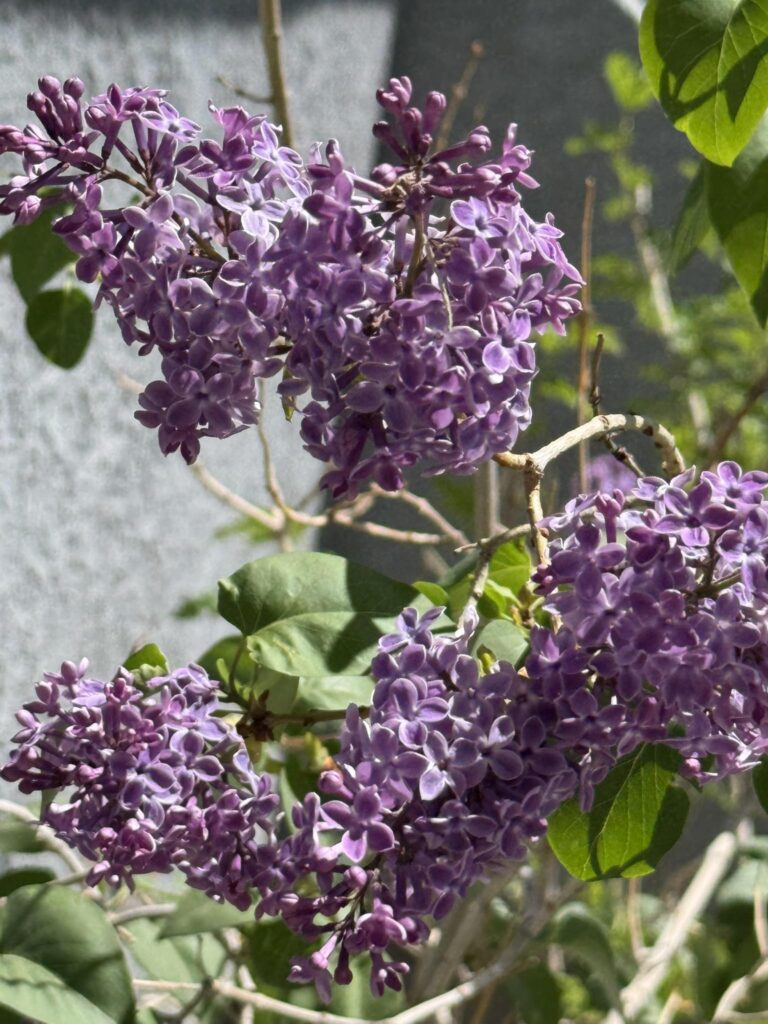
This is the lilac most people picture instantly. It is a spring-flowering, perennial shrub or small tree in the olive family, with hundreds of cultivars in white, cream, rose, magenta, lavender, and purple.
It performs best in cold winter climates, since the flower buds need a long period of winter chill to mature properly. I always tell new gardeners this is the safest starting point for a fragrant spring hedge.
2. Persian Lilac (Syringa x persica)
Persian lilac is a graceful, fine-textured shrub with light purple blooms. It thrives in warmer regions where common lilac sometimes struggles with heat.
It grows around six to eight feet tall and stands out among lilac types for its delicate foliage and profuse flowering. Its smaller leaves give it an airier look than the bulkier common lilac.
3. Chinese Lilac (Syringa x chinensis)
Also called Rouen lilac, this variety is a natural hybrid. It is a thickly branched cross between the Persian and common lilacs, combining traits of both parents.
Its arching branches and abundant purple flowers make it a striking specimen plant. It tends to bloom slightly earlier than straight common lilac.
4. Hungarian Lilac (Syringa josikaea)
Hungarian lilac grows about three meters tall and produces scentless, bluish-purple flowers. It is one of the few lilac species without a strong fragrance.
Despite the lack of scent, its glossy foliage and later bloom time make it valuable for extending the lilac season. It also tolerates wetter soil better than most species.
5. Nodding Lilac (Syringa komarowii)
This species reaches about four meters tall and produces pinkish flowers native to China. Its drooping flower clusters give it a softer, weeping appearance than upright common lilac.
It remains less common in home gardens but appears in botanical collections. Breeders occasionally use it to introduce new bloom shapes.
6. Late Lilac (Syringa villosa)
Late lilac grows seven to ten feet tall, with slightly fragrant, pinkish-white to lavender flowers. Unlike many species, it does not sucker, which makes it far easier to maintain a tidy shape.
It blooms after common lilac finishes, stretching the flowering season into early summer. Gardeners layering bloom times often rely on this species for that reason.
7. Manchurian Lilac (Syringa pubescens subsp. patula)
Manchurian lilac has dense foliage, grows five to eight feet high, and produces lilac-purple flowers with strong fall color. Its most famous cultivar, ‘Miss Kim,’ descends directly from this species.
I appreciate how compact and disease-resistant this group tends to be. It suits smaller modern yards far better than sprawling common lilac.
8. Meyer Lilac (Syringa meyeri)
Meyer lilac is a dense, multi-stem shrub about eight feet tall and twelve feet wide, spectacular in flower. It does not sucker or develop powdery mildew, requires little care, tolerates drought, and needs full sun.
Its flowers open violet-purple and fade gently to pink. This species is a favorite for gardeners tired of fighting mildew every summer.
9. Japanese Tree Lilac (Syringa reticulata)
This is the giant of the family. Japanese tree lilac grows to 30 feet tall and 20 feet wide, with moderate resistance to powdery mildew, scale, and borers.
It bears white flowers in early to mid-June and is unlike most other lilacs in its resistance to mildew, scale, and borers. Cities plant it heavily as a street tree because of that hardiness.
10. Littleleaf Lilac (Syringa microphylla)
Littleleaf lilac is a compact, fine-textured shrub with small leaves and a spreading habit. It often reblooms lightly in late summer, a trait breeders have used to create modern reblooming hybrids.
Modern hybrids of the Hairy Littleleaf Lilac group are famous for reblooming, and breeding continues to improve this trait. Its delicate look suits cottage-style borders beautifully.
11. Himalayan Lilac (Syringa emodi)
Himalayan lilac is a lesser-known species native to the Himalayas. It produces pale lilac to white flowers and large, distinctive leaves compared to other species.
It is rarely sold commercially but appears in specialty and botanical garden collections. Its cold hardiness makes it useful for high-altitude breeding programs.
12. Amur Lilac (Syringa reticulata subsp. amurensis)
Amur lilac is closely related to Japanese tree lilac but slightly smaller and more shrub-like. It produces creamy white flower clusters with a scent some describe as closer to privet than classic lilac.
Its attractive, cherry-like bark adds winter interest long after the blooms fade. Landscapers often choose it for four-season structure.
Part 2: French Hybrid Lilac Cultivars (Syringa vulgaris)
The common lilac alone is represented by an enormously long list of cultivars, roughly 2,000 in total. These are among the most celebrated named varieties.
13. ‘Sensation’
‘Sensation’ is instantly recognizable for its bicolor look. It boasts purple flowers edged in white and earned the Royal Horticultural Society Award of Garden Merit in 2012.
It stays in bloom for about a full month during mid-spring, longer than many other cultivars. This is the lilac that first stopped me on that walk I mentioned earlier.
14. ‘Beauty of Moscow’ (Krasavitsa Moskvy)
This is one of the most romantic lilacs available. It forms soft pink buds that open into white, double-flowered blossoms with a highly fragrant scent.
It appears on the University of Minnesota Extension’s recommended cultivar list for Minnesota landscapes. Its two-tone bud-to-bloom transition makes it a garden favorite for photography.
15. ‘Charles Joly’
‘Charles Joly’ produces double magenta-purple flowers and carries an extremely strong fragrance. It also shows above-average resistance to powdery mildew, a common lilac problem.
Its rich color reads almost wine-red in certain light. It remains a top pick for gardeners who want maximum drama.
16. ‘President Grevy’
‘President Grevy’ produces double, light blue flowers and carries a strong fragrance like other classic French hybrids. Its soft blue tone is uncommon among lilac cultivars, most of which lean purple or white.
It grows to a substantial size, so give it room. I recommend it for anyone wanting a color break from typical purple lilac hedges.
17. ‘Primrose’
‘Primrose’ produces large trusses of fragrant, single, creamy white flowers. Its pale yellow undertone sets it apart from the pure whites found in other cultivars.
It works beautifully paired with deep purple varieties for contrast. The soft color also photographs well in cut-flower arrangements.
18. ‘Ludwig Spaeth’
‘Ludwig Spaeth’ appears on university-recommended lists for common lilac cultivars suited to cold climates. It produces deep reddish-purple, single flowers with a strong classic lilac scent.
It has remained popular for over a century due to its reliability. Older gardens across the northern United States often still contain original plantings.
19. ‘Wonderblue’
‘Wonderblue’ offers a true blue-purple tone that stands out in mixed plantings. It is listed among cultivars recommended for Minnesota landscapes, which demand strong cold hardiness.
Its compact clusters bloom reliably each spring. Gardeners chasing a bluer lilac often land on this cultivar.
20. ‘Katherine Havemeyer’
This cultivar produces double, lavender-pink flowers that age to a paler pink. It is a long-standing recommendation on university lilac lists for northern gardens.
Its fragrance ranks among the strongest of the French hybrids. Many old estate gardens still feature it as a specimen shrub.
21. ‘Mme. Lemoine’
Named after the wife of famed breeder Victor Lemoine, this cultivar produces pure white, double flowers. It is recommended for cold-hardy landscapes and remains one of the most planted white lilacs in North America.
Its clean, bridal-white color makes it popular for formal garden designs. The double flower form also holds up well as a cut stem.
22. ‘Yankee Doodle’
‘Yankee Doodle’ was cultivated in 1985 by Ohio breeder Father John L. Fiala, who counted it among his favorite creations. It produces deep-purple, highly aromatic flowers and blooms in late spring for up to four weeks.
Its hardiness range extends from zones 2 to 8, wider than many cultivars. That range makes it a dependable choice across very different climates.
23. ‘Old Glory’
‘Old Glory’ is prized for its strong resistance to powdery mildew, a trait not always common in classic French hybrids. It appears on university lists of Syringa vulgaris cultivars with above-average mildew resistance.
Its single purple flowers open reliably each spring. Gardeners battling fungal issues often switch to this cultivar for peace of mind.
24. ‘Rochester’
‘Rochester’ stands out for its unusually detailed flower form. Some of its florets carry up to 26 petals, resembling small daisies, making it one of the most ornate white lilac cultivars available.
Its complex bloom structure takes it beyond the typical four-petal lilac flower. Collectors often seek it out specifically for that detail.
Part 3: Early-Flowering Hyacinth Lilacs (Syringa x hyacinthiflora)
This hybrid group blooms earlier than common lilac, extending the season on the front end.
25. ‘Pocahontas’
‘Pocahontas’ is a hyacinth lilac recommended for foundation plantings, noted for disease resistance. Its deep purple-red flowers open about a week before typical common lilac cultivars.
This early timing makes it valuable for gardeners wanting the very first lilac scent of spring. It pairs well with daffodils and other early bulbs.
26. ‘Excel’
‘Excel’ is known among Hyacinth Lilacs as the earliest bloomer, opening days before other cultivars in the same group. Its lavender-purple, single flowers signal the true start of the lilac season.
Gardeners layering bloom times often plant this variety first in the sequence. It sets the tone before the main common lilac display begins.
27. ‘Maiden’s Blush’
‘Maiden’s Blush’ produces soft pink, single flowers with a gentle fragrance. It is listed among cultivars suited for foundation plantings in cold-climate landscapes.
Its pastel tone offers a delicate alternative to the bolder purples common in this hybrid group. It blends easily into mixed perennial borders.
28. ‘Royal Purple’
This cultivar delivers a saturated, true purple bloom on an early-flowering plant. It ranks among the favorite Hyacinth Lilac cultivars noted for strong color and early timing.
Its intensity works well as a focal shrub near an entryway. The early bloom time also means less competition with other spring color.
Part 4: Preston (Late) Lilac Hybrids (Syringa x prestoniae)
Preston lilacs bloom later than common lilac and carry more red tones in their flower color. These hybrids were developed largely in Canada for extreme cold hardiness.
29. ‘Donald Wyman’
‘Donald Wyman’ is a widely recommended Preston lilac cultivar suited to northern landscapes. Its reddish-purple flower panicles cascade in a graceful, fountain-like form.
It extends the lilac display well past the point when common lilac has finished. I find it especially useful for stretching the fragrant season into June.
30. ‘Miss Canada’
‘Miss Canada’ grows six to nine feet tall with cheerful pink blossoms and rich yellow fall foliage. Its flower clusters bloom in early summer for two to three weeks and thrive in USDA zones 3 to 7.
Its bright pink tone is unusual among lilacs, most of which lean purple or white. That distinct color makes it a standout in mixed shrub borders.
31. ‘James Macfarlane’
This Preston hybrid produces large, pink, fragrant flower clusters on an arching shrub form. It ranks among the favorite Late Lilac cultivars for its cascading flower display.
It tends to bloom slightly later than ‘Donald Wyman,’ further stretching the season. Its vigorous growth also makes it useful as an informal hedge.
32. ‘Minuet’
‘Minuet’ is a more compact Preston lilac, suited to smaller landscapes than many of its late-blooming relatives. It appears on university-recommended lists for Preston lilac cultivars in northern climates.
Its lavender-pink flowers open in a tidy, rounded form. This makes it a practical choice for foundation planting where space is limited.
Part 5: Modern Dwarf and Reblooming Lilacs
Breeders have spent decades shrinking the lilac and teaching it to bloom twice. These next few types represent that modern shift.
33. ‘Miss Kim’
‘Miss Kim’ matures to about four to seven feet tall, blooms slightly later than common lilac, and shows powdery mildew resistance along with deep burgundy fall color. It is one of the most widely planted compact lilacs in North America.
It was originally introduced by the University of New Hampshire in 1954 and thrives in USDA zones 4 to 9. Its light-purple, sweet-smelling blooms make it ideal for smaller modern yards.
34. ‘Palibin’
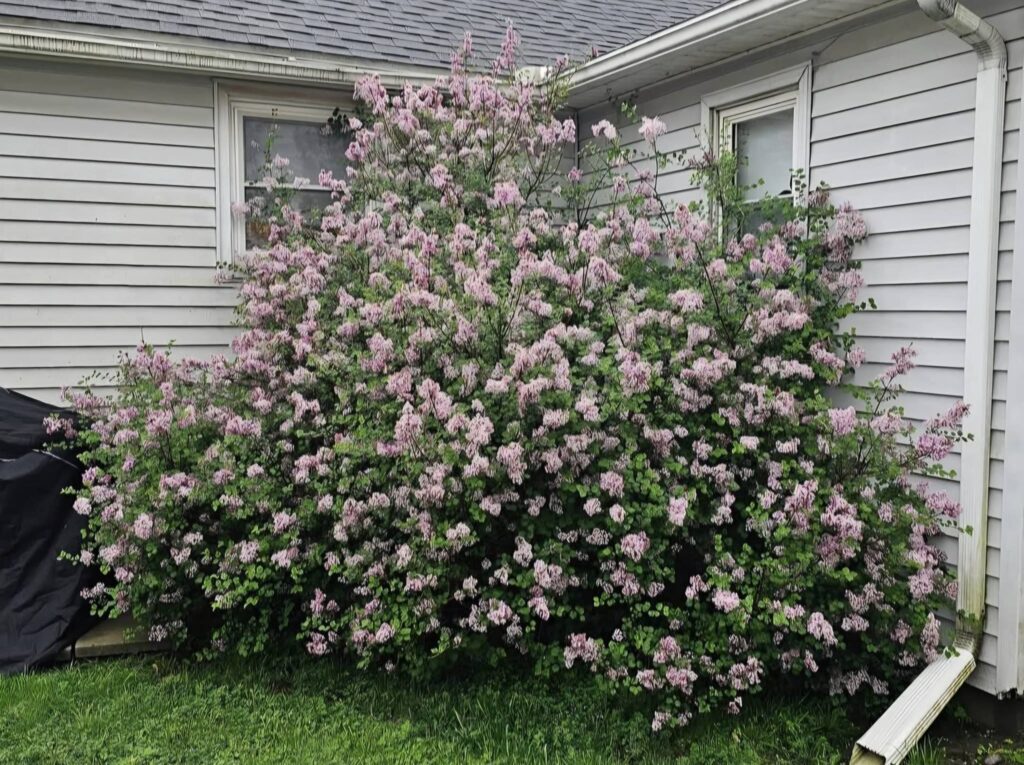
‘Palibin’ is a compact Meyer lilac cultivar maturing about four to five feet tall and five to seven feet wide, blooming slightly later than common lilac with good powdery mildew resistance. Its dense, rounded form suits low hedges and foundation plantings.
Its soft pink-purple flowers cover the shrub generously each spring. I recommend it often to gardeners with limited space who still want strong fragrance.
35. Bloomerang Series
Bloomerang represents the biggest shift in modern lilac breeding. Like many dwarf hybrid lilacs, the Bloomerang series is more disease-resistant than typical Syringa vulgaris and matures shorter in height, with the added distinction of sporadically reblooming later in summer or autumn.
The Bloomerang Dark Purple cultivar grows four to five feet tall and wide, blooms in both spring and late summer, and shows strong disease resistance. For gardeners who always wished lilac season lasted longer, this series finally delivers that second flush.
Growing Conditions: What Every Lilac Type Needs
Regardless of variety, most lilacs share a few core requirements. They need full sun, since leaves in shaded spots stay damp longer and encourage fungal disease.
Lilacs tolerate different soil types but perform poorly in highly acidic or poorly drained ground. Neutral to slightly alkaline soil consistently produces the healthiest plants.
Spacing matters more than most gardeners expect. University extension guidance recommends spacing plants six to ten feet apart to maintain air circulation and reduce disease spread.
Common Lilac Problems Worth Knowing
Powdery mildew is the single most common complaint gardeners bring to extension offices. It is largely cosmetic, and choosing disease-resistant cultivars solves most of the issue.
Borers present a more serious threat. The lilac borer, a clearwing moth larva, tunnels into the wood, and heavy, repeated infestations can eventually kill the plant.
My advice after years of trial and error? Choose resistant cultivars like ‘Miss Kim,’ ‘Palibin,’ or the Bloomerang series if disease pressure worries you.
ALSO READ: 11 Common Japanese Tree Lilac Problems: What’s Wrong With Your Tree and How to Fix It
How to Choose the Right Lilac for Your Garden
Start with your available space. Japanese tree lilac needs room to become a genuine 30-foot tree, while ‘Miss Kim’ fits comfortably into a small urban yard.
Next, think about bloom timing. Hyacinth lilacs open first, common lilac follows, and Preston lilacs close out the display weeks later.
Finally, consider fragrance and rebloom. If you want scent twice a year, the Bloomerang series is currently the strongest option on the market.
Final Thoughts
Thirty-five types barely scratches the surface of what Syringa offers, but it gives you a strong, practical starting point. I still think lilac remains one of the most rewarding shrubs a gardener can plant.
Pick two or three types with staggered bloom times, and you can stretch that unmistakable fragrance across nearly two months of spring. Few shrubs offer that kind of return for so little ongoing care.
Whichever variety you choose, give it full sun, decent spacing, and a little patience. Lilacs reward gardeners who let them settle in for the long haul.
References
- University of Maryland Extension — Lilac: Identify and Manage Problems: https://extension.umd.edu/resource/lilac-identify-and-manage-problems
- University of Minnesota Extension — Growing Lilacs for Minnesota Landscapes: https://extension.umn.edu/trees-and-shrubs/lilacs
- Nebraska Extension Publications — Lilacs: https://extensionpubs.unl.edu/publication/g1860/2008/html/view
- Virginia Cooperative Extension, Virginia Tech — Lilacs: https://www.pubs.ext.vt.edu/3010/3010-1493/3010-1493.html
- North Carolina State University Extension Gardener Plant Toolbox — Syringa vulgaris (Common Lilac): https://plants.ces.ncsu.edu/plants/syringa-vulgaris/
- Michigan State University Extension — Lilac: An Old-Fashioned, Favorite Shrub: https://www.canr.msu.edu/news/lilac_an_old_fashioned_favorite_shrub
- Integrated Taxonomic Information System, U.S. Government — Report: Oleaceae: https://itis.gov/servlet/SingleRpt/SingleRpt?search_topic=TSN&search_value=32927

Tim M Dave is a gardening expert with a passion for houseplants, particularly cacti and succulents. With a degree in plant biology from the University of California, Berkeley, he has vast experience in gardening. Over the years, he has cultivated a vast collection of desert plants and learned a great deal about how to grow and care for these unique companions.