25 Flowers That Survive Winter Outside (With Pictures, and Details)
Winter can make a garden feel empty. I know the feeling well. The beds look brown, and the colors of summer seem very far away.
But your garden does not have to go quiet. Many flowers can survive winter outside. Some even bloom in the snow.
This guide lists 25 hardy flowers, with care tips, when to plant and how to mulch.
What “Survive Winter” Really Means
Not every flower works the same way in cold weather. Some bloom in winter. Others rest underground and return in spring. Both types count as survivors.
Winter bloomers flower during the cold months. Hellebores and pansies are good examples. Winter survivors go dormant and then regrow. Peonies and coneflowers belong here.
The USDA Plant Hardiness Zone Map is your best starting point. It is based on the average annual extreme minimum winter temperature, shown in 10°F zones and 5°F half zones. Enter your zip code to find your zone.
Lower zone numbers mean colder winters. A plant rated for zones 3–8 will survive in many cold regions. Always check that your zone falls inside the plant’s range.
25 Flowers That Survive Winter Outside
1. Hellebore (Helleborus)
Hardiness: zones 5–8.
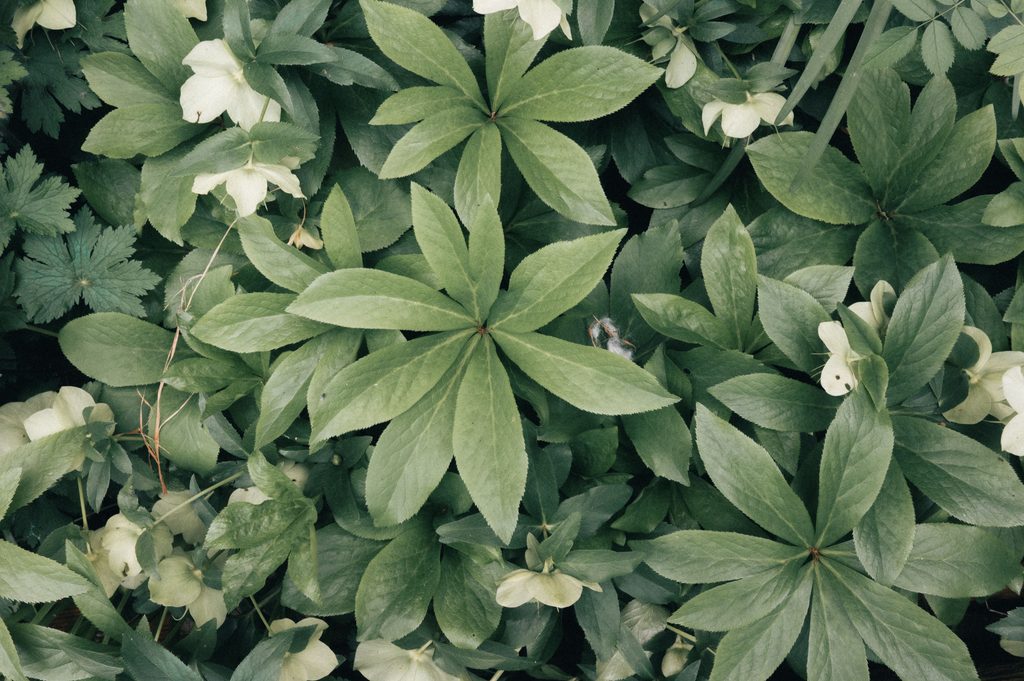
Hellebores are among the best winter flowers. They are also called Lenten roses or Christmas roses. The nodding blooms appear in late winter, often through snow.
University of Georgia Extension notes that Lenten roses need dappled shade and grow in zones 5 to 8. I find them a joy in the shade garden. Few plants flower this early.
The blooms last for weeks. They are not true petals but long-lasting sepals. Plant them in rich, well-drained soil and leave them alone. Hellebores dislike being moved.
2. Pansies (Viola × wittrockiana)
Hardiness: zones 6–8 outdoors.
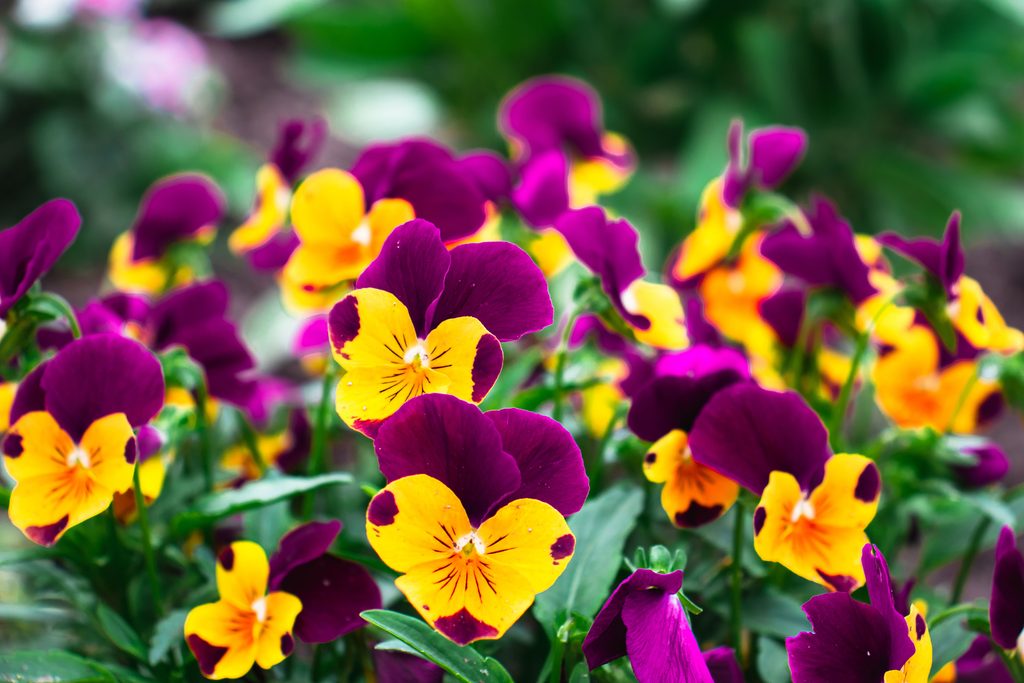
Pansies are the classic cold-weather flower. Their cheerful faces come in purple, yellow, blue, orange, and red. They bloom when most plants have stopped.
Mississippi State University Extension says pansies planted in fall withstand frost and keep flowering through winter. They work well in beds, pots, and window boxes. I always plant a few near the door.
Choose varieties bred for cold, such as the Cool Wave series. Plant them in fall while the soil is still warm. Deadhead faded flowers to keep new buds coming.
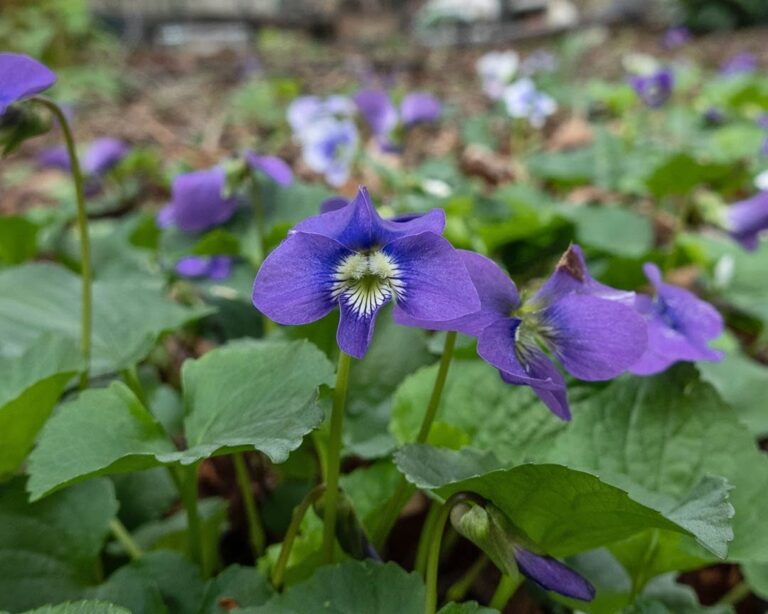
3. Violas (Viola cornuta)
Hardiness: zones 6–8.
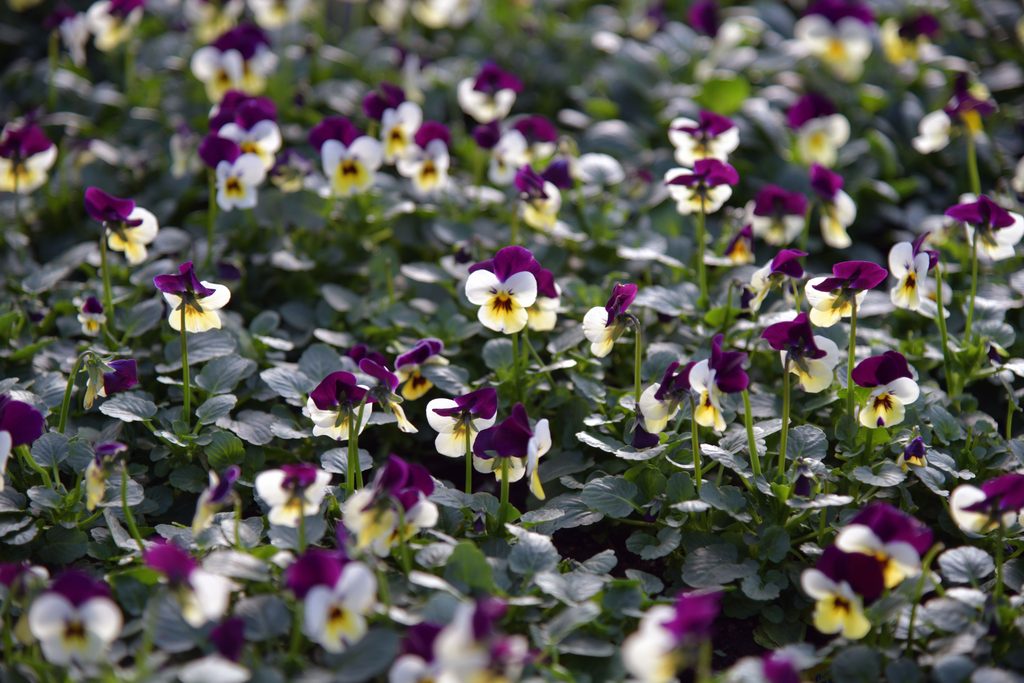
Violas are smaller cousins of the pansy. Their flowers are less showy but more numerous. They also handle cold with ease.
UGA Extension points out that violas tolerate shade better than pansies and make excellent winter container plants. This makes them very flexible. They suit both sunny and part-shade spots.
Violas often self-seed. That means free plants next year. Pinch off spent blooms for a longer show. A light mulch helps in harsher areas.
4. Snowdrops (Galanthus nivalis)
Hardiness: zones 3–7.
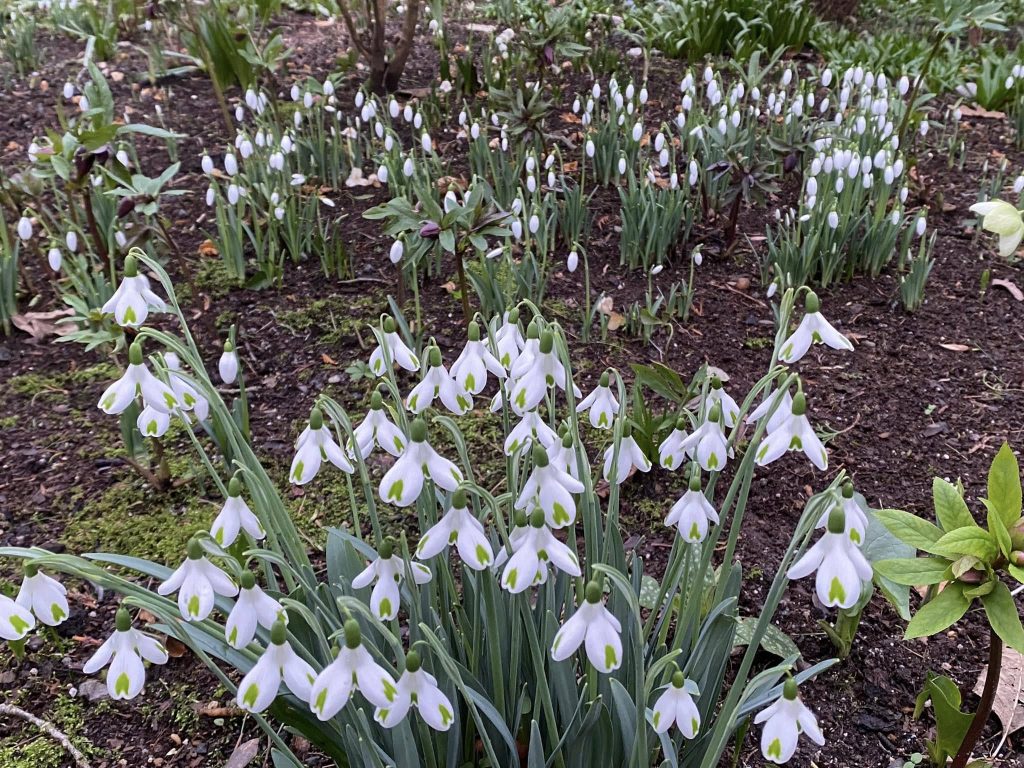
Snowdrops are small, white, and delicate. Yet they are tough. They push through frozen ground and snow in late winter.
I think of them as the first promise of spring. Each nodding bell hangs from a slender stem. A clump looks stunning under a bare tree.
Plant bulbs in fall, about three inches deep. They prefer part shade and moist soil. Left alone, they spread into pretty drifts.
5. Winter Aconite (Eranthis hyemalis)
Hardiness: zones 3–7.
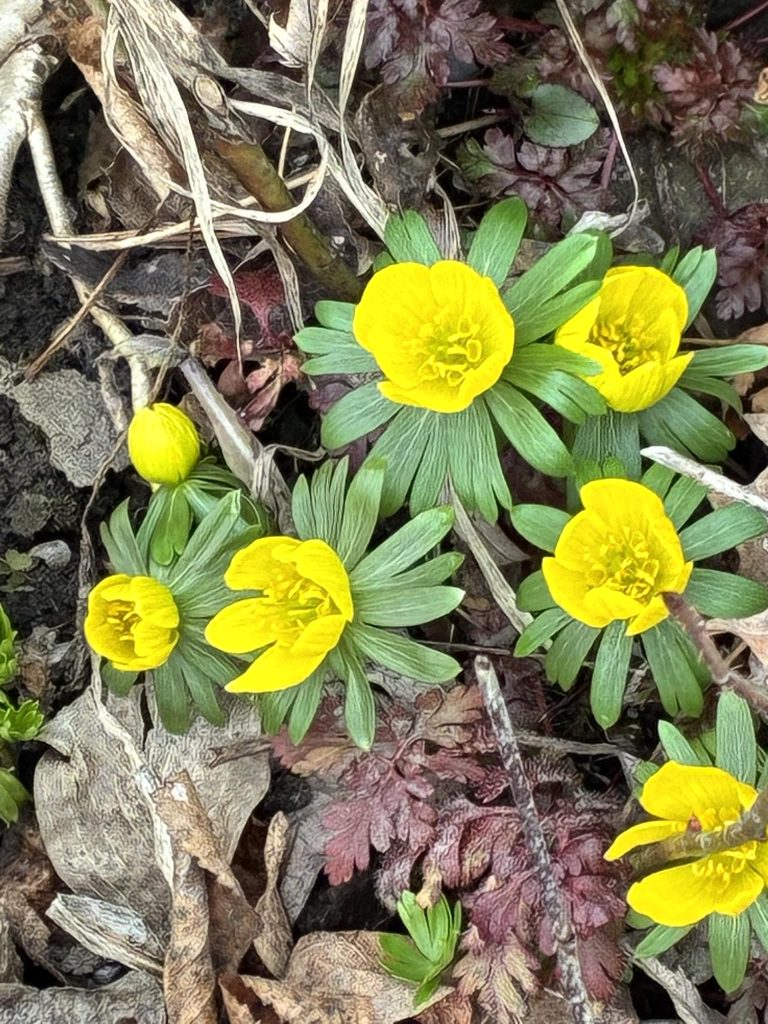
Winter aconite has bright yellow, buttercup-like flowers. They often open when snow is still on the ground. The color is a true shock in a gray garden.
These tiny plants are extremely cold-tolerant. They multiply slowly into golden carpets. Plant them under deciduous trees, where they get spring light.
Soak the tubers overnight before planting in fall. This helps them wake up and root. Keep the soil lightly moist until it freezes.
ALSO READ: 25 Flowers to Grow in March (With Planting Details)
6. Crocus (Crocus vernus)
Hardiness: zones 3–8.
Crocuses are among the earliest spring flowers. They open in purple, white, yellow, and striped forms. The sight of them lifts my mood every year.
The corms spend winter in the ground. They need the cold to bloom. University of Missouri Extension explains that bulbs planted in fall receive 10 to 14 weeks of low temperatures, which triggers flower buds.
Plant crocuses in October or November, about three to four inches deep. Choose a sunny spot with good drainage. They even grow well in lawns.
7. Daffodils (Narcissus)
Hardiness: zones 3–8.
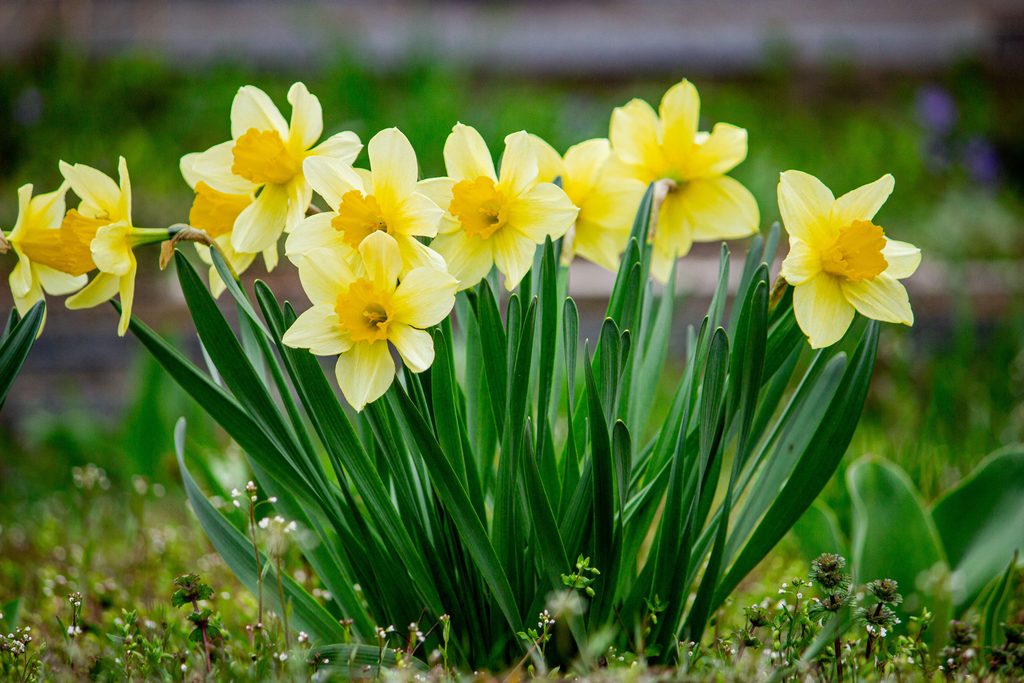
Daffodils are dependable and easy. They return each spring and slowly form larger clumps. Rodents and deer usually leave them alone.
Their bulbs are toxic to animals, which keeps them safe from digging. That is a big benefit for many gardeners. I rate them as the best beginner bulb.
Plant bulbs at a depth of two to three times their height, according to University of Missouri Extension. Avoid soggy ground. Wet soil makes bulbs rot over winter.
8. Winter Jasmine (Jasminum nudiflorum)
Hardiness: zones 6–10.
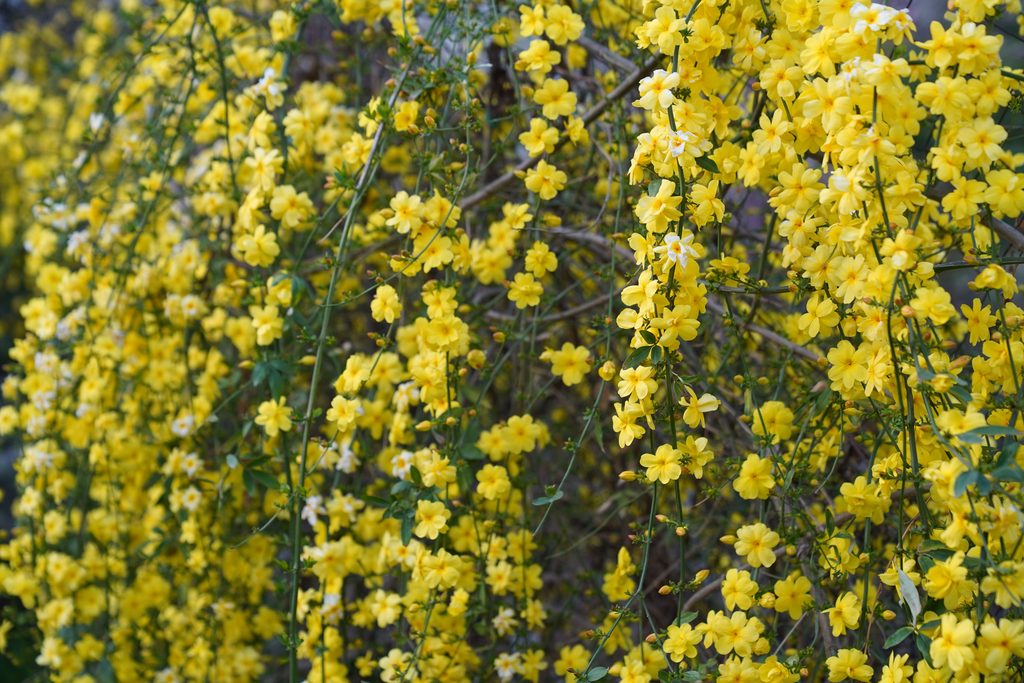
Winter jasmine blooms on bare green stems. Bright yellow, star-like flowers appear in late winter. It brings cheerful color to a dull fence or wall.
UGA Extension describes it as a semi-deciduous shrub of three to five feet that flowers best in full sun to part shade. The arching branches look lovely trailing over a wall.
The flowers have little scent, but the show is worth it. Prune right after flowering. This keeps the plant tidy and full.
9. Witch Hazel (Hamamelis)
Hardiness: zones 3–9.
Witch hazel is a large shrub with spidery flowers. Yellow, orange, or red blooms appear in the coldest months. Many types smell wonderfully sweet.
UGA Extension lists witch hazel as hardy in zones 3 to 9, thriving in full sun to light shade. That is an impressive range. It is one of the toughest winter bloomers.
Give it space, as it can reach 10 feet or more. Plant it where you can enjoy the scent from a path or door. A cut branch also perfumes a room.
10. Camellia (Camellia sasanqua and japonica)
Hardiness: zones 7–8, with some types to 6b.

Camellias have glossy evergreen leaves and large, rose-like flowers. They bloom in autumn, winter, or early spring, depending on the type.
UGA Extension says cold-hardy camellias bring fragrant blooms from September to March in zones 7 and 6b. Choose a hardy cultivar for colder areas.
Plant in a sheltered spot with morning sun and afternoon shade. Protect flower buds from hard freezes with a cover. Bud damage is the main winter risk.
ALSO READ: 25 Flowers That Don’t Need Direct Sun (With Pictures)
11. Winter Daphne (Daphne odora)
Hardiness: zones 7–8. Winter daphne is prized for its scent. Clusters of pink and white flowers perfume the air in late winter. A single shrub can scent a whole garden path.
UGA Extension notes that winter daphne needs semi-shade and grows in zones 7 to 8. It has glossy leaves that stay green all year.
Daphne dislikes wet feet and being moved. Plant it once in well-drained soil, and do not disturb it. It is a lovely choice near an entrance.
12. Primrose (Primula vulgaris)
Hardiness: zones 4–8.
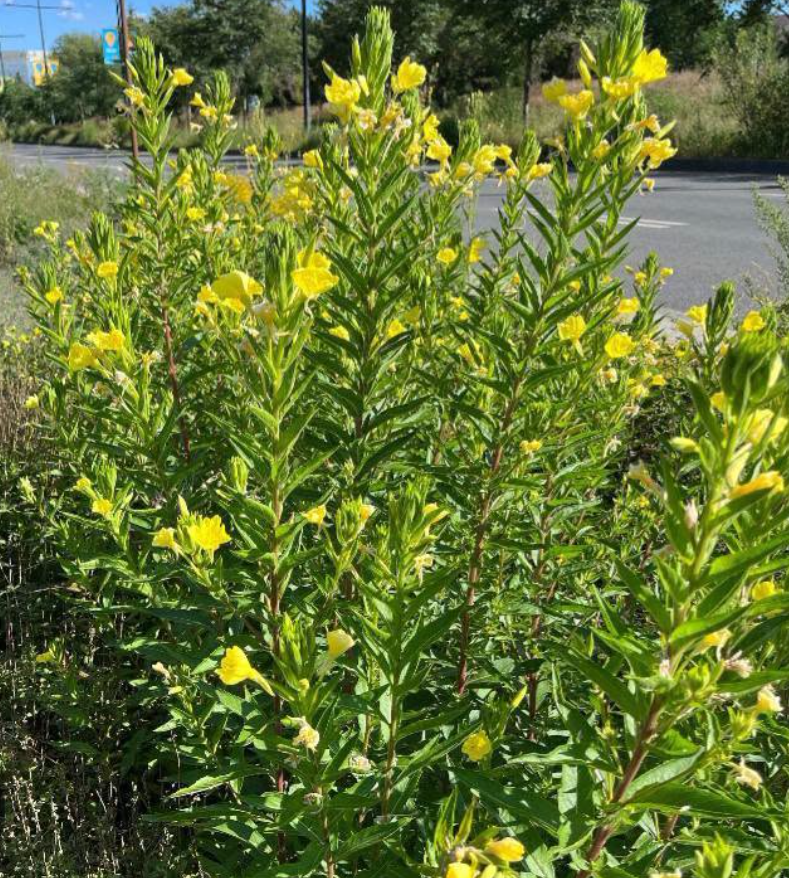
Primroses offer early color in cold gardens. Their flowers come in nearly every shade. They often start blooming in late winter in mild areas.
They love cool, moist conditions. That makes them perfect for shady borders. I like how they brighten the corners where little else grows.
Plant primroses in rich soil that stays slightly damp. Divide clumps every few years to keep them vigorous. A mulch layer protects the roots in hard frost.
13. Winter Heath (Erica carnea)
Hardiness: zones 5–7.
Winter heath is a low, evergreen shrub covered in tiny bell flowers. Pink, white, or purple blooms appear from midwinter into spring. It makes a colorful ground cover.
It handles snow and frost gracefully. The needle-like foliage stays green. Bees visit the flowers on mild winter days.
Give it acidic, well-drained soil and full sun. Trim lightly after flowering. Avoid heavy pruning into old wood.
14. Coral Bells (Heuchera)
Hardiness: zones 4–9.
Coral bells are grown mainly for their leaves. The foliage comes in purple, lime, amber, and silver. Much of it stays colorful through winter.
In spring, slim stems carry small, bell-shaped flowers. Hummingbirds like them. The evergreen leaves add structure to winter beds.
Plant crowns level with the soil, not buried. Frost can push shallow plants upward. Press them back and add mulch if that happens.
15. Sedum (Sedum ‘Autumn Joy’)
Hardiness: zones 3–9.
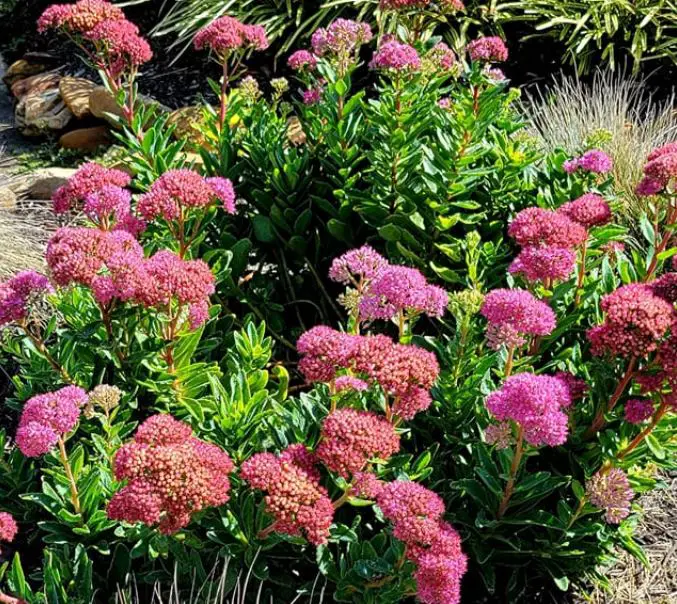
This sturdy perennial blooms in late summer and fall. The pink flowers deepen to rusty red. Even after frost, the dried flower heads look lovely.
Leave the seed heads standing through winter. They catch frost and snow beautifully. Birds also feed on the seeds.
Sedum ‘Autumn Joy” needs full sun and well-drained soil. Cut it back in early spring, not fall. It is almost impossible to kill in cold weather.
16. Coneflower (Echinacea purpurea)
Hardiness: zones 3–9.
Coneflowers are strong, long-lived perennials. Purple, pink, and white daisy-like blooms attract bees and butterflies all summer.
The plants die back in winter, but the roots survive. Dark seed cones stay on the stems. Goldfinches love to feed on them.
Do not cut them down too early. Iowa State Extension says leaving stems and seed heads adds winter interest and protects the plant’s crown and roots. Trim them in early spring.
17. Peony (Paeonia)
Hardiness: zones 3–8.
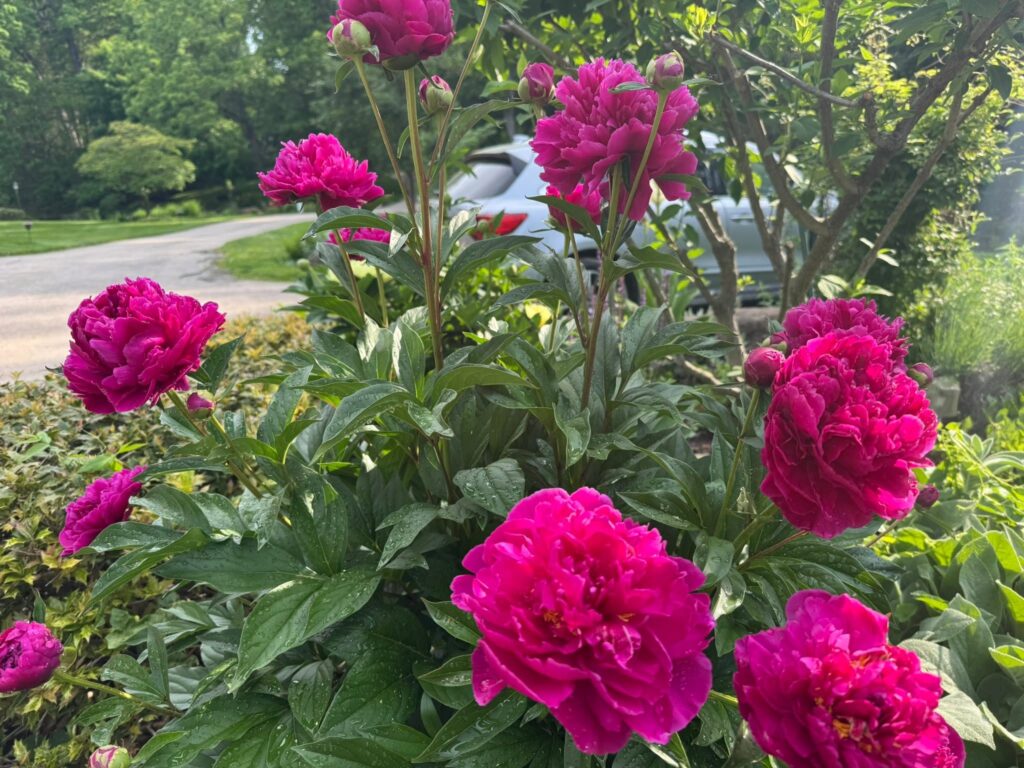
Peonies are some of the most loved garden flowers. Large, fragrant blooms appear in late spring. A healthy plant can live for decades.
Peonies actually need cold winters. Mild climates often give fewer flowers. That is why they thrive in cold regions.
Plant the roots with the buds only one to two inches below the surface. Planting too deep prevents blooming. Cut stems to the ground in fall after frost.
18. Tulips (Tulipa)
Hardiness: zones 3–8.
Tulips are a spring favorite. They come in almost every color and shape. Few flowers make a bigger statement.
Like other bulbs, they need winter chilling. NC State Extension says most spring bulbs need 12 to 16 weeks of cold, and short chilling leads to short stems. Cold winters are good for them.
Tulips dislike wet soil. Plant them in well-drained ground, six to eight inches deep. Many varieties fade after a few years, so refresh them.
19. Hyacinth (Hyacinthus orientalis)
Hardiness: zones 4–8.
Hyacinths have dense spikes of intensely fragrant flowers. A few bulbs can perfume a whole garden in spring. They come in blue, pink, white, and purple.
The bulbs sit safely underground through winter. They need that cold period to flower. Plant them in fall before the ground freezes.
Choose a sunny spot with loose, well-drained soil. Place bulbs about six inches deep. They look lovely in rows or groups.
20. Dianthus (Dianthus)
Hardiness: zones 3–9.
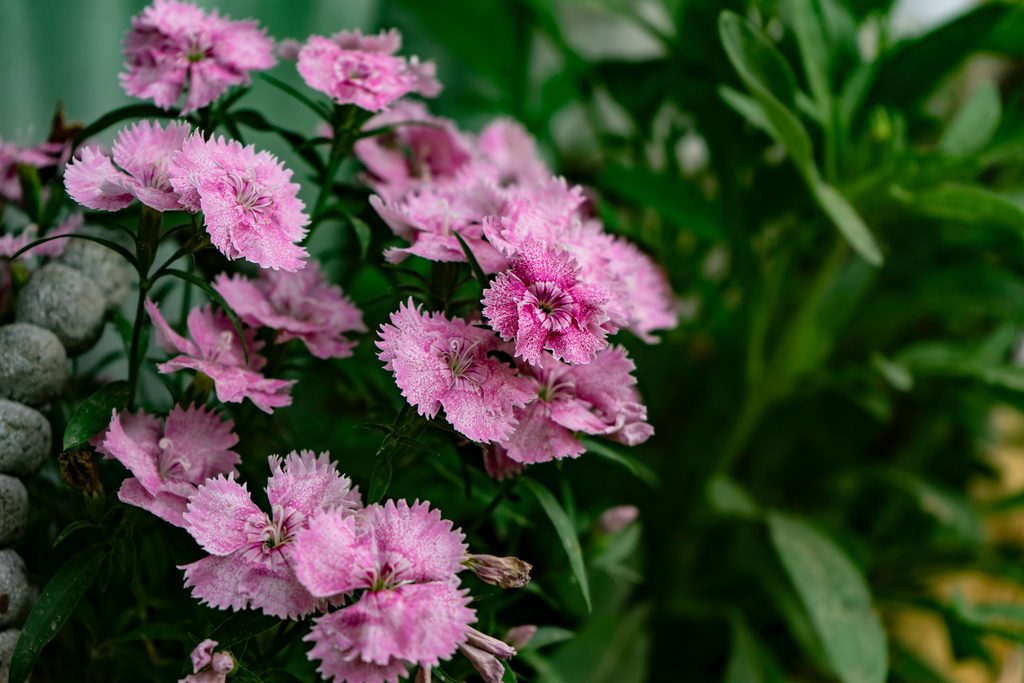
Dianthus, also called pinks, has fringed, spicy-scented flowers. The blue-gray foliage forms a tidy mat. In many areas, it stays evergreen through winter.
It is a tough plant for borders and rock gardens. Bloom comes in late spring and early summer. Some types repeat if deadheaded.
Dianthus needs sharp drainage. Wet winter soil is its main enemy. Plant in full sun and avoid heavy clay.
21. Hardy Cyclamen (Cyclamen hederifolium)
Hardiness: zones 5–9.
Hardy cyclamen is a small woodland gem. Pink or white flowers appear in autumn, followed by silver-marbled leaves that last all winter. It is a rare plant that is lovely in the cold season.
The tubers sleep through summer. In fall, the flowers rise first, then the leaves. I find this reversed rhythm charming.
Plant tubers just below the surface in part shade. Keep the soil well drained. Over the years, they spread into pretty colonies.
22. Pieris (Pieris japonica)
Hardiness: zones 5–8.
Pieris, or Japanese andromeda, is an evergreen shrub. In late winter, long chains of white or pink flowers hang from its branches. The buds form in fall and stay visible all winter.
New spring leaves often flush red or bronze. The glossy foliage looks good year-round. Deer tend to avoid it.
Give it acidic soil and a spot sheltered from harsh wind. Partial shade works best. A layer of mulch keeps the roots cool and moist.
23. Siberian Iris (Iris sibirica)
Hardiness: zones 3–9.
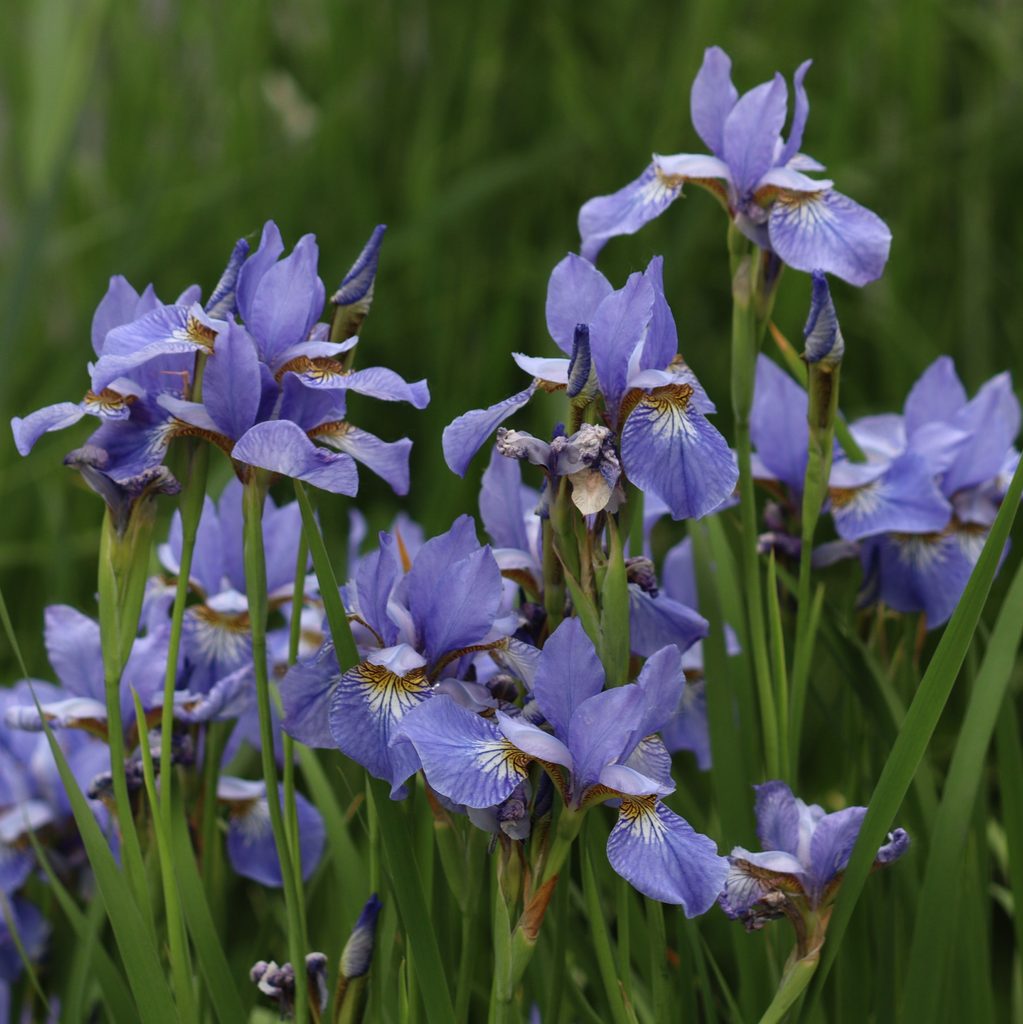
Siberian iris has slender, grassy leaves and elegant blue-purple flowers. They bloom in late spring. The plants are extremely reliable in cold regions.
In winter, the foliage dies back. The roots stay safe underground. Dried seed pods also add subtle interest.
They enjoy sun and moist soil. Cut back the leaves in late fall or early spring. Divide clumps every four or five years.
24. Black-Eyed Susan (Rudbeckia fulgida)
Hardiness: zones 3–9.
Black-eyed Susans bring golden color from midsummer to fall. The dark cones in the center are very distinctive. They are easy and hardy.
After the first hard frost, the plants die back. The roots survive even harsh winters. Seed heads feed finches through the cold months.
Leave seed heads standing for birds. Cut stems back in early spring. These plants spread by seed and by roots.
25. Grape Hyacinth (Muscari armeniacum)
Hardiness: zones 4–9.
Grape hyacinths produce clusters of small, deep blue flowers. They look like tiny bunches of grapes. They are cheerful, tough, and very easy.
The leaves often appear in autumn and stay green all winter. That is normal and harmless. The flowers follow in early spring.
Plant bulbs about three inches deep in fall. They spread quickly and naturalize in lawns and borders. Pair them with daffodils for a classic combination.
ALSO READ: 35 Good Flowers to Grow in Pots (With Pictures)
How to Help Your Flowers Survive Winter
Hardy flowers still benefit from a little care. A few simple steps make a big difference. I follow these every year.
Plant at the right time. Spring bulbs go in during fall. NC State Extension suggests planting once soil temperatures have dropped below 60°F. Early planting lets roots establish before frost.
Mulch after the ground freezes. Mulch does not keep plants warm. It prevents repeated freezing and thawing. Iowa State Extension suggests about four inches of mulch over perennial crowns after the soil freezes, typically by late November in much of Iowa.
For most perennials, 2 to 5 inches works well. Oregon State Extension advises applying winter mulch once the ground has lightly frozen. Straw, shredded leaves, and bark all work.
Ensure good drainage. Wet soil does more damage than cold. Bulbs rot and crowns decay in soggy ground. Raised beds help in heavy clay.
Water before the freeze. Dry roots suffer in cold, dry winters. Give plants a deep drink in late fall. Stop once the ground is frozen solid.
Common Mistakes to Avoid
Many winter losses are easy to prevent. Here are the mistakes I see most often.
- Mulching too early. This can keep soil warm and delay dormancy.
- Planting too late. Roots need time to settle before the ground freezes.
- Ignoring your zone. A pretty label means little if the plant is not hardy.
- Cutting back too soon. Standing stems protect crowns and feed wildlife.
- Overwatering. Soggy soil rots bulbs and roots.
Final Thoughts
A winter garden can still be beautiful. With the right plants, you will see color even in the coldest weeks. The list above gives you many options.
Start with the easiest ones: daffodils, hellebores, coneflowers, and sedum. They ask for little and give a lot. Then add bolder choices as you gain confidence.
Check your zone, plant in fall, and mulch after the freeze. Then wait. When the first snowdrop appears, I promise it will feel worth it.
References
- USDA Agricultural Research Service. 2023 USDA Plant Hardiness Zone Map. https://planthardiness.ars.usda.gov/
- University of Georgia Extension (Forsyth County). Flowering Plants That Brighten Winter Landscapes. https://site.extension.uga.edu/forsyth/flowering-plants-that-brighten-winter-landscapes/
- Mississippi State University Extension. Pansies Are Sure Winners in Dreary Winter Gardens. https://extension.msstate.edu/news/southern-gardening/2023/pansies-are-sure-winners-dreary-winter-gardens
- University of Missouri Extension. Plant Bulbs Now for a Colorful Spring. https://extension.missouri.edu/news/plant-bulbs-now-for-a-colorful-spring
- NC State Extension (Wayne County). Plant Bulbs This Fall for Spring Flowers. https://wayne.ces.ncsu.edu/news/plant-bulbs-this-fall-for-spring-flowers/
- Iowa State University Extension and Outreach. How Should I Prepare My Perennial Beds for Winter? https://yardandgarden.extension.iastate.edu/faq/how-should-i-prepare-my-perennial-beds-winter
- Oregon State University Extension. Winter Care of Perennials in Central Oregon. https://extension.oregonstate.edu/es/gardening/flowers-shrubs-trees/winter-care-perennials-central-oregon

Tim M Dave is a gardening expert with a passion for houseplants, particularly cacti and succulents. With a degree in plant biology from the University of California, Berkeley, he has vast experience in gardening. Over the years, he has cultivated a vast collection of desert plants and learned a great deal about how to grow and care for these unique companions.