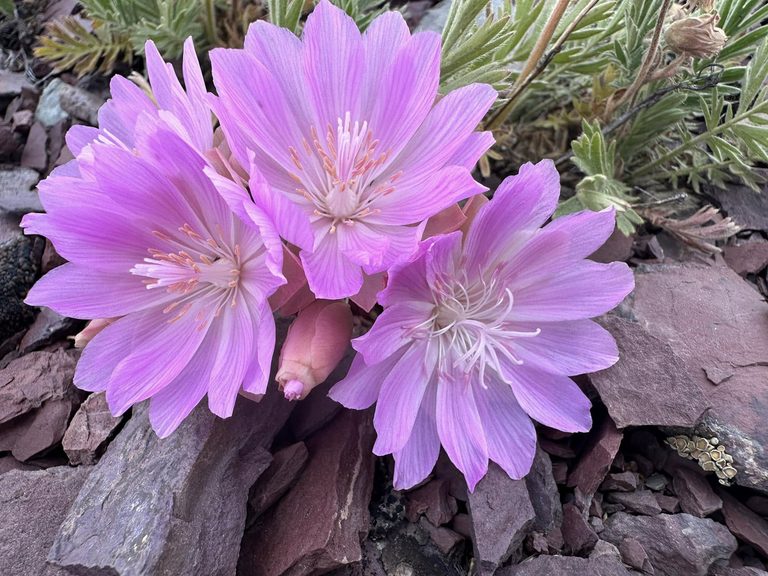
35 Flowers Safe for Cats (Pet Friendly Blooms, With Pictures)
I love having fresh flowers around the house. My cat loves sniffing them, chewing the leaves, and occasionally knocking the whole vase off the table. If you’re a cat parent, you probably know that feeling too.
But not every flower is worth the risk. Cats are curious by nature, and their curiosity often lands them nose-first in a bouquet.
Here’s a number that should make every cat owner pause: the ASPCA Animal Poison Control Center handled more than 451,000 calls in 2024 alone, related to toxic substance, plant and poison exposures in animals.
Below, I’ve compiled 35 flowers that are genuinely safe for cats, so you can decorate without worry.
Let’s get into it.
35 Pet Friendly lowers
1. Roses
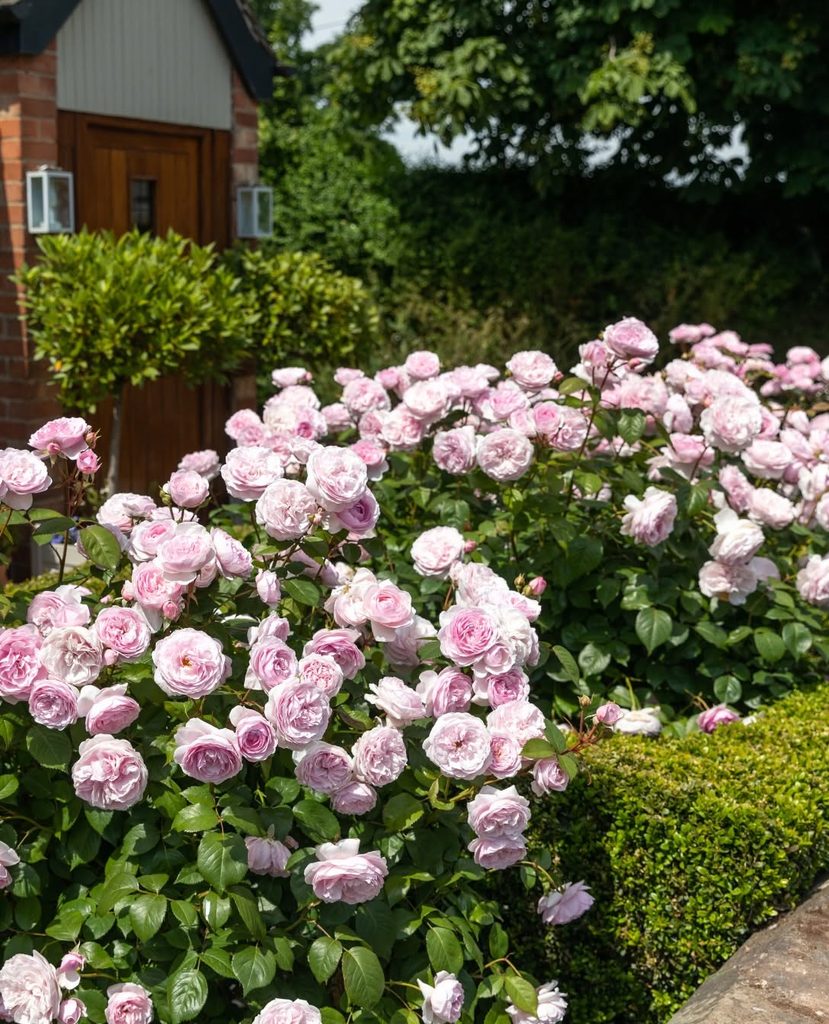
Roses top this list for good reason. They’re classic, fragrant, and completely non-toxic to cats, according to the ASPCA’s plant database.
Even if your cat nibbles a petal or brushes against the stem, you shouldn’t see any poisoning symptoms. The bigger concern is actually the thorns, which can scratch a curious paw or nose.
I’d still recommend trimming thorns if your cat likes to explore vases up close. It’s a small step that keeps both the flower and your cat’s curiosity intact.
2. Sunflowers

Sunflowers bring instant cheer to any room, and thankfully, they’re safe for cats too. Their large petals and sturdy stems make them a popular choice for pet-friendly bouquets.
Cats sometimes chew on the leaves out of boredom rather than hunger. This is harmless with sunflowers, though excessive plant fiber can occasionally cause mild stomach upset in any cat.
If your cat seems overly interested in the whole plant, place it somewhere slightly out of reach. Not because it’s dangerous, but simply to keep the flower intact for longer.
3. Zinnias
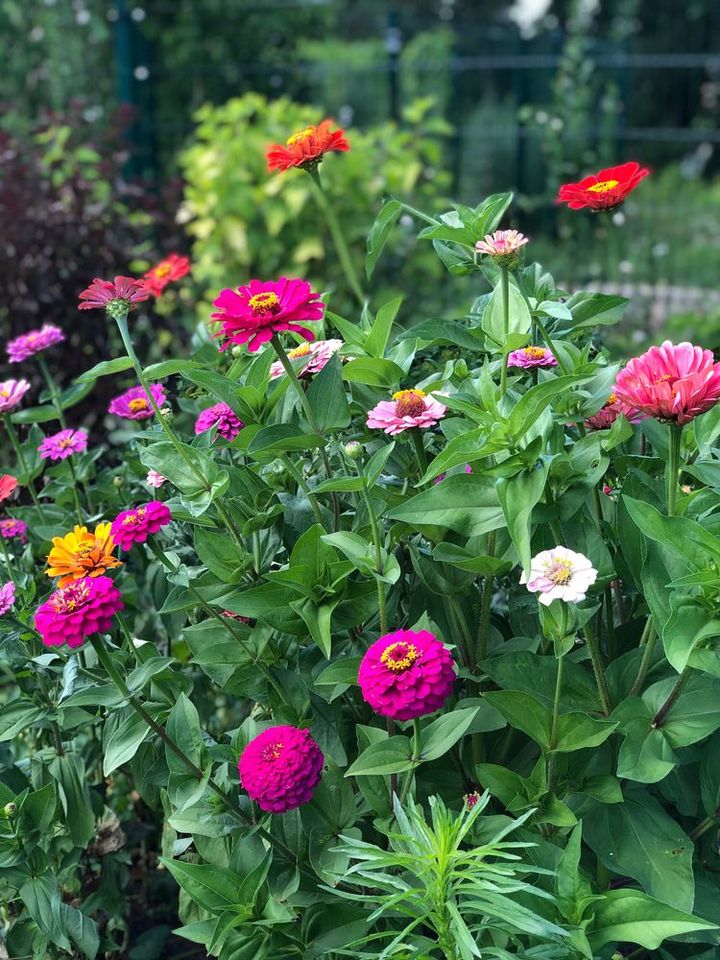
Zinnias are colorful, hardy, and a favorite in cottage gardens. They’re also listed as non-toxic for cats and dogs by veterinary toxicology databases.
These flowers work well both indoors as cut arrangements and outdoors in a garden bed. Cats that spend time outside often walk past zinnias without any issue.
I like recommending zinnias to new plant owners because they’re forgiving and low-maintenance. That combination of safety and simplicity is hard to beat.
4. Snapdragons
Snapdragons have a distinctive shape that cats often find fascinating to bat at. Fortunately, this flower poses no toxicity risk if chewed or swallowed in small amounts.
They come in a wide range of colors, which makes them a favorite for seasonal arrangements. Their sturdy stems also hold up reasonably well against playful paws.
One caution worth mentioning: always confirm you have snapdragons and not a toxic lookalike before bringing bulk garden flowers indoors, since mislabeling happens more often than people expect.
5. Freesia
Freesia is prized for its sweet fragrance, and many cat owners choose it specifically because it’s both beautiful and pet-safe. It ranks among the ASPCA’s confirmed non-toxic flowering plants.
The delicate, trumpet-shaped blooms tend to attract feline attention, especially from cats who enjoy sniffing anything with a strong scent.
If you’re building a cat-friendly cutting garden, freesia deserves a spot. It adds elegance without the anxiety that comes with riskier blooms like lilies.
6. Gerbera Daisies
Gerbera daisies are bold, bright, and a common choice for home decor. They’re also completely safe for cats, unlike some other daisy varieties that carry mild toxicity.
It’s worth noting the distinction here, because “daisy” as a general term covers plants with very different safety profiles. Gerbera specifically has been cleared by veterinary sources.
Their large, sturdy petals also tend to survive a curious cat’s exploration better than more delicate flowers, which is a practical bonus for busy households.
7. Petunias
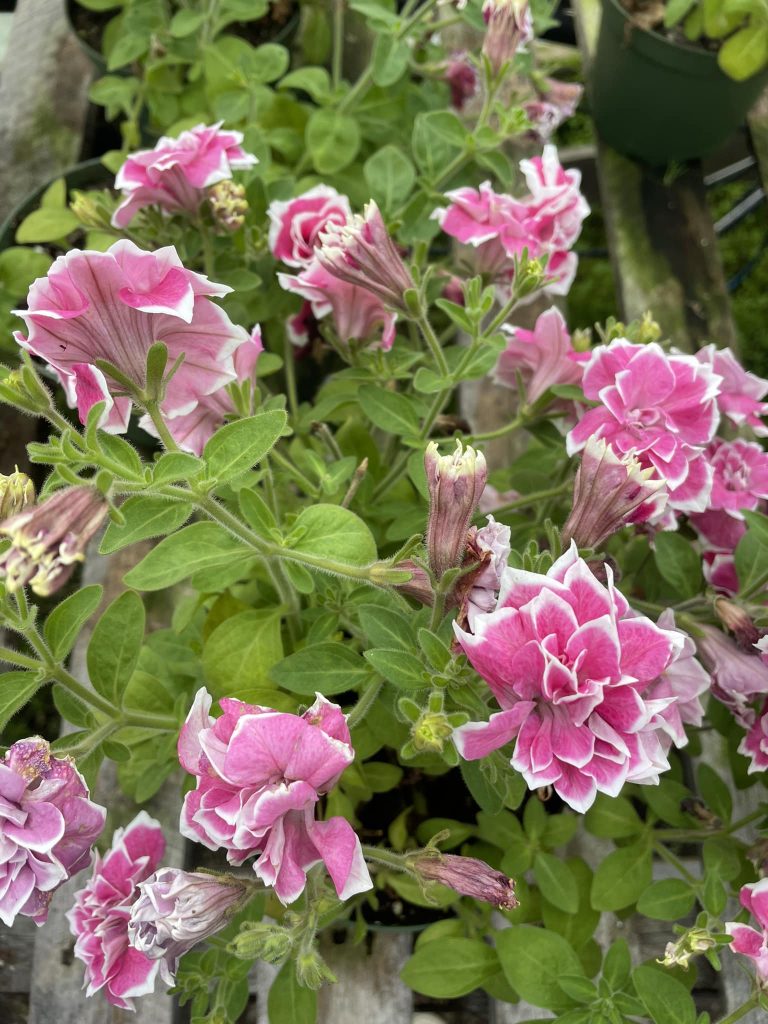
Petunias are a garden favorite, known for their trumpet-shaped blooms and long flowering season. They’re non-toxic to cats, making them ideal for outdoor planters near patios.
Cats that roam gardens often brush against petunias without any harm. Even direct chewing typically results in nothing more than mild, temporary digestive discomfort at worst.
I’ve found petunias especially useful for households with both indoor-outdoor cats and small children, since the safety profile covers multiple concerns at once.
8. Impatiens
Impatiens thrive in shady spots and produce continuous blooms throughout the growing season. They’re listed as safe for cats and dogs alike.
Their soft petals and low growth habit mean cats can walk through impatiens beds without much risk of injury or irritation, which makes them great for garden borders.
If you keep container gardens on a balcony, impatiens are a reliable, cat-safe option that still delivers strong, consistent color all season.
9. African Violets
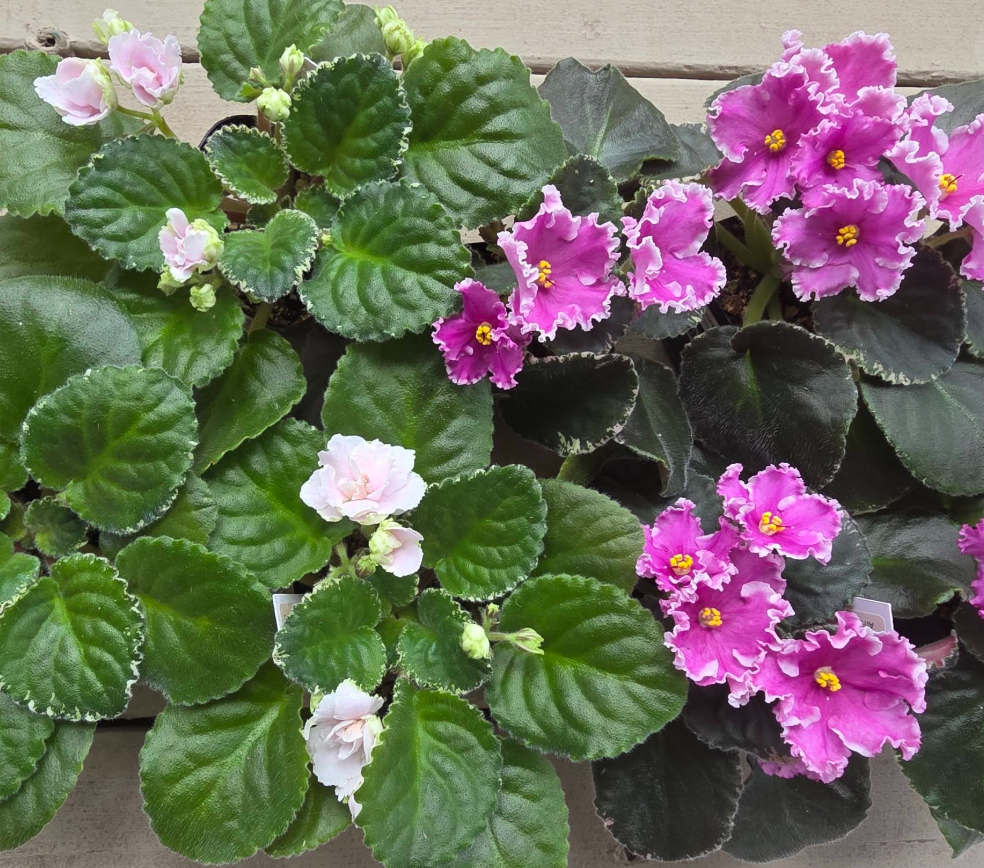
African violets are one of the most popular flowering houseplants, and thankfully, they’re entirely safe for cats. Their compact size makes them perfect for windowsills.
These plants prefer indirect light and consistent moisture, which also happens to keep them slightly out of the way of most cats’ usual play zones.
I genuinely think African violets deserve more attention in cat-safe plant guides. They’re low-maintenance, visually rewarding, and carry zero toxicity risk.
10. Phalaenopsis Orchids
Orchids often get unfairly lumped in with toxic houseplants, but Phalaenopsis orchids, the most common type sold in stores, are actually non-toxic to cats.
Their elegant, long-lasting blooms make them a favorite gift plant. If your cat nibbles a petal, you generally shouldn’t see anything beyond mild drooling.
Still, double-check the specific orchid species before buying, since not every orchid variety carries the same clean safety record as Phalaenopsis.
11. Camellias
Camellias produce rose-like blooms in shades of pink, red, and white, and they’re confirmed safe for cats by the ASPCA. They’re a striking addition to any garden.
These shrubs flower during cooler months, which means they’re often blooming when cats are spending more time indoors near windows overlooking the garden.
I appreciate camellias for households that want year-round garden interest without introducing another plant risk into the mix.
12. Asters
Asters bloom in late summer and fall, offering star-shaped flowers in purple, pink, and white. They’re non-toxic and commonly found in pollinator gardens.
Cats that spend time outdoors near asters typically show no interest beyond casual sniffing, and even direct contact rarely causes any reaction.
If you’re planning a garden that supports both bees and a curious cat, asters check both boxes without compromise.
13. Christmas Cactus
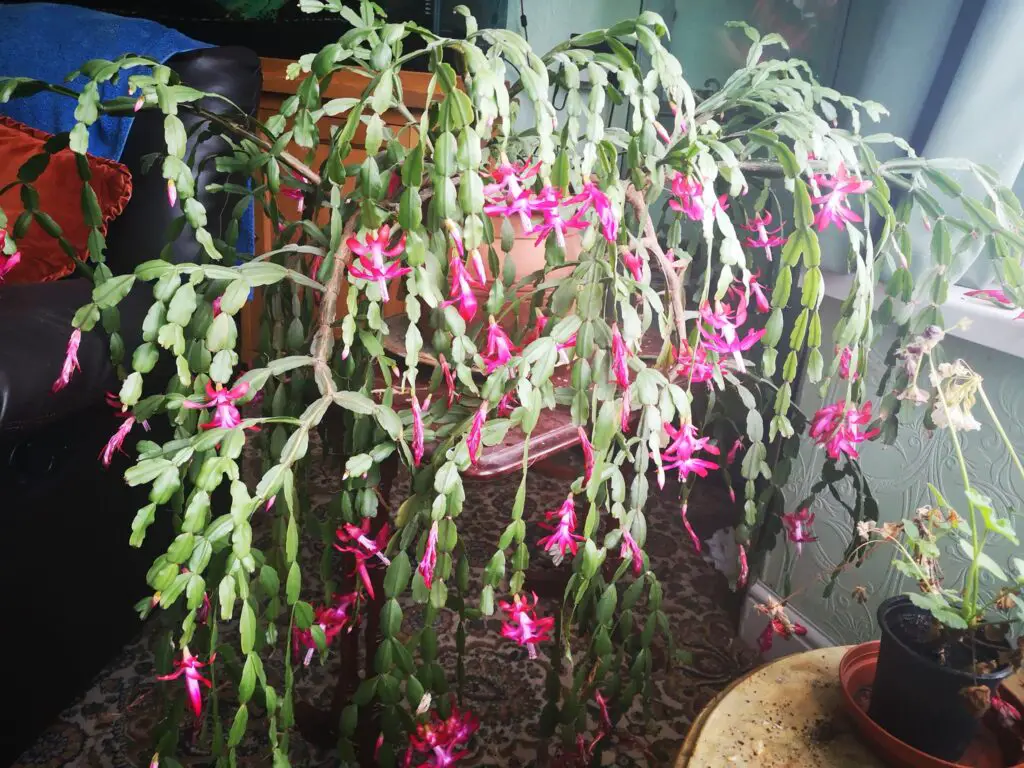
Despite the name, Christmas cactus is a flowering succulent, not a true cactus, and it’s completely safe for cats according to veterinary plant databases.
It blooms in winter with vibrant pink or red flowers, making it a popular holiday houseplant alternative to riskier options like poinsettias or holly.
I recommend this one often during the holiday season specifically because it delivers festive color without the seasonal toxin worries.
14. Bromeliads
Bromeliads produce dramatic, long-lasting flower spikes and are non-toxic to cats. Their thick, waxy leaves also tend to discourage casual chewing.
These tropical plants do well in bright, indirect light and require minimal watering, which makes them practical for busy pet owners.
Cats occasionally drink from the central water-holding cup of a bromeliad. This is generally harmless, though changing the water regularly keeps it clean.
15. Hens and Chicks
Hens and chicks are succulents that occasionally produce small, star-shaped flowers on tall stalks. Both the foliage and blooms are safe for cats.
Their rosette shape and low profile make them a favorite for cats who like to walk through and around potted arrangements without knocking things over.
Because they’re drought-tolerant, hens and chicks also suit households where watering schedules aren’t always perfectly consistent.
16. Spider Plant
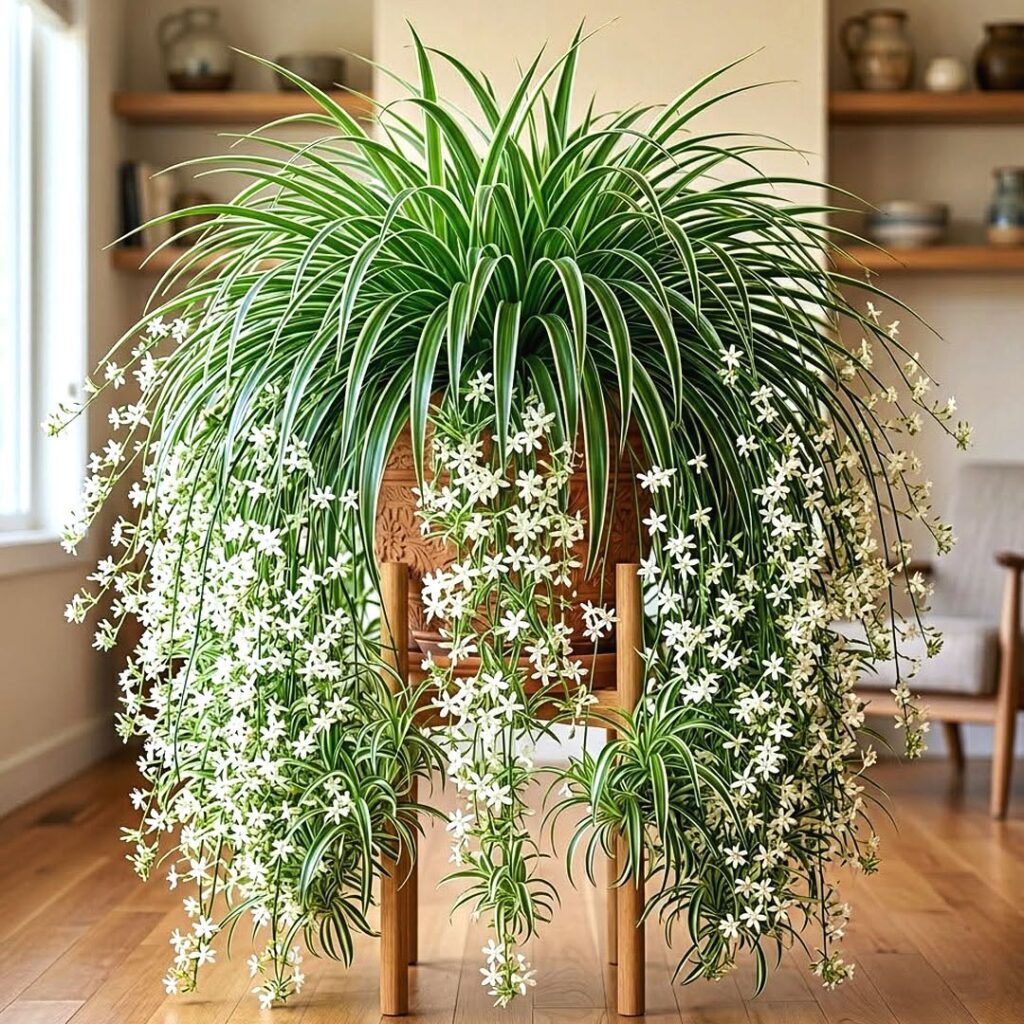
Spider plants are famous for their arching leaves, but they also produce small white flowers. Both parts of the plant are non-toxic to cats.
Interestingly, some cats seem mildly attracted to spider plants, possibly due to a chemical similar to compounds found in catnip, though the effect is much milder.
This makes spider plants a fun, safe way to give your cat something to investigate without any real health concern.
17. Wax Plant (Hoya)
Hoya, commonly called wax plant, produces clusters of star-shaped, waxy flowers with a sweet fragrance. It’s confirmed non-toxic to cats.
This trailing plant does well in hanging baskets, which naturally keeps it slightly elevated and less accessible to cats who prefer floor-level exploration.
I like Hoya for apartment dwellers specifically because it thrives on neglect and still delivers safe, fragrant blooms once mature.
18. Lipstick Plant
Lipstick plant gets its name from tubular red flowers that emerge from dark, lipstick-tube-like buds. It’s a safe flowering vine for cat households.
Its trailing growth habit works well in hanging planters, and the unusual bloom shape often intrigues cats without causing any interest in actually eating it.
If you want a conversation-starter plant that won’t send you to the emergency vet, lipstick plant is a solid, safe pick.
19. Cornflower (Bachelor’s Button)
Cornflowers, also known as bachelor’s buttons, are cheerful blue blooms commonly used in wildflower mixes. They’re generally considered safe for cats.
These flowers are easy to grow from seed and attract pollinators, making them a good choice for gardens shared between pets and beneficial insects.
Their delicate, fringed petals rarely attract heavy chewing from cats, but even if they do nibble, no significant toxicity has been reported.
20. Calendula (Pot Marigold)
Calendula, often called pot marigold, is different from Tagetes marigolds and is specifically recognized as non-toxic to cats. The distinction matters here.
This flower has a long history of use in skin-soothing products for humans, and its bright orange and yellow petals are edible in small amounts for people.
For cat owners who want marigold-style color without ambiguity, calendula is the safer, clearly labeled choice over other marigold species.
21. Orchid Cactus (Epiphyllum)
Orchid cactus produces some of the most dramatic blooms in the succulent world, often in vivid pink, red, or white. It’s non-toxic to cats.
Despite its name, it’s not a true cactus and lacks the sharp spines associated with typical desert cacti, making it more paw-friendly for curious cats.
These plants bloom briefly but spectacularly, and I’ve never come across a reported case of feline toxicity linked to this species.
22. Butterfly Orchid (Oncidium)
Oncidium orchids, sometimes called dancing lady or butterfly orchids, produce sprays of small, vibrant flowers. They’re safe for cats, much like their Phalaenopsis cousins.
Their airy, branching flower spikes tend to sway with movement, which often catches a cat’s eye and encourages gentle batting rather than chewing.
If you already own a Phalaenopsis and want variety, adding an Oncidium doesn’t introduce any new safety concerns to your home.
23. Baby Rubber Plant (Peperomia)
Peperomia, sometimes called baby rubber plant, produces subtle, spike-like flowers and thick, glossy leaves. The entire plant is non-toxic to cats.
It’s compact and slow-growing, which makes it a practical choice for smaller living spaces where a cat has easy access to every shelf.
I consider Peperomia one of the most underrated safe houseplants, mainly because its flowers are modest but its safety record is rock solid.
24. Swedish Ivy
Swedish ivy isn’t a true ivy, and unlike English ivy, it’s completely safe for cats. It produces small clusters of blue or white flowers.
This trailing plant grows quickly and tolerates a range of light conditions, making it forgiving for pet owners who don’t have a dedicated green thumb.
Cats sometimes chew on trailing stems out of playfulness, and with Swedish ivy, that behavior carries no toxicity risk whatsoever.
25. Polka Dot Plant
Polka dot plant is grown mainly for its speckled foliage, but it does produce small purple flower spikes occasionally. Both are safe for cats.
Its compact size makes it a good tabletop plant, and its unusual leaf pattern often draws more visual interest from humans than from cats themselves.
Because it’s non-toxic, you don’t need to worry if your cat decides to investigate the leaves or occasional bloom up close.
26. Nerve Plant (Fittonia)
Fittonia, known as nerve plant, has intricately veined leaves and occasionally produces small, unremarkable flowers. The whole plant is safe for cats.
It prefers high humidity, which makes it a good candidate for bathrooms or kitchens, areas that might naturally see less direct cat traffic anyway.
Even so, if your cat does explore it, Fittonia won’t cause any of the symptoms associated with genuinely toxic houseplants.
27. Prayer Plant (Maranta)
Prayer plant gets its name from leaves that fold upward at night, resembling praying hands. It occasionally produces small white or purple flowers, all non-toxic.
This plant’s dramatic leaf movement often fascinates cats, giving them something to watch throughout the day without any real safety concern attached.
I’ve recommended Maranta to several cat-owning friends specifically because the visual interest keeps curious cats engaged without any risk.
28. Rattlesnake Plant (Calathea)
Calathea, commonly called rattlesnake plant, is prized for its bold leaf patterns and occasional small flowers. It’s confirmed safe for cats.
Like its Maranta relative, Calathea also exhibits nyctinastic movement, folding its leaves at night, which tends to hold a cat’s attention naturally.
This plant does require more humidity and care than some others on this list, but the safety payoff makes the extra effort worthwhile.
29. Friendship Plant (Pilea involucrata)
Friendship plant, or Pilea involucrata, has textured, quilted leaves and small, inconspicuous flowers. The entire plant poses no toxicity risk to cats.
It’s a compact, easy-care option that spreads readily, making it a good choice for propagating and sharing with fellow pet-owning friends.
Given the name, it feels fitting that this plant is one you can share worry-free with any cat household.
30. Chinese Money Plant (Pilea peperomioides)
Chinese money plant has become an interior design favorite thanks to its round, coin-shaped leaves. It occasionally flowers and remains non-toxic throughout.
Its upright growth habit tends to keep leaves slightly higher than ground-level plants, which can naturally reduce a cat’s direct interaction with it.
Even so, if your cat does bat at the leaves, you can relax knowing this trendy plant carries a clean safety record.
31. Sweet Alyssum
Sweet alyssum produces clusters of tiny, fragrant flowers and is a popular groundcover in gardens. It’s generally regarded as safe for cats.
Its honey-like scent often attracts pollinators and curious pets alike, but reported cases of toxicity in cats are essentially nonexistent.
For outdoor cats who like to nose around garden borders, sweet alyssum is a low-risk, high-reward addition to any flower bed.
32. Money Tree (Pachira aquatica)

Money tree, or Pachira aquatica, occasionally produces flowers in ideal indoor conditions, and the entire plant is non-toxic to cats.
It’s often sold with braided trunks as a symbol of good fortune, and its sturdy structure tends to hold up well against cat scratching or climbing.
I like recommending money trees for offices and homes alike, since the safety and durability combination is genuinely hard to match.
33. Blue Echeveria
Echeveria succulents occasionally send up tall flower stalks with bell-shaped blooms in pink or orange. The plant and flowers are safe for cats.
Their rosette shape and compact size make them popular for shelves and windowsills, areas cats frequently patrol during the day.
Because Echeveria stores water in thick leaves, it’s also forgiving if you occasionally forget a watering session while managing a busy household.
34. Burro’s Tail (Sedum morganianum)
Burro’s tail is a trailing succulent with plump, teardrop-shaped leaves and occasional small pink flowers. It’s non-toxic to cats.
Its delicate leaves detach easily, so while it’s safe, it’s not the sturdiest option if your cat likes to bat at hanging plants.
Still, from a pure toxicity standpoint, burro’s tail is one of the safer trailing plants you can bring into a cat-friendly home.
35. Parlor Palm
Parlor palm rounds out this list as a classic, cat-safe houseplant. It occasionally produces small, unassuming yellow flowers on mature specimens.
This palm variety has long been a staple in pet-friendly interior design, thanks to its air-purifying qualities and confirmed non-toxic status.
If you want a bit of tropical greenery without the guesswork, parlor palm remains one of the most reliable safe choices available.
A Few Practical Safety Tips
Even safe flowers deserve some common sense. Here’s what I’d suggest keeping in mind.
- Introduce new plants gradually. Watch how your cat reacts the first few days before leaving them unsupervised together.
- Keep floral foam and preservative packets away. These additives in store-bought bouquets can upset a cat’s stomach, even when the flowers themselves are safe.
- Still call your vet if symptoms appear. Every cat reacts differently, and individual sensitivities can occasionally surprise even experienced owners.
- Save the APCC number. Keep 888-426-4435 saved in your phone, just in case you ever need it for any plant, safe or not.
Final Thoughts
Filling your home with flowers doesn’t have to mean choosing between beauty and your cat’s safety. These 35 options prove that a vibrant, blooming home and a happy, healthy cat can absolutely coexist.
I hope this list gives you the confidence to decorate freely. Your cat gets to explore, you get your flowers, and everyone wins.

Tim M Dave is a gardening expert with a passion for houseplants, particularly cacti and succulents. With a degree in plant biology from the University of California, Berkeley, he has vast experience in gardening. Over the years, he has cultivated a vast collection of desert plants and learned a great deal about how to grow and care for these unique companions.