20 Flowers That Attract Ladybugs (With Pictures, and Growing Details)
Ladybugs, also called lady beetles, are among the most useful insects a gardener can have. Both the adults and the larvae feed on aphids, mites, scale insects, and other soft-bodied pests.
The numbers are impressive. A convergent lady beetle larva may eat its own weight in aphids, and an adult can eat up to 50 aphids a day. Some species eat even more.
Many gardeners buy ladybugs online and release them. That rarely works well. Missouri extension specialists note that most commercial ladybugs are collected from wild populations while overwintering, and released adults often fly away.
A better plan is to build a garden they want to stay in. That means providing nectar, pollen, shelter, and a steady supply of small prey. The right flowers do all of this.
20 Flowers That Attract Ladybugs
1. Yarrow (Achillea millefolium)
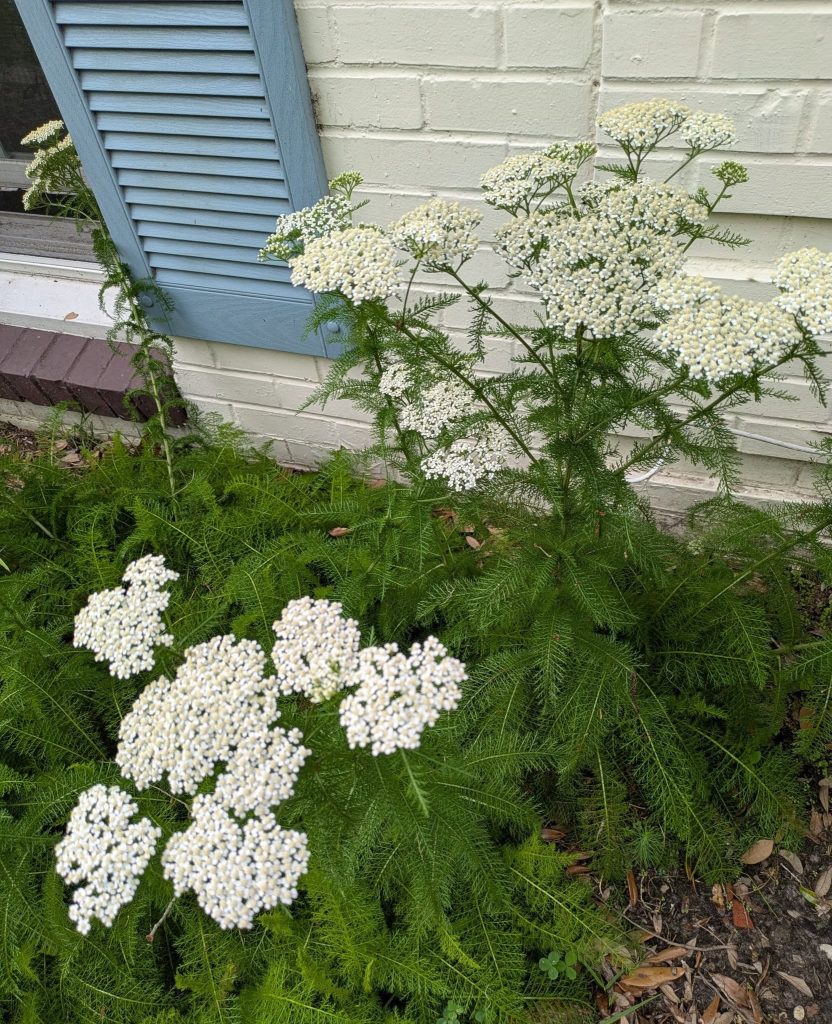
Yarrow is my first recommendation, and it is hard to beat. Its flat clusters of tiny flowers give ladybugs an easy place to land and feed. Extension specialists often name it as a top choice.
It is also very tough. Yarrow handles drought, poor soil, and full sun without complaint. Once established, it needs little care beyond cutting it back after blooming.
Plant it in full sun and leave space between plants. Yarrow blooms from early summer into fall. Common white varieties work well, but yellow and pink types attract ladybugs too.
2. Sweet Alyssum (Lobularia maritima)
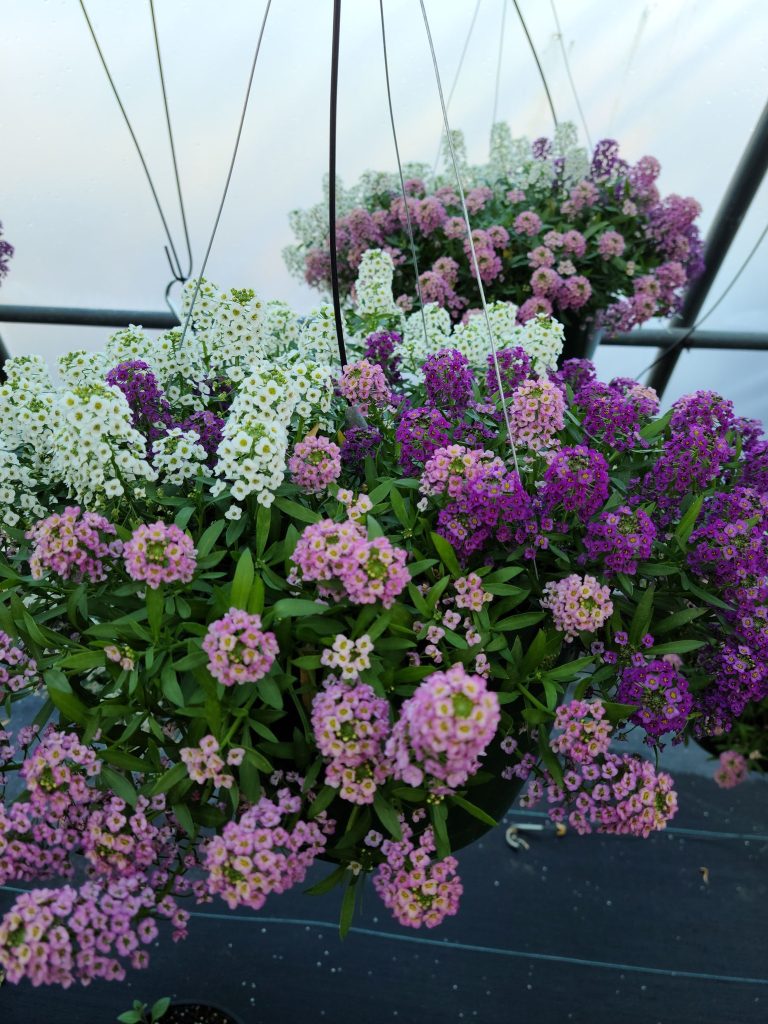
Sweet alyssum is a small plant with a big effect. Its tiny white flowers form a low carpet that ladybugs, lacewings, and hoverflies all visit. It also smells lightly of honey.
I plant it along vegetable beds and at the edge of containers. It fills gaps quickly and blooms for months. In mild climates, it may flower almost all year.
Sow seeds directly after the last frost. Trim it back in midsummer if it looks tired, and it will bounce back. Alyssum is a great choice for beginners.
3. Dill (Anethum graveolens)
Dill is both a kitchen herb and a ladybug magnet. Its yellow-green flower heads, called umbels, are flat and full of tiny blooms. Ladybugs and parasitic wasps visit them often.
Let a few plants flower instead of harvesting everything. I know it feels wasteful at first. But the flowers feed the insects that protect your tomatoes and peppers.
Direct-sow dill every few weeks for steady blooms. It dislikes transplanting, so seed it where it will grow. Dill also self-seeds easily, giving you free plants next year.
ALSO READ: 35 Flowers That Attract Butterflies (With Pictures)
4. Fennel (Foeniculum vulgare)
Fennel produces tall, feathery stems topped with golden umbels. These flowers attract ladybugs and many other beneficial insects. A single plant can become a busy insect hotel by midsummer.
It also hosts a few aphids, and that is actually a good thing. Those aphids give ladybug larvae a reason to stay and feed. A small, controlled pest population keeps predators nearby.
Give fennel its own space. It grows large and can crowd neighbors. In some regions, such as parts of California, it spreads aggressively, so check local advice first.
5. Cosmos (Cosmos bipinnatus)
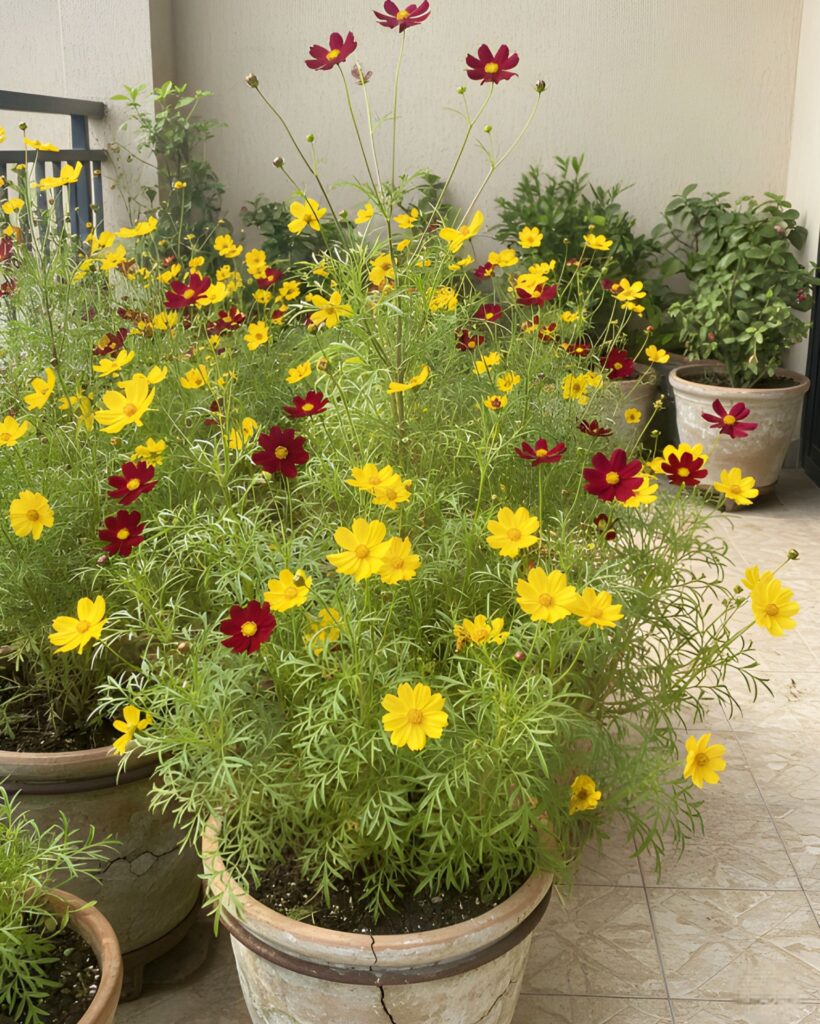
Cosmos brings cheerful color and delicate foliage. Its daisy-like flowers in pink, white, and magenta open wide, which makes pollen easy to reach. Washington State University lists cosmos among the insectary plants that draw beneficial insects.
Cosmos is also one of the easiest annuals to grow. It thrives in poor soil and heat. Too much fertilizer actually reduces flowering, so go light.
Deadhead regularly to keep it blooming until frost. Cosmos self-seeds freely. Every spring, I find volunteer seedlings in new corners of my garden.
6. Marigold (Tagetes)
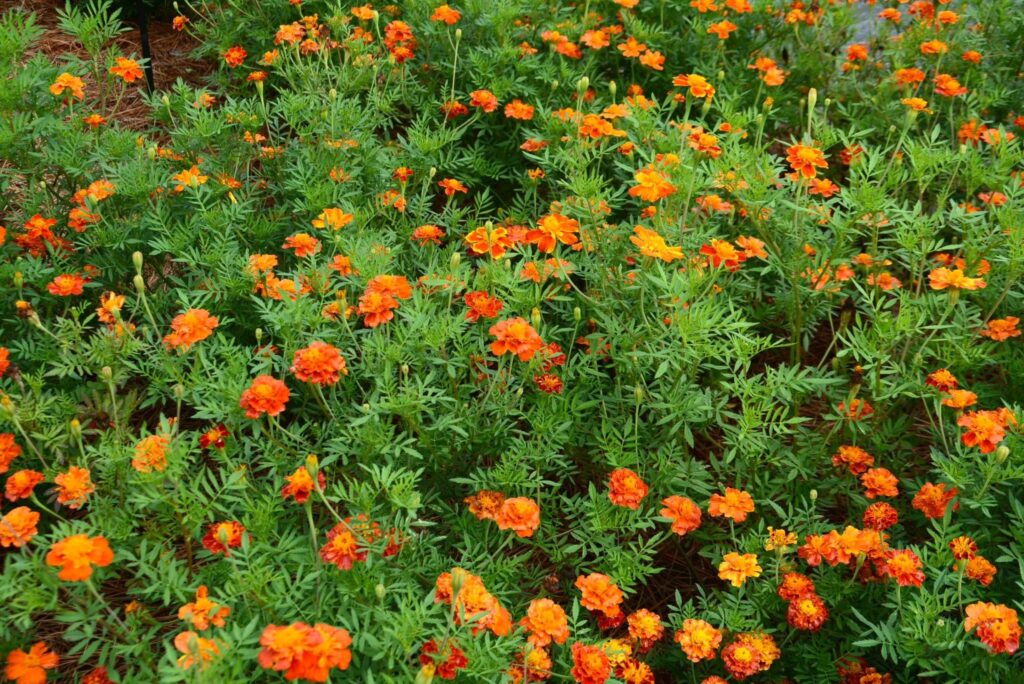
Marigolds are classic garden companions. Their bright orange and yellow blooms are easy to grow and last all season. Single-flowered types are best for ladybugs.
Double marigolds look full, but their petals can block access to pollen. Choose single or semi-single varieties such as ‘Lemon Gem’ or ‘Tangerine Gem’. These signet marigolds also have a pleasant citrus scent.
Plant marigolds beside vegetables to draw ladybugs into the beds. They work well near tomatoes, cucumbers, and squash. Water them at the base to avoid mildew.
7. Sunflower (Helianthus annuus)
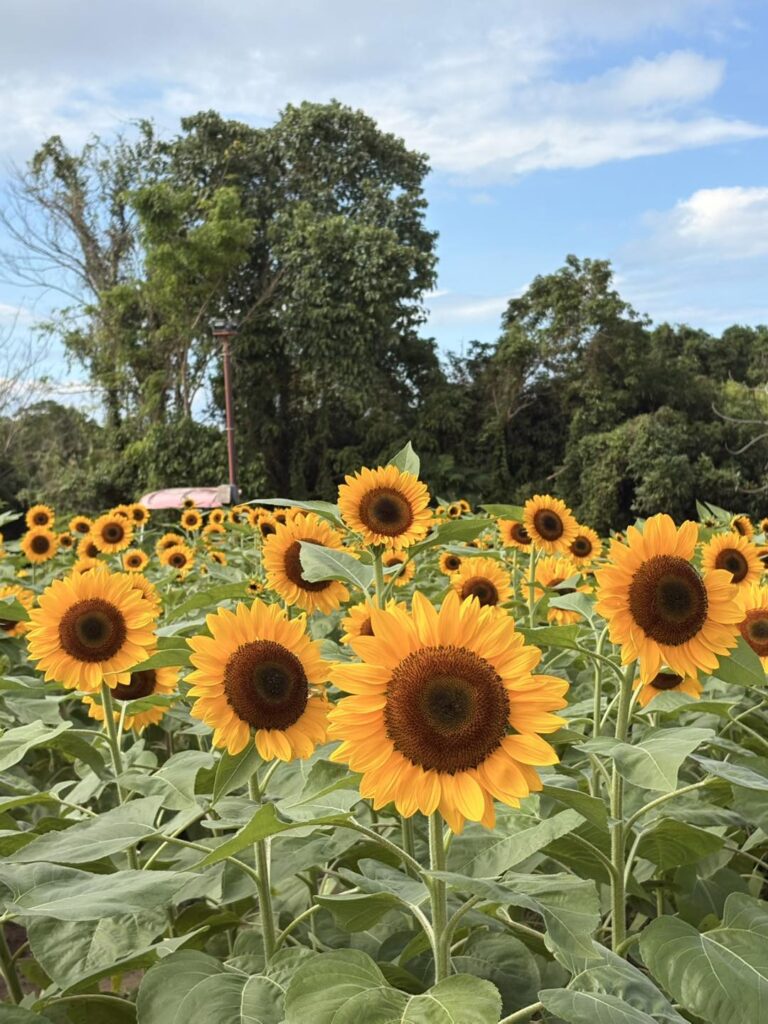
Sunflowers are tall, bold, and generous. Their large heads offer plenty of pollen and nectar. University of Florida extension writers highlight sunflowers as a plant that supports beneficial insects, including ladybugs.
The leaves and stems also attract aphids. I have watched ladybugs patrol sunflower stalks every morning in July. The flowers feed them, and the aphids feed their young.
Choose pollen-rich, branching varieties over pollen-free hybrids. Plant them in full sun with strong support. Sunflowers also draw bees and finches, which is a lovely bonus.
8. Calendula (Calendula officinalis)
Calendula, or pot marigold, offers warm orange and yellow blooms. It flowers in cool weather, when many other plants are resting. That makes it valuable for early-season ladybugs.
It also attracts aphids, which works in your favor. A few aphids on calendula keep ladybugs close to your main crops. Think of it as a trap plant with benefits.
Sow calendula in early spring or fall in mild climates. It tolerates light frost. Pick the flowers often, and the plant will keep producing more.
ALSO READ: 35 Flowers That Attract Hummingbirds (And Keep Them Coming Back)
9. Cilantro and Coriander (Coriandrum sativum)
Cilantro is another herb that works harder when you stop harvesting it. Once it bolts, it sends up lacy stems with small white flowers. Ladybugs, hoverflies, and tiny wasps visit them often.
Many gardeners pull bolting cilantro right away. I used to do the same. Now I leave a few plants to flower, and the garden is healthier for it.
Sow cilantro in cool weather and let some plants go to seed. You will gain free coriander seeds for cooking. Succession planting every three weeks keeps flowers coming.
10. Tansy (Tanacetum vulgare)
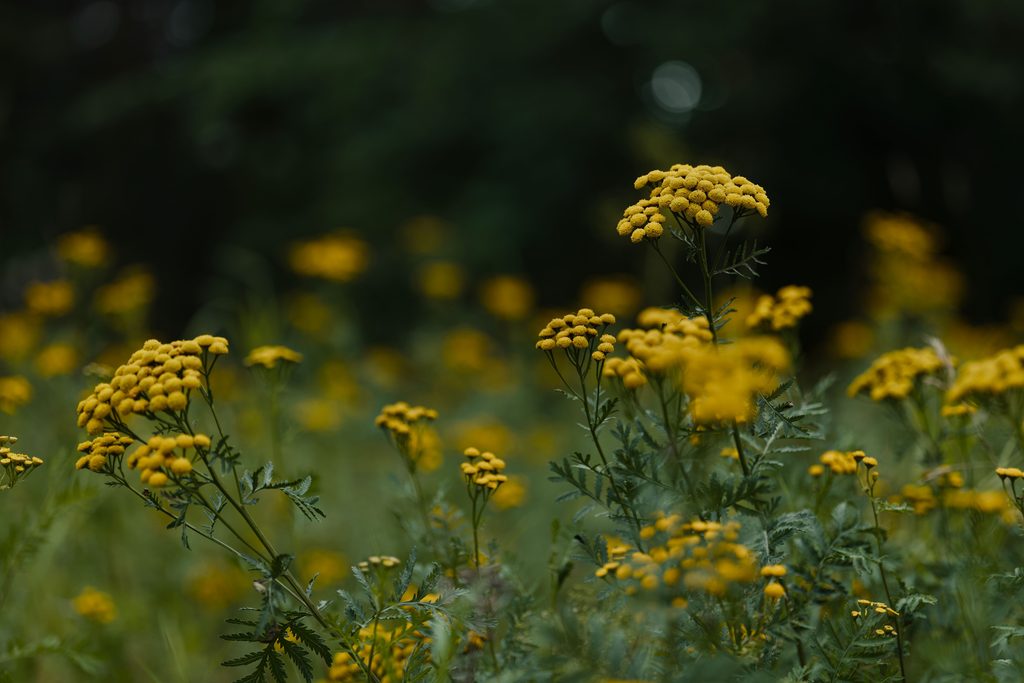
Tansy has golden, button-like flowers and finely cut leaves. The blooms attract ladybugs and other predatory insects. It flowers from midsummer into early fall, which fills a useful gap.
However, tansy needs a word of caution. It spreads quickly by roots and is listed as invasive in several regions. It is also toxic to pets and livestock if eaten.
Grow it in a contained bed or large pot, and check local invasive species lists. If tansy is restricted where you live, yarrow is a safer substitute.
11. Zinnia (Zinnia elegans)
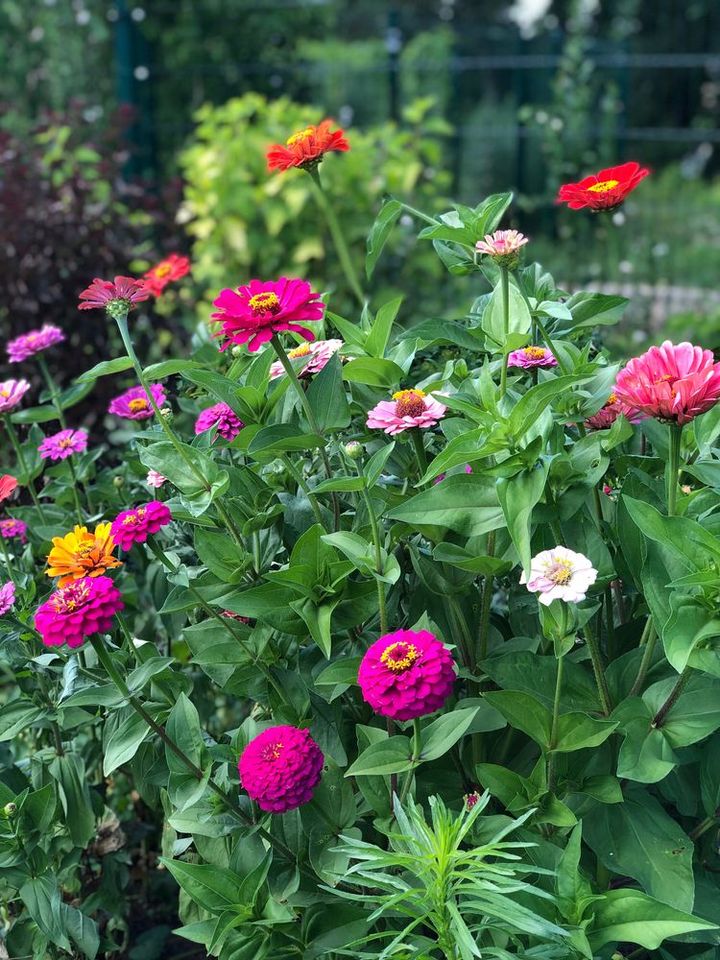
Zinnias are loved for their bold color and long season. Single and semi-double types give ladybugs easy access to nectar. The bright petals are hard to miss.
These flowers are almost effortless. They love heat, full sun, and well-drained soil. I plant them in a row at the end of my vegetable beds each May.
Pick the flowers often to encourage more blooms. Space plants well apart to prevent powdery mildew. Zinnias also attract butterflies, so the whole garden benefits.
12. Coreopsis (Coreopsis spp.)
Coreopsis, also called tickseed, has cheerful yellow daisy-like flowers. It appears on Washington State University’s list of plants that attract beneficial insects. The open blooms are easy for small insects to use.
It is a hardy perennial in many regions. Some species bloom from late spring until the first frost. Native types, such as lanceleaf coreopsis, often perform best.
Plant in full sun and avoid heavy, wet soil. Cut the plants back by one-third after the first flush of flowers. This often triggers a second round of blooms.
13. Chamomile (Matricaria chamomilla)
Chamomile produces small white flowers with yellow centers. They are simple, open, and well suited to small insects. Ladybugs, hoverflies, and lacewings all visit them.
I like chamomile because it looks natural in any garden. It fits between vegetables, along paths, or in herb beds. It also makes a soothing tea, so you get a second use from the plant.
Sow seed in early spring in full sun. Chamomile self-seeds readily. Harvest some flowers for drying, but leave plenty for the insects.
14. Scabiosa (Scabiosa columbaria)
Scabiosa, or pincushion flower, has soft, rounded blooms in blue, lavender, and white. Its flat flower face gives beneficial insects a stable platform. It blooms for a long period, often from early summer to frost.
Washington State University also lists scabiosa among its insectary plants. It is also good for bees and butterflies. In my experience, the flowers stay busy from morning to evening.
Grow it in full sun with good drainage. Deadhead spent blooms to extend flowering. Scabiosa also makes a long-lasting cut flower.
ALSO READ: 35 Flowers That Attract Bees (With Pictures, And Growing Tips)
15. Goldenrod (Solidago spp.)
Goldenrod is often blamed for hay fever, but that is a myth. Its pollen is heavy and sticky and spreads by insects, not wind. Ragweed is the real culprit.
This plant blooms in late summer and fall, when most other flowers fade. That timing is valuable. Ladybugs need food before winter, and goldenrod provides it when little else does.
Choose clumping species instead of aggressive spreaders. ‘Fireworks’ and showy goldenrod are good garden types. Plant them in full sun and give them room.
16. Purple Coneflower (Echinacea purpurea)
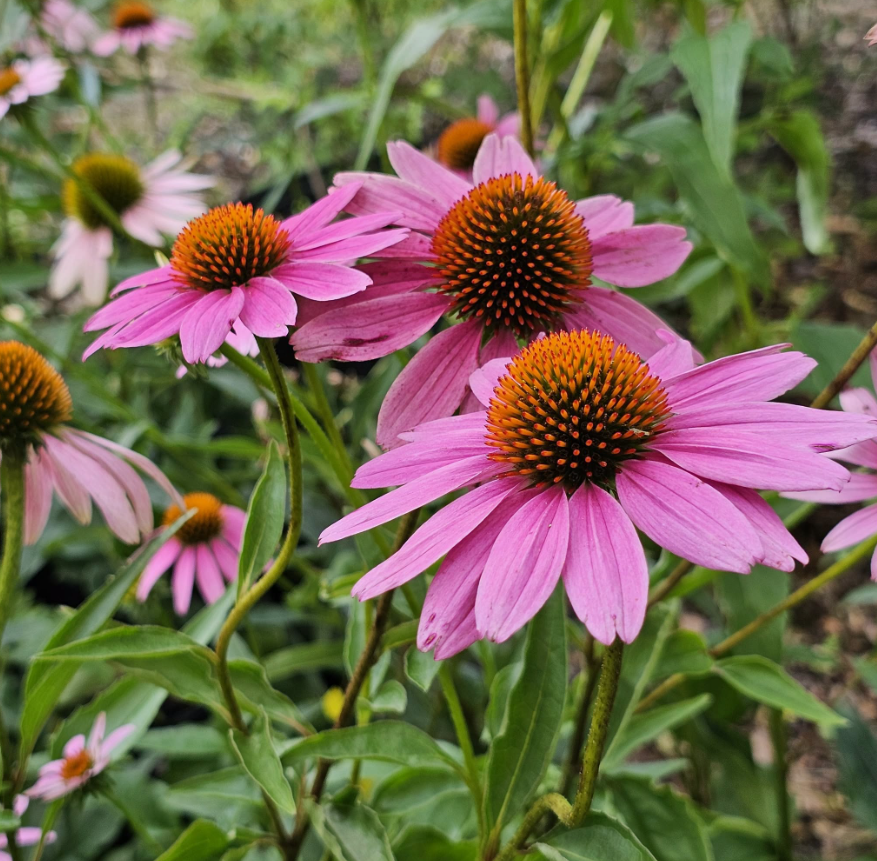
Purple coneflower is a strong native perennial. Its raised central cone is packed with tiny florets. These attract bees, butterflies, and a range of smaller beneficial insects, including ladybugs.
It is also dependable. Coneflowers handle heat and drought once established. They bloom from midsummer into early fall and return each year.
Leave the seed heads standing in winter. Birds enjoy the seeds, and insects shelter in the stems. Plant coneflowers in sun with well-drained soil.
17. Queen Anne’s Lace (Daucus carota)
Queen Anne’s lace is a lacy white umbel, closely related to dill and fennel. Its flat flower heads are ideal for small beneficial insects. University of California advisors say flat-topped flowers like dill, parsley, cilantro, and Queen Anne’s lace are especially attractive to tiny parasitic wasps. Ladybugs visit too.
It grows wild along roadsides in many places. In a garden, it adds a soft, meadow-like look. I enjoy it in the back of a border, where its height works well.
Be careful about seeding. Queen Anne’s lace is considered weedy in some areas. Remove seed heads before they drop if you want to control its spread.
18. Feverfew (Tanacetum parthenium)
Feverfew has small, white, daisy-like flowers with yellow centers. They bloom in great numbers from early summer onward. Ladybugs and hoverflies both use them as a food source.
The plant is compact and easy to grow. It does well in sun or partial shade. Its scented leaves also tend to be ignored by deer and rabbits.
Pinch back young plants for a bushier shape. Feverfew self-seeds freely, so thin seedlings in spring. Keep it away from pregnant women’s herbal use, as it is not considered safe.
ALSO READ: 25 Flowers That Repel Mosquitoes (With Growing Details)
19. Wild Buckwheat (Eriogonum and Fagopyrum)
Buckwheat is a favorite of organic farmers and market gardeners. Its small white to pinkish flowers appear quickly, often within six weeks of sowing. Wild buckwheat appears on the Washington State University list of plants that attract beneficial insects.
It is a good filler for empty spaces. I sow it in bare beds between crops. It crowds out weeds, feeds insects, and improves the soil when cut down.
Sow after the last frost and cut it before seeds mature. This prevents unwanted self-seeding. In dry western gardens, native wild buckwheat species are a strong choice.
20. Clover (Trifolium spp.)
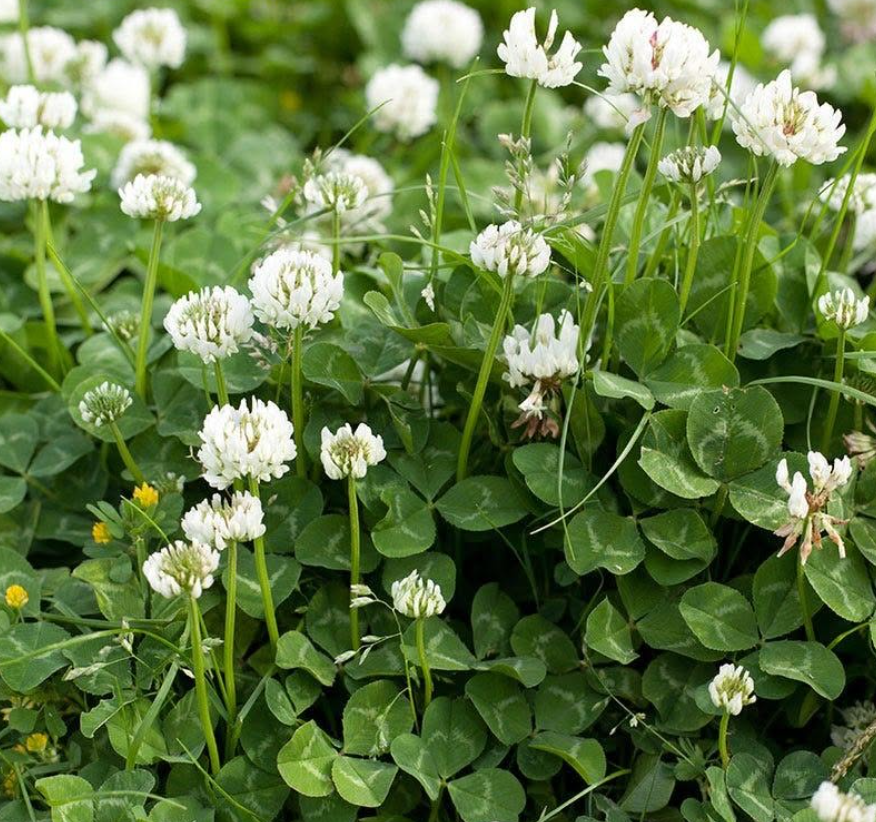
Clover may not look like a classic garden flower, but it works hard. White and crimson clover produce small, nectar-rich blooms. Ladybugs, bees, and many predatory insects visit them.
Clover also fixes nitrogen in the soil. That makes it useful in vegetable gardens and lawns. A patch of clover is a modest but powerful way to support beneficial insects.
Let a corner of your lawn go to clover, or sow it as a living mulch. Mow it only occasionally. White clover tolerates foot traffic well.
What Ladybugs Look for in a Flower
Before the list, it helps to understand what draws ladybugs in. Adult ladybugs need more than aphids. They also feed on nectar and pollen, especially when pests are scarce.
University of California guidance says plants with many small flowers work better than plants with large single blooms, because small insects can drown in the nectar of big flowers. Flat or shallow flowers give them an easy landing spot.
Bloom timing matters too. Aim for flowers from early spring to late fall. A garden with only summer color leaves ladybugs hungry at both ends of the season.
Finally, avoid broad-spectrum pesticides. They kill larvae and adults alike, and no flower can fix that damage.
How to Make Your Garden Ladybug-Friendly
Flowers are only the first step. A few simple habits make your garden far more welcoming.
Stop using broad-spectrum pesticides. They harm larvae and adults, and they remove the aphids that ladybugs need to eat. Use targeted, gentle methods whenever possible.
Tolerate a few aphids. This is the hardest lesson for many gardeners. Missouri specialists advise allowing low aphid levels early in the season, so predator populations can build up.
Learn to recognize the larvae. They look nothing like adult ladybugs. They are dark, elongated, and often spotted with orange. Please do not remove them, as they eat more aphids than the adults do.
Provide water and shelter. A shallow dish with pebbles gives insects a safe place to drink. Oregon State University Extension recommends a shallow container with pebbles for beneficial insects to rest on. Leave some leaf litter and hollow stems for winter shelter.
Plant in groups. Clusters of flowers are easier for insects to find than single plants. A patch of at least one square meter works well for most species on this list.
Best Times to Plant for Continuous Blooms
A steady supply of flowers keeps ladybugs in your garden all year. I like to think in three seasons.
Spring: Sweet alyssum, calendula, chamomile, and cilantro give the earliest nectar. These flowers help adult ladybugs recover after winter.
Summer: Yarrow, cosmos, zinnia, sunflower, coneflower, and marigold carry the main season. This is when aphid numbers peak and larvae are most active.
Fall: Goldenrod, late zinnias, and any remaining alyssum fuel ladybugs before they overwinter. A well-fed ladybug is far more likely to survive until spring.
Common Mistakes to Avoid
I have made most of these mistakes myself. Learning from them will save you time.
Buying ladybugs instead of building habitat. Released adults tend to scatter within a day or two. Habitat keeps wild ladybugs close.
Choosing showy hybrids. Heavily doubled flowers often hide their pollen. Look for single, open blooms.
Planting only one type of flower. Variety supports more species. It also protects your garden from a single pest or disease.
Forgetting about invasive plants. Tansy, fennel, and Queen Anne’s lace can spread in some regions. Always check your local guidelines before planting.
Frequently Asked Questions
Do ladybugs really prefer certain flower colors?
White and yellow flowers seem especially popular with many beneficial insects. Still, flower shape and size matter more than color. Small, open, flat-topped blooms are the easiest for ladybugs to use.
Will planting these flowers bring too many pests?
You may see a few more aphids at first. That is normal and even helpful. The ladybugs will follow, and the balance usually settles within a season.
How quickly will ladybugs arrive?
It depends on your area and the current pest level. Some gardeners notice ladybugs within weeks. For others, it takes a full growing season to build a stable population.
Can I grow these flowers in containers?
Yes, many of them work well in pots. Alyssum, calendula, marigold, zinnia, and chamomile all grow nicely in containers. Use good drainage and water regularly.
Final Thoughts
A ladybug-friendly garden does not require expensive products or complicated work. It starts with the right flowers, planted in sun, and a willingness to leave a few aphids alone.
Start small. Choose five or six plants from this list and place them near your vegetables or roses. Mix early, mid, and late bloomers so food is always available.
Within a season or two, you should see more ladybugs, fewer pests, and a healthier garden. I find that deeply satisfying. It feels like the garden is finally looking after itself.
References
- Penn State Extension. “Attracting Beneficial Insects.” https://extension.psu.edu/attracting-beneficial-insects
- Colorado State University, Agricultural Biotechnology and IPM. “Lady Beetles.” https://agsci.colostate.edu/agbio/ipm-pests/lady-beetles/
- University of Missouri Extension. “Lady Beetles and Aphids: Why Releases Often Fall Short.” https://extension.missouri.edu/news/lady-beetles-and-aphids-why-releases-often-fall-short
- University of California Agriculture and Natural Resources. “Attracting Beneficial Insects to Your Garden.” https://ucanr.edu/node/107992
- UF/IFAS Extension Polk County. “Garden To-Do’s: Beneficial Insects.” https://blogs.ifas.ufl.edu/polkco/2019/04/05/garden-to-dos-beneficial-insects
- NC State Extension, Pender County. “Ladybugs on the Prowl.” https://pender.ces.ncsu.edu/2022/05/ladybugs-on-the-prowl
- National Library of Medicine (PubMed Central). “Alternative Prey and Artificial Diet of the Multicolored Asian Lady Beetle Harmonia axyridis: A Review.” https://www.ncbi.nlm.nih.gov/pmc/articles/PMC12841866/

Tim M Dave is a gardening expert with a passion for houseplants, particularly cacti and succulents. With a degree in plant biology from the University of California, Berkeley, he has vast experience in gardening. Over the years, he has cultivated a vast collection of desert plants and learned a great deal about how to grow and care for these unique companions.