25 Types of Melons (Different Varieties, With Pictures)
Walk into any market and you will see melons in many shapes, colors and sizes. Some have rough, netted skin. Others are smooth, striped or bright yellow. Inside, the flesh can be orange, green, white or red.
So how many kinds are there? Researchers describe 19 groups of wild, feral and domesticated melons, and each group holds many named varieties. This guide covers 25 types that you can find in shops, gardens or traditional kitchens.
For each melon, you will learn how it looks, how it tastes and how to use it. I have also added nutrition facts, ripeness tips and safety advice. I still remember the first time I tasted a truly ripe Charentais. It changed how I judge every melon since.
How Melons Are Classified
Most melons on this list belong to one species, Cucumis melo. The two big families are muskmelons and winter melons. Muskmelons have a strong, sweet smell. Winter melons are smoother, store longer and usually have a milder scent.
The University of Georgia explains that the winter melon group includes casaba, crenshaw, Christmas, canary and honeydew melons. Watermelon is different. It belongs to another genus, Citrullus, but most people still call it a melon.
Be aware that names can confuse. Scientists note that netted melons are usually called cantaloupes by U.S. growers, shippers and consumers, even though that name is not technically exact. I will use the common names you will see in stores.
The 25 Types of Melons
1. Cantaloupe (North American Muskmelon)
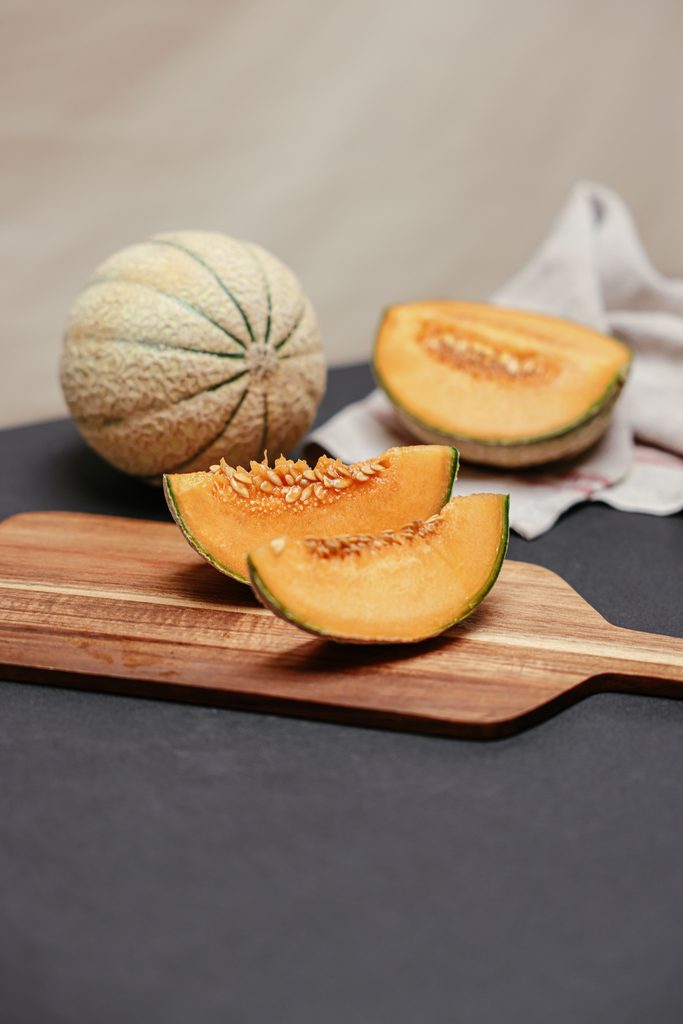
This is the melon most shoppers call “cantaloupe.” It has a tan, netted rind and sweet orange flesh. The scent is strong and musky when the fruit is ripe.
The taste is juicy and honey-sweet. It is a classic breakfast fruit. It also works well in smoothies, fruit salads and chilled soups.
Ripe fruit often slips easily from the vine. At home, choose one that feels heavy and smells sweet at the stem end. Avoid soft spots and a flat, odorless rind.
2. European Cantaloupe
The true cantaloupe is a different fruit from the American type. It has a rough, warty or ribbed rind with little netting. The flesh is orange and very sweet.
Britannica notes that the name comes from Cantalupo, near Rome, where these melons were grown early on. They remain common in Europe. In North America they are less common in stores.
The flavor is rich and perfumed. Many people find it more complex than the netted kind. It is best eaten fresh, with a pinch of salt or a slice of cured ham.
3. Charentais
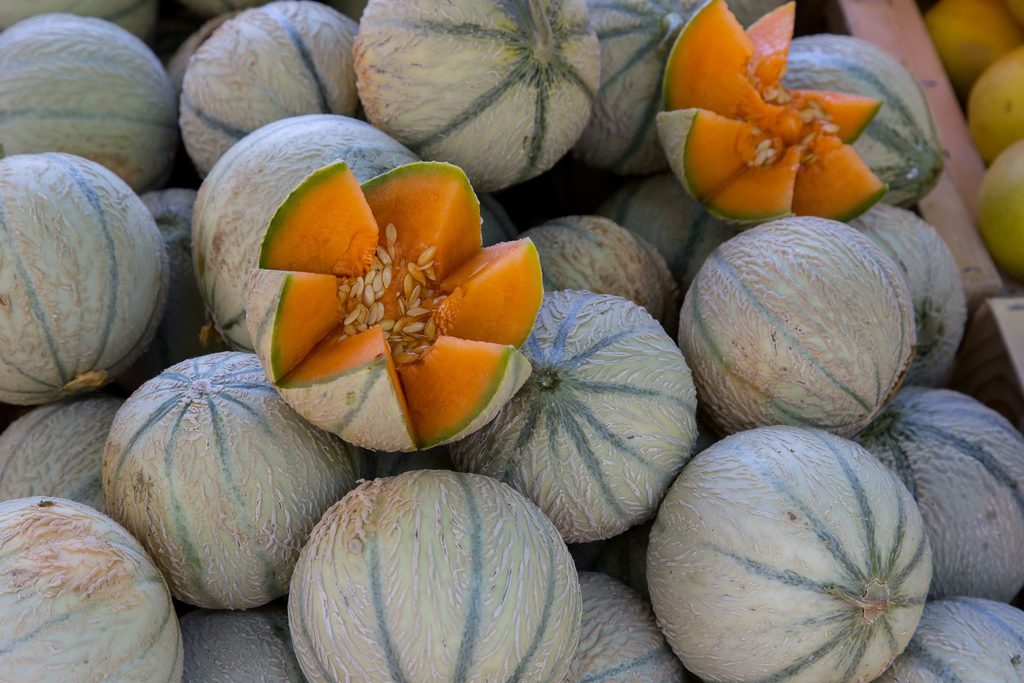
Charentais is a small French melon with a pale gray-green rind and green stripes. The flesh is deep orange and highly aromatic. It is often called the best-tasting melon in France.
The flavor is intensely sweet with floral notes. The texture is soft and melting. It is wonderful chilled with a little port or lemon juice.
South Dakota State University lists Charentais among melons that can ripen further after picking. Still, the best fruit is cut from the vine when the nearby leaf turns yellow. Eat it soon after.
4. Galia
Galia is a hybrid developed in Israel. The rind is green with fine netting and turns golden when ripe. The flesh is pale green and fragrant.
The taste is sweet with a spicy, banana-like note. It is less musky than a cantaloupe. Many people like it for fruit platters because the slices look neat.
It slips from the vine when mature and may ripen a little more at home. Choose fruit with a yellowing rind and a sweet smell. Store it in the fridge once cut.
ALSO READ: 55 Types of Pumpkins (With Pictures, and Care Tips)
5. Ananas
Ananas means “pineapple,” and the name hints at its fragrance. The rind is netted and tan to yellow. The flesh is creamy white to pale orange.
The flavor is very sweet and slightly tropical. It is juicy and soft. It makes a lovely dessert melon.
According to the SDSU harvest guide, ananas melons soften at the ends and turn yellow-orange when ready. They also slip easily. Eat them soon after harvest for the best aroma.
6. Persian Melon
Persian melon looks like a large cantaloupe. The rind is fine-netted and greenish-gray. The flesh is orange, thick and juicy.
The taste is mild and gently sweet. It is less musky than many muskmelons. That makes it a good choice for people who find strong aromas too heavy.
It is popular in Middle Eastern markets. Serve it in wedges, with feta or fresh mint. It also freezes well as cubes for smoothies.
7. Sharlyn
Sharlyn is a netted melon with a golden-tan rind when mature. The flesh is pale to light orange. The shape is oval to round.
The flavor is sweet, floral and a little spicy. It is often described as a cross between cantaloupe and honeydew in taste. The texture is smooth and juicy.
It does well in warm, dry climates. Pick one that is heavy for its size and smells fragrant. It is best fresh, in salads or with yogurt.
8. Honeydew
Honeydew is one of the most familiar melons. The rind is smooth and creamy white to pale green. The flesh is light green and very juicy.
UGA Extension notes that honeydews have a fine fuzz that is hard to see but can be felt, and when it disappears the melon is fully mature. That is a handy ripeness clue. Look for a waxy, slightly sticky skin.
The taste is sweet, mild and refreshing. Use it in fruit salads, agua fresca or sorbet. Honeydew availability stays low, at about 1 to 2 pounds per person each year in U.S. data.
9. Orange Honeydew
Orange honeydew is a colorful twist on the classic. The rind is smooth and pale, but the flesh is bright orange or salmon. Extension trial lists include varieties such as Honey Orange.
The flavor is sweet with a hint of cantaloupe. It is juicy and soft. The color makes it a favorite for fruit trays.
It grows best in warm weather with steady water. Pick fruit that smells slightly sweet at the blossom end. Chill before serving for the best taste.
10. Casaba
Casaba is a winter melon with a bright yellow, ribbed rind. The shape is slightly flattened and rounded. The flesh is white to cream.
UGA Extension describes casabas as lacking the musky smell of a cantaloupe and the sweetness of a honeydew. The flavor is mild, cool and cucumber-like. It is refreshing rather than sugary.
It stores well, which is why it is a winter fruit. Serve it with lime juice or a sprinkle of chili. It also pairs nicely with salty cheeses.
11. Crenshaw
Crenshaw is large, oblong and slightly acorn-shaped. The rind is rough but not netted. It is creamy yellow to green when ripe.
SDSU describes it as very aromatic and sweet tasting, with orange or pink flesh. The taste is rich, spicy and almost peachy. The flesh is thick and juicy.
Crenshaw is a cross involving casaba, so the two are close relatives. It does not ripen well after picking. Look for a butter-yellow rind and a strong sweet smell.
12. Canary Melon
Canary melon has a bright yellow, smooth rind and an oval shape. It is also known as the Spanish melon. The flesh is pale cream to light green.
The taste is mild, sweet and slightly tangy. The texture is soft and juicy. Many people compare it to a mix of pear and honeydew.
SDSU notes that canary melons turn bright yellow and may need to be cut from the vine. They do not ripen further after picking. Enjoy them with ham or in a fruit salad.
13. Christmas Melon (Santa Claus)
Christmas melon has a green and gold striped rind, much like a small watermelon. The name comes from its late harvest and long storage life. The flesh is pale green to cream.
The flavor is sweet and honey-like, with a mild finish. The texture is crisp and juicy. It keeps well into winter, which makes it useful when other melons are out of season.
It is also called Santa Claus melon. Look for a firm rind with a golden tint. Cut it just before serving for the best crunch.
14. Piel de Sapo
Piel de Sapo means “toad skin” in Spanish. The rind is dark green with olive mottling. The fruit is large and oval.
The flavor is sweet, crisp and refreshing. The flesh is white to pale green. It is similar to honeydew but often firmer.
It is popular in Spain and stores very well. Try it with Serrano ham or in a chilled soup. A squeeze of lemon lifts the taste.
15. Hami Melon
Hami melon comes from Xinjiang in northwest China. The rind is yellow-green with light netting. The shape is long and oval.
The flesh is crisp, orange and very sweet. The texture is firm, more like a pear than a soft cantaloupe. It is a famed Chinese winter melon.
It travels and stores well. Eat it fresh, dried or juiced. Many cooks also add it to desserts and savory dishes.
ALSO READ: 20 Types of Winter Squash: Variety With Pictures
16. Korean Melon (Chamoe)
Korean melon is small and golden yellow with white stripes. The rind is thin and smooth. The flesh is white and crunchy.
The taste is mild, sweet and slightly like a pear. The seeds are often eaten with the flesh in Korea. The texture is crisp, not soft.
It is a popular summer fruit. Chill it well and eat it in slices. Some people also eat the thin skin after washing it.
17. Sprite Melon
Sprite melon is a small Japanese-style melon with a creamy white to pale yellow rind. The fruit is round and compact. The flesh is white and crisp.
The flavor is very sweet and delicate. It is not heavily perfumed. The texture is firm and clean.
Its small size makes it ideal for one or two people. Slice it in half and scoop it out. It is lovely with a little lime.
18. Yubari King
Yubari King is a famous Japanese melon grown in Hokkaido. The rind is finely netted and green. The flesh is bright orange and very juicy.
The taste is extremely sweet and smooth. Growers prune each vine so the plant sends all its energy into one fruit. This careful method creates a very even, high-sugar melon.
It is a luxury gift in Japan. Single fruits can sell for high prices at auction. I would call it more of a special occasion fruit than a daily snack.
19. Athena Muskmelon
Athena is a well-known eastern-type muskmelon. It has a round shape and coarse netting. The flesh is orange and sweet.
Oklahoma State University lists Athena among its muskmelon varieties. Gardeners like it because it grows reliably in warm regions. It is firm enough to ship.
The flavor is classic and sugary, with the familiar musk aroma. It suits garden growers who want a dependable crop. Harvest when the fruit slips from the vine.
20. Snake Melon
Snake melon is long, thin and often curved. It belongs to the Flexuosus group. The rind is pale green and ribbed, and the fruit can grow quite long.
The flavor is mild and cucumber-like, with very little sweetness. It is usually eaten as a vegetable. People slice it into salads or eat it with salt.
It is sometimes called Armenian cucumber. Oklahoma State University lists the snake melon among the other botanical varieties in the melon group. It is a good choice if you want a crisp, cool snack.
21. Queen Anne’s Pocket Melon
This is a tiny, ornamental melon. The rind is yellow and orange with stripes. It is about the size of an orange.
The aroma is powerfully fragrant, but the flesh is bland. Historically, people used it to scent rooms. It is not a dessert fruit.
Gardeners grow it for novelty and fragrance. It is also called the pocket melon. It makes a pretty centerpiece rather than a snack.
22. Mango Melon (Garden Lemon)
Mango melon is small, round and yellow when ripe. It belongs to the Chito group. The flesh is firm and pale.
The flavor is mild and slightly tangy. It is not very sweet. Cooks often use it for pickles, preserves and cooked dishes.
It is also called garden lemon because of its color and size. It is a traditional fruit in some home gardens. Try it as a pickle or in a chutney.
23. Oriental Pickling Melon
Oriental pickling melon belongs to the Conomon group. The fruit is long, with a pale green or white rind. The flesh is crisp and mild.
It tastes subtle and watery, much like a cucumber. It is rarely eaten raw for dessert. Instead, it is salted and pickled.
It is common in East Asian cooking. The pickles are crunchy and savory. They work well beside rice and grilled fish.
24. Snap Melon
Snap melon, known in India as phut or kakri, is a distinct type. The ripe fruit cracks open on its own. The rind is smooth and pale.
The flavor is mild and slightly sweet, with a soft texture. People eat it fresh or use it like a vegetable. It is often grown in hot, dry regions.
Scientists treat it as a separate group from other melons. It is valued by plant breeders because it differs from other types. For cooks, it is a gentle, cooling fruit.
25. Watermelon
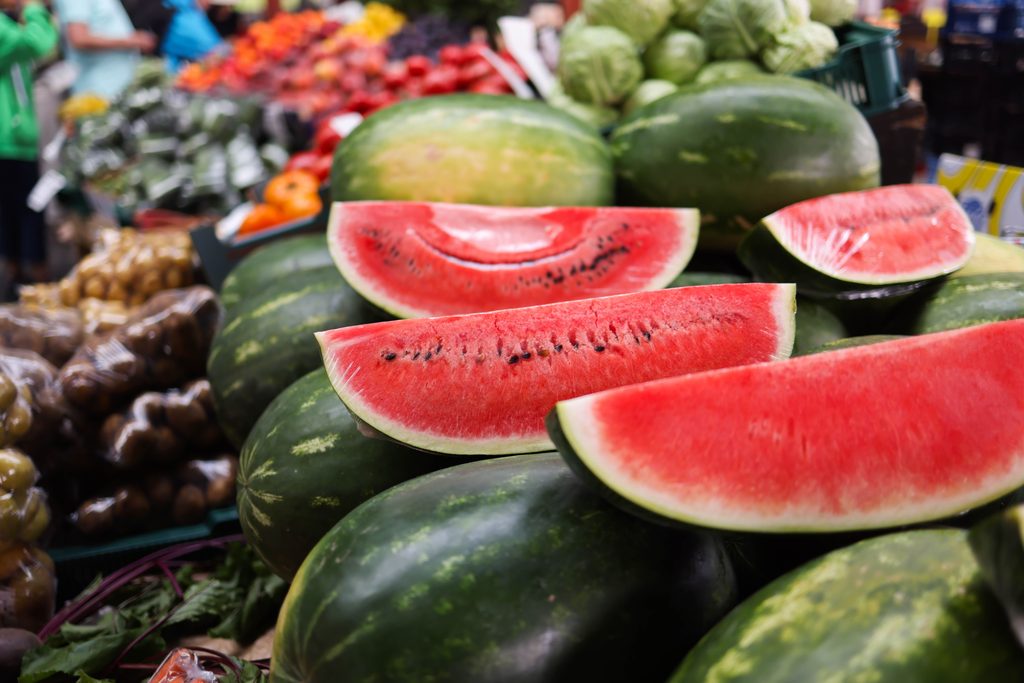
Watermelon is not a true Cucumis melon, but it is the world’s best-known melon. The rind is thick, green and often striped. The flesh is red, pink, yellow or orange.
NC State’s Plants for Human Health Institute notes that watermelon is packed with vitamins A and C, potassium, citrulline and lycopene, in only 43 calories per cup. It is also very hydrating. In the United States, it has the highest availability of any melon, at around 15 pounds per person.
The taste is sweet, crisp and cooling. Eat it fresh, grilled, juiced or in salads. Check the field spot, the pale patch where it rested on the ground. A yellow spot suggests ripeness.
Why Melons Are Worth Eating
Melons are juicy, low in calories and refreshing in hot weather. They also give you useful nutrients. Oklahoma State University notes that orange-fleshed muskmelon has higher levels of vitamin A than white-fleshed casaba and crenshaw melons.
Many melons also supply vitamin C. The NIH Office of Dietary Supplements explains that humans must get this vitamin from food. A cup of cantaloupe cubes gives roughly 60 mg, which is a large share of daily needs for most adults.
People in the United States eat plenty of melon. According to USDA data summarized by Penn State, watermelon availability ranges from 11 to 17 pounds per person each year, while cantaloupe ranges from 5 to 11 pounds. Honeydew stays near 1 to 2 pounds.
Melon Ripeness at a Glance
Not all melons ripen after you pick them. This matters when you shop. The SDSU harvest guide gives a helpful split.
- May ripen further after picking: Charentais, Galia and Ananas
- Will not ripen further: Watermelon, honeydew, canary, crenshaw and most Asian types
For the second group, choose carefully at the store. Look for a sweet smell, a heavy feel and the right rind color. For the first group, a day or two on the counter can help.
How to Handle Melons Safely
Melon rinds touch soil, so wash the outside before cutting. NDSU Extension advises using running water and a vegetable brush on the rough netting, without soap. Wash your hands first, too.
Food safety matters with melons. The same source notes that in June 2018 the CDC reported a five-state foodborne illness outbreak linked to precut melon. Keep cut melon cold and eat it within a few days.
Also pay attention to recalls from the FDA. If you have a weak immune system or are pregnant, take extra care. When in doubt, throw it out.
How to Choose the Right Melon for You
If you like soft and perfumed fruit, try Charentais, cantaloupe or Persian. For crisp and mild, pick Korean melon, Hami or Piel de Sapo. For cool and refreshing, choose watermelon, casaba or honeydew.
If you cook, look at the pickling types. Oriental pickling melon and mango melon shine in jars. Snake melon suits salads.
Try one new melon each month. Compare the aroma, the texture and the sweetness. You will soon find your favorite.
Frequently Asked Questions
How many types of melons are there? There are dozens of named varieties. Researchers group wild and cultivated melons into about 19 horticultural groups. This guide covers 25 popular types.
Is watermelon a true melon? Not botanically. Watermelon is Citrullus lanatus, while most other melons are Cucumis melo. They are still grouped together in stores and recipes.
What is the sweetest melon? Many people name Charentais, Yubari King and Crenshaw. Sweetness also depends on ripeness and growing conditions. Choose fruit with a strong, sweet aroma.
Are cantaloupe and muskmelon the same? In North America, yes, in everyday use. Botanists separate true cantaloupes from netted muskmelons. Most shoppers will see the netted type.
Which melons keep the longest? Winter melons such as casaba, Christmas melon and Piel de Sapo store best. They have thicker skin and lower scent. Keep them cool and dry.
Final Thoughts
Melons are far more varied than most of us expect. From the golden Canary to the crisp Hami, each type offers its own flavor, texture and tradition. Together they make summer eating a pleasure.
I suggest tasting a few new ones this season. Check the smell, the weight and the rind. A ripe melon is one of the simplest joys in the kitchen.
References
- Penn State Extension. Watermelon Production in the United States. https://extension.psu.edu/watermelon-production-in-the-united-states
- University of Georgia Extension. Cantaloupe and Specialty Melons (Bulletin 1179). https://fieldreport.caes.uga.edu/publications/B1179/
- Oklahoma State University Extension. Melon Production. https://extension.okstate.edu/fact-sheets/melon-production.html
- South Dakota State University Extension. Melons: How to Grow It. https://extension.sdstate.edu/melons-how-grow-it
- NC State University, Plants for Human Health Institute. Watermelon Science, Size and Surprising Uses. https://plantsforhumanhealth.ncsu.edu/2014/07/03/watermelon-science-size-and-surprising-uses/
- NIH Office of Dietary Supplements. Vitamin C: Fact Sheet for Health Professionals. https://ods.od.nih.gov/factsheets/VitaminC-HealthProfessional/
- NDSU Extension. Prairie Fare: Take Some Food Safety Precautions With Cantaloupe. https://www.ag.ndsu.edu/news/columns/prairie-fare/prairie-fare-take-some-food-safety-precautions-with-cantaloupe

Tim M Dave is a gardening expert with a passion for houseplants, particularly cacti and succulents. With a degree in plant biology from the University of California, Berkeley, he has vast experience in gardening. Over the years, he has cultivated a vast collection of desert plants and learned a great deal about how to grow and care for these unique companions.