20 Types of Mustard Greens (With Pictures, and Growing Tips)
There are more than 20 types of mustard greens grown and eaten around the world. Most belong to one species, Brassica juncea, and they differ in leaf shape, color, heat level and best use. Some are frilly and fiery. Others are smooth and gentle enough for a salad.
I remember my first taste of a raw mustard leaf. It was sharp, peppery and a little surprising. Cooked slowly, the same leaf turned soft and savory. That contrast is why these greens deserve a place in your kitchen.
This guide covers 20 popular types. For each one, you will learn how it looks, how it tastes, how to use it, and how to grow.
Why Mustard Greens Deserve Your Attention
Mustard greens are low in calories and rich in nutrients. According to USDA data, raw mustard greens contain about 27 calories per 100 grams. The same serving offers roughly 257 micrograms of vitamin K, about 215% of the Daily Value, plus around 70 mg of vitamin C.
Vitamin K supports normal blood clotting and bone health. The NIH Office of Dietary Supplements notes that plant sources of vitamin K are less bioavailable than supplements, because the vitamin is tightly bound to chloroplasts. Eating greens with a little oil or fat helps your body use more of it.
The University of Illinois Extension also points out that mustard greens are high in vitamins A and C. That makes them a simple, affordable way to improve your daily vegetable intake.
The 20 Types of Mustard Greens
1. Southern Giant Curled
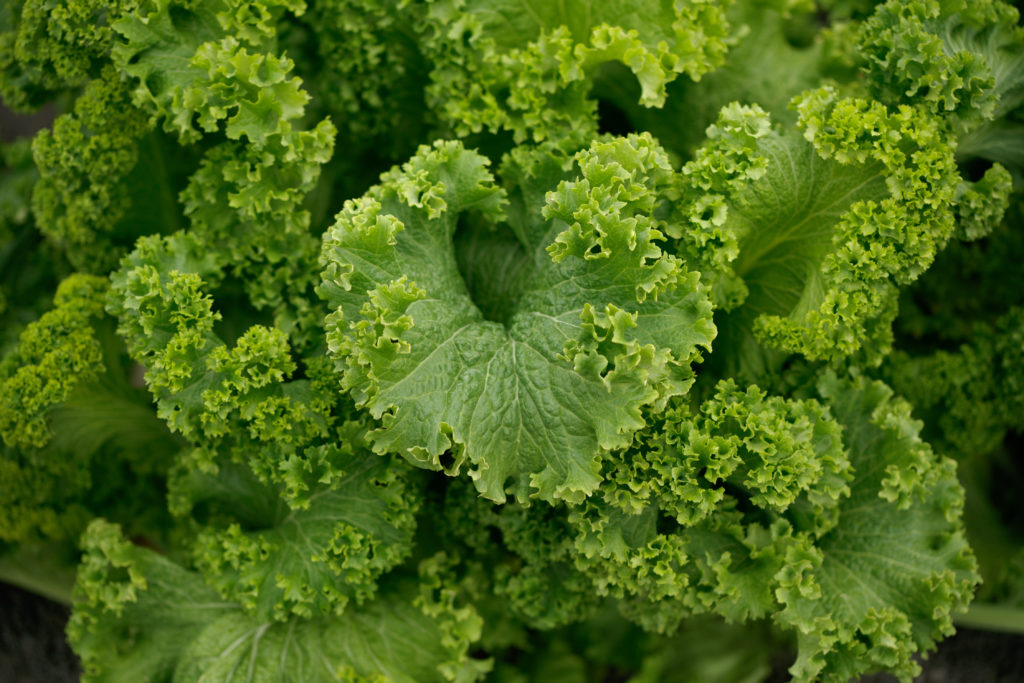
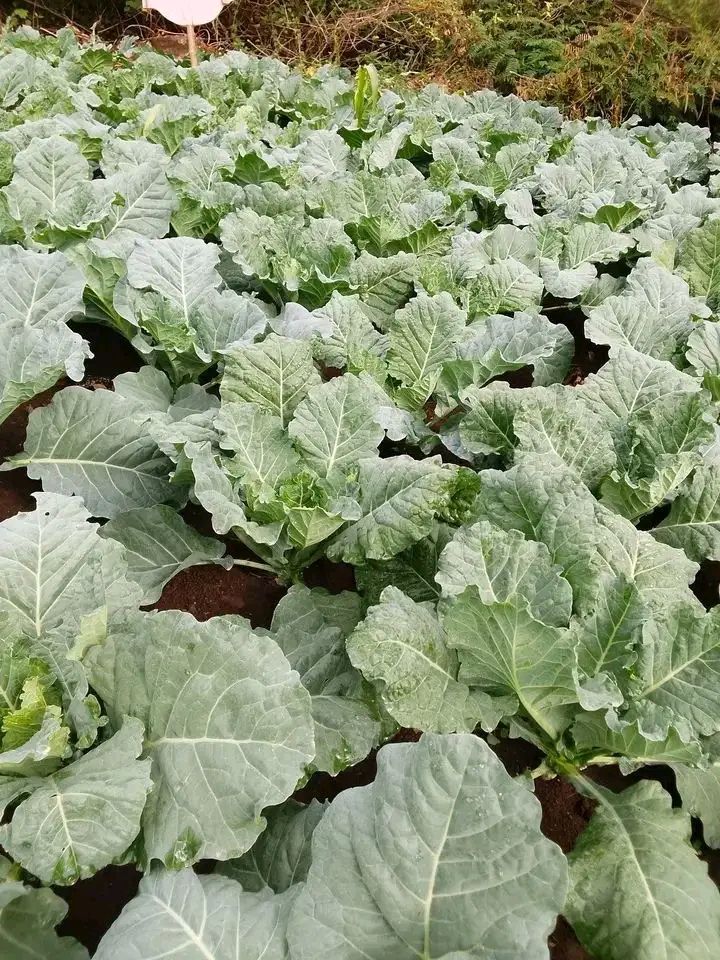
This is the classic Southern mustard green. The leaves are large and bright green, with tightly curled edges. Many gardeners consider it the most commonly grown mustard for greens.
The flavor is bold and peppery, with a clean bite. It softens well in long cooking and holds its texture. That is why it appears in so many slow-simmered dishes.
It is also slow to bolt and handles cold well. If you want a reliable fall crop, this is a safe choice. Harvest the outer leaves and let the plant keep growing.
2. Florida Broadleaf
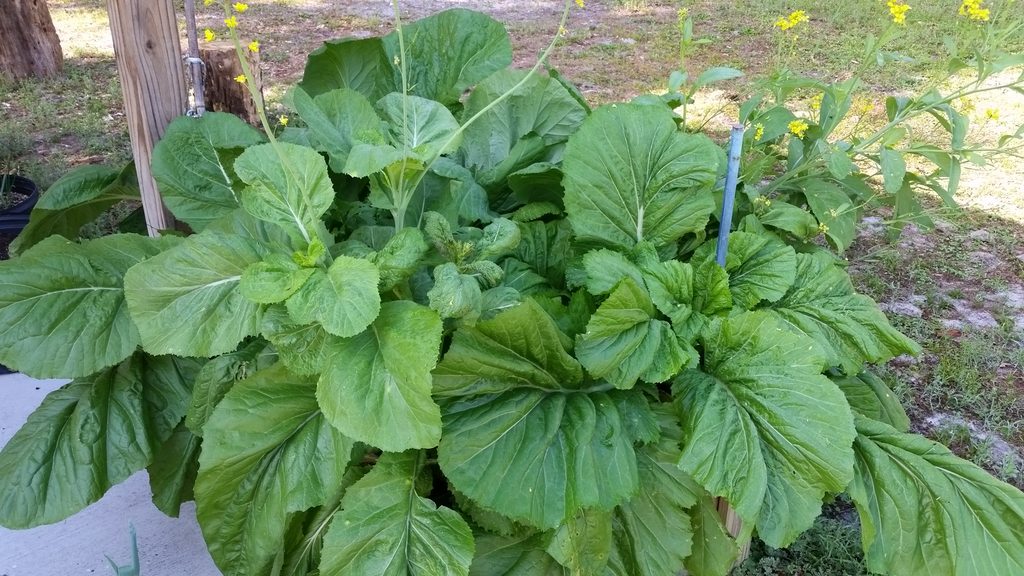
Florida Broadleaf has wide, smooth, rounded leaves. They are pale to medium green, with thick white midribs. The shape makes it easy to wash and chop.
The taste is moderately spicy, with a mild earthy finish. It is less sharp than the curled types. Many cooks prefer it for sautés and soups.
It grows quickly and does well in warmer regions. I like it for beginners because the large leaves are easy to pick. Cut them young for the mildest flavor.
3. Green Wave
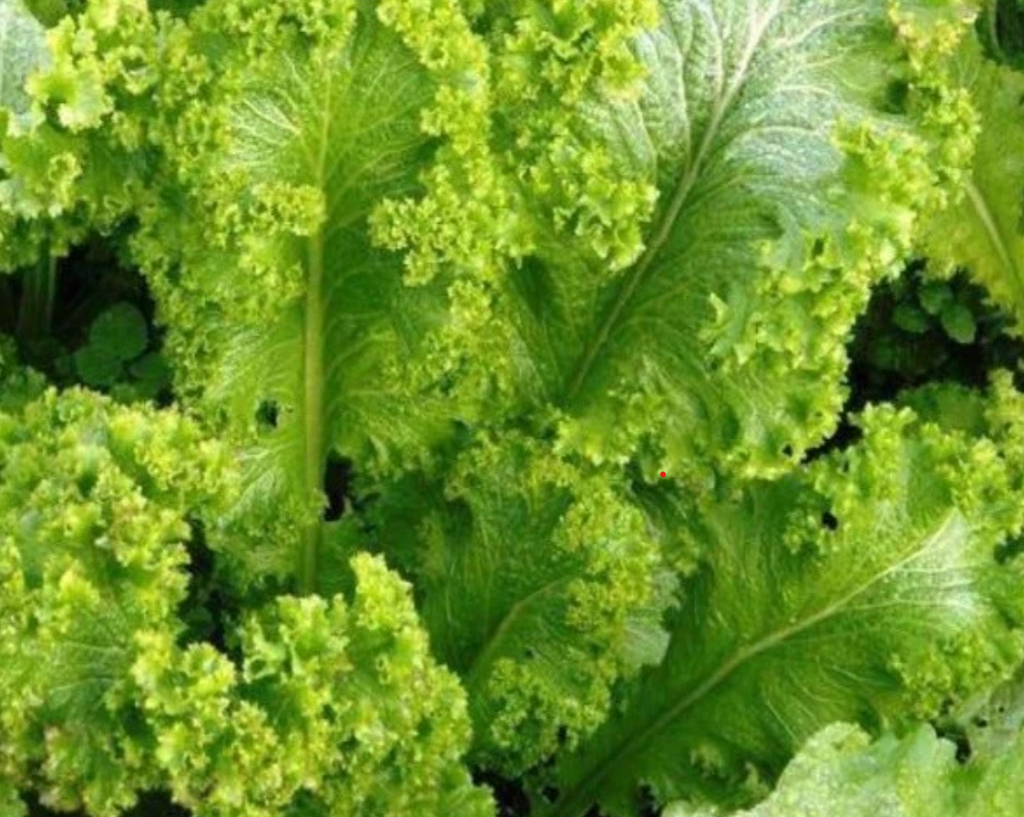
Green Wave is easy to spot. Its leaves are deeply frilled and ruffled, like a green petticoat. The texture looks delicate, but the plant is tough.
The flavor is hot and zesty, often stronger than Southern Giant Curled. Young leaves add a lively kick to salads. Mature leaves work better when cooked.
This variety matures in roughly 45 days and tolerates some heat. It is also pretty enough for a flower border. Gardeners often use it as a bold edible accent.
4. Red Giant
Red Giant brings color to the plate. The leaves are green with deep red-purple veins and tints. The color is strongest in cool weather.
The taste is sharp and horseradish-like, especially when raw. Baby leaves make a striking, spicy salad green. Larger leaves are best sautéed or stir-fried.
The red color fades somewhat with long cooking. To keep it, add the leaves at the end. A quick wilt in a hot pan is enough.
5. Mizuna
Mizuna is a Japanese favorite. Its thin, feathery, serrated leaves grow in a loose rosette. The stems are slender, white and crisp.
The flavor is mild, fresh and lightly peppery. It has almost none of the harshness of other mustards. That makes it ideal for people who think mustard greens are too strong.
Use it raw in salads, in hot pots or on sandwiches. It grows fast and tolerates cold. You can cut it several times in one season.
ALSO READ: 25 Types of Heirloom Tomatoes (Popular Varieties, Flavor, and Growing Tips)
6. Tendergreen (Mustard Spinach)
Tendergreen is sold as “mustard spinach.” Botanically, it is closer to komatsuna, a relative in the turnip family. I include it because it is widely sold and used as a mustard green.
The leaves are dark green, smooth and tender. The flavor is mild, a little like spinach with a hint of cabbage. USDA lists raw mustard spinach at about 22 calories per serving.
It cooks in minutes and does not turn bitter easily. It also resists heat better than many mustards. Try it in stir-fries, soups and egg dishes.
7. Osaka Purple
Osaka Purple is a striking Japanese heirloom. The large leaves are green on the front and deep purple on the back and along the veins. White midribs add contrast.
The taste is hot and pungent, with a strong mustard bite. It is one of the spicier types on this list. A little goes a long way in a mixed salad.
It makes excellent pickles and is also good wilted with garlic. The color softens when cooked. For best looks, harvest while the leaves are still young.
8. Ruby Streaks
Ruby Streaks has finely cut, lacy leaves that look almost like a fern. They are green with red-bronze streaks. The plant is compact and tidy.
The flavor is zippy but not overwhelming. Baby leaves are tender and make a handsome garnish. The heat grows stronger as the leaves mature.
It is popular in baby salad mixes and microgreen blends. Cut it young for the best texture. It also grows well in containers.
9. Golden Frill
Golden Frill is easy to recognize by its lime-green, deeply frilled leaves. The color is bright and unusual. It stands out in a garden bed or on a plate.
The taste is mild and slightly sweet for a mustard green. It has a gentle peppery note that stays pleasant when raw. Even people who dislike strong greens often enjoy it.
Use it fresh in salads, wraps and sandwiches. It also works as a garnish. Harvest the leaves young, since older ones turn tough.
10. Scarlet Frills
Scarlet Frills has ruffled, frilled leaves in rich red and purple shades. The color is deeper and more even than many other red mustards. It looks beautiful in a mixed bed.
The flavor is spicy and bright, with real heat in the larger leaves. Young leaves are milder and a better fit for raw use. The frilly shape holds dressing well.
Treat it as an ornamental edible. It adds color to salads and plates. Like most red types, it keeps its best color in cool weather.
11. Carolina Broadleaf
Carolina Broadleaf is a Southern-style mustard with broad, smooth, medium-green leaves. It is sturdy and productive. The plants form a dense, leafy clump.
The taste is earthy and moderately sharp. It sits between the mild Florida types and the hot curled ones. It cooks down into a rich, savory pot of greens.
It matures in around 45 days and does well in cool seasons. I would pick it for a first Southern-style batch. Pair it with smoked meat or beans for a classic result.
12. Gai Choy (Chinese Mustard)
Gai choy is a staple in Chinese cooking. It has thick, juicy stalks and broad, slightly crinkled leaves. The whole plant is eaten.
The flavor is bitter-pungent and savory, with a clear mustard bite. Blanching in salted water softens the edge. Stir-frying with garlic is a common method.
It also features in soups and in pickled dishes. The stalks stay crunchy even after cooking. Many cooks treat it as a bold alternative to bok choy.
13. Wrapped Heart Mustard
Wrapped heart mustard forms a loose, tight-wrapped head, much like a small cabbage. Its leaves curl around each other in the center. The outer leaves are broad and pale green.
The taste is mildly bitter with a clean mustard finish. The inner heart is the most tender and least sharp. The outer leaves are firmer and more pungent.
It is popular in Chinese and Southeast Asian kitchens. People use it in soups, stir-fries and pickles. The compact head also stores better than loose leaves.
ALSO READ: 25 Types of Microgreens Worth Knowing (With Pictures, and Growing Tips)
14. Takana
Takana is a large Japanese mustard with broad, wavy leaves. The stems are thick and pale. It is best known as the base for takana-zuke, a traditional pickle.
The flavor is strong, spicy and slightly bitter. Pickling or salting mellows it into a savory, tangy side dish. Raw leaves are too sharp for most people.
It is often used to wrap rice or flavor fried rice. You will see it in Japanese home cooking and in Kyushu regional dishes. A small amount goes far.
15. Snow Cabbage (Xue Li Hong)
Snow cabbage, or Xue Li Hong, is a Chinese vegetable whose name means “red in snow.” It grows through cold weather. The leaves are finely serrated and deep green.
The taste is fresh, tangy and mildly pungent. It is rarely eaten raw. Most cooks pickle, salt or stir-fry it.
It is a common ingredient in Shanghai and Zhejiang cooking. Salted snow cabbage is often paired with soybeans or noodles. The pickle brings a bright, salty lift to simple dishes.
16. Stem Mustard (Zha Cai)
Stem mustard is grown mainly for its swollen, knobby stem rather than its leaves. The stem is firm and lumpy. The leaves are usually trimmed away.
The flavor is crisp, salty and spicy after processing. Zha cai is the famous Sichuan pickle made from it. It adds crunch and savor to noodles, congee and soups.
It shows how varied mustard crops can be. Not every type is a leafy green for the pot. This one turns a humble stem into a pantry staple.
17. Sarson (Indian Mustard Greens)
Sarson is the mustard green behind the famous Punjabi dish sarson ka saag. The leaves are broad, dark green and slightly rough. The plant grows tall in cool winters.
The taste is robust, earthy and pleasantly bitter. Slow cooking with spices and a little maize flour creates a thick, creamy dish. It is usually served with flatbread and butter.
Many families make a large pot and eat it over several days. The flavor deepens with time. I find it one of the most satisfying ways to eat mustard greens.
18. Ethiopian Mustard
Ethiopian mustard is a different species, Brassica carinata, but it is often grouped with mustard greens. It is grown across Ethiopia and parts of East Africa. The leaves are broad and dark green.
The flavor is bold, bitter and slightly pungent. Many cooks boil it briefly, then simmer it with onions and tomatoes. The result is rich and hearty.
It copes well with heat and uneven rainfall. That makes it valuable for small farms. It also adds variety to a diet built on kale and cabbage.
19. Miz America
Miz America is a red mizuna with slender, feathery leaves. The stems and leaf tips show a deep burgundy color. It keeps the delicate shape of green mizuna.
The taste is mild and slightly peppery, with a clean crunch. It is gentler than most red mustards. That makes it a good choice for mixed salads.
It grows fast and looks lovely on the plate. Cut it young for tender leaves. It also grows well in cool weather and containers.
20. Garnet Giant
Garnet Giant has big, broad leaves with a rich purple-red hue. The plant grows vigorously and fills out quickly. It stands out in any vegetable bed.
The flavor is spicy and robust, similar to other red-leaf mustards. Young leaves are good raw in small amounts. Mature leaves are better sautéed or braised.
Like other colorful types, the purple fades somewhat when cooked. Add it near the end for the best color. It is a fine pick if you want both flavor and visual impact.
What Makes Mustard Greens Taste Spicy?
The heat comes from compounds called glucosinolates. When you chop or chew the leaf, an enzyme called myrosinase turns them into isothiocyanates. The Linus Pauling Institute explains that this reaction creates metabolites that give cruciferous vegetables their pungent aroma and spicy taste.
Cooking changes the flavor. The same institute notes that cooking cruciferous vegetables inactivates myrosinase. This is why a boiled mustard leaf tastes much milder than a raw one.
Quick Nutrition Snapshot
The numbers below are approximate values for 100 grams of raw mustard greens, based on USDA data.
- Calories: about 27
- Vitamin K: about 257 micrograms (roughly 215% of the Daily Value)
- Vitamin C: about 70 mg
- Vitamin A: about 151 micrograms RAE
Exact values vary by variety, season and soil. Cooking also changes the numbers. Still, mustard greens rank among the more nutrient-dense leafy vegetables.
An Important Note on Vitamin K and Medication
Mustard greens are high in vitamin K. The NIH advises that vitamin K can interact with some medications, particularly warfarin (Coumadin). If you take a blood thinner, talk to your doctor before changing how many greens you eat.
The key is consistency. Steady intake is easier to manage than sudden changes. Your care team can guide you on portions.
How to Choose and Store Mustard Greens
Pick leaves that look fresh, crisp and evenly colored. Avoid yellowing, slimy spots or wilting. Smaller leaves are usually milder.
Utah State University Extension notes that mustard can be stored for 1–2 weeks at 32°F and 95% relative humidity. At home, wrap unwashed leaves in a damp paper towel. Keep them in a loose bag in the fridge and use them within a few days for best flavor.
Simple Ways to Cook Mustard Greens
- Sauté: Cook with garlic and olive oil for 3 to 5 minutes. This keeps the color and a little bite.
- Braise: Simmer slowly with onion, stock and smoked meat or beans. Long cooking removes harshness.
- Raw: Use baby leaves in salads, wraps and sandwiches. Mild types such as mizuna work best.
- Pickle: Salt or ferment sturdy types such as takana or stem mustard.
A squeeze of lemon or a splash of vinegar balances the bitterness. A pinch of sugar helps too. I often add both at the end.
Growing Mustard Greens at Home
Mustard greens are among the easiest leafy crops to grow. They like cool weather and fertile, well-drained soil. The University of Arkansas Extension also stresses that they should mature under cool temperatures for the best taste.
Utah State University Extension advises that mustard grows best when temperatures do not exceed 75°F. Heat can cause a bitter flavor and early flowering. Plant in early spring or early fall for the sweetest leaves.
Harvest time is short. Kentucky State University notes that mustard greens are ready to harvest 35 to 60 days after planting, and baby greens in 20 to 30 days. The same Utah State guide estimates that a 10-foot row can produce 4 to 6 pounds of greens. Cut the outer leaves and leave the center to regrow.
How to Pick the Right Type for You
If you want mild flavor, try Mizuna, Golden Frill or Tendergreen. If you want bold heat, pick Osaka Purple, Green Wave or Southern Giant Curled. For color, choose Red Giant, Ruby Streaks or Scarlet Frills.
For traditional cooking, think regionally. Sarson suits Indian saag. Gai choy fits Chinese stir-fries. Takana and stem mustard are best for pickles.
Start with one mild and one spicy type. Compare them raw and cooked. You will quickly learn what suits your taste.
Frequently Asked Questions
Are mustard greens healthy? Yes. They are low in calories and rich in vitamins K, C and A. They also provide fiber and plant compounds studied for their health effects.
What do mustard greens taste like? They taste peppery, pungent and slightly bitter. The heat varies by type. Cooking makes them milder and softer.
How do I reduce the bitterness? Choose young leaves and cook them longer. Blanch in salted water, then drain. Acid such as lemon juice also helps.
Can I eat mustard greens raw? Yes, especially baby leaves and mild types. Raw leaves keep more of their sharp flavor. Larger leaves are often too strong for raw use.
Are all mustard greens the same species? Most are Brassica juncea, but not all. Ethiopian mustard is Brassica carinata, and Tendergreen is closer to komatsuna. They are still eaten and sold as mustard-type greens.
Final Thoughts
Mustard greens are far more varied than most people expect. From the ruffled Green Wave to the pickled Zha Cai, each type has its own flavor and purpose. Together they offer something for every taste and kitchen.
I suggest trying two or three from this list over the next few weeks. Notice how heat, color and texture change with the cooking method. You may find a new favorite, and your plate will be healthier for it.
References
- National Institutes of Health, Office of Dietary Supplements. Vitamin K: Fact Sheet for Health Professionals. https://ods.od.nih.gov/factsheets/VitaminK-HealthProfessional/
- Harvard T.H. Chan School of Public Health. Vitamin K – The Nutrition Source. https://nutritionsource.hsph.harvard.edu/vitamin-k/
- Linus Pauling Institute, Oregon State University. Isothiocyanates. https://lpi.oregonstate.edu/mic/dietary-factors/phytochemicals/isothiocyanates
- NC State Extension. Brassica juncea – Plant Toolbox. https://plants.ces.ncsu.edu/plants/brassica-juncea
- Utah State University Extension. How to Grow Mustard in Your Garden. https://extension.usu.edu/yardandgarden/research/mustard-in-the-garden.php
- University of Illinois Extension. Mustard. https://extension.illinois.edu/gardening-site/mustard
- National Library of Medicine (NCBI/PMC). Bioavailability, Human Metabolism, and Dietary Interventions of Glucosinolates and Isothiocyanates. https://www.ncbi.nlm.nih.gov/pmc/articles/PMC12385236/

Tim M Dave is a gardening expert with a passion for houseplants, particularly cacti and succulents. With a degree in plant biology from the University of California, Berkeley, he has vast experience in gardening. Over the years, he has cultivated a vast collection of desert plants and learned a great deal about how to grow and care for these unique companions.