35 Yellow Vegetables You Should Know (With Pictures, and Nutrition Facts)
Yellow vegetables get their color mostly from carotenoids, a group of plant pigments that includes lutein, zeaxanthin, and beta-carotene. These compounds do far more than brighten a plate.
Oregon State University’s Linus Pauling Institute explains that orange and yellow vegetables like carrots and winter squash are rich sources of alpha- and beta-carotene, the same pigments the body can convert into vitamin A.
This guide covers 35 yellow vegetables, with flavor details, cooking guidance, and nutrition facts, along with a few personal impressions from my own kitchen.
Why Yellow Vegetables Deserve More Attention
Green vegetables get most of the nutrition spotlight. Yellow ones often get treated as an afterthought, which never felt quite fair to me.
Yet federal guidance treats color variety as essential, not optional. The USDA’s MyPlate program sorts vegetables into five subgroups by nutrient content, and notes that these vegetables are good sources of vitamin A, potassium, and fiber, with most adults advised to eat between 4 and 6 cups of red and orange vegetables each week, a category that includes many yellow varieties too.
Most people fall well short of that target. The Centers for Disease Control and Prevention found that only 9.3% of U.S. adults met vegetable intake recommendations in a national survey, based on CDC data reported by Ohio State University Extension and other public health sources.
Quick fact: Not all yellow vegetables share the same pigment story. Yellow tomatoes, for example, behave differently from other yellow produce, a detail I will return to later in this guide.
Now, let’s get into the full list.
Yellow Roots and Tubers
Roots and tubers make up a colorful share of this list. Some carry yellow flesh throughout, while others show it only under the skin.
1. Yellow Potato
Yukon Gold is the most familiar yellow potato variety, with a buttery flesh that needs little more than salt and butter to shine. The color comes from a modest carotenoid content compared to purple or red-skinned potatoes.
Nutrition Advance notes that yellow-fleshed potatoes may offer extra vitamin A compared to some other cultivars, though their broader nutrition profile stays fairly close to standard white potatoes.
I reach for Yukon Golds specifically for mashing, since their naturally creamy texture needs far less added butter or cream than a starchy russet does.
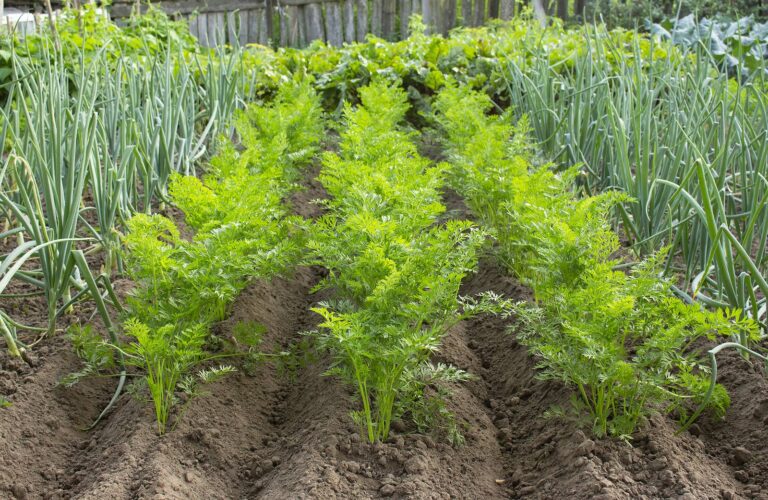
2. Yellow Carrot
Yellow carrots were part of the earliest cultivated carrot lineage, alongside purple ones, long before the now-familiar orange variety took over. Washington State University Extension traces this history in its work on carrot domestication.
The flavor is milder and slightly sweeter than orange carrots, with less of the earthy bite some people associate with carrots in general. Raw, sliced thin, they make a colorful addition to a vegetable tray or slaw.
Roasting brings out their natural sugars nicely, and the color holds up far better under heat than more delicate yellow leafy vegetables do.
READ MORE ON: 40 Types of Carrots (With Pictures and Growing Tips)
3. Yellow Beet
Golden beets carry a milder, less earthy flavor than their deep red cousins, which makes them a good entry point for anyone who normally avoids beets. Their color comes from betalain pigments rather than carotenoids, a distinction worth knowing.
Roasting is the most common preparation, since it concentrates their natural sweetness and produces a tender, almost caramelized bite. Unlike red beets, golden beets will not stain a cutting board or your hands the same dramatic way.
I like pairing roasted golden beets with goat cheese and a citrus vinaigrette. The color combination alone makes the dish feel more special than the ingredient list suggests.
4. Yellow Turnip (Rutabaga)
Rutabaga, sometimes labeled “swede,” is technically a cross between turnip and cabbage, with a dense, pale-yellow flesh underneath a waxed purple-and-tan skin. It is heartier and starchier than a standard white turnip.
Mashed, roasted, or added to a root vegetable stew, rutabaga holds its shape well during long cooking. Its flavor sits somewhere between turnip and cabbage, slightly peppery but sweeter once cooked through.
Because the skin is thick and often waxed for storage, peeling with a sharp knife rather than a vegetable peeler usually works better.
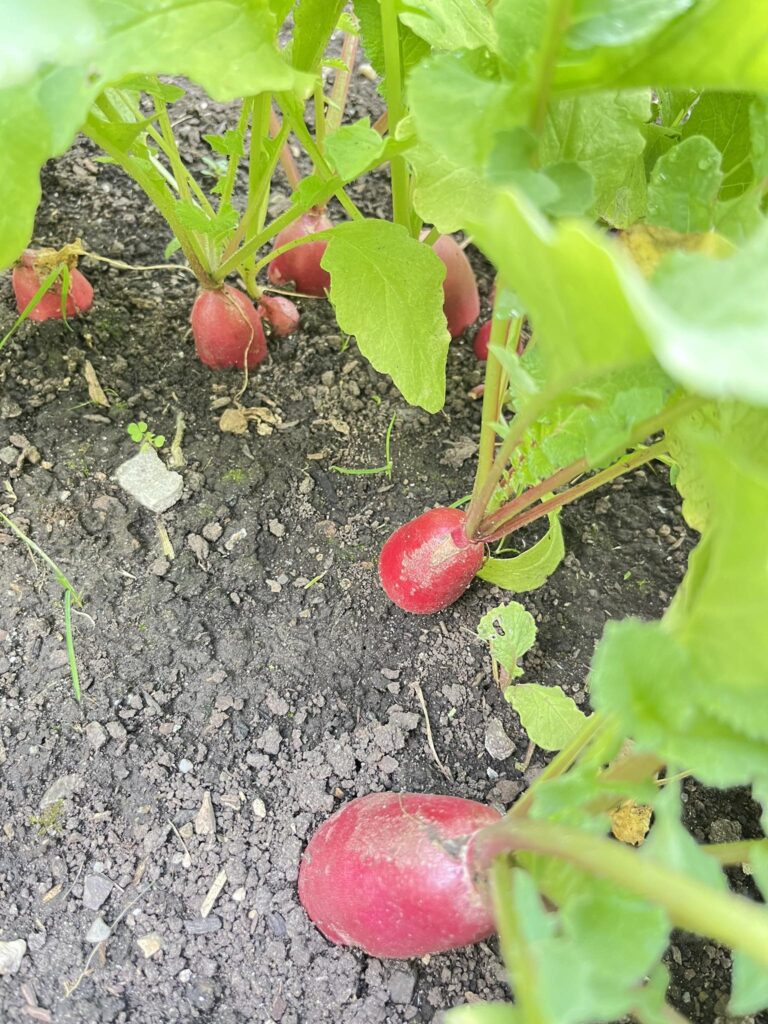
5. Yellow Radish
Yellow radish varieties bring a milder bite than the sharp red radishes most people know. Their pale-yellow skin hides a crisp white flesh underneath.
Sliced thin, they work well pickled or added raw to a salad for crunch without an overwhelming peppery punch. Roasting mellows the flavor even further, bringing out a subtle sweetness.
I find these particularly useful for people who love the crunch of radishes but find the standard red variety too sharp for their taste.
6. Yellow Parsnip-Style Turnip
Certain heirloom turnip varieties develop a pale golden hue rather than the classic purple-and-white combination. They carry a slightly nuttier flavor than standard turnips.
These work especially well roasted alongside carrots and potatoes, where their color adds visual variety to an otherwise monochrome tray of root vegetables.
7. Yellow Sweet Potato
Not all sweet potatoes are orange inside. Certain varieties, sometimes called “white” or “yellow” sweet potatoes, carry a pale gold flesh with a drier, starchier texture than the moist orange kind most Americans know.
These varieties are especially common in parts of Africa, the Caribbean, and Asia, where they are often boiled, fried, or mashed rather than baked. The flavor is less sweet than orange sweet potato, closer to a standard potato with a subtle nutty edge.
8. Yellow Onion
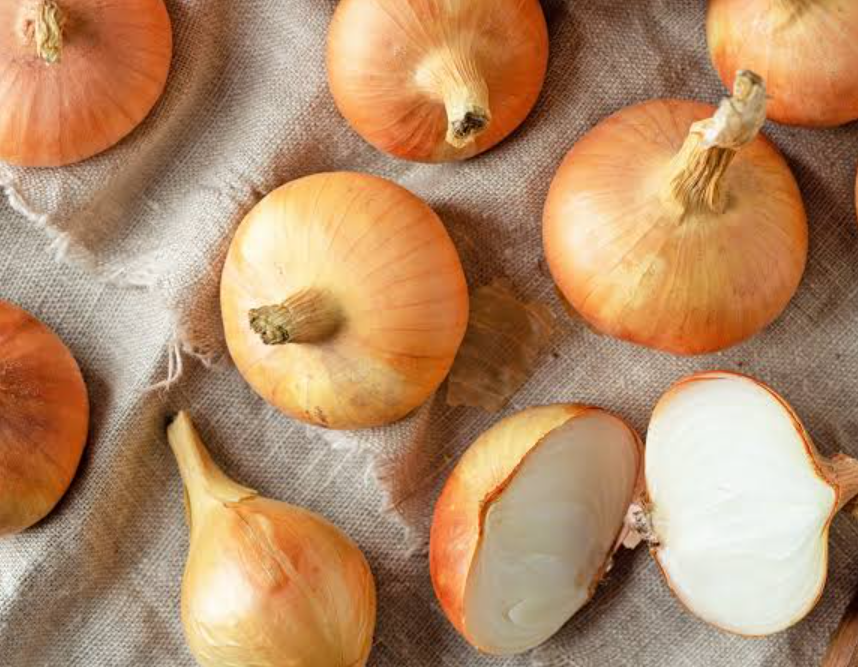
Yellow onion is the most widely used onion variety in American kitchens, forming the base of countless soups, sauces, and sautés. Its papery golden-brown skin gives way to a sharp, pungent white-to-pale-yellow flesh.
Cooking mellows its sharpness dramatically, and slow caramelization turns yellow onion into something deeply sweet, almost jam-like. It has a notably higher sugar content than red or white onions, which is part of why it caramelizes so well.
I rarely start a savory dish without one. It is the vegetable I would call an unsung workhorse of the kitchen.
READ MORE ON: 21 Major Types of Onions: (Yellow, Red, White, and More Other Varieties)
9. Yellow Shallot
Golden shallot varieties carry a milder, sweeter flavor than standard onions, with a delicate golden-brown skin and pale flesh inside. They are prized in French cooking for sauces and dressings.
Their smaller size and gentler bite make them a natural choice for raw preparations like vinaigrettes, where a full onion might overpower the dish.
10. Yellow Garlic
Most garlic bulbs carry a pale golden hue once the papery outer skin is removed, distinguishing common softneck varieties from the purple-streaked types. The flavor is sharp raw and turns sweet and nutty when roasted.
Roasting a whole yellow garlic bulb until soft and spreadable remains one of the simplest ways to add deep flavor to bread, mashed potatoes, or pasta.
READ MORE ON: 15 Types of Garlic Explained: Variety, Flavor, and Uses
Yellow Squash and Gourd Family
Squash varieties make up one of the richest sources of yellow vegetables, and several have been studied specifically for their carotenoid content.
11. Yellow Summer Squash
Yellow squash is often confused with zucchini, and for good reason. The University of Maine Cooperative Extension notes that summer squash varieties include patty pan, yellow crookneck, and yellow straightneck, all of which are 95 percent water and low in calories, with a cup of raw zucchini containing just 20 calories.
Draxe’s nutrition team adds that yellow squash, especially its colored peel, contains antioxidants including beta-carotene, lutein, and zeaxanthin, the same protective compounds that give carrots their color.
I slice these thin and grill them whole, since the skin holds most of the pigment and nutritional value. Peeling before cooking removes much of what makes this vegetable worth eating.
12. Yellow Zucchini
Yellow zucchini looks almost identical to green zucchini apart from its color, and the two behave the same in the kitchen. Nutrition Advance reports a striking difference in one specific nutrient, though: yellow zucchini contained 1,036 mg of lutein per kilogram in one study, compared to just 135 mg in green zucchini.
That is a meaningful gap for a vegetable most people treat as interchangeable regardless of color. Beyond that lutein difference, taste and texture stay virtually identical between the two.
READ MORE ON: 20 Types of Winter Squash: Variety With Pictures
13. Yellow Crookneck Squash
This curved, bumpy-skinned squash is one of the older heirloom summer squash varieties grown in North America. Its slightly firmer skin and denser flesh hold up well to sautéing.
Southern cooking traditions often feature crookneck squash simmered with onion and a touch of bacon fat, a preparation that softens the squash considerably while keeping its mild, slightly sweet flavor intact.
14. Yellow Pattypan Squash
Small, scalloped, and almost saucer-shaped, pattypan squash is one of the most visually distinct members of the summer squash family. Younger squash, harvested small, have the most tender texture.
Roasting whole halves with olive oil and herbs is the simplest way to prepare them, letting the natural sweetness concentrate as the edges caramelize.
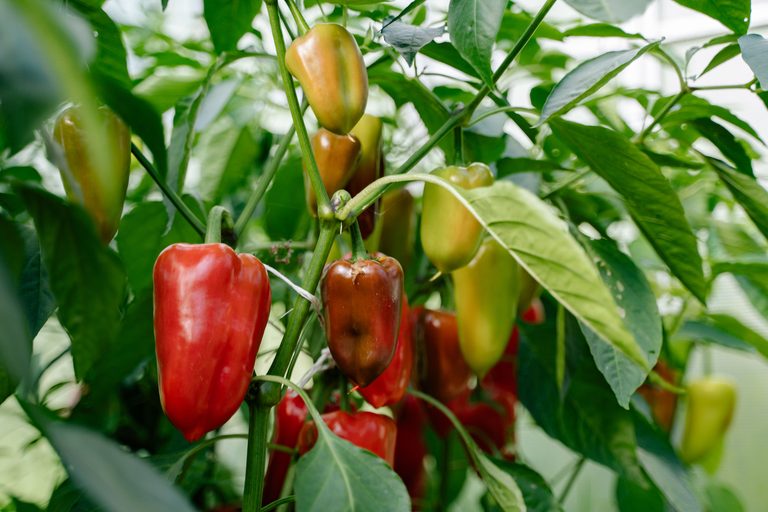
15. Yellow Bell Pepper
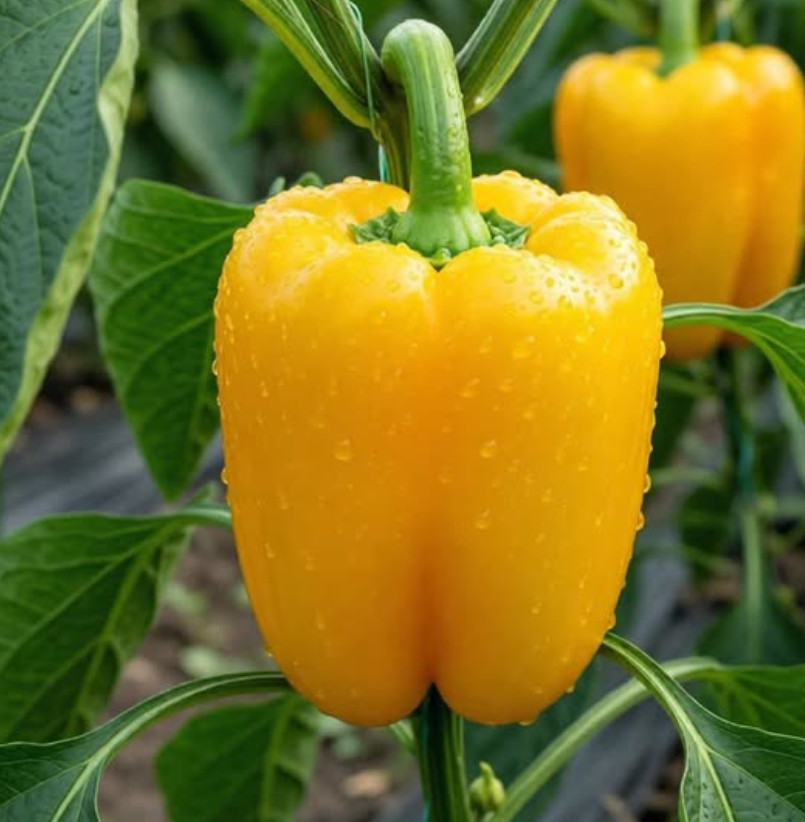
Yellow bell peppers ripen from green through yellow and eventually orange or red, depending on how long they stay on the plant. Nutrition Advance notes that lutein is one of the main carotenoids found in yellow bell peppers.
They carry a milder, sweeter flavor than green peppers since they have had more time to ripen and develop natural sugars. Raw, sliced into strips, they are one of the easiest vegetables to snack on without much preparation.
16. Yellow Banana Pepper
Mild and slightly tangy, banana peppers are a common pickling vegetable, usually sold in jars alongside sandwich toppings. Fresh, raw banana peppers carry a gentle crunch with only a mild pepper bite.
Their thin walls make them quick to cook, and they soften almost immediately when added to a hot skillet, releasing a subtle sweet-tart flavor.
17. Yellow Squash Blossom (Zucchini Flower)
Squash blossoms, harvested from the same plants that produce yellow squash and zucchini, are a delicacy in Italian and Mexican cooking. Their delicate golden-orange petals are edible and slightly sweet.
Stuffed with cheese and lightly fried, or torn into quesadillas, squash blossoms wilt almost instantly with heat, so they need to be handled and cooked gently.
18. Yellow Winter Squash (Delicata)
Delicata squash has thin, edible skin striped in cream and yellow, making it one of the few winter squashes that does not require peeling. Its flesh is sweet, tender, and slightly nutty once roasted.
Sliced into rings and roasted at high heat, delicata develops crisp caramelized edges while staying creamy inside, closer in texture to sweet potato than to tougher winter squashes like butternut.
19. Golden Acorn Squash
A less common cousin of the standard green acorn squash, golden acorn squash carries a bright yellow-orange rind and a similarly sweet, nutty flesh once roasted. It works well halved, seeded, and baked with a touch of butter and brown sugar.
20. Yellow Cucumber (Lemon Cucumber)
Round, pale yellow, and roughly the size of a lemon, this heirloom cucumber variety looks nothing like a standard cucumber but tastes remarkably similar, with a slightly sweeter, less bitter edge. It is a popular home garden variety thanks to its unusual appearance.
Sliced thin, lemon cucumbers work well in salads where their round shape and pale color add visual contrast to greens and tomatoes.
Yellow Corn and Grain-Adjacent Vegetables
Corn is the most obvious entry here, but a few related vegetables also belong on a yellow produce list.
21. Yellow Sweet Corn
Sweet corn is one of the most widely eaten yellow vegetables in the United States, and MyPlate classifies it as a starchy vegetable subgroup member alongside potatoes and peas.
The University of Nebraska–Lincoln’s food team explains that summer squash and other yellow produce are rich in carotenoids that support eye health, a benefit corn shares thanks to its own lutein and zeaxanthin content.
I grill corn on the cob with the husk left partly on, which steams the kernels while still letting the outer layer char slightly for extra flavor.
22. Baby Corn
Harvested while the ears are still immature, baby corn is smaller, sweeter, and more tender than mature sweet corn, with a crunch closer to a fresh vegetable than a grain. It is a staple in many Asian stir-fry dishes.
Because the cob itself is still soft at this stage, the entire baby corn ear is eaten, unlike mature corn where the cob is discarded.
23. Popcorn Kernels (Fresh, Unpopped)
Fresh popcorn corn, picked and dried on the stalk, carries the same pale-to-golden-yellow color as sweet corn kernels but with a much harder, starchier texture suited for popping rather than eating raw.
Home gardeners sometimes grow ornamental or heirloom popcorn varieties specifically for their striking yellow-and-gold coloring before drying and popping.
24. Yellow Hominy
Hominy is made from dried corn kernels treated with an alkaline solution to remove the tough outer hull, a process that softens the kernel and changes its texture entirely. Yellow hominy carries a milder corn flavor than white hominy.
It is a staple in Southern U.S. and Mexican cooking, showing up in dishes like posole and Southern-style hominy grits, where its chewy texture holds up well to long simmering.
Yellow Nightshades and Fruiting Vegetables
Several nightshade family vegetables also produce naturally yellow varieties, some of which surprised me the most during my research.
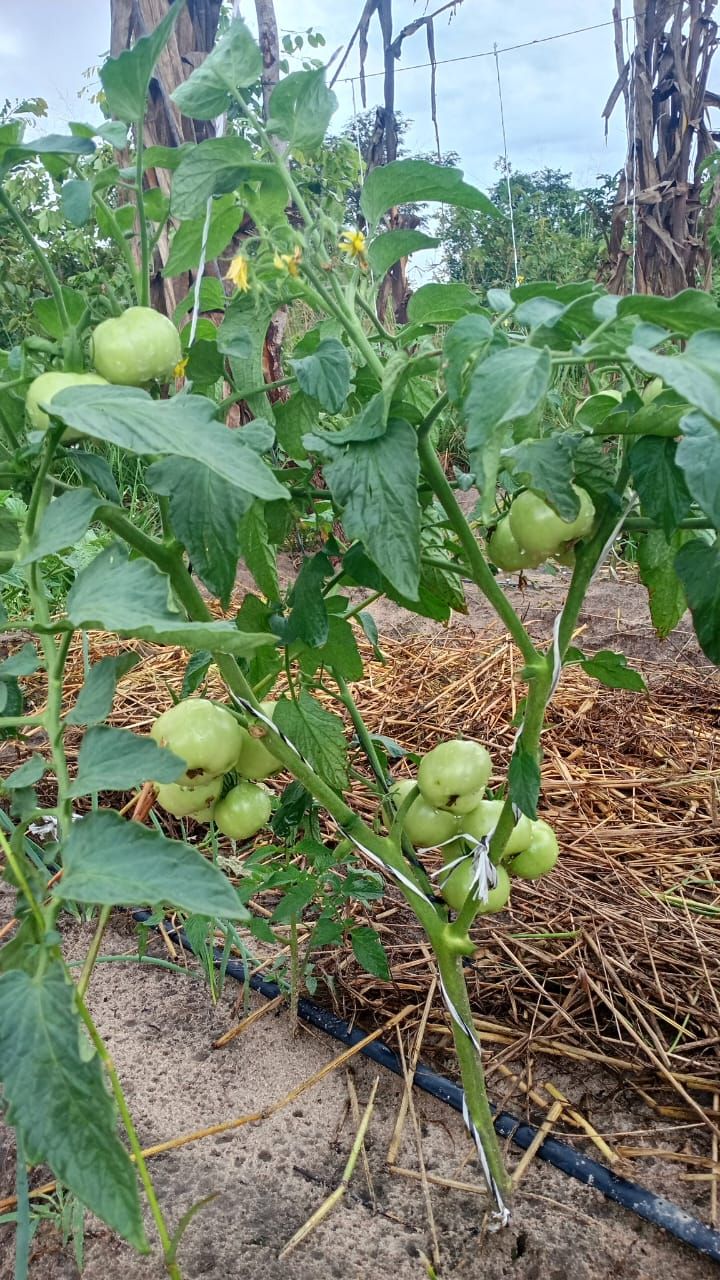
25. Yellow Tomato
Yellow tomatoes are genuinely different from red ones at a chemical level, not just visually. Nutrition Advance summarizes research showing that yellow tomatoes do not contain lycopene, the red-pigmented carotenoid found in regular tomatoes, and also contain less beta-carotene, though their total polyphenol content is actually higher than red tomatoes.
Peer-reviewed carotenoid profiling backs this up. Researchers using HPLC analysis found that yellow tomatoes showed low levels of carotenoids compared to red or orange tomatoes, with a different underlying pigment mix entirely.
I find yellow tomatoes taste noticeably milder and less acidic than red ones, which makes them a favorite for anyone sensitive to tomato tartness in salads.
26. Yellow Cherry Tomato
Miniature yellow tomatoes carry many of the same characteristics as their full-size counterparts, just concentrated into a smaller, bite-sized package. A 2024 flavor study found that yellow cherry tomatoes had the highest soluble sugar content of any color tested, along with the highest levels of essential and sweetness-related amino acids.
That combination explains why yellow cherry tomatoes often taste noticeably sweeter straight off the vine than red ones.
27. Yellow Bell Pepper (Sweet Variety)
Already covered above under the pepper family, but worth noting separately for its role as a raw snacking vegetable. Thick-walled sweet yellow peppers are among the crunchiest, juiciest pepper varieties available.
28. Yellow Wax Pepper (Banana Pepper Family)
Distinct from sweet banana peppers, yellow wax peppers carry a bit more heat, closer to a mild jalapeño in some varieties. They are a popular pickling pepper, often labeled simply “hot banana pepper” in stores.
29. Yellow Eggplant
Less common than the familiar purple variety, yellow eggplant exists in several heirloom cultivars, particularly in Southeast Asian cuisine. Its flavor and texture stay close to standard eggplant, just without the anthocyanin pigment in the skin.
Thai cooking uses small yellow eggplant varieties raw in curries, where their firm texture holds up well without turning mushy during simmering.
30. Yellow Okra
Certain heirloom okra varieties ripen to a pale yellow-green rather than the standard deep green pod. Flavor and texture stay essentially unchanged from green okra, making the difference mostly ornamental.
Other Notable Yellow Vegetables
A handful of yellow vegetables round out this list without fitting neatly into the categories above.
31. Yellow Wax Bean
Wax beans are essentially green beans grown in a yellow-podded variety, sharing the same crisp snap and mild, slightly grassy flavor. Nutrition Advance lists them among common yellow vegetables sold fresh in supermarkets.
Steamed or sautéed quickly, wax beans hold their pale-yellow color far better than green beans hold theirs, since there is no chlorophyll breakdown to worry about.
32. Yellow Cauliflower
Less common than white or purple cauliflower, yellow cauliflower carries a subtle golden hue from natural carotenoid content, with a flavor nearly identical to standard white cauliflower. Roasting brings out a light nutty sweetness.
33. Yellow Cabbage (Napa-Adjacent Varieties)
Certain Asian cabbage varieties develop a pale golden-yellow tint toward the core, particularly napa cabbage grown in cooler conditions. The color intensifies slightly as the head matures.
34. Yellow Chard (Golden Swiss Chard)
Golden chard carries the same deep green leaves as standard Swiss chard, but with a bright yellow stem and central vein instead of red or white. It cooks down similarly, wilting quickly in a hot pan.
The stems take slightly longer to soften than the leaves, so many cooks add them to the pan a minute or two before the leafy portion.
35. Yellow Fennel Bulb (Golden Florence Fennel)
Certain fennel varieties develop a pale golden-yellow tint on their outer bulb layers, especially when grown in full sun. The flavor carries the familiar mild licorice note fennel is known for.
Shaved thin and eaten raw, fennel adds a crisp, refreshing crunch to salads. Roasted, its anise flavor mellows considerably into something closer to caramelized onion.
The Science Behind the Yellow Color
Every vegetable on this list owes its color largely to carotenoids, though not every yellow vegetable relies on the same pigment family. That distinction matters more than most people realize.
The Linus Pauling Institute at Oregon State University explains that carotenoids fall into two main groups: carotenes and xanthophylls. Xanthophylls, which include lutein and zeaxanthin, tend to produce the more purely yellow shades, while carotenes lean toward orange.
WebMD’s nutrition team summarizes this distinction clearly: xanthophylls are usually yellow and contain lots of oxygen, and the benefits of carotenoids actually increase when the fruits and vegetables containing them are chopped and cooked.
That last detail surprised me. I always assumed raw vegetables preserved more nutrition across the board, but carotenoid absorption is one clear exception.
Not every yellow vegetable follows the “more carotenoids equals more color” rule, either. Yellow tomatoes, as covered earlier, actually carry fewer total carotenoids than red tomatoes, relying instead on a different lutein-heavy pigment mix.
Health Benefits Backed by Research
I want to stay grounded here. No single vegetable prevents disease on its own, but the research on carotenoids is consistently encouraging.
Eye health support. Lutein and zeaxanthin, both abundant in yellow squash and yellow peppers, concentrate in the retina and macula of the eye. Research summarized by Natural Grocers notes that lutein and zeaxanthin are found in high concentrations in the retina and macula of the eye, tissues directly tied to vision.
Vitamin A conversion. Beta-carotene and related pigments convert into vitamin A in the body, supporting immune function, skin health, and vision, according to WebMD’s carotenoid overview.
Cardiovascular and cancer risk reduction. A UK-based nutrition review notes that carotenoids may help protect against heart disease and some cancers, particularly when consumed through whole foods rather than isolated supplements.
Blood pressure support. Many yellow vegetables carry meaningful potassium content. According to a MyPlate-focused breakdown, diets rich in potassium may help maintain healthy blood pressure, a benefit tied to the broader red-and-orange-adjacent vegetable subgroup that includes many yellow varieties.
None of this replaces medical advice. It simply reinforces why color variety, yellow included, belongs on a weekly grocery list.
How to Cook Yellow Vegetables Without Losing Nutrients
A few lessons have stuck with me after plenty of trial and error in my own kitchen.
Cook rather than always eating raw. Unlike many nutrients that degrade with heat, carotenoid absorption actually improves when vegetables are chopped and lightly cooked, based on the WebMD summary referenced earlier.
Add a little fat. Carotenoids are fat-soluble, meaning the body absorbs them far more efficiently when eaten alongside olive oil, butter, or another fat source.
Keep the skin on squash. Much of the antioxidant content in yellow squash and zucchini sits in the colored peel, so peeling before cooking removes a real share of the nutritional benefit.
Avoid overcooking corn. Extended boiling can leach water-soluble nutrients out of corn kernels. A quick steam or grill preserves more flavor and nutrition than a long boil.
A Quick Comparison: Yellow vs. Standard Varieties
One comparison stood out to me more than any other while researching this list.
Yellow zucchini and green zucchini look nearly identical on a cutting board, yet the lutein gap between them is substantial. As noted earlier, yellow zucchini contained roughly 1,036 mg of lutein per kilogram in one study, compared to only 135 mg in green zucchini, despite near-identical taste and texture.
That kind of gap does not show up on a nutrition label the way calories or fiber would. It is a reminder that color sometimes signals a real nutritional difference, even when a vegetable seems interchangeable with its more common cousin.
How to Shop for and Store Yellow Vegetables
A few practical habits have saved me money and disappointment over the years.
Check for firmness with squash. Yellow squash and zucchini should feel firm end to end. Soft spots or wrinkled skin usually signal the vegetable is already past its prime.
Choose smaller squash when possible. University of Maine Extension notes that larger summer squash fruits have very large seeds, tough rinds, and stringy, coarse flesh, while smaller ones stay tender and mild.
Store corn in the husk. Keeping sweet corn in its husk and refrigerated slows sugar conversion to starch, preserving the natural sweetness for a few extra days.
Refrigerate tomatoes only after ripening. Cold temperatures dull tomato flavor. Keep yellow tomatoes on the counter until ripe, then refrigerate only if you need to extend their life by a day or two.
Buy squash in season. Summer squash, yellow zucchini, and corn peak from June through September in most of the United States, according to seasonal produce guidance from university extension programs.
Common Questions About Yellow Vegetables
A few questions come up whenever I talk about yellow vegetables with friends or family. Here are honest, research-backed answers.
Are yellow vegetables less nutritious than orange ones? Not necessarily. Some, like yellow zucchini, actually carry more of certain antioxidants than their green or orange counterparts, as the lutein comparison above shows.
Do yellow tomatoes taste different from red ones? Yes. They tend to taste milder and less acidic, and research shows they carry a different carotenoid profile entirely, lacking the lycopene found in red tomatoes.
Is yellow squash the same as zucchini? Closely related, but not identical. Yellow squash and green zucchini are both summer squash varieties with nearly the same nutrition and flavor, differing mainly in appearance and, notably, lutein content.
Can I grow yellow vegetables in a home garden? Absolutely. Yellow squash, yellow tomatoes, and wax beans are some of the easiest yellow vegetables for home gardeners, widely available as seeds or seedlings.
Does cooking destroy carotenoids in yellow vegetables? No, and in some cases cooking actually improves absorption, since carotenoids are fat-soluble and heat can help break down plant cell walls that otherwise trap the pigment.
Which yellow vegetable has the strongest research backing? Yellow squash and corn currently have the broadest base of published nutrition research, largely due to their popularity and long agricultural history in the United States.
Final Thoughts
Thirty-five vegetables is a long list, and no one needs to eat through all of them regularly to benefit from adding more yellow produce to their plate.
The bigger point, at least for me, is that yellow vegetables carry a genuinely distinct nutrient profile from their green, red, or orange cousins. Skipping them means missing out on specific compounds like lutein and zeaxanthin that other colors simply do not provide in the same amounts.
Given that the CDC’s national data shows only a small share of adults meet basic vegetable intake recommendations, adding two or three yellow vegetables into a weekly routine is a realistic step. Start with yellow squash, sweet corn, or a yellow bell pepper. They are easy to find, easy to cook, and easy to enjoy.
References
- Oregon State University, Linus Pauling Institute – “Carotenoids,” Micronutrient Information Center. https://lpi.oregonstate.edu/mic/dietary-factors/phytochemicals/carotenoids
- USDA MyPlate.gov – “Vegetable Group – One of the Five Food Groups.” https://www.myplate.gov/web/web/eat-healthy/vegetables
- New Mexico State University Extension – “MyPlate: The Vegetable Group – Vary Your Veggies,” Guide E-139. https://pubs.nmsu.edu/_e/E139/index.html
- University of Maine Cooperative Extension – “Vegetables and Fruits for Health: Zucchini and Summer Squash,” Bulletin #4257. https://extension.umaine.edu/publications/4257e/
- University of Nebraska–Lincoln, UNL Food – “Summer Squash.” https://food.unl.edu/article/summer-squash/
- Rutgers Cooperative Extension of Cape May County – “Eat What You Grow: Squash and Zucchini.” https://capemay.njaes.rutgers.edu/2020/07/15/eat-what-you-grow-squash-and-zucchini/
- National Institutes of Health, National Library of Medicine (PMC) – “Inferring the Genetic Determinants of Fruit Colors in Tomato by Carotenoid Profiling.” https://pmc.ncbi.nlm.nih.gov/articles/PMC6154295/

Tim M Dave is a gardening expert with a passion for houseplants, particularly cacti and succulents. With a degree in plant biology from the University of California, Berkeley, he has vast experience in gardening. Over the years, he has cultivated a vast collection of desert plants and learned a great deal about how to grow and care for these unique companions.