25 Flowers That Symbolize Strength (With Pictures, and Meanings)
Strength does not always look loud. Sometimes it looks like a small flower pushing through cracked pavement. Sometimes it looks like a bloom opening after a fire.
For centuries, people have used flowers to express what words cannot. A bouquet can say “you are brave” or “you will get through this.” That is why strength flowers are popular for gifts, memorials, and gardens.
In this guide, I explain 25 flowers that symbolize strength, each with its meaning, the history, and the real plant traits behind the symbol.
Why Flowers Are Symbols of Strength
Most strength symbols come from how a plant behaves in nature. A flower that survives drought or fire earns respect. A flower that blooms in snow earns even more.
Culture adds another layer. Some flowers became national emblems. Others appear in legends about warriors and healers. Over time, these stories shaped what each flower means today.
Real plant science often backs up the symbolism. Some peonies thrive for more than 50 years in the same spot. Dandelion roots can regrow from pieces as short as one inch. Strength is not only a metaphor in these cases. It is a biological fact.
25 Flowers That Symbolize Strength
1. Protea
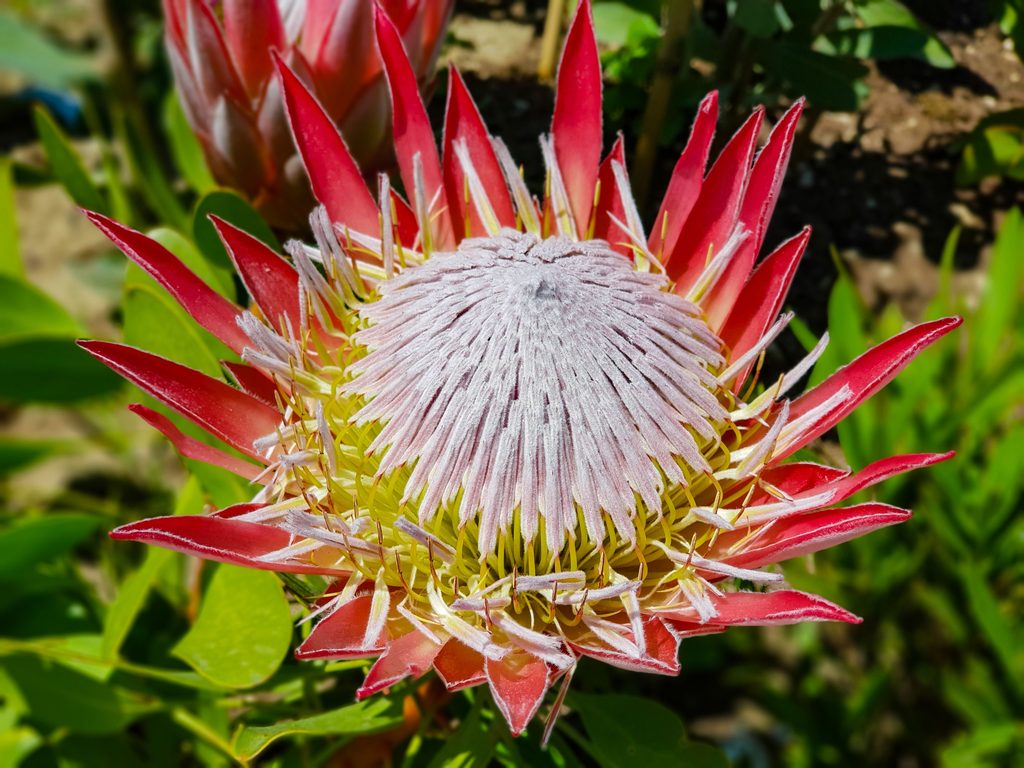
The protea is a bold flower that looks like a crown. It is native to South Africa, and the king protea is the national flower. It stands for courage, transformation, and strength under pressure.
Its toughness is real. Proteas grow in fire-prone fynbos shrubland. Most proteas survive fire in one of four ways. Some store seeds in fire-safe heads. Others resprout from thick bark or underground stems.
The king protea resprouts after fire. Fynbos needs fire every 10 to 15 years, in general, to stay healthy. I find it remarkable that a flower can depend on the very thing that threatens it.
2. Saguaro Cactus Blossom
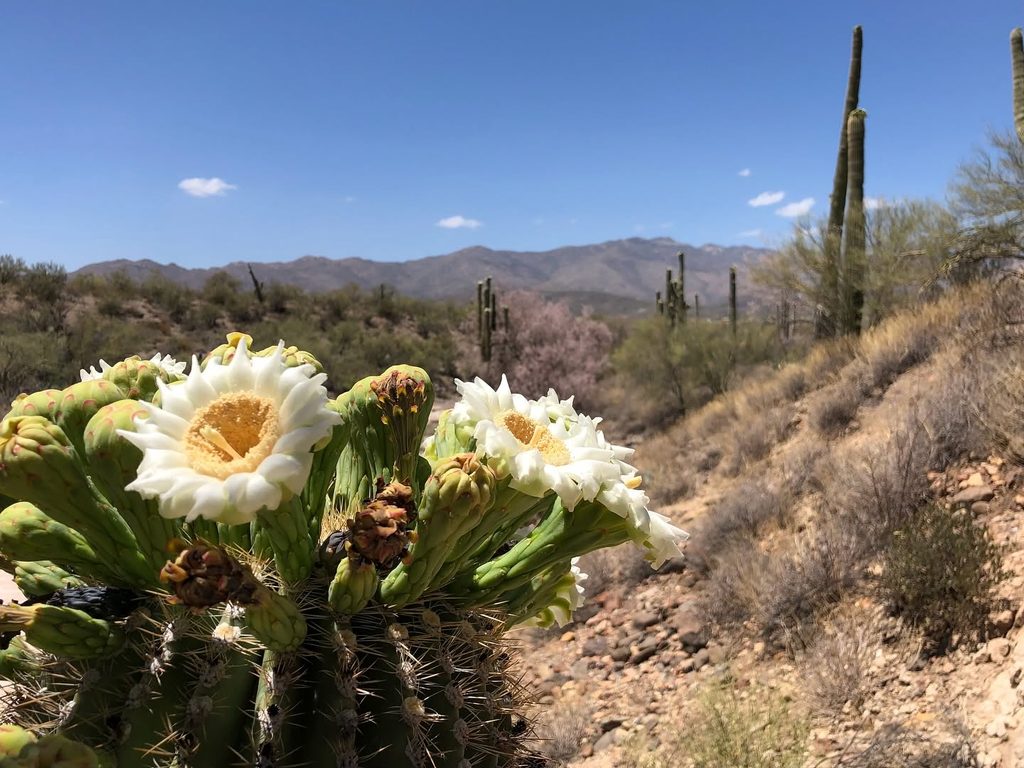
The saguaro blossom is the state flower of Arizona. It was confirmed as the state flower in 1931. It symbolizes endurance and quiet strength in harsh places.
The flower is creamy white with a golden center. It blooms in May and June, mostly at the tips of the arms. Each flower stays open for only about 24 hours.
The plant behind it is even more impressive. The saguaro is a keystone species in the desert, feeding and sheltering many animals. It grows slowly, often taking decades to grow its first arm. That patience is part of its meaning.
3. Fireweed
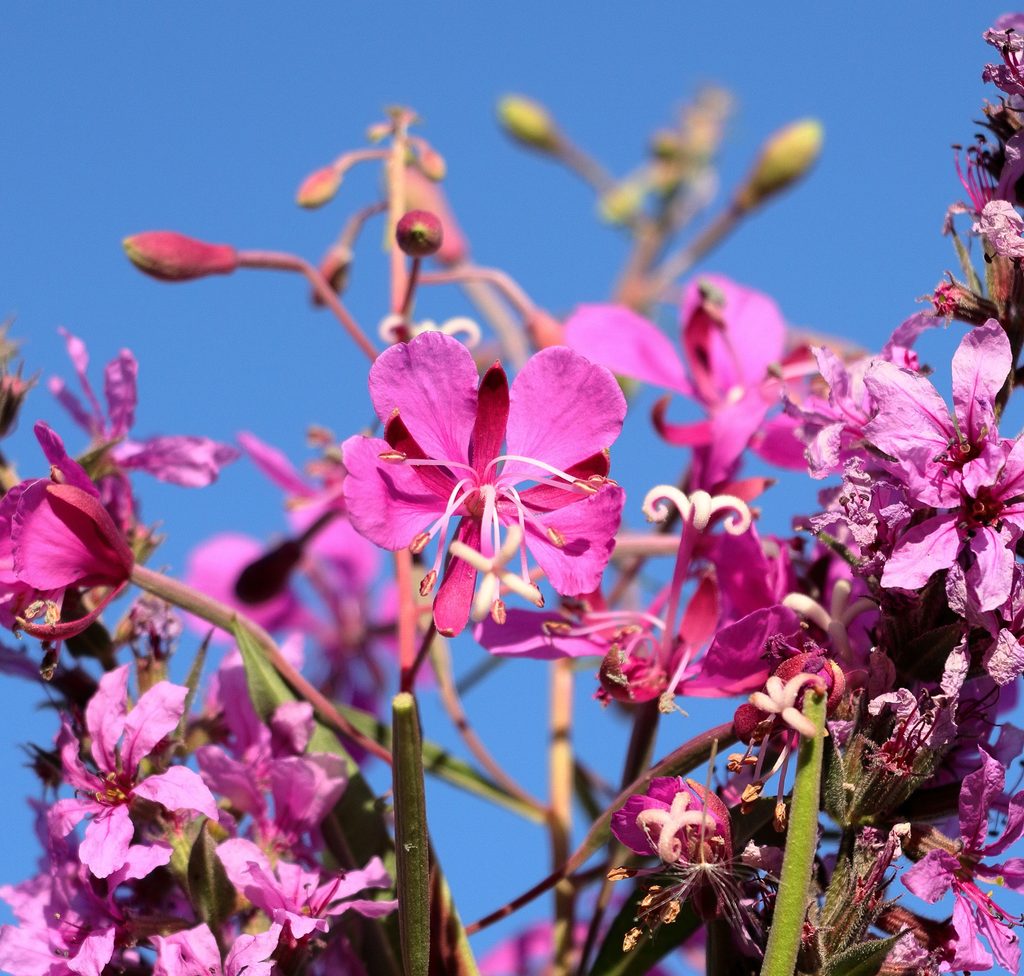
Fireweed is a tall wildflower with spikes of bright pink flowers. Its name comes from its ability to colonize burned ground quickly. It stands for recovery, resilience, and fresh starts.
The story is well documented. Fireweed was one of the first plants to appear after the eruption of Mount St. Helens in 1980. In Britain, where it is called rosebay willowherb, it spread across bombed London sites in World War II.
I love this flower because it brings color where destruction happened. It reminds me that strength can mean starting over. Few plants say that better.
ALSO READ: 25 Flowers That Symbolize Hope and Courage (With Ways to Use Them)
4. California Poppy
The California poppy glows in shades of orange and gold. It is the state flower of California. It symbolizes independence and quiet toughness.
It is native to the Pacific slope of North America, from western Oregon to Baja California. It thrives in poor, dry soil and full sun. Many gardeners are surprised by how little care it needs.
It also reseeds itself year after year. In mild climates, it behaves like a perennial. Its blooms close on cloudy days, which feels like a small lesson in saving energy.
5. Hardy Marigold
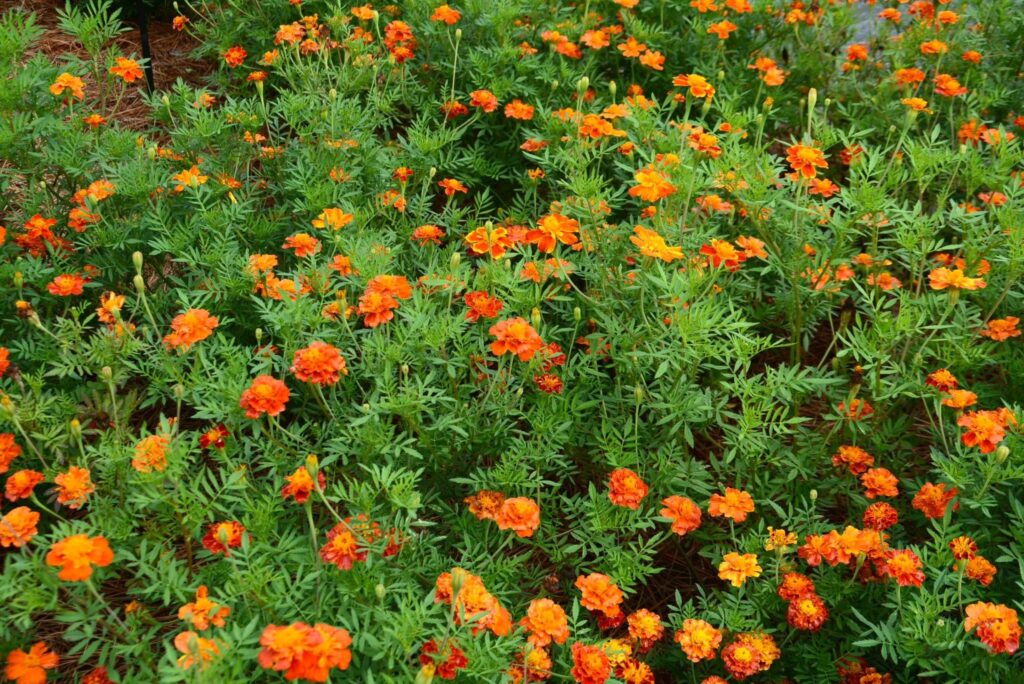
The marigold is bright, simple, and very durable. It blooms from early summer until the first frost. That long season is why it stands for persistence and strength through time.
In Mexico, marigolds, called cempasúchil, are central to Day of the Dead. Families use their orange petals to honor loved ones. The flower connects the living and the dead.
Marigolds tolerate heat and sun well. Gardeners often plant them beside vegetables. I like how a flower this cheerful can also be so hardworking.
6. Dandelion
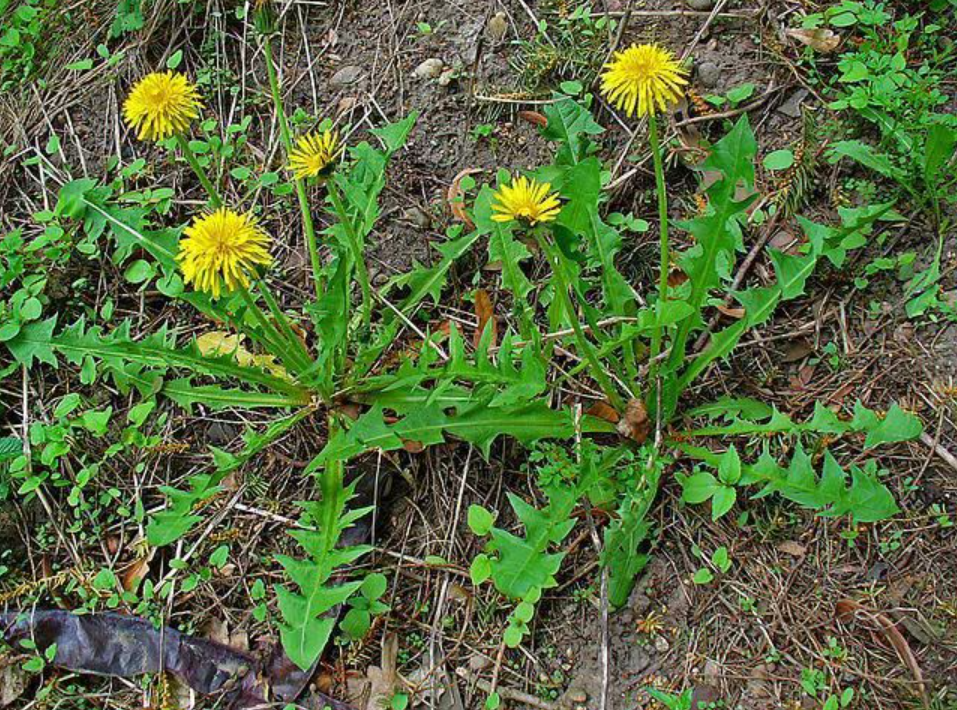
The dandelion is often called a weed, but I see a champion. It stands for survival, resilience, and the will to grow anywhere. Few plants adapt as well.
The facts are striking. Its strong taproot commonly reaches 6 to 18 inches deep, and it can regenerate from root pieces as short as one inch. A single plant can produce up to 20,000 viable seeds.
Dandelions also bring benefits. Nearly all parts of the plant are edible. Bees visit the flowers in early spring. Next time you see one in a crack, I hope you smile.
7. Yarrow
Yarrow has flat clusters of tiny flowers and feathery leaves. Its Latin name, Achillea, comes from the Greek hero Achilles. Legend says he used it to heal his soldiers’ wounds.
That story makes yarrow a symbol of healing strength and protection. For centuries, people used it in traditional medicine. Whether the legend is true or not, the symbolism has lasted.
In the garden, yarrow is a tough perennial. It tolerates drought and poor soil. It blooms from early summer into fall in many areas.
8. Aloe Flower
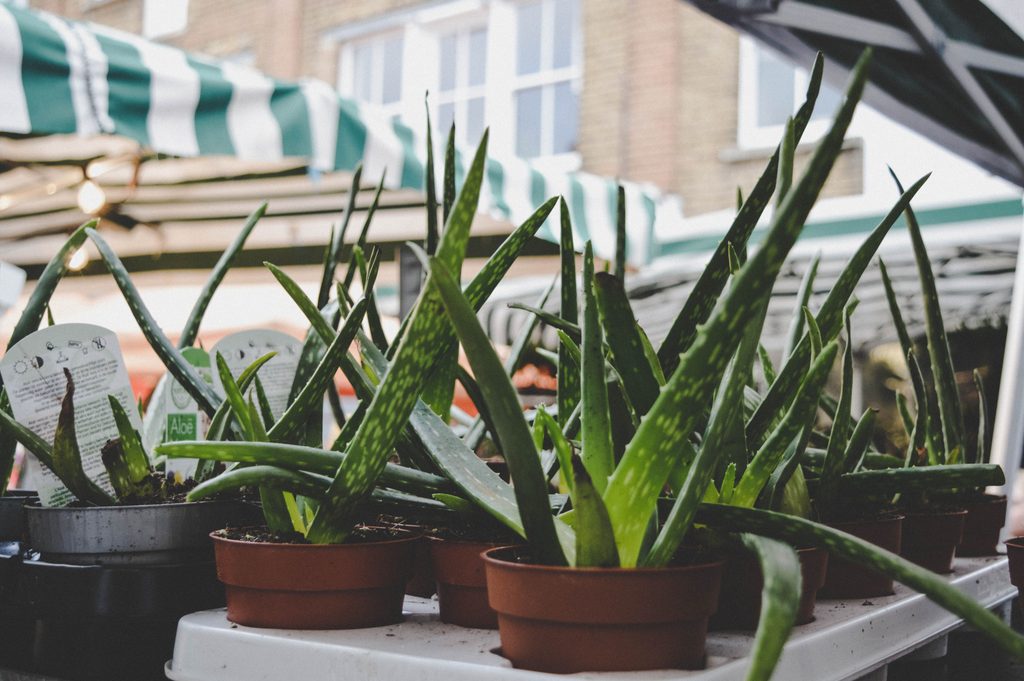
Aloe plants are known for healing gel, but they also flower. Tall spikes of orange or yellow blooms rise from the leaves. They often appear in winter, when little else blooms.
The flower stands for healing, protection, and inner strength. It grows from a plant that stores water in thick leaves. That design helps it survive long dry periods.
Aloe also reminds us that strength can be gentle. A plant that soothes burns is no less strong than a thorn. I think that is a beautiful balance.
9. Thistle
The thistle is Scotland’s national emblem. Its purple crown sits on a spiky, defensive plant. It stands for defiance, protection, and courage.
A famous legend says that a Norse raider stepped on a thistle barefoot. His cry of pain warned the sleeping Scots. This story is a legend, not a proven event. Even so, it shaped the flower’s meaning.
Thistles also support wildlife. Bees feed on their nectar. Goldfinches eat their seeds. Strength, in this case, helps others too.
10. Edelweiss
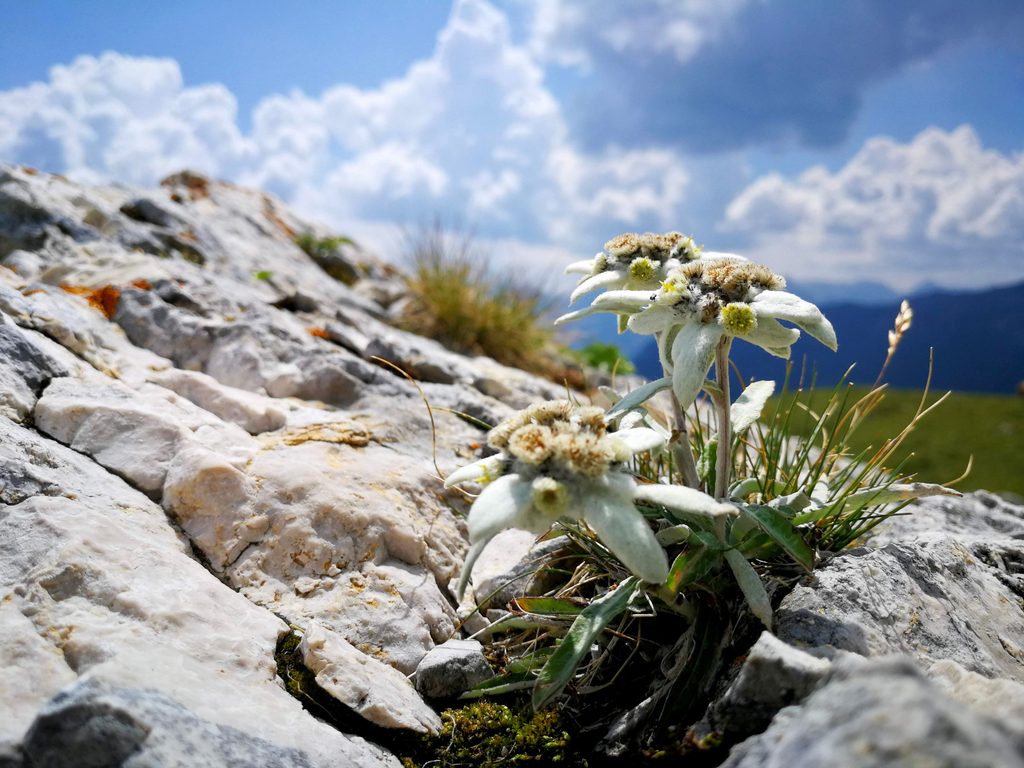
Edelweiss grows high in the Alps, on rocky ground. Its woolly white petals look like felt. They help protect the plant from cold and strong sunlight.
It symbolizes bravery, devotion, and endurance. In the past, climbers picked it to prove their courage. Today, it is protected in many places. It even appears on the Austrian 2-cent euro coin.
I like that this flower asks for respect, not conquest. The strongest people often protect what is fragile. Edelweiss teaches that lesson well.
11. Gladiolus
The gladiolus is called the sword lily. Its name comes from the Latin word gladius, meaning sword. Tall, pointed spikes carry rows of bright flowers.
It stands for strength of character, integrity, and moral courage. Some traditions link it to Roman gladiators. This is a tradition, and the exact history is uncertain.
The “bulb” is actually a corm, a thickened underground stem. It stores energy for the next season. In colder zones, gardeners lift the corms in fall and store them for winter.
12. Snapdragon
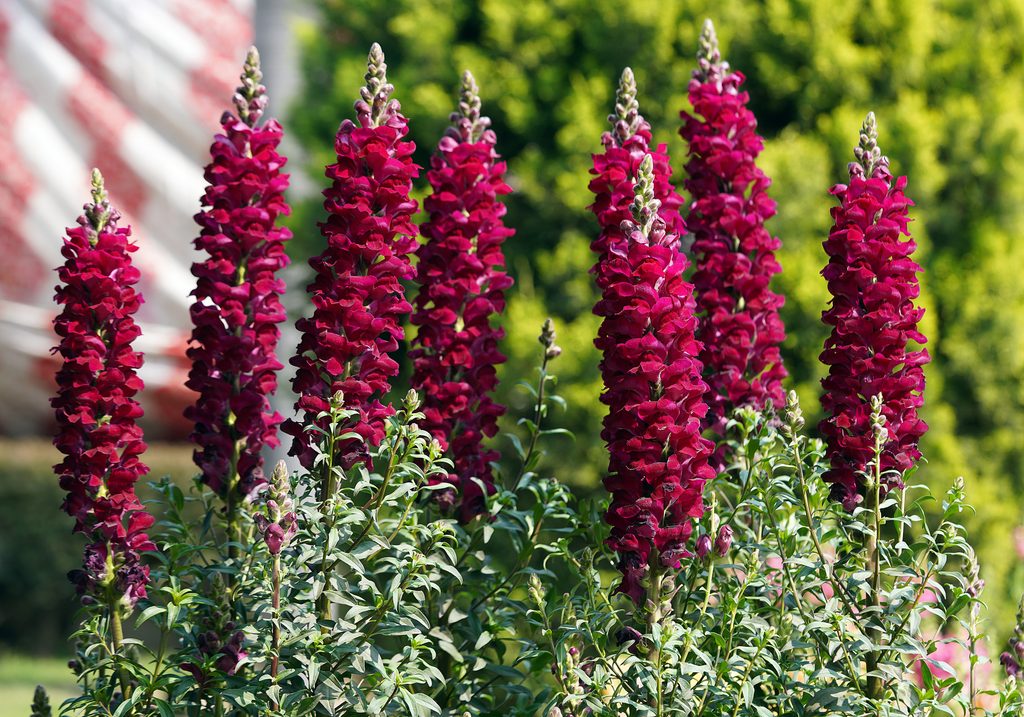
The snapdragon has flowers shaped like a dragon’s jaw. Gently squeeze the sides, and the “mouth” opens. Children love it.
In flower language, it often stands for strength, graciousness, and protection. The dragon image adds a sense of power. Some Victorian sources also link it to deception, so meanings can vary.
Snapdragons handle cool weather well. They often keep blooming through light frost. They also reseed in many gardens.
13. Black-Eyed Susan
Black-eyed Susan has golden petals and a dark brown center. It is the state flower of Maryland. It symbolizes perseverance and encouragement.
The plant lives up to the meaning. Many varieties thrive in zones 3 to 9. They tolerate heat, poor soil, and some drought. They bloom for weeks in summer.
Birds feed on the seeds in autumn. I often leave the seed heads standing for them. A flower that feeds others in winter has real strength.
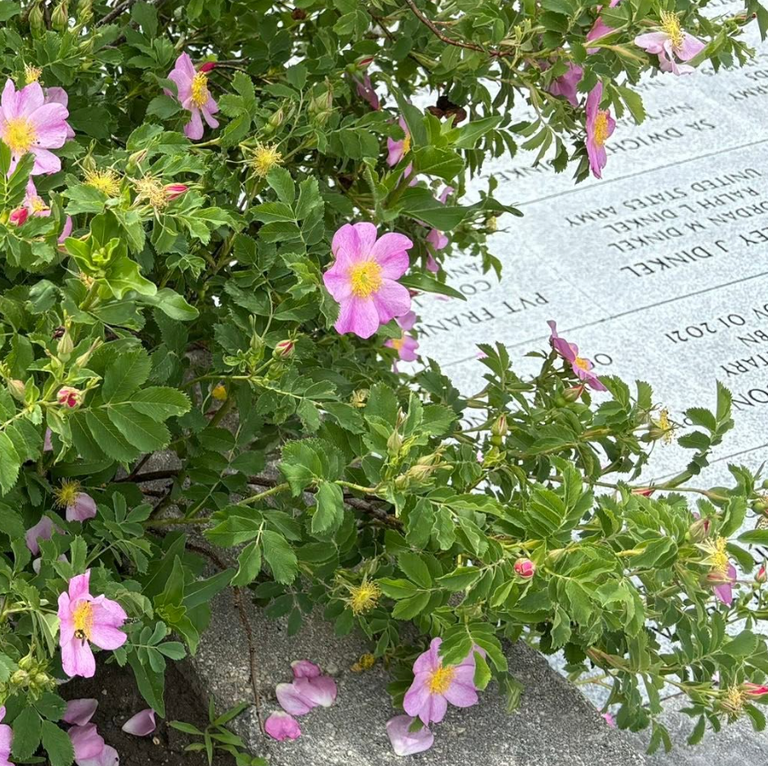
14. Wild Rose
The wild rose is a simple flower with five soft petals. It grows along roadsides and meadows. Its thorns defend the plant from browsing animals.
It symbolizes strength paired with gentleness. Wild roses are official flowers in places such as Alberta, Canada. They remind us that beauty and defense can live together.
The red hips that follow the blooms feed wildlife in winter. They are also rich in vitamin C. A flower that gives food after it fades is truly generous.
15. Peony
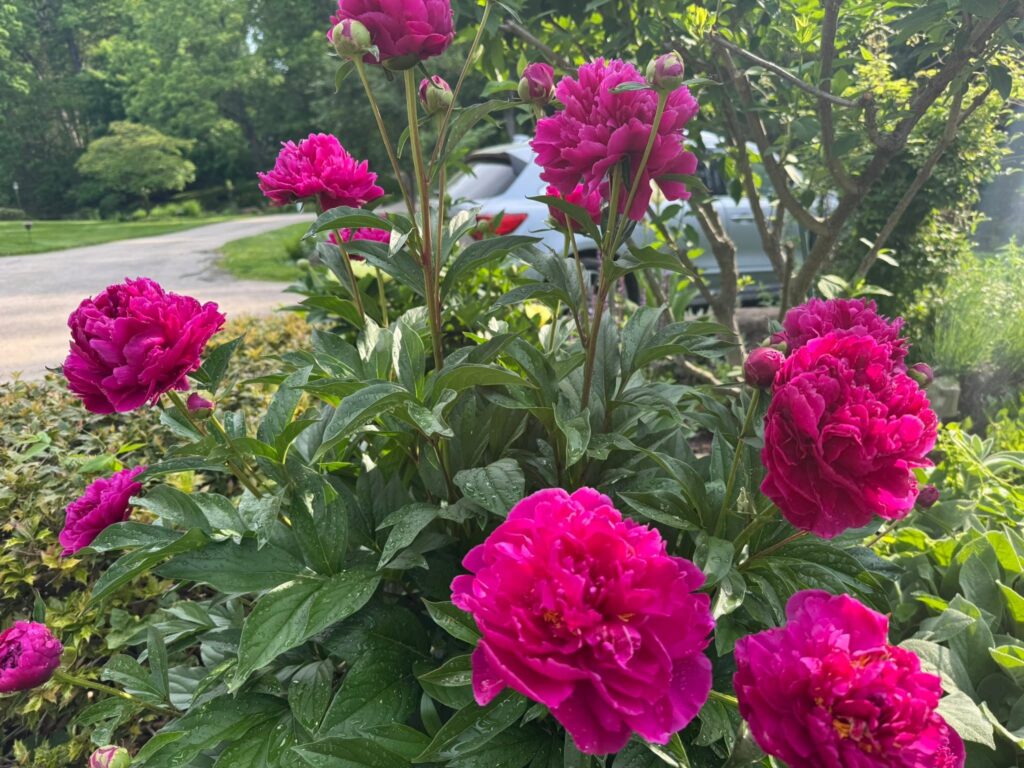
The peony is a lush, romantic bloom. Yet it is also remarkably tough. It stands for honor, prosperity, and lasting strength.
Peonies are long-lived perennials that can grow and bloom for more than 50 years. Indiana made the peony its state flower in 1957, in recognition of its beauty and resilience. In China, peonies have been grown and bred for over 2,000 years.
Most peonies suit zones 3 to 8. They need winter cold to bloom well. Plant one carefully, and it may outlive you.
16. Lotus
The lotus grows in muddy ponds and lakes. Its clean, glowing petals open above the water. It stands for purity, rebirth, and rising above hardship.
It has a deep human history. Lotus has been cultivated for more than 2,500 years. There are only two living species, but nearly 2,000 cultivars. Researchers have even sprouted lotus seeds more than 1,000 years old.
The plant is also a bold grower. It spreads widely in water, so planners often allow 36 to 60 inches of space per plant. It is a powerful lesson in thriving where others cannot.
17. Chrysanthemum

The chrysanthemum blooms in autumn, when most flowers have faded. It keeps going as the weather cools. That late bloom shows endurance and dignity.
In China, it is one of the “four gentlemen” of classical art. In Japan, a chrysanthemum seal represents the imperial family. It appears in poetry and festivals every fall.
Garden mums are easy to grow in many zones. Pinch them in early summer for bushier plants. They bring color when summer gardens fade.
18. Plum Blossom
The plum blossom opens in late winter, often before the leaves appear. Its delicate petals can face frost and cold winds. It stands for perseverance and hope in hardship.
In Chinese tradition, plum, pine, and bamboo are the “three friends of winter.” Plum blossom is also the national flower of Taiwan. It is a deeply loved symbol in East Asian art.
I find the image powerful. A tree that flowers in the cold teaches patience. It says that hard seasons can still bring beauty.
19. Magnolia
The magnolia has large, waxy blooms and a strong, sweet scent. It belongs to an ancient group of flowering plants. It stands for perseverance, nobility, and dignity.
It is the state flower of both Louisiana and Mississippi. Many Southern families link it with home and resilience. The tree itself is sturdy and long-lived.
Magnolias survive storms and summer heat well. Their glossy leaves stay green through much of the year. They are a lasting presence in any landscape.
20. Sunflower
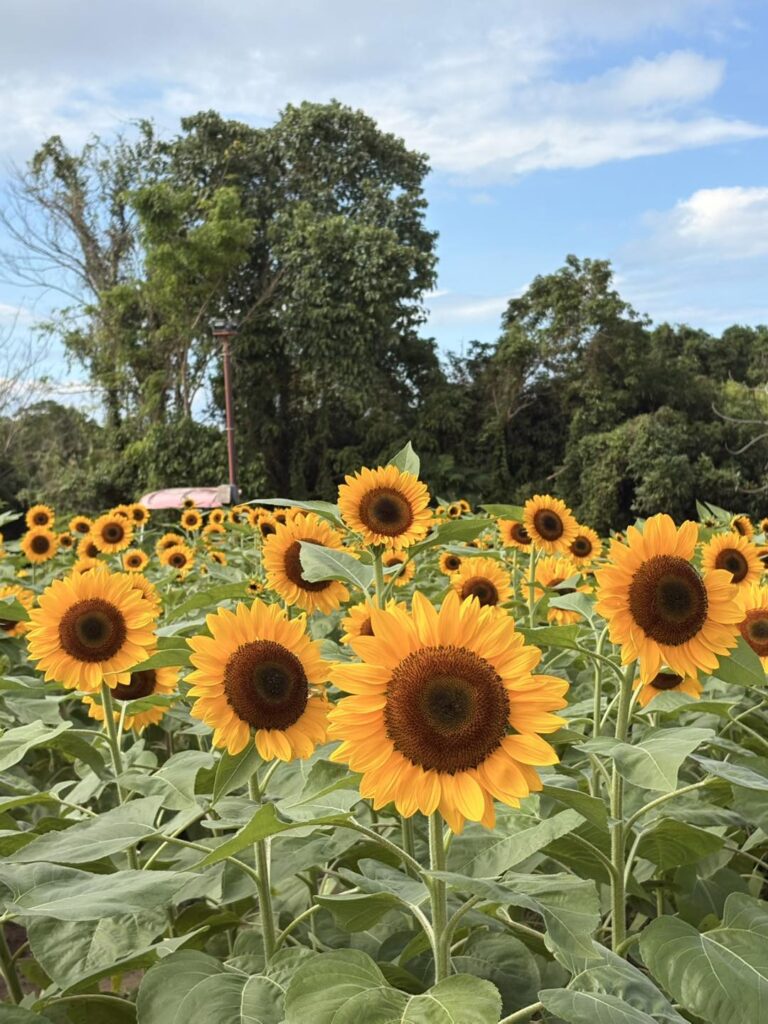
The sunflower is tall, golden, and unmistakable. Its scientific name, Helianthus annuus, comes from Greek words for “sun” and “flower.” It symbolizes loyalty, positivity, and strength of spirit.
The plant can grow up to 3 meters tall. Its thick stem carries a heavy flower head. Young sunflowers follow the sun across the sky each day.
It started as a wild American plant and became a major crop. That journey adds to its meaning. A humble weed can grow into something great.
21. Iris
The iris is named after the Greek goddess of the rainbow. It carries a message of courage, faith, and wisdom. Its sword-shaped leaves add a sense of defense.
Many irises grow from rhizomes, thick underground stems. These store energy through drought and winter. Some clumps live for decades with little care.
The iris is the state flower of Tennessee. It is also a favorite for graduations. I often suggest it for anyone facing a big new step.
22. Orchid
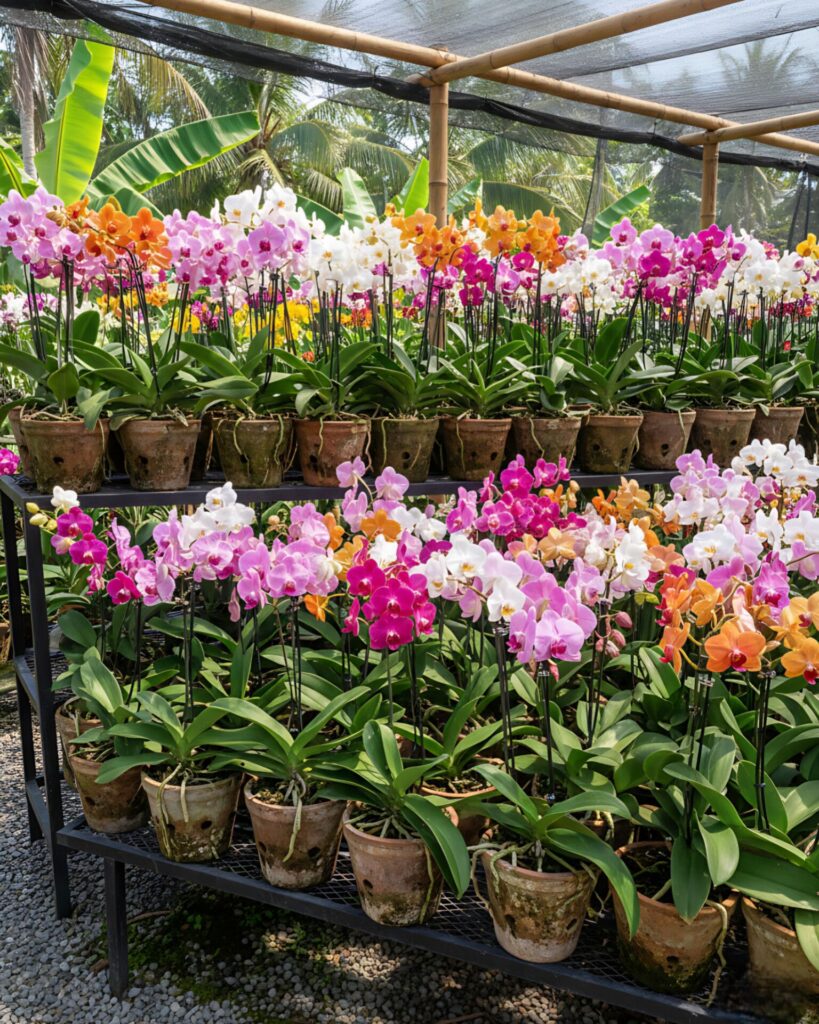
Orchids are delicate in appearance but surprisingly tough. The family includes more than 25,000 species. They grow on trees, rocks, and in soil across almost every continent.
The orchid symbolizes strength, rare beauty, and refinement. In China, it is one of the four noble plants. It represents integrity, even in quiet places.
Orchids also adapt to difficult habitats. Many cling to tree branches and absorb moisture from the air. A well-cared-for houseplant orchid can bloom again and again.
23. Amaryllis
The amaryllis is famous for its huge trumpet flowers. They rise on thick stalks from a single bulb. Many people grow it indoors for winter color.
It symbolizes strength, determination, and radiant beauty. The tall stem pushes upward with surprising speed. In a few weeks, it can reach two feet or more.
After blooming, the bulb can be saved and replanted. With care, it flowers again next year. I love this plant for its bold winter promise.
24. Hellebore
The hellebore, often called the Christmas rose, blooms in mid-winter. It opens when the garden looks bare. Its nodding flowers come in white, pink, plum, and green.
It stands for strength in adversity and calm resilience. A hellebore does not wait for ideal weather. It simply blooms when the season allows.
All parts of the plant are toxic if eaten. Plant it away from pets and curious children. Used wisely, it is a strong and beautiful winter companion.
25. Zinnia
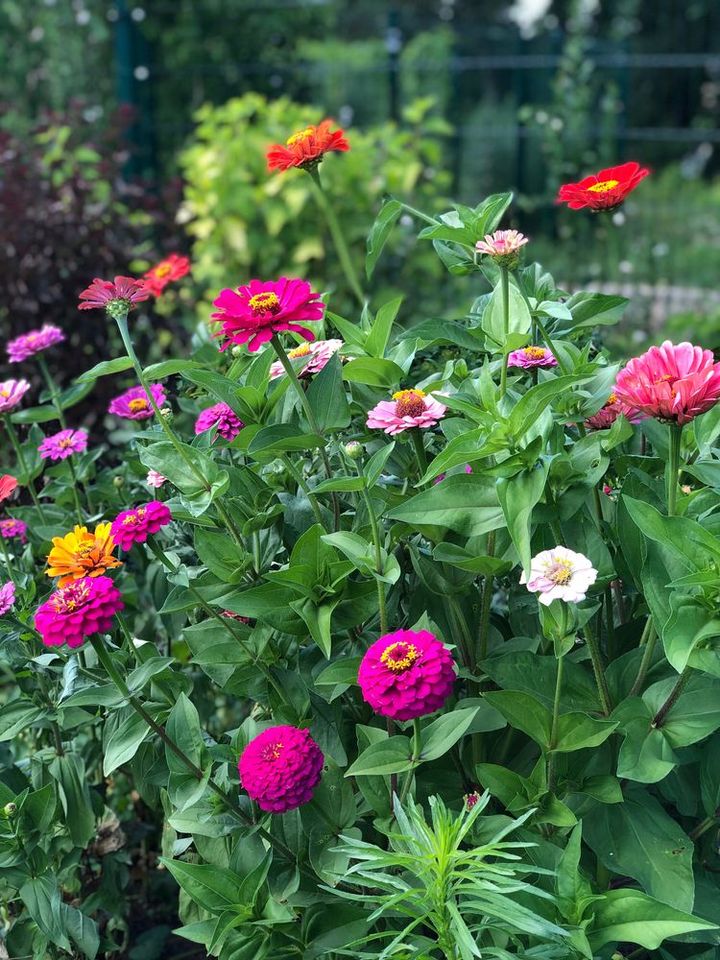
The zinnia is a cheerful, easy-to-grow flower. It comes in nearly every color except true blue. It stands for endurance and lasting friendship.
Zinnias bloom from early summer until frost. They love heat and full sun. In 2016, zinnias even flowered aboard the International Space Station.
That space story always makes me smile. It shows how adaptable plants can be. If a zinnia can bloom in orbit, it can brighten your garden too.
How to Choose a Strength Flower
Start with the message you want to send. For someone recovering from illness, fireweed or hellebore speak of renewal. For a graduate, an iris or sunflower suggests courage and bright energy.
Think about the season too. Hellebores and plum blossoms suit winter. Chrysanthemums fit autumn. Zinnias and marigolds shine in summer.
Also consider safety. Some flowers, including hellebore and some lilies, are toxic to pets. Always check before placing them in a home with animals.
Ways to Use Strength Flowers
- In gifts: Add a short card explaining the flower’s meaning. It makes the gift personal.
- In memorials: Peonies, chrysanthemums, and magnolias suit remembrance well.
- In the garden: Plant tough species such as yarrow, black-eyed Susan, and marigold. They reward beginners.
- In celebrations: Use proteas or gladioli for bold, confident arrangements.
Frequently Asked Questions
Which flower is the strongest symbol of strength?
Many people choose the protea or gladiolus. The protea survives fire, while the gladiolus looks like a sword.
Which flower symbolizes strength and hope together?
Fireweed and hellebore are excellent examples. Both bloom after hard conditions, such as fire or winter.
What flower means inner strength?
The lotus, orchid, and aloe flower are strong choices. Each grows well in difficult conditions.
Are weeds like dandelions really symbols of strength?
Yes. Their deep roots and ability to regrow make them powerful symbols of survival.
Final Thoughts
Strength has many faces. It can look like a sword-shaped spike, a flower in the snow, or a bloom on burned ground. Each plant in this list tells a different story.
I hope these 25 flowers give you new ways to express courage and resilience. Whether you plant them, gift them, or simply admire them, let them remind you of something. Real strength often grows quietly, then blooms when it is ready.
References
- Purdue University Extension. “Peonies” (HO-76-W). https://edustore.purdue.edu/media/wysiwyg/downloads/pubs/HO/HO-76-W-A.pdf
- Oregon State University Extension Service. “Dandelions: Living with, or without, them” (EM 9510). https://extension.oregonstate.edu/es/catalog/em-9510-dandelions-living-or-without-them
- University of Missouri Extension. “Summer Flowering Bulbs: Gladiolus” (G6620). https://extension.missouri.edu/publications/g6620
- University of Florida IFAS Extension. “Nelumbo nucifera: Lotus,” Fact Sheet FPS-424. https://hort.ifas.ufl.edu/database/documents/pdf/shrub_fact_sheets/nelnuca.pdf
- USDA Forest Service. “Plant of the Week: Fireweed (Chamerion angustifolium).” https://fs.usda.gov/wildflowers/plant-of-the-week/chamerion_angustifolium.shtml
- U.S. Geological Survey. “Saguaros Flower in an Entirely Unique Formation.” https://usgs.gov/centers/southwest-biological-science-center/news/saguaros-flower-entirely-unique-formation
- U.S. Environmental Protection Agency. “Climate Change Connections: Arizona (Saguaro Cactus).” https://epa.gov/climateimpacts/climate-change-connections-arizona-saguaro-cactus

Tim M Dave is a gardening expert with a passion for houseplants, particularly cacti and succulents. With a degree in plant biology from the University of California, Berkeley, he has vast experience in gardening. Over the years, he has cultivated a vast collection of desert plants and learned a great deal about how to grow and care for these unique companions.