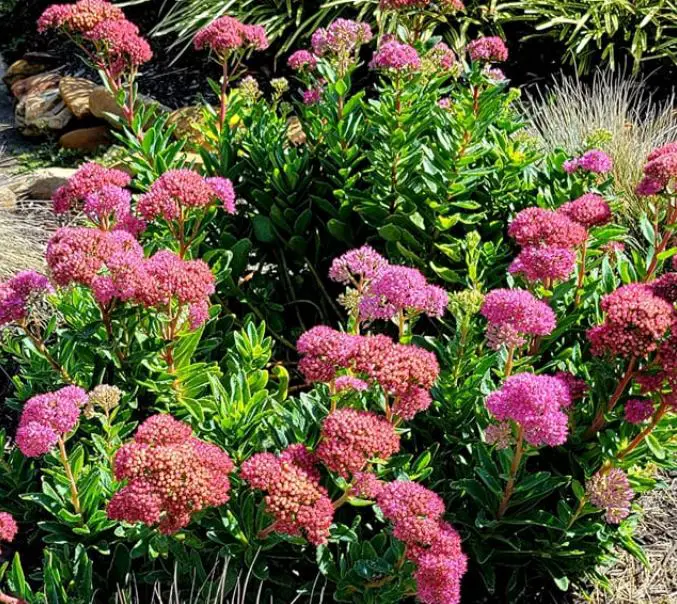
40 Perennial Flowers That Bloom All Summer (With Pictures, and Care Tips)
Every gardener wants the same thing: color from early summer until frost, without replanting each year. Perennials can give you that. You plant them once, and they return for years.
There is one catch. Most perennials bloom for a short time. Many perennials bloom for three weeks or less. That is why choosing the right plants matters.
In this guide, I share 40 perennial flowers known for long bloom seasons. Some flower from June to October. Others need a little trimming to keep going.
Check Your Hardiness Zone First
A plant that dies in winter will not bloom next summer. Always check your zone before you buy. The USDA Plant Hardiness Zone Map is the national standard, and it is free to use online.
The 2023 update has 13 zones, each covering a 10-degree Fahrenheit range, and each zone is split into two 5-degree half zones. The new version also uses more data. It draws on 13,412 weather stations, compared with 7,983 for the 2012 map.
Zones have shifted for many people. About half of the country moved to a warmer half zone. If you last checked years ago, look again. The zones I list below are approximate, so confirm them with your local nursery.
Easy Sun-Loving Classics
1. Purple Coneflower (Echinacea purpurea)
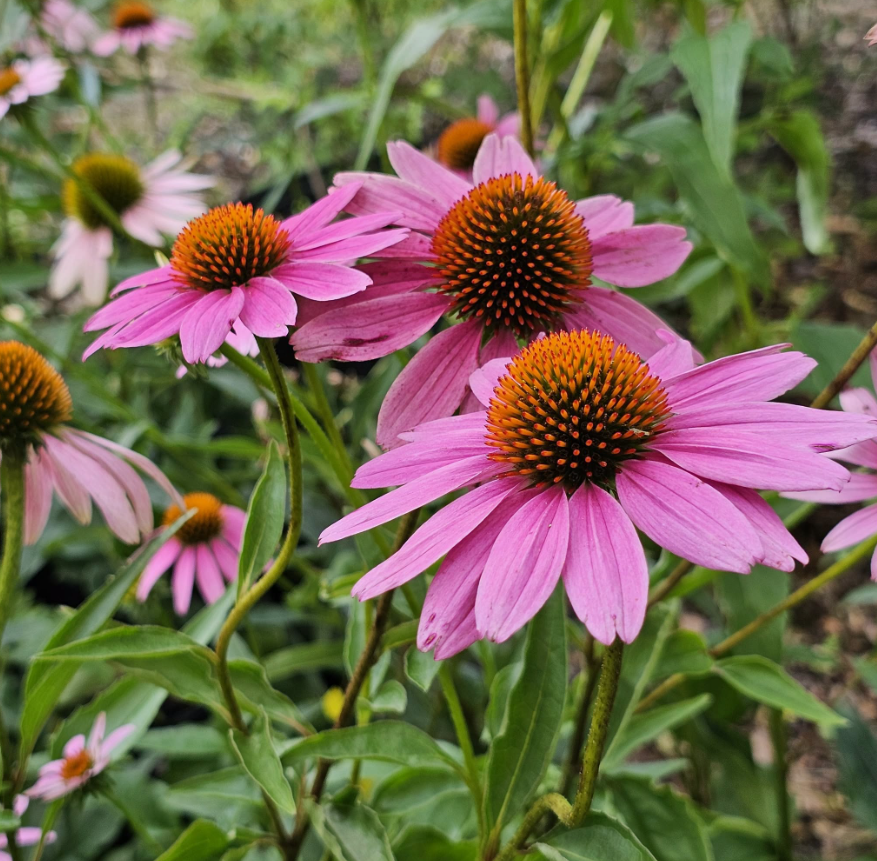
Purple coneflower is the star of the summer border. Its daisy-like flowers appear from early summer and often last into September. New colors now include pink, orange, yellow, and white.
It grows well in zones 3 to 9 and loves full sun. Once established, it handles heat and dry spells. Good drainage is the only strict rule.
Deadhead the first flowers to encourage more blooms. In autumn, leave some seed heads for the birds. I like to leave a few standing through winter.
2. Black-Eyed Susan (Rudbeckia fulgida)
Black-eyed Susan brings golden petals and dark centers to the garden. The popular ‘Goldsturm’ variety blooms from mid-summer to fall. It is one of the most dependable perennials you can buy.
It thrives in zones 3 to 9 and prefers full sun. It adapts to many soil types. It also spreads slowly into a bold, cheerful clump.
Remove spent blooms to extend the show. Divide the plants every few years. That keeps them vigorous and gives you free plants for friends.
3. Threadleaf Coreopsis (Coreopsis verticillata)
Coreopsis, also called tickseed, has fine, feathery foliage. The yellow flowers appear in clouds. ‘Moonbeam’ is a favorite with soft, pale yellow petals.
It grows in zones 3 to 9 and likes sun and well-drained soil. It is drought tolerant once settled. It also attracts bees and butterflies.
This plant benefits from deadheading or a light shearing. Coreopsis is among the perennials that should be deadheaded to encourage a longer bloom time. Shear it by one-third after the first flush.
4. Catmint (Nepeta)
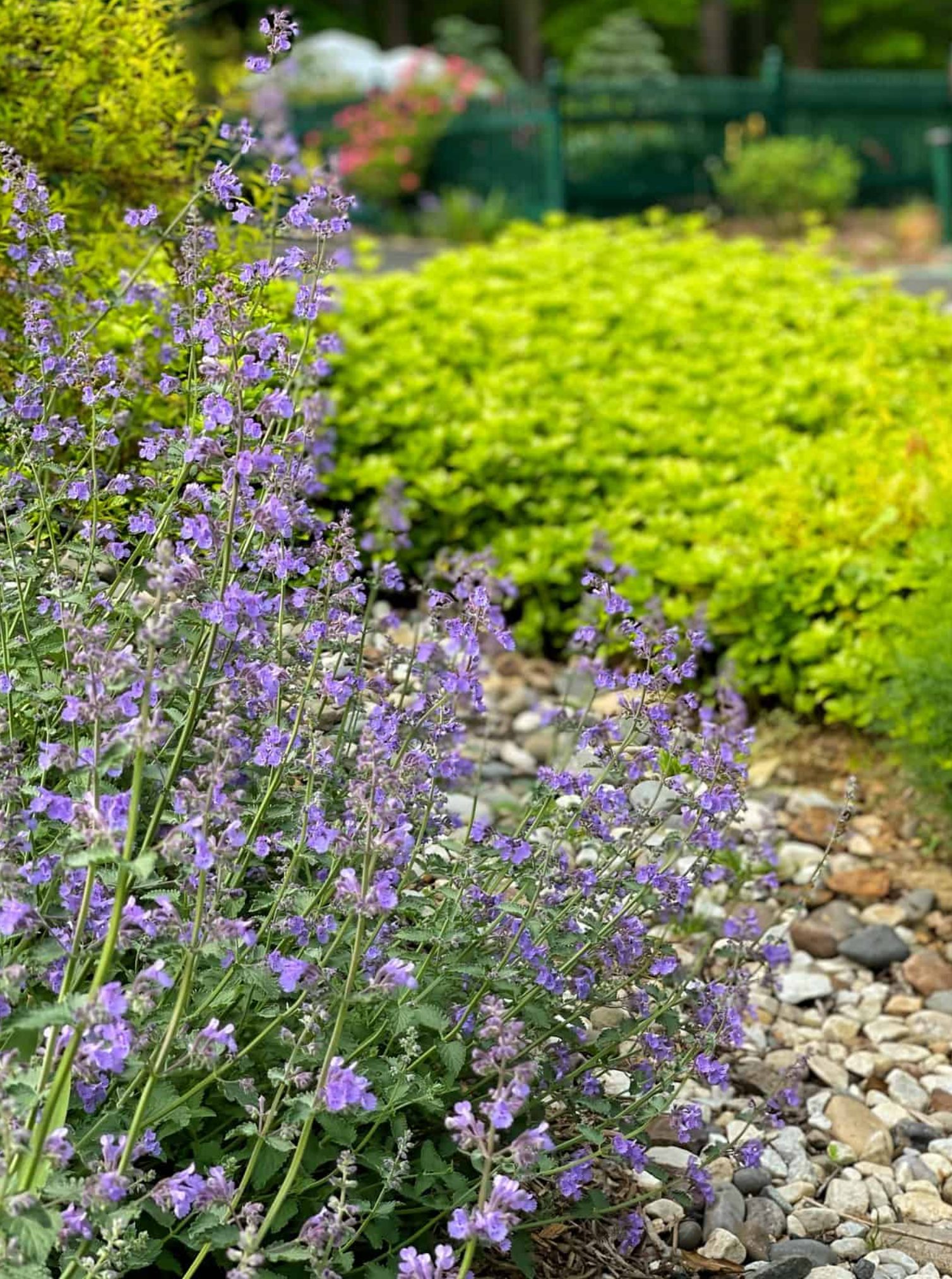
Catmint is a low-fuss plant with violet-blue flower spikes. It begins in late spring and keeps going with care. The gray-green leaves smell lovely when brushed.
It grows well in zones 3 to 8. It likes full sun and poor to average soil. Deer and rabbits usually leave it alone.
Cut it back by half after the first flush. New growth and flowers will follow within weeks. I think catmint is the best reward for the least effort.
5. Perennial Salvia (Salvia nemorosa)
Salvia produces upright spikes of purple, blue, or pink flowers. ‘May Night’ is a classic choice. Bees and hummingbirds love it.
It performs in zones 4 to 8 and needs full sun. Good drainage keeps the roots healthy. It also tolerates dry conditions.
Trim the spent stalks after the first bloom. This often triggers a second flush in late summer. Some perennials, like salvia and catmint, often bloom a second time in late summer if the initial flower stalks are cut back.
ALSO READ: 25 Reblooming Perennial Flowers (Varieties Identification, With Pictures)
6. Reblooming Daylily (Hemerocallis)
Daylilies are the tough heroes of the garden. Reblooming types, such as ‘Stella de Oro’, send up new flowers for many weeks. Each bloom lasts one day, but buds keep coming.
They grow in zones 3 to 9 and handle part shade to full sun. They also tolerate poor soil. Few perennials are easier to grow.
Snap off faded stems to keep the plant tidy. Feed lightly in spring. Divide clumps every three to five years for the best flowering.
7. Shasta Daisy (Leucanthemum × superbum)
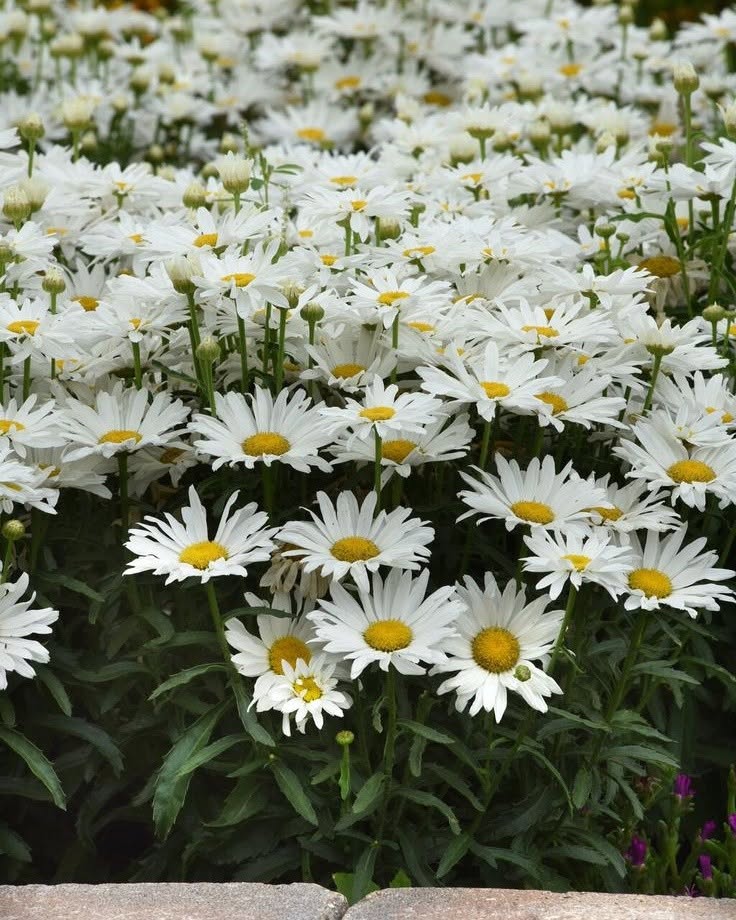
Shasta daisies have crisp white petals and sunny yellow centers. They bring a clean, classic look to any bed. They also make wonderful cut flowers.
They suit zones 5 to 9 and love full sun. Rich, well-drained soil gives the best results. Mulch helps in hot climates.
Deadheading is important here. The flowering period of many perennials, such as coreopsis, garden phlox, shasta daisy, and yarrow, can be prolonged by deadheading. I cut spent flowers back to a leaf joint.
8. Blanket Flower (Gaillardia)
Blanket flower looks like a sunset in a daisy. The petals blend red, orange, and yellow. It begins in early summer and often runs until frost.
It grows in zones 3 to 9 and prefers full sun. Poor, sandy soil suits it well. Rich soil makes it floppy.
It is sometimes short-lived, so let a few seed heads drop. New plants will appear. I never mind a plant that replaces itself.
9. Yarrow (Achillea millefolium)
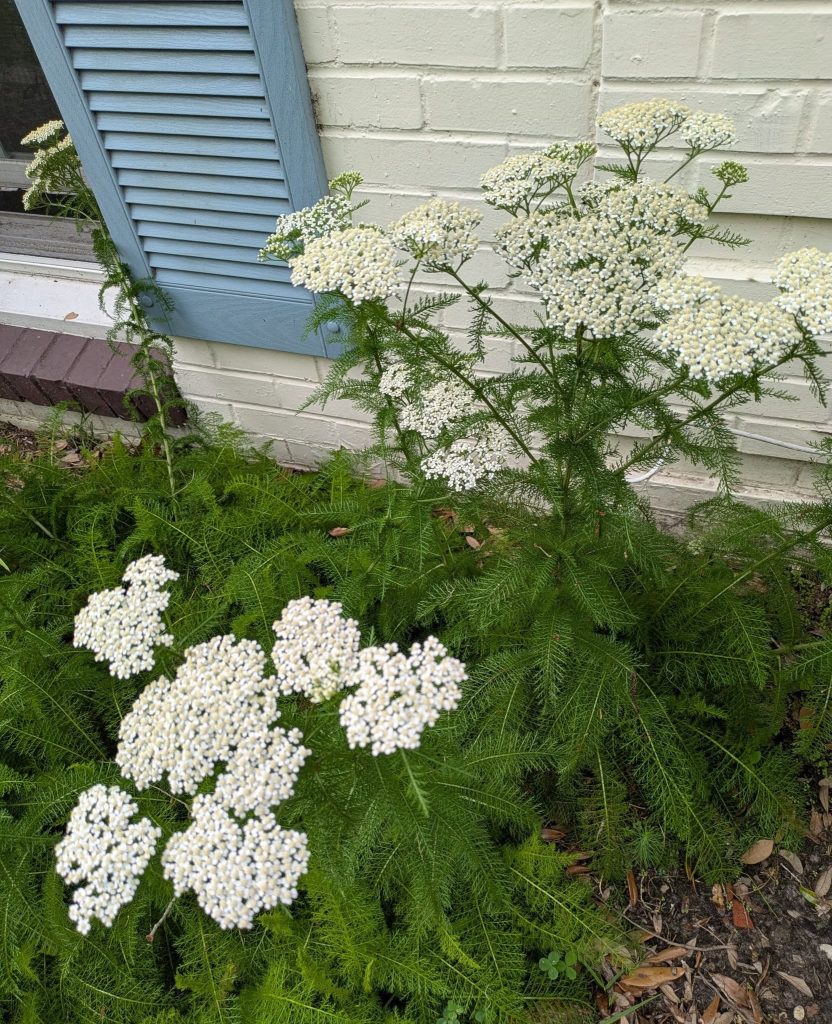
Yarrow has flat flower heads and ferny leaves. Colors include yellow, pink, red, and white. It blooms from early summer through September in many regions.
It thrives in zones 3 to 9 and loves sun. It tolerates drought and poor soil. Butterflies and beneficial insects visit often.
Cut back spent flower heads to keep it blooming. Watch for spreading, as some types self-seed freely. Give it room, and it will reward you.
10. Bee Balm (Monarda)
Bee balm has shaggy, tubular flowers in red, pink, or purple. Hummingbirds adore it. The leaves also have a minty scent.
It grows in zones 4 to 9 and likes sun with steady moisture. Good air flow helps prevent mildew. Look for mildew-resistant varieties.
Deadhead regularly to extend the bloom. Bee balm is also on the list of perennials that benefit from deadheading. I usually get a few extra weeks this way.
Pollinator Magnets and Border Favorites
11. Garden Phlox (Phlox paniculata)
Garden phlox is fragrant and full of color. Its big flower clusters appear from mid-summer into early fall. Colors range from white to deep magenta.
It does well in zones 4 to 8. It enjoys sun and rich, moist soil. Space plants well to reduce mildew.
Remove faded clusters to prompt side shoots. These often bloom a few weeks later. The scent on a warm evening is hard to beat.
12. Russian Sage (Perovskia atriplicifolia)
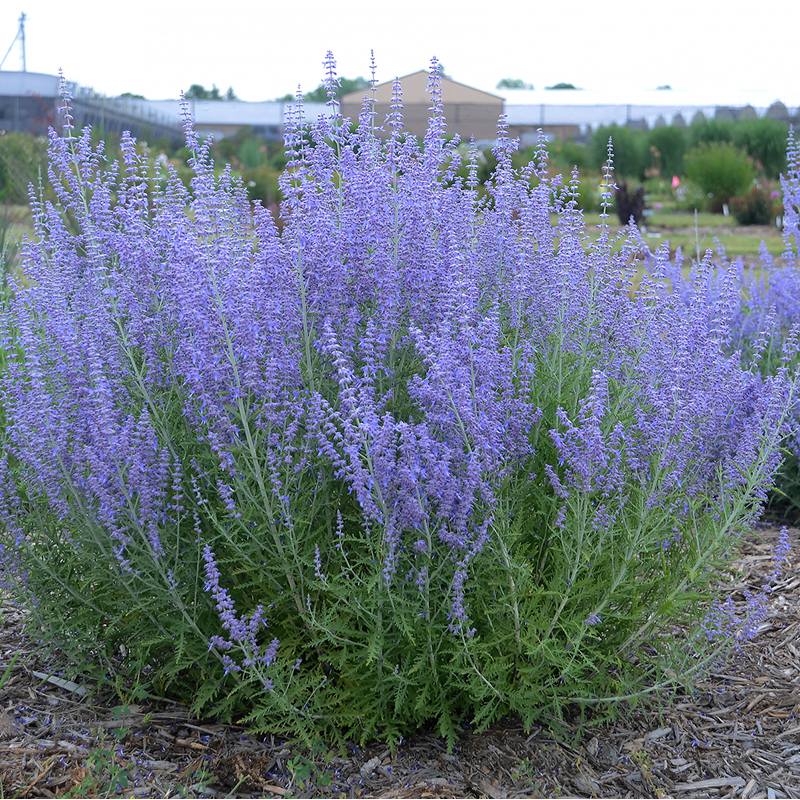
Russian sage creates airy clouds of lavender-blue flowers. The silvery stems look elegant beside bold flowers. It blooms from mid-summer into October.
It grows in zones 4 to 9 and needs full sun. It prefers dry, well-drained soil. Overwatering is its main enemy.
Cut it back hard in early spring. Avoid fertilizer, which makes it floppy. It is a perfect plant for hot, tough spots.
13. Lavender (Lavandula angustifolia)
Lavender offers fragrance, color, and beauty. Purple spikes rise above silvery leaves in early to mid summer. Bees visit all day long.
English lavender suits zones 5 to 9. It needs full sun and sharp drainage. Wet winter soil can kill it.
Shear lightly after flowering to encourage a second flush. Do not cut into old woody stems. I often add gravel to the soil to help drainage.
14. Hardy Geranium ‘Rozanne’ (Geranium)
Hardy geranium, or cranesbill, is not the same as the patio geranium. ‘Rozanne’ is famous for its huge blue-violet flowers. It blooms from late spring until the first frost.
It grows in zones 5 to 8 and handles sun or part shade. It spreads into a mounded, trailing plant. It is also fairly low maintenance.
Shear it after the first big flush if it looks tired. It will recover quickly. Many gardeners call it the hardest-working perennial.
15. Bellflower (Campanula)
Bellflowers carry cup-shaped blossoms in blue, purple, or white. The Carpathian bellflower blooms from early summer to early fall. It forms neat, low mounds.
It suits zones 3 to 8 and enjoys sun to part shade. Moist, well-drained soil works best. It looks lovely at the front of a border.
Deadhead for a longer season. Cut back lightly in midsummer if flowering slows. I love how its color cools down hot summer beds.
16. Pincushion Flower (Scabiosa)
Pincushion flower has soft, lacy blooms on slender stems. ‘Butterfly Blue’ is popular for its lavender-blue color. Butterflies love it.
It grows in zones 3 to 9. It needs sun and sharp drainage. It prefers rich, alkaline soil high in organic matter, and it will not tolerate wet feet.
Deadhead often to keep the flowers coming. It is a graceful choice for cottage gardens. I always plant a few near the path.
ALSO READ: 35 Cold Hardy Perennial Flowers (With Growing Details)
17. Gaura (Oenothera lindheimeri)
Gaura has tall, wiry stems with small white or pink flowers. They flutter like tiny butterflies in the breeze. It blooms from late spring into fall.
It grows in zones 5 to 9 and loves heat. It handles drought well once established. It prefers full sun and good drainage.
Cut it back in midsummer if it gets leggy. Fresh growth will bring more flowers. It gives a soft, movement-filled look to any bed.
18. Anise Hyssop and Agastache (Agastache)
Agastache produces dense spikes of purple, pink, or orange flowers. The leaves smell of licorice or mint. Hummingbirds and bees swarm around it.
Many types grow in zones 4 to 9. It likes sun and well-drained soil. Some varieties are short-lived, so check the label.
Deadhead for more flowers. Let the last blooms go to seed for winter birds. I find it one of the best plants for wildlife.
19. Evening Primrose (Oenothera speciosa)
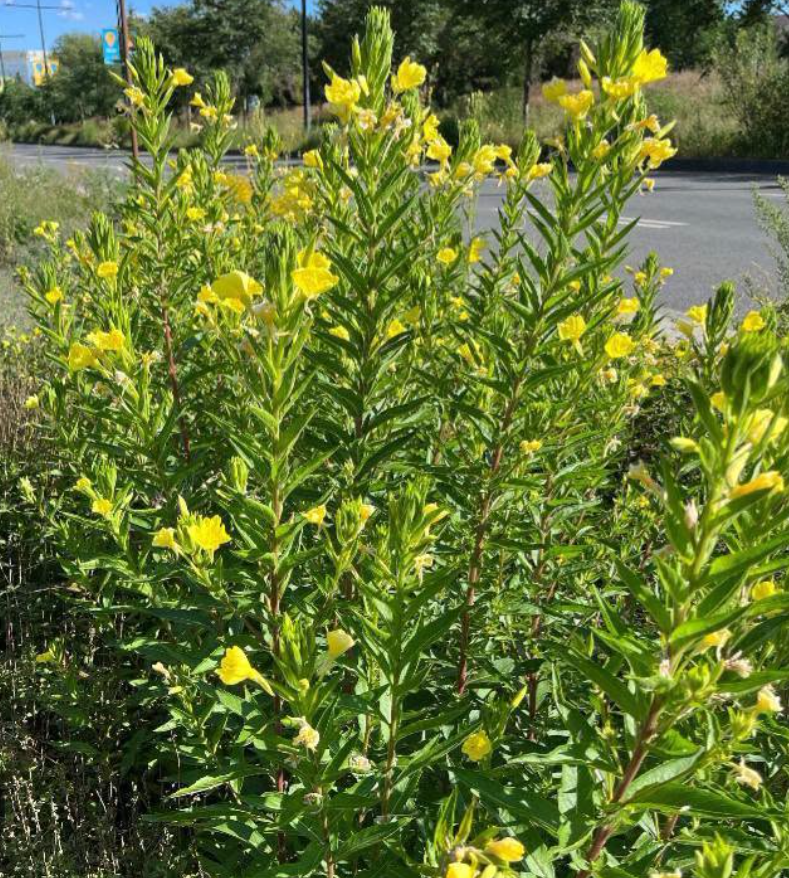
Pink evening primrose, or showy primrose, has delicate cup-shaped flowers. They open in late spring and keep appearing into summer. The petals look like soft silk.
It grows in zones 5 to 8 and likes sun. It tolerates poor soil and heat. It can spread quickly, so choose its spot with care.
Cut it back after the first flush. Regrowth often brings extra blooms. Give it room to roam, or grow it in a container.
20. Speedwell (Veronica spicata)
Veronica sends up tall spikes of blue, pink, or white flowers. ‘Goodness Grows’ is known for its long bloom. It forms neat clumps of glossy leaves.
It suits zones 4 to 8 and prefers full sun. Average, well-drained soil is enough. It is a reliable border plant.
Trim the spent spikes to get a second wave. The plant stays tidy and compact. Bees and butterflies visit often.
Reliable Long Bloomers for Special Spots
21. Beardtongue (Penstemon)
Penstemon produces tubular flowers on upright stems. Colors range from white to deep red. Hummingbirds love them.
Many types grow in zones 3 to 8 and prefer sun. Good drainage is essential. Wet winters can harm them.
Bloom time varies by species, so choose carefully. Deadhead for a longer show. I use them to fill gaps between other flowers.
22. Balloon Flower (Platycodon grandiflorus)
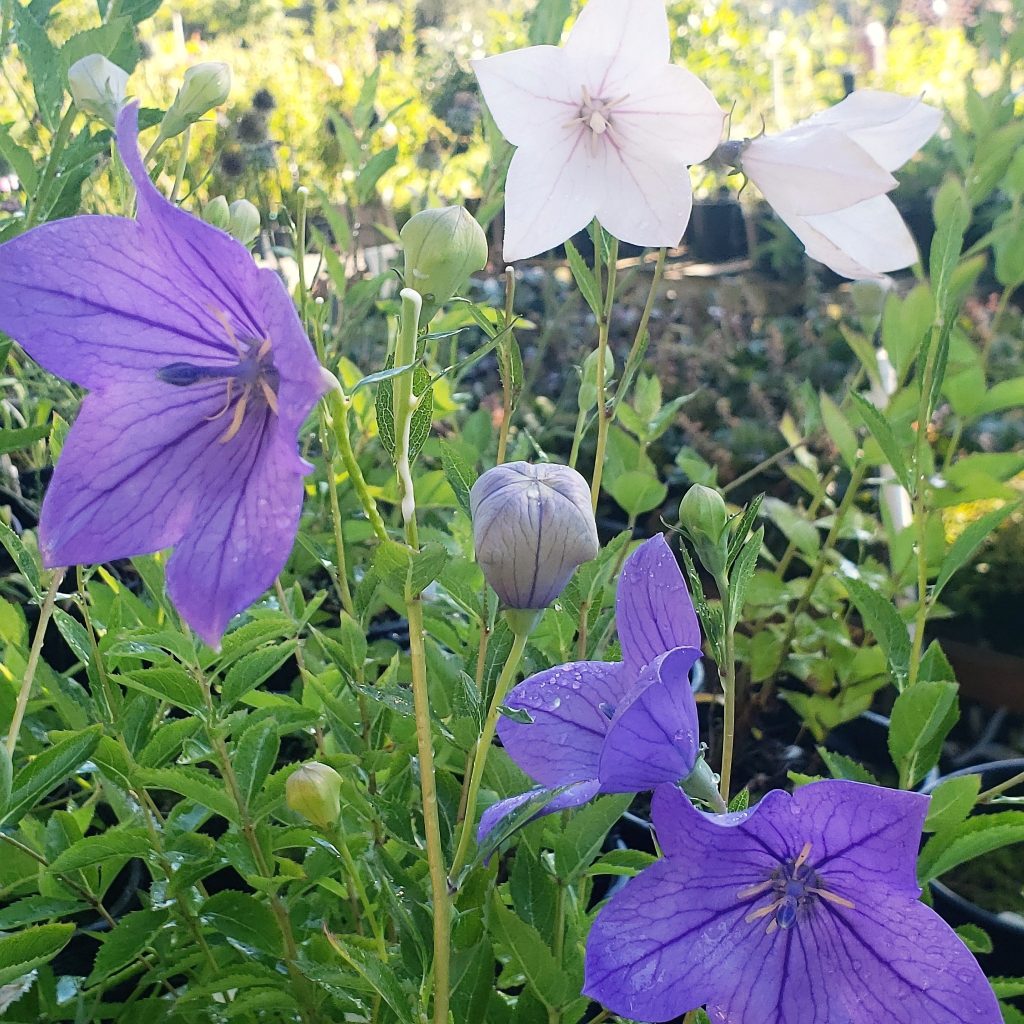
Balloon flower has puffy buds that pop open into star-shaped blooms. The color is usually deep blue or purple. Children love the “balloons.”
It grows in zones 3 to 8 and enjoys sun to part shade. It dislikes being moved. Once settled, it can last for decades.
Deadhead to keep the flowers coming through summer. It emerges late in spring, so mark its location. It is a fun and easy choice.
23. Stokes’ Aster (Stokesia laevis)
Stokes’ aster has large, fringed flowers in blue, lavender, or white. It starts in early summer and continues for many weeks. It resembles a cornflower.
It thrives in zones 5 to 9. Full sun and well-drained soil suit it best. It handles heat and humidity well.
Deadhead for steady blooms. It is a native plant in parts of the southeastern United States. Pollinators visit it happily.
24. Jupiter’s Beard (Centranthus ruber)
Jupiter’s beard forms rounded clusters of tiny red, pink, or white flowers. It begins in early summer. It grows well in rough, sunny spots.
It prefers zones 4 to 8 and sun. It tolerates poor, rocky, or alkaline soil. It also resists drought.
Remove spent flowers before they set seed. This promotes more blooms and prevents self-seeding. It is a tough plant for hard places.
25. Crimson Scabious (Knautia macedonica)
Knautia has deep crimson pincushion flowers on airy stems. It blooms from early summer well into fall. Bees and butterflies flock to it.
It grows in zones 5 to 8 and likes sun. It needs well-drained soil. Heavy clay will not suit it.
Deadhead for steady color. It looks striking against silver or green foliage. I find the dark red shade truly eye-catching.
26. Coral Bells (Heuchera)
Coral bells are loved for their colorful leaves. Yet they also send up tall, airy flower stems. These bloom from late spring through summer.
They grow in zones 4 to 9 and like part shade. Rich, well-drained soil works best. Hot afternoon sun can scorch the leaves.
Cut off spent flower stems to keep the plant neat. The foliage gives color all year. It is a smart choice for shady borders.
27. Fringed Bleeding Heart (Dicentra eximia)
Fringed bleeding heart has ferny leaves and dangling pink hearts. It blooms from spring and often continues into fall in cool areas. It is far longer-lasting than the old-fashioned type.
It suits zones 3 to 9 and prefers part shade. Moist, rich soil helps it perform. It struggles in extreme heat.
Keep the soil evenly damp. Remove old flowers to prompt new buds. It is lovely under trees and along shady paths.
28. Yellow Corydalis (Corydalis lutea)
Yellow corydalis has soft, blue-green leaves and tiny yellow flowers. It blooms from spring through fall in shade. It is a great plant for tricky spots.
It grows well in zones 5 to 7. It enjoys part shade and well-drained soil. It even grows in wall cracks.
It self-seeds gently and fills gaps. Remove extra seedlings if needed. I love how it brightens dark corners.
29. Delphinium (Delphinium)
Delphiniums are tall, dramatic, and full of color. They bloom in early to mid summer in shades of blue, purple, and white. They are classic cottage garden plants.
They grow best in zones 3 to 7 and need cool summers. Full sun and rich soil are important. Stake tall stems against wind.
Cut spent stalks to the base after flowering. Delphiniums may bloom a second time in late summer if the old stems are cut back after flowering. The second flush is smaller but still lovely.
30. Blazing Star (Liatris spicata)
Liatris sends up fuzzy purple spikes. They open from the top down, which is unusual. Monarch butterflies adore them.
It grows in zones 3 to 9 and likes full sun. It tolerates dry or wet soil. It also resists deer.
Each plant blooms for a few weeks, usually in mid-summer. Plant several types for staggered bloom. It works well as a “relay” plant.
31. Sea Holly (Eryngium)
Sea holly has spiky, metallic blue flower heads. The bracts look like a collar of thorns. It blooms from mid-summer into fall.
It thrives in zones 4 to 9 and loves the sun. It needs sharp drainage. It handles drought and poor soil.
Cut flowers dry beautifully for arrangements. Handle it with gloves. Pollinators visit constantly.
32. Globe Thistle (Echinops ritro)
Globe thistle forms perfect steel-blue spheres. They stand above spiky gray-green leaves. Bees cover them in midsummer.
It grows in zones 3 to 8 and likes full sun. It tolerates poor soil and drought. It rarely suffers from pests.
Cut back after flowering for possible rebloom. The seed heads look interesting in fall. I like its bold, architectural shape.
33. Pinks (Dianthus)
Pinks produce fragrant flowers in pink, red, and white. The foliage is blue-gray and tidy. ‘Firewitch’ is a popular, long-blooming variety.
They grow in zones 3 to 9 and enjoy sun and good drainage. They suit rock gardens and borders. Many have a spicy, clove-like scent.
Shear after the first flush to bring more flowers. Cutting back also keeps plants compact. Some perennials, like dianthus, bloom profusely all at once, so the flowers fade at the same time. A quick shear solves that.
34. Butterfly Weed (Asclepias tuberosa)
Butterfly weed has bright orange flower clusters. It blooms in early to mid summer. It is a vital host plant for monarch caterpillars.
It grows in zones 3 to 9 and loves sun. It likes dry, sandy soil and dislikes transplanting. It is very drought tolerant.
Deadhead to prolong flowers. Butterfly weed is one of the perennials recommended for deadheading to encourage longer bloom time. Be patient, as it emerges late in spring.
Heat Lovers and Late-Summer Stars
35. Lantana (Lantana camara)
Lantana forms mounds of multicolored flower clusters. They shift from yellow to orange to red. Butterflies cannot resist them.
It is a true perennial in zones 8 or 9 to 11. In colder areas, gardeners grow it as an annual. It loves heat and sun.
It blooms nonstop in warm climates. Trim lightly to keep it neat. Check local rules, as it can be invasive in some regions.
36. Mallow (Malva sylvestris)
Mallow has pink flowers with dark veins. It looks like a small hibiscus. It blooms from early summer well into fall.
It grows in roughly zones 4 to 8 and likes sun. It is short-lived but self-seeds. It handles average soil well.
Let a few seeds fall to keep the plants coming. Cut back if it gets leggy. I treat it as a charming cottage garden filler.
37. Autumn Sage (Salvia greggii)
Autumn sage has small, bright flowers in red, pink, coral, or white. It blooms from spring until frost in warm areas. Hummingbirds love it.
It grows in about zones 6 or 7 to 9. It needs full sun and sharp drainage. It is very drought tolerant once settled.
Shear lightly in spring and midsummer. This keeps it compact and blooming. It is a smart choice for dry, sunny gardens.
38. Torch Lily (Kniphofia)
Torch lily has fiery spikes of orange, red, and yellow. They rise above grassy leaves. Hummingbirds love their tubular shape.
It grows in about zones 5 to 9 and needs full sun. Excellent drainage prevents winter rot. Many types bloom in mid to late summer.
Plant several varieties for a longer show. Remove spent stalks at the base. It brings drama and height to any border.
39. Hardy Ice Plant (Delosperma)
Hardy ice plant is a low, spreading succulent. It covers the ground in shiny, daisy-like flowers. Colors include magenta, yellow, and orange.
It grows in about zones 5 or 6 to 9 and needs full sun. Sharp drainage is key. It does well in rock gardens and gravel beds.
The flowers close on cloudy days. In winter wet, it may struggle. I love its jewel-like color in dry spots.
40. Sneezeweed (Helenium autumnale)
Sneezeweed has warm, daisy-like flowers in gold, copper, and red. It blooms from mid-summer into fall. Despite the name, it does not cause hay fever.
It grows in zones 3 to 8 and loves full sun. It prefers moist, rich soil. It is a good native plant for pollinators.
Pinch the stems in late spring to control height. This also makes the plant bushier. It is a wonderful late-summer finisher.
ALSO READ: 25 Flowers That Symbolize Hope and Courage (With Ways to Use Them)
How to Keep Perennials Blooming Longer
Good planting is only half the work. A few simple habits can add weeks of color. These are the tips I use myself.
- Deadhead regularly. Removing spent flowers stops the plant from putting energy into seed. The plant then makes more blooms instead.
- Shear after the first flush. A light haircut often triggers a fresh wave of flowers. Water well afterward.
- Water deeply, not often. Deep watering builds strong roots. It also helps plants survive heat.
- Feed lightly. Too much fertilizer produces leaves, not flowers. A light spring feeding is enough.
- Mulch. A two-inch layer keeps roots cool and soil moist.
Be careful not to overdo it. With continuous flowering, a perennial can use all its energy for flowers this season, leaving nothing for next year’s buds. Healthy plants need some rest.
Design Tips for Nonstop Summer Color
Do not rely on one plant. Mix early, mid, and late bloomers. For example, pair catmint with coneflower and sneezeweed. As one fades, another takes over.
Plant in groups of three or five. Large drifts look more natural than single plants. Repeat key plants across the bed for rhythm.
Add some pollinator-friendly choices too. At least 75 percent of the world’s flowering plants depend on animals for pollination. A garden full of blooms becomes a busy wildlife habitat.
Frequently Asked Questions
Which perennial blooms the longest?
Hardy geranium ‘Rozanne’, coreopsis ‘Moonbeam’, and catmint are among the longest. With deadheading, they can flower for three to five months.
Do perennials bloom the first year?
Many do, but some take two to three years to reach full size. Patience pays off. Container-grown plants usually bloom sooner than seeds.
How do I find plants that suit my area?
Check the zone map first. Then ask your local cooperative extension office. About 80 million American gardeners and growers are the most frequent users of the hardiness zone map.
Should I choose native plants?
Yes, when possible. Native perennials suit local conditions and support local wildlife. Ask your extension office for native options.
Final Thoughts
A summer garden does not need to be hard work. The right perennials will bloom reliably, year after year. A little trimming and care go a long way.
Start with a handful of the plants above. Choose ones that suit your zone, light, and soil. Add more each season as you gain confidence.
I have learned that the best garden grows slowly. Plant well, deadhead often, and mix your bloom times. Soon, you will have color from June until the first frost.
References
- Utah State University Extension. “Long-blooming Perennials Add Lasting Beauty to Landscapes.” https://extension.usu.edu/news_sections/gardening/long-blooming-perennials
- Iowa State University Extension and Outreach. “Deadheading Herbaceous Ornamentals and Roses.” https://yardandgarden.extension.iastate.edu/how-to/deadheading-herbaceous-ornamentals-and-roses
- University of Illinois Extension. “Care for Perennial Gardens with 3 Proven Pruning Methods.” https://extension.illinois.edu/news-releases/care-perennial-gardens-3-proven-pruning-methods
- University of Florida IFAS Extension. “Deadheading Keeps Summer Perennials Beautiful.” https://blogs.ifas.ufl.edu/washingtonco/2015/07/15/deadheading-keeps-summer-perennials-beautiful
- USDA Agricultural Research Service. “USDA Unveils Updated Plant Hardiness Zone Map.” https://www.ars.usda.gov/news-events/news/research-news/2023/usda-unveils-updated-plant-hardiness-zone-map/
- U.S. Department of Agriculture. “Native Pollinator Plants by USDA Farm Resource Region” (infographic). https://blogs.usda.gov/sites/default/files/documents/native-pollinator-plants-infographic.pdf
- Missouri Department of Conservation. “How To: Plant a Pollinator Paradise.” https://mdc.mo.gov/magazines/xplor/2017-03/how-plant-pollinator-paradise

Tim M Dave is a gardening expert with a passion for houseplants, particularly cacti and succulents. With a degree in plant biology from the University of California, Berkeley, he has vast experience in gardening. Over the years, he has cultivated a vast collection of desert plants and learned a great deal about how to grow and care for these unique companions.