25 Best Flowers to Grow in Autumn (With Care Details)
Autumn does not have to mean a dying garden. I have watched flower beds packed with color well into November, long after most neighbors had given up and put their tools away. The truth is, fall is one of the best planting seasons of the year, not the end of one.
Cooler air, warm soil, and steady autumn rain create near-perfect rooting conditions. Roots grow fast while top growth slows down, which means plants settle in with less stress than a summer planting ever allows.
This guide covers 25 flowers to grow in autumn, split between fall bloomers that light up the season right now and spring bulbs you plant in autumn for a stunning payoff later. Let’s dig in.
Why Autumn Is a Smart Season for Planting Flowers
Soil temperature matters more than air temperature for root development. In early autumn, soil is still warm from summer, which encourages strong root establishment before winter dormancy sets in.
The USDA Plant Hardiness Zone Map, last updated in 2023, divides North America into 13 zones based on average annual minimum winter temperatures, each representing a 10-degree Fahrenheit range. Knowing your zone is the single most useful piece of information before buying any plant.
I always tell fellow gardeners to check their zone first. It saves money, disappointment, and a lot of wasted digging.
Now, let’s look at the 25 flowers worth planting this fall.
1. Chrysanthemums (Garden Mums)
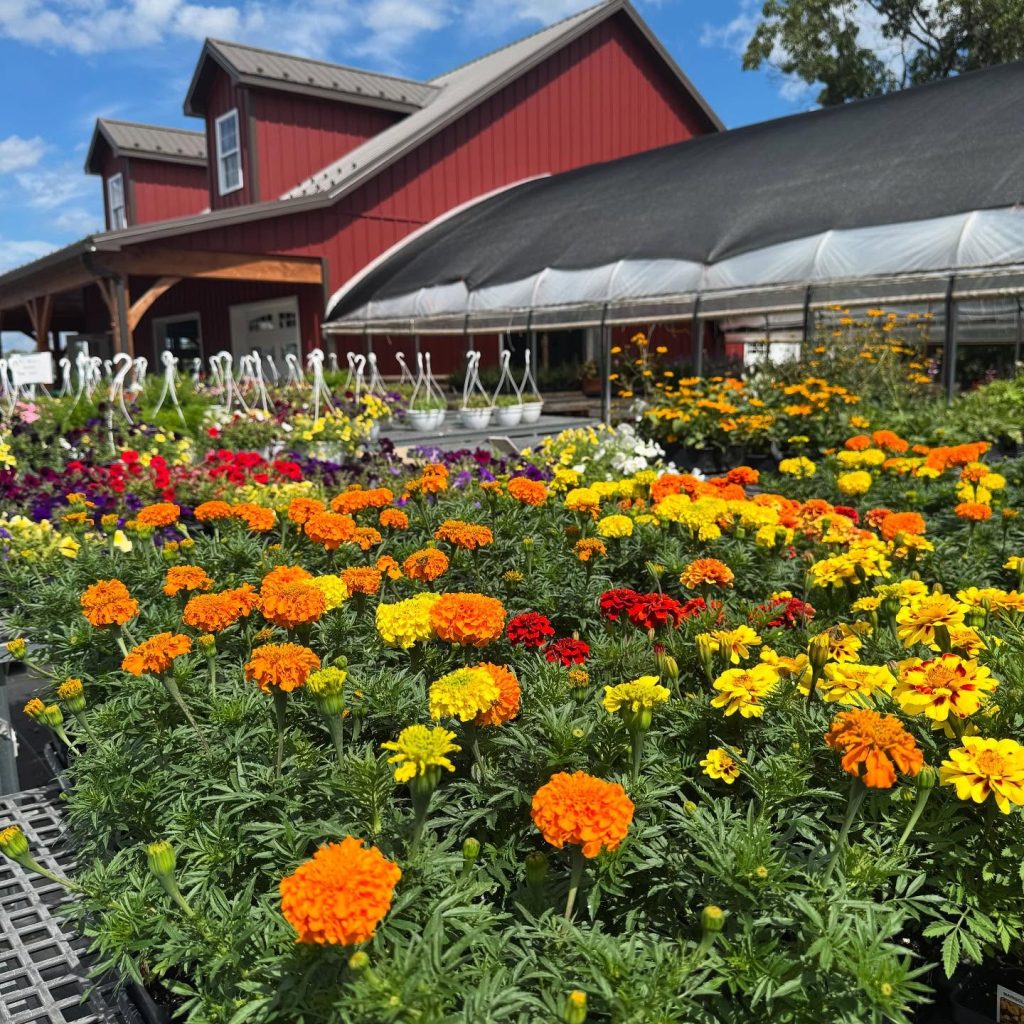
Garden mums are the unofficial mascot of autumn. Their dense, rounded mounds of color arrive in stores every September, and honestly, few flowers announce the season quite as loudly.
Chrysanthemum x morifolium typically grows between 1.5 and 3 feet tall depending on the cultivar and how often it gets pinched during the growing season. Colors range from pure white and soft yellow to deep burgundy, bronze, and lavender.
Here is something many people miss: mums are hardy perennials in zones 5 through 9, but survival depends heavily on when they were planted. Fall-planted mums often struggle through winter because their roots haven’t had enough time to establish before frost.
Plant mums as early in fall as possible, ideally by late August or early September if you want them to overwinter. Give them at least six hours of direct sun and well-drained soil. Avoid planting near outdoor lights, since artificial light can delay or prevent flowering.
2. Asters
I have a soft spot for asters. They bloom just as everything else winds down, and their starry purple, pink, or white petals with bright yellow centers feel like a small celebration against the fading landscape.
New England asters and New York asters are the two most popular garden types. Both are native to North America and support late-season pollinators, including bees and monarch butterflies preparing for migration.
Asters prefer full sun and moist, well-drained soil. They can grow leggy if left unpinched, so cut them back by a third in early summer for a bushier, more floriferous plant come fall.
Divide asters every two to three years to keep them vigorous. Overcrowded clumps bloom less and become more prone to powdery mildew, a common issue in humid autumn air.
3. Ornamental Kale and Cabbage
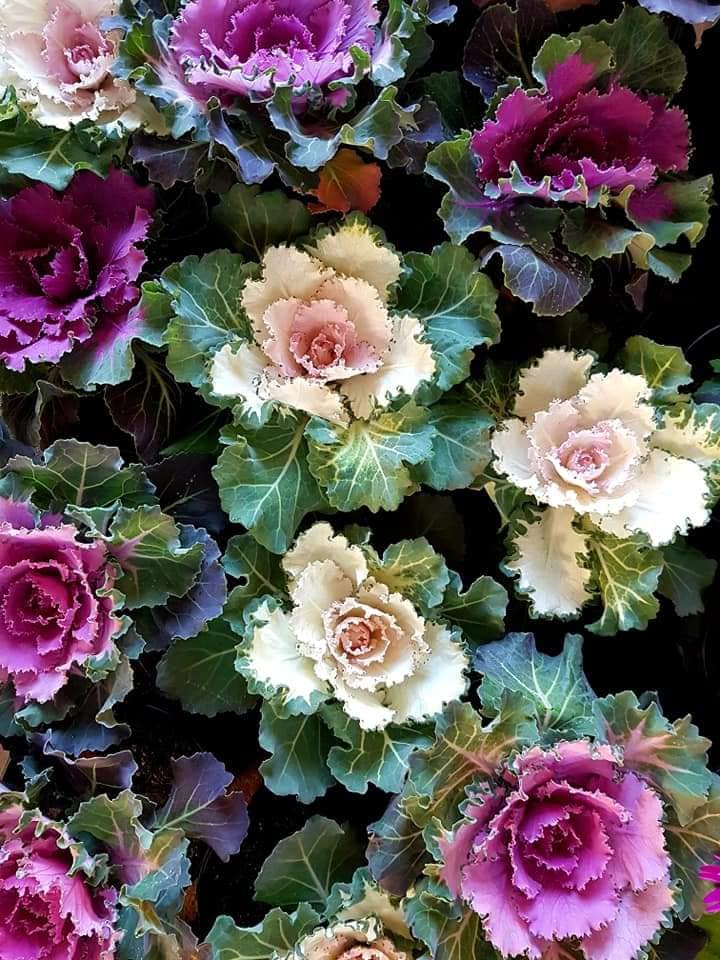
Technically grown for foliage rather than petals, ornamental kale earns its spot on this list because its rosettes rival any flower for color. Deep purples, creamy whites, and pinks intensify as temperatures drop.
Cold actually improves the display. Unlike most plants, ornamental kale’s pigmentation deepens after a light frost, making it one of the few plants that genuinely looks better the colder it gets.
It performs well in containers, borders, and mixed with pansies for layered texture. Full sun brings out the richest color, though it tolerates partial shade reasonably well.
Plant in early to mid-autumn for the longest display. It will often hold its color through the first hard freezes and, in milder zones, well into winter.
4. Pansies
Pansies are deceptively tough. Their soft, face-like blooms look delicate, but they are among the most cold-resilient flowers a home gardener can grow.
According to Texas A&M AgriLife Extension, pansies require soil temperatures between 45°F and 65°F for the best growth, and planting them once soil drops below 45°F often results in stunted, pale plants with poor flowering. Timing genuinely matters here.
Once established, though, pansies are remarkably hardy. The Alabama Cooperative Extension System notes some pansies continue growing in temperatures as low as 2 to 5°F. I have personally seen mine freeze solid overnight and bloom again within days once the sun returned.
Plant pansies in full sun to partial shade in well-drained, organically rich soil. Mulch lightly once consistent cold arrives, and deadhead spent blooms to keep new flowers coming.
ALSO READ: 35 Flowers That Bloom in Winter (With Pictures)
5. Violas
Violas are the pansy’s smaller, tougher cousin. Their miniature blooms come in equally rich colors, but the plants tend to handle both heat and cold slightly better than standard pansies.
They spread more readily too, filling gaps in borders and containers with a carpet of color that lasts from fall through early spring in mild climates. I like tucking them along path edges where their small scale actually reads better than larger blooms.
Violas thrive in similar conditions to pansies: full sun, moist well-drained soil, and regular deadheading. They also self-seed generously, so don’t be surprised to find volunteers popping up the following autumn.
6. Ornamental Grasses with Flowering Plumes
While not flowers in the traditional sense, ornamental grasses like fountain grass and maiden grass produce feathery plumes in autumn that add movement and softness among your bolder blooms.
Their plumes catch low autumn light beautifully, especially backlit in early morning or late afternoon. I find they make chrysanthemums and asters look even richer by contrast.
Plant them in full sun with well-drained soil. Most varieties are drought-tolerant once established and require little maintenance beyond an annual cutback in late winter.
7. Sedum (Stonecrop)
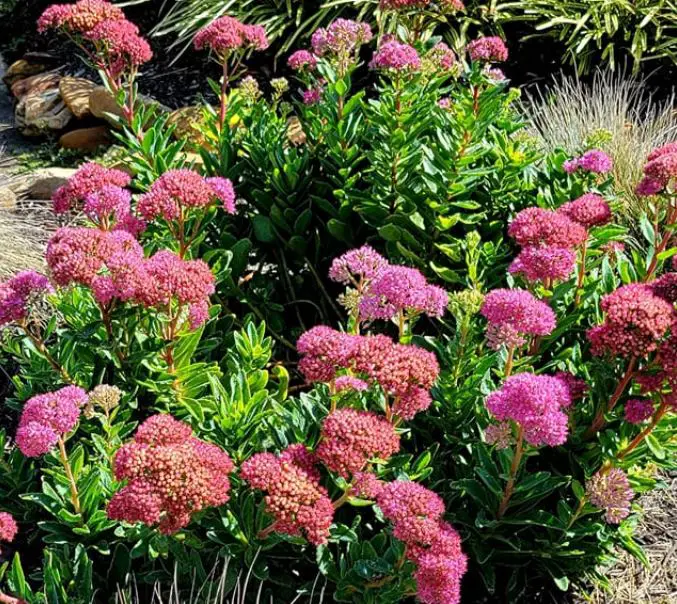
Sedum, particularly the variety known as ‘Autumn Joy,’ transitions through a striking color sequence as the season progresses, from pale green buds to dusty pink and finally rusty bronze.
It is one of the most low-maintenance perennials available. Sedum tolerates drought, poor soil, and neglect better than almost any other fall bloomer, which makes it a favorite for gardeners who want reliable color without fuss.
Bees and butterflies flock to sedum in early fall when nectar sources elsewhere are dwindling. Leaving the dried flower heads standing through winter also provides seed for birds and structural interest in an otherwise bare garden.
8. Helenium (Sneezeweed)
Despite its unfortunate name, helenium has nothing to do with sneezing. It earned the nickname because dried leaves were once used in snuff, not because it triggers allergies.
Its daisy-like flowers in warm shades of red, orange, and yellow bloom from late summer into autumn, adding a fiery contrast to the cooler purples of asters. I find it pairs beautifully with ornamental grasses too.
Helenium prefers full sun and consistently moist soil. Taller varieties may need staking, especially in windy locations, since stems can reach three to five feet.
9. Rudbeckia (Black-Eyed Susan)
Black-eyed Susans bridge summer and autumn, often blooming well into October in temperate zones. Their bright golden petals and dark central cones are instantly recognizable and genuinely cheerful.
They are native to much of North America, which means they support local pollinator populations exceptionally well. I always recommend native plants like rudbeckia to anyone asking how to make their garden more wildlife-friendly.
Rudbeckia tolerates poor soil, drought, and neglect. Deadhead regularly to extend blooming, or leave some seed heads standing for finches, which readily feed on them through winter.
10. Japanese Anemone
Japanese anemones bring a graceful, almost ethereal quality to the autumn border. Their tall, wiry stems hold delicate pink or white blooms that sway gently even in a light breeze.
They prefer partial shade, which sets them apart from many other autumn bloomers that demand full sun. This makes them particularly valuable for gardeners with woodland edges or shaded borders needing late-season color.
Once established, Japanese anemones spread readily via underground rhizomes. Give them room, or be prepared to divide and share with neighbors every few years.
11. Toad Lily
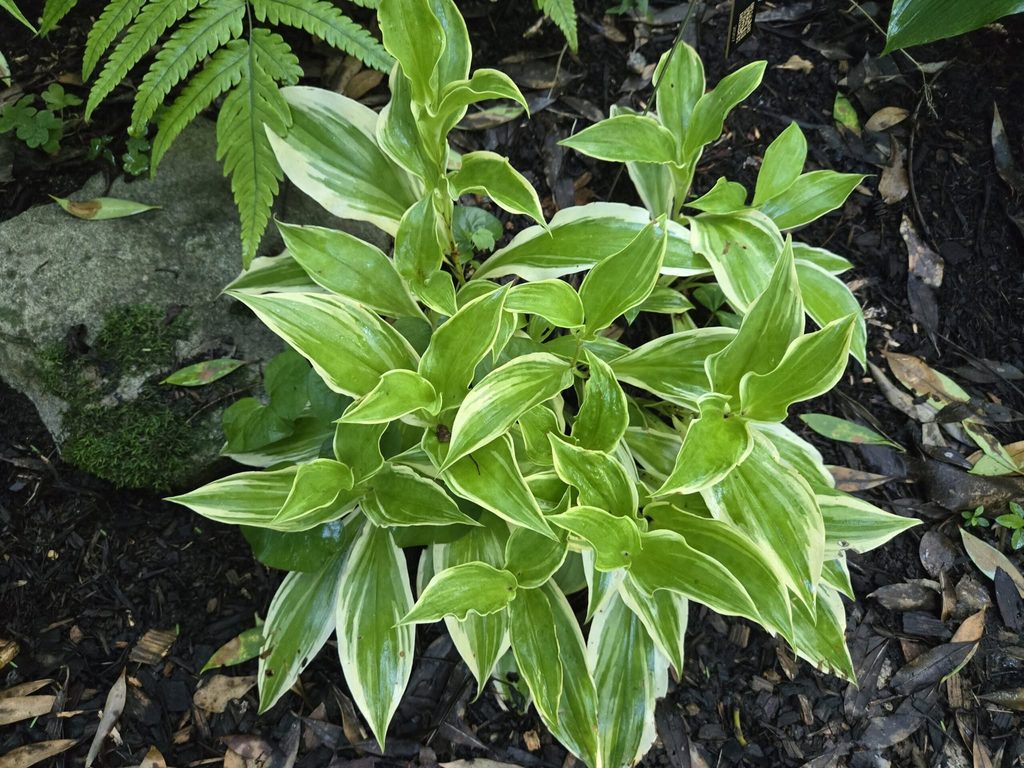
Toad lilies are an unusual, almost exotic-looking choice for shaded autumn gardens. Their speckled, orchid-like flowers bloom in September and October, often surprising visitors who don’t expect anything so intricate this late in the year.
They thrive in partial to full shade with consistently moist, humus-rich soil, making them ideal companions for hostas and ferns. I think they deserve far more attention than they typically get.
Toad lilies are slow to establish but reward patience with years of reliable autumn blooms once settled. Mulch well to retain moisture and protect shallow roots.
12. Autumn Crocus (Colchicum)
Don’t confuse autumn crocus with true crocus. Colchicum, commonly called autumn crocus, is actually planted in midsummer, unlike nearly all other fall-flowering bulbs, which go into the ground in true autumn.
Its large, goblet-shaped flowers emerge directly from bare soil in September and October, often before the foliage even appears. The leaves show up the following spring, then die back before the flowers return, a curious and beautiful cycle.
Every part of colchicum is toxic if ingested, so plant it away from areas where pets or small children play. Despite this caution, it remains one of the most striking late-season bloomers available.
ALSO READ: 25 Trees and Shrubs That Bloom in Winter (With Pictures)
13. Camellia Sasanqua
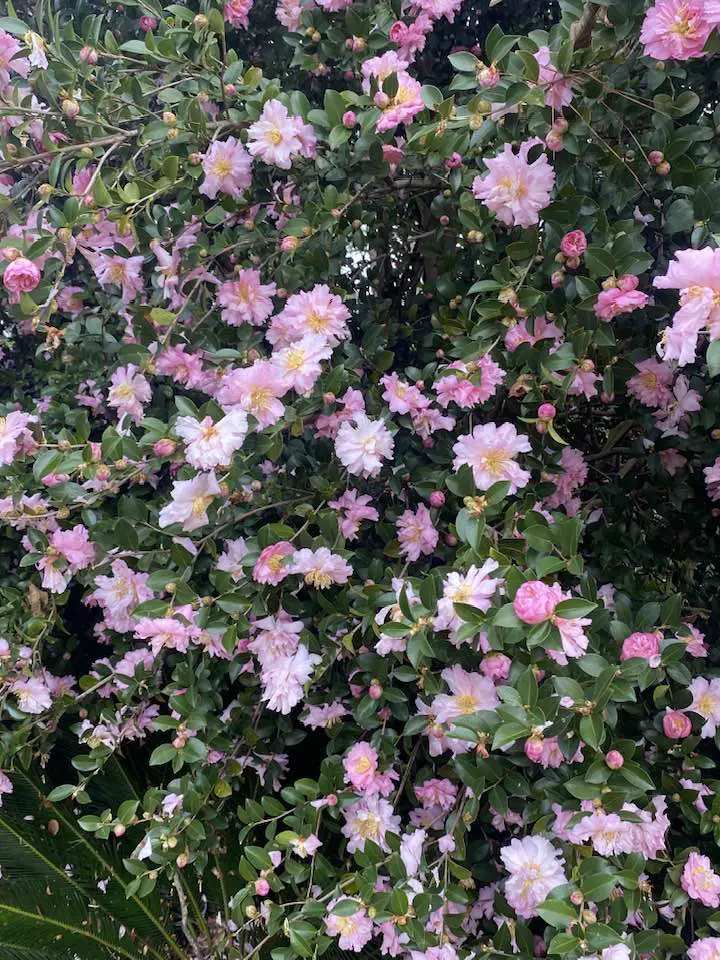
Camellia sasanqua is a shrub, but its abundant, rose-like blooms in white, pink, and red make it impossible to leave off a serious autumn flower list. It blooms from October through December in many regions.
Unlike its spring-blooming cousin, Camellia japonica, sasanqua tolerates more sun and blooms reliably in fall and early winter across USDA zones 7 through 9. I’ve seen entire hedges of it used as a flowering privacy screen.
Plant it in well-drained, slightly acidic soil with morning sun and afternoon shade in hotter climates. Mulch generously to retain moisture through the cooler months ahead.
14. Autumn-Flowering Clematis (Sweet Autumn Clematis)
Sweet autumn clematis produces a cloud of small, star-shaped, fragrant white flowers that can completely blanket a trellis or fence by September. The scent alone makes it worth growing near a porch or entryway.
It is a vigorous grower, sometimes aggressively so, and can self-seed in favorable conditions. Some regions now consider it invasive, so it’s worth checking local guidance before planting, especially in the eastern United States.
Give it full sun and sturdy support to climb. Prune hard in late winter to control size, since it blooms on new growth each year.
15. Dianthus (Garden Pinks)
Dianthus offers a spicy, clove-like fragrance alongside its fringed, carnation-like blooms. Many varieties rebloom into autumn, especially if deadheaded consistently through late summer.
Their compact, mounding habit makes them excellent for border edges, rock gardens, and containers. I appreciate that they hold their shape well and don’t sprawl the way some other autumn bloomers tend to.
Dianthus prefers full sun and alkaline, well-drained soil. Good air circulation helps prevent fungal issues, which become more common as autumn humidity rises.
16. Sweet Alyssum
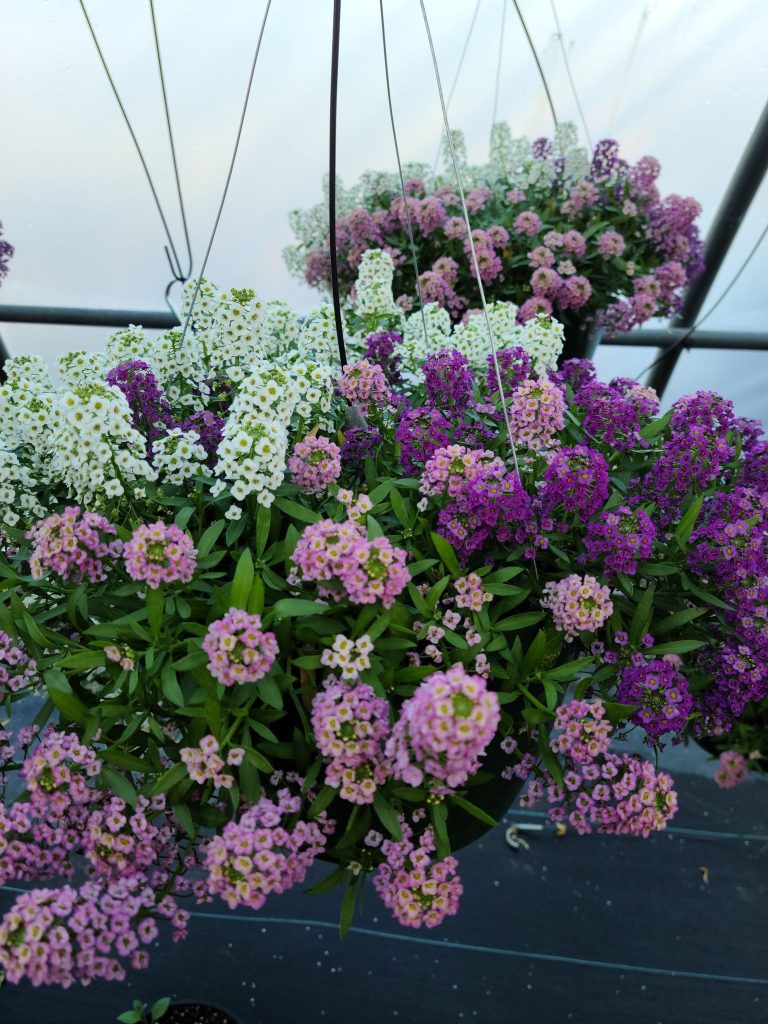
Sweet alyssum’s tiny clustered blooms and honey-like fragrance make it a wonderful low-growing filler for autumn containers and border fronts. It tolerates cool temperatures far better than most annuals.
It self-seeds readily, so a single planting can return unexpectedly for several years in mild climates. I’ve had volunteer alyssum pop up in gravel paths where I never intentionally planted it.
Full sun to partial shade and well-drained soil suit it best. Shear it back lightly if it becomes leggy, and it will often rebloom within a couple of weeks.
17. Calendula (Pot Marigold)
Calendula is one of the few annuals that genuinely thrives through cooler autumn weather, producing cheerful orange and yellow blooms right up until a hard frost. It’s also edible, often used in salads and as a natural dye.
Historically valued for medicinal use, calendula has a long tradition in herbal gardens alongside its ornamental role. I like growing it partly for that dual purpose, beauty and utility in one plant.
It grows easily from seed directly sown in early autumn in mild climates. Give it full sun and average, well-drained soil, and deadhead regularly to keep new blooms coming.
18. Snapdragons
Snapdragons handle cool autumn nights surprisingly well, often blooming steadily until temperatures drop into the low twenties Fahrenheit. Their tall spikes of tubular flowers add vertical structure among lower mounding plants.
Many gardeners treat them strictly as spring annuals, missing out on their strong autumn performance entirely. In my experience, fall-planted snapdragons often outperform their spring counterparts in vase life and color intensity.
Plant in full sun with fertile, well-drained soil. Pinch young plants to encourage branching, and stake taller varieties if your garden sees strong autumn winds.
19. Nemesia
Nemesia brings a citrusy fragrance and delicate, two-lipped flowers in a wide color range to the cool-season garden. It performs especially well in containers where its trailing habit can spill attractively over edges.
It prefers the moderate temperatures of autumn over the intense heat of summer, often blooming more prolifically as the weather cools. I find it pairs beautifully with violas in mixed autumn planters.
Give nemesia full sun to light shade and consistently moist, well-drained soil. Regular light feeding keeps blooms coming through the cooler months.
20. Salvia (Autumn Sage)
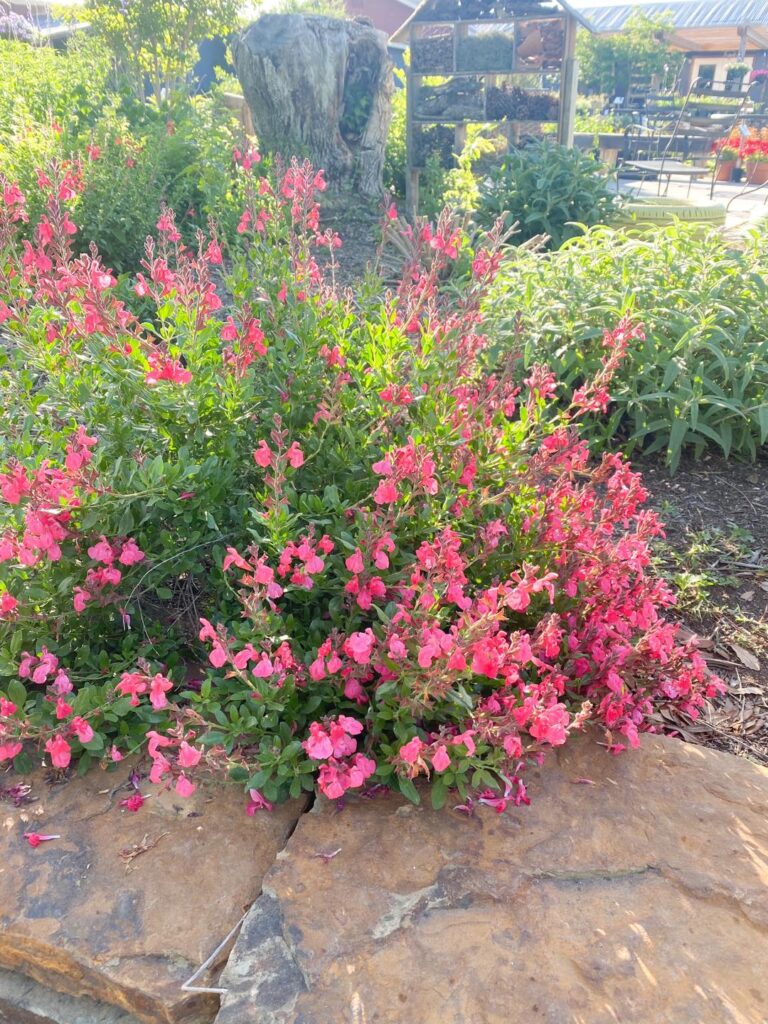
Autumn sage, or Salvia greggii, produces spikes of red, pink, or purple tubular flowers that hummingbirds find irresistible right up until the first hard freeze. It’s a genuine late-season pollinator magnet.
Native to Texas and Mexico, it tolerates heat and drought exceptionally well, which makes it increasingly popular in xeriscape and water-conscious garden designs. I’ve noticed it thriving in gardens where other perennials struggle.
Plant in full sun with well-drained soil, since soggy roots in cool weather are its main weakness. Light pruning after the first bloom flush encourages a second round of flowers in fall.
21. Verbena Bonariensis
Tall, airy, and covered in small purple flower clusters, verbena bonariensis adds see-through height to autumn borders without blocking the view of plants behind it. Butterflies seem to find it constantly.
It self-seeds generously, sometimes to the point of becoming a minor nuisance in favorable climates. I don’t mind this trait personally; it fills gaps naturally and creates a relaxed, cottage-garden feel.
Full sun and well-drained soil suit it best. It tolerates poor soil and drought once established, requiring very little intervention through autumn.
22. Tulips
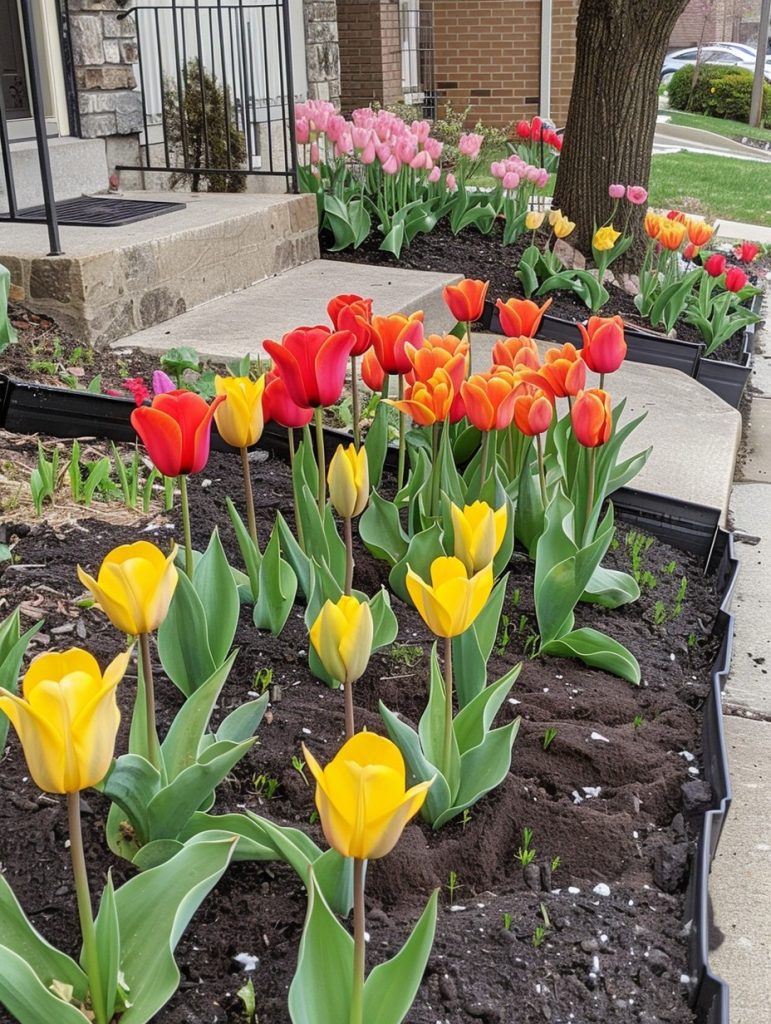
Now we shift to bulbs planted in autumn for spring reward. Tulips should be planted 6 to 8 inches deep, according to Iowa State University Extension, roughly three to four times the bulb’s height, and spaced about 6 inches apart.
Penn State Extension recommends planting bulbs before the first hard frost, timed so roots can establish for about four to six weeks before the ground freezes solid. Waiting too long into winter reduces spring bloom quality significantly.
Choose a sunny, well-drained site. Tulips tend to decline in vigor over the years, so many gardeners simply treat them as elegant annuals and replant fresh bulbs each autumn for the best display.
23. Daffodils (Narcissus)
Daffodils are among the most forgiving bulbs a gardener can plant. Squirrels and deer generally avoid them due to natural toxicity, unlike tulips, which are practically candy to local wildlife.
Plant daffodil bulbs 6 to 8 inches deep in full sun to light shade, in soil enriched with organic matter for the best long-term performance. They naturalize beautifully, meaning a modest planting today can multiply into a substantial drift within just a few years.
Do not cut back the foliage after blooming ends in spring. The leaves continue feeding the bulb for weeks afterward, and removing them too early weakens next year’s flowering significantly.
24. Crocus
Crocus corms are small but mighty, often the very first color to appear after winter, sometimes pushing through a light late snow. Colorado State University Extension notes crocus should be planted about 3 to 4 inches deep, roughly half the depth required for tulips.
They naturalize wonderfully in lawns, a practice gardeners call “crocus lawns,” creating a carpet of purple, yellow, and white before the grass needs its first mow of spring. I find nothing quite matches the joy of spotting the first crocus of the year.
Plant corms in September or October for the strongest spring show. Well-drained soil is essential, since standing water rots corms quickly during their dormant winter period.
25. Hyacinths
Hyacinths deliver an intensely fragrant, densely packed flower spike that can perfume an entire garden bed on a mild spring day. Few bulbs offer this much scent from such a compact plant.
Plant hyacinth bulbs about 6 inches deep in full sun to partial shade, spaced roughly 6 inches apart for the fullest visual effect. University of Minnesota Extension recommends testing soil pH before planting, since hyacinths perform best in slightly acidic to neutral conditions between 6.0 and 7.0.
Handle the bulbs with care, or wear gloves, since some gardeners experience mild skin irritation from the outer bulb layer. Once planted and settled, hyacinths return reliably for several springs with minimal care.
Quick Planting Timeline for Autumn Flowers
- Early autumn (September): Chrysanthemums, asters, pansies, violas, calendula
- Mid-autumn (October): Tulips, daffodils, hyacinths, crocus, ornamental kale
- Before first hard frost: All spring bulbs, following the four-to-six-week root establishment rule
- Midsummer, ahead of true autumn: Colchicum (autumn crocus), a notable exception
I always suggest keeping a simple planting log. It sounds unnecessary until year three, when you can’t remember which bulbs went where, and end up slicing through last year’s daffodils with a trowel.
Final Thoughts
Autumn gardening rewards patience in a way summer rarely does. You plant with faith, trusting that a bulb buried in October will become a tulip in April, and that trust is part of what makes this season quietly satisfying.
I would encourage any gardener, new or experienced, to treat autumn as a genuine planting season rather than a cleanup chore. The soil is workable, the weather is pleasant to dig in, and the payoff stretches from right now until next spring.
Start with two or three flowers from this list rather than all twenty-five. Build confidence, watch what thrives in your specific conditions, and expand from there next year.
References
- Penn State Extension – Plant Bulbs in the Fall for a Spring Celebration
- Penn State Extension – Extend the Season with Resilient Pansies
- Iowa State University Extension and Outreach – How Deep Should I Plant Tulips?
- Colorado State University Extension – Fall-Planted Bulbs and Corms
- NC State Extension Gardener Plant Toolbox – Chrysanthemum
- Virginia Cooperative Extension – Garden Mums for the Home Garden
- UGA Cooperative Extension – Success with Pansies in the Winter Landscape

Tim M Dave is a gardening expert with a passion for houseplants, particularly cacti and succulents. With a degree in plant biology from the University of California, Berkeley, he has vast experience in gardening. Over the years, he has cultivated a vast collection of desert plants and learned a great deal about how to grow and care for these unique companions.