25 Best Perennial Flowers for Zone 9 (With Details)
Gardening in zone 9 has its own rhythm. Winters stay mild, summers run long and hot, and the growing season stretches for most of the year. That’s a gift if you pick the right perennials.
USDA Plant Hardiness Zone 9 covers areas where winter lows sit between 20°F and 30°F (-6.7°C to -1.1°C). This includes large parts of Florida, Texas, Louisiana, Arizona, and coastal California. Plants here rarely face a hard freeze, but they do need to handle intense heat and, in many regions, humidity.
I’ve grown or researched every flower on this list, and I picked them because they genuinely thrive in these conditions — not just survive. Below, you’ll find 25 perennials that come back reliably, need less fuss than annuals, and give zone 9 gardens color for most months of the year.
Quick answer: the best perennial flowers for zone 9 include Agapanthus, Salvia, Coneflower, Daylily, Russian Sage, Lantana, Coreopsis, Society Garlic, and Canna Lily — all of which handle heat, tolerate periodic drought, and rebloom without replanting.
Let’s go through each one.
1. Agapanthus (Lily of the Nile)
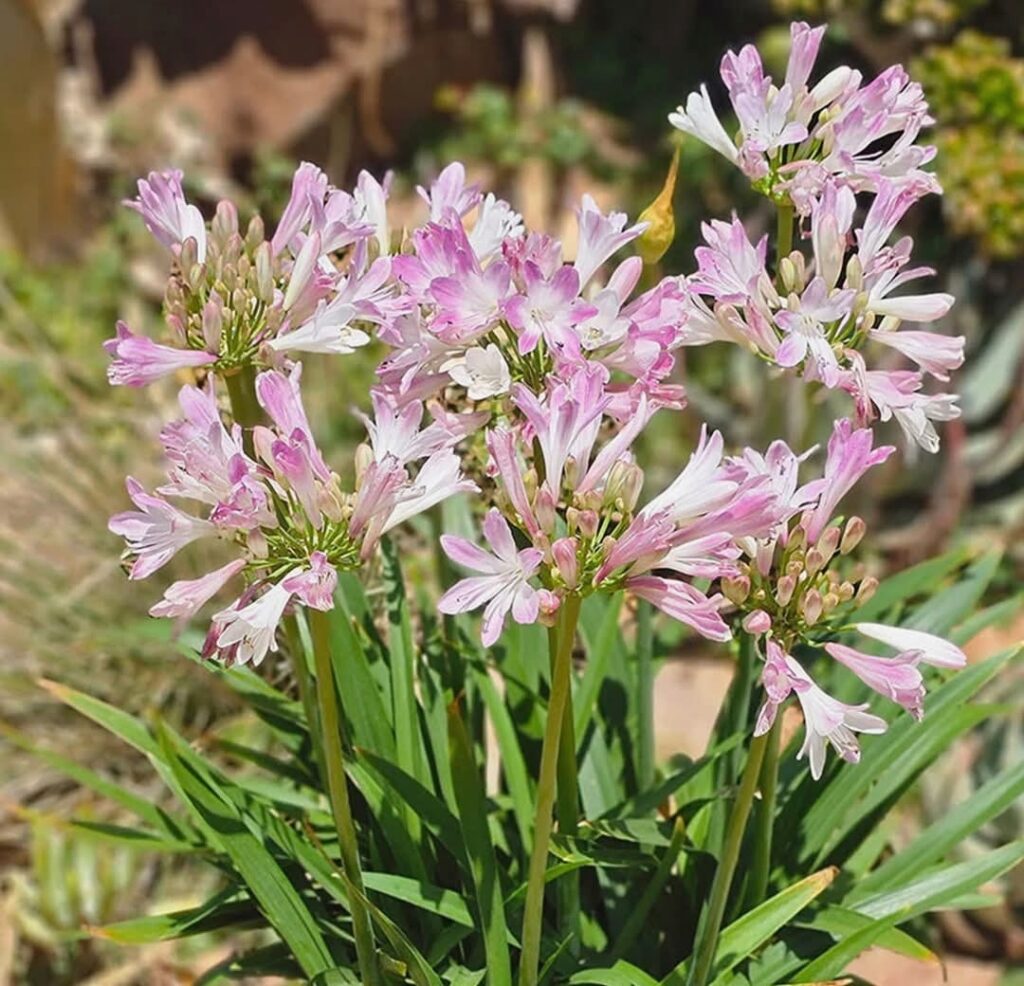
Agapanthus is a showstopper. Tall stalks rise above strappy green leaves, topped with rounded clusters of blue or white flowers. It originally comes from South Africa, which explains why it shrugs off zone 9’s dry summer stretches so easily.
This plant blooms from late spring through midsummer. Established clumps can produce dozens of flower stalks in a single season, which makes it a favorite for borders and pathways.
Agapanthus prefers full sun and well-drained soil. Once it’s rooted, it needs surprisingly little water — a real plus during peak summer heat.
Tip: divide clumps every three to four years, or flowering can slow down.
2. Salvia (Salvia greggii)
Autumn sage, as it’s often called, is one of the toughest perennials for zone 9. It flowers in red, pink, purple, or white, often from spring straight through fall in warmer climates.
Hummingbirds and bees visit this plant constantly. Researchers have long noted that tubular, nectar-rich flowers like salvia are among the top choices for hummingbird feeding routes in the southern United States.
It handles drought well once established and doesn’t ask for rich soil. In fact, salvia often blooms better in lean, gritty conditions than in overly fertile beds.
Light pruning after each flush keeps the plant compact and encourages the next round of blooms.
3. Daylily (Hemerocallis)
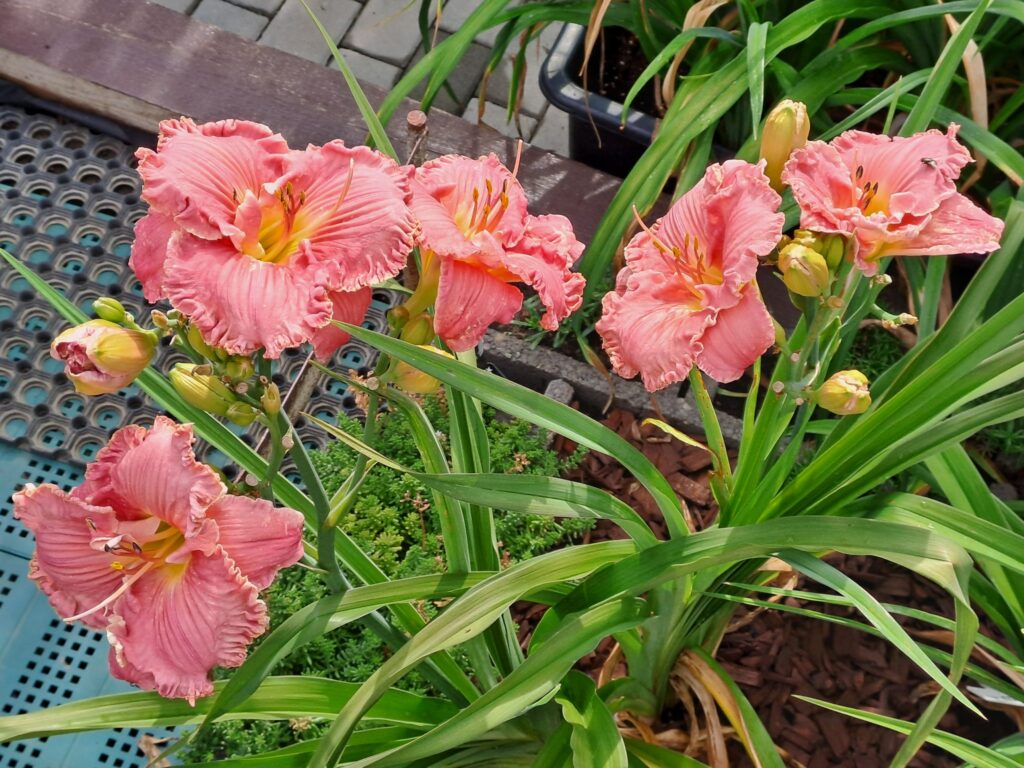
Daylilies are famous for a reason: they’re almost impossible to kill. There are more than 80,000 registered daylily cultivars, according to the American Daylily Society, so color and size options are nearly endless.
Each flower lasts just one day, but a mature plant sends up so many buds that the display can last for weeks. Zone 9 gardeners often get an early spring bloom and a smaller repeat flush in fall.
Daylilies tolerate heat, poor soil, and inconsistent watering. That makes them ideal for gardeners who want beauty without a demanding maintenance schedule.
Plant in full sun to light shade, and divide every few years to keep clumps vigorous.
ALSO READ: 25 Reblooming Perennial Flowers (Varieties Identification, With Pictures)
4. Coneflower (Echinacea purpurea)
Echinacea is native to the central and eastern United States, and it adapts well to the heat of zone 9 gardens. Its daisy-like purple-pink petals surround a raised, spiky center that gives the plant its “cone” name.
Pollinators depend heavily on plants like this one. The USDA notes that pollinators are involved in producing about one in every three bites of food we eat, and coneflowers are a reliable food source for bees and butterflies through summer.
This plant tolerates drought, poor soil, and neglect better than most garden flowers. It’s a genuinely low-maintenance choice.
Leave spent flower heads standing through winter — finches and other birds eat the seeds.
5. Black-Eyed Susan (Rudbeckia hirta)

Few flowers say “summer” quite like Rudbeckia. Its golden-yellow petals and dark brown centers bloom from early summer into fall, often for three months or longer without a break.
It self-seeds readily, so a single planting can turn into a thriving patch within a couple of seasons. Some gardeners consider this a small downside; I see it as free flowers.
Black-eyed Susans handle both drought and occasional heavy rain, which suits zone 9’s unpredictable weather swings.
Deadheading extends bloom time, but even without it, this plant keeps flowering reliably.
6. Shasta Daisy (Leucanthemum × superbum)
Shasta daisies bring a crisp, clean look to any bed. White petals surround a sunny yellow center, and the plant forms neat, upright clumps that don’t sprawl.
They bloom heavily in late spring and early summer, then often send up a smaller second flush if deadheaded regularly. In zone 9, afternoon shade helps extend the bloom window during the hottest months.
This is a low-fuss perennial. It tolerates average soil and moderate drought once its roots are established.
Divide every two to three years to prevent the center of the clump from thinning out.
7. Yarrow (Achillea millefolium)
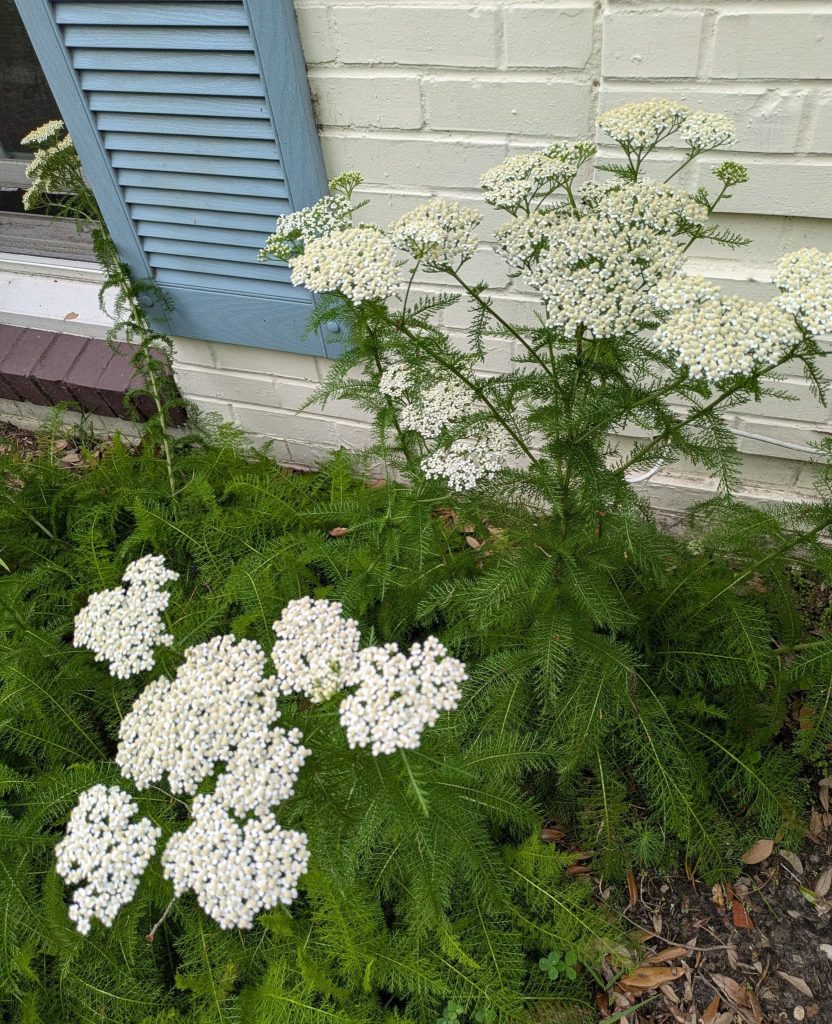
Yarrow’s flat clusters of tiny flowers come in white, yellow, pink, and red, sitting atop finely textured, almost fern-like foliage. It’s one of the most drought-tolerant perennials available.
This plant has a long history of use, dating back centuries in traditional herbal practice, though today it’s grown mainly for its ornamental and pollinator value.
Yarrow spreads by rhizomes, so it fills in bare patches quickly. In zone 9, it blooms from late spring through summer and sometimes into early fall.
It needs full sun and sharp drainage — soggy soil is really the only thing that troubles it.
8. Bee Balm (Monarda didyma)
Bee balm’s shaggy, tubular flowers look almost fireworks-like, in shades of red, pink, and purple. As the name suggests, bees adore it — and so do hummingbirds and butterflies.
In zone 9, give this plant afternoon shade and consistent moisture, since it can struggle in the driest, hottest spots. A little extra care pays off in a striking midsummer display.
Good air circulation matters here, since bee balm is prone to powdery mildew in humid climates. Spacing plants properly reduces this risk significantly.
Newer mildew-resistant cultivars, like ‘Jacob Cline,’ are worth seeking out for southern gardens.
9. Russian Sage (Perovskia atriplicifolia)
Russian sage brings a soft, silvery texture to the garden, with lavender-blue flower spikes that seem to float above the foliage. It’s technically a woody-based perennial, but it dies back and returns each year in most climates.
This plant is remarkably drought-tolerant. Once established, it often needs no supplemental watering at all outside of extreme dry spells.
It blooms from midsummer through fall, adding months of color when many other plants have finished. Bees are drawn to it constantly during that stretch.
Full sun and well-drained soil are the only real requirements — wet feet are its one weakness.
10. Coreopsis (Coreopsis lanceolata)
Coreopsis, sometimes called tickseed, produces cheerful yellow, gold, or bi-colored blooms on wiry stems. It’s a compact, easy-going perennial that fits well in borders and containers alike.
This plant blooms for an unusually long stretch — often from late spring through the first frost in mild climates. That kind of staying power is rare among perennials.
It tolerates poor, sandy soil and doesn’t need frequent watering. In fact, overly rich soil can make coreopsis floppy and less floriferous.
Regular deadheading keeps the flowers coming and the plant looking tidy.
11. Verbena (Verbena bonariensis)
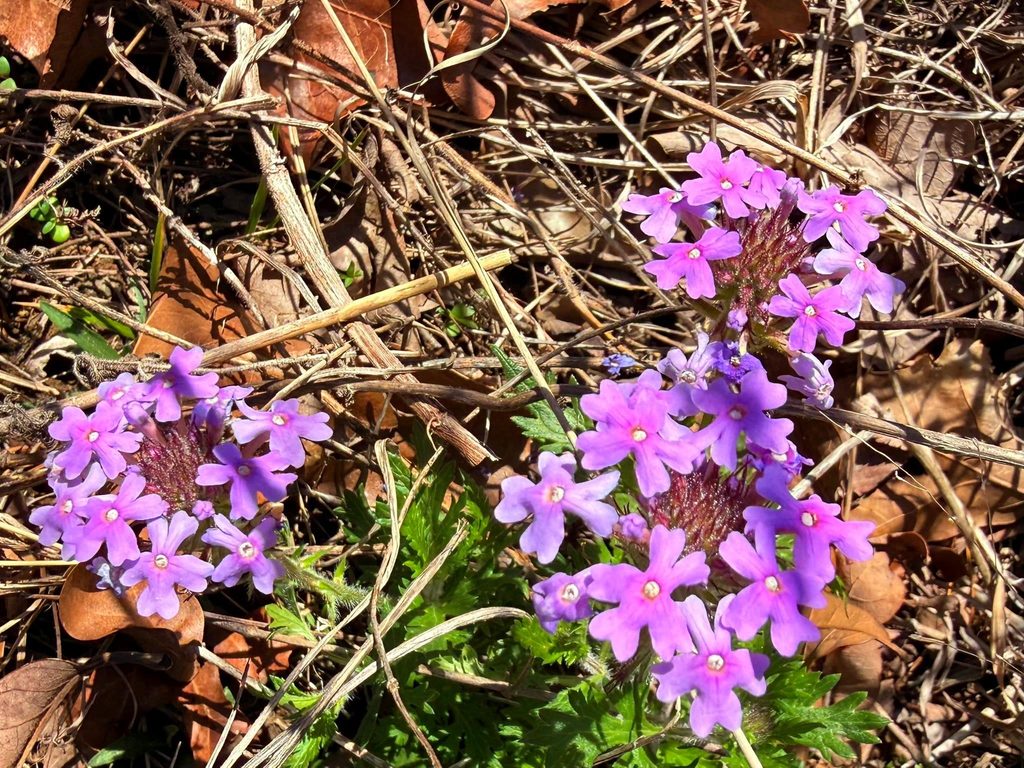
Verbena bonariensis grows on thin, upright stems topped with small clusters of purple flowers. Despite its delicate look, it’s a surprisingly sturdy perennial in zone 9 gardens.
Butterflies, especially monarchs and swallowtails, visit this plant constantly through summer and fall. Planting a cluster of several stems creates a noticeable pollinator hotspot.
It self-seeds freely, so expect volunteer plants popping up nearby each year. Most gardeners welcome this, since it fills gaps naturally.
Full sun and decent drainage are all it really asks for.
12. Society Garlic (Tulbaghia violacea)
This South African native produces clusters of small, star-shaped lavender flowers atop grassy, garlic-scented foliage. The scent is mostly noticeable when the leaves are bruised or cut.
Society garlic blooms for months at a time, often from spring through fall in zone 9’s warm climate. It also happens to be deer-resistant, thanks to that garlicky smell.
It tolerates heat, humidity, and drought without complaint, and rarely suffers from pests or disease.
This is a genuinely “plant it and forget it” perennial for border edges and pathways.
13. Canna Lily (Canna × generalis)
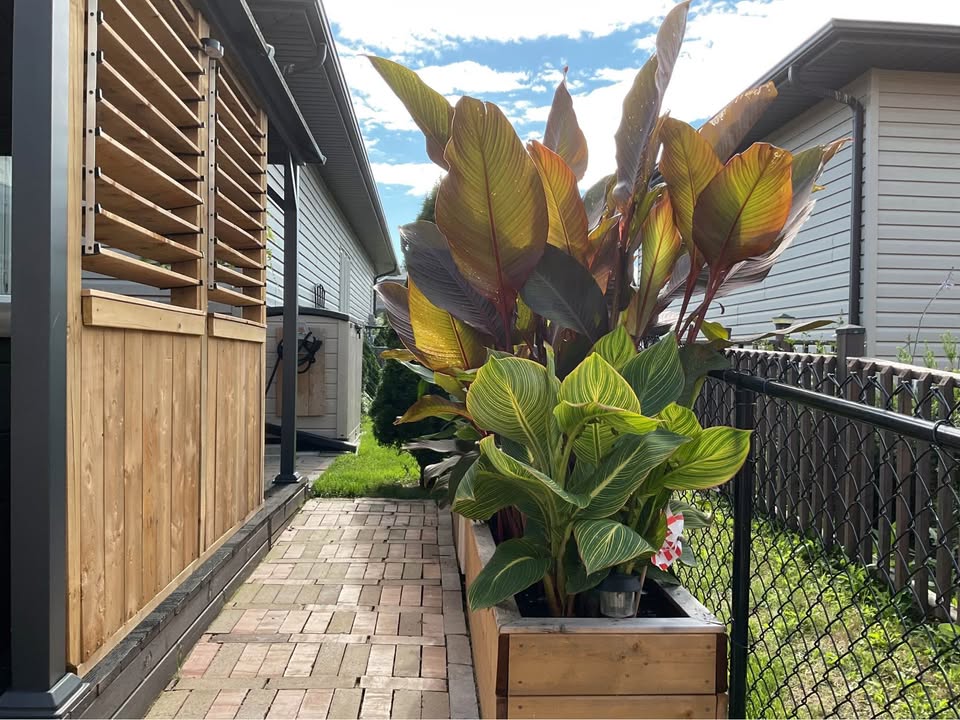
Canna lilies bring a tropical look with large, paddle-shaped leaves and vivid red, orange, yellow, or pink blooms. In zone 9, the rhizomes typically survive winter in the ground without digging.
These plants grow fast and tall, often reaching four to six feet in a single season. They make an excellent backdrop for shorter perennials in a layered border.
Cannas love moisture and full sun, and they can even grow at the edge of a pond or water feature.
Divide clumps every few years once they become congested, to keep blooms strong.
14. Gaura (Oenothera lindheimeri)
Gaura’s small pink or white flowers seem to hover above thin, wiry stems, giving the plant a light, airy movement in the breeze. It’s often nicknamed “whirling butterflies” for this reason.
It blooms from late spring through fall, and in zone 9’s long growing season, that display can stretch even longer with regular light trimming.
This is one of the most drought-tolerant perennials available, thriving in sandy or rocky soil that would stress out many other flowering plants.
Full sun brings out the strongest bloom performance.
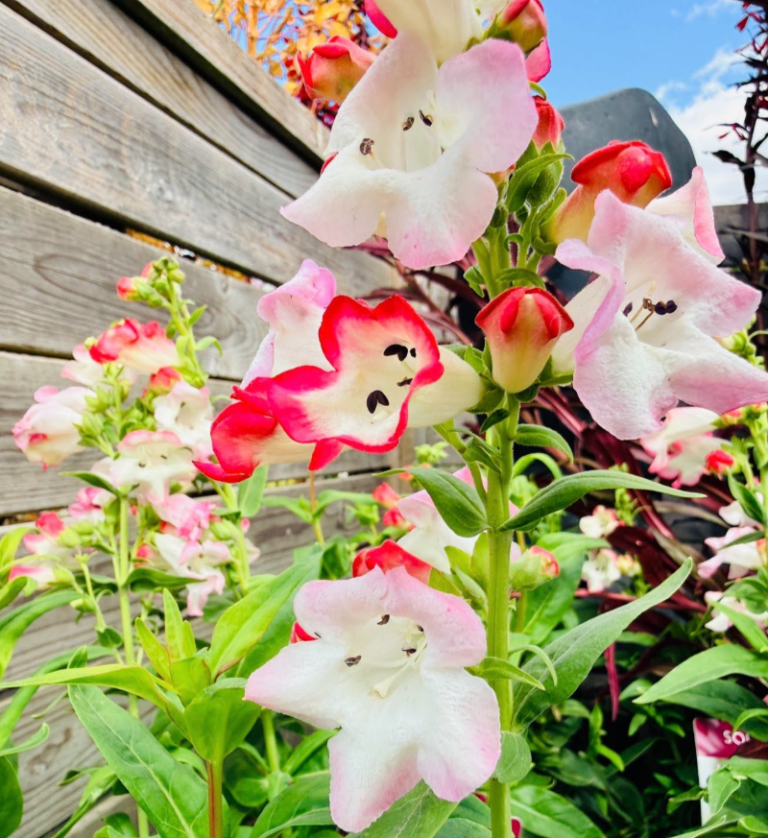
15. Penstemon (Penstemon spp.)
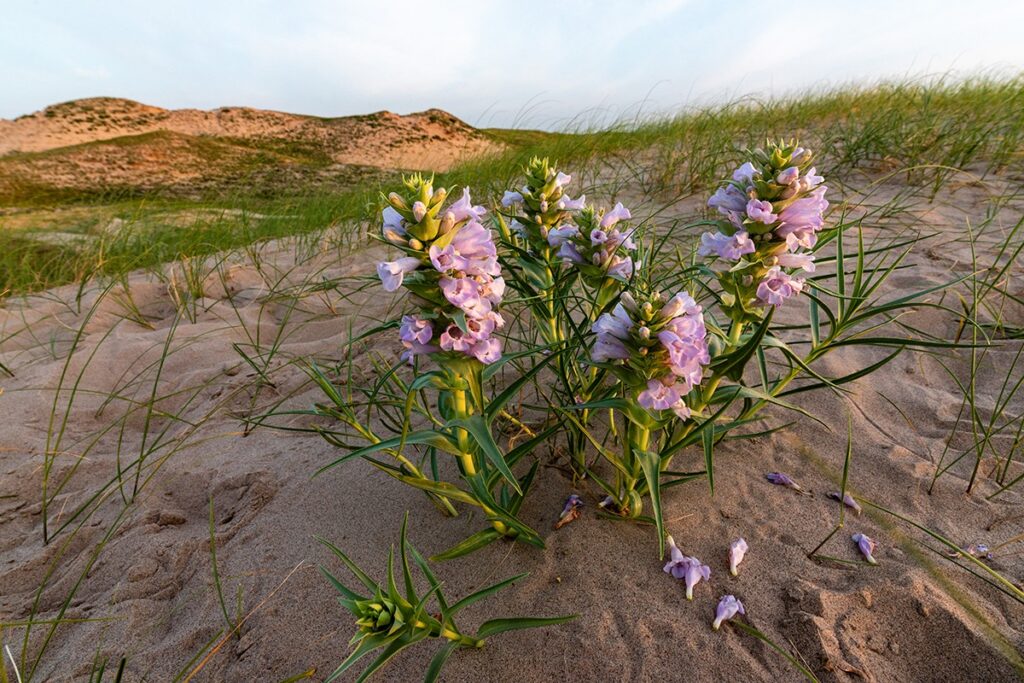
Penstemon, also called beardtongue, produces tall spikes of tubular flowers in red, pink, purple, or white. Many species are native to the warmer parts of North America, which makes them naturally suited to zone 9 conditions.
Hummingbirds are especially drawn to red and pink varieties, often visiting repeatedly through the blooming period from late spring into summer.
This plant prefers sharp drainage — soggy soil is its main enemy. Sandy or rocky beds mimic its native habitat well.
Once established, penstemon needs very little supplemental water.
16. Perennial Hibiscus (Hibiscus moscheutos)
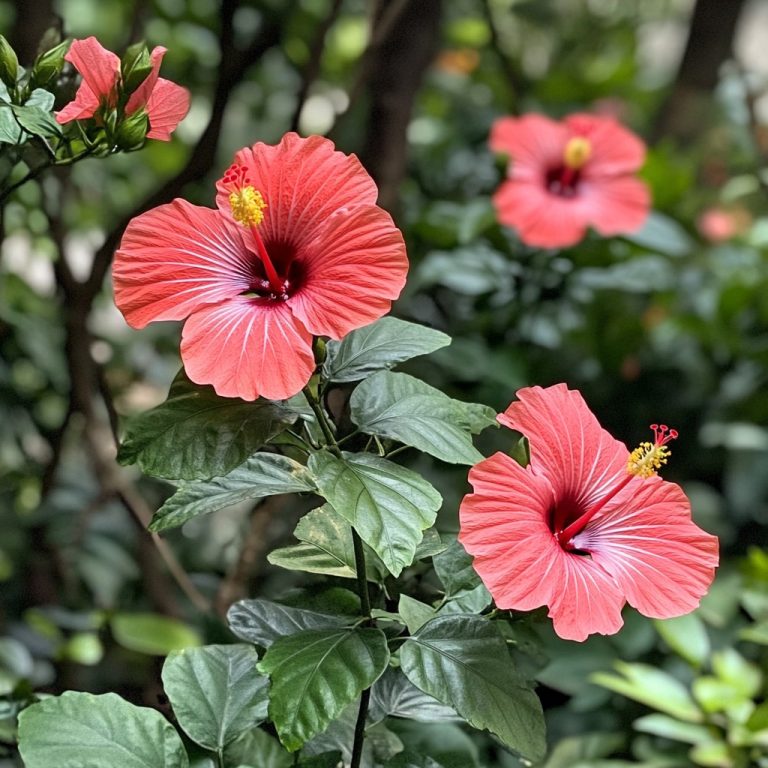
Don’t confuse this with tropical hibiscus. Hardy hibiscus dies back to the ground each winter and returns in spring, producing flowers that can reach eight to twelve inches across — among the largest blooms of any garden perennial.
Colors range from white and pink to deep red, often with a contrasting eye at the center. The sheer size of these blooms makes a serious visual impact in any bed.
This plant likes consistent moisture and full sun, and it tends to emerge later in spring than most perennials — don’t assume it’s dead if nothing shows until early summer.
Established plants can produce dozens of blooms across a single season.
17. Louisiana Iris (Iris hexagona)
Louisiana iris is native to the wetlands of the American South, which makes it naturally well-suited to zone 9’s humid regions. Flowers come in shades of purple, blue, yellow, and white, with an intricate, ruffled shape.
It blooms in spring, often putting on a striking, short-lived show that’s worth planning around. Grouping several rhizomes together increases the visual impact considerably.
Unlike many perennials on this list, Louisiana iris actually prefers consistently moist soil, and it grows happily at pond edges or in low-lying garden areas.
Divide clumps every three to four years after flowering to maintain vigor.
18. Red Hot Poker (Kniphofia uvaria)
This plant earns its nickname honestly. Tall flower spikes rise well above grass-like foliage, shifting in color from red at the tip to orange and yellow toward the base — like a flame frozen in place.
Hummingbirds are strongly attracted to these blooms, which typically appear from late spring through summer.
Red hot poker tolerates heat and drought exceptionally well, making it a strong match for zone 9’s long, dry summer stretches.
Well-drained soil is essential — wet winter soil can rot the crown, even in a mild climate.
19. Blanket Flower (Gaillardia pulchella)
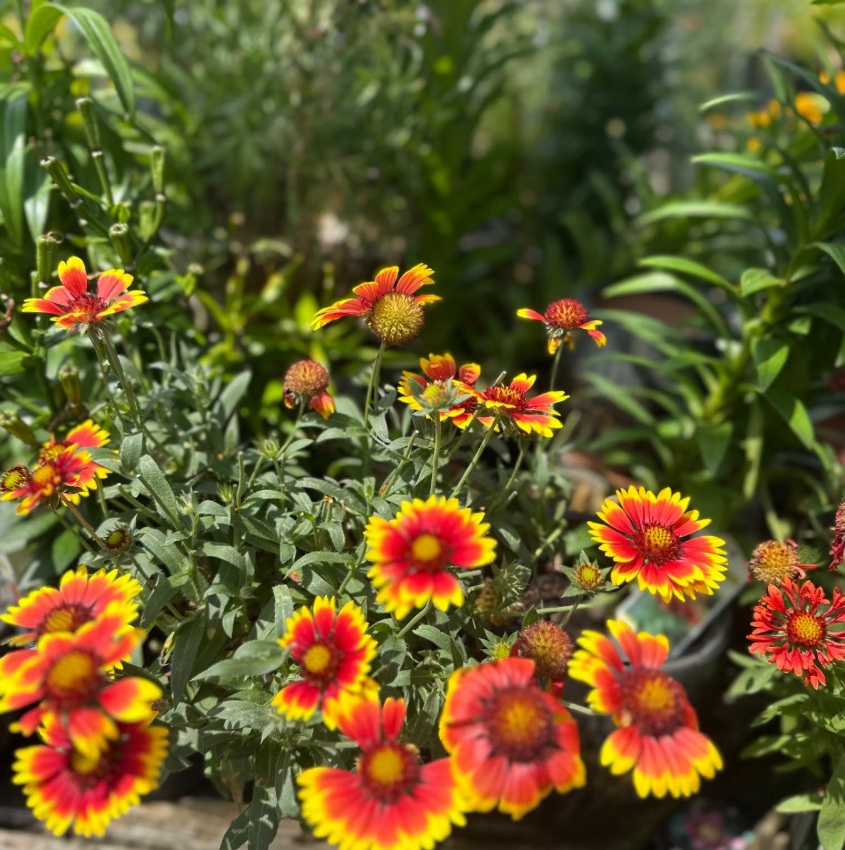
Gaillardia produces daisy-like flowers in warm shades of red, orange, and yellow, often blended together on a single bloom. The effect looks almost like a woven blanket, which is where the common name comes from.
This plant blooms from late spring all the way through the first frost in mild climates, giving zone 9 gardens color for the better part of the year.
It’s remarkably drought-tolerant and actually performs best in poor, sandy soil rather than rich garden beds.
Deadheading encourages continuous flowering, though the plant blooms reasonably well even without it.
20. Catmint (Nepeta faassenii)
Catmint forms mounding clumps of gray-green foliage topped with spikes of small lavender-blue flowers. It’s related to catnip, though it’s grown primarily for its ornamental value and fragrance.
Bees visit this plant constantly through its long bloom period, which stretches from late spring through fall with occasional light trimming.
Catmint is highly drought-tolerant and rarely bothered by pests, thanks to its aromatic foliage.
A hard trim after the first flush of blooms often triggers a strong second round.
21. Sedum / Stonecrop (Hylotelephium spectabile)
Sedum, also called stonecrop, is a fleshy-leafed succulent perennial that stores water in its foliage. This makes it exceptionally tolerant of drought and neglect.
It blooms in late summer through fall, producing flat clusters of pink, red, or white flowers that attract bees and butterflies right as many other plants are winding down.
This plant thrives in poor, well-drained soil and actually performs worse in overly rich or wet conditions.
Leave the dried flower heads standing through winter — they add texture and catch morning frost beautifully in cooler pockets of zone 9.
22. Lavender (Lavandula stoechas)
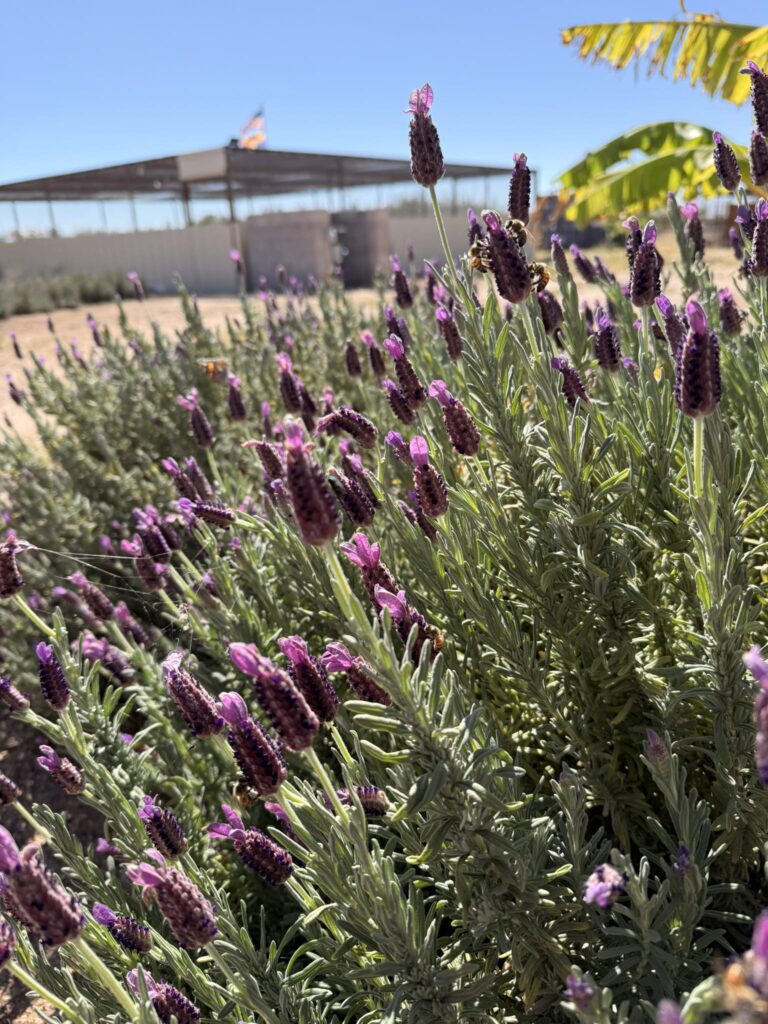
Spanish lavender handles zone 9’s heat and humidity better than English lavender varieties, which often struggle in the South. Its distinctive rabbit-ear-shaped bracts sit atop dense purple flower spikes.
According to water conservation research from agencies like the EPA’s WaterSense program, drought-tolerant landscaping with plants like lavender can reduce outdoor water use by a significant margin compared to traditional lawns.
This plant needs sharp drainage above almost everything else — raised beds or gritty soil amendments help considerably in humid regions.
Light pruning after each bloom cycle keeps the plant from becoming woody and sparse.
23. Yucca (Yucca filamentosa)
Yucca is a bold, sculptural perennial with sword-shaped leaves that stay evergreen year-round in zone 9. Once or twice a year, it sends up a tall flower spike covered in creamy white, bell-shaped blooms.
This plant is about as drought-tolerant as they come, native to arid regions of North America and built to handle extended dry spells without stress.
It needs full sun and excellent drainage, and it genuinely thrives on neglect once established.
Because of its sharp leaf tips, place yucca away from high-traffic walkways.
24. Crinum Lily (Crinum × powellii)
Crinum lily produces large, trumpet-shaped pink or white flowers on tall stalks, with a fragrance that carries across the garden on warm evenings. The bulbs are exceptionally long-lived, with some plantings surviving for decades with minimal care.
It blooms through summer, often repeating multiple times in a single season under zone 9’s warm conditions.
This plant tolerates both drought and occasional flooding, making it more adaptable than most bulb-based perennials.
Once planted, crinum lily resents being disturbed — leave it in place and let the clump mature over the years.
25. Mexican Bush Sage (Salvia leucantha)
This salvia variety produces long, fuzzy purple-and-white flower spikes that look almost velvet to the touch. It’s one of the last perennials to bloom heavily in zone 9, often peaking in September and October.
Butterflies and bees rely on it heavily in fall, when many other nectar sources have already faded for the season.
Mexican bush sage tolerates heat, humidity, and drought with ease, and it rarely needs anything beyond an occasional trim.
Cut it back hard in late winter to keep the plant full and encourage strong new growth.
ALSO READ: 17 Fruit Trees for Zone 9 (Identification, With Details)
How to Choose the Right Perennials for Your Zone 9 Garden
With 25 strong options, narrowing things down comes down to a few practical questions. Sun exposure matters most — most of these perennials want six or more hours of direct sun daily.
Water needs vary more than people expect. Plants like yucca, gaura, and Russian sage want dry soil, while hibiscus and Louisiana iris prefer consistent moisture. Grouping plants with similar water needs together saves effort and keeps everything healthier.
Bloom timing is worth planning around too. Mixing early bloomers like Shasta daisy with late-season standouts like Mexican bush sage keeps color going for most of the year, rather than one big flush followed by a bare patch.
Finally, think about pollinators. Coneflower, salvia, bee balm, and verbena all support bees, butterflies, and hummingbirds — and a garden full of activity is simply more enjoyable to spend time in.
Frequently Asked Questions
What is the easiest perennial flower to grow in zone 9? Daylilies and black-eyed Susans are among the easiest. Both tolerate heat, poor soil, and inconsistent watering while still producing reliable blooms.
Which zone 9 perennials need the least water? Yucca, Russian sage, gaura, and blanket flower are among the most drought-tolerant options on this list, often needing no supplemental water once established.
Do perennials in zone 9 bloom in winter? Most perennials on this list bloom from spring through fall and go dormant in the cooler months. A few, like society garlic, may flower lightly into early winter in warmer pockets of the zone.
What perennials attract the most pollinators in zone 9? Coneflower, salvia, bee balm, verbena, and catmint consistently draw the highest number of bees, butterflies, and hummingbirds throughout the growing season.
Final Thoughts
Zone 9 gives gardeners an unusual advantage: a growing season long enough to enjoy color for most of the year, if the right plants go in the ground. Every flower on this list has earned its place through genuine heat tolerance, low maintenance, and dependable blooming.
Start with a handful of these perennials, group them by water needs, and let the garden fill in over a couple of seasons. That’s really all it takes to build something that keeps rewarding you, year after year, with very little effort in return.

Tim M Dave is a gardening expert with a passion for houseplants, particularly cacti and succulents. With a degree in plant biology from the University of California, Berkeley, he has vast experience in gardening. Over the years, he has cultivated a vast collection of desert plants and learned a great deal about how to grow and care for these unique companions.