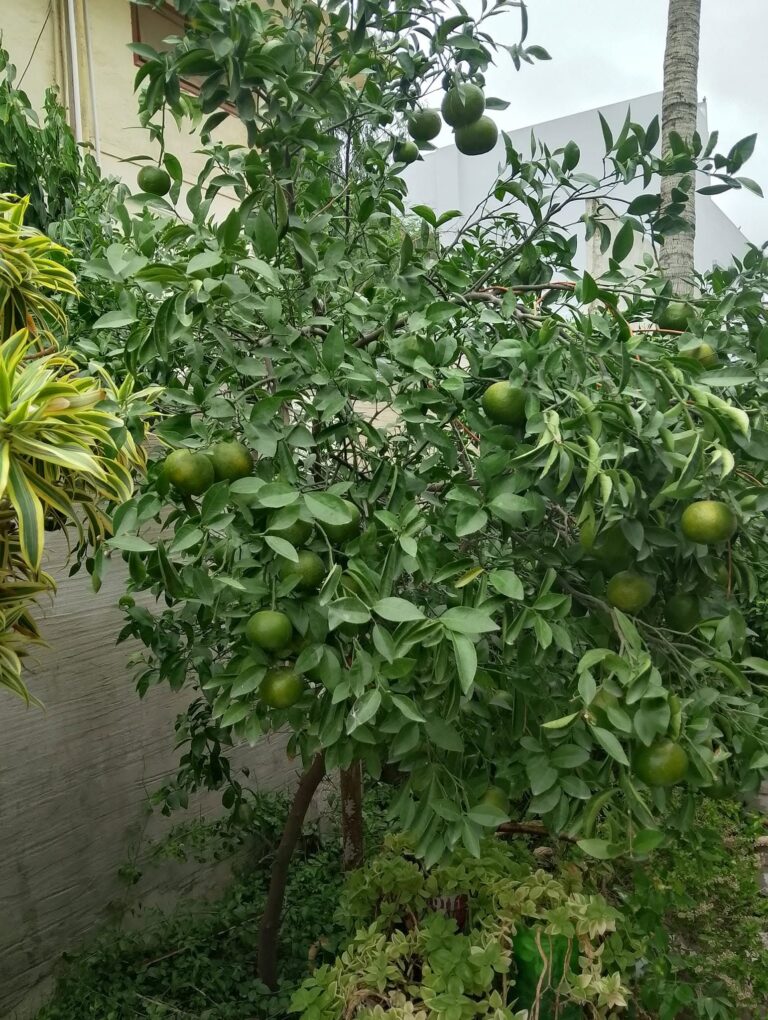
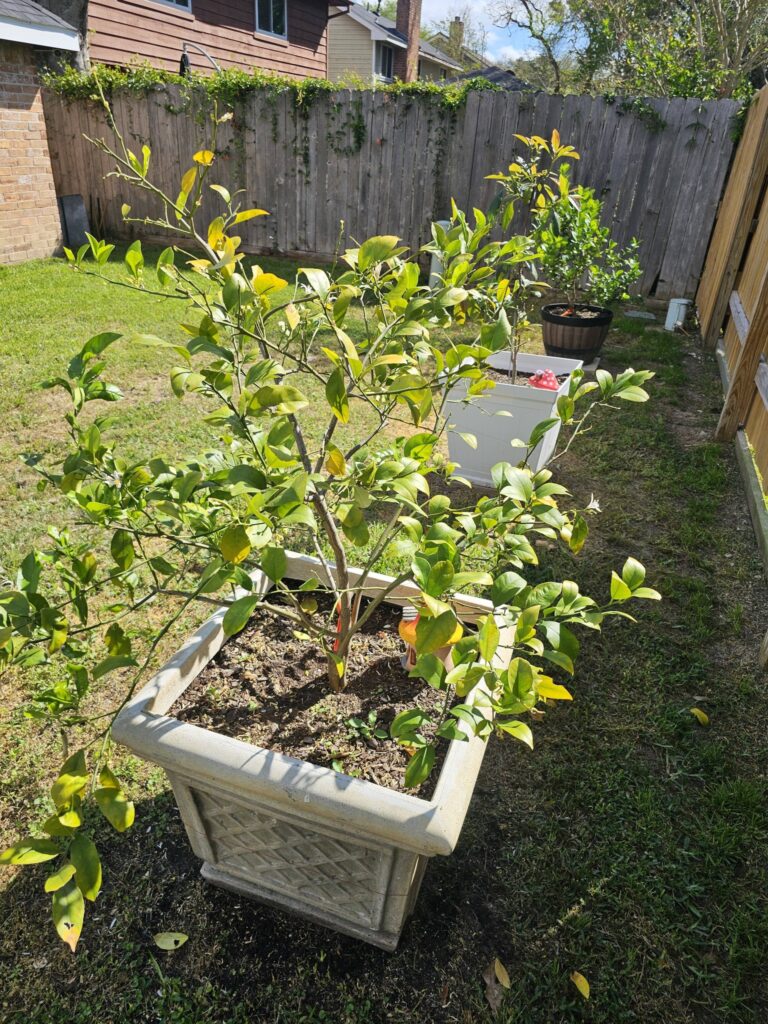
17 Fruit Trees for Zone 9 (Identification, With Details)
Zone 9 is something of a gardener’s sweet spot. Winters stay mild, summers run long and warm, and that combination opens the door to an impressive range of fruit trees that simply won’t survive further north.
I’ve spent time gardening in warmer climates myself, and there’s a real joy in picking citrus straight off the tree in December while friends up north are dealing with frost. That’s the kind of advantage Zone 9 offers.
A quick fact worth knowing: according to the USDA Plant Hardiness Zone Map, Zone 9 experiences average annual minimum temperatures between 20°F and 30°F, which is mild enough for many subtropical fruit trees to thrive outdoors year-round.
This guide walks through 17 fruit trees well suited to Zone 9 conditions, covering their needs, benefits, and what makes each one worth planting.
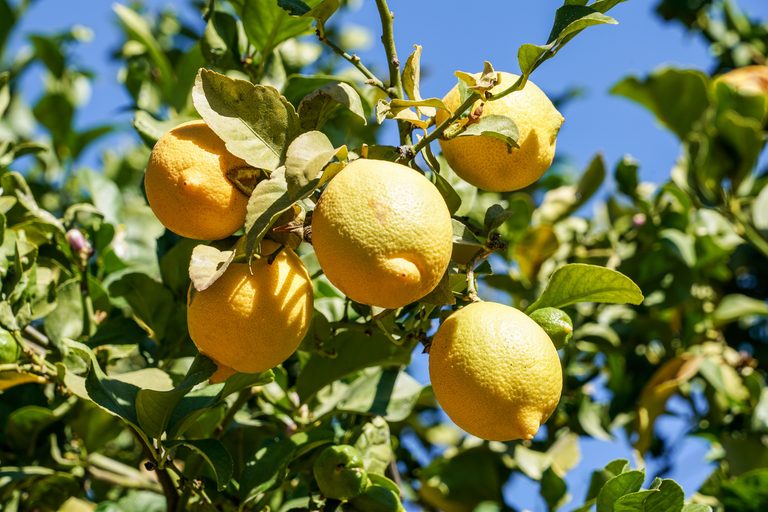
1. Meyer Lemon
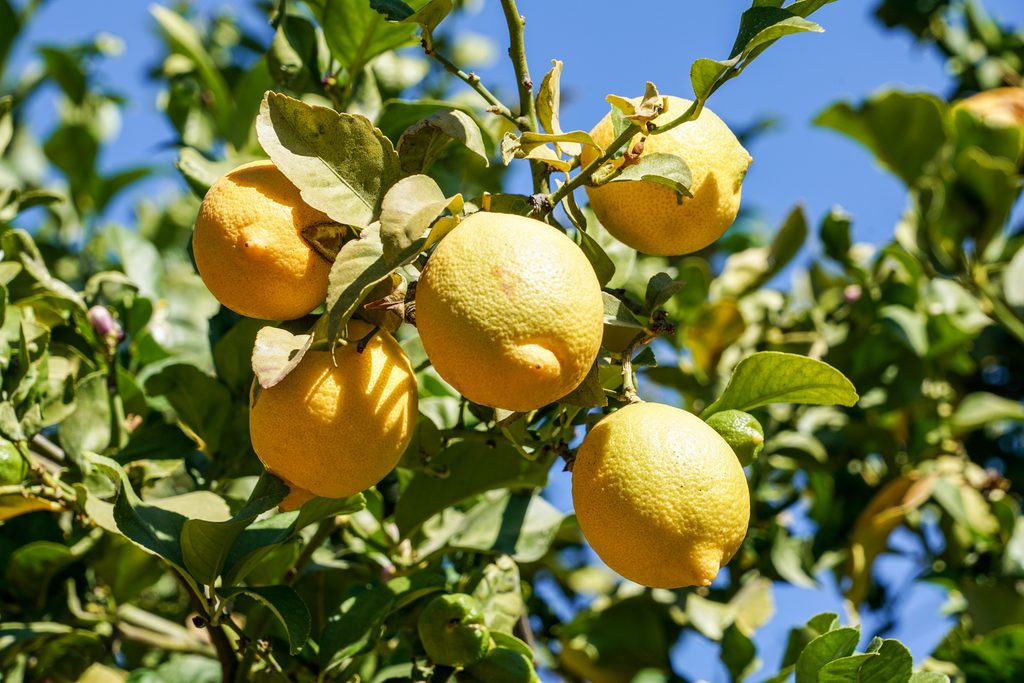
Meyer lemons are one of the most popular citrus choices for Zone 9 gardens, and for good reason. They’re sweeter and less acidic than standard lemons, making them versatile in both cooking and fresh eating.
This tree tolerates light frost better than most citrus varieties, which makes it a safer bet in the cooler pockets of Zone 9. It also stays relatively compact, so it works well even in smaller yards.
I’ve always loved how fragrant Meyer lemon blossoms are. Walking past one in bloom fills the whole garden with a soft, citrusy perfume that’s hard to replicate with any other tree.
2. Satsuma Mandarin
Satsuma mandarins are prized for their easy-to-peel skin and seedless, sweet segments. They’re one of the more cold-hardy citrus options available, which suits the occasional chilly snap in Zone 9.
This variety can tolerate temperatures down to around 20°F once established, according to agricultural extension data from citrus-growing regions. That resilience makes it a dependable choice for home orchards.
There’s something satisfying about growing a fruit that kids actually get excited about. Satsumas are easy to peel and mess-free, which makes them a favorite in my own experience with family gardens.
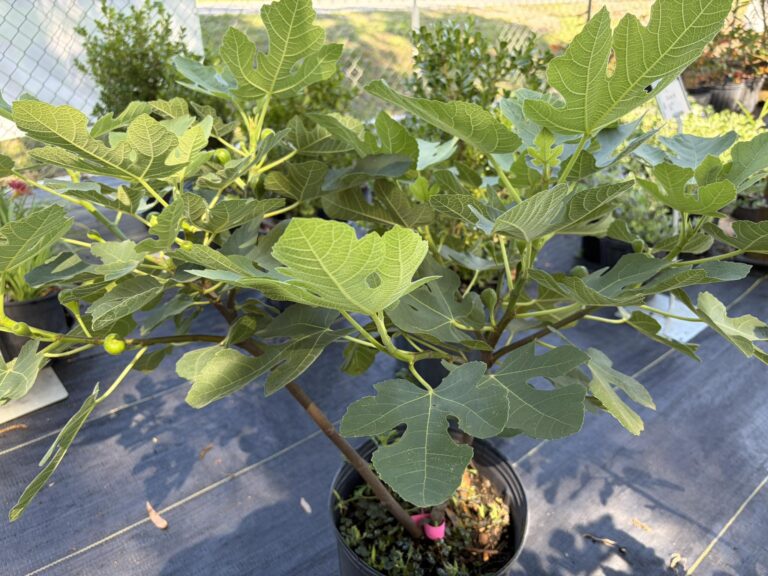
3. Fig Tree
Fig trees are remarkably forgiving, tolerating poor soil, drought, and heat with minimal complaint. They’re one of the oldest cultivated fruit trees in human history, and Zone 9’s climate suits them perfectly.
Figs can produce two harvests per year in warm climates, known as the breba crop and the main crop. This gives gardeners an extended harvest window compared to many other fruit trees.
I appreciate how low-maintenance figs tend to be. Once established, they largely take care of themselves, rewarding minimal effort with a generous, sweet harvest late into summer.
4. Pomegranate
Pomegranates thrive in the heat and dry summers that Zone 9 often provides. They’re drought-tolerant once established and produce a strikingly beautiful fruit both inside and out.
This tree can live for decades, with some specimens documented to bear fruit for over 100 years under proper care, according to horticultural research on long-lived fruiting trees. That kind of longevity is rare among fruit trees.
There’s something almost ceremonial about cracking open a pomegranate. The deep red seeds always feel like a small reward, especially after watching the tree’s bright orange blossoms all summer.
5. Peach Tree
Peach trees do well in Zone 9, provided you choose low-chill varieties bred specifically for warmer climates. Standard peach varieties often need more winter chill hours than this zone provides.
Low-chill varieties like Florida Prince or Tropic Snow require as few as 150 to 250 chill hours, compared to 600 or more for traditional varieties. This makes fruit set far more reliable in mild winters.
Nothing quite matches the smell of a peach tree in full fruit. I remember visiting an orchard once where the air itself seemed to carry that sweet, familiar scent from several rows away.
6. Plum Tree
Plum trees, particularly Japanese varieties, adapt well to Zone 9’s warm climate. They tend to be more heat-tolerant than European plum varieties, which prefer cooler growing conditions.
Varieties like Methley and Santa Rosa are specifically recommended for low-chill regions, based on guidance from agricultural extension offices in warmer states. These varieties reliably fruit even after mild winters.
I find plum trees particularly rewarding for their fast growth. Within just a few years, a young plum tree can already be producing a respectable harvest, which feels quick compared to many other fruit trees.
7. Persimmon Tree
Persimmon trees bring a unique, almost tropical look to a garden, with broad leaves and bright orange fruit that hangs on bare branches after leaf drop. They’re well suited to Zone 9’s mild winters.
Asian persimmon varieties are generally more heat-tolerant than American varieties, making them a better fit for southern gardens. Fuyu, a non-astringent type, can be eaten while still firm, unlike many other varieties.
There’s something almost artistic about a persimmon tree in late fall. The bright orange fruit against bare branches always reminds me of small lanterns hanging quietly in the garden.
8. Avocado Tree
Avocado trees can thrive in the warmer parts of Zone 9, particularly with some winter protection during unusually cold snaps. Certain cold-hardy varieties make this possible even outside typical tropical regions.
Mexicola and Fuerte are among the more cold-tolerant avocado varieties, capable of handling brief dips to around 25°F. This makes them a realistic option for gardeners willing to provide occasional frost protection.
Growing your own avocados always feels like a small luxury to me. There’s a genuine sense of accomplishment in harvesting fruit that usually feels reserved for warmer tropical climates.
9. Loquat Tree
Loquat trees are relatively low-maintenance and produce sweet, tangy fruit in early spring, ahead of most other fruit trees. Their broad, evergreen leaves also make them attractive as ornamental trees.
This tree tolerates both heat and light frost well, making it particularly well suited to Zone 9’s variable winter temperatures. It’s also relatively pest-resistant compared to many other fruit trees.
I like that loquats fruit so early in the season. After a long winter, there’s something encouraging about seeing ripe fruit appear before most other trees have even finished blooming.
10. Olive Tree
Olive trees are known for their drought tolerance and long lifespan, thriving in the dry, warm summers typical of Zone 9. They also bring a distinct, silvery-green aesthetic to any landscape.
Olive trees can live for hundreds of years, with some Mediterranean specimens documented at over 1,000 years old, according to agricultural historical records. That longevity makes them a genuine long-term investment.
There’s a quiet elegance to an olive tree that I’ve always appreciated. Even without fruit, the silvery leaves catch the light beautifully, adding texture to a garden throughout the year.
11. Guava Tree
Guava trees grow well in Zone 9’s warmer microclimates, producing fragrant, nutrient-dense fruit multiple times per year in ideal conditions. They’re relatively fast-growing compared to many fruit trees on this list.
Guava fruit contains notably high vitamin C levels, often exceeding citrus fruits in concentration, according to nutritional data from agricultural research sources. This makes them a valuable addition beyond just flavor.
I find guava’s tropical fragrance almost impossible to ignore. Even before the fruit ripens fully, the smell alone signals that something special is happening on that branch.
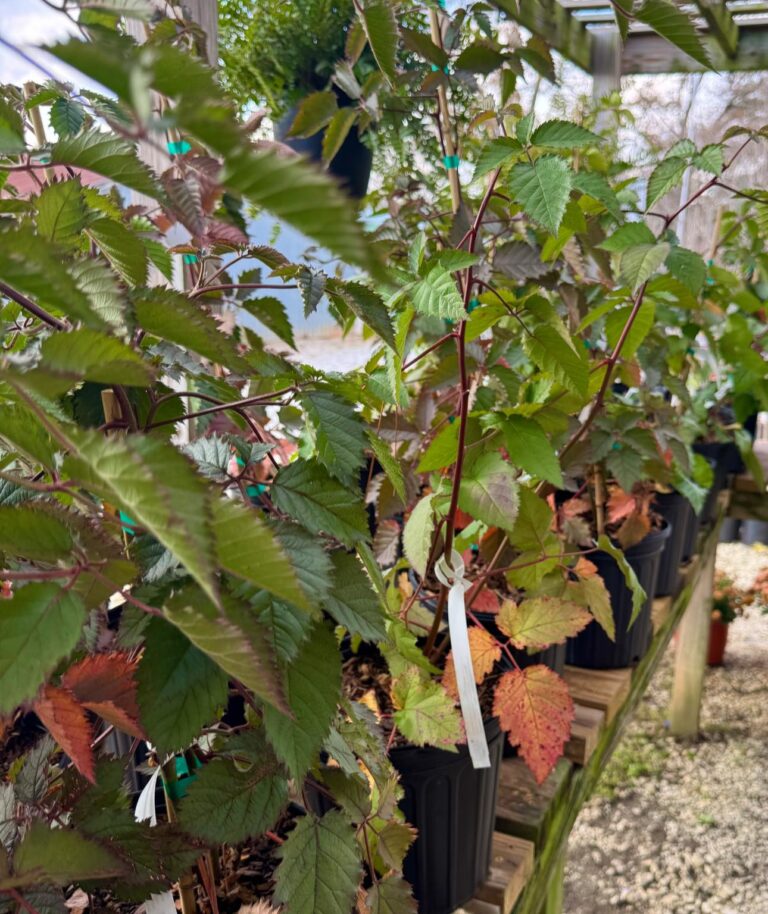
12. Mulberry Tree
Mulberry trees are hardy, fast-growing, and remarkably productive once established. They tolerate a wide range of soil conditions, making them an easy addition to most Zone 9 gardens.
A single mature mulberry tree can produce hundreds of pounds of fruit annually, according to horticultural extension data on productive fruit trees. That volume makes it a favorite for those wanting abundant harvests.
Mulberries have a nostalgic quality for me. They remind me of childhood summers, stained fingers, and the simple joy of picking fruit straight from a low-hanging branch.
13. Jujube Tree
Jujube trees, sometimes called Chinese dates, are highly drought-tolerant and thrive in Zone 9’s dry summer heat. Their fruit has a crisp, apple-like texture when fresh and a chewy, date-like texture when dried.
This tree requires minimal chill hours, generally less than 400, making it one of the more reliable fruiting trees in warmer zones. It’s also notably resistant to pests and disease.
I’ve always found jujube fruit surprisingly versatile. Fresh, it tastes light and refreshing, but once dried, it transforms into something entirely different, almost like a natural candy.
14. Kumquat Tree
Kumquats are small citrus fruits eaten whole, peel included, offering a unique sweet-and-sour combination in a single bite. The tree itself stays compact, making it ideal for smaller Zone 9 gardens.
Kumquat trees are among the most cold-hardy citrus varieties available, tolerating temperatures several degrees lower than most other citrus. This resilience makes them dependable even during occasional cold snaps.
There’s something charming about kumquats being small enough to eat whole. It feels like a novelty fruit, and I’ve noticed it often becomes a favorite with kids exploring the garden.
15. Nectarine Tree
Nectarines are essentially fuzz-free peaches, and low-chill varieties perform well throughout Zone 9. They share nearly identical growing needs with peach trees, just with smoother skin and slightly firmer flesh.
Varieties like Sunred and Panamint are specifically bred for low-chill climates, requiring under 300 chill hours to fruit reliably. This makes them a solid alternative for gardeners who prefer nectarines over peaches.
I personally find nectarines slightly more convenient to eat straight off the tree. No fuzzy skin to deal with, just a clean bite, which somehow makes the harvest feel a little more rewarding.
16. Banana Tree (Herbaceous Perennial)
Technically an herbaceous perennial rather than a true tree, bananas still deserve a place on this list given how well they perform in Zone 9’s warm, humid pockets. Certain cold-hardy varieties can survive light frost.
Varieties like Cavendish and Ice Cream banana are commonly grown in Zone 9, particularly in coastal or sheltered areas where frost risk stays low. Winter protection is still recommended during colder snaps.
There’s a tropical energy that banana plants bring to a garden. Even without fruit, the broad leaves alone create a lush, vacation-like feel that few other plants can replicate.
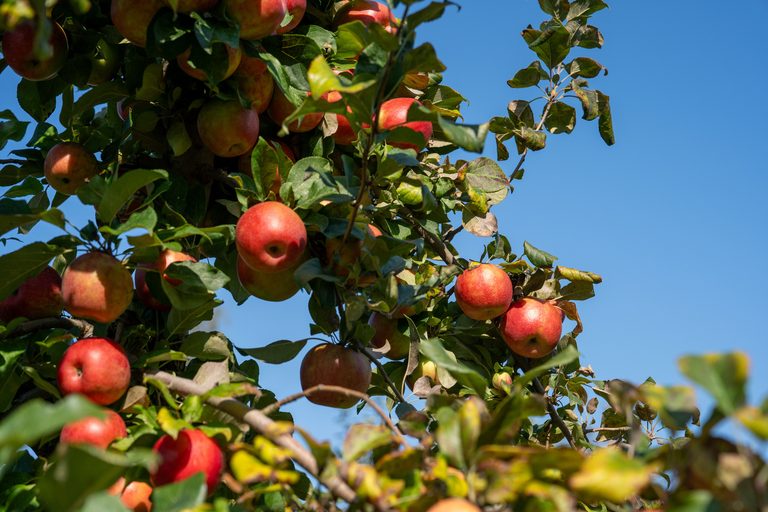
17. Apple Tree (Low-Chill Varieties)
Apple trees aren’t the first thing people associate with Zone 9, but low-chill varieties make it entirely possible to grow them successfully. Traditional apple varieties, however, generally struggle without sufficient winter chill.
Varieties like Anna and Dorsett Golden require as few as 200 to 300 chill hours, according to agricultural extension recommendations for warm-climate apple growing. This opens the door for apple growing in regions that would otherwise be unsuitable.
I find it genuinely surprising how well-adapted certain apple varieties have become. Growing apples in a warm climate feels like a small defiance of expectation, and that’s part of what makes it enjoyable.
ALSO READ: 17 Best Fruit Trees for Zone 8 (With Care Tips)
Choosing the Right Fruit Trees for Your Zone 9 Garden
Success in Zone 9 largely comes down to selecting the right varieties rather than fighting the climate itself. Low-chill varieties are essential for temperate fruits like peaches, apples, and plums to fruit reliably.
Soil drainage also plays a major role in tree health. Many fruit trees on this list, particularly citrus and pomegranate, dislike waterlogged roots and perform best in well-draining soil.
Finally, consider your specific microclimate within Zone 9. Coastal areas, inland valleys, and elevated regions can all experience slightly different conditions, even within the same official hardiness zone.
Final Thoughts
Zone 9 offers one of the widest ranges of fruit tree options across the United States, blending subtropical and temperate varieties in a single climate. From citrus to stone fruit, there’s genuinely something for every gardener here.
I hope this guide helps you plan a garden that fits both your space and your climate realistically. With the right variety selection, a genuinely productive and diverse orchard is well within reach in Zone 9.
References
- USDA Agricultural Research Service, Plant Hardiness Zone Map — https://planthardiness.ars.usda.gov
- University of Florida, IFAS Extension, Gardening Solutions — https://gardeningsolutions.ifas.ufl.edu
- University of California, Agriculture and Natural Resources — https://ucanr.edu
- Texas A&M AgriLife Extension, Fruit and Nut Resources — https://aggie-horticulture.tamu.edu/fruit-nut/
- Louisiana State University AgCenter — https://www.lsuagcenter.com
- Clemson University Cooperative Extension, Home & Garden Information Center — https://hgic.clemson.edu
- USDA National Institute of Food and Agriculture — https://www.nifa.usda.gov

Tim M Dave is a gardening expert with a passion for houseplants, particularly cacti and succulents. With a degree in plant biology from the University of California, Berkeley, he has vast experience in gardening. Over the years, he has cultivated a vast collection of desert plants and learned a great deal about how to grow and care for these unique companions.