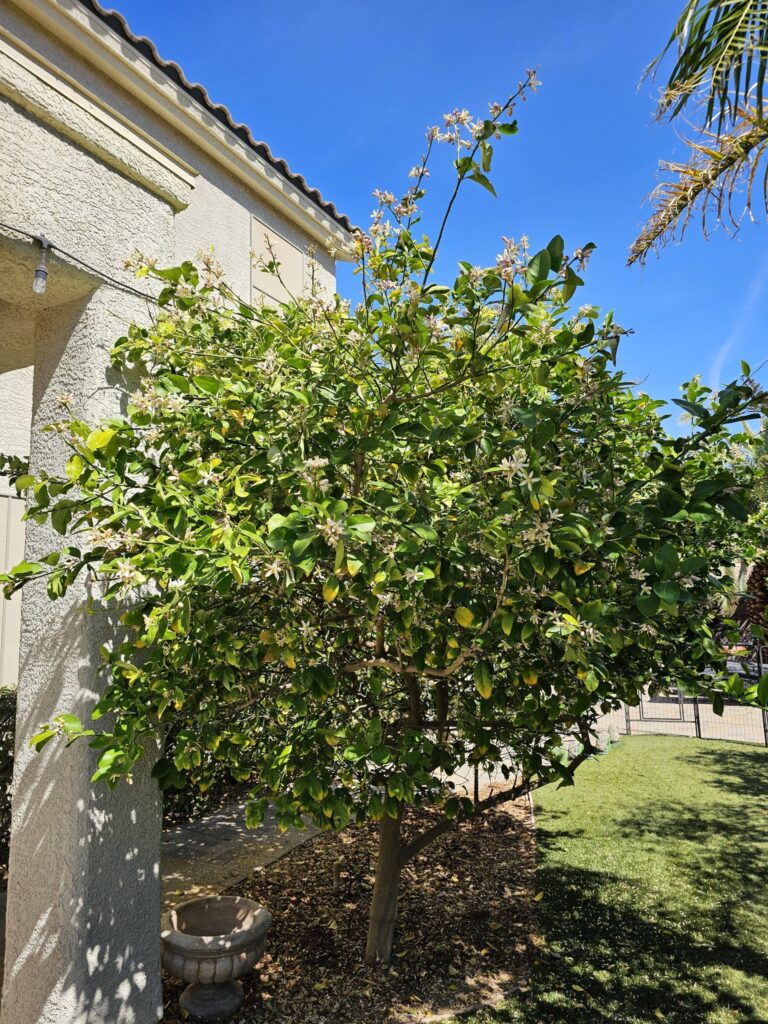
25 Best Fruit Trees to Plant in Florida (With Growing Details)
Few things beat picking fruit from your own tree. In Florida, that dream is within reach. Our long growing season lets gardeners grow everything from peaches to papayas. Yet the state is long and varied, and the wrong tree can fail fast.
I have seen a young mango lose every leaf after one cold night. It was a painful lesson. The best fruit tree is the one that suits your region. This guide covers 25 reliable choices, with cold limits, size and care notes for each.
Why Location Matters So Much in Florida
University of Florida experts say weather is perhaps the single most important factor in deciding where fruit crops can grow. Winters may be too cold for some trees and too mild for others. That is why a Miami gardener and a Pensacola gardener need different lists.
Chill hours are the key idea. These are hours below 45°F during winter. Temperate fruits like peaches need them to bloom. UF/IFAS reports that the Panhandle rarely has fewer than 500 chill hours, while south Florida rarely has more than 50 to 100.
So the rule is simple:
- North Florida: temperate fruits, hardy citrus, figs, persimmons.
- Central Florida: citrus, low-chill fruits, avocado, guava and more.
- South Florida: mango, lychee, mamey sapote and other tropical fruits.
Always check your USDA hardiness zone, too. When unsure, ask your local UF/IFAS Extension office. They know your county’s conditions best.
A Quick Note on Citrus
Citrus has long been Florida’s signature fruit. Today it faces a serious threat, a bacterial disease called citrus greening, or HLB. UF/IFAS notes that HLB has even been confirmed in backyard trees in northern Florida.
The numbers show the damage. USDA’s January 2026 forecast put Florida’s orange crop at 12.0 million boxes for 2025–26. The final July forecast was about 12.9 million boxes. That is still far below the roughly 18 million boxes harvested in 2023–24.
Citrus is still worth planting. Just buy certified, disease-free trees. UF/IFAS also suggests considering fruits other than citrus, which is why this list is broad.
Quick Reference Table
| Fruit Tree | Best Region | Cold Notes |
| Satsuma mandarin, kumquat | North and central | Among the hardiest citrus |
| Orange, grapefruit, lime, lemon | Central and south | Protect from hard freezes |
| Fig, persimmon, pomegranate | North and central | Need low chill hours |
| Low-chill peach, plum, pear | North and central | Need 100 to 525 chill hours |
| Loquat | All regions | Tolerates below 20°F when mature |
| Mango, avocado, papaya | Central and south | Damaged by frost |
| Lychee, longan, mamey sapote | South | Killed below mid-20s°F |
The 25 Best Fruit Trees to Plant in Florida
1. Satsuma Mandarin
Satsuma is the hardiest of the popular citrus trees. Its fruit is sweet, seedless and very easy to peel. Many gardeners in north Florida grow it for that reason.
The tree stays small, usually under 12 feet. That suits small yards and large containers. It ripens in fall, earlier than most oranges.
Plant it in full sun with well-drained soil. Cover young trees when a hard freeze is forecast. Buy certified, disease-free stock to guard against greening.
2. Sweet Orange (Navel and Valencia)
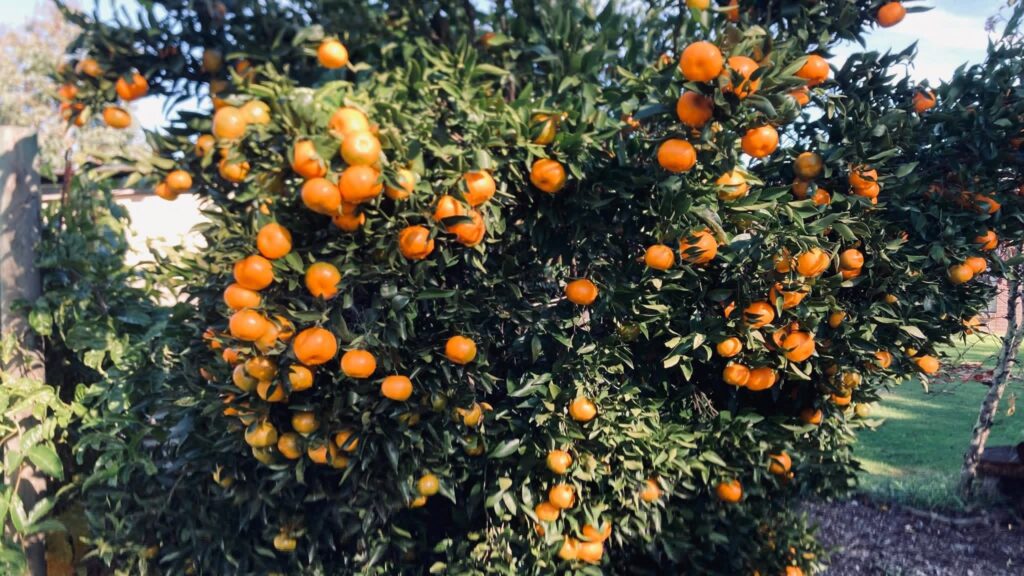
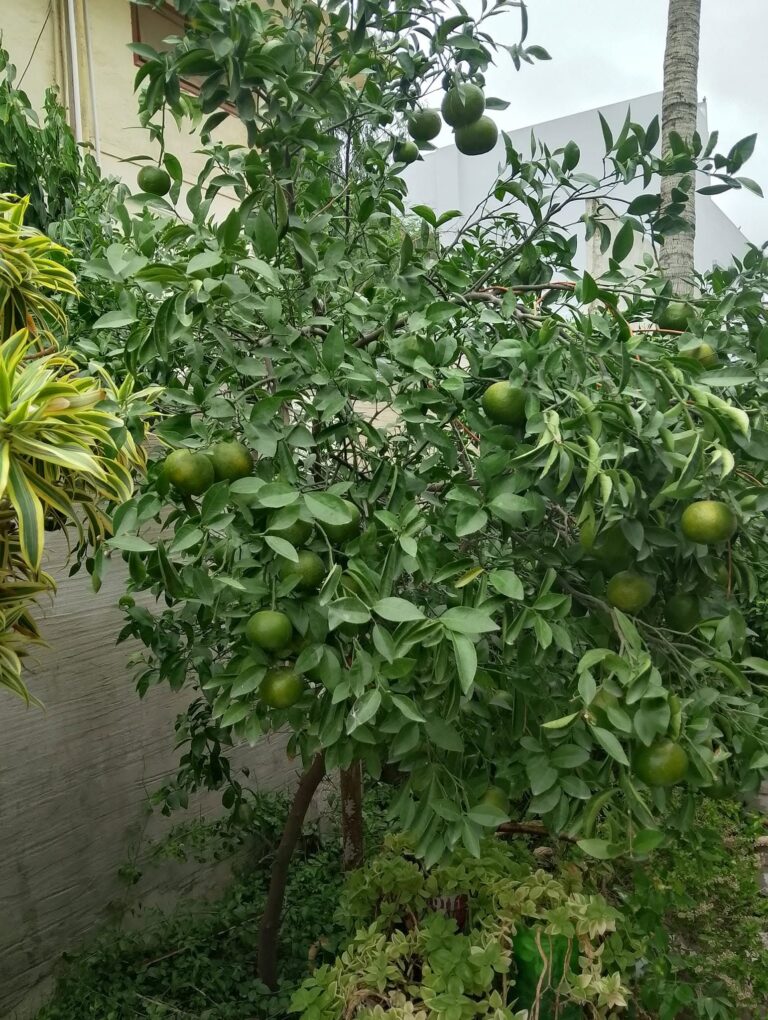
Oranges are Florida’s classic fruit. Navel types ripen in fall and early winter. Valencia types ripen in spring and hold their fruit for months.
They grow best in central and south Florida. Young trees are tender, so frost protection matters. Plant them in a sunny spot with room for a tree 15 feet tall or more.
Water deeply during dry spells, and feed on a regular schedule. Inspect leaves for signs of greening, such as blotchy yellow patches. Ask your Extension office about current care for backyard citrus.
3. Meyer Lemon
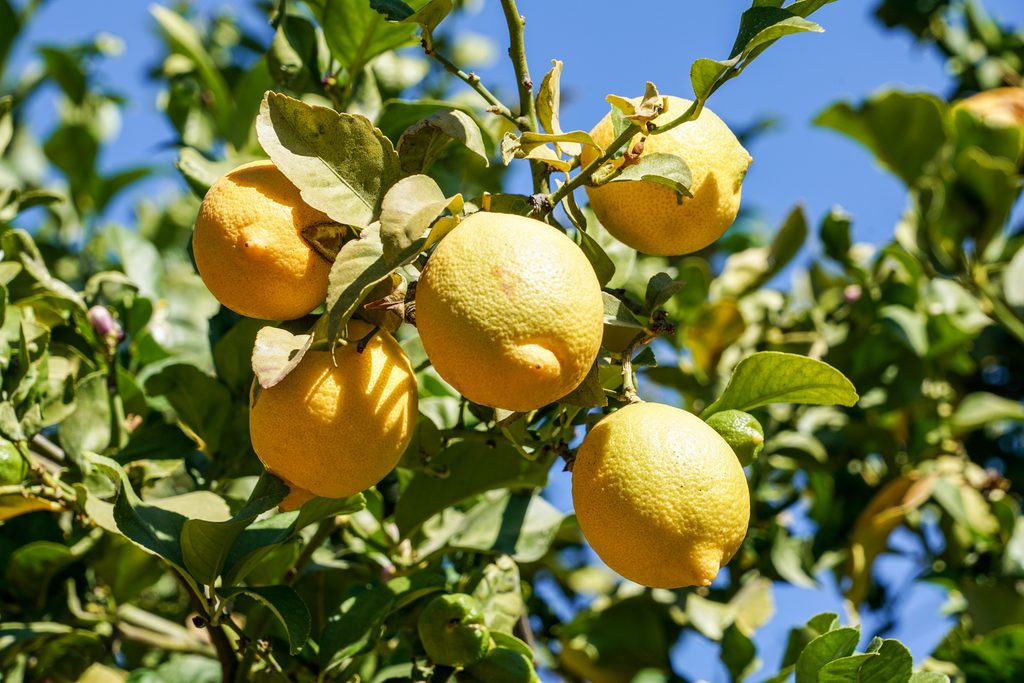
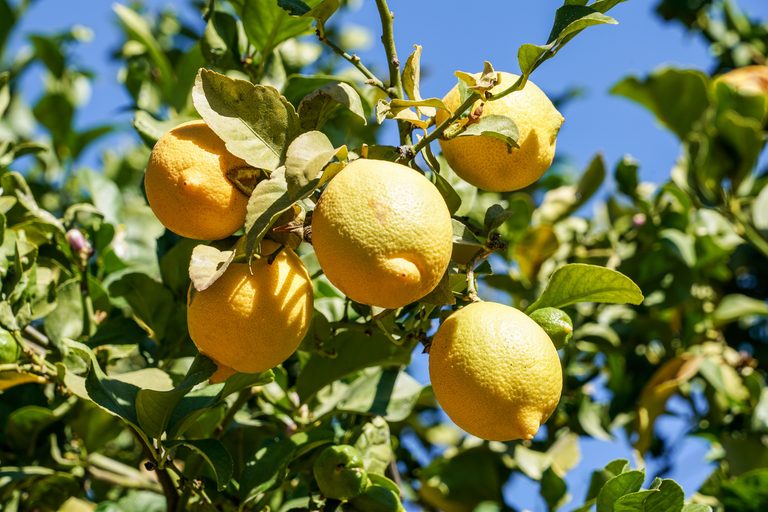
The Meyer lemon is a cross between a lemon and a mandarin. Its fruit is juicier and less sour than regular lemons. The skin is thin, and the aroma is lovely.
It stays compact, around 6 to 10 feet. This makes it ideal for containers and patios. It is also more cold tolerant than many true lemons.
Give it full sun and well-drained soil. Water regularly, since container trees dry fast. Move potted trees indoors or under cover during a freeze.
ALSO READ: 25 Types of Lemon Trees (Different Varieties, With Pictures)
4. Persian Lime
Persian limes are the limes you find in supermarkets. They are seedless and juicy, and the trees produce for much of the year. Few kitchen trees are more useful.
They suit central and south Florida. They are fairly cold sensitive, so plant them near a south-facing wall for warmth. A frost can damage new growth quickly.
Keep the trees well watered and fed. Prune lightly to open the canopy. Watch for thorns when harvesting, since most limes are armed.
5. Kumquat
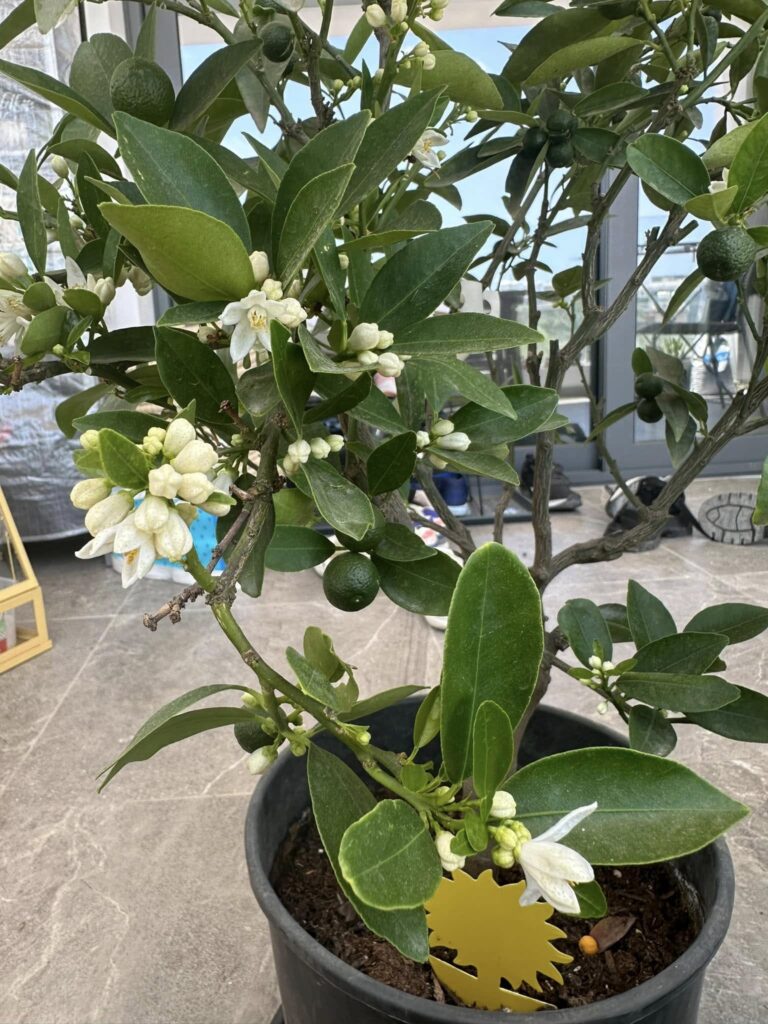
Kumquats are small, oval citrus you eat whole, skin and all. The peel is sweet, and the flesh is tart. That blend is surprisingly addictive.
This is one of the most cold-hardy citrus types. It grows well from north to south Florida. The shrubby tree stays small, often under 10 feet.
It also does well in pots. Give it sun and fertile, well-drained soil. Harvest in late fall and winter, when the fruit turns bright orange.
6. Grapefruit
Grapefruit trees grow large and produce heavy crops. Fruit often hangs on the tree for months, so you can pick as you like. Red-fleshed types are popular.
USDA’s January 2026 forecast projected 1.20 million boxes of Florida grapefruit, 8 percent lower than the season before. Disease and weather have hit the crop hard. Home growers should still enjoy a tree or two.
Plant in full sun and give it space, since trees reach 15 to 20 feet. Protect young trees from frost. Do not plant near drug interactions concerns: if you take certain medicines, ask your doctor first, since grapefruit can interact with them.
7. Mango
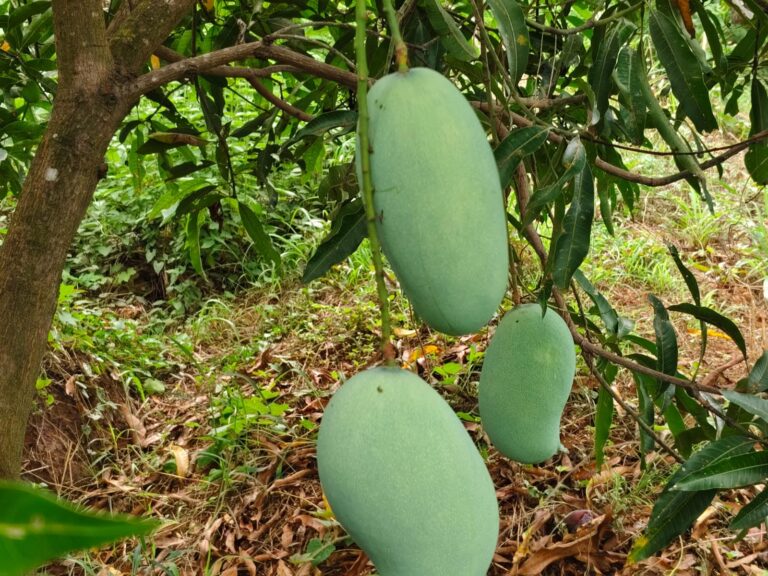
Mango is the king of tropical fruit. A well-grown tree gives sweet, juicy fruit in summer. It is a signature tree of south Florida.
Cold is its main enemy. UF/IFAS lists mature mango trees as hardy to about 25°F and young trees to about 30°F. But temperatures below 40°F will kill flowers and fruit, which cuts the crop.
Plant in full sun with excellent drainage. Choose a smaller variety if space is tight. Protect trees in central Florida with covers or a warm microclimate near the house.
8. Avocado
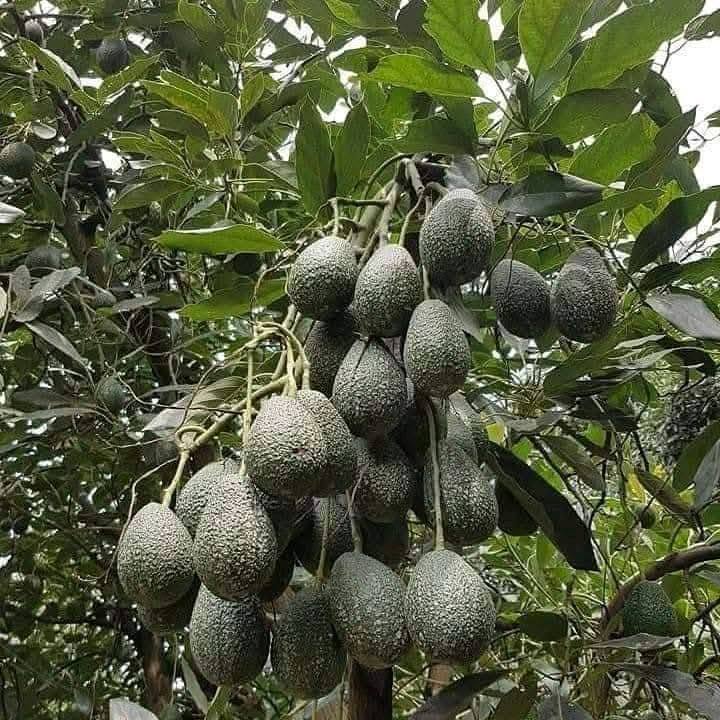
Avocados reward patience with rich, creamy fruit. They come in many varieties that ripen from summer to winter. Choosing the right type for your region is key.
UF/IFAS says avocado trees, depending on race and cultivar, can withstand temperatures into the 20s°F. Some are rated for zone 8 and warmer. Mexican types are generally the hardiest, while West Indian types are the most tender.
Avocados hate wet roots. Plant them on a mound or in sandy, well-drained soil. Mulch the trees, but keep it away from the trunk. Plant two varieties if you want better fruit set.
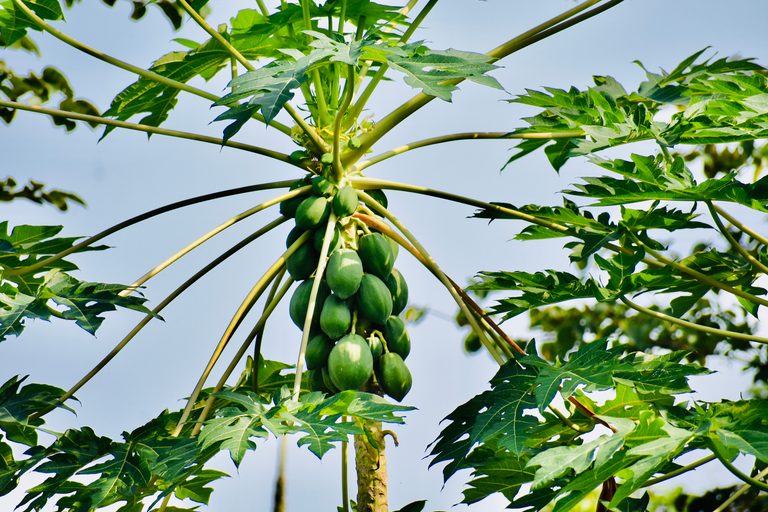
9. Papaya
Papayas grow incredibly fast. A seedling can fruit in about a year. The plant looks like a tree, though it is technically a large herb.
It is cold sensitive. UF/IFAS notes that papaya does not tolerate freezing temperatures below 32°F. It grows best in zones 9b to 11. In central Florida, plant it near a warm wall.
Give it full sun and rich, well-drained soil. Never let water stand around the roots. Replant every few years, since older plants lose vigor and bear less.
10. Guava
Guava is easy, productive and full of vitamin C. The fruit has a strong, sweet fragrance. It makes fine juice, jam and fresh eating.
Guava grows in central and south Florida. Mature trees handle a light frost, but young ones need cover. Most trees stay under 20 feet and can be pruned smaller.
Plant in full sun. It tolerates many soils. Prune after harvest to keep the tree compact. Watch for fruit flies, and bag fruit if needed.
11. Loquat
Loquat is one of the hardiest subtropical fruits. UF/IFAS notes that mature loquats may withstand temperatures below 20°F. That makes it a safe choice statewide.
It fruits in late winter and spring, when little else is ripe. The golden, tangy-sweet fruits taste like a mix of apricot and plum. The glossy leaves also make a handsome landscape tree.
Plant in sun or part shade. It tolerates many soils. Thin the fruit clusters for larger fruit. Protect early flowers if a hard freeze threatens.
12. Fig
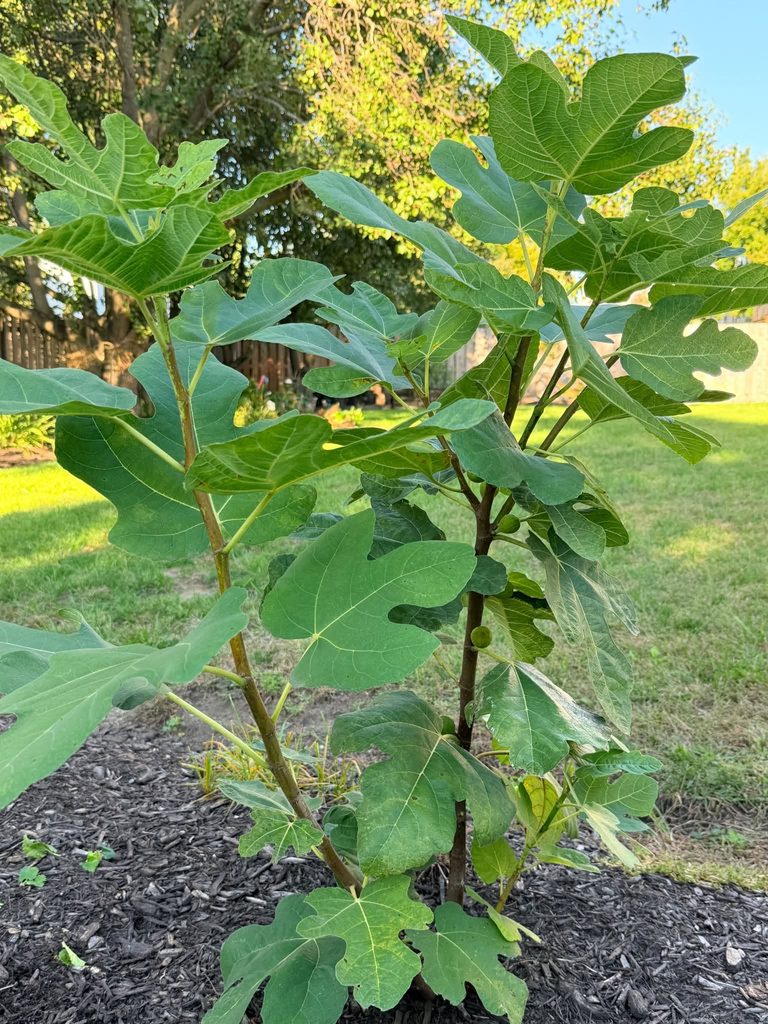
Figs are tough, reliable and quick to fruit. They need little chilling. The St. Lucie County Extension lists fig at about 100 to 200 chill hours, which Florida can meet nearly everywhere.
Choose varieties that suit the Florida climate, such as ‘Celeste’ and ‘Brown Turkey’. They fruit on new wood, so they recover well after cold damage. Many grow as large shrubs.
Plant in full sun with well-drained soil. Mulch to protect shallow roots and fight nematodes. Cover ripening fruit with netting to keep birds away.
13. Japanese Persimmon
Persimmons produce bright orange fruit in fall. The trees are small and beautiful, with golden leaves in autumn. Non-astringent types can be eaten while firm.
They need about 200 to 400 chill hours, according to UF/IFAS. This suits north and central Florida well. In south Florida, chill is too low.
Plant in full sun with decent drainage. Prune lightly to shape the tree. Pick fruit when fully colored. Astringent types must soften before eating, or they taste harsh.
14. Pomegranate
Pomegranates are tough, drought tolerant and ornamental. They bear jewel-like seeds in a leathery red fruit. Orange-red flowers in spring are an added bonus.
They need just 100 to 200 chill hours, so most of Florida suits them. They grow as large shrubs or small trees, usually 8 to 12 feet tall.
Choose a sunny spot with good drainage. Water young plants well. Do not overwater mature trees, since too much moisture can split the fruit. Birds may be a nuisance.
15. Low-Chill Peach
Yes, you can grow peaches in Florida. The secret is to use low-chill varieties bred for mild winters. UF has developed several, including ‘UFGold’ and others.
UF/IFAS says low-chill peaches, plums and nectarines need just 100 to 525 chill hours a year. Gardeners should match varieties to their local chill hours. Recent winters have been warmer, so choose conservatively.
Plant in full sun in well-drained, sandy soil. Prune to an open center each winter. Spray or bag fruit if pests are a problem. The best area for peaches is north-central Florida.
ALSO READ: 25 Florida Native Shrubs (With Growing Details)
16. Low-Chill Plum
Low-chill plums are a good partner to peaches. They produce sweet, juicy fruit in late spring. The white blossoms in late winter are lovely.
Like peaches, they need 100 to 525 chill hours, depending on the variety. Pick one that matches your area. Some plums need a second variety nearby for pollination.
Plant in full sun and well-drained soil. Thin the fruit for better size. Prune after harvest to keep the tree open. Watch for brown rot in wet springs.
17. Lychee
Lychee is a prized tropical fruit with a rosy shell and sweet, floral flesh. The tree is handsome and long-lived. It rewards patient gardeners.
It is a south Florida specialty. UF/IFAS reports that mature lychee trees may be killed below 24°F to 28°F, so few are grown in central or north Florida. Young trees are even more tender.
Plant in full sun with acidic, well-drained soil. Water well during flowering and fruit set. Protect young trees from wind and cold. Expect fruit after several years.
18. Longan
Longan is a close cousin of lychee. The small, round fruit is sweet and musky. Trees often fruit more reliably than lychee in Florida.
It shares the same cold limits. UF/IFAS notes that mature longan can be killed at 24°F to 28°F. So it belongs mainly in south Florida and the warmest coastal pockets.
Choose a sunny, protected site. Give it deep, well-drained soil. Prune to keep the tree manageable, since it can grow large. Netting helps protect fruit from birds and squirrels.
19. Mamey Sapote
Mamey sapote has creamy, orange-pink flesh with a flavor like sweet potato and pumpkin. It is a favorite in Miami-Dade. The tree grows tall and handsome.
UF/IFAS says grafted trees begin to bear in 3 to 5 years, while seedlings take 7 years or longer. So always buy a grafted tree. Mature trees may bear 200 to 500 fruit a year.
Young trees are injured below 32°F, and mature trees tolerate about 28°F. Give them space, since they can get very large. UF advises planting them away from buildings and power lines.
ALSO READ: 25 Best Bushes for Privacy in Florida (With Pictures, and Growing Details)
20. Carambola (Star Fruit)
Carambola produces yellow fruits that make star shapes when sliced. They are crisp, juicy and mildly sweet. The tree is also ornamental, with dark green leaves and pretty flowers.
UF/IFAS highlights its landscape value as well as its fruit. It grows best in south Florida and warm central areas. Trees stay moderate in size.
Plant in full sun, in well-drained soil. Feed regularly, since it is a hungry tree. Protect it from cold and strong wind. Anyone with kidney disease should avoid eating star fruit.
21. Jaboticaba
Jaboticaba is one of the most unusual fruit trees. Its grape-like fruits grow right on the trunk. The multicolored bark also gives it landscape value.
UF/IFAS notes that flowering and fruiting occur several times a year, so multiple crops are produced. The tree grows slowly and stays moderate in size. It suits central and south Florida.
Plant in acidic soil with plenty of water. It dislikes drought. Mulch well and be patient. Fruit are best eaten fresh, and they also make fine jelly.
22. Atemoya
Atemoya is a cross between sugar apple and cherimoya. The creamy fruit tastes like custard with a hint of pineapple. UF/IFAS notes that atemoya trees suit small yards.
It does best in south Florida. Trees stay fairly small, and they bear in just a few years. Hand pollination often improves fruit set.
Plant in full sun, in well-drained soil. Water during dry spells. Harvest when the fruit softens slightly. Allow it to ripen indoors for the best flavor.
23. Canistel (Egg Fruit)
Canistel is also called egg fruit. Its flesh is dry, smooth and sweet, much like a baked sweet potato or egg yolk. It is rich and filling.
UF/IFAS describes the fruit as about 3 to 5 inches long and conical. The tree is attractive and fairly easy. It grows best in south Florida.
Give it full sun and well-drained soil. It tolerates poor soil. Wait for the fruit to soften fully, since unripe canistel is chalky and unpleasant.
24. Low-Chill Pear
Pears are among the easiest temperate fruits for north and central Florida. They have modest chill needs, and trees are long-lived. Many handle the heat well.
Choose varieties known to do well in Florida, such as ‘Pineapple’ and ‘Hood’. Ask your Extension office for local recommendations. Some varieties need a second tree for pollination.
Plant in full sun with good drainage. Prune lightly to shape the tree. Watch for fire blight, a bacterial disease that blackens shoots. Remove infected branches quickly.
25. Acerola (Barbados Cherry)
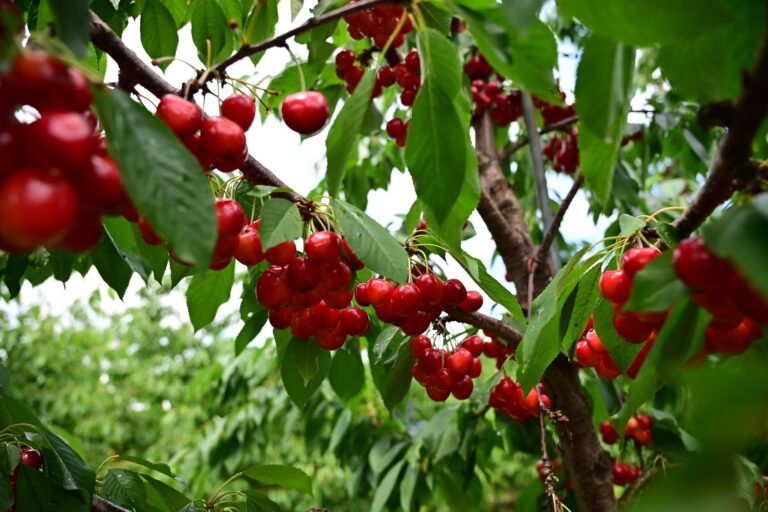
Acerola is a small tree with bright red, cherry-like fruit. It is exceptionally rich in vitamin C. The fruit is tart and juicy, and it makes fine juice and jam.
The plant is tender. It grows best in south Florida and warm, protected spots farther north. Frost can damage it, so cover it in cold weather.
It stays shrubby, usually under 10 feet. That suits pots and small yards. Give it full sun and sandy, well-drained soil. It can bear within a year or two of planting.
ALSO READ: 30 Native Florida Trees (With Pictures, And Growing Details)
Simple Planting and Care Tips
Choose the right site first. Most fruit trees need at least 6 to 8 hours of full sun. Good drainage is just as important, since wet roots cause rot.
Dig a wide, shallow hole. Plant the tree at the same depth it grew in the nursery. Water well, and add 2 to 3 inches of mulch. Keep mulch a few inches away from the trunk.
Protect trees from cold. Wrap the trunks of young trees. Cover the canopy with a frost cloth during freezes. A string of old-style incandescent lights under the cover adds a little warmth.
A few more habits help:
- Buy certified trees from reputable nurseries.
- Water deeply during the first year.
- Fertilize on a regular schedule.
- Prune to keep the tree at a size you can reach.
- Avoid plants listed as invasive by UF/IFAS.
Frequently Asked Questions
What is the easiest fruit tree to grow in Florida?
Figs, loquats, guavas and kumquats are all forgiving. They tolerate many soils and need little care.
Can I grow apples or peaches in Florida?
Yes, but only low-chill varieties. Peaches, plums and nectarines need about 100 to 525 chill hours. Pick varieties matched to your region.
Which fruit trees tolerate cold best?
Loquat, satsuma mandarin, kumquat, fig and pomegranate are among the hardiest. Mature loquats may handle temperatures below 20°F.
When is the best time to plant fruit trees in Florida?
Many gardeners plant in late winter through spring, after the last frost. Planting then gives roots time to establish before the next winter. Ask your local Extension office for the best window.
Final Thoughts
Florida is a fruit lover’s paradise, but success starts with the right tree. Match each plant to your region, your cold risk and your space.
If I had to choose three to start with, I would pick loquat, fig and satsuma mandarin. They are tough, productive and forgiving. Start small, learn your yard, and enjoy your first harvest.
References
- UF/IFAS Extension. “Dooryard Fruit Varieties” (EDIS publication MG248/FC23). https://edis.ifas.ufl.edu/publication/mg248
- UF/IFAS Gardening Solutions. “Chill Hours.” https://gardeningsolutions.ifas.ufl.edu/plants/edibles/fruits/chill-hours/
- UF/IFAS Extension St. Lucie County. “Chilling Requirement and its Importance for Fruit Trees.” https://blogs.ifas.ufl.edu/stlucieco/2024/08/15/chilling-requirement-and-its-importance-for-fruit-trees
- UF/IFAS Extension Hillsborough County. “Top Five Sub-tropical Fruits to Grow in Central Florida.” https://blogs.ifas.ufl.edu/hillsboroughco/2026/07/30/top-five-sub-tropical-fruits-to-grow-in-central-florida/
- UF/IFAS Extension. “Mamey Sapote Growing in the Florida Home Landscape” (EDIS publication MG331). https://edis.ifas.ufl.edu/publication/MG331.pdf
- UF/IFAS Extension. “Tropical and Subtropical Fruit Crops for the Home Landscape: Alternatives to Citrus” (EDIS publication MG373). https://ask.ifas.ufl.edu/publication/MG373
- USDA National Agricultural Statistics Service, Florida Field Office. “Citrus Forecast (January 2026).” https://www.nass.usda.gov/Statistics_by_State/Florida/Publications/Citrus/Citrus_Forecast/2025-26/cit0126.pdf

Tim M Dave is a gardening expert with a passion for houseplants, particularly cacti and succulents. With a degree in plant biology from the University of California, Berkeley, he has vast experience in gardening. Over the years, he has cultivated a vast collection of desert plants and learned a great deal about how to grow and care for these unique companions.