35 Types of Mangoes Explained (With Pictures, and Care Tips)
Mango is called the “king of fruits” for good reason. I have tasted a dozen varieties side by side at a market once, and no two tasted alike. Some were honey-sweet. Others carried a sharp, resiny bite. That contrast is what makes this fruit worth exploring properly.
This guide covers 35 mango varieties grown around the world, from Florida dooryards to Indian orchards. For each one, you will find its growing zone, plant characteristics, care tips, flavor profile, and other useful details, so you can pick the right tree or the right fruit at the store.
Quick fact: global mango production topped roughly 62 million metric tons in 2024, according to Food and Agriculture Organization (FAO) data reported by Statista, and India alone supplies close to half of that volume. Yet only a small slice of the hundreds of known cultivars ever reach a grocery shelf. Let’s look at the ones that matter.
Understanding Mango Growing Zones Before You Plant
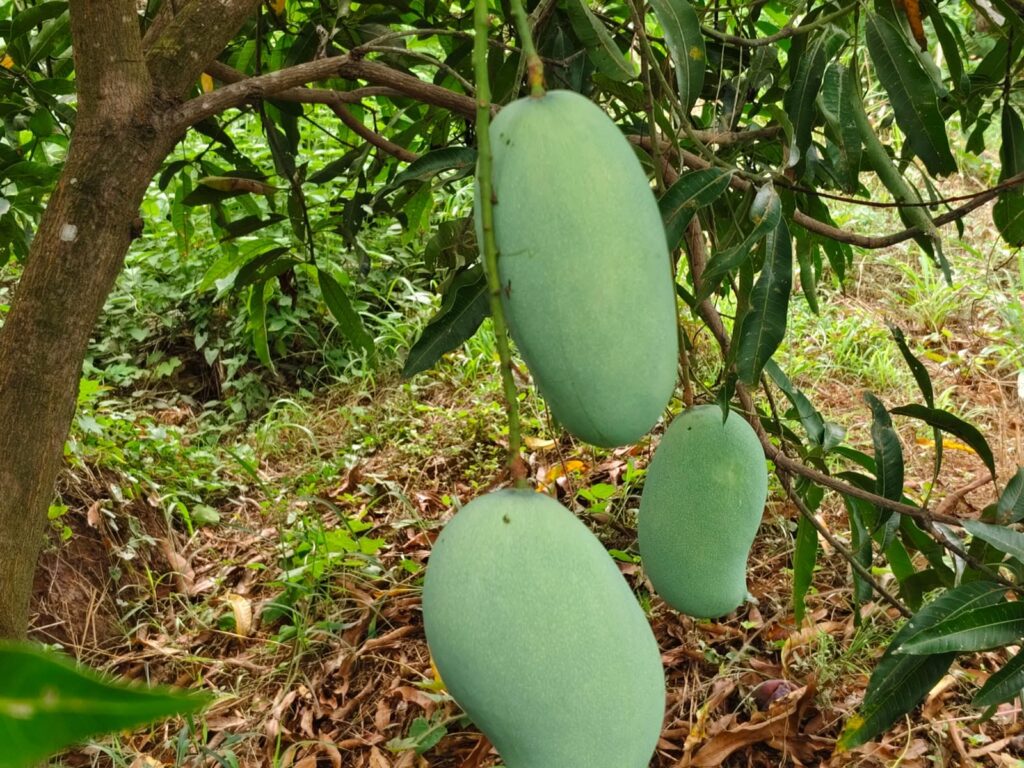
Mango trees (Mangifera indica) are tropical evergreens. Most cultivars grow reliably in USDA Hardiness Zones 9b through 11, with zone 10a to 11b being the sweet spot for consistent fruiting.
Cold is the enemy. Flowers and small fruit die at temperatures near 40°F, and young trees can suffer serious damage below 30°F, per University of Florida IFAS Extension research. Mature trees tolerate brief dips to 25°F, but foliage burns.
In the continental United States, that narrows practical outdoor planting to South Florida, South Texas, coastal Southern California, and parts of Arizona and Hawaii. Gardeners in colder zones often grow dwarf mango cultivars in containers and move them indoors for winter.
Soil matters almost as much as temperature. Mango tolerates a wide range of soil types, but it will not tolerate wet feet. Sandy loam with sharp drainage and a pH near 6.0 to 7.5 is the benchmark most extension programs recommend.
Below, each variety lists its preferred zone range, tree habits, and care needs so you can match the tree to your climate and available space before you buy.
ALSO READ: 50 Types of Orange Trees (Varieties With Pictures)
The 35 Types of Mangoes, Explained One by One
1. Tommy Atkins
This is the mango most people in the United States and United Kingdom have already eaten, whether they know it or not. Tommy Atkins accounts for roughly 80% of mangoes sold in the UK and US markets, largely because it ships without bruising.
Growing zone: USDA 10a to 11b.
Plant characteristics: Vigorous, upright tree with dense, dark green canopy that can reach 30 to 40 feet if left unpruned. Fruit is large, oblong, with red-and-green skin blushed with yellow, typically weighing 14 to 24 ounces.
Care tips: Prune yearly to control size and improve airflow, since dense canopies invite anthracnose. Feed with a low-nitrogen citrus-tropical blend three to four times per year, and irrigate deeply during the first three establishment years.
Flavor and uses: Mild sweetness with noticeable fiber near the seed and a faint turpentine note some tasters pick up. Works best in smoothies, salsas, and dishes where texture matters less than volume.
Other details: Grew from a Haden seedling planted in Florida around 1922. Thomas Atkins marketed it aggressively for its color, yield, and fungus resistance even after tasting panels initially rejected it for flavor.
2. Kent
I find Kent mangoes to be one of the more reliably sweet supermarket options, and apparently the French market agrees, since it is their preferred import over Tommy Atkins. Kent is popular in Latin American export production and widely grown across Peru, Brazil, and Ecuador for the European market, where its low fiber content commands a price premium.
Growing zone: USDA 10a to 11b.
Plant characteristics: Large, oval fruit, mostly dark green skin that turns yellow with a red blush at maturity. The tree is moderately vigorous with a rounded, dense canopy and glossy, lance-shaped leaves.
Care tips: Needs full sun and 20 to 30 feet of clearance from structures. Water deeply during establishment, then taper off once mature, since overwatering dilutes sugar content and encourages root rot.
Flavor and uses: Juicy, nearly fiberless flesh with a rich, honeyed taste and only a hint of tartness. Excellent sliced fresh, in fruit salads, or blended into lassis and desserts.
Other details:
3. Keitt
Keitt is a late-season variety, often the last mango of the Florida harvest window, which makes it valuable for extending the fresh-mango calendar into September. It remains a major Florida export cultivar and performs well in the “green market” trade, per Florida Agricultural Experiment Station records, and it stores longer on the tree than most other cultivars.
Growing zone: USDA 10a to 11.
Plant characteristics: Large tree with a spreading, open canopy that can grow quite wide if not managed. Fruit is large, oval, and stays green even when fully ripe, which confuses first-time buyers.
Care tips: Judge ripeness by firmness and aroma rather than color, since it does not turn red or deep yellow. Thin overcrowded fruit clusters in high-yield years to keep individual mangoes large and well-formed.
Flavor and uses: Sweet, tangy, and nearly fiber-free flesh that holds its shape well, making it a favorite for diced fruit cups and commercial fresh-cut packing.
4. Haden
Haden is the mother of nearly every Florida-bred commercial mango grown today. The original tree was planted in Coral Gables in 1902, and its genetics run through Tommy Atkins, Kent, and others. It was once Florida’s dominant commercial cultivar in the 1940s and 1950s before Tommy Atkins replaced it commercially, though home growers still prize it for taste over shelf life
Growing zone: USDA 10a to 11.
Plant characteristics: Medium to large fruit with striking red skin over green and yellow overtones. The tree produces reddish new growth flushes that mature to dark green, a trait typical of the Indian mango race.
Care tips: More disease-prone than newer hybrids, so apply preventive copper or sulfur sprays at bloom time. Avoid wetting the foliage during flowering, since humidity encourages anthracnose on this cultivar specifically.
Flavor and uses: Balanced sweet-tart flavor with moderate fiber, considered a benchmark flavor against which newer cultivars are often judged.
5. Ataulfo (Honey Mango)
Also called the Champagne mango, this small, golden fruit from Mexico has a genuinely buttery texture that I think beats almost every other variety for eating fresh with a spoon. Named after its Mexican grower. Mexico is the leading mango exporter to the US market, with Ataulfo as a flagship cultivar sold widely under the Champagne or Honey label.
Growing zone: USDA 10 to 11.
Plant characteristics: Kidney-shaped, golden-yellow skin, small to medium size around 6 to 10 ounces, with a small, flat, thin seed that leaves more edible flesh per fruit.
Care tips: Self-fertile and productive even as a young tree; container growers appreciate its moderate, semi-dwarf size and manageable canopy.
Flavor and uses: Buttery, custard-like texture with almost no fiber and intense sweetness. Ideal eaten raw, in mango salsa, or pureed for sauces since it blends smoothly.
6. Alphonso (Hapus)
Ask anyone in Maharashtra, India, and they will tell you Alphonso is simply the best mango in the world. I will not argue the point; the aroma alone justifies the reputation. Grown mainly in Ratnagiri and Devgad, Maharashtra, it is considered India’s premium export variety and often carries a Geographical Indication (GI) tag protecting its regional origin.
Growing zone: USDA 9 to 11, best in tropical to subtropical climates with 75 to 95°F.
Plant characteristics: Compact fruit, saffron-yellow skin with a rosy blush, dense creamy flesh, and a tree that reaches 10 to 15 feet in cultivated orchard settings, up to 20 feet unpruned.
Care tips: Prefers well-drained sandy loam soil, pH 6.0 to 7.5, and does not tolerate frost or waterlogging. Apply a balanced fertilizer in early spring and a potassium boost during fruit development to intensify sweetness.
Flavor and uses: Rich, saffron-scented, fiberless pulp with a short, intense season each spring. Central to Indian desserts such as aamras, mango lassi, and shrikhand.
7. Kesar
Kesar takes its name from the Hindi word for saffron, referencing its deep orange flesh and heady perfume. It carries a GI tag from Junagadh. Excellent for fresh eating and for pulp processing, per Indian agricultural extension data, and increasingly exported to Gulf markets.
Growing zone: Tropical belt equivalent to USDA 9b to 11; grown at the foothills of the Girnar mountains in Gujarat.
Plant characteristics: Medium-sized fruit with a rounded shape, thin skin, and a moderately vigorous tree that adapts well to semi-arid conditions unlike many other Indian cultivars.
Care tips: Responds well to drip irrigation and fertigation, which growers in Gujarat’s Junagadh district use to boost yield and fruit consistency in a relatively dry growing region.
Flavor and uses: Deep orange, aromatic pulp with a rich, slightly tangy sweetness, favored fresh, in juices, and for premium mango pulp production.
8. Dasheri
Dasheri comes from Uttar Pradesh, the state that produces over a quarter of India’s entire mango output. It is widely grown around Malihabad, near Lucknow, one of the largest mango belts in northern India and a key contributor to the region’s export economy.
Growing zone: Subtropical to tropical zones, USDA 9b to 11 equivalent.
Plant characteristics: Elongated, slim fruit with thin, pale green-to-yellow skin, borne on a tall, long-lived tree that can produce for decades once established.
Care tips: Trees are long-lived and benefit from annual light pruning after harvest to maintain shape and to open the canopy for better light penetration and fruit set the following year.
Flavor and uses: Distinct sweet, fiberless pulp with a mild fragrance, commonly eaten fresh or used in regional chutneys and preserves.
9. Langra
Langra is another Uttar Pradesh native, named after a farmer who reportedly had a limp (“langra” means lame in Hindi). It is One of the older heritage cultivars still in commercial production, prized in northern India for its distinctive aroma rather than pure sugar content.
Growing zone: Subtropical, similar to Dasheri’s range.
Plant characteristics: Fruit stays green even at full ripeness, medium size, rounded shape, growing on a moderately vigorous tree with dense, dark foliage.
Care tips: Harvest by feel and aroma rather than color change, much like Keitt, since visual cues are unreliable for this variety.
Flavor and uses: Musky, tangy-sweet flavor that fans consider more complex than sweeter cultivars, often preferred for pickling and traditional Indian preparations that benefit from a firmer bite.
10. Chaunsa
Pakistan built much of its mango export reputation on Chaunsa, grown heavily in Punjab’s Multan region. It exported over 93,000 tonnes of mangoes worth roughly $61 million in 2024, with Chaunsa among the top cultivars shipped, and new EU market access approved for 2026 is expected to expand this further.
Growing zone: Subtropical, similar climate band to northern Indian varieties.
Plant characteristics: Golden-yellow skin, oval shape, very low fiber content, and a tree that performs best in the hot, dry summers typical of Punjab’s plains.
Care tips: Needs hot, dry summers to develop full sugar content; avoid overhead watering near harvest, and irrigate at the root zone to prevent fruit splitting during rapid ripening.
Flavor and uses: Intensely sweet, smooth pulp with almost no fiber, popular fresh and widely shipped for export given its firm skin and good handling characteristics.
11. Sindhri
Sindhri hails from Sindh province in Pakistan and is often called the “queen of mangoes” domestically. It is considered by many Pakistani growers to be the finest-tasting cultivar in the country, though its relatively short shelf life limits it mostly to regional and Gulf export routes.
Growing zone: Hot, arid subtropical zone; irrigated river valley soils preferred.
Plant characteristics: Large, elongated fruit with smooth golden skin, grown on trees adapted to the Indus River valley’s hot, dry conditions with irrigation support.
Care tips: Requires consistent irrigation during fruit development since it grows in naturally dry regions; drip systems help maintain steady soil moisture without waterlogging.
Flavor and uses: Exceptionally sweet with minimal fiber, prized for both fresh consumption and export to the Middle East, where it commands strong seasonal demand.
12. Totapuri
Totapuri gets its name from its parrot-beak shaped tip (“tota” means parrot in Hindi). Krishnagiri district in Tamil Nadu, the country’s largest mango-producing district, grows Totapuri largely for the pulp industry, supplying processors that export value-added products globally.
Growing zone: Tropical South India, particularly Tamil Nadu and Andhra Pradesh.
Plant characteristics: Elongated fruit with a distinctive curved point, thick skin, firm flesh, and a vigorous tree that tolerates rough handling in commercial harvest operations better than softer cultivars.
Care tips: Tolerates handling well, making it a favorite for commercial pulp processing lines; standard full-sun placement and periodic fertilization keep yields consistent.
Flavor and uses: Tangy rather than sweet, with firm flesh well suited to pickling, chutneys, and raw mango salads, in addition to industrial pulp extraction.
13. Himsagar
Himsagar is a Bengal favorite, closely tied to regional festivals and considered one of the most fragrant Indian cultivars. Deeply embedded in Bengali culture, with dedicated mango festivals celebrating its brief but eagerly anticipated season each summer.
Growing zone: Tropical to subtropical, primarily West Bengal.
Plant characteristics: Small to medium fruit, smooth thin skin, deep orange interior, borne on a moderately sized tree suited to Bengal’s humid growing conditions.
Care tips: Sensitive to erratic rainfall during flowering; growers often use canopy management and timed fungicide applications to protect blossoms from moisture-driven disease.
Flavor and uses: Rich, custard-like texture with minimal fiber and a short but intense harvest window, typically eaten fresh or used in traditional Bengali sweets.
14. Banganapalli (Safeda)
Banganapalli, grown chiefly in Andhra Pradesh, is one of the larger commercial Indian cultivars by fruit size. Andhra Pradesh ranks second in India for mango production and cultivated area, and Banganapalli anchors much of that acreage as the region’s signature commercial variety.
Growing zone: Tropical, Andhra Pradesh and parts of Karnataka.
Plant characteristics: Large, oval fruit with bright yellow skin and no red blush, produced on a vigorous, spreading tree that requires generous spacing in orchard settings.
Care tips: Needs wider tree spacing due to its vigorous growth habit and heavy fruit load; support or thin branches carrying unusually heavy fruit clusters to prevent breakage.
Flavor and uses: Mild sweetness with a firm, fiberless bite, popular for fresh eating and also used in slicing applications where uniform, large pieces are desirable.
15. Neelum
Neelum is a late-season South Indian variety, often filling the gap after early cultivars finish fruiting. Popular in home gardens across Karnataka and Tamil Nadu for its long fruiting season, and it is one parent of the widely planted Amrapali hybrid
Growing zone: Tropical South India.
Plant characteristics: Small to medium size, orange-yellow skin, firm texture, grown on a tree that flowers later than most other Indian cultivars.
Care tips: More tolerant of heat stress than early bloomers, useful in warmer microclimates, and generally requires less intensive frost protection given its southern growing range.
Flavor and uses: Sweet with a mild tang, good fresh or in juice blends, and often used as a breeding parent because of its late flowering trait.
16. Mallika
Mallika is a hybrid cross of Neelum and Dasheri, developed to combine the best traits of both parent cultivars. Grown as a specialty market cultivar in Florida, per UF/IFAS cultivar surveys, and increasingly available at farmers markets seeking flavor-forward alternatives to shipping-focused cultivars.
Growing zone: USDA 10 to 11, also grown in Florida home orchards.
Plant characteristics: Medium, oblong fruit, golden-yellow skin with light blush, on a tree of moderate vigor that stays more manageable than many older Florida cultivars.
Care tips: Moderate vigor tree, suitable for smaller residential yards compared to older Florida cultivars, and it responds well to standard citrus-tropical fertilizer programs.
Flavor and uses: Rich, aromatic flavor with a good balance of sweetness and slight tartness, enjoyed fresh and well suited to home-orchard diversity plantings.
17. Amrapali
Amrapali is a dwarf hybrid bred in India specifically for high-density orchard planting. It is bred from Dasheri and Neelum. High-density planting using dwarf types like this has helped raise Indian per-hectare yields significantly over the past two decades.
Growing zone: Tropical to subtropical India; adaptable to container culture elsewhere.
Plant characteristics: Compact, slow-growing tree rarely exceeding 8 to 10 feet without aggressive intervention, producing small to medium deep red-purple fruit in clusters.
Care tips: Its dwarf habit makes it ideal for small gardens or large containers; still needs full sun and benefits from close, high-density spacing in commercial settings.
Flavor and uses: Sweet, rich flesh with minimal fiber, well suited to small households and container growers who want fruit without a sprawling canopy.
18. Nam Doc Mai
This Thai variety has a devoted following among people who prefer mango eaten while still slightly firm and green.Thai producers export significant volumes of Nam Doc Mai to Japan, South Korea, and Europe under strict Good Agricultural Practice standards, supporting its reputation as a premium export cultivar.
Growing zone: USDA 9b to 11; widely grown in Florida and Southeast Asia.
Plant characteristics: Long, slender, curved fruit with pale yellow-green skin, produced on a moderately vigorous, upright tree with narrow, drooping leaves.
Care tips: Best suited to well-draining sandy loam, pH 6.0 to 7.5, with 6 to 8 hours of direct sun, moderate watering, and fertilization every 6 to 8 weeks during the growing season.
Flavor and uses: Sweet and floral even before full ripeness, commonly eaten green with chili-salt dips in Thai cuisine, or fully ripe as a smooth dessert fruit.
19. Mahachanok
Mahachanok, also from Thailand, is a hybrid noted for its exceptionally sweet, almost custard-like flesh. Grown as a specialty cultivar in Florida and increasingly popular in Southeast Asian export markets, often marketed alongside Nam Doc Mai as a premium pairing.
Growing zone: USDA 9b to 11.
Plant characteristics: Medium-large fruit, yellow-orange skin with a slight red blush, grown on a compact to medium-sized tree that fruits reliably in warm subtropical settings.
Care tips: Responds well to regular, moderate fertilization; avoid heavy nitrogen close to fruit set, and maintain consistent watering through the flowering period to support fruit retention.
Flavor and uses: Very sweet, aromatic, and nearly fiberless, considered one of the richer-tasting hybrids, ideal fresh or in premium fruit gift boxes.
20. Kensington Pride
Also called the Bowen mango, Kensington Pride is Australia’s most widely planted commercial variety. It dominates Australia’s domestic mango supply and carries strong cultural association with the country’s summer fruit season, similar to how Alphonso is regarded in India.
Growing zone: Tropical to subtropical Australia; USDA equivalent 10 to 12.
Plant characteristics: Medium-large fruit, orange-yellow skin with a light pink blush, low fiber, growing on a vigorous, spreading tree well adapted to Australia’s monsoonal tropical regions.
Care tips: Prefers well-drained soils and benefits from wind protection, since fruit can drop in strong gusts; growers in cyclone-prone regions often plant windbreaks around orchard blocks.
Flavor and uses: Strongly aromatic with a rich, tropical flavor, the classic taste most Australians associate with mango season each summer.
21. Calypso (B74)
Calypso is a modern Australian-bred cultivar that has begun entering the US market as a newcomer among established Floridian types. Bred for consistent quality and extended shelf life, it is positioned as a premium export cultivar competing directly with long-established Florida-origin varieties.
Growing zone: Subtropical to tropical, similar to Kensington Pride’s range.
Plant characteristics: Medium to large fruit, smooth orange-red skin, very low fiber, on a vigorous tree bred specifically for consistent commercial production and reliable annual yield.
Care tips: Vigorous but manageable with standard annual pruning; performs well under commercial orchard spacing and responds predictably to routine fertilization schedules.
Flavor and uses: Sweet, smooth, fiberless flesh that holds up well to shipping, making it suited to fresh-cut retail packaging as well as whole-fruit sale.
22. R2E2
R2E2 is one of the largest mango cultivars grown commercially in Australia, named after the breeding program code rather than any robot reference, despite the popular joke. Popular in export markets for its size and visual appeal, alongside solid flavor, it has become a fixture in Australian supermarkets during peak season.
Growing zone: Tropical Queensland; USDA equivalent 10 to 12.
Plant characteristics: Very large, rounded fruit with orange-red blush over yellow skin, often exceeding a pound in weight, grown on a vigorous, upright tree.
Care tips: Its heavy fruit requires sturdy limb structure; growers often thin fruit clusters to avoid limb breakage, and staking young trees helps them establish a strong central framework.
Flavor and uses: Mild, pleasant sweetness that suits buyers who value size and visual appeal, often used for slicing and presentation platters given its generous flesh yield per fruit.
23. Irwin
Irwin is a Florida-origin cultivar that later became a specialty crop in Japan, where it is grown under protective covering for premium markets.
In Japan, hand-pollinated, netted Irwin mangoes marketed as Miyazaki mango can sell for very high prices per fruit, sometimes reaching the equivalent of hundreds of dollars for a premium pair at auction.
Growing zone: USDA 10a to 11.
Plant characteristics: Small to medium fruit, deep red skin covering nearly the whole surface, on a moderately compact tree that adapts well to greenhouse or netted cultivation.
Care tips: Benefits from careful canopy training to maximize red skin coloration, which drives premium pricing in Japan; hand pollination and netting are standard practice in Japanese greenhouse production.
Flavor and uses: Rich, sweet, and highly aromatic, eaten fresh as a luxury fruit rather than processed, often given as a formal gift in Japan.
24. Palmer
Palmer produces some of the largest fruit among Florida cultivars, often exceeding a pound each. Valued as a dooryard and specialty-market tree in South Florida, it is often chosen by home growers who want a large-fruited but space-efficient cultivar.
Growing zone: USDA 10a to 11.
Plant characteristics: Long, tapered fruit, deep red-maroon skin at maturity, grown on an upright, relatively narrow tree that suits higher-density home plantings better than sprawling cultivars.
Care tips: Its upright growth habit tolerates higher-density planting better than sprawling cultivars, and moderate annual pruning keeps the canopy from becoming top-heavy.
Flavor and uses: Smooth, fiberless flesh with a mild sweetness, valued for slicing into large, clean pieces for fruit trays and desserts.
25. Valencia Pride
Valencia Pride is a Florida cultivar recognized for its long, curved shape and strong disease tolerance. It is a newer-generation Florida cultivar still actively grown for fresh market and specialty sales, often recommended to home growers seeking lower-maintenance options.
Growing zone: USDA 10a to 11.
Plant characteristics: Elongated, curved fruit, yellow-orange skin with a red blush at the shoulder, on a moderately vigorous tree with dense, glossy foliage.
Care tips: Fairly disease-resistant, reducing the need for intensive fungicide programs compared to older cultivars, though standard full-sun placement and periodic feeding still apply.
Flavor and uses: Sweet, smooth flesh with low fiber, well suited to fresh eating and popular with growers who want reliable production without heavy disease management.
26. Glenn
Glenn is a Haden-derived cultivar prized for consistent, heavy production with fewer disease problems than its parent. It is documented by University of Florida researchers as a strong performer among newer commercial selections, combining good taste with dependable annual yield.
Growing zone: USDA 10a to 11.
Plant characteristics: Medium tree vigor, medium-large fruit, yellow skin with a pink-red blush, and a naturally more compact canopy than many Florida cultivars.
Care tips: More forgiving for home growers due to moderate vigor and manageable canopy size, requiring only light annual pruning to maintain shape and productivity.
Flavor and uses: Sweet, smooth, low-fiber flesh, well liked for fresh eating and considered one of the better-flavored modern Florida cultivars.
27. Edward
Edward is a smaller-market Florida cultivar, often grown by home gardeners rather than large commercial operations. It is a favorite among backyard fruit collectors and heirloom-variety enthusiasts who prioritize flavor over commercial shelf life.
Growing zone: USDA 10a to 11.
Plant characteristics: Rounded, medium fruit with orange-red skin, on a tree of moderate size well suited to residential landscapes.
Care tips: Standard mango care applies: full sun, deep infrequent watering once established, annual light pruning, and a balanced tropical fertilizer during the growing season.
Flavor and uses: Rich, smooth flesh with minimal fiber, best enjoyed fresh, and considered by many backyard growers to rival the flavor of more famous cultivars.
28. Carrie
Carrie is a smaller Florida cultivar with an intense, almost spicy sweetness that fans describe as one of the tastiest options available. Popular in Florida farmers markets, though its short shelf life keeps it out of large-scale export chains, making it something of a local secret among mango enthusiasts.
Growing zone: USDA 10a to 11.
Plant characteristics: Small to medium fruit, yellow-green skin that rarely reddens, on a moderately compact tree that fits well into smaller residential yards.
Care tips: Its smaller stature suits home landscapes with limited space; still needs full sun exposure and benefits from regular but moderate irrigation during fruit development.
Flavor and uses: Intensely sweet with a spicy, almost pineapple-like complexity, best eaten fresh since its soft texture does not hold up well to slicing for retail display.
29. Cogshall
Cogshall is a compact tree that produces excellent fruit quality relative to its manageable size, making it a favorite for small properties. It is a popular choice among South Florida homeowners who want commercial-quality fruit without dedicating a large area of the yard to one tree.
Growing zone: USDA 10a to 11.
Plant characteristics: Semi-dwarf growth habit rarely exceeding 15 feet, small to medium fruit, orange-red blush, and a naturally tidy, rounded canopy.
Care tips: Suitable for container culture in marginal zones since its size stays naturally compact, and it responds well to light annual shaping rather than heavy structural pruning.
Flavor and uses: Sweet, rich flavor comparable to larger commercial cultivars but on a smaller tree footprint, ideal for fresh eating and small-batch preserves.
30. Madame Francis
Madame Francis is Haiti’s signature export cultivar and a major supplier to the northeastern United States market. It is a key export crop for Haiti, alongside Florida and Mexican cultivars, in the US fresh mango trade, particularly during the summer import window.
Growing zone: Tropical Caribbean, USDA equivalent 10 to 12.
Plant characteristics: Elongated, kidney-shaped fruit, bright yellow skin, grown on a tree well adapted to humid, coastal Caribbean conditions.
Care tips: Tolerates humid coastal conditions well, an advantage in Caribbean growing regions, though growers still monitor for fungal disease during the rainy season.
Flavor and uses: Sweet, fragrant, fiberless flesh, typically eaten fresh, and closely tied to Haitian culinary tradition and seasonal export shipments.
31. Carabao
Carabao is the Philippine national mango and has earned recognition as one of the sweetest mango varieties in the world.
It belongs to the Philippine mango type, which tolerates moisture better than Indian-type cultivars, per California Rare Fruit Growers records, and remains central to the country’s fruit export identity.
Growing zone: Tropical Philippines, USDA equivalent 10 to 12.
Plant characteristics: Elongated, kidney-shaped fruit, thin golden-yellow skin, grown on a tree belonging to the Philippine mango race, which tolerates humidity better than Indian-race cultivars.
Care tips: Thrives in humid tropical conditions with well-drained volcanic or loam soils, and growers typically avoid heavy pruning since the tree fruits well on natural growth patterns.
Flavor and uses: Exceptionally sweet, smooth, and nearly fiberless, eaten fresh, dried, or turned into the Philippines’ well-known dried mango snack products.
32. Manila (Manilita)
Manila mangoes are the small, slender yellow fruit commonly sold under the “Champagne” label alongside Ataulfo in North American stores. It is frequently confused with Ataulfo at retail because of similar size and color, though the two are genetically distinct cultivars with slightly different flavor notes.
Growing zone: USDA 10 to 11; widely grown in Mexico and California.
Plant characteristics: Small, flat, elongated fruit, smooth thin skin, growing on a moderately compact tree that adapts reasonably well to warm coastal California conditions.
Care tips: Compact size makes it a workable container option for warm patios outside strict tropical zones, though it still needs protection from any frost risk.
Flavor and uses: Extremely low fiber with a honeyed, floral flavor close to Ataulfo’s profile, best eaten fresh, sliced, or blended into smoothies.
33. Gedong Gincu
Gedong Gincu comes from Indonesia and stands out for its bright red-orange color, unusual among Southeast Asian cultivars. It is a key variety in Indonesia’s push to grow mango into a larger export commodity, supported by government efforts to expand cold-chain logistics.
Growing zone: Tropical Indonesia, USDA equivalent 10 to 12.
Plant characteristics: Small, rounded fruit, vivid red-orange skin, minimal fiber, grown on a tree adapted to Indonesia’s humid, high-rainfall tropical climate.
Care tips: Needs consistent humidity and warmth; performs poorly in dry, low-humidity climates, and growers generally avoid planting it in exposed, windy sites.
Flavor and uses: Sweet, aromatic, and visually striking, popular for fresh eating and increasingly marketed internationally on the strength of its unusual color.
34. Julie
Julie, sometimes called St. Julian, is a beloved backyard variety across the West Indies. Closely tied to Caribbean home garden culture, it is often passed down as grafted cuttings within families rather than sold commercially at scale.
Growing zone: Tropical Caribbean, USDA equivalent 10 to 12.
Plant characteristics: Small tree, small to medium fruit, greenish-yellow skin with light blush, naturally compact and well suited to small garden plots.
Care tips: Its naturally compact size suits small Caribbean and South Florida yards without heavy pruning, and it fruits reliably even with minimal formal orchard management.
Flavor and uses: Sweet, aromatic flesh with minimal fiber, eaten fresh and deeply tied to home garden traditions across Trinidad, Jamaica, and neighboring islands.
35. Osteen
Osteen is Spain’s leading commercial cultivar, grown mainly along the southern Andalusian coast, one of the few places in Europe warm enough for mango orchards.
Central to Spain’s small but growing mango industry, it supplies fresh fruit across the European Union and demonstrating that mango cultivation is possible well outside traditional tropical latitudes with the right microclimate.
Growing zone: USDA equivalent 10a to 11, Mediterranean coastal microclimate.
Plant characteristics: Medium-large fruit, dark red-purple skin, firm flesh, grown on a moderately vigorous tree that has adapted to the milder, less consistently tropical Mediterranean climate.
Care tips: Benefits from coastal wind protection and careful winter frost monitoring at the edge of its climate range, since Spain sits at the northern limit of viable mango cultivation.
Flavor and uses: Firm, mildly sweet flesh with good slicing qualities, sold fresh across European markets and valued for its longer shelf life relative to more delicate tropical cultivars.
General Care Tips That Apply to Almost Every Mango Tree
A few rules hold true regardless of cultivar. I think of these as the non-negotiables.
Give it space. Standard mango trees can reach 30 to 60 feet tall and wide, according to UF/IFAS. Leave 20 to 30 feet from structures, power lines, and other trees, even if you plan to prune regularly.
Full sun is mandatory. Mango trees need at least 6 to 8 hours of direct sunlight for healthy flowering and fruit set. Trees grown in partial shade may survive but rarely fruit well.
Watch the nitrogen. Young trees need nitrogen to establish, but too much reduces fruit quality and can burn roots. A tropical or citrus fertilizer blend under 6% nitrogen works well, applied several times through the growing season and tapered off by midsummer.
Water wisely. Irrigate consistently while the tree establishes, typically the first three to four years. After that, most cultivars become fairly drought tolerant and only need supplemental water during extended dry spells.
Prune after harvest. Pruning within a month of the last harvest, and before October in Florida, keeps trees productive without disrupting next season’s flowering, since mango sets fruit on new growth.
Watch for anthracnose and powdery mildew. These two fungal diseases attack flowers and young fruit during wet weather. Full sun exposure, avoiding overhead irrigation, and timely fungicide applications at bloom all help prevent outbreaks.
Consider polyembryonic rootstock. Some cultivars produce polyembryonic seeds that grow true to type, making them useful, low-cost rootstock options for grafting named varieties in home orchards.
ALSO READ: 25 Types of Avocado Trees (Identification, With Pictures)
Why So Many Mango Varieties Exist
Mango has been cultivated in India for more than 4,000 years, according to UF/IFAS. That long history, combined with the tree’s habit of producing genetically different seedlings from seed, has produced hundreds of distinct cultivars worldwide.
The USDA’s germplasm repository in Coral Gables, Florida, alone maintains close to 400 documented mango varieties, once believed to exceed 500 before genetic testing revealed duplicates.
Most of the well-known commercial cultivars in the Americas, including Tommy Atkins, Kent, Keitt, and Haden, trace their lineage back to a single Haden tree planted in Florida in 1902, itself a descendant of the Indian Mulgoba variety.
Regional breeding programs in India, Thailand, Australia, and Florida have each pursued different goals, whether that is shelf life for export, compact size for home gardens, or intense flavor for local markets, which explains why the same fruit can look and taste so different depending on where it was bred.
Final Thoughts
Thirty-five varieties barely scratch the surface of what exists, but they represent the cultivars you are most likely to encounter, whether you are shopping at a farmers market or choosing a tree for your backyard. Match the variety to your climate first, then let personal taste guide the rest.
If there is one thing tasting so many mangoes has taught me, it is that the “best” mango depends entirely on what you want from it: shelf life, fragrance, low fiber, or sheer sweetness. Pick accordingly, and enjoy the harvest.
References
- University of Florida IFAS Gardening Solutions – Mango: https://gardeningsolutions.ifas.ufl.edu/plants/edibles/fruits/mango/
- University of Florida IFAS Extension – Mango Growing in the Florida Home Landscape (HS2/MG216): https://ask.ifas.ufl.edu/publication/MG216
- University of Florida IFAS Mango Science Program – Phenology and Cultivars: https://mango.ifas.ufl.edu/research/phenology/
- USDA Agricultural Research Service – Plant Hardiness Zone Map: https://planthardiness.ars.usda.gov/
- Food and Agriculture Organization of the United Nations – FAOSTAT Crop Production Data: https://www.fao.org/faostat/en/#data/QCL
- California Rare Fruit Growers, Inc. – Mango Fruit Facts: https://crfg.org/homepage/library/fruitfacts/mango/
- University of Georgia – Mango Growing Zone Guide: https://blackatlantic.uga.edu/mango-growing-zone

Tim M Dave is a gardening expert with a passion for houseplants, particularly cacti and succulents. With a degree in plant biology from the University of California, Berkeley, he has vast experience in gardening. Over the years, he has cultivated a vast collection of desert plants and learned a great deal about how to grow and care for these unique companions.